It sounds impossible at first. How can a Winchester rifle not really be made by Winchester?
The answer is that “Winchester” today is primarily a brand name, not the same standalone gun company many shooters imagine when they hear it.
The Winchester Name Outlived the Original Winchester Company
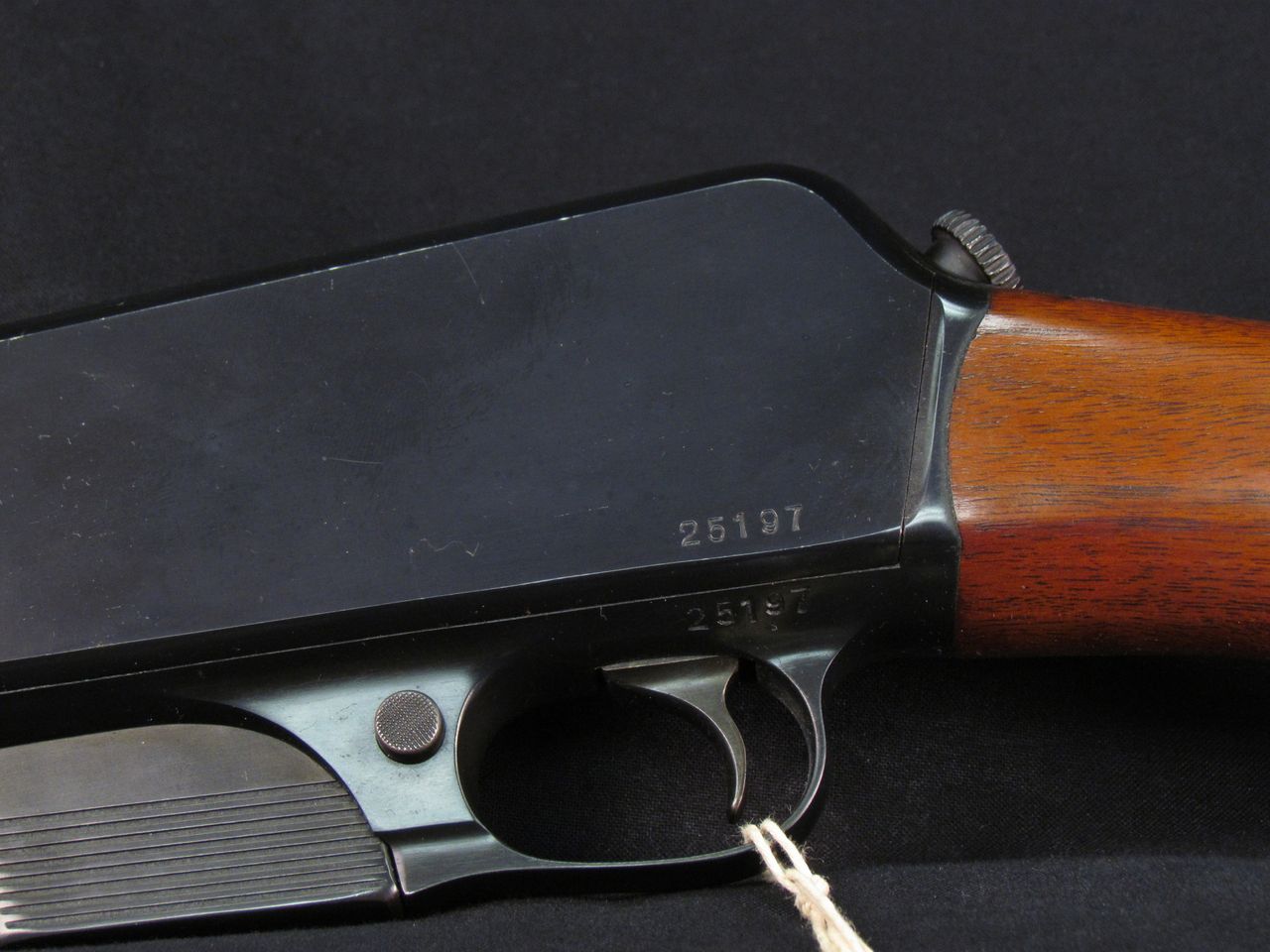
For most Americans, Winchester means one thing: the legendary rifle maker behind the Model 1873, Model 1894, and Model 70. That association is so strong that many buyers assume the company that created those guns still exists in basically the same form. In reality, the corporate history split apart long ago, and the famous brand kept going after the original business structure changed.
The key distinction is between a brand and a manufacturer. Brands can survive ownership changes, licensing deals, factory closures, and even bankruptcies. That is exactly what happened here. According to Winchester Repeating Arms’ own history materials, the Winchester name has been used by several different corporations over its 150-year history, which is about as direct an admission of corporate discontinuity as you will find.
That matters because the modern rifle in a gun rack may wear the Winchester horse-and-rider logo while being produced by a company operating under a completely different corporate umbrella. Winchester’s current legal language also says the Winchester trademark is owned by Olin Corporation and used under permission, underscoring that the name itself is a licensed asset rather than proof of a single uninterrupted manufacturer.
So when people say, “They don’t make Winchester rifles like they used to,” they are accidentally saying something more literal than they realize. In a corporate sense, “they” are not the same outfit anymore.
The Big Split Started in 1981, Not in the 2000s
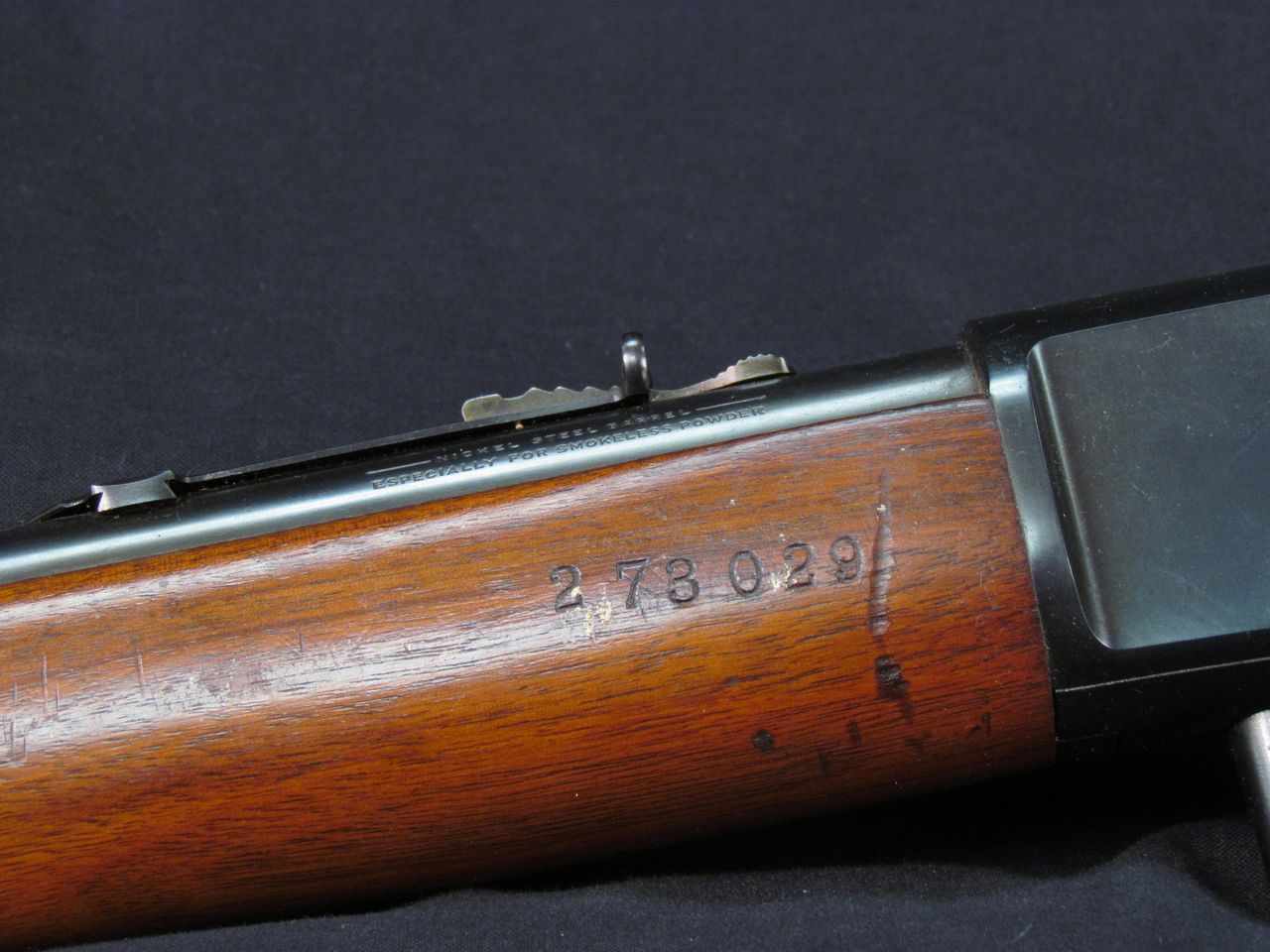
A lot of shooters think the break happened when the New Haven plant closed in 2006. That closure was dramatic, but the real divorce started much earlier. Winchester’s own manufacturing history says the firearms business became separate from Winchester Ammunition, owned by Olin, in 1981, and that ownership of the factory and the license changed several times after that.
That 1981 change is the first big turning point. Olin, which had controlled the Winchester brand, kept the trademark but separated the firearms operation from the ammunition side. In plain English, the name stayed with one corporate owner while the gun-making business moved onto a different path. That is the foundation for all the confusion that followed.
Once that happened, the old idea of one integrated Winchester company making both guns and ammo was gone. Consumers still saw “Winchester” on both boxes of cartridges and rifle receivers, but the back-end corporate reality had fractured. Winchester ammunition remained tied to Olin, while firearms became a licensed business.
This is why modern Winchester branding can feel deceptively seamless. The logo, heritage messaging, and model names imply continuity. But from a business standpoint, the split that made today’s arrangement possible began more than four decades ago, long before most people noticed anything had changed.
USRAC Kept the Guns Alive, but It Wasn’t the Old Winchester
After the 1981 separation, U.S. Repeating Arms Company, usually shortened to USRAC, became the business that carried the Winchester firearms line forward in New Haven. Winchester’s official timeline notes that a new U.S. Repeating Arms Company continued manufacturing Winchester-brand rifles and shotguns under license from Olin. That phrase, “under license,” is the whole story in miniature.
USRAC was making Winchester-branded guns, but it was not the original Winchester Repeating Arms Company in the classic 19th-century or mid-20th-century sense. It was a successor operation with rights to use the name. Plenty of consumers never noticed that distinction because the rifles still looked familiar and the catalogs still sold tradition.
Financial trouble complicated things further. The post-1981 gun business went through instability, ownership changes, and eventually bankruptcy-related disruption. Over time, pieces of the operation and the brand relationship moved closer to the FN and Browning orbit. Winchester’s own historical material and Browning’s timeline both point to that transition.
This is where the mythology and the paperwork part ways. The mythology says Winchester kept making Winchesters. The paperwork says a licensed successor company made them, then that arrangement shifted again. The name survived. The original corporate identity did not.
The 2006 New Haven Closure Changed Public Perception
If 1981 was the real corporate split, 2006 was the emotional breaking point. That was when the historic New Haven, Connecticut, factory closed, ending production at the site most people associated with traditional Winchester gunmaking. For many enthusiasts, that was the moment Winchester ceased to feel like Winchester, even if the legal and ownership changes had been underway for decades.
The New Haven plant carried enormous symbolic weight. It was not just a factory; it was part of the American industrial mythology surrounding lever guns, bolt actions, and military production. Once that facility shut down, the illusion of uninterrupted continuity became much harder to maintain. A famous address had disappeared, and with it went a lot of public certainty about who, exactly, was making the guns.
Yet the Winchester brand did not vanish. Production of various models continued elsewhere, depending on the firearm. Winchester Repeating Arms’ current manufacturing FAQ says modern Winchester firearms are made in multiple locations, including places tied to FN and other associated facilities, and that the barrel markings reveal the country of origin.
That is the detail many buyers miss. The name stayed the same, but the manufacturing map became international and model-specific. After 2006, it became undeniable that “Winchester” described a branded product line more than a single old-line American gun company.
Browning and FN Are the Real Corporate Center of Gravity
Today, if you want to understand who really stands behind many Winchester rifles and shotguns, you have to look at Browning and FN Herstal, not some independent company called Winchester. Browning’s own materials explain that today’s Herstal Group includes brands such as Browning, Winchester Repeating Arms, FN Herstal, and FNH USA. Browning also plainly states that FN acquired the Winchester brand, licensed from Olin, as part of that larger corporate history.
That arrangement explains why Winchester and Browning products sometimes feel like cousins. They are. Shared engineering logic, overlapping manufacturing relationships, common ownership structures, and coordinated brand management all flow from the same larger business family. Winchester’s legal notices even mention Browning trademarks in product materials, which gives you a glimpse into how intertwined the brands are operationally.
In practical terms, modern Winchester firearms are best understood as products managed within the Browning and FN world, with Olin retaining ownership of the Winchester trademark itself. That is a more accurate description than saying they are made by “Winchester” as if Winchester were still a standalone gun company calling all the shots.
It is a twist of history John Moses Browning probably would have appreciated. The man whose designs helped define classic Winchester is now indirectly tied to the corporate structure behind today’s Winchester-branded guns.
Why the Branding Still Feels So Seamless to Buyers
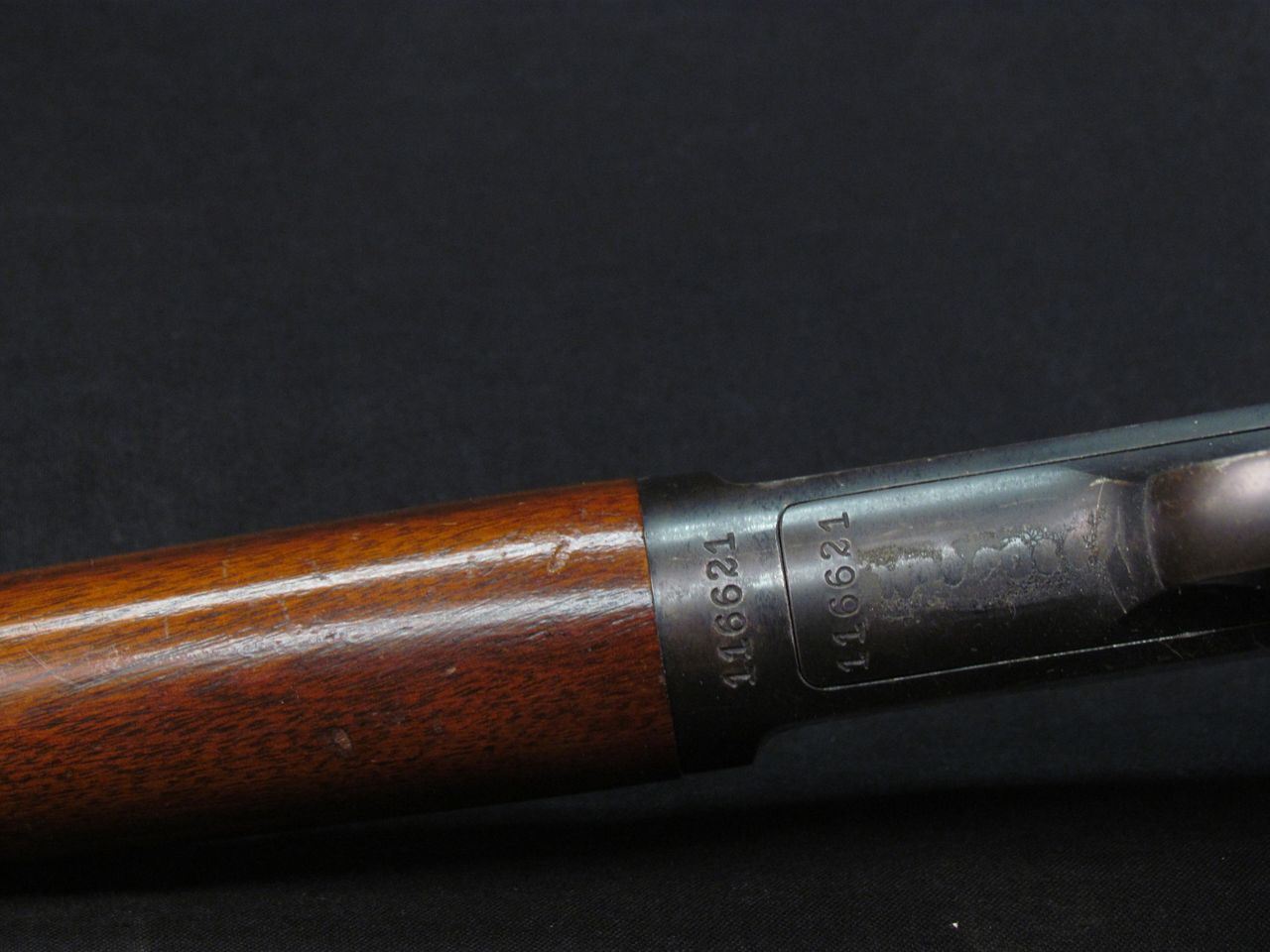
Most gun buyers do not study trademark law before picking a deer rifle. They see Model 70, Model 94, XPR, or SX4, and they understandably think they are dealing with a single, enduring manufacturer. That impression is not accidental. Heritage branding is powerful, and the firearms industry uses it especially well because nostalgia and trust sell guns almost as effectively as performance.
Catalogs and official pages reinforce that continuity. The imagery, product names, and historical references all connect modern rifles to the frontier, to military history, and to the golden age of American sporting arms. That story is true in a heritage sense, but it can blur the difference between lineage and legal identity.
There is also the ammunition factor. Olin still owns the Winchester trademark and remains the force behind Winchester ammunition, while the firearms side is licensed out. To a consumer standing at a store counter, seeing Winchester ammo next to a Winchester rifle makes the whole enterprise look unified even when the businesses behind those products are not the same company.
That is why this issue keeps surprising people. The market experience says “one brand, one legacy.” The corporate reality says “shared name, separate owners, licensed firearms, and a much more complicated family tree.”
So Are Modern Winchester Rifles Legitimate Winchesters or Not?
The honest answer is yes, but not in the way most people mean it. They are legitimate Winchester-brand firearms. They are not counterfeits, and they are not fake in any casual sense. They are produced under real trademark authority, within a corporate structure tied to Browning and FN, while the Winchester name itself remains owned by Olin.
What they are not is the output of a modern independent gunmaker literally called Winchester operating as the direct continuation of the old Winchester company. That is the misconception. In branding terms, they are absolutely Winchester. In corporate-history terms, they are descendants, licensees, and successors rather than the original entity continuing untouched.
For shooters, collectors, and hunters, that distinction matters in different ways. A collector may care deeply about pre-64, New Haven, or USRAC-era provenance. A hunter shopping for a current-production XPR may care only whether it is accurate, reliable, and worth the price. Both perspectives are fair, but they are asking different questions.
So the headline claim is basically right. For nearly two decades, Winchester rifles have generally not been made by a company literally called Winchester in the old standalone sense. The famous name endured. The company behind the trigger changed.