Some corporate fights happen in courtrooms. This one unfolded in proxy filings, board letters, and a very public struggle over who gets to shape the future of one of America’s best-known gunmakers.
What made it so gripping was the twist: after months of escalation, Beretta and Ruger stepped back from the brink and struck a deal that almost nobody would have predicted at the start.
How a Quiet Investment Turned Into a Governance Flashpoint
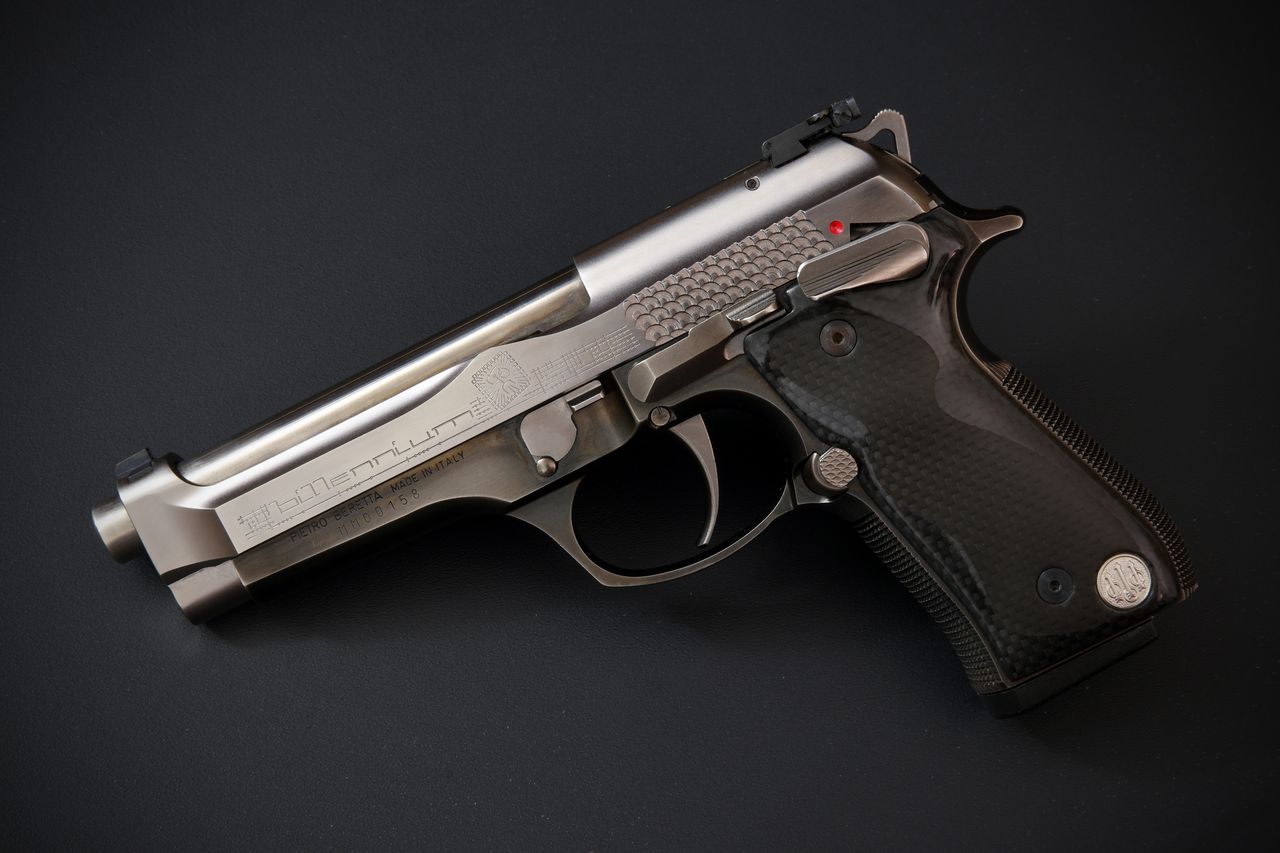
The fight began with Beretta Holding building a significant position in Sturm, Ruger & Co., eventually disclosing a 9.95% stake and becoming Ruger’s largest shareholder. That alone was enough to get attention, because Beretta was not some passive fund manager. It was a global firearms group, a direct industry player, and a shareholder with both operational credibility and obvious strategic interests.
Beretta said it initially wanted constructive engagement. In its proxy materials, it argued that Ruger had suffered from weak governance, operational deterioration, and prolonged share-price underperformance. Beretta’s pitch to shareholders was that Ruger needed a sharper board, stronger capital allocation, and more industry-informed oversight.
Ruger saw the story very differently. The company said Beretta had accumulated its stake while pressing for terms that would have diluted existing shareholders and given the Italian gun group outsized influence. According to Ruger’s own public account, discussions that began as strategic outreach quickly became a contest over independence, control, and whether a competitor should be allowed deep access to the company.
That is why this was never just another activist campaign. Beretta was speaking the language of shareholder value, but it was also a firearms heavyweight asking for a bigger say at a rival. That combination made every move feel more loaded than a standard Wall Street board dispute.
Why Ruger Was Vulnerable in the First Place
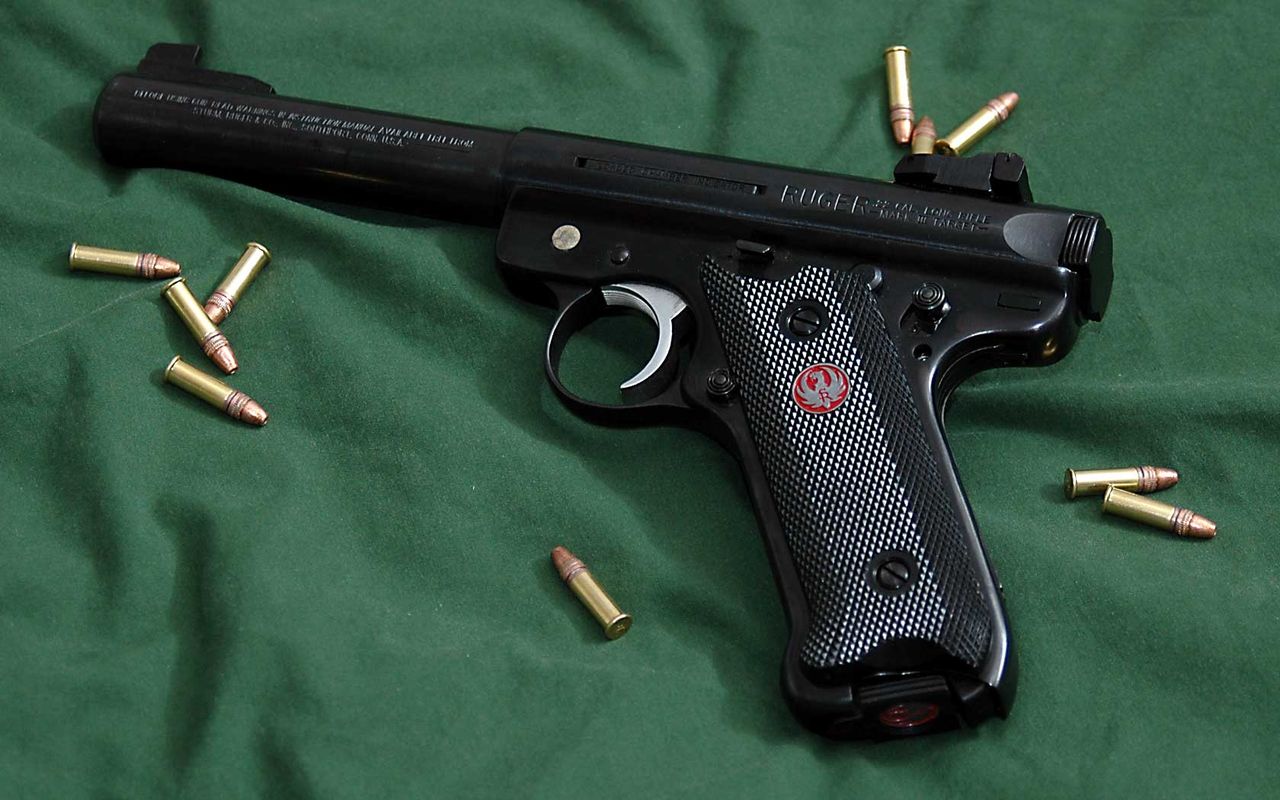
Activist campaigns usually need an opening, and Ruger gave Beretta one. Ruger’s 2025 results were rough in the places that matter most to investors. Full-year net sales rose modestly to about $546.1 million, but profitability fell sharply: gross profit dropped to $81.2 million, operating results slipped to a loss, and the company posted a net loss of roughly $4.4 million after earning more than $30 million the year before.
That performance gave Beretta a clean argument. A company can survive a soft year if the board has credibility with shareholders, but Ruger was already in a sensitive period. Todd Seyfert had taken over as CEO on March 1, 2025, making the governance backdrop more delicate. Leadership transition and weakened profitability are exactly the kind of conditions that invite outside pressure.
Beretta leaned hard into that opening. It argued that Ruger’s board refresh efforts were not enough and that too many long-tenured directors remained insulated from accountability. Its materials emphasized margin compression, weak capital discipline, and what it described as a mismatch between board composition and the challenges facing the business.
Ruger, to be fair, had its own defense. The company pointed to new product momentum, including major contributions from newer platforms and product families, and said the business was executing a longer-term strategy rather than simply defending stale legacy lines. But once an activist can point to deteriorating earnings and governance anxiety at the same time, the debate tends to move quickly from performance to power.
The Demands That Sent the Conflict Into Overdrive
The real break came when negotiations moved beyond ordinary investor engagement. Ruger said Beretta pushed for much more than a typical shareholder would seek. In a March 2026 public statement, Ruger said Beretta had threatened to “go to war” if its demands were not met. Ruger also said Beretta had repeatedly sought additional shares at a 15% discount, along with governance rights the company viewed as excessive.
That language changed the temperature instantly. Companies accuse activists of being aggressive all the time, but using the word “war” in the middle of a board struggle signaled that private diplomacy had badly failed. It also gave Ruger a potent message for U.S. shareholders who might already be uneasy about a foreign competitor gaining leverage over a domestic gunmaker.
Beretta denied the notion that it was trying to seize control and instead framed its campaign as an overdue intervention. It nominated four directors and told shareholders it wanted to “reload Ruger” with expertise in capital allocation, operations, governance, and the firearms business. The slate was designed to look serious, not symbolic.
This is where the battle nearly became a classic proxy war in full. Beretta had a white universal proxy card, a public thesis, and a list of nominees. Ruger had a hardened defensive posture, a poison pill already in place from late 2025, and a narrative built around protecting independence and all stakeholders. By spring 2026, this had become one of the more unusual corporate contests in the firearms world.
Why This Was Bigger Than a Simple Shareholder Revolt
A normal proxy fight is about returns, board seats, and strategy. This one had all of that, but it also had antitrust, national-security, and industry-structure implications hanging over it. Ruger made that point repeatedly, arguing that any arrangement with a direct competitor had to be carefully structured to preserve independence and comply with legal constraints.
That matters because Beretta is not just a financial sponsor. It is part of a powerful, family-controlled firearms group with global manufacturing, distribution, and brand reach. If an outside investor from another sector pushes for board change, shareholders mostly ask whether the thesis is financially sound. When a rival gunmaker does it, the question becomes whether influence could evolve into strategic control.
Ruger used that concern aggressively. It argued that it had offered constructive proposals that would have allowed Beretta to increase ownership up to a cap, designate directors under controlled terms, and explore real commercial collaboration. But the company said Beretta wanted more than partnership. It wanted discounted stock, disproportionate say, and leverage that Ruger believed crossed a line.
The result was a clash between two believable but competing narratives. Beretta’s version was that an underperforming public company was hiding behind defenses to avoid accountability. Ruger’s version was that a competitor was dressing up an attempted power grab as shareholder activism. That tension is what made the episode so fascinating even outside finance circles.
The Surprise Deal That Changed the Ending
Then came the pivot. On May 4, 2026, the two sides announced a strategic cooperation agreement that abruptly defused the showdown ahead of Ruger’s annual meeting on May 27, 2026. Instead of a scorched-earth proxy contest, the companies moved into a structured détente with clearly defined guardrails.
The deal was not small. Ruger agreed to raise Beretta Holding’s ownership cap to 25% of the company. In connection with that larger investment, Beretta won the right to nominate up to two independent directors after the 2026 annual meeting and after regulatory approval, with Ruger temporarily expanding the board at that time.
Just as important were the restraints. Beretta committed to a three-year standstill under which it would not initiate or support a proxy contest or similar action. It also agreed to vote its shares in line with Ruger’s board recommendations on most matters, except in limited circumstances such as adverse recommendations from major proxy advisers or certain extraordinary transactions.
That is why the settlement felt surprising. Beretta did not get immediate control, and Ruger did not force a clean retreat. Instead, both sides accepted a hybrid outcome: more room for Beretta to invest and influence over time, but within a framework designed to avoid open warfare. In boardroom terms, that is not capitulation. It is a carefully negotiated ceasefire.
Who Really Won, and What Each Side Gave Up
The easy answer is that both sides claimed victory, which usually means the truth is mixed. Beretta can fairly say it forced change. It went from frustrated shareholder to a party with a path to 25% ownership and the future right to nominate two independent directors. For an investor that started at 9.95%, that is a meaningful gain in influence.
Ruger, though, avoided the worst-case scenario. It headed off a potentially brutal proxy fight, preserved a standstill, kept Beretta from running a live campaign through 2029, and ensured any future board nominees must still go through its nominating process and meet qualification criteria. The company also bought time for management to execute without annual meeting chaos.
The concessions matter. Beretta dropped its director nominations and gave up the chance to force an immediate shareholder verdict. Ruger, meanwhile, accepted that Beretta was not going away and that containment through pure resistance was no longer the best option. The settlement acknowledged a basic fact: Beretta had become too important a shareholder to ignore, but still too sensitive a rival to fully embrace.
From a strategic perspective, Ruger probably won the battle over timing while Beretta won the battle over trajectory. Ruger kept the company stable in the near term. Beretta secured a credible route to deeper influence in the medium term. That is exactly the kind of outcome you get when neither side can fully overpower the other.
What This Fight Means for the Firearms Business

This episode says a lot about where the firearms industry is heading. Public gun companies are no longer insulated from the kind of sophisticated activism seen in other sectors. If margins fall, growth wobbles, and boards look stale, even culturally distinctive businesses can become targets for aggressive shareholder campaigns.
It also shows that industry expertise cuts both ways. Beretta’s deep operating knowledge gave its critique unusual credibility. At the same time, that same expertise made Ruger’s shareholders and board more cautious, because the challenger was not just a critic. It was a competitor that could potentially reshape the strategic map of the industry.
For investors, the big lesson is that governance fights are increasingly about more than quarterly earnings. They can become battles over corporate identity, independence, and who gets to define value creation. In this case, the questions were not only whether Ruger needed reform, but whether reform should come from inside the company, from public shareholders, or from a rival with its own ambitions.
And for everyone else, this story was a reminder that some of the fiercest fights in business do not start with takeover bids. They start with a stake, a board letter, and a phone call that does not go the way either side expected. Beretta and Ruger nearly gave the gun business a full proxy war. Instead, they gave it something more interesting: an armed truce with consequences that will unfold for years.