For many hunters, proof of insurance is just another item to bring along with tags and gear. But experienced landowners know the real trouble often hides in the parts of a policy people never read closely. These overlooked details can shape who is covered, when coverage applies, and what happens after an accident on private land.
Who the policy actually covers

A surprising number of hunters assume a liability policy automatically covers everyone in the group. Landowners say that is where misunderstandings begin, especially when a guest, relative, or last-minute invite joins the trip without being named or clearly included under the policy language.
Some policies cover only the individual listed, while others extend to household members or specifically scheduled participants. On private land, that distinction matters. If an accident involves someone who was never truly covered, the landowner may suddenly be pulled into a dispute no one expected when the gate first opened that morning.
Whether coverage applies on leased or borrowed land

Hunters often read that they have liability protection and stop there. Seasoned landowners say the smarter question is where that protection applies, because some policies treat owned property, leased acreage, and borrowed access very differently.
That matters when a hunt takes place on a friend’s pasture, a short-term seasonal lease, or a neighboring tract opened for one weekend. If the policy language is narrow, an incident on non-owned land may trigger exclusions or a coverage fight. Landowners who have dealt with claims before say this is one of the first fine-print issues worth clarifying before anyone heads into the field.
Guest and invitee liability limits

Bringing a guest feels routine in hunting culture, but insurance may not treat that guest as casually as hunters do. Landowners often say the problem is not whether guests are allowed, but whether the policy has enough protection if a guest causes injury or property damage.
Even when guests are technically covered, the liability limits may be too low for a serious claim involving medical bills, vehicle damage, livestock injury, or a structure hit by a stray round. A landowner who has barns, fencing, roads, and equipment on site knows how fast losses can add up. Limits that looked fine on paper can feel very small after one bad afternoon.
Exclusions tied to ATVs, trucks, and equipment

Many hunting accidents do not happen at the stand or in the blind. Experienced landowners say they often involve an ATV on a muddy trail, a truck backing into a gate, or a trailer damaging a culvert long before anyone talks about firearms.
That is why vehicle and equipment exclusions deserve a close look. A hunting liability policy may not cover motor vehicle incidents, and an auto policy may not fully address off-road use on private land. The result can be a patchwork of assumptions with expensive gaps in between. Landowners who have repaired roads or fencing after a hunt say this is one detail too many people skip.
Firearm-related exclusions and safety condition clauses

Hunters naturally expect a hunting policy to address firearm incidents, yet landowners say not every policy works as broadly as people assume. Some include conditions tied to lawful use, supervision, intoxication exclusions, or compliance with state regulations and property rules.
Those clauses can become central after an injury. If someone was using the wrong caliber where restricted, ignored posted boundaries, or handled a firearm in a way the insurer views as reckless, coverage questions may follow quickly. Landowners who insist on written rules are not being difficult. They know that one policy condition buried in the wording can shape the outcome of an entire claim.
Medical payments coverage versus liability coverage

One detail many hunters blur together is the difference between liability coverage and medical payments coverage. Landowners say that confusion becomes obvious right after a minor injury, when everyone assumes the same section of the policy will handle every bill and every legal issue.
In reality, medical payments coverage may help with certain immediate injury costs regardless of fault, while liability coverage is usually tied to legal responsibility. That distinction can affect how quickly expenses are addressed and whether a conflict escalates. For landowners, a policy that includes both can be more reassuring than one with only broad-sounding liability language and very little practical help for smaller incidents.
Notice requirements after an accident
A claim is not only about what a policy covers. Landowners who have seen real disputes say timing matters almost as much as the coverage itself. Many hunters never realize how strict notice requirements can be after an accident, property damage incident, or even a threatened claim.
If the insurer requires prompt reporting and someone waits days or weeks, that delay can complicate the process. Memories fade, evidence disappears, and the carrier may argue it was denied a fair chance to investigate. Landowners tend to appreciate hunters who report problems immediately, even when the damage seems minor. A bent gate or injured dog can turn into a much bigger issue if everyone hesitates.
The umbrella policy question
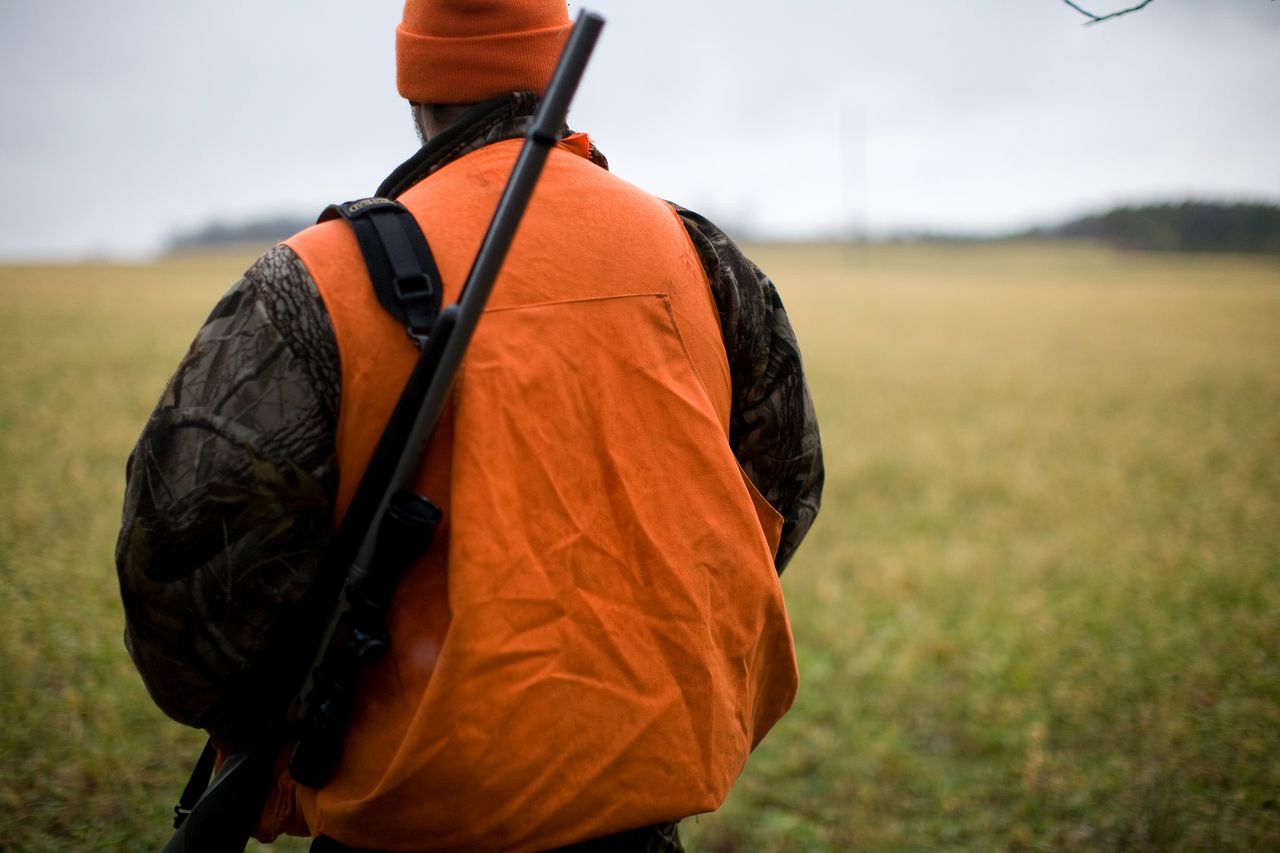
Seasoned landowners often ask one final question that many hunters never think about at all: what sits above the basic policy? A standard hunting or personal liability policy may provide a decent starting point, but a serious injury claim can move past those limits faster than most people expect.
That is where an umbrella policy enters the conversation. It can add another layer of protection when primary coverage is exhausted, which matters on private land where damages may involve people, vehicles, buildings, livestock, and legal defense costs. Landowners with significant property interests often see umbrella coverage as a sign that a hunter understands risk in a grown-up, practical way.