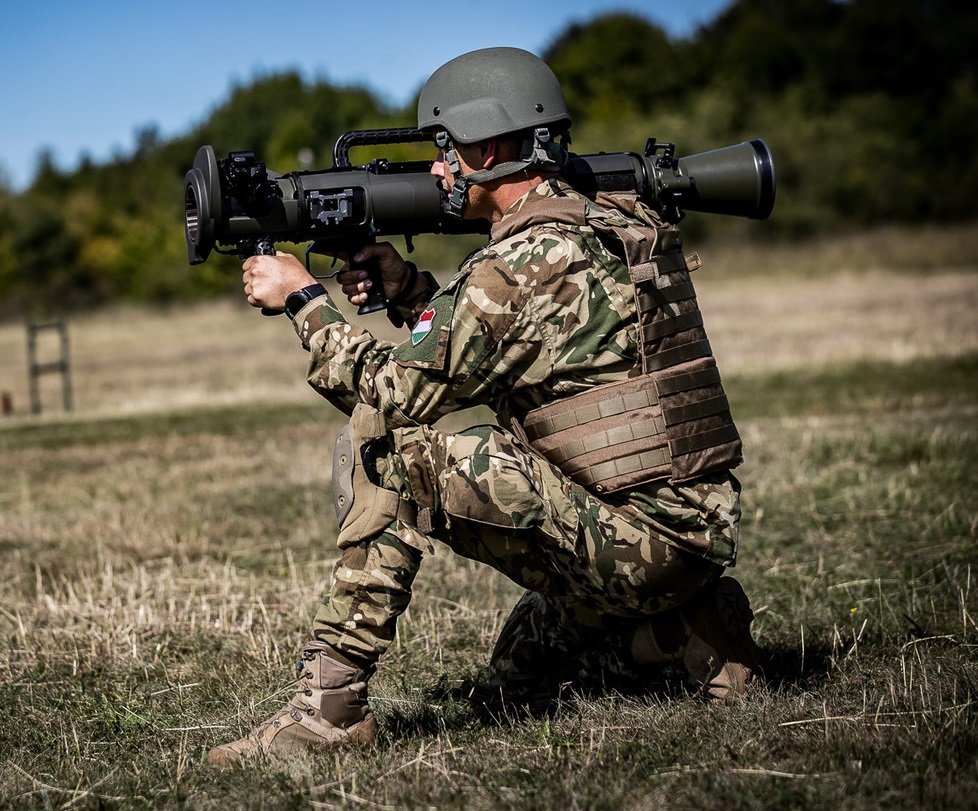
A firearm can begin as a solution for one nation’s military needs and then take on an entirely different identity abroad. Some were adopted by allies, others were produced under license, and a few became closely associated with conflicts far from their birthplace. The eight guns below show how military service, foreign manufacturing, and historical events can transform a national service weapon into an internationally recognized design.
1. FN FAL
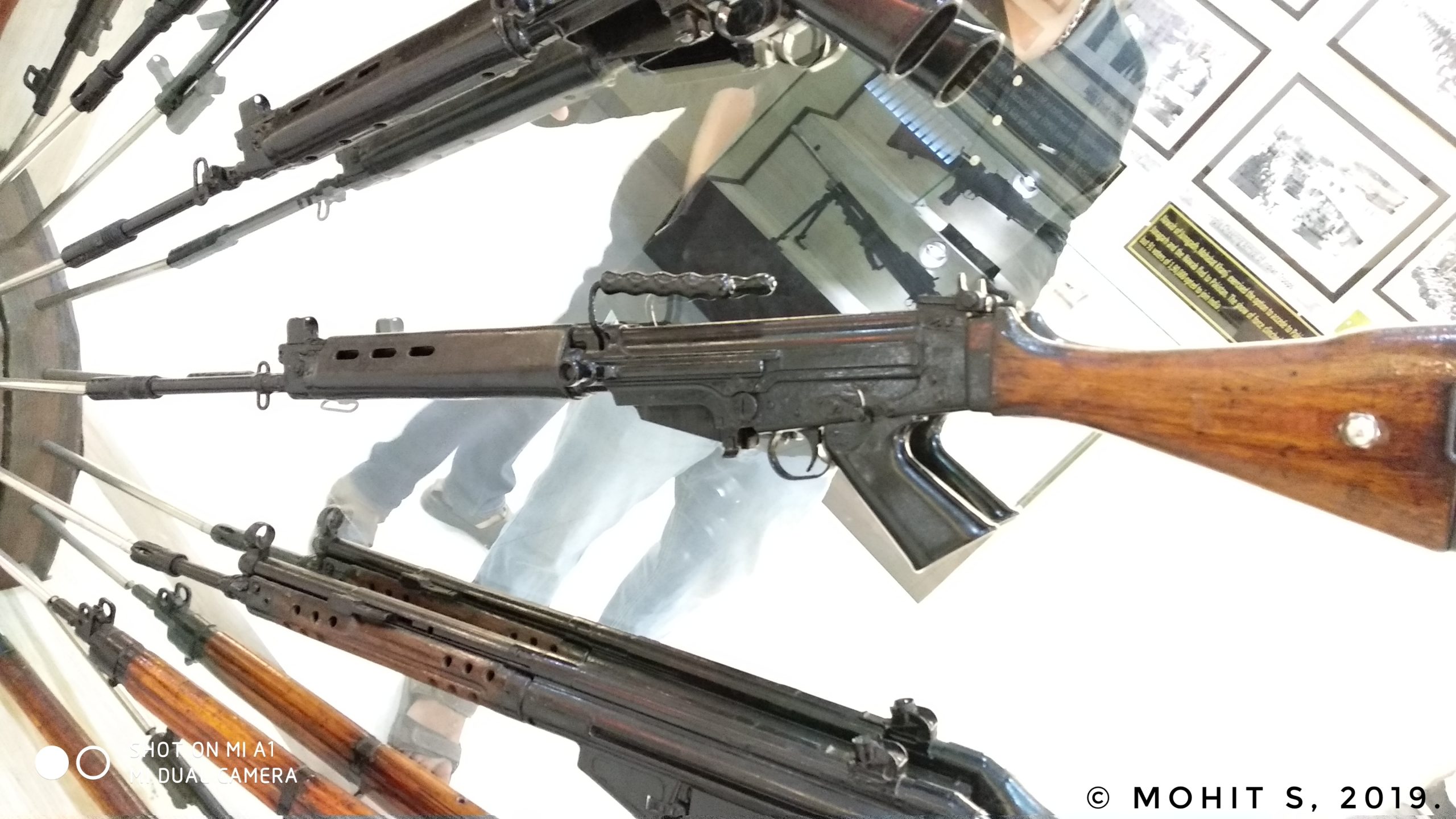
The FN FAL began in Belgium as a postwar military rifle, but its biggest international identity came through countries that adopted or licensed it. Britain called its version the L1A1 SLR, Canada built the C1, and Australia fielded the SLR. The rifle used 7.62×51mm NATO ammunition, usually from 20-round magazines, and eventually reached more than 90 countries. Its reputation grew through Cold War service in Africa, Asia, the Middle East, and Latin America. That global spread made a Belgian design strongly associated with armies far beyond its birthplace.
2. G3
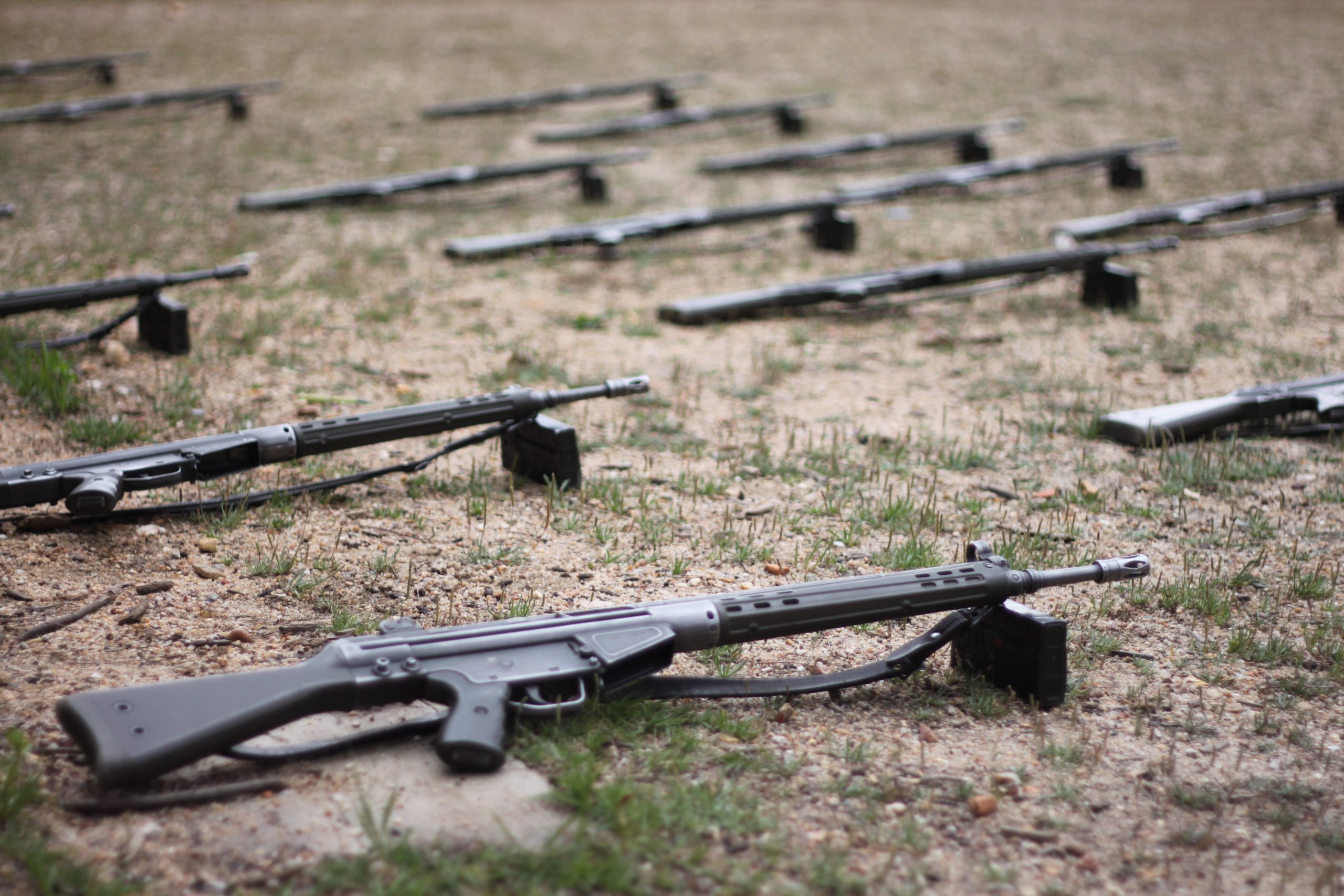
Germany developed the G3 for the Bundeswehr in the 1950s, yet its long service outside Germany became a major part of its story. Built around a roller-delayed action and the 7.62×51mm NATO cartridge, it was adopted or produced under license in numerous countries. Portugal, Turkey, Greece, Pakistan, Mexico, and others used G3-pattern rifles, with Turkey becoming one of the most important producers. More than 7 million G3-family rifles are commonly estimated to have been made. Its foreign production helped turn a German service rifle into a worldwide Cold War standard.
3. Steyr AUG
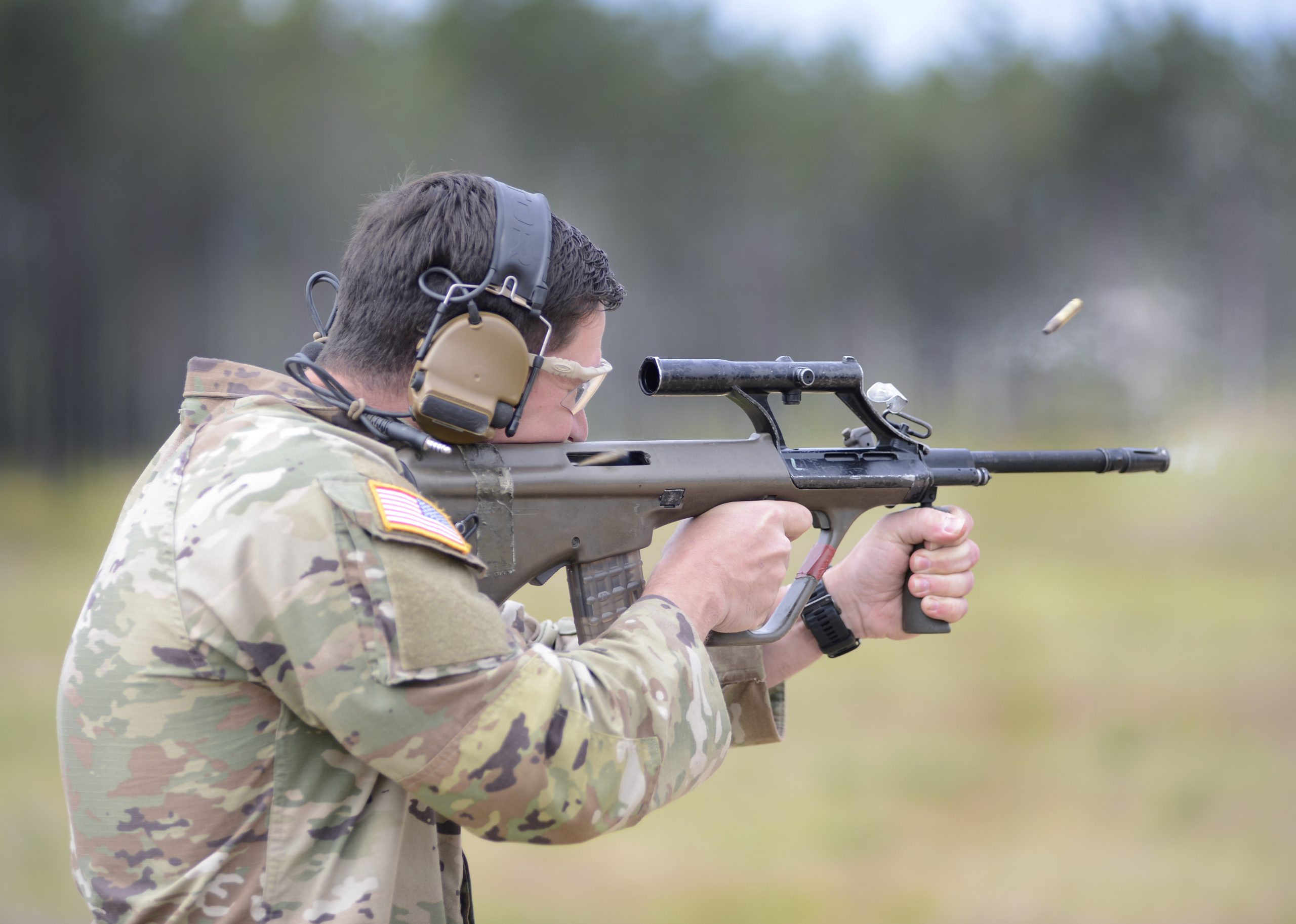
Austria developed the Steyr AUG for its armed forces, introducing a distinctive bullpup layout that put the magazine behind the trigger. The Austrian military adopted it in 1977, and its compact design later attracted foreign users. Australia selected the AUG-derived F88 Steyr as its standard service rifle in the 1980s, giving the design a particularly strong identity there. The rifle uses 5.56×45mm NATO ammunition and commonly accepts 30-round magazines. Its Australian service helped make an Austrian bullpup familiar to a much wider audience still.
4. Beretta 92
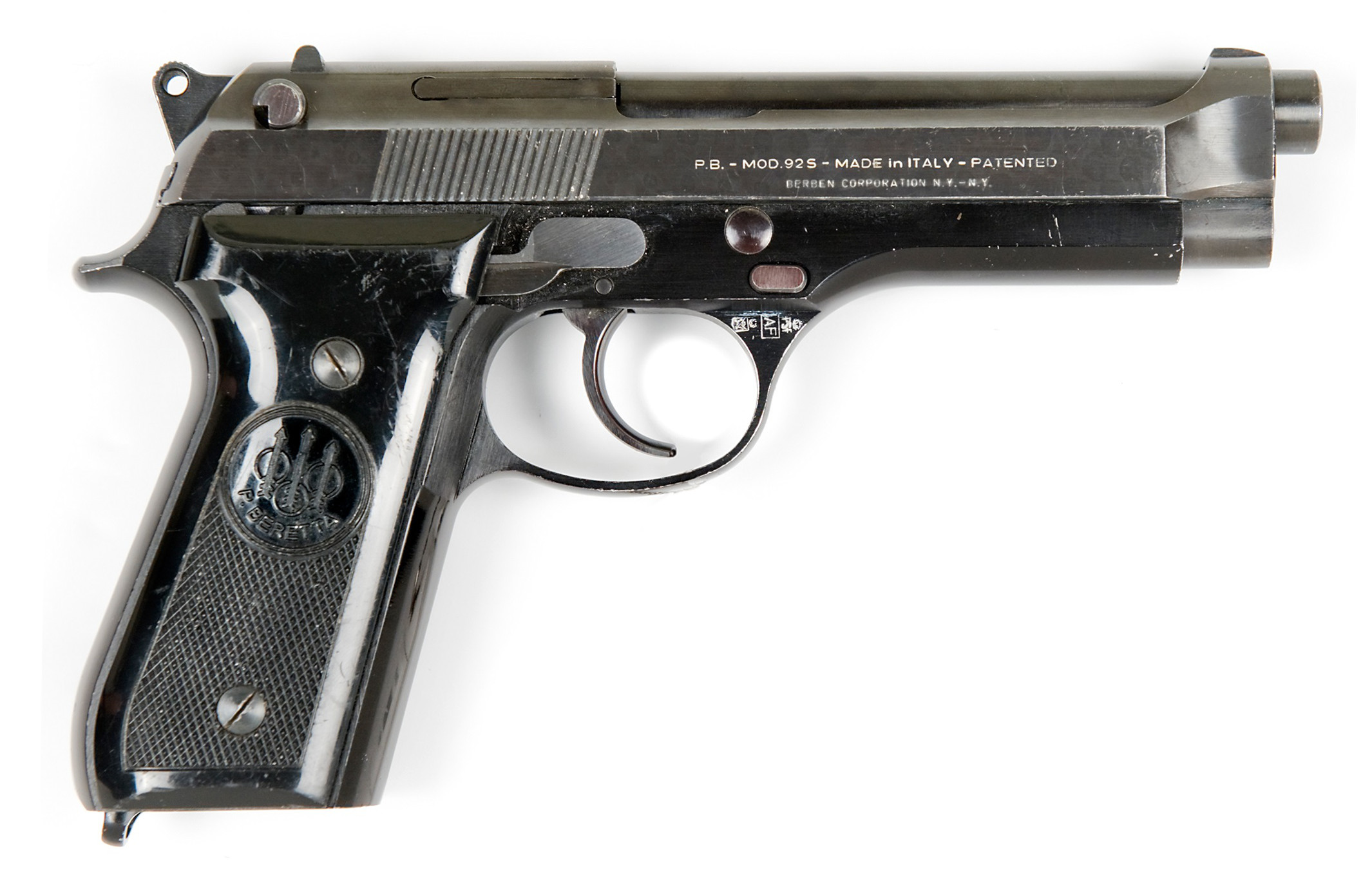
Italy’s Beretta 92 was developed for Italian military and police requirements, but its most famous military chapter unfolded in the United States. In 1985, the U.S. military selected the Beretta 92FS as the M9 service pistol, replacing the M1911A1 in the standard sidearm role. Chambered in 9×19mm and normally using a 15-round magazine in its classic configuration, the pistol became closely linked with American military culture. Its adoption also pushed the 92 series into global commercial and military visibility far beyond its Italian origins.
5. AK-47
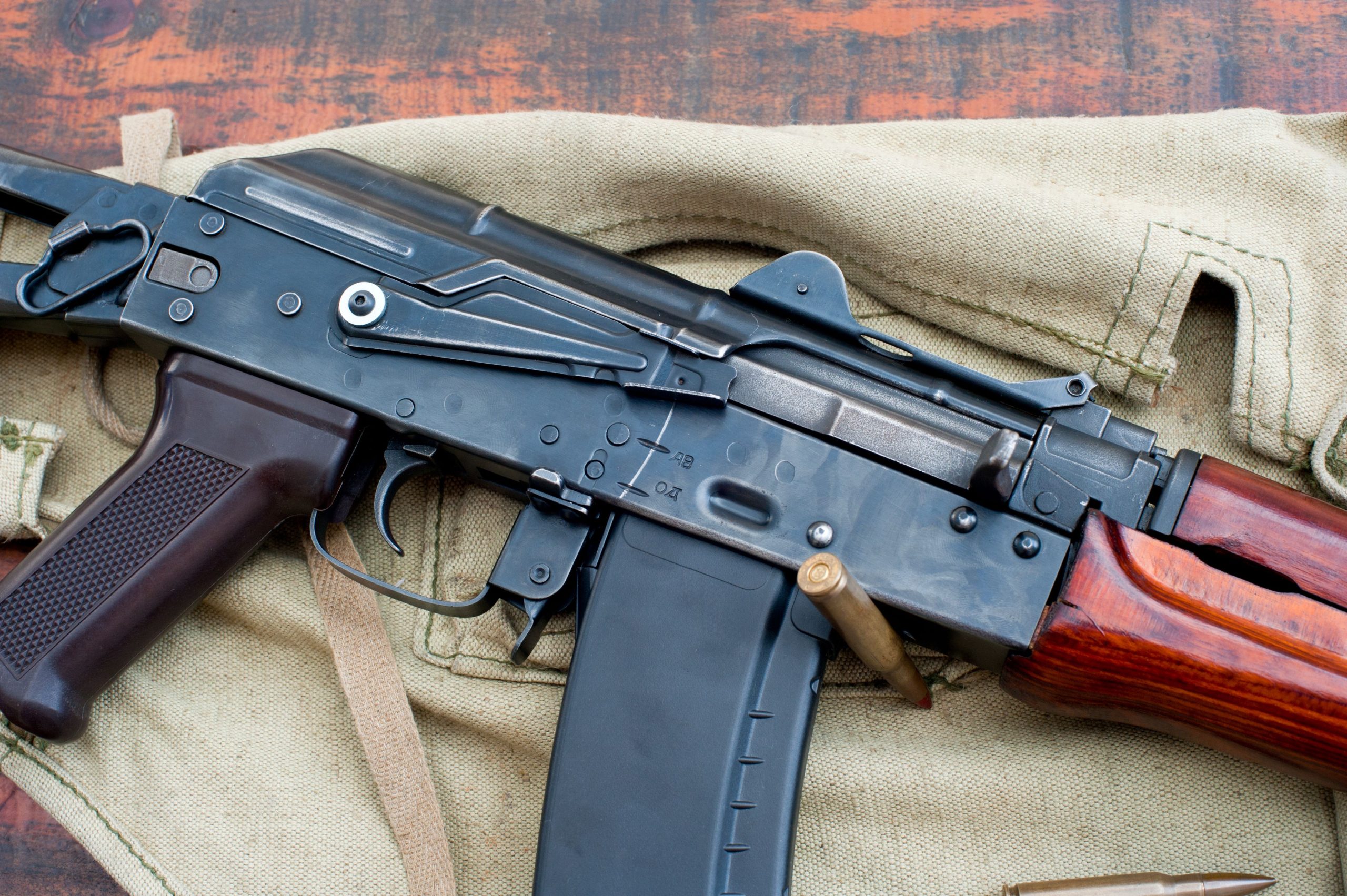
The AK family originated in the Soviet Union, where Mikhail Kalashnikov’s design entered Soviet service during the late 1940s and early 1950s. Its worldwide fame, however, was built largely outside the USSR. China, Bulgaria, Romania, Yugoslavia, and other countries produced Kalashnikov-pattern rifles, while armed forces and irregular groups across several continents used them. The 7.62×39mm AK commonly uses a 30-round magazine. Estimates vary for total Kalashnikov-family production, but tens of millions have been made, making it one of history’s most recognizable military rifle designs.
6. Lee-Enfield
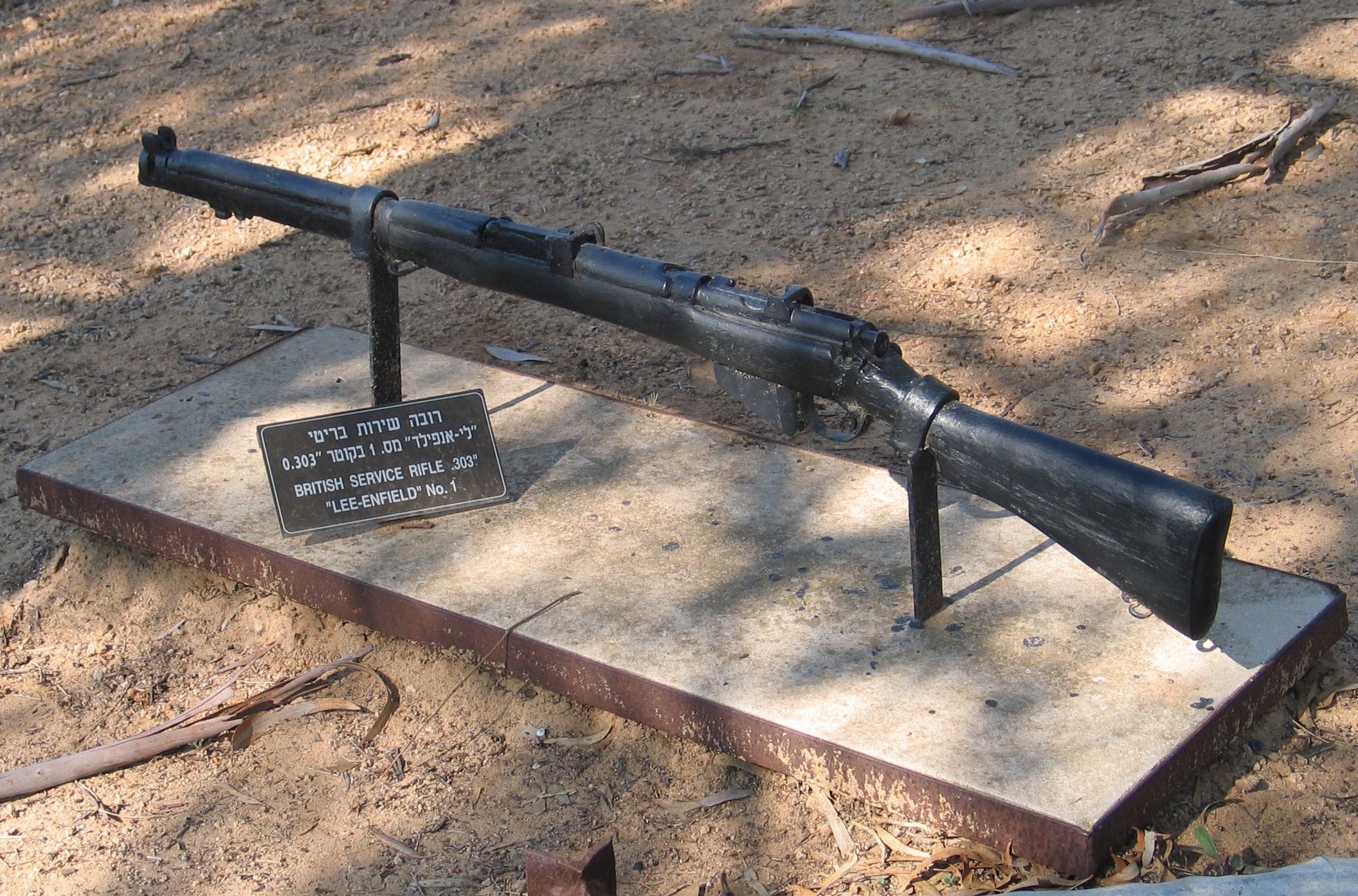
Britain developed the Lee-Enfield for British military service, yet its long association with India became almost as important in public memory. The rifle’s 10-round magazine and fast bolt action gave it a distinctive reputation during the first half of the 20th century. India later produced the Ishapore 2A and 2A1 versions, chambered for 7.62×51mm NATO while retaining the Lee action and 10-round capacity. The Indian Army phased out the type from 1990 to 1992, but police and reserve use kept the rifle visible for decades. Its story therefore extends well beyond Britain.
7. Mosin-Nagant
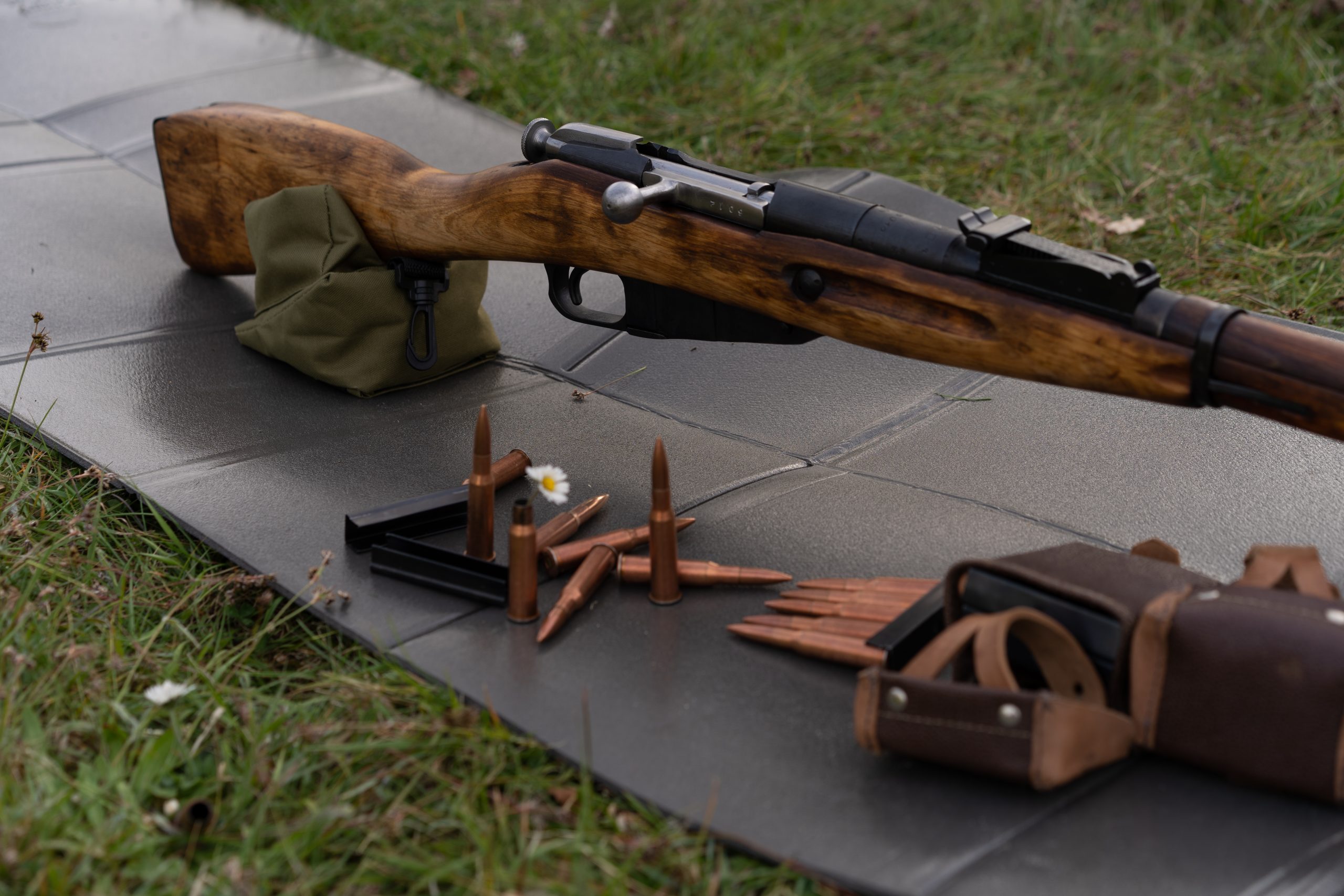
The Mosin-Nagant was created for Imperial Russia and became a defining Russian and Soviet service rifle, but Finland gave the design another famous chapter. Finnish forces captured and inherited large numbers of Russian and Soviet rifles, then developed improved versions such as the M24, M27, M28, and M39. The basic family fired 7.62×54mmR ammunition and used a 5-round internal magazine. Finnish rifles gained a strong reputation among collectors because of their distinctive barrels, stocks, and manufacturing details abroad. The result was a Russian-origin rifle family with a Finnish identity.
8. Kar98k
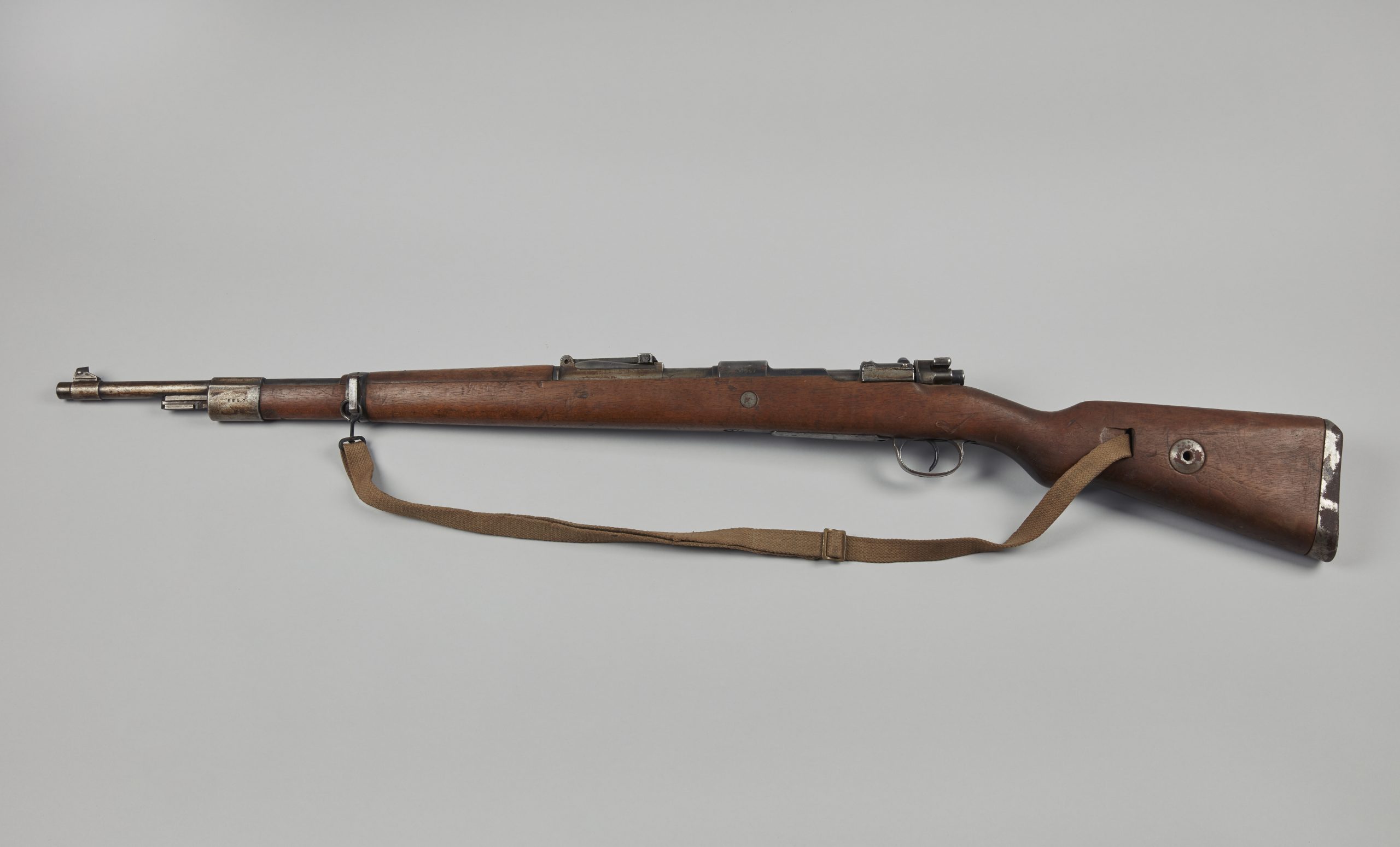
Germany’s Karabiner 98k was the standard German military rifle of World War II, but its story did not end with German service. China had already imported and produced Mauser-pattern rifles before the war, and Chinese forces also used Kar98k rifles during later conflicts. The German Kar98k fired 7.92×57mm Mauser ammunition from a 5-round internal magazine and had a roughly 600mm barrel. More than 14 million Kar98k rifles were produced during World War II. Captured stocks, foreign transfers, and licensed Mauser traditions helped make the design famous far beyond Germany.