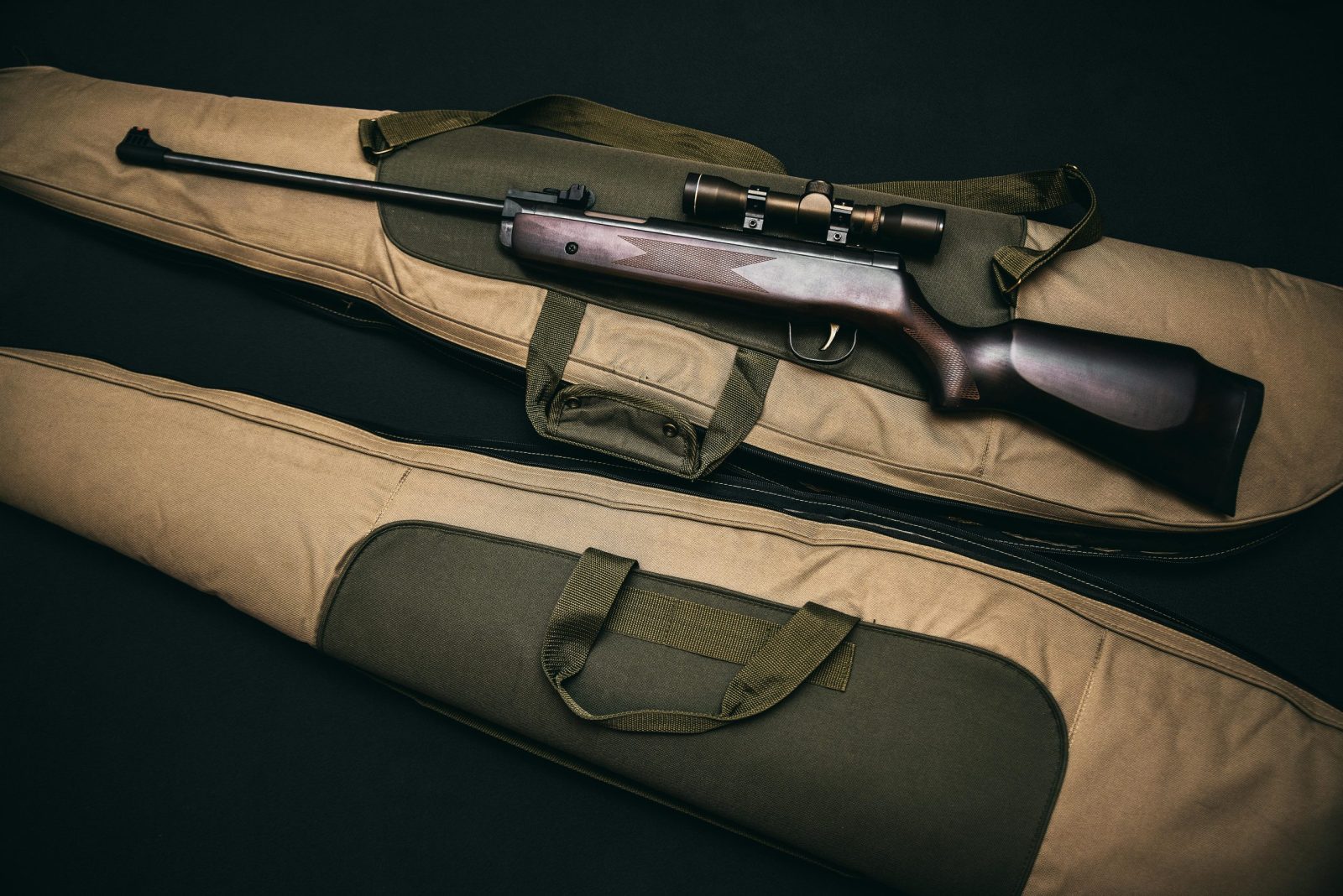
For years, some guns felt too common ever to become valuable. Then supply tightened, nostalgia kicked in, and yesterday’s budget buy quietly turned into today’s expensive regret.
The surplus rifle lesson collectors keep relearning.
Military surplus rifles are probably the clearest example of the market punishing assumptions. For decades, importers brought in enormous quantities of bolt actions and semi-autos that veterans, shooters, and collectors treated as nearly bottomless commodities. Mosin-Nagants stacked in barrels, Turkish Mausers sold by the crate, and SKS carbines lined shop racks at prices that made them seem immune to appreciation.
That illusion held only as long as imports stayed heavy and buyer attention stayed casual. Once major stockpiles dried up, countries restricted exports, and shipping costs rose, the old bargain pricing cracked. A rifle that once sold for little more than a dinner out suddenly had to compete with a shrinking pool of examples in original condition.
The Mosin-Nagant is the classic cautionary tale. Buyers once passed on hex receivers, matching examples, or unusual arsenals because another cheap rifle always seemed one table away. Now, condition, markings, wartime dates, and accessories all matter, and values reflect it in a way many owners never expected.
The broader point is simple: surplus is only cheap while the pipeline is full. Once the pipeline narrows, even rough, utilitarian rifles begin to gain a kind of accidental prestige. Collectors do not just buy metal and wood; they buy a vanished moment when supply was easy, and nobody thought twice.
SKS carbines went from truck-gun cheap to closely watched collectibles
The SKS spent years in an awkward middle ground between collectible military rifle and low-cost shooter. That identity kept prices artificially soft for a long time, especially when Chinese and later Yugoslav examples were relatively accessible. Many people bought them as durable range rifles, tossed them in the back of a truck, or modified them with plastic stocks and detachable magazines.
That casual treatment looks expensive in hindsight. Original, unaltered SKS carbines now command far more attention than the beat-up examples that flooded gun shows years ago. Matching serial numbers, intact bayonets, factory stocks, and correct finish all matter much more now that fewer clean examples remain.
Chinese Type 56 rifles illustrate the shift especially well. Import history, arsenal codes, and production eras now shape value in a way ordinary buyers once ignored. A rifle dismissed as just another SKS can suddenly be desirable if it has early features, documented import characteristics, or unusually strong original condition.
Yugoslav M59 and M59/66 rifles followed a similar path. They were once considered heavy, common, and less refined than other variants, which held prices down. Today, their distinct features and finite supply have made nice examples more sought after, proving that “common” and “cheap forever” are never the same thing.
For a long time, police trade-in revolvers sat in gun cases as the firearms equivalent of sensible shoes. They were dependable, mechanically strong, and usually priced for buyers who valued utility over romance. Smith & Wesson Model 10s, Model 64s, Ruger Security-Sixes, and old Colt service revolvers could be found at prices that made them feel permanently unglamorous.
Then the market changed in two important ways. First, the supply of authentic trade-ins was not endless, because law enforcement had already completed the switch to semiautomatic pistols decades earlier. Second, a new wave of buyers began to appreciate revolvers not as outdated duty guns, but as high-quality examples of a manufacturing era that is expensive to reproduce today.
That shift brought sharper pricing for clean, honest service revolvers. Holster wear stopped being a flaw that killed interest and became evidence of real history, especially when timing, lockup, and original grips remained solid. Buyers who once walked past four-inch .38 Specials now actively seek them as shooters, carry guns, and collectible artifacts.
Colt revolvers rose especially fast because collector demand piled onto a finite supply. But even ordinary Smith & Wesson K-frames became noticeably pricier as people realized that a well-made steel revolver with police history was no longer replaceable at old prices. The “boring” gun had turned into a valuable lesson.
Imported handguns proved that low entry prices can vanish fast.

Many imported pistols looked permanently inexpensive because they entered the market in waves. When a shipment of surplus or budget-priced foreign handguns arrived, buyers often assumed another batch would follow. That logic worked until import rules shifted, surplus inventories ran low, and once-common pistols became much harder to replace.
The Makarov is one of the clearest examples. Bulgarian, East German, Russian, and other variants were once viewed mainly as affordable carry or collection pieces with cheap ammunition and abundant parts. Over time, variant differences became a major part of pricing, and East German pistols in particular built a reputation for quality that pushed them far beyond bargain territory.
CZ-pattern surplus pistols also benefited from this dynamic. Guns such as the CZ-82 were for years appreciated mostly as practical buys, not as future collectibles. Yet curio status, import availability, original finish, and complete accessories began to matter more as the pool of untouched examples shrank.
Even modest military sidearms can rise quickly once the market starts sorting winners from ordinary examples. A pistol once bought because it was simply cheap may later be valued for national markings, matching numbers, date codes, or a specific import era. The market often does its most dramatic re-pricing after people stop paying attention.
Lever actions and old hunting rifles were underestimated, too.

Not every surprise winner came from military or police channels. Traditional sporting rifles, especially lever actions and older bolt-action deer rifles, spent years being overlooked as the market obsessed over modern tactical platforms. Plenty of used Marlins, Winchesters, Savage rifles, and walnut-stocked Remingtons sat in racks with price tags that seemed fair but unremarkable.
Then cultural taste shifted. Buyers started rediscovering blued steel, wood furniture, and the practical elegance of classic hunting rifles. At the same time, manufacturing interruptions, brand transitions, and quality debates pushed more consumers toward older examples that already had a reputation for fit, finish, and reliability.
Marlin lever actions are a prime case study. Before production disruptions and corporate changes tightened supply, many shooters saw used .30-30s and pistol-caliber carbines as working guns, not appreciating assets. Once new production became uncertain for a period, used prices jumped sharply, and clean pre-transition rifles became a category people specifically hunted.
The same thing happened with old Winchester Model 94s and nicely kept bolt guns from earlier decades. Guns once dismissed as “grandpa rifles” began attracting younger buyers who wanted craftsmanship and nostalgia in one package. A rifle does not need battlefield history to rise; sometimes it just needs people to remember what quality feels like.
The market rewards originality more than owners expect

One reason so many once-cheap guns became expensive is that originality thins out faster than total supply. When firearms are inexpensive, owners feel freer to refinish stocks, drill receivers, swap sights, cut barrels, or install aftermarket parts. Those changes may improve utility for one person, but they often erase the exact traits later buyers are willing to pay for.
That pattern shows up everywhere. Sporterized Mausers lost collector value when the military configuration disappeared. SKS rifles fitted with aftermarket stocks stopped appealing to buyers who now want matching numbers and correct hardware. Police revolvers refinished to look prettier often bring less enthusiasm than honest examples wearing their service scars.
Collectors consistently pay a premium for guns that escaped the era when nobody cared. Original slings, boxes, import papers, cleaning rods, bayonets, manuals, and factory grips can move a piece from ordinary to notably desirable. What seemed like junk in the bottom of a safe twenty years ago may now be the detail that separates average value from standout value.
Condition still matters, of course, but originality often matters more than cosmetic perfection. A rifle with worn shellac and matching parts can outrank a polished example that lost its history under sandpaper and cold blue. The market is not just buying function; it is buying authenticity.
What these price jumps really say about the gun market
The deeper lesson is not that every cheap gun becomes valuable. It is that gun prices are driven by a mix of finite supply, cultural memory, regulation, and changing taste, and those forces can turn surprisingly fast. Buyers who assume abundance will last forever usually discover too late that they were confusing temporary volume with permanent availability.
There is also a generational effect. Firearms that one generation treats as ordinary often become fascinating to the next because they represent a lost design language or a vanished slice of history. That is why service revolvers, surplus carbines, and old deer rifles can all rise together even though they come from very different worlds.
Savvy buyers watch for that transition point. They notice when a category is still affordable but no longer truly common, when original examples are getting harder to find, and when public taste is beginning to shift. By the time everyone agrees that a gun has become collectible, the easy money and easy buying are usually gone.
In other words, the market keeps rewarding the same insight: common is not the same as endless. The guns people laughed off as cheap beaters often become expensive precisely because they were used hard, altered freely, and taken for granted. Nothing creates future scarcity quite like yesterday’s indifference.