Military weapons rarely stay confined to their official names. Once a firearm reaches soldiers, it can quickly acquire a nickname based on its weight, sound, appearance, reliability, or battlefield reputation. Some of these names were affectionate, while others carried sarcasm or frustration. Manufacturers generally had little control over this language. From the M60’s “Pig” to the M16’s “Mattel 16,” these unofficial names reveal how troops actually experienced the weapons they carried.
1. M60 Machine Gun, “The Pig”
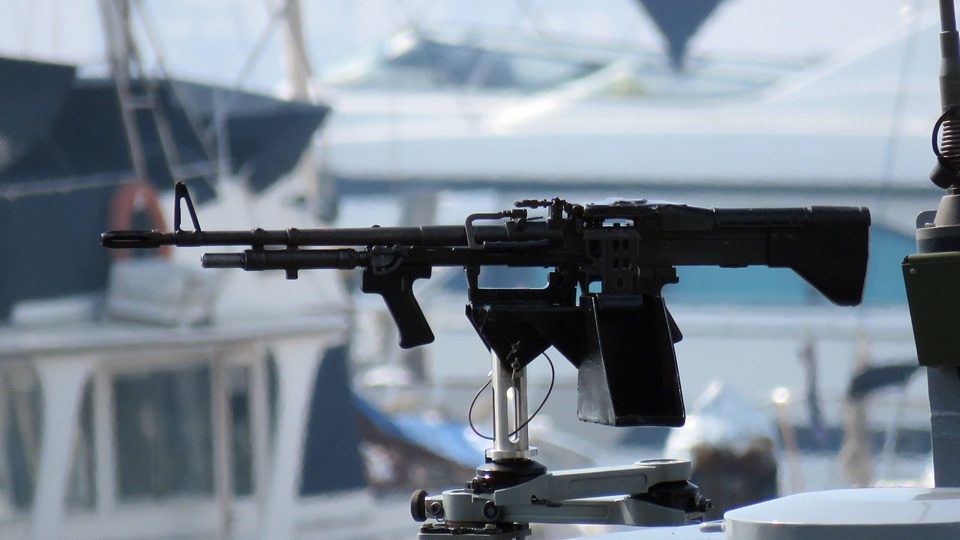
The M60 became “the Pig” in Vietnam-era troop slang, a name that reflected its bulk, appetite for ammunition, and unmistakable presence on patrol. Adopted by the U.S. Army in 1957, the 7.62×51mm NATO machine gun weighed about 23 pounds in its early form and could deliver sustained automatic fire from a belt feed. Soldiers did not get the nickname from an official brochure. It grew inside the ranks, where practical humor often turned equipment into characters. The M60 served for decades, proving that an unofficial name could outlive several redesigns.
2. M2 Browning, “Ma Deuce”
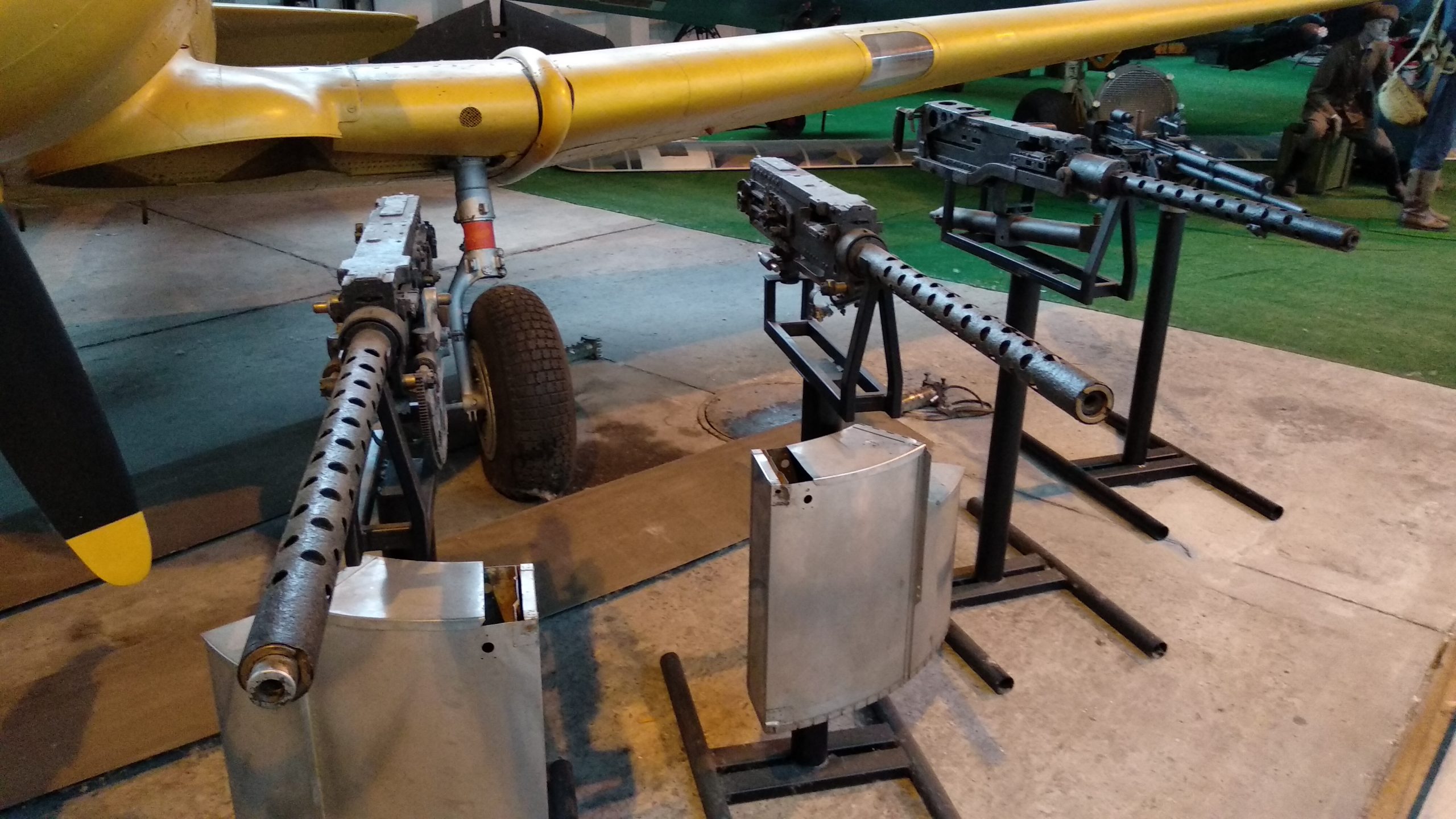
The M2 Browning’s formal designation is much less memorable than “Ma Deuce,” the soldier nickname built around the M2 name and the weapon’s commanding reputation. Adopted in 1933, the .50 BMG machine gun became a standard heavy weapon for U.S. forces and has remained in service for generations. The nickname was never the manufacturer’s official product name. Troops used it as shorthand for a weapon weighing roughly 84 pounds in the standard ground configuration. Its longevity helped make “Ma Deuce” part of military vocabulary rather than a factory label.
3. M3 Submachine Gun, “Grease Gun”
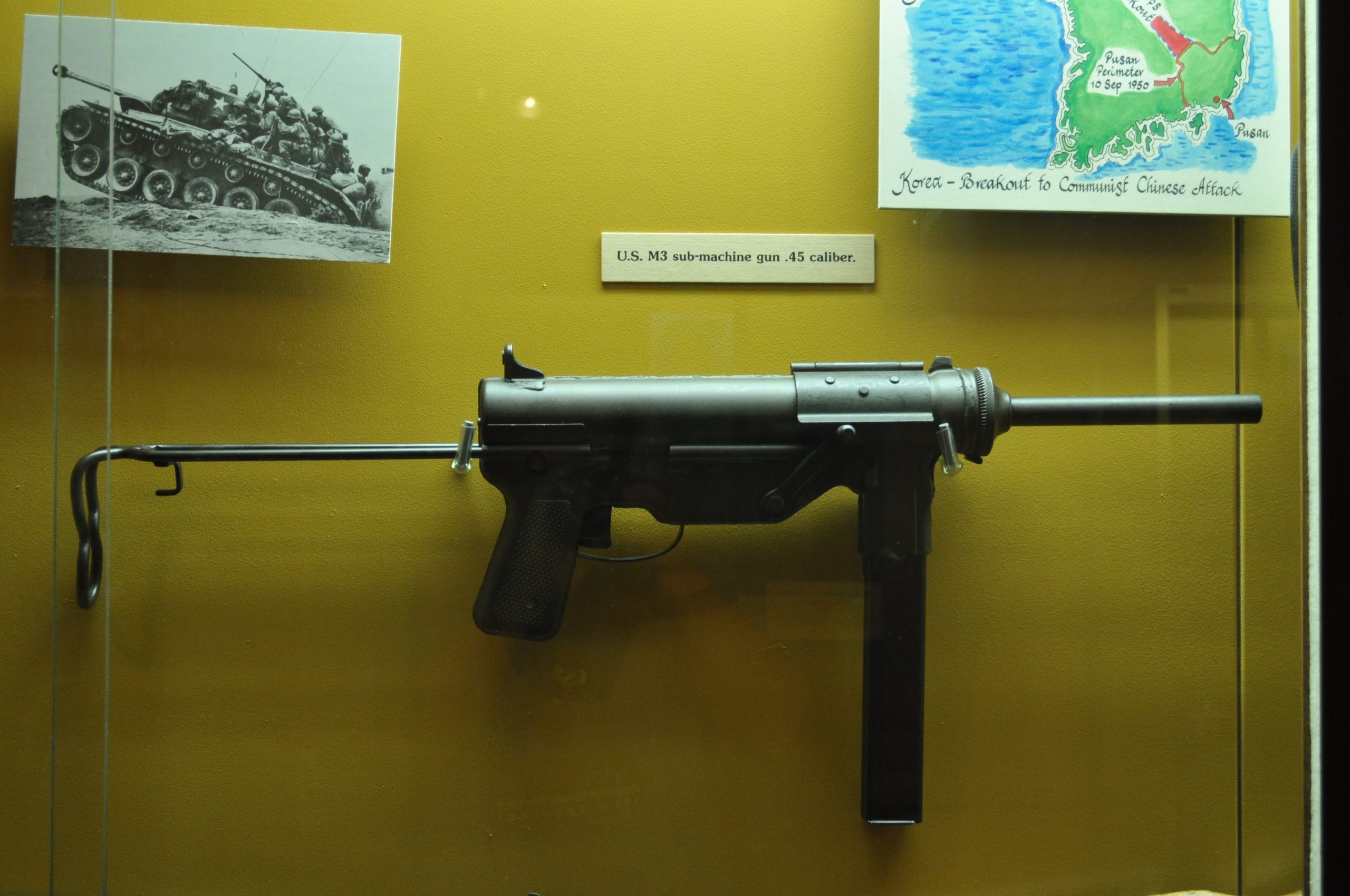
The M3 was officially just the M3 submachine gun, but troops quickly had a more memorable name: “Grease Gun.” The nickname came from its resemblance to the grease guns used by mechanics, especially its simple stamped-metal body and utilitarian shape. Adopted by the U.S. Army in 1944, the .45 ACP M3 was designed around low-cost production and had relatively few parts. It weighed about 8 pounds and used a 30-round magazine. “Grease Gun” was soldier shorthand, not a marketing title, and the name became inseparable from this deliberately plain wartime weapon.
4. Colt M1911, “Old Slabside”
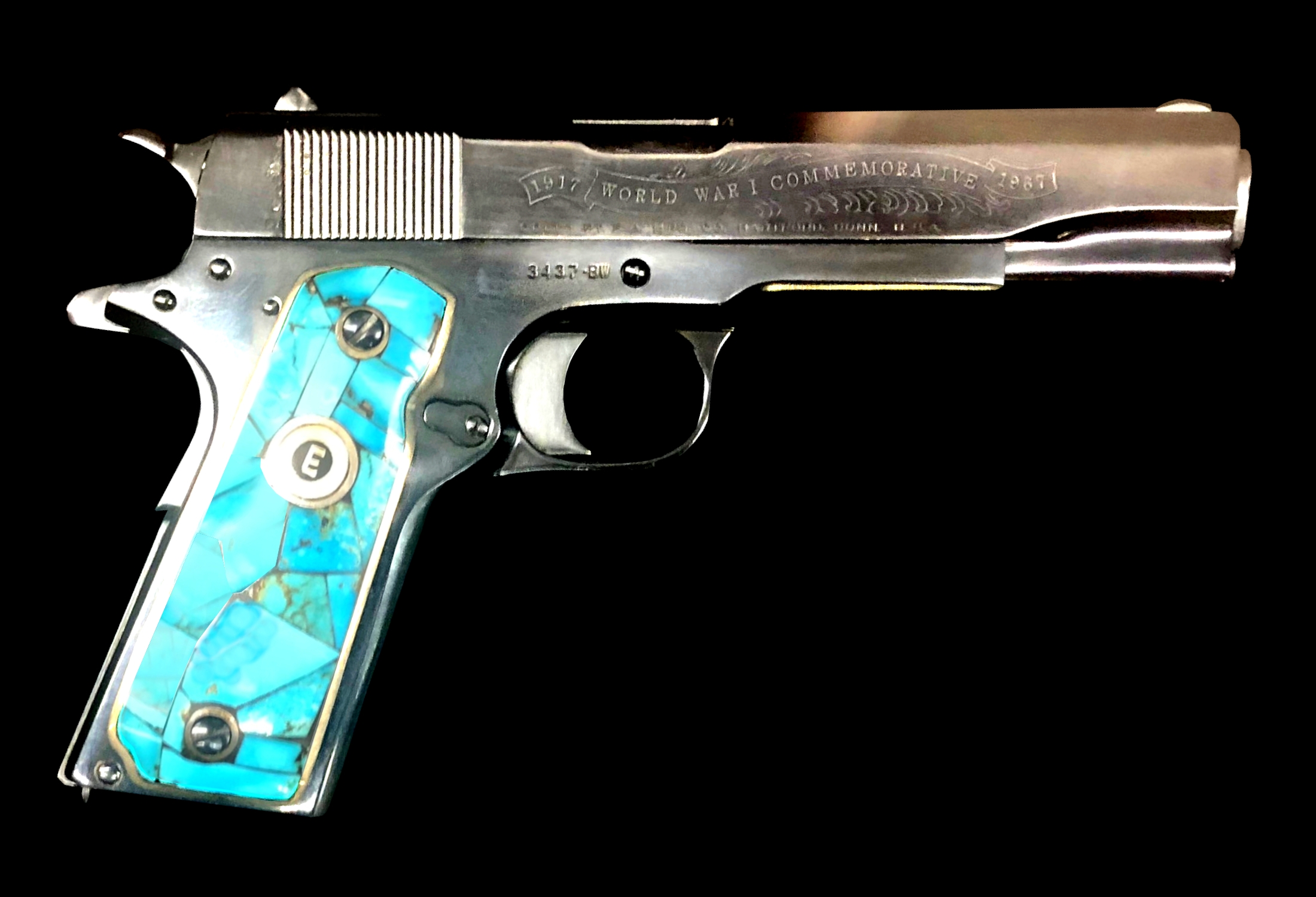
The M1911 had an official military title so formal that soldiers naturally shortened it. Among the unofficial names that appeared was “Old Slabside,” a reference to the pistol’s broad, flat-sided appearance and distinctive grip panels. Adopted by the U.S. military in 1911, the .45 ACP semi-automatic pistol remained a standard service sidearm for decades. It weighed about 39 ounces unloaded and carried 7 rounds in its original magazine. Colt did not officially christen it “Old Slabside.” The name belonged to the soldiers and shooters who lived with the pistol.
5. MG42, “Hitler’s Buzzsaw”
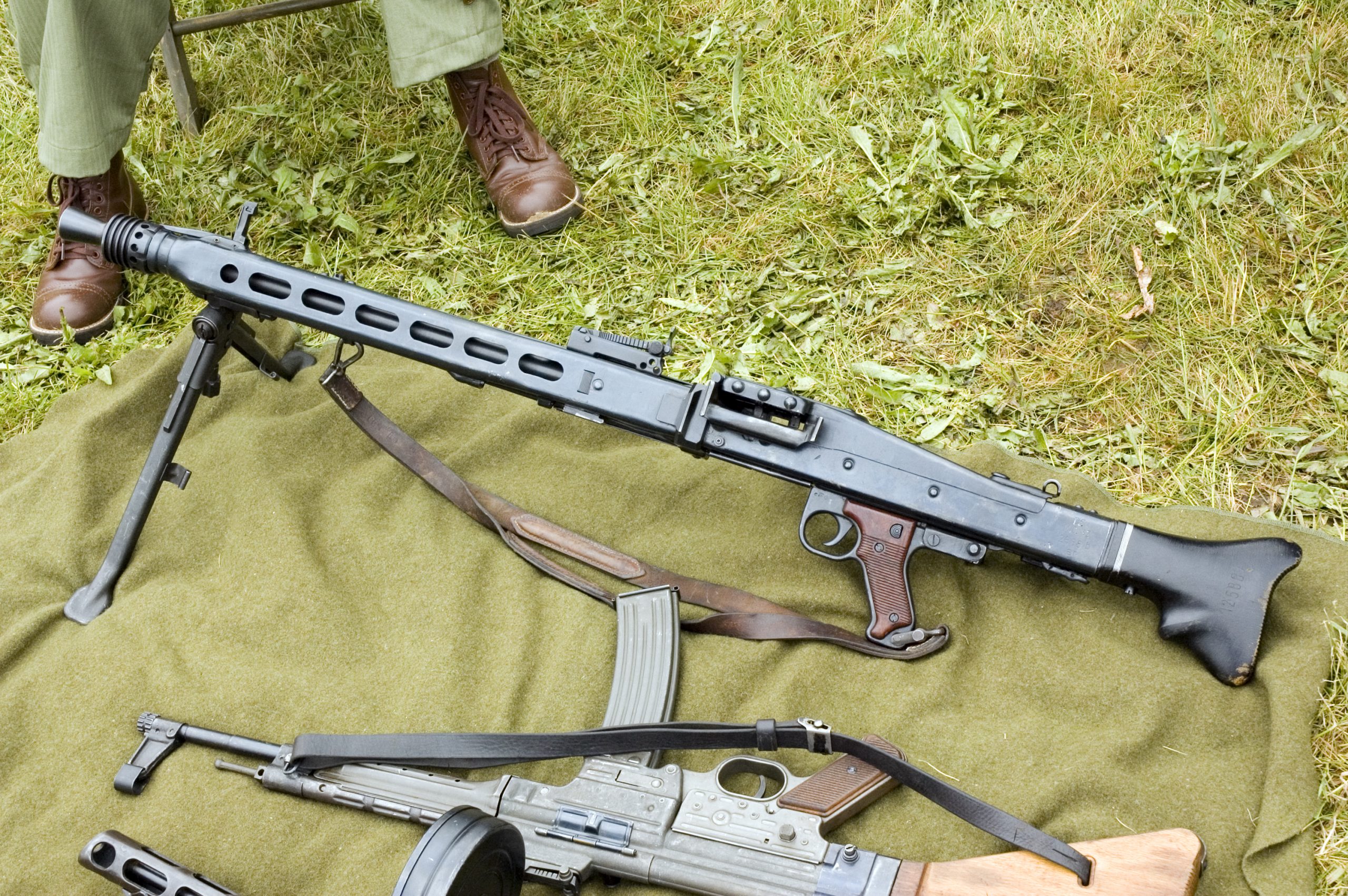
The MG42 carried a dry technical designation, but Allied soldiers often gave it a far more dramatic label: “Hitler’s Buzzsaw.” The nickname referred to the weapon’s exceptionally high cyclic rate, commonly around 1,200 rounds per minute, which produced a distinctive ripping sound in combat. Introduced by Germany in 1942, the 7.92×57mm machine gun used a belt feed and quick-change barrel system. “Hitler’s Buzzsaw” was not a factory-approved name and was never the weapon’s official designation. It was battlefield language shaped by the sound and reputation troops experienced.
6. Lewis Gun, “Belgian Rattlesnake”
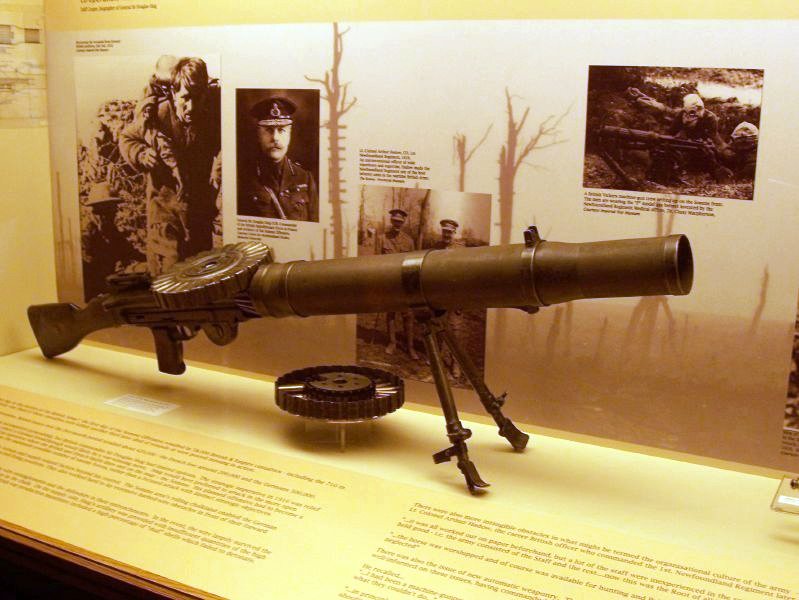
The Lewis gun acquired several unofficial names, but “Belgian Rattlesnake” is among the more colorful wartime examples. The name was associated with German troops describing Belgian use of the weapon during World War I, linking its rapid fire and tactical mobility with a rattlesnake. The gun used a distinctive top-mounted drum magazine and could be carried by a relatively small crew compared with heavier machine guns. American inventor Isaac Lewis developed it, while production spread through European firms. “Belgian Rattlesnake” was a battlefield nickname, not a manufacturer designation.
7. Carl Gustaf, “The Gus”
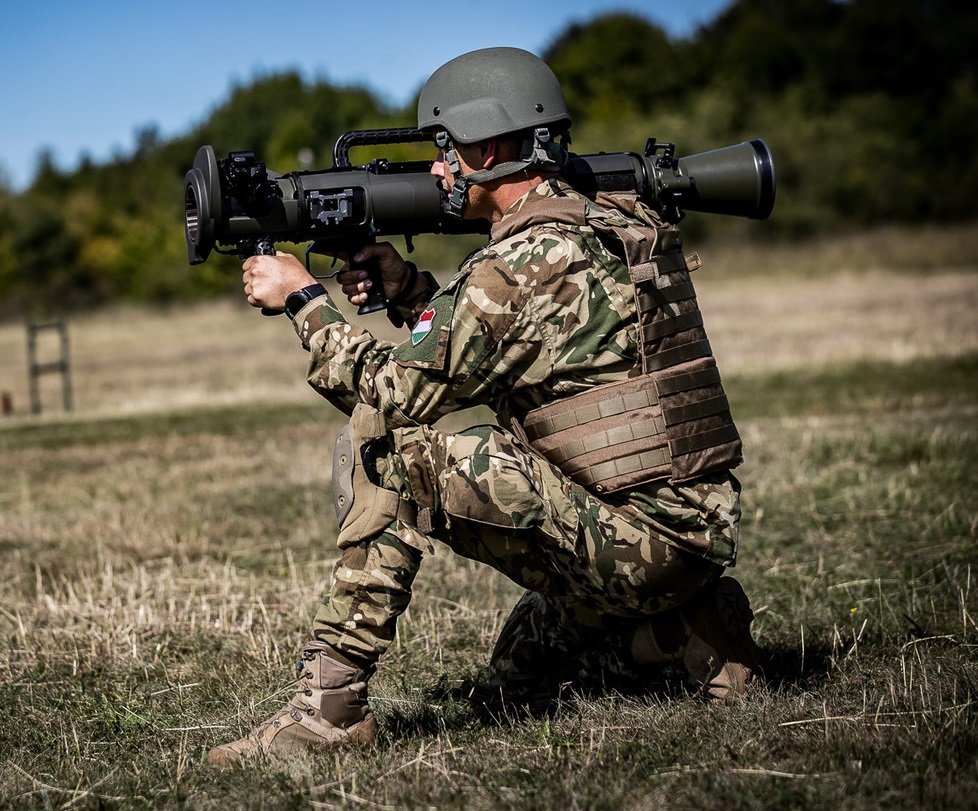
The Swedish 84mm Carl Gustaf recoilless rifle is officially identified by its name and model designations, but soldiers in some English-speaking forces commonly shorten it to “the Gus.” The informal name is simply quicker to say than the full designation during training or operations. Introduced in Sweden in 1946, the weapon became widely used internationally and has been repeatedly modernized. Depending on the model and ammunition, it can serve against different targets at different ranges. “The Gus” was not a Saab Bofors Dynamics marketing name. It grew from military shorthand.
8. M16 Rifle, “Mattel 16”
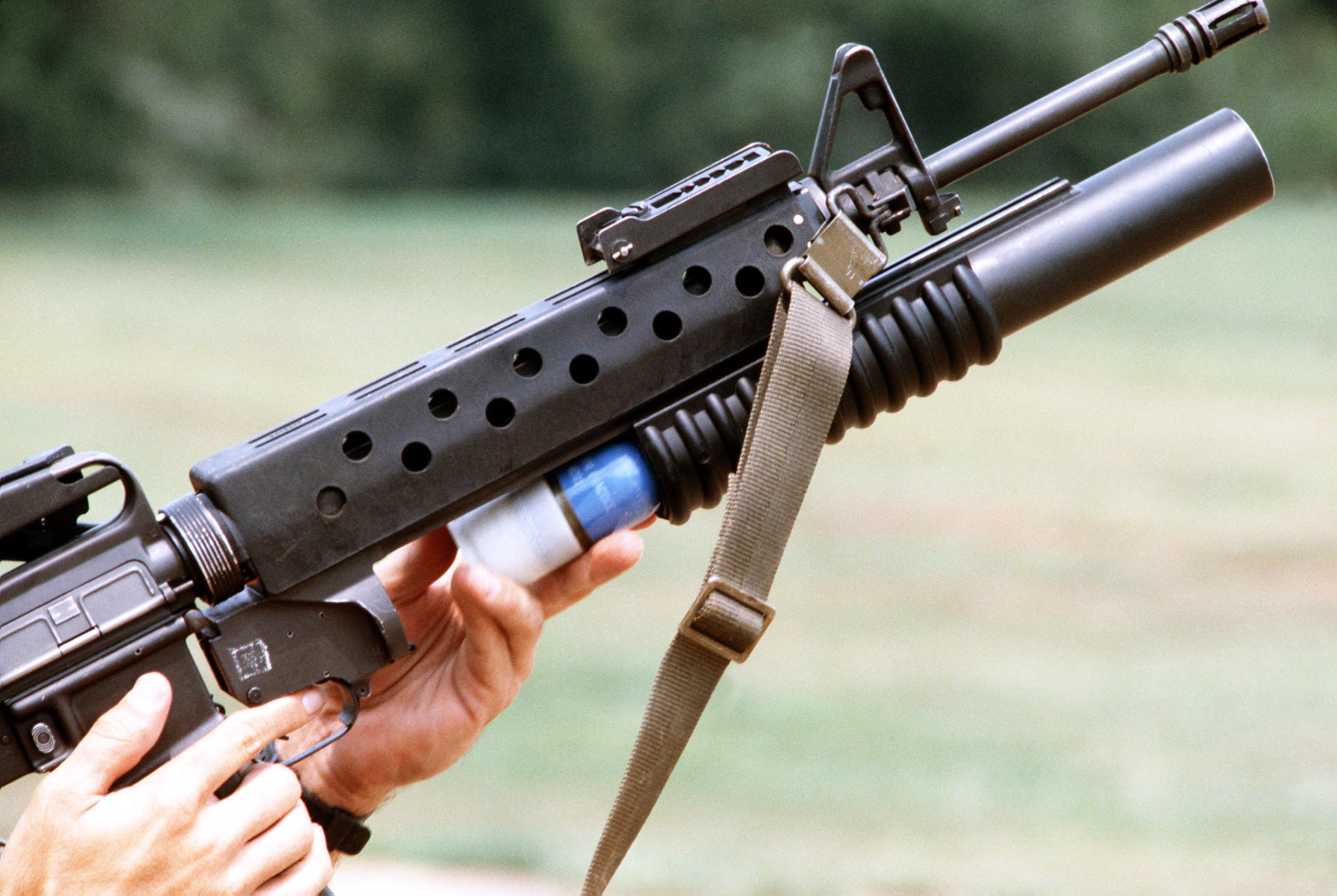
During the Vietnam era, some American troops mockingly called the M16 the “Mattel 16,” linking the rifle’s extensive use of lightweight materials with the toy maker Mattel. The joke reflected a period when soldiers were adjusting to a radically different service rifle and dealing with serious reliability controversies in early deployments. The M16 entered U.S. service in the 1960s and fired the 5.56×45mm cartridge. “Mattel 16” was never an approved manufacturer name. It was barracks slang, remembered because it captured skepticism about the rifle’s unfamiliar construction.
9. Thompson, “Chicago Typewriter”
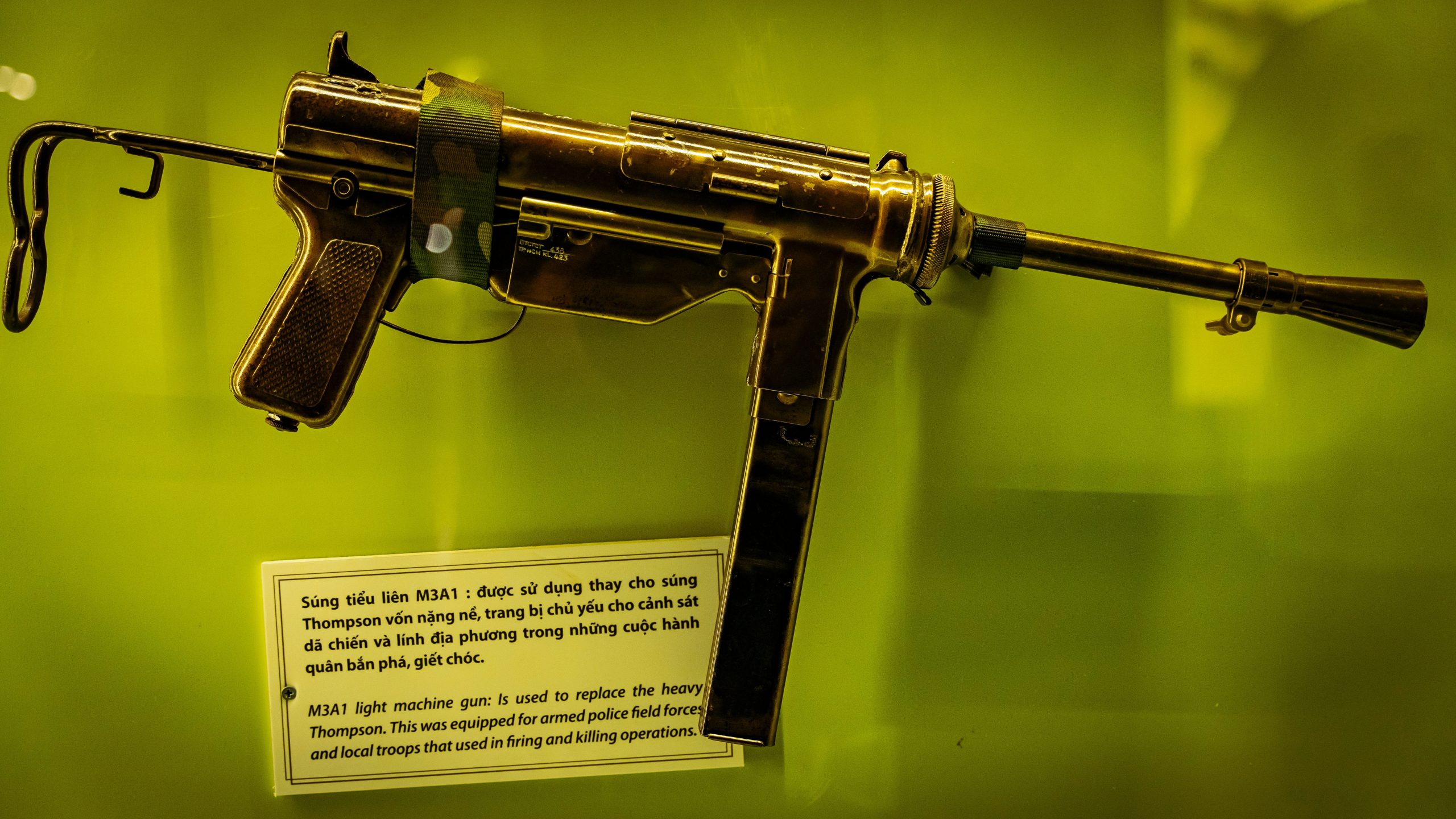
The Thompson submachine gun accumulated colorful unofficial names, including “Chicago Typewriter,” a phrase associated with its Prohibition-era image rather than any factory designation. The comparison linked its rapid-fire sound with a typewriter and became especially popular in descriptions of gangland Chicago. The Thompson had originally been conceived for military use and later saw service with Allied forces. Early models were chambered in .45 ACP and used 20- or 30-round magazines. “Chicago Typewriter” was never the manufacturer’s formal name. The nickname outlived its era.
10. M1918 BAR, “Big Ass Rifle”
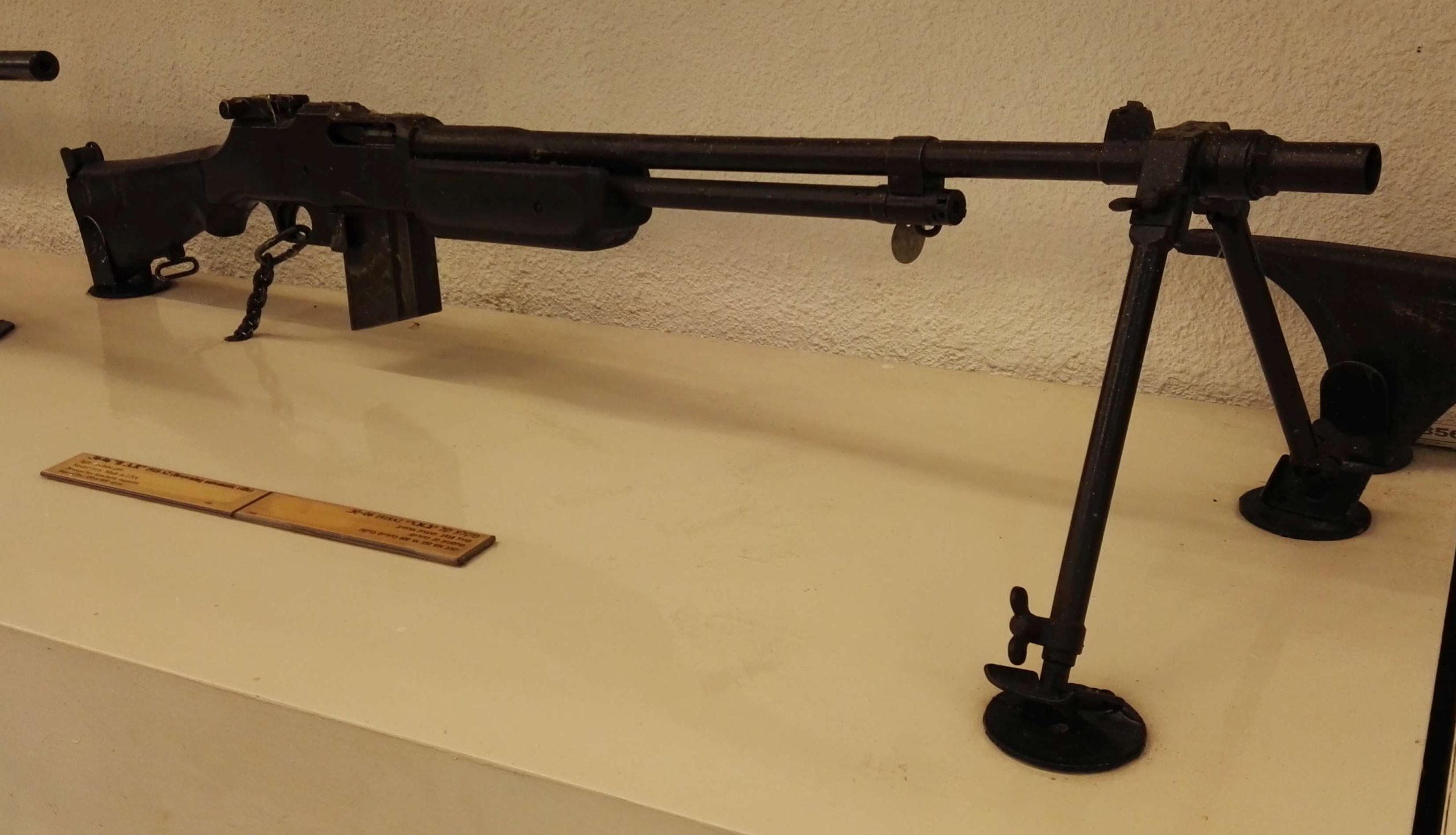
The M1918 Browning Automatic Rifle was officially known as the BAR, but soldiers also developed less formal expansions of those initials, including the blunt nickname “Big Ass Rifle.” The phrase played on the BAR’s size and weight compared with the standard infantry rifle. The original M1918 weighed roughly 16 pounds and fired the same .30-06 cartridge used by the M1903 Springfield and M1 Garand. Adopted near the end of World War I, it remained important through World War II and later conflicts. “Big Ass Rifle” was barracks slang, not a Browning-approved product name.