Some firearms were designed for one job and ended up finding an entirely different audience. Hunters, competitors, collectors and other civilian shooters often saw qualities that military planners never intended to emphasize. A surplus rifle could become a hunting arm, a service pistol could enter competition, and a battlefield design could evolve into a broad sporting platform. These 11 examples show how unexpected demand changed the reputation, configuration or civilian life of guns that began with very different purposes.
1. Lee-Enfield
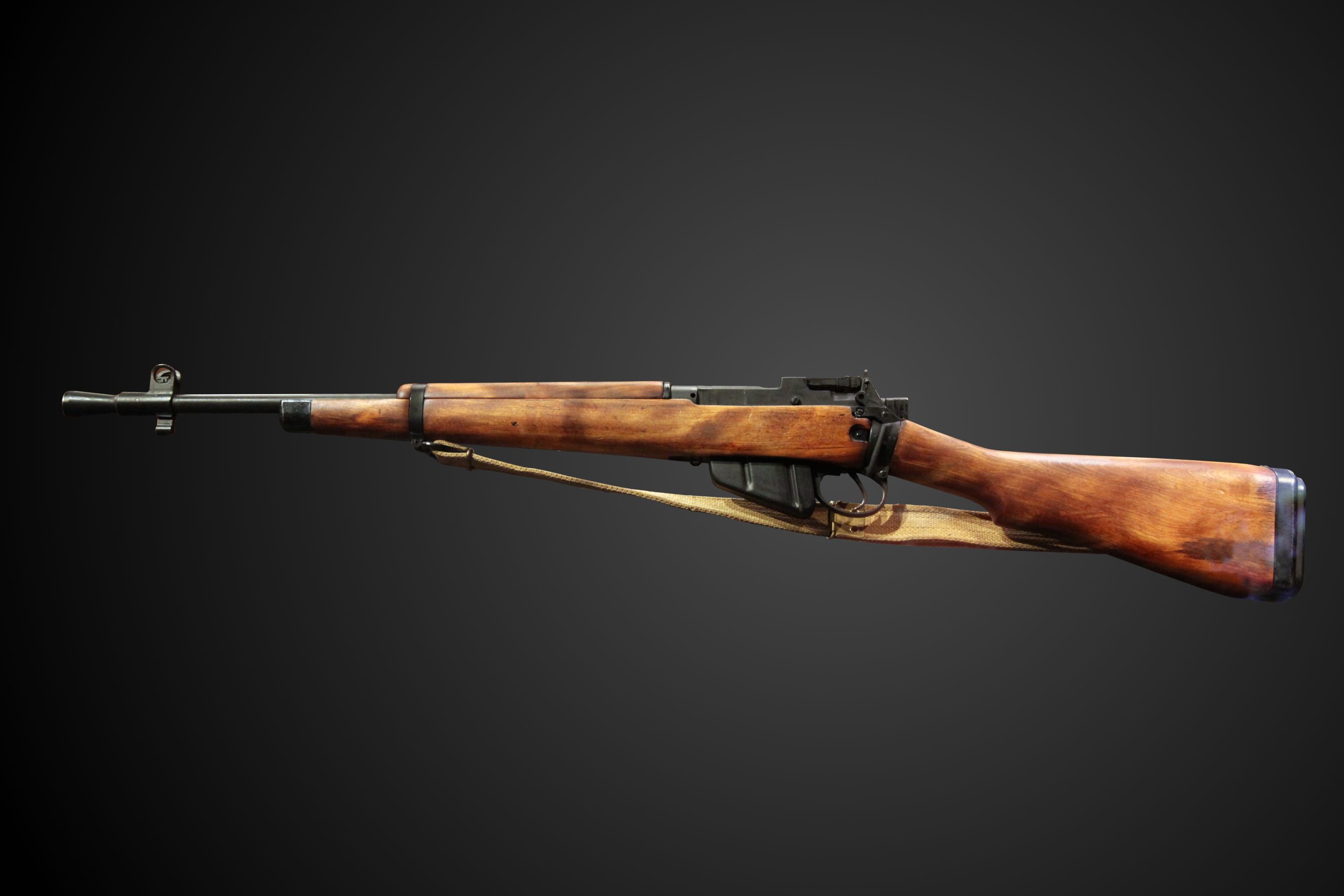
The Lee-Enfield began as a British service rifle, but surplus examples found a second life in hunting camps and civilian rifle matches. After World War II, large numbers reached private markets, and owners often turned them into lighter sporting rifles. The .303 British chambering also became a familiar hunting option for deer and other medium game in several countries. Its 10-round magazine and fast bolt action made it useful beyond its original military role. By the 1950s and 1960s, sporterizing had become common enough that many original rifles were altered, making an infantry arm part of sporting culture. That shift also helped preserve many rifles that might otherwise have disappeared.
2. M1903 Springfield
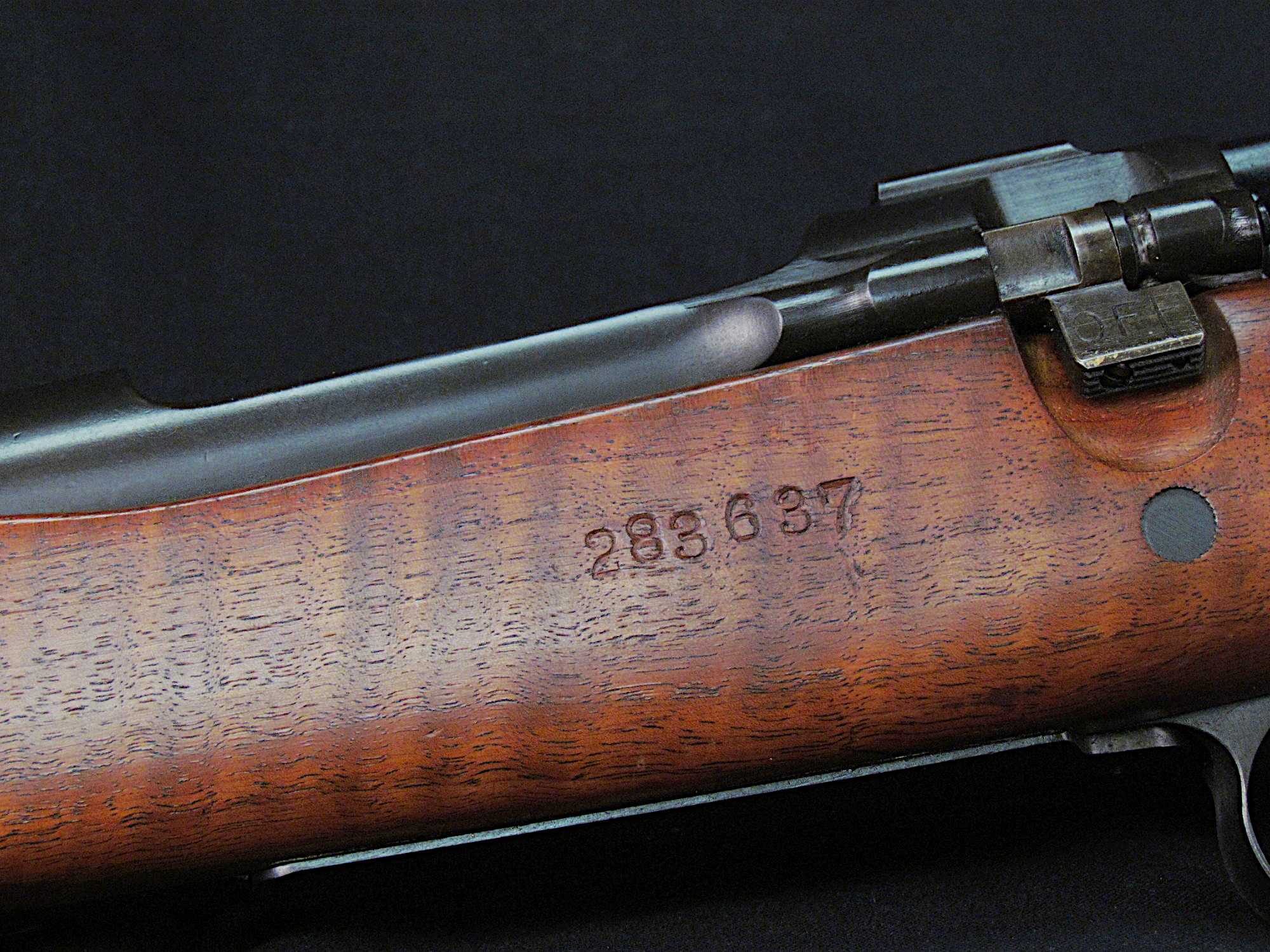
The M1903 Springfield was built for American soldiers, yet shooters soon discovered that its strong action and familiar .30-06 chambering made it valuable as a sporting rifle. After World War II, surplus rifles were widely available at prices below many new hunting guns, encouraging owners to remove military furniture, add sporting stocks and fit hunting sights. The same basic action also became a foundation for custom rifles. Its unexpected journey was therefore not simply from battlefield to hunting field; it helped bridge military rifle ownership, gunsmithing and American sporting culture during the mid-20th century. For many owners, the change was practical rather than nostalgic.
3. Mauser 98
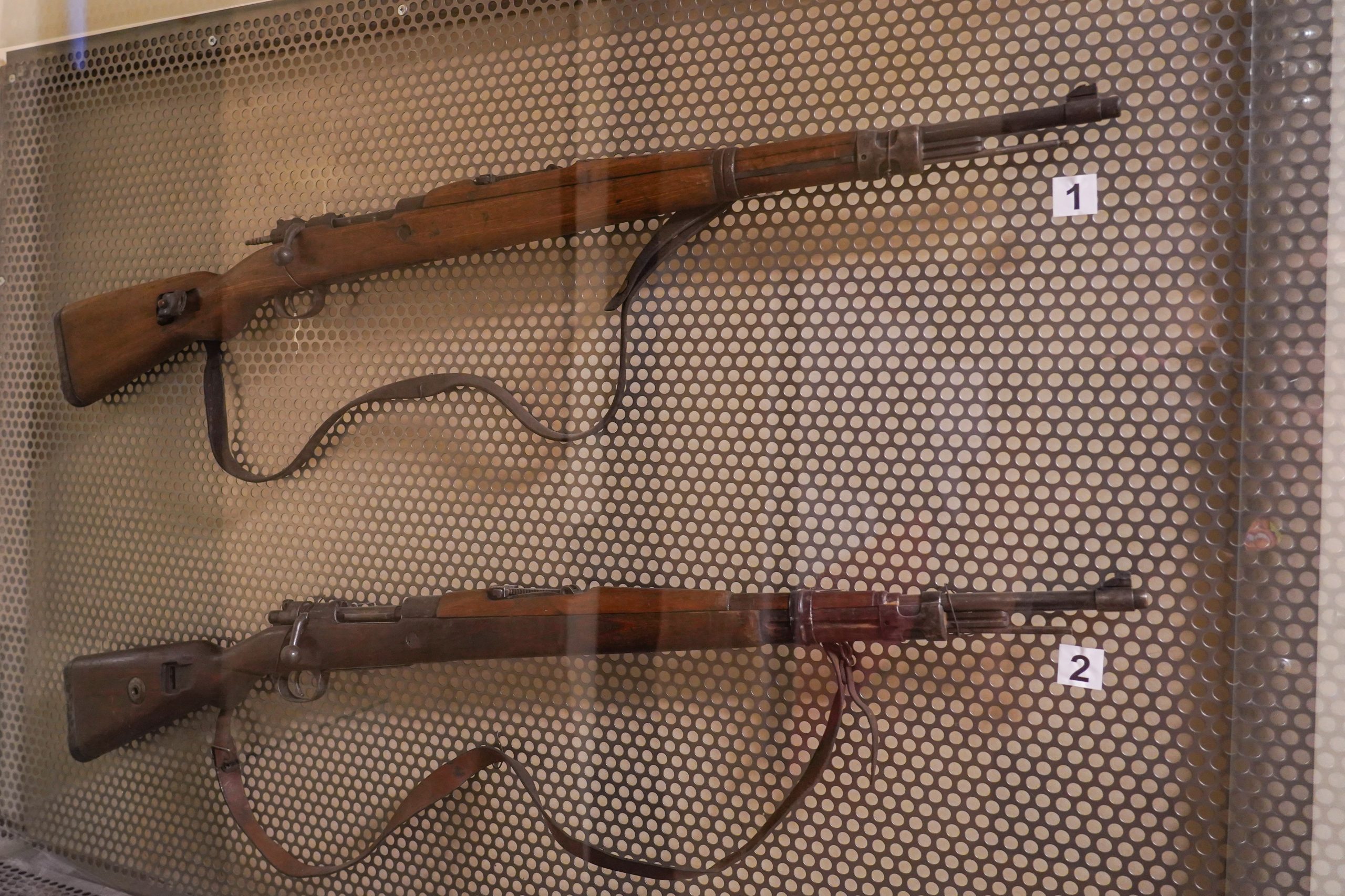
The Mauser 98 started as a military action, but its real surprise may have been how thoroughly hunters embraced it. After World War II, surplus 98-pattern rifles became affordable raw material for sporting guns, particularly in Europe. Gunsmiths fitted scopes, new stocks and different chamberings, turning the rugged action toward hunting rather than infantry service. Cartridges such as .30-06, .308 Winchester and 7×64 appeared in sporterized Mauser rifles. The design’s controlled-feed reputation and strength also made it attractive to custom builders. What began as a military standard became one of the most influential foundations for sporting bolt-action rifles.
4. Krag-Jorgensen
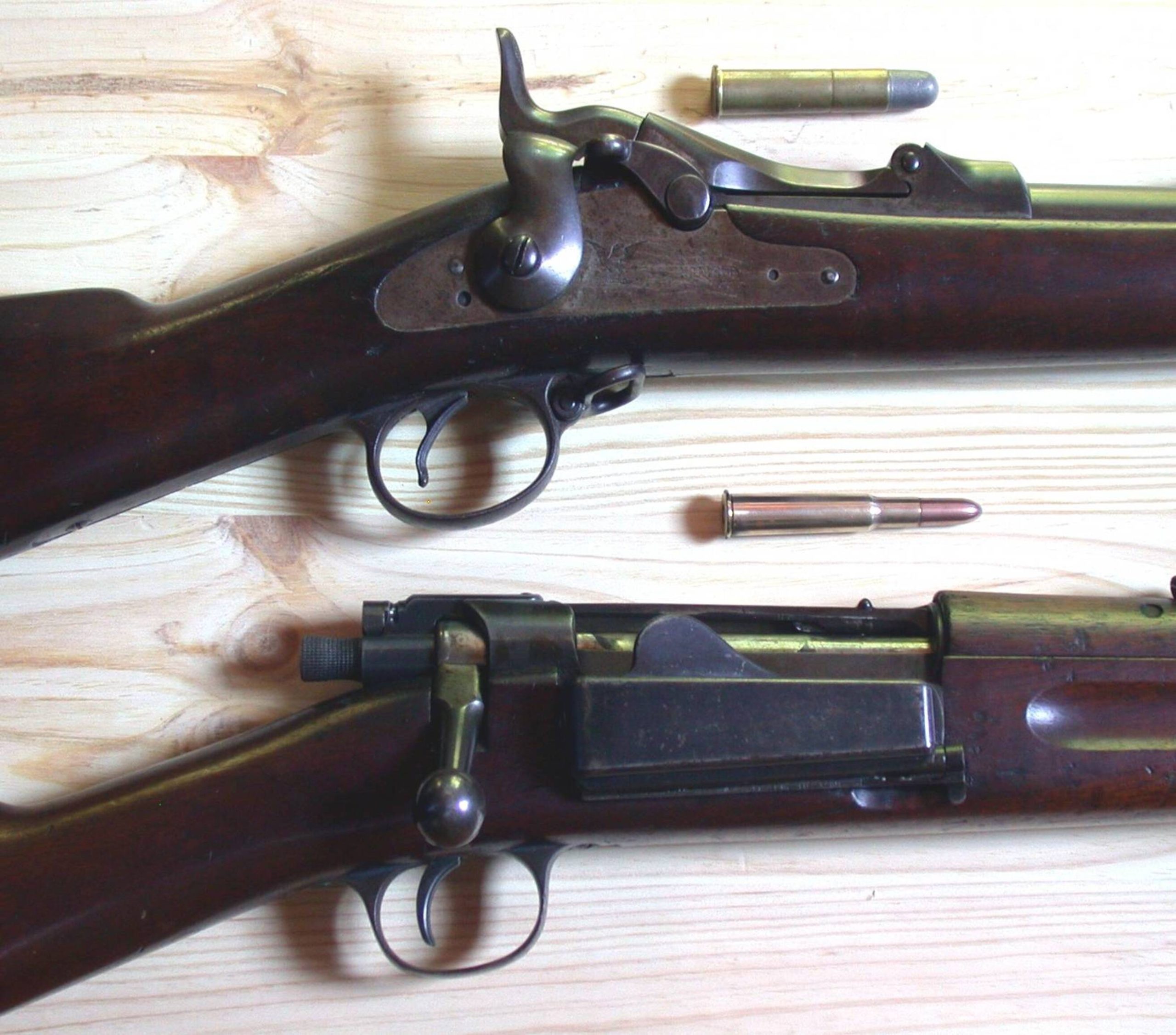
The U.S. Krag-Jorgensen was replaced as a service rifle by the Springfield, but shooters gave many surplus Krags an unexpected second career. Large numbers entered civilian hands after military disposal, and some were cut down or sporterized for hunting. The rifle’s smooth bolt operation and distinctive side-loading magazine gave it a character unlike later military designs. During the early 20th century, some government-modified Krags were also sold as short rifles to civilians. A weapon designed around the needs of American soldiers therefore became an affordable hunting arm and, later, a collectible reminder of the pre-1903 U.S. service era.
5. Mosin-Nagant
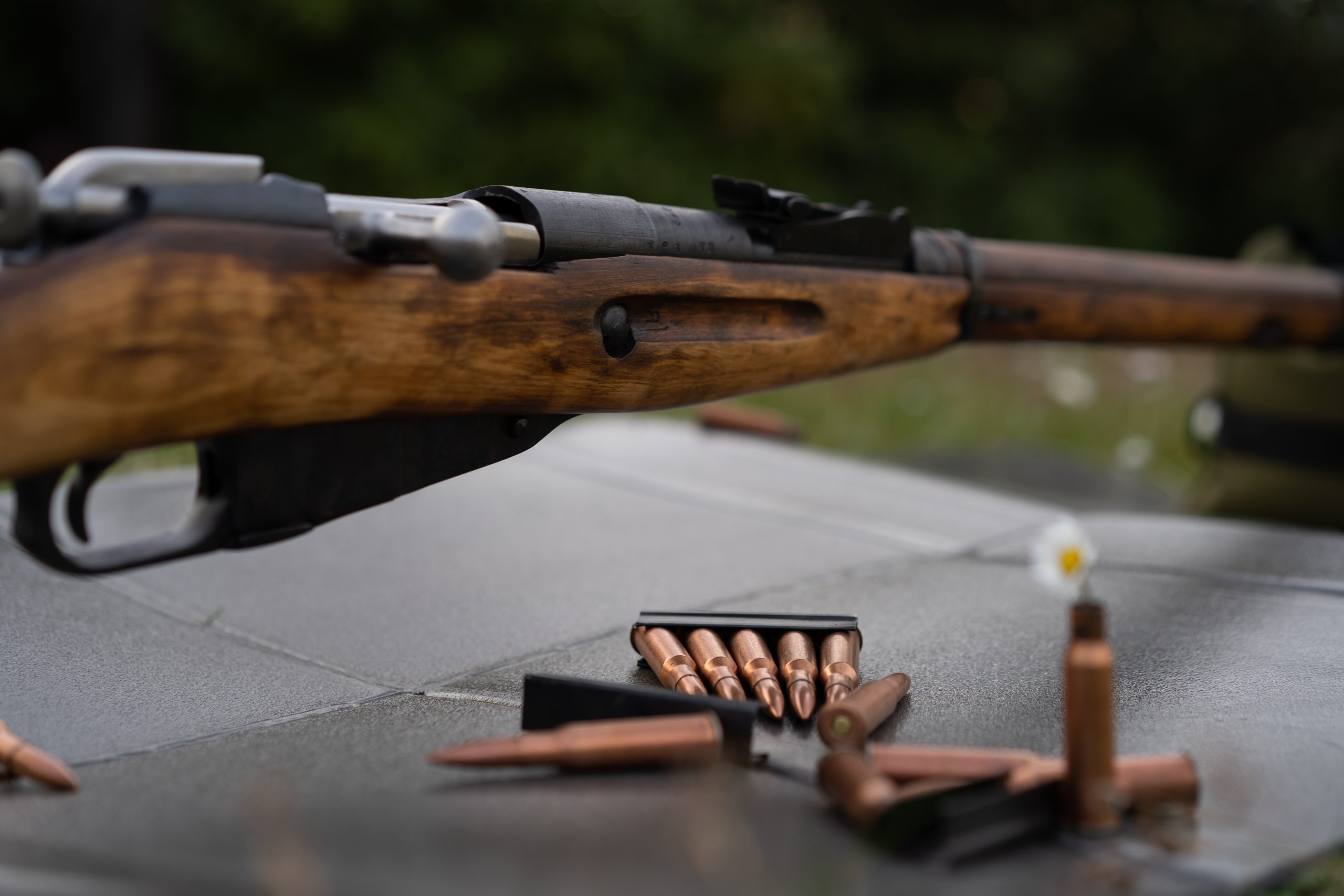
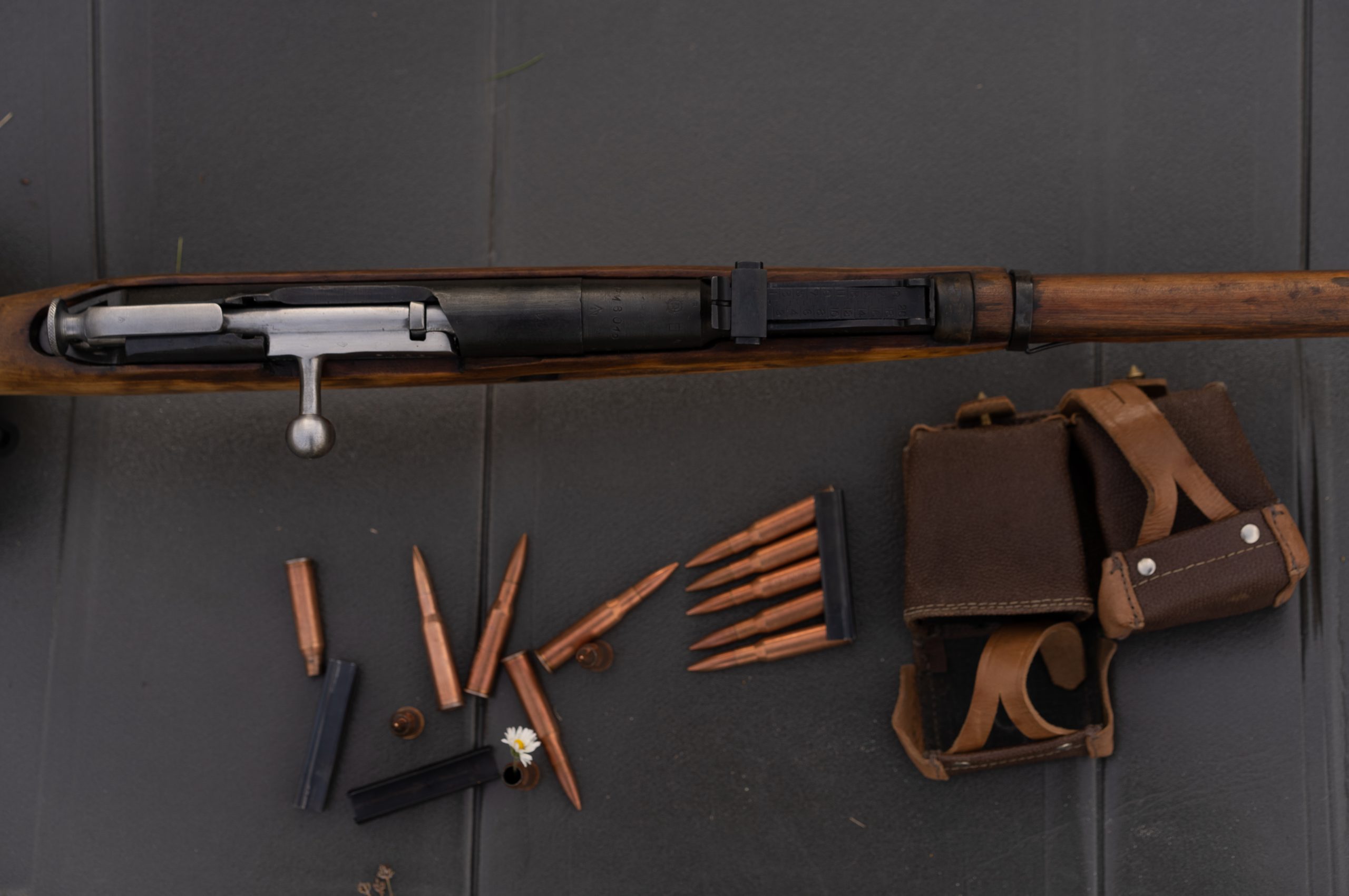
The Mosin-Nagant was produced in enormous numbers for military service, but its later civilian life became much broader than its designers could have expected. Surplus rifles appeared in sporting markets, where owners used them for hunting, target shooting and collecting. The 7.62×54R cartridge remained commercially available in many regions, helping keep the rifles useful decades after their military careers ended. Some examples were also converted into sporter-style rifles with new furniture and optics. Its low cost, rugged reputation and huge production history made the Mosin-Nagant an entry point into surplus shooting for generations of enthusiasts.
6. AR-15
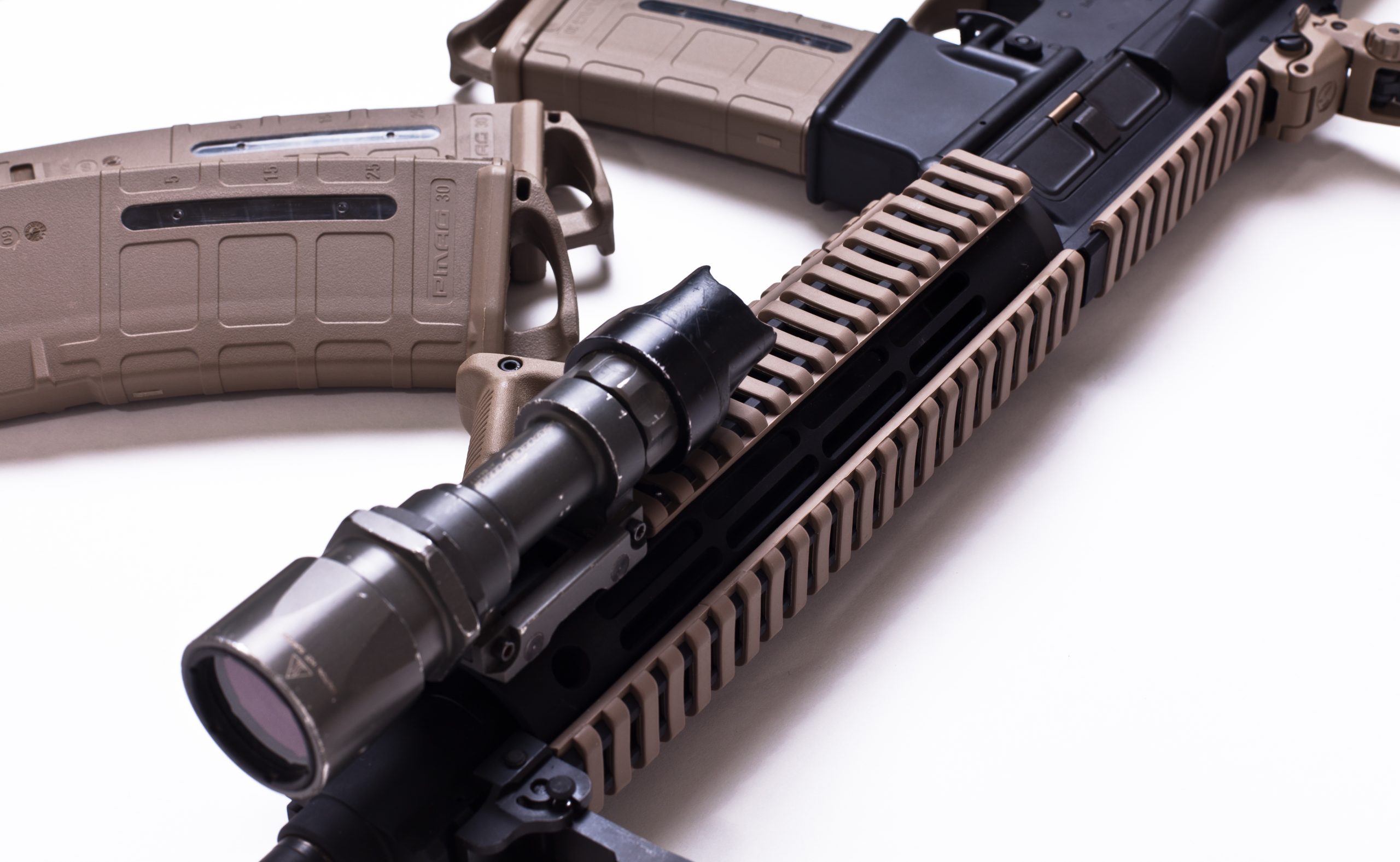
The AR-15 was developed from a military rifle family, yet civilian shooters turned its basic architecture into a remarkably broad sporting platform. Instead of serving one fixed role, it became common in target competition, varmint hunting, recreational shooting and other lawful sporting activities. Its modular design encouraged manufacturers to offer many configurations and chamberings, while the civilian market created uses that were never part of the original infantry brief. By the 21st century, the platform had become a major part of American shooting culture. Its unexpected transformation was less about one new purpose and more about the sheer number of purposes shooters found for it.
7. 1911
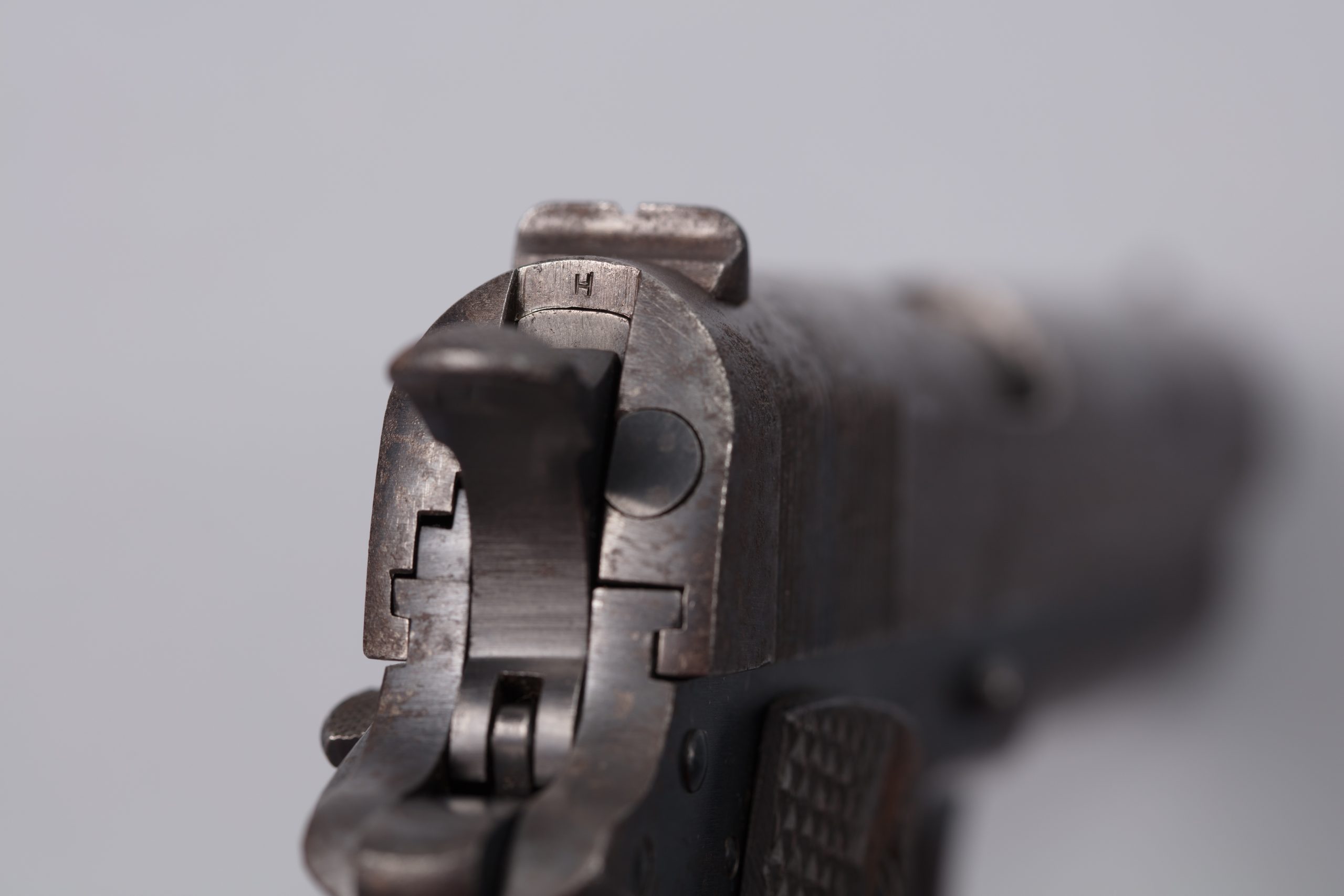
The 1911 was created as a U.S. military sidearm, but shooters soon pushed the design into roles far removed from standard service use. Competitive pistol shooters refined it with different sights, triggers and other sporting features, while hunters and outdoorsmen used larger-caliber versions for specialized sidearm roles. The design also became a foundation for custom pistol building, with manufacturers producing variants in several sizes and chamberings. Its original .45 ACP identity remained central, but civilian competition and customization turned the 1911 into a platform rather than a single military pattern. More than a century after adoption, its sporting legacy remains substantial.
8. Thompson
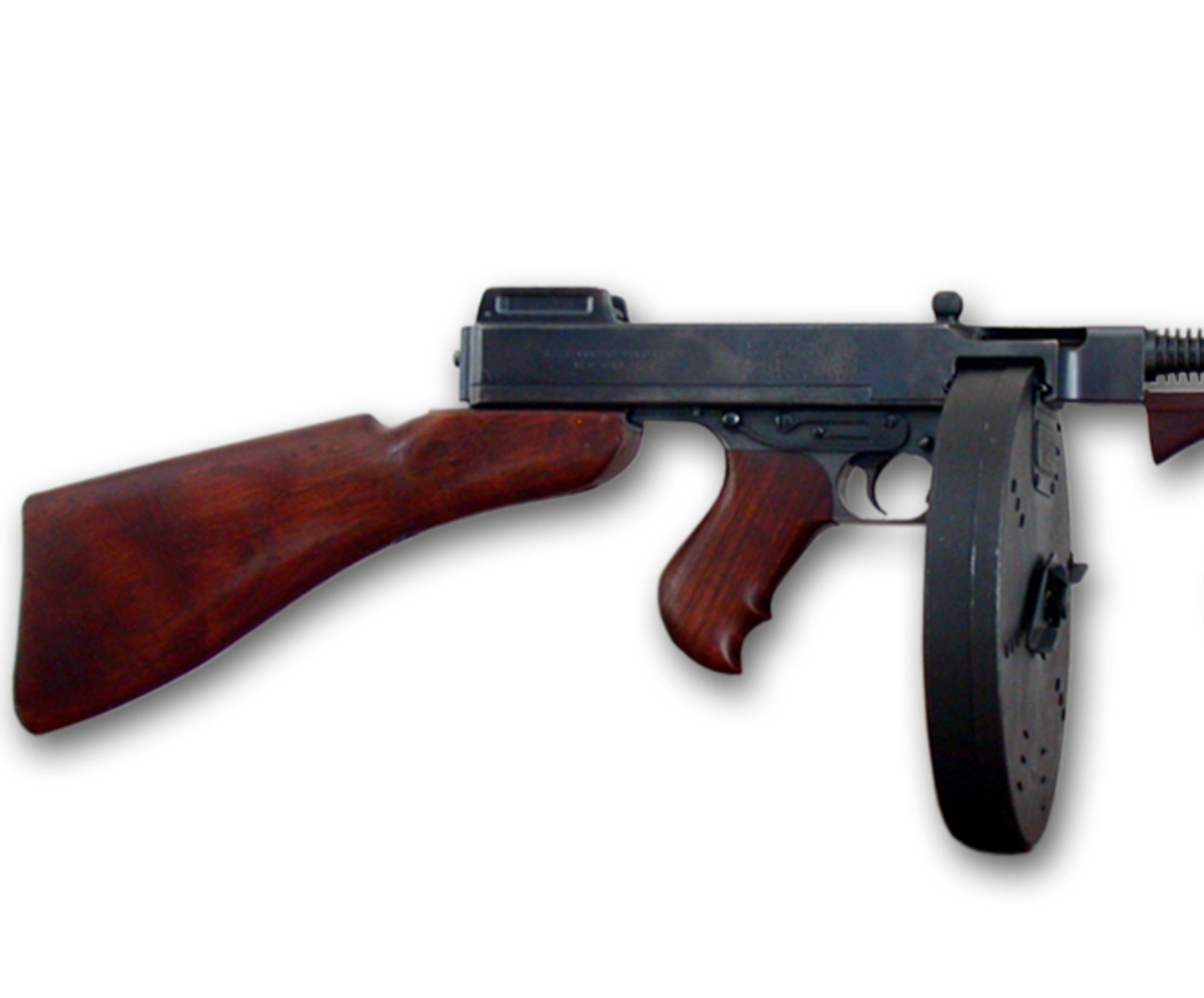
The Thompson, introduced in 1921, was designed as a compact automatic weapon, yet its civilian story became surprisingly complicated. Before and between military contracts, Thompsons were marketed to law enforcement, while criminals also became associated with the gun during Prohibition. That unwanted visibility helped make the Thompson a cultural symbol far beyond its intended military niche. Later, legally owned semiautomatic versions attracted collectors, historians and historical-shooting fans. The gun therefore gained several unexpected identities: law-enforcement tool, criminal-era icon, military arm and collectible. Few firearms have moved through several distinct public roles.
9. M1 Garand
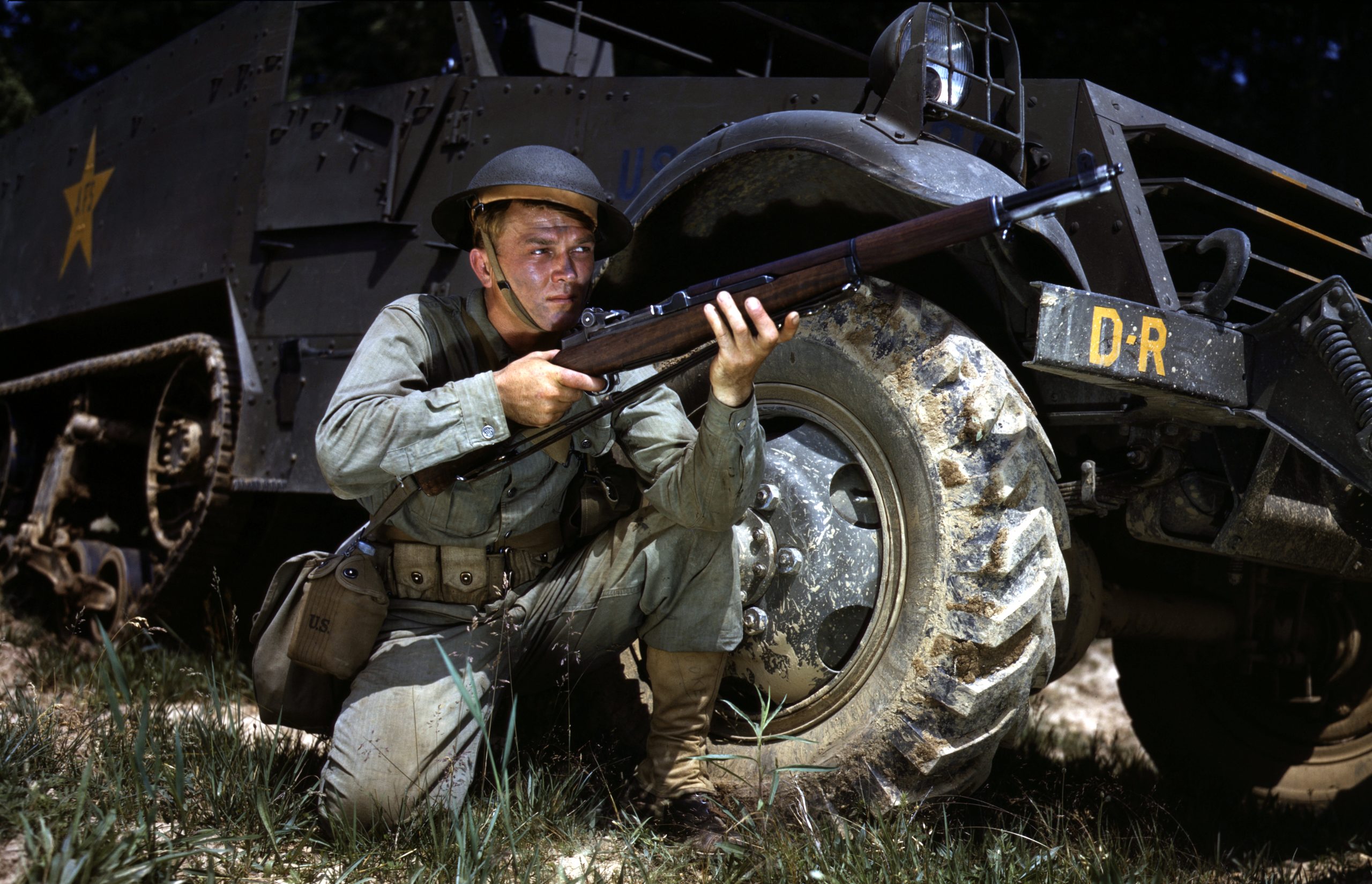
The M1 Garand was designed to give American infantry a major firepower advantage, but its post-service life took it into sporting and competitive shooting. Surplus and government-released rifles became prized by civilian marksmen, particularly in service-rifle competition and historical shooting events. Its eight-round en-bloc loading system, gas operation and .30-06 chambering gave shooters a very different experience from modern sporting rifles. The Garand also became popular among collectors who valued original configuration and military history. Instead of disappearing when newer service rifles arrived, the M1 remained visible on firing lines, ranges and in collections for decades.
10. M14
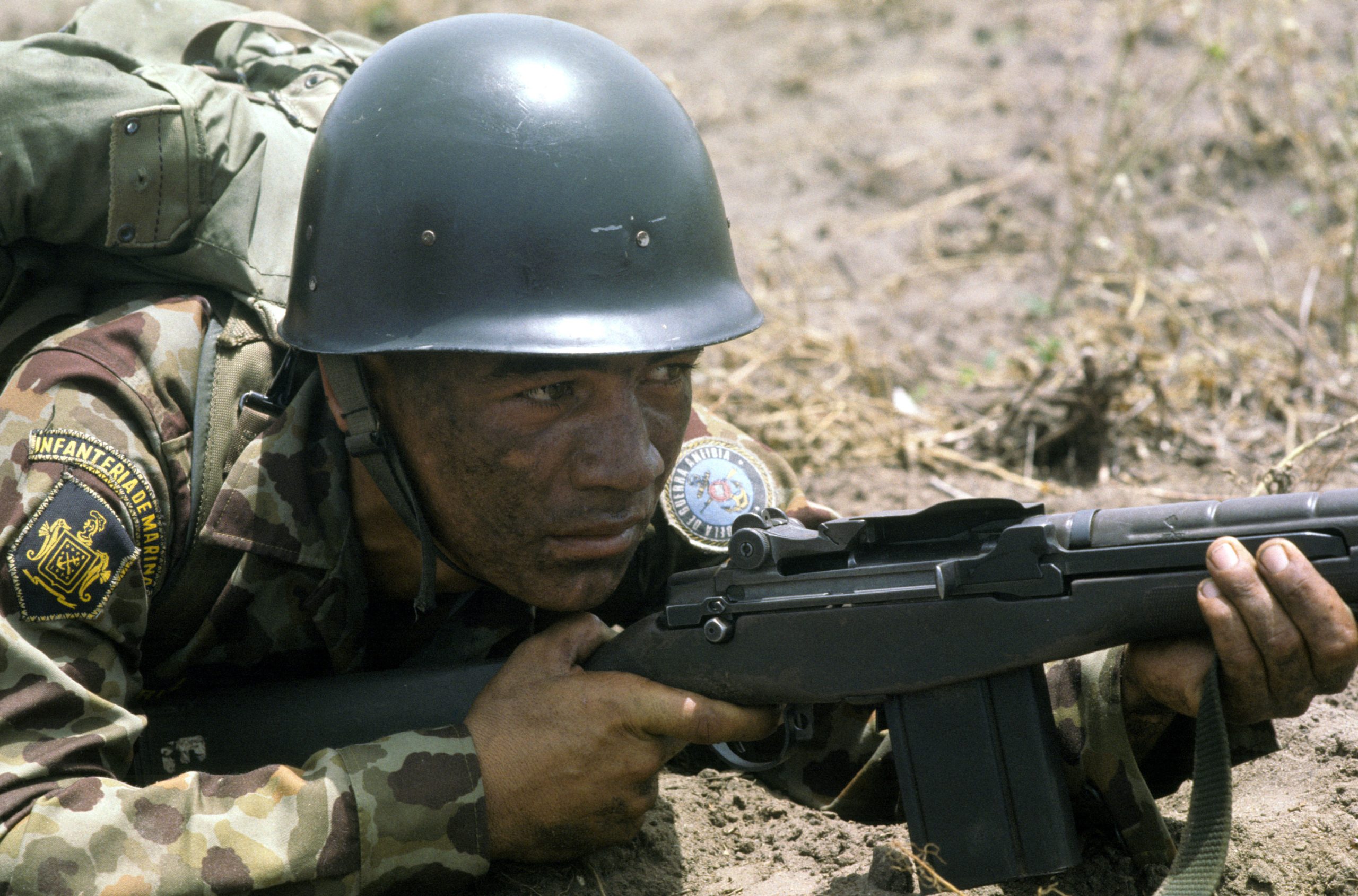
The M14 had a relatively short period as America’s standard infantry rifle, but civilian shooters gave its design a much longer sporting life. Civilian semiautomatic versions, most famously the M1A, attracted competitors, collectors and hunters who liked the traditional full-size rifle format. The .308 Winchester chambering also connected the platform with a widely used sporting cartridge. Its unexpected use was therefore not a single conversion but a change in audience: a military rifle became a civilian target and sporting firearm. From the 1970s onward, that civilian market helped keep the M14 pattern recognizable long after the U.S. military moved on.
11. AK-Pattern Rifles
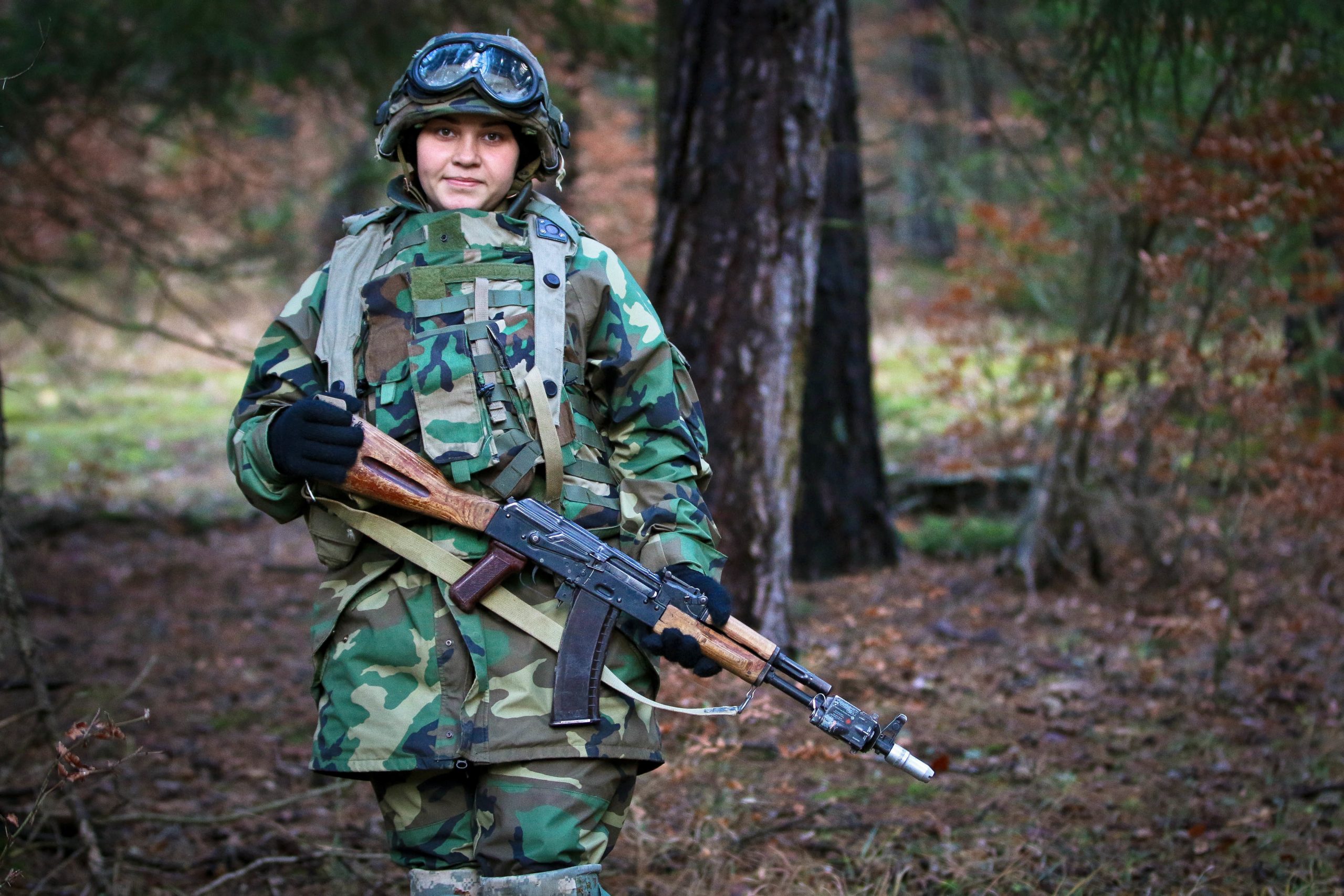
AK-pattern rifles were created around military requirements, yet civilian shooters turned their basic layout into a worldwide sporting and collecting category. Semiautomatic versions appeared in many markets, giving owners an alternative for recreational shooting and collecting where permitted. Manufacturers also produced civilian variants in different calibers and configurations, showing how far the original design could travel from its military specification. The AK’s unexpected civilian role became visible after the Cold War, when surplus parts, commercial production and international demand grew its presence. It became a broad civilian family.