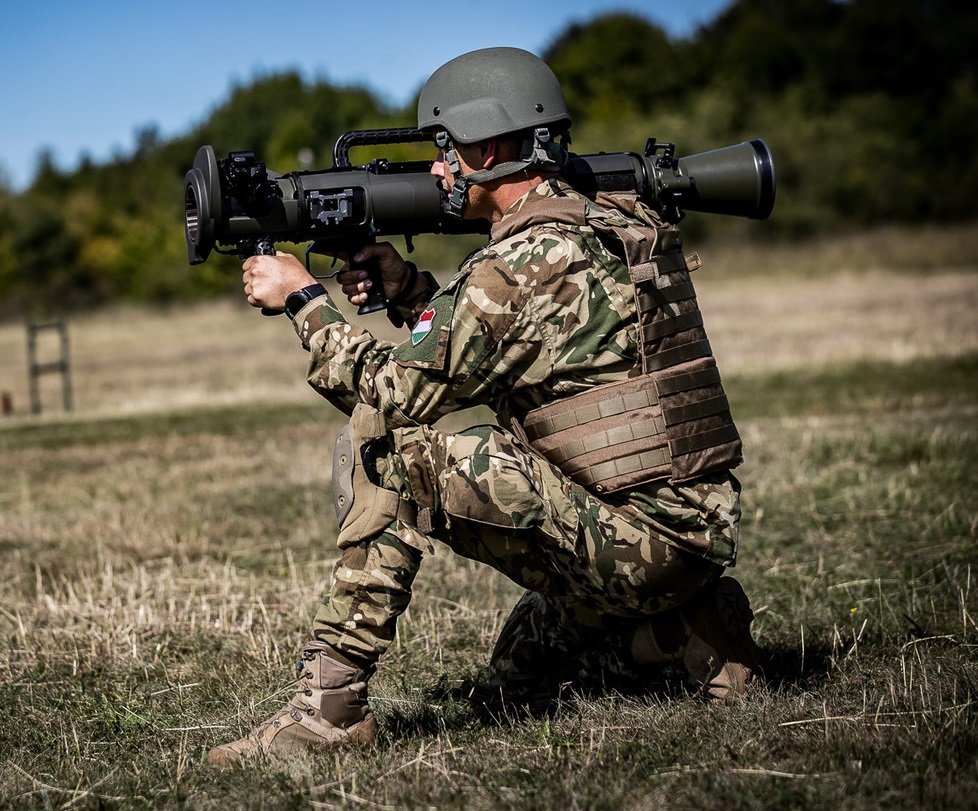
Firearm history is full of examples where a modification that looked minor on paper produced a surprisingly different result in the finished gun. A revised extractor, receiver, safety, gas system, or stock could change how a firearm was manufactured, carried, maintained, or perceived. Some changes solved practical problems, while others responded to military requirements, production pressures, or changing civilian expectations. Here are 10 notable examples where a relatively focused design change helped create a distinctly different version of an established firearm.
1. M1 Garand
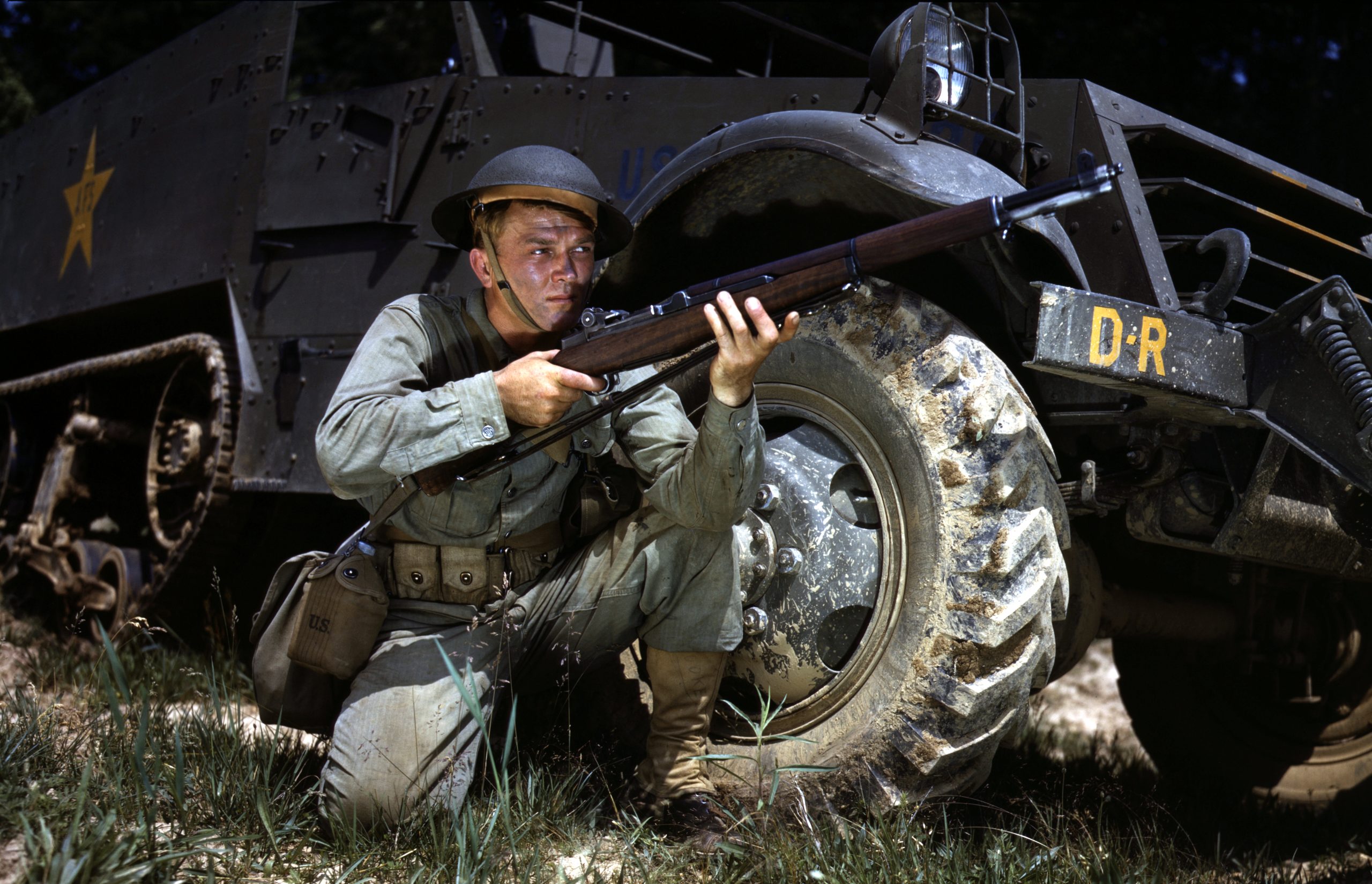
The M1 Garand became a different rifle when John C. Garand’s original gas-trap system was replaced by a simpler gas port in 1939. The change removed the large cup around the muzzle and let propellant gas drive the operating rod through a port in the barrel. It reduced external bulk and simplified the operating system while retaining the rifle’s 8-round en-bloc clip. The revised arrangement proved more practical for production and field use. A small change at the front end therefore helped create the familiar service rifle used in World War II and Korea.
2. AK Family
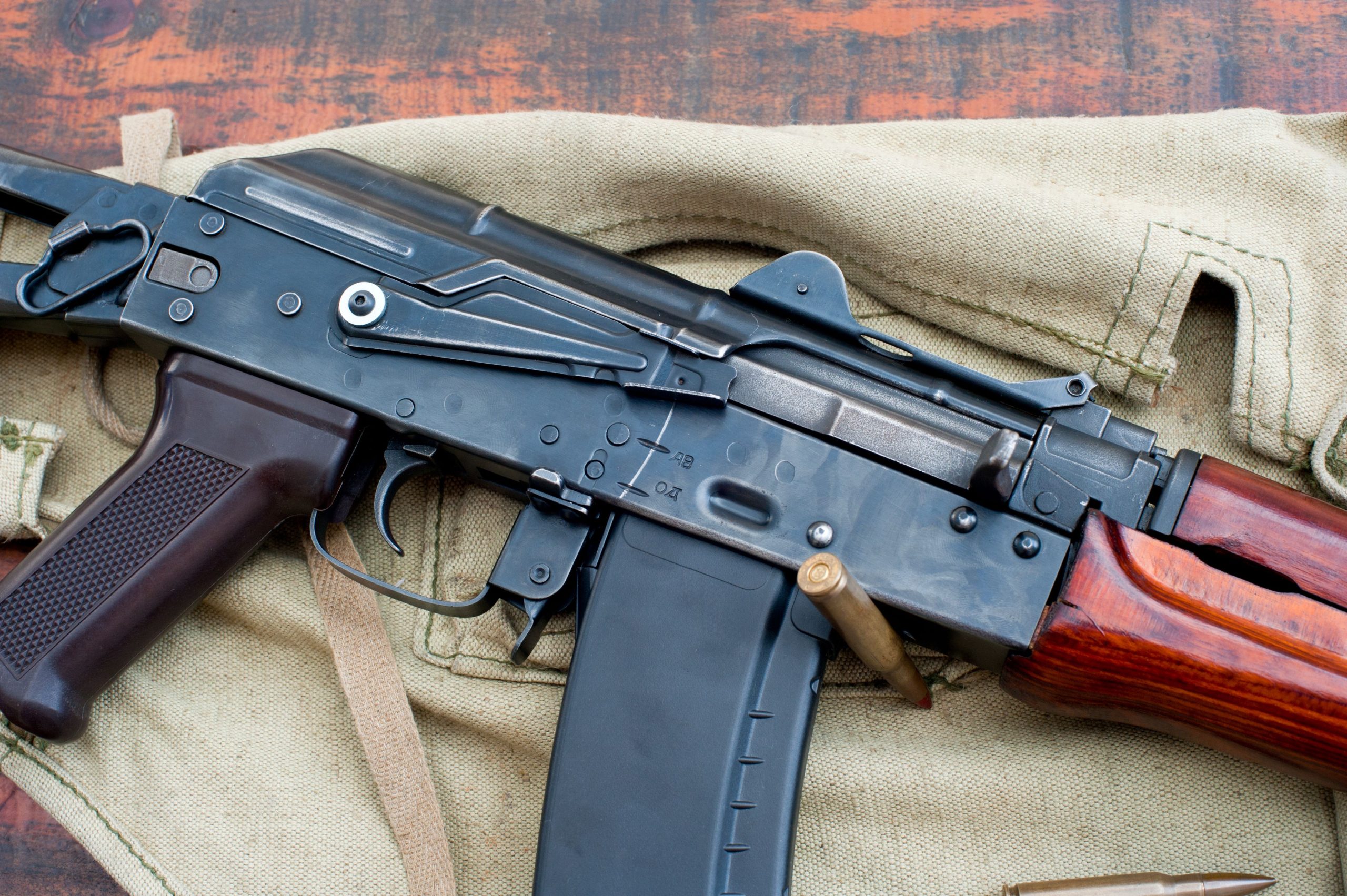
The AK family took a major manufacturing turn when production moved from a milled receiver to a stamped receiver. The change kept the basic 7.62×39 mm operating concept, but reduced machining by forming the receiver largely from sheet steel. Early stamped versions had reliability and manufacturing problems, so production returned briefly to a milled receiver before improved stamped versions appeared. That history matters because “AK-47” can describe related generations, not one unchanged rifle. The receiver change affected weight, production methods, and the familiar profile.
3. AR-15/M16
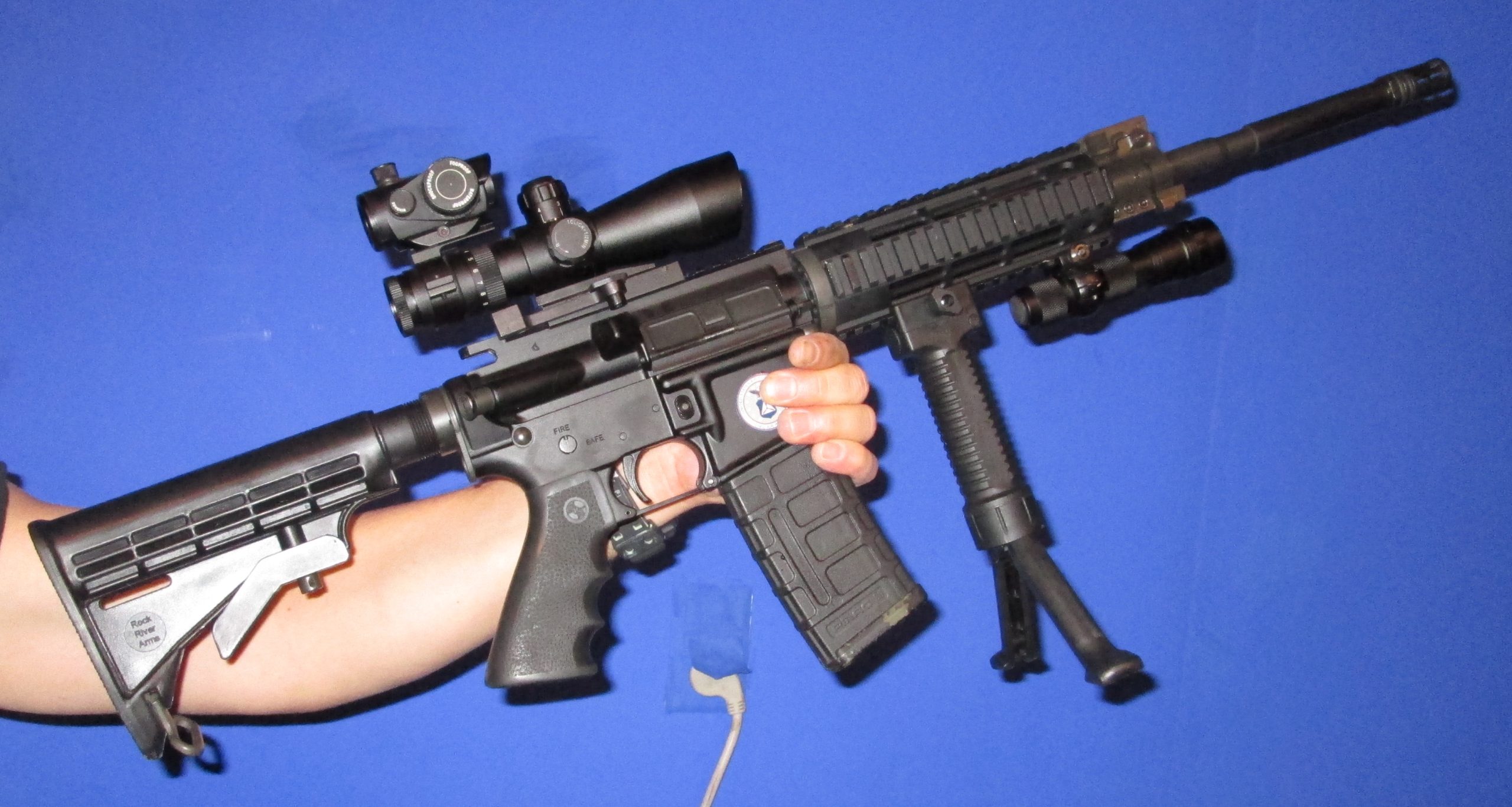
The AR-15/M16 family changed character when the forward assist was added to later military rifles. The feature gave the shooter a mechanical way to push the bolt fully forward if it stopped short of battery, while the rifle retained its basic direct-gas system. The M16A1 era paired the forward assist with other changes that reflected early service experience. The result was not a new operating principle, but a different relationship between rifle and user. A small control on the upper receiver became a defining feature of the military pattern and its long development.
4. 1911
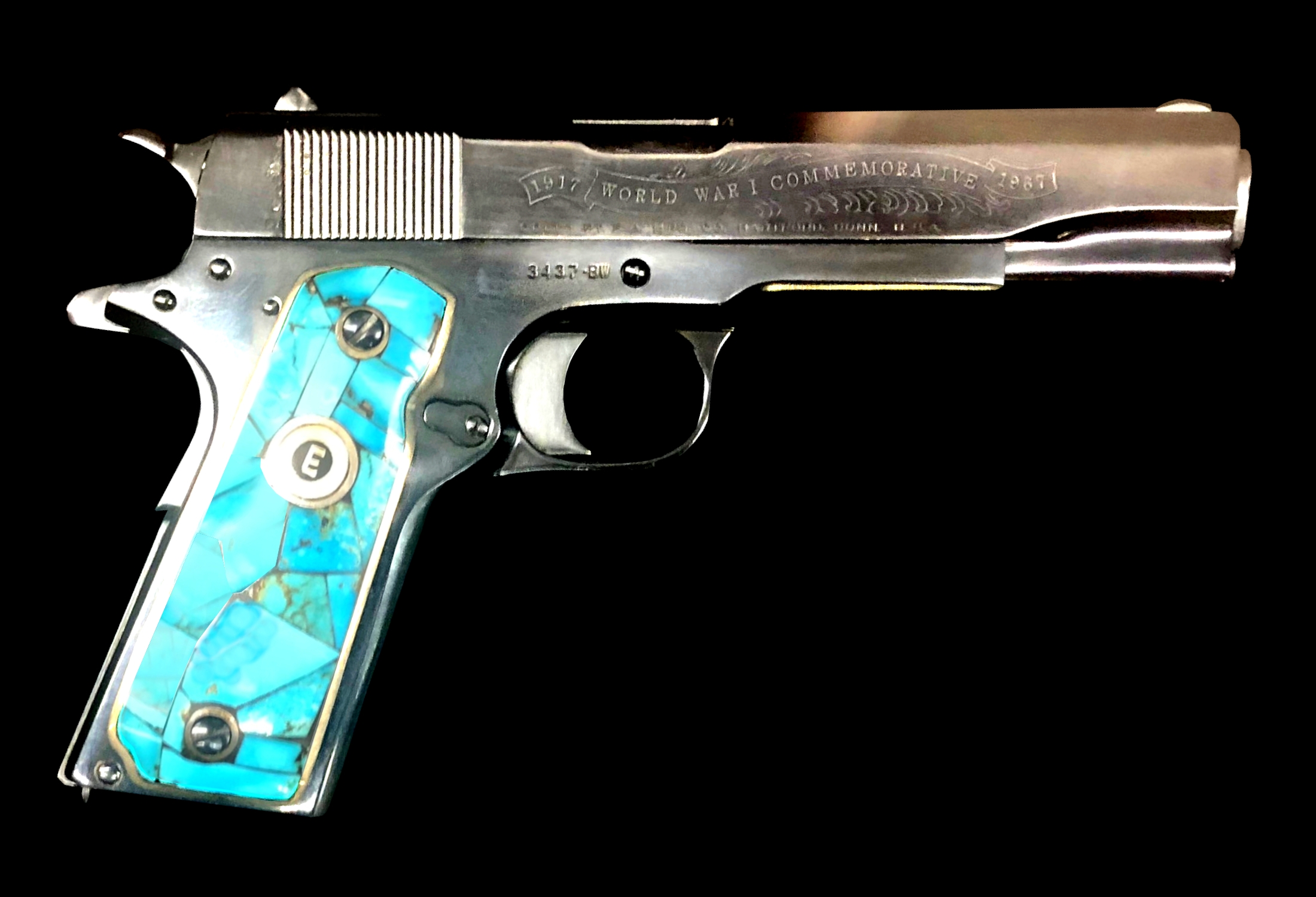
The 1911 changed noticeably when Colt introduced the Series 80 firing-pin safety system in 1983. Earlier 1911 patterns generally used a simpler internal arrangement, while the Series 80 added a mechanical block that prevents the firing pin from moving unless the trigger is pressed. The change increased the number of parts in the fire-control system and became a major difference between classic and later 1911s. The basic .45 ACP, single-action layout remained, but the new safety system altered trigger mechanics and created two recognizable generations of the famous pistol.
5. Remington Model 700

The Remington Model 700 gained an important change in 1982 when its safety was revised so the bolt could be operated while the safety remained engaged. Earlier rifles locked the bolt when the safety was on, meaning the shooter had to move the safety to open the action and unload. The later arrangement separated those functions and allowed unloading without taking the rifle off safe. It was a small control change, but it altered how the rifle was handled in the field. The Model 700 kept its familiar bolt action and was offered in dozens of cartridges.
6. Browning Hi Power
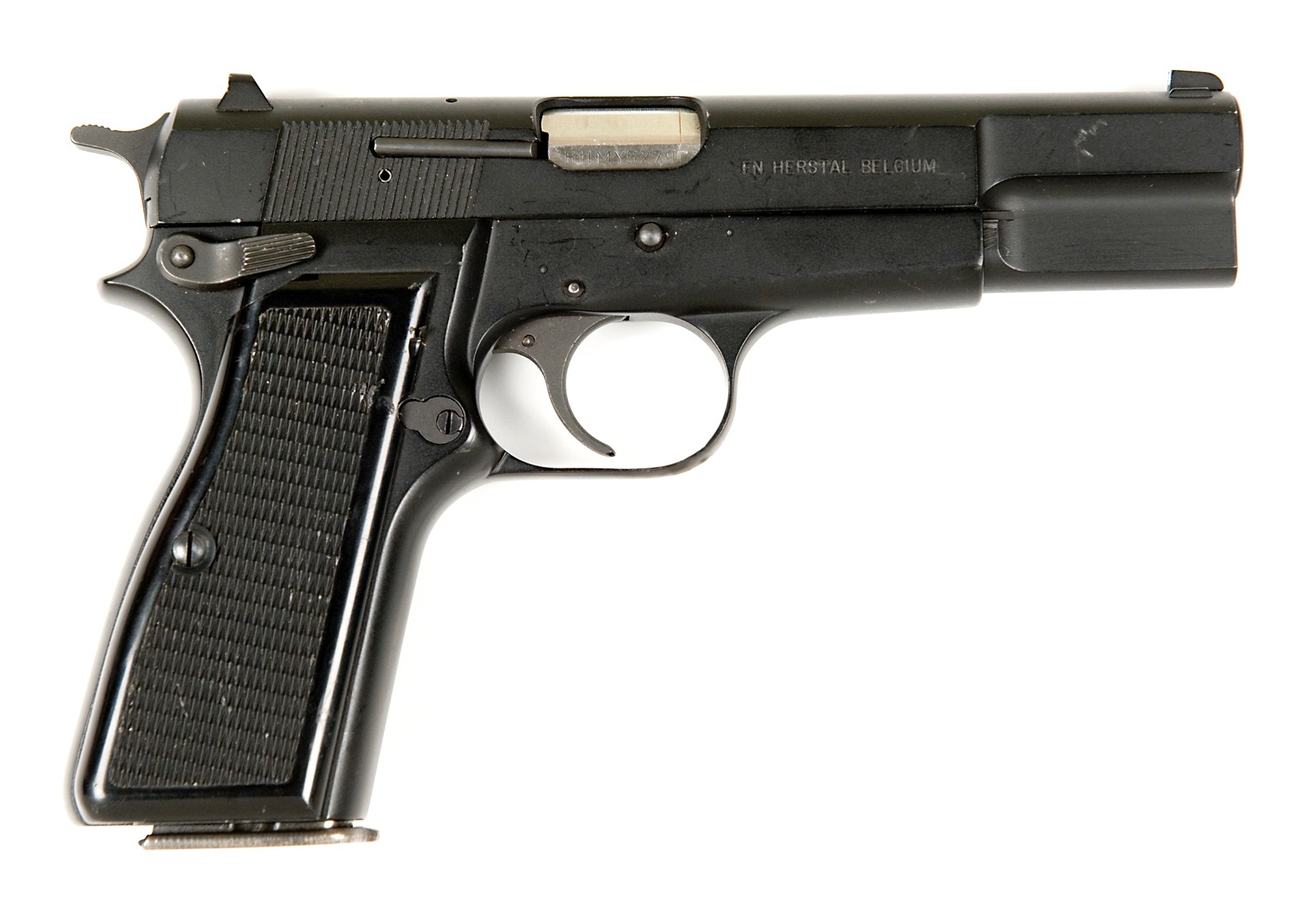
The Browning Hi Power became a subtly different pistol when FN changed its extractor design in 1962. Early pistols used an internal extractor, while later production adopted an external extractor that could be identified from outside the slide. The change did not create a new operating system, but it reflected FN’s continuing refinement of a design known for its 13-round magazine and military service. This is also a useful production clue for collectors, because the extractor can help separate early Hi Power examples from later pistols without relying only on markings or finish.
7. Ruger 10/22
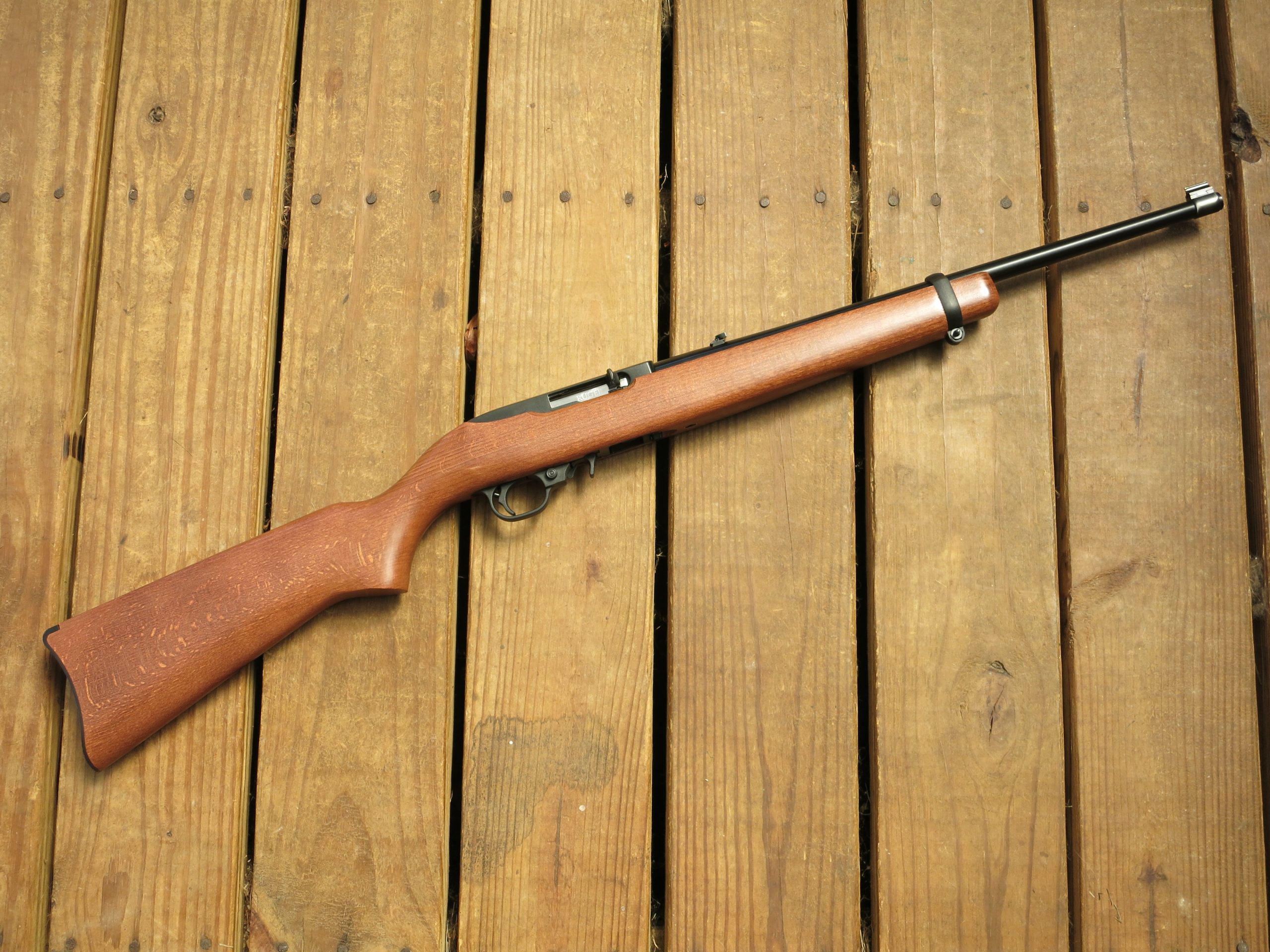
The Ruger 10/22 changed from a conventional fixed-barrel rimfire into a more travel-friendly rifle when Ruger introduced the Takedown model in 2012. The core .22 LR action, rotary magazine, and familiar controls remained, but the barrel and receiver could be separated for transport and storage. That sounds simple, yet it changed the rifle’s role for owners who valued compact packing. The original 10/22 had been in production since 1964, so the Takedown showed how a mature design could gain a new identity without abandoning its basic action or 10-round rotary magazine.
8. Winchester Model 70
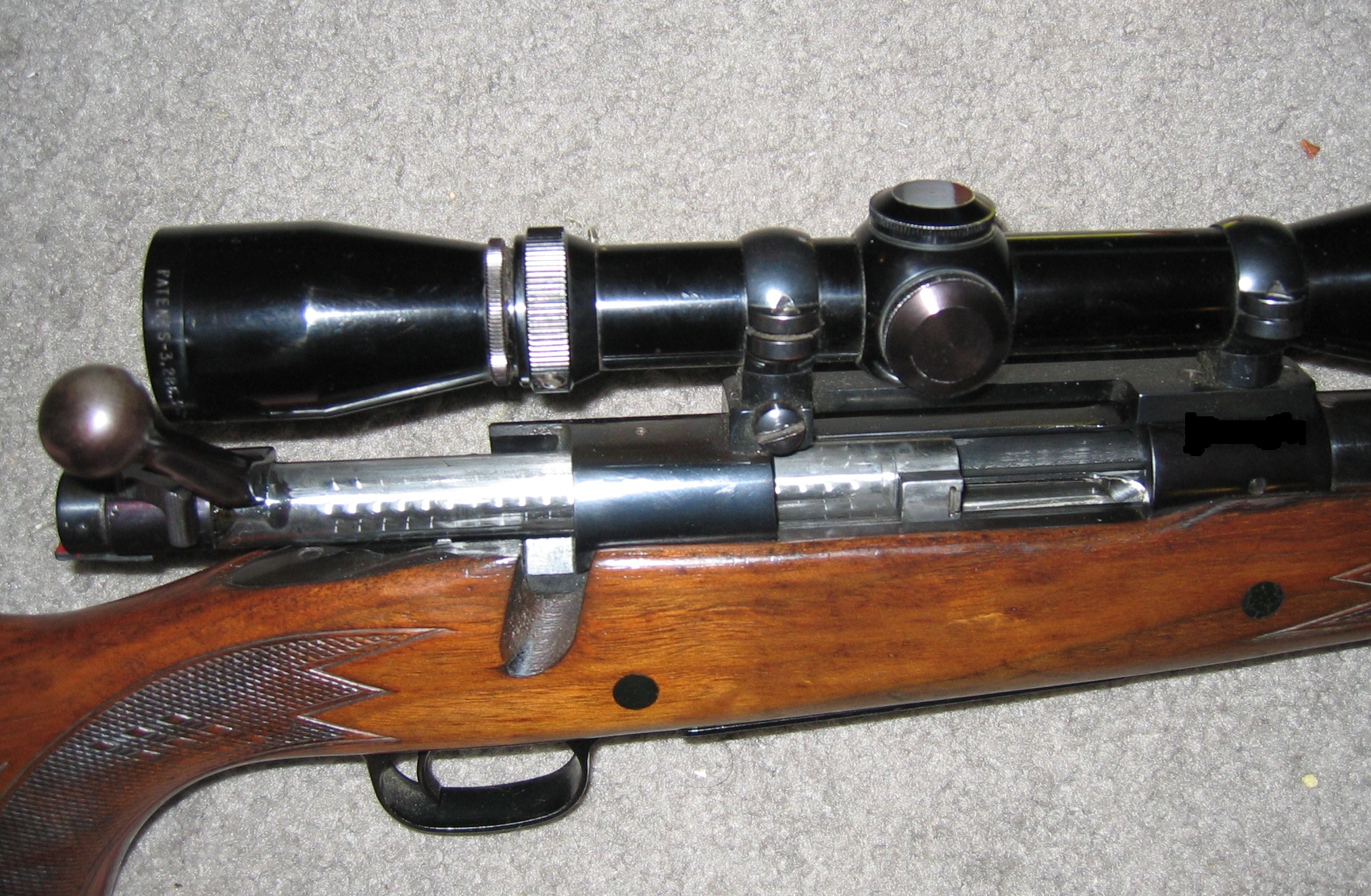
The Winchester Model 70 underwent a major transformation when Winchester changed from controlled-round feed to push feed for most production beginning in 1964. The change simplified parts of manufacturing and used a different bolt and extractor arrangement, while retaining the rifle’s familiar bolt-action layout. Enthusiasts treated the two versions as distinct generations, and Winchester later returned to controlled-round feed in the 1990s on many models. A receiver change could therefore alter operation and reputation while leaving the outward appearance largely familiar.
9. Glock
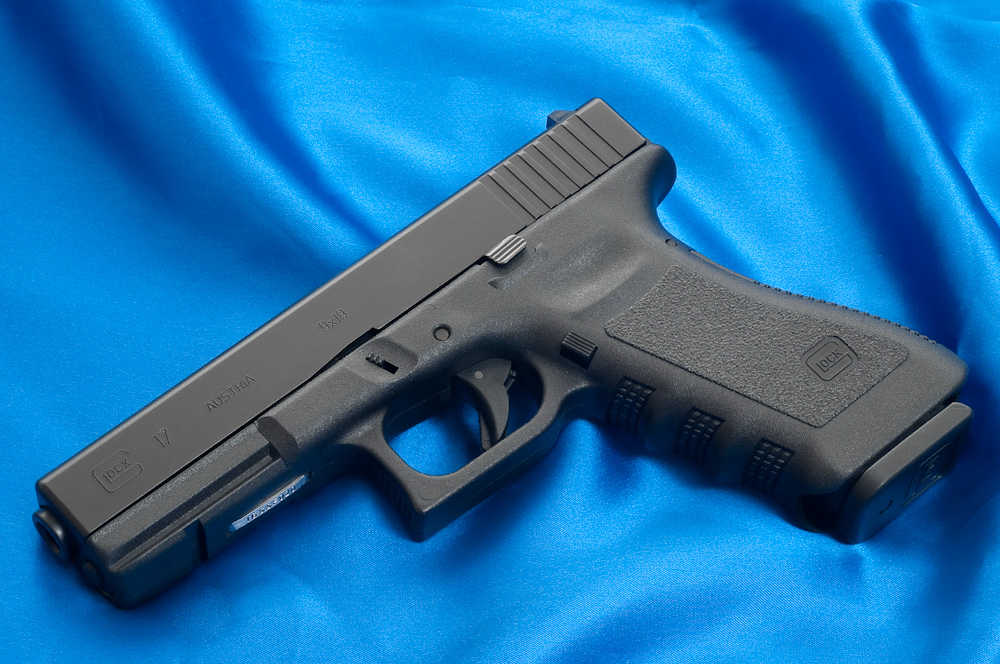
The Glock pistol family changed markedly when Glock introduced the Gen4 design in 2010. The update added interchangeable backstraps, a more aggressively textured frame, a reversible magazine release, and a dual recoil-spring assembly on many models. The basic striker-fired system remained familiar, but the frame could be adapted more easily to different hand sizes. That made Gen4 visibly and mechanically distinct from earlier generations while preserving the simple Glock layout. A handful of changes therefore turned an established service-pistol pattern into a more modular platform.
10. Mauser 98
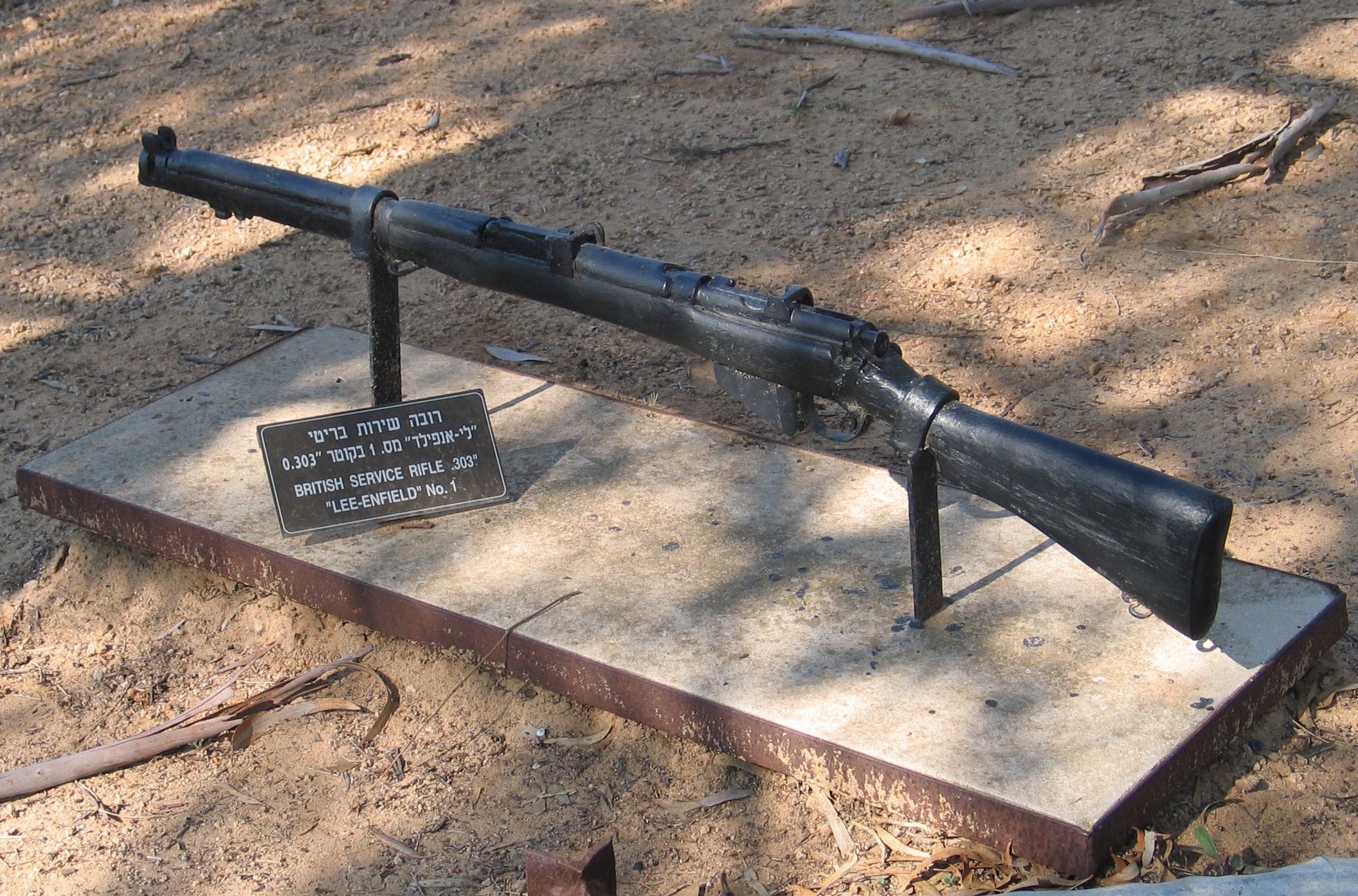
The Mauser 98 became the basis for a noticeably different family of sporting rifles when manufacturers simplified its military features for civilian use. Full-length military stocks and fixed sights gave way to lighter stocks and receiver-mounted optics. The action retained its controlled-round-feed principle and large claw extractor, but its role shifted from service arm to hunting rifle. A 5-round sporting magazine, shorter barrel, and civilian sights could make the same basic action feel like a different firearm. External changes can redefine a design without replacing its core mechanism.