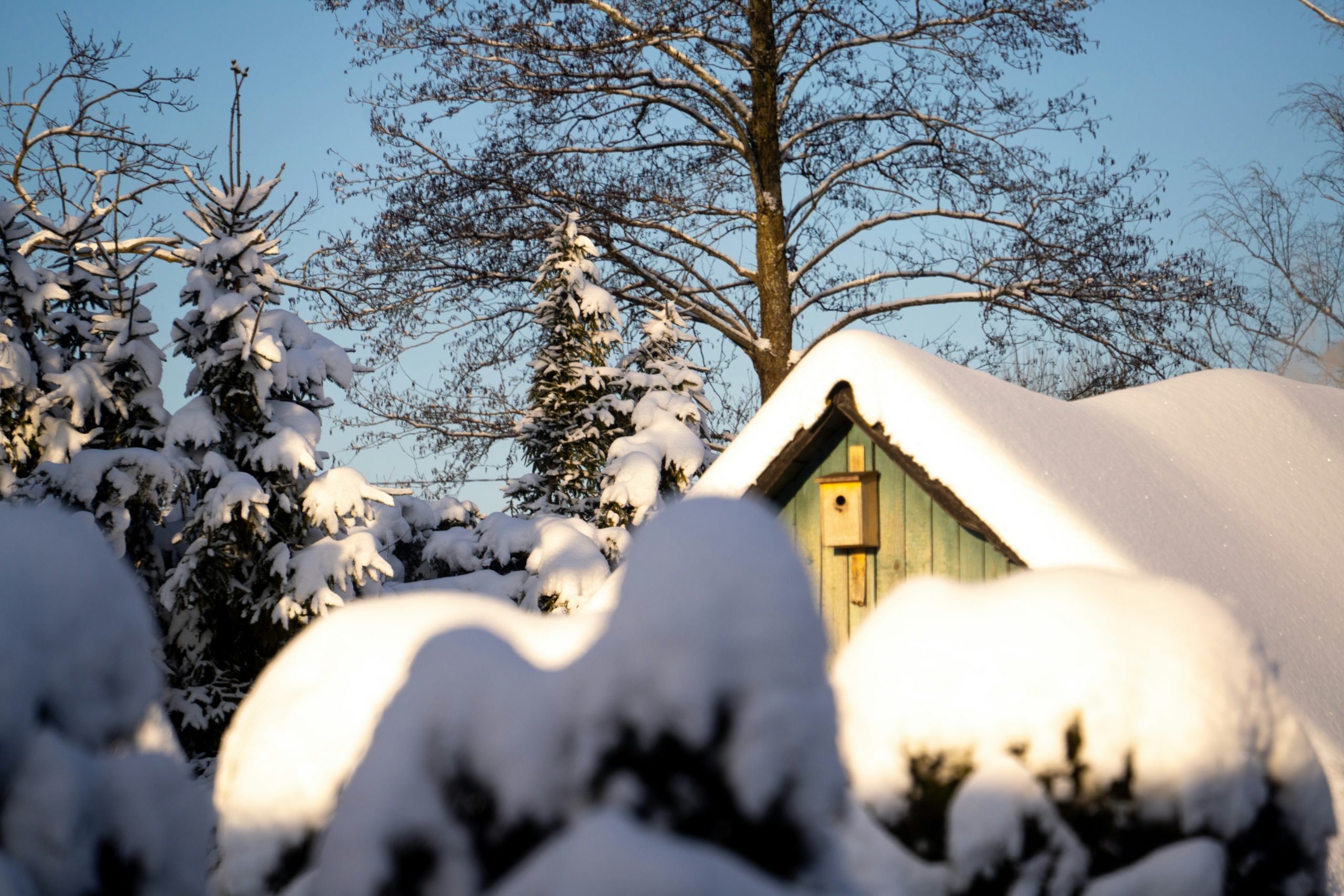
Snowfall changes the outdoor landscape in ways that surprise many people. While winter conditions add cold and risk, fresh snow also simplifies several bushcraft tasks by revealing movement, softening ground, and insulating the forest floor. Tracks become visible, noise is reduced, and tools behave differently in frozen terrain. Snow reflects light, making short days feel brighter, and it creates natural materials for shelter, storage, and signaling. For those who understand winter conditions, snowfall can remove guesswork and reduce effort rather than increase it. These tasks highlight how snow works with you instead of against you when approached with planning, patience, and proper winter awareness.
1. Tracking Wildlife Movement
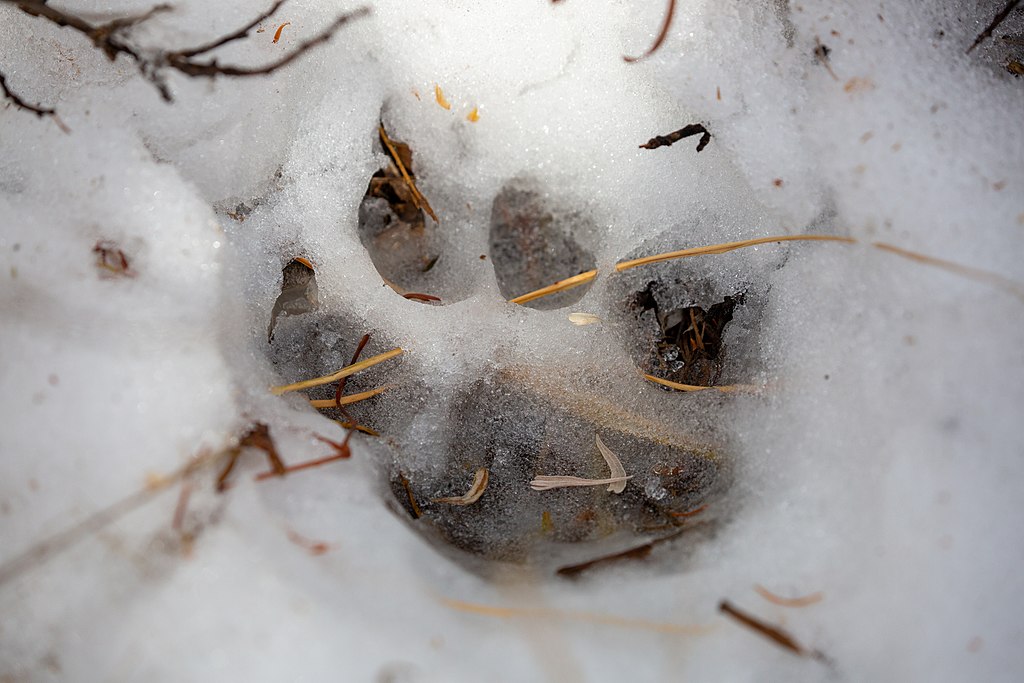
Fresh snow turns the forest floor into a clear record of animal movement. Tracks appear sharply defined, showing direction, gait, and speed with far less effort than in bare ground conditions. You can distinguish between walking, trotting, and fleeing by stride length and depth. Snow preserves trails overnight, allowing you to backtrack to feeding areas, bedding sites, and water sources. Subtle signs like tail drags or wing marks stand out clearly. This visibility saves energy that would otherwise be spent scanning dirt or leaves. With practice, snow tracking becomes an intuitive skill, allowing you to read the landscape like a storybook while staying stationary and conserving energy.
2. Locating Natural Travel Corridors
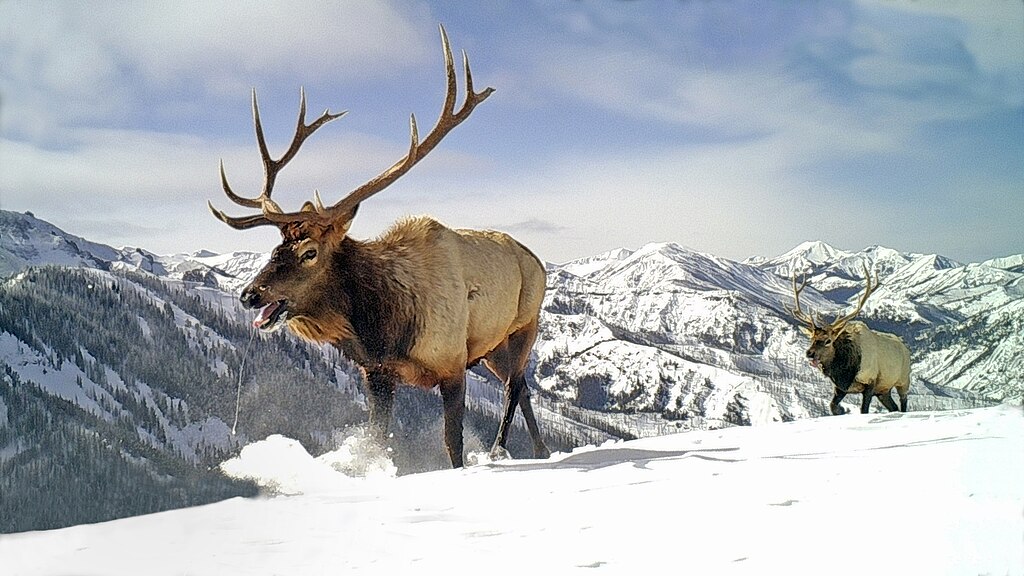
Animals prefer the path of least resistance, and snow makes those paths obvious. Packed trails, repeated tracks, and shallow areas show where wildlife consistently moves through terrain. Game trails through brush, along ridges, or beside frozen streams appear as lightly compacted lanes. Snow highlights terrain features such as saddles and creek crossings that funnel movement naturally. Instead of guessing where animals pass, you can visually confirm high traffic zones. This saves time when scouting, setting observation points, or planning routes. Snow simplifies decision-making by clearly showing where effort is minimized for both humans and animals.
3. Firewood Identification and Selection
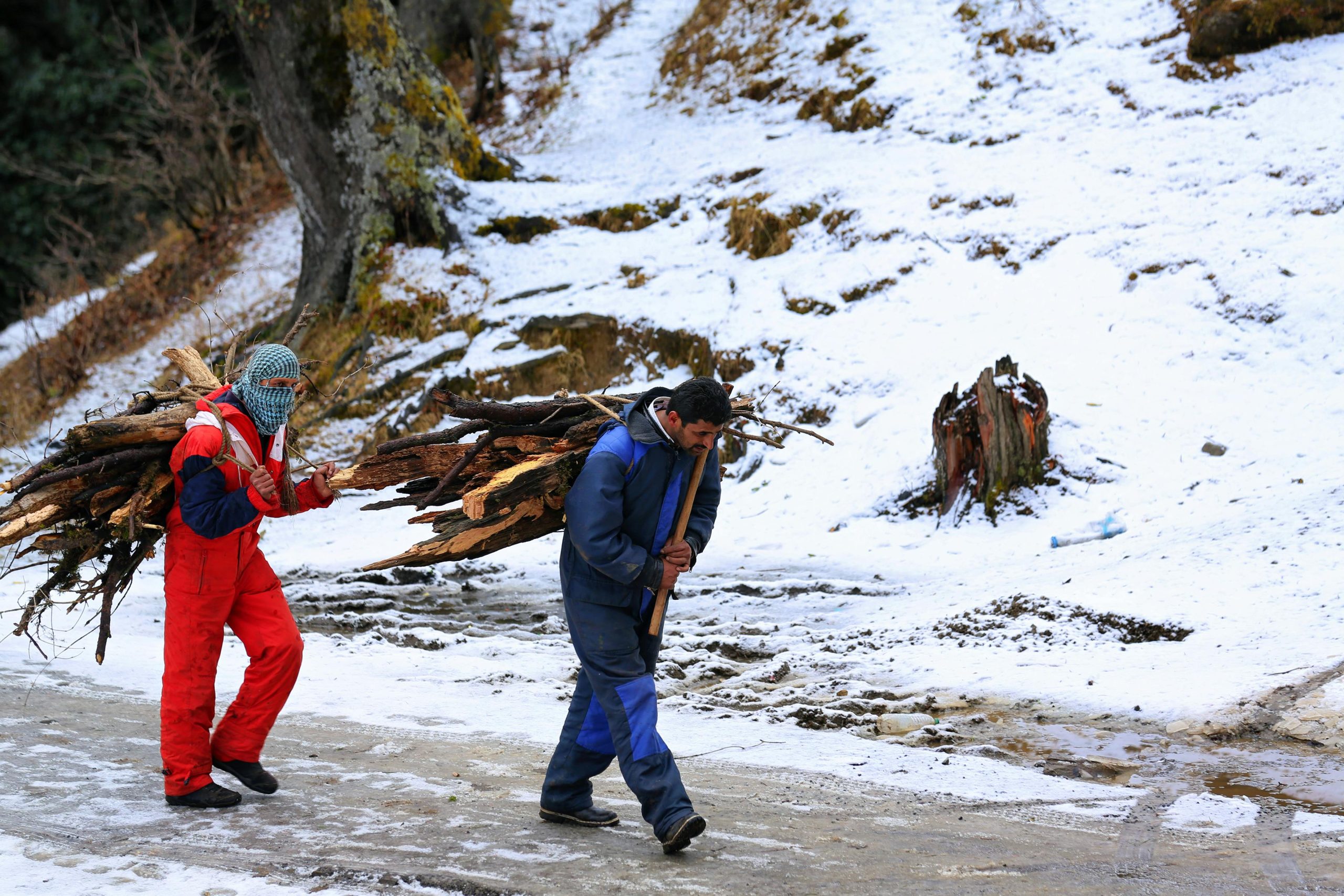
Snow helps separate usable firewood from damp or rotten material. Fallen branches resting above snow remain dry underneath, while dead standing trees are easy to spot against white surroundings. Snow contrast reveals cracked bark, hollow sounds, and structural weaknesses more clearly. You can also identify wood types by exposed bark color and branching patterns. Dry wood produces sharper sounds when struck, which is easier to hear in quiet winter conditions. Snow-covered ground prevents mud contamination when splitting logs. This reduces preparation time and improves fire quality while lowering frustration during cold-weather camp setup.
4. Insulating Ground for Sleeping Areas
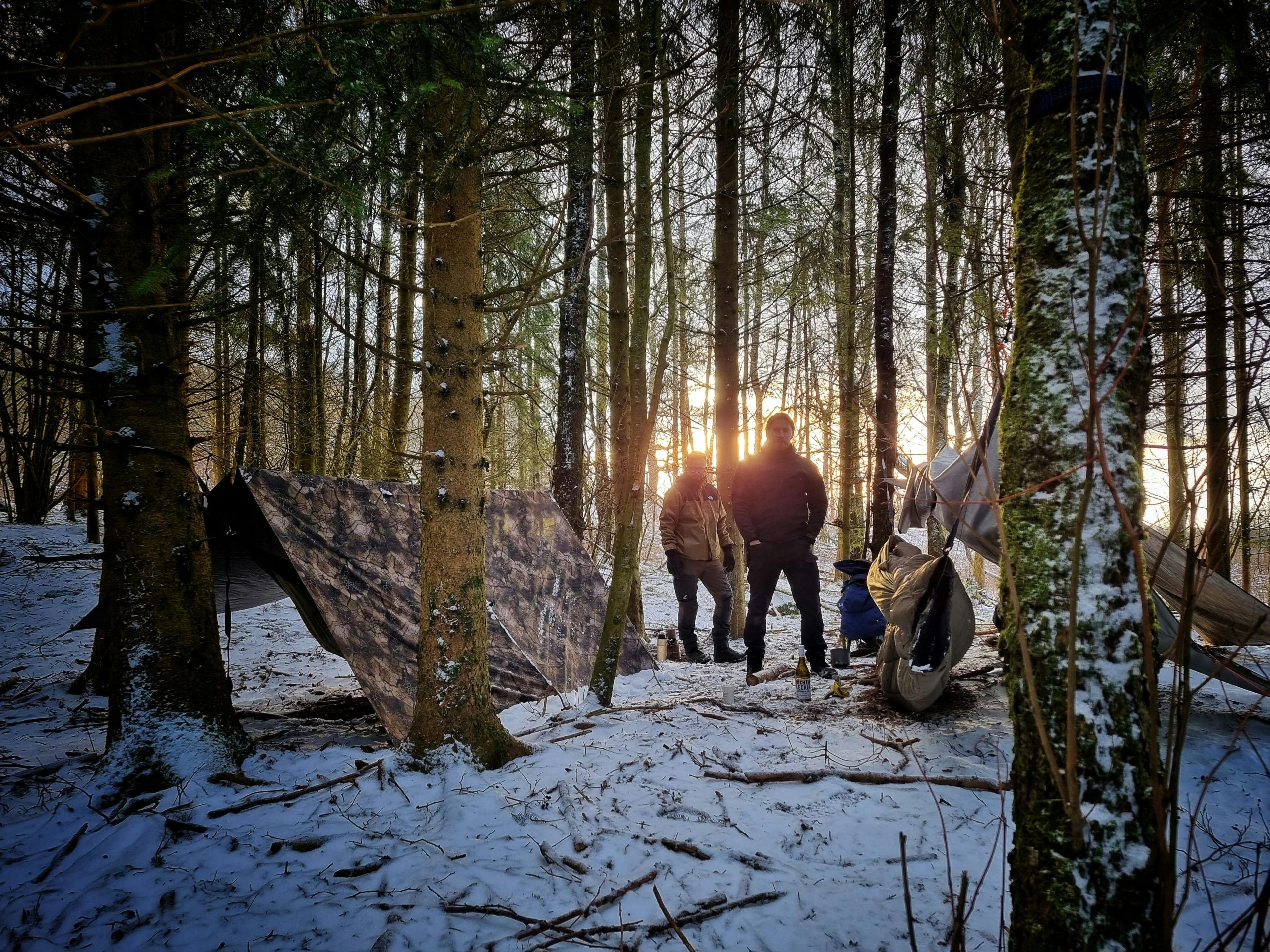
Snow acts as an excellent insulator when used correctly. Packing snow beneath a sleeping area creates a level platform that blocks wind and ground moisture. Snow traps air, preventing direct heat loss into frozen soil. It also smooths uneven terrain, removing pressure points that cause discomfort. When layered with evergreen boughs or a ground pad, snow dramatically improves warmth retention. Unlike bare ground, snow does not absorb body heat quickly. Properly compacted snow beds can remain stable overnight. This makes winter camps surprisingly comfortable when built with intention and care.
5. Silent Movement Through the Forest

Snow absorbs sound, allowing quieter travel through wooded areas. Footsteps that would snap twigs or crunch leaves become muted, especially during fresh snowfall. This benefits wildlife observation, hunting preparation, and personal awareness. Snow also reveals your own movement patterns, helping you adjust stride and foot placement for stealth. You can identify noisy habits and correct them immediately. Soft snow cushions falls and reduces injury risk when moving slowly. The silence enhances focus and environmental awareness, allowing you to detect distant sounds more easily while remaining undetected yourself.
6. Finding Water Sources Under Snow
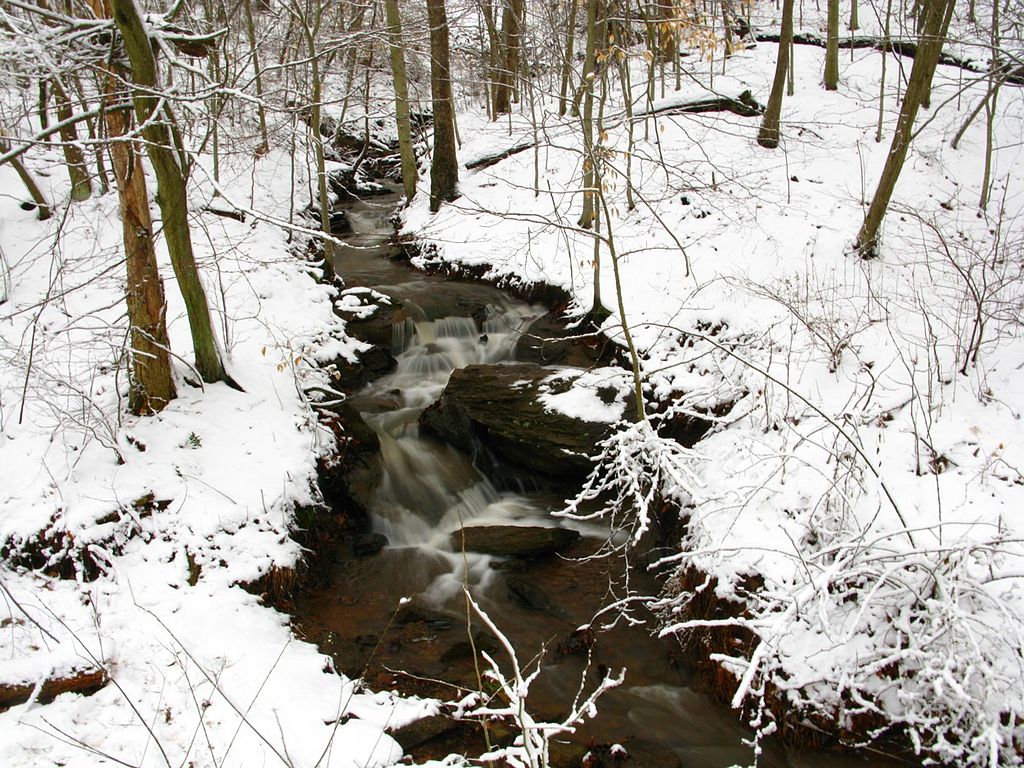
Snowfall reveals water locations through subtle signs. Steam rising from partially frozen streams, darker snow patches, and animal tracks converging indicate reliable water sources. Flowing water keeps the surrounding snow thinner or absent. Frozen ponds show stress cracks and pressure lines. Snow simplifies scanning large areas because anomalies stand out visually. This reduces the need to dig or wander randomly. Knowing where water flows under snow saves time and energy. With proper safety precautions, winter water collection becomes more predictable than during warmer seasons when vegetation hides surface features.
7. Building Snow-Assisted Windbreaks
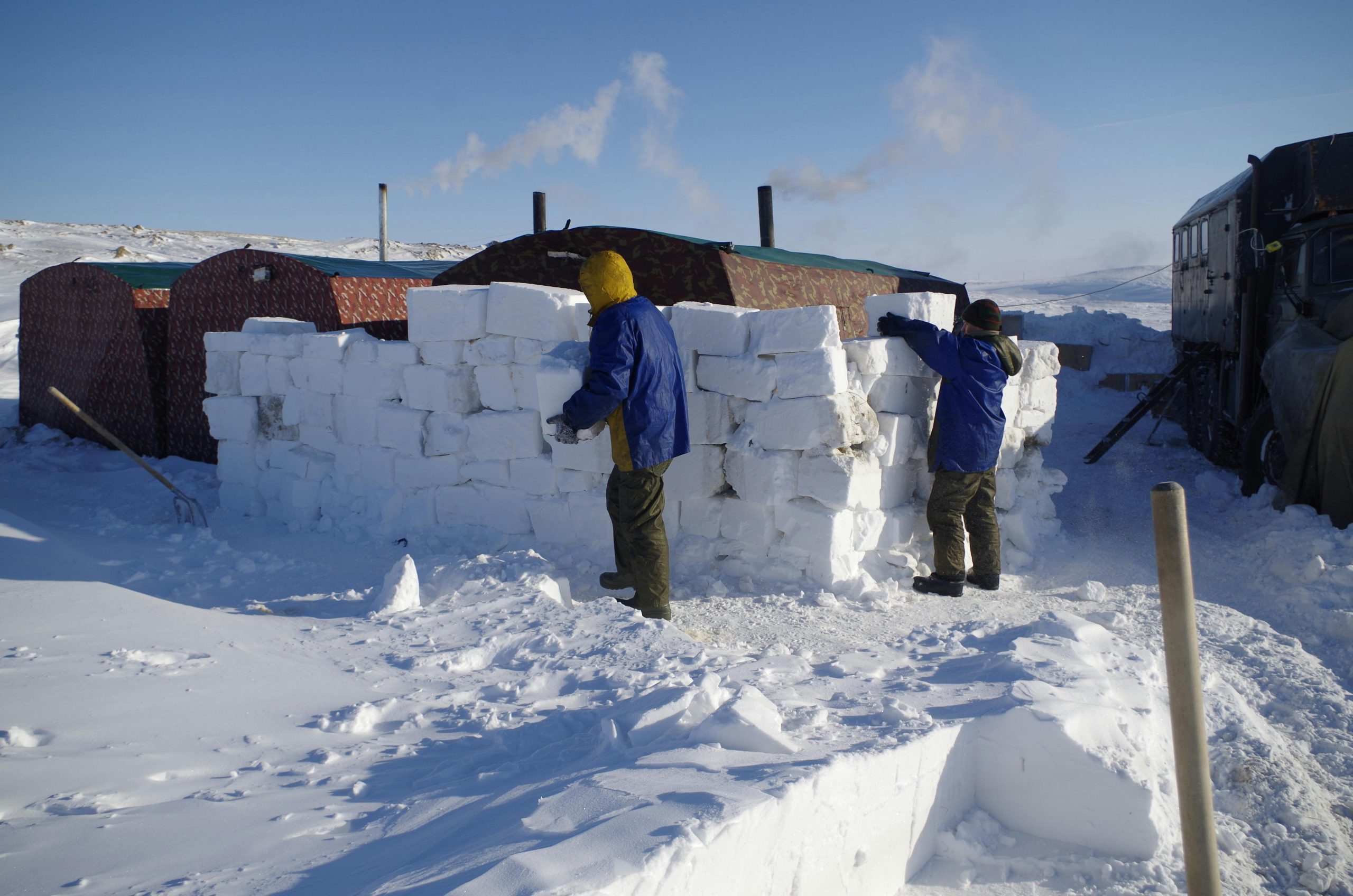
Snow can be shaped into effective wind barriers using minimal tools. Piled snow blocks wind flow and reflects heat toward shelters. Snow walls require less material than wooden structures and can be built quickly with boots, shovels, or improvised tools. Packed snow hardens over time, increasing durability. These windbreaks reduce heat loss and fire fuel consumption. Snow also fills gaps between logs or rocks, sealing drafts. Using snow strategically improves shelter efficiency while reducing the need to cut vegetation, preserving energy, and minimizing environmental impact.
8. Reading Weather Changes

Snow provides visual and tactile clues about weather shifts. Crusting, drifting, and melting patterns indicate temperature changes and wind direction. Fresh powder suggests calm conditions, while hardened surfaces signal refreezing. Snow crystals reflect humidity and cold intensity. Observing snow behavior helps predict storms, thaws, or dangerous cold snaps. Tracks blur or sharpen depending onthe moisture content. This information aids decision-making regarding travel, shelter reinforcement, and fire preparation. Snow becomes a weather tool, offering real-time feedback that helps you stay ahead of changing conditions.
9. Creating Clear Signal Markers
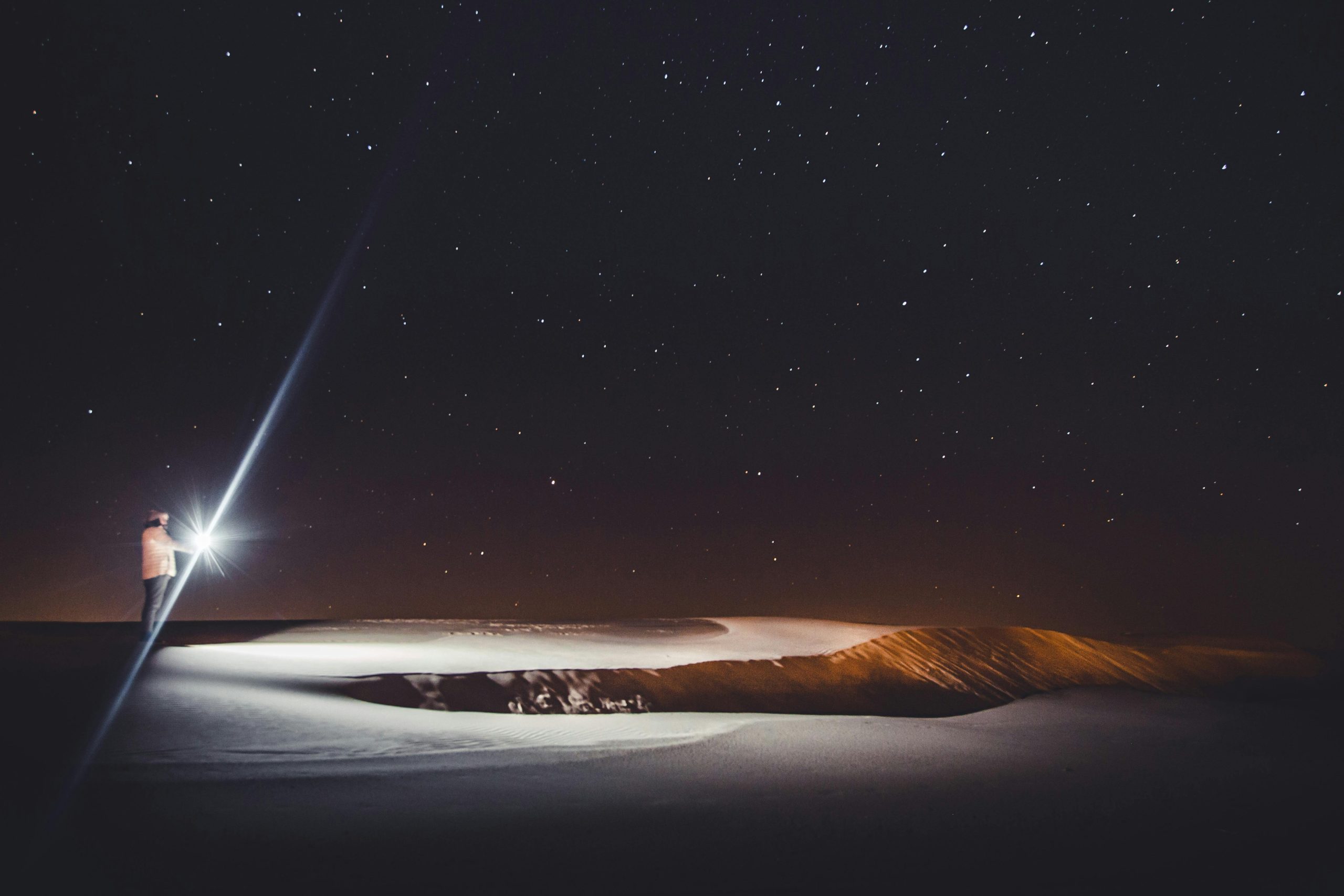
Snow increases visibility for signaling. Dark materials contrast sharply against white backgrounds, making ground signals easy to spot from a distance. Stomped patterns, branch arrangements, or gear placement stand out clearly. Snow allows large-scale markings without digging or disturbing soil. Reflective surfaces shine brighter against snow during daylight. At night, snow amplifies firelight and flashlight beams. These advantages improve rescue visibility and communication between group members. Snow turns simple materials into effective signaling tools with minimal effort.
10. Preserving Food Naturally

Cold temperatures and snow act as natural refrigeration. Food stored above snow stays cooler and is protected from animals. Snowbanks can insulate perishables from temperature swings. Frozen ground reduces bacterial growth. You can suspend food caches above snow to prevent scent trails from spreading. Snow also conceals storage locations visually. Proper placement prevents thaw cycles that cause spoilage. Winter conditions simplify food preservation when managed carefully, reducing dependence on containers and allowing safer extended stays in cold environments.
11. Identifying Safe Travel Routes
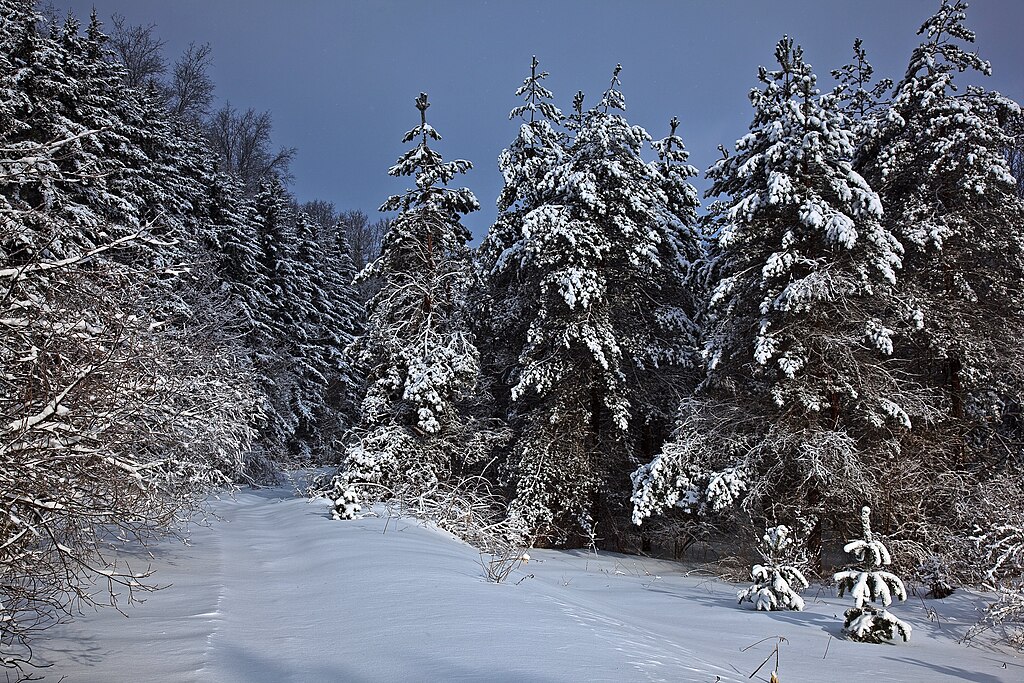
Snow highlights terrain hazards like thin ice, steep slopes, and unstable ground. Dark ice patches, sagging snow, and exposed vegetation indicate danger. Wind-swept ridges show safer footing than deep drifts. Snow reveals previous human or animal travel routes that indicate stability. You can avoid hidden holes and brush by following compacted paths. Visual feedback from footprints helps adjust route selection. This reduces injury risk and energy expenditure while navigating unfamiliar winter landscapes.
12. Crafting Emergency Snow Shelters
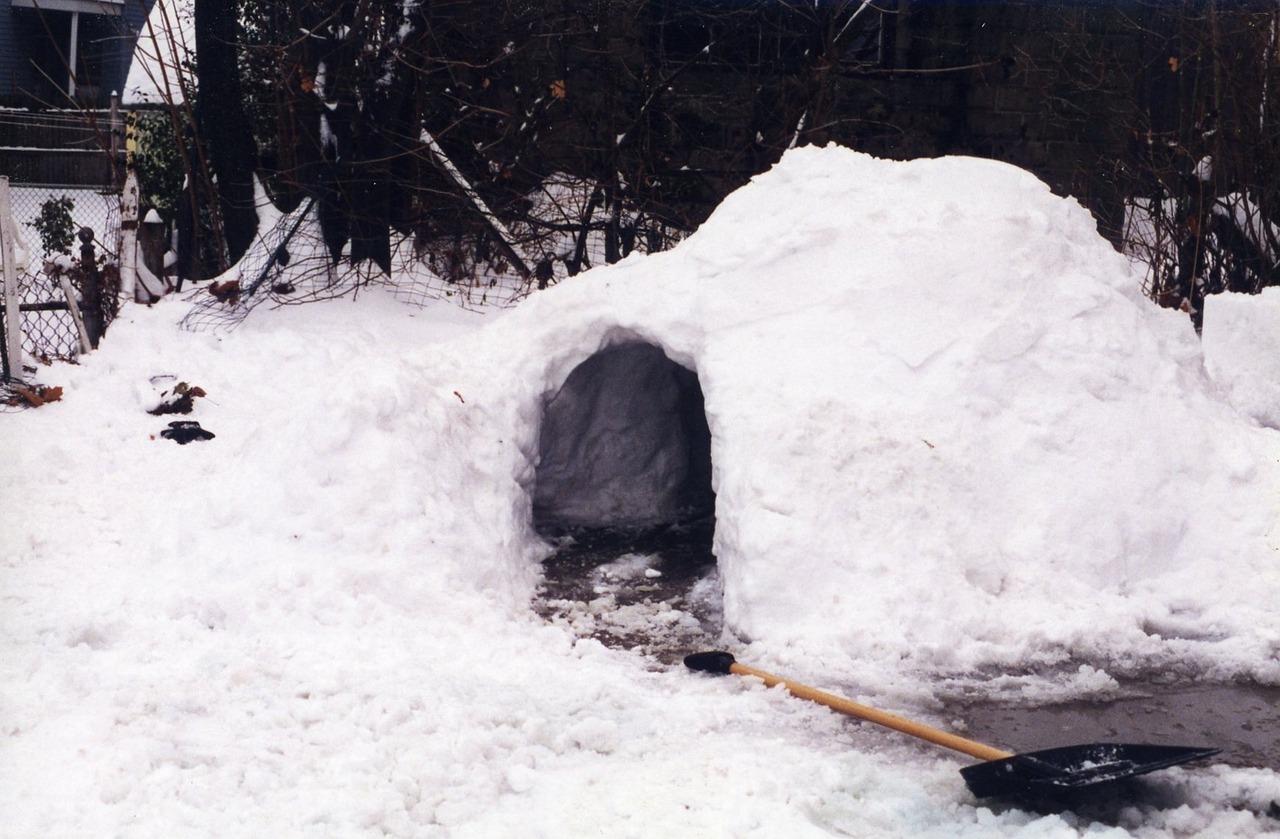
Snow allows fast shelter construction when materials are limited. Snow trenches, caves, and quinzhees require fewer tools than wooden shelters. Packed snow supports itself when shaped correctly. Interior temperatures remain warmer than outside air due to trapped heat. Snow shelters block wind entirely and dampen noise. Construction is quiet and leaves minimal environmental impact. Snow becomes both structure and insulation, making emergency shelter creation faster and more reliable than in unfrozen conditions.
13. Protecting Fire from Wind
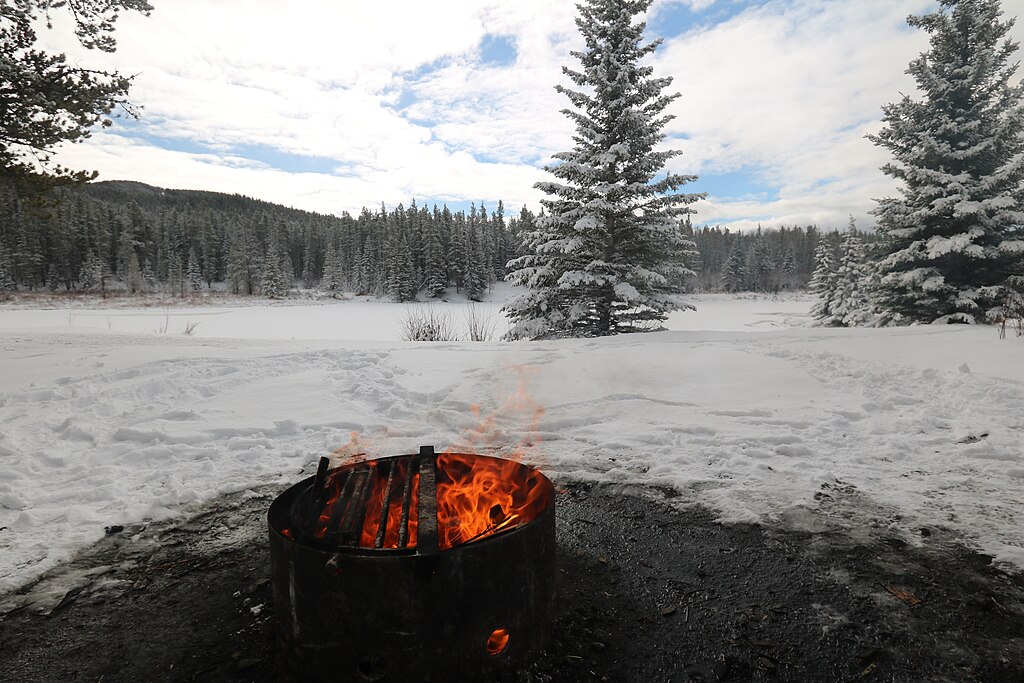
Snow assists fire management by forming natural wind buffers. Digging shallow fire pits into snow shields flames from gusts. Snow walls reflect heat inward and stabilize embers. Snow nearby provides instant extinguishing control if sparks spread. Cold air keeps fires burning more steadily with proper airflow. Ash visibility improves against snow, helping manage coal beds. These factors make fire maintenance safer and more efficient in snowy environments.
14. Navigating Using Track Patterns
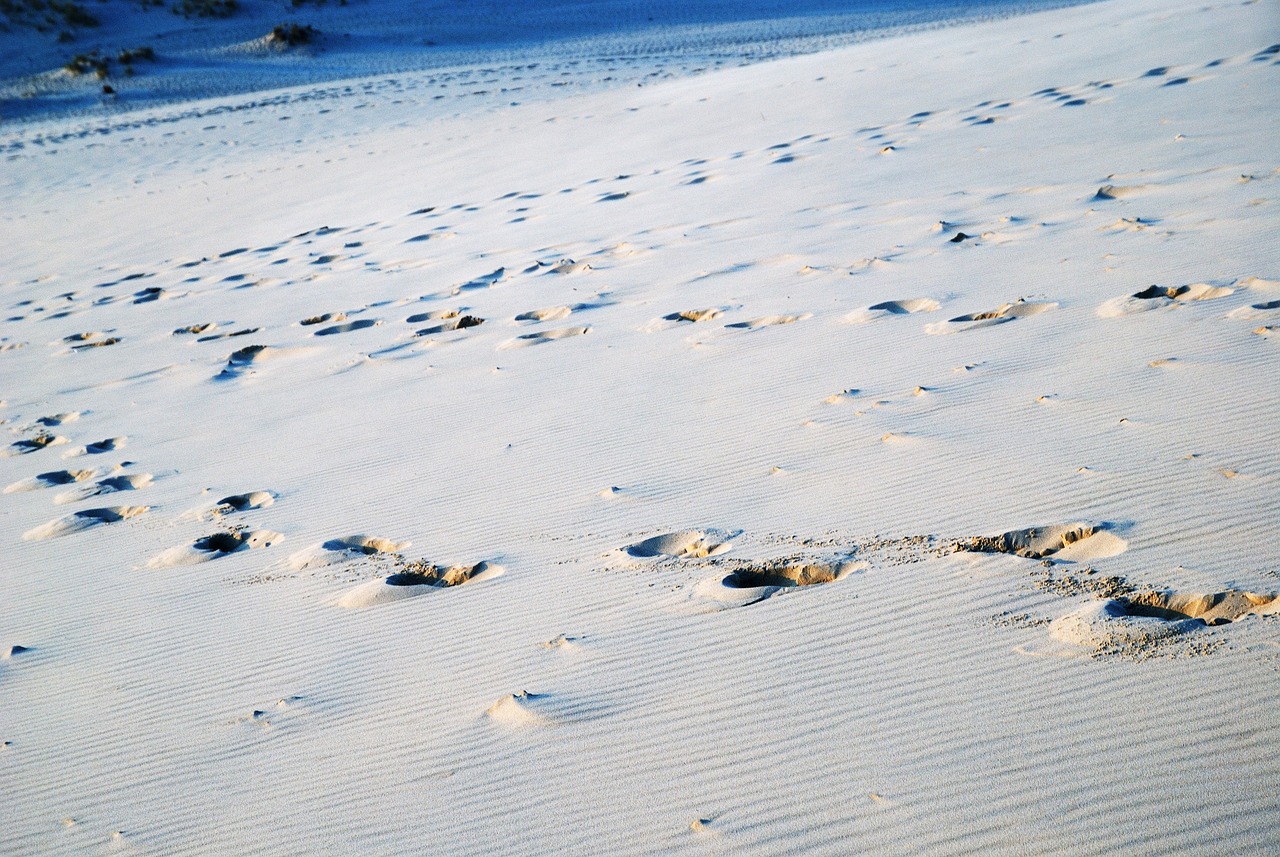
Snow records movement patterns over time. Intersections of tracks reveal frequent routes and travel timing. Older tracks fade differently from fresh ones, indicating activity cycles. Human footprints can guide you toward camps, roads, or trails. Snow preserves directional clues better than soil. Studying track overlap helps orient yourself without tools. Snow transforms navigation into observation rather than guesswork, reducing reliance on compasses in familiar terrain.
15. Managing Camp Cleanliness
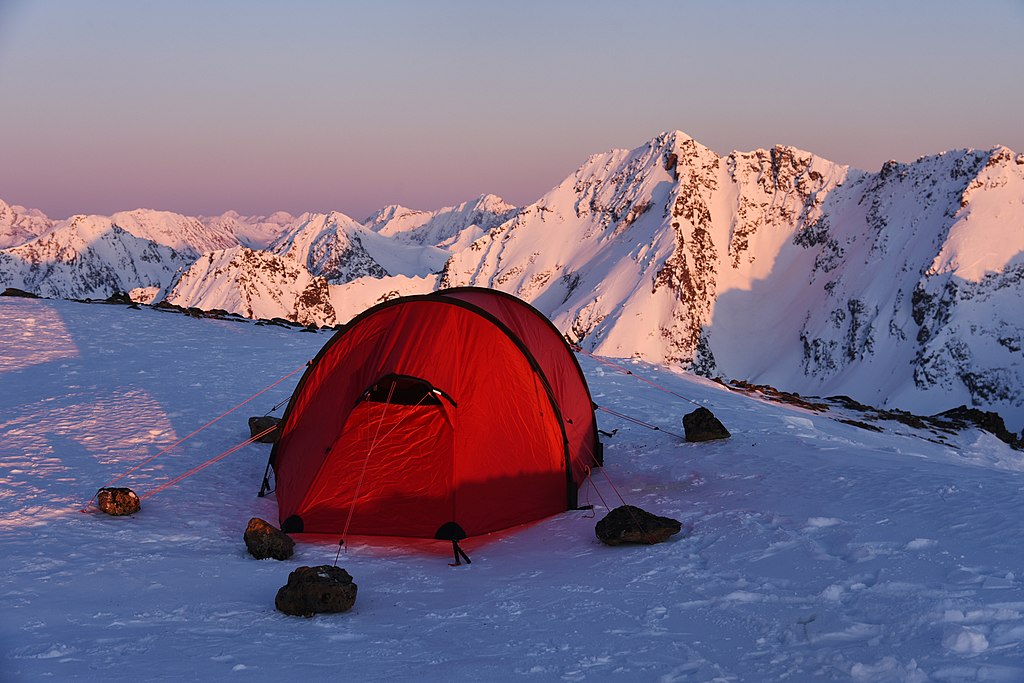
Snow simplifies waste control and cleanliness. Organic waste can be buried deep, where decomposition slows. Snow reduces odor spread, limiting animal attraction. Camp areas remain visually tidy when debris is covered. Snow provides water for cleaning cookware and tools when melted. Mud is eliminated, keepingthe gear dry. Clean camps reduce stress and improve morale. Snow helps maintain order with less effort compared to wet or muddy conditions.
16. Enhancing Light Levels
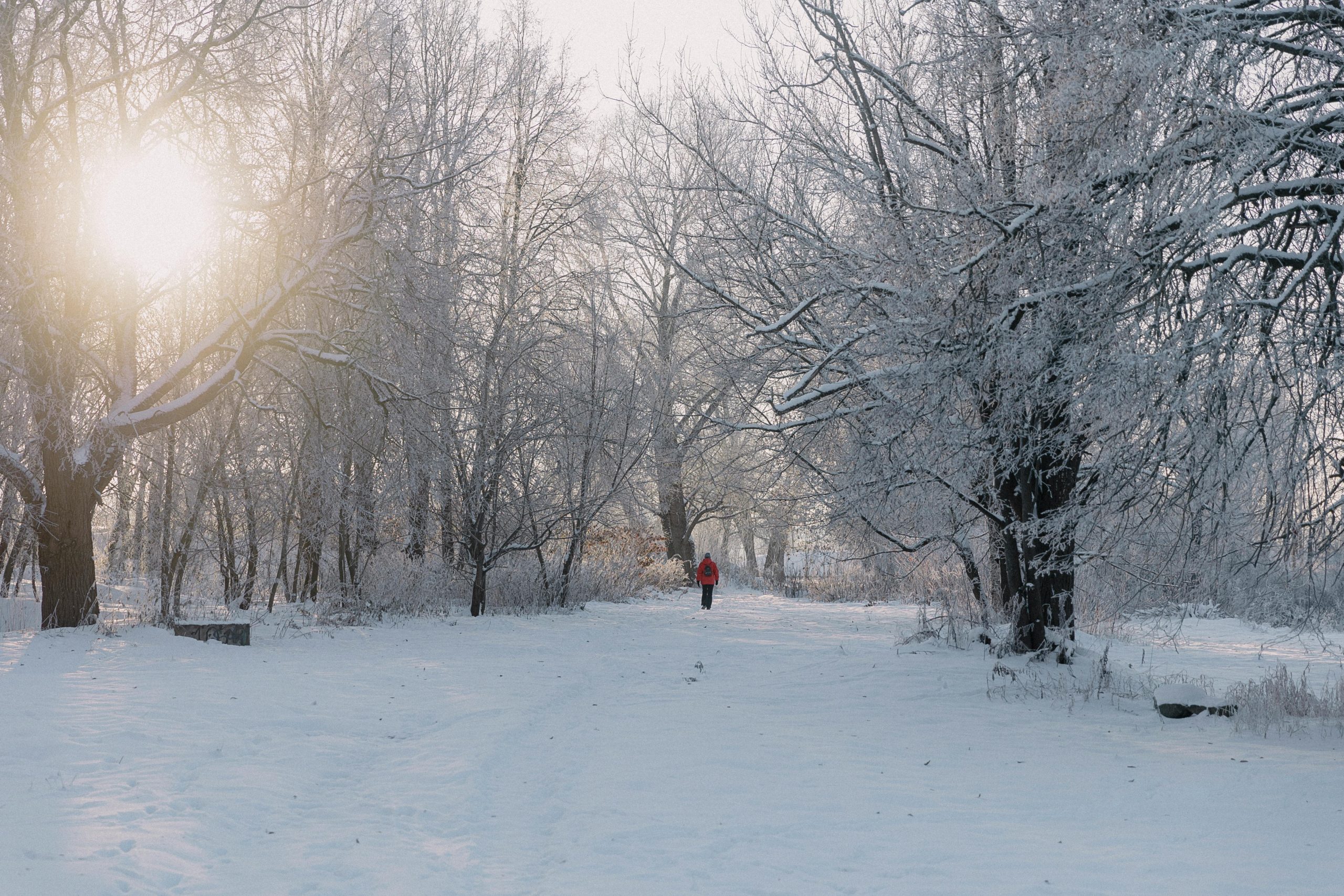
Snow dramatically increases available light in winter landscapes by reflecting both natural and artificial illumination. Daylight spreads farther through wooded areas as sunlight bounces off snow-covered ground, reducing harsh shadows and dark pockets. Even on overcast days, visibility improves compared to bare terrain. At night, moonlight reflects strongly off the snow, allowing movement without constant use of headlamps. Campfires benefit as well, since firelight radiates outward and upward, softly lighting nearby shelters and work areas. This improved light reduces eye strain, lowers accident risk, and extends productive hours. Snow effectively turns the forest into a natural reflector, making winter camps feel more open and manageable.
17. Cooling the Body During Labor
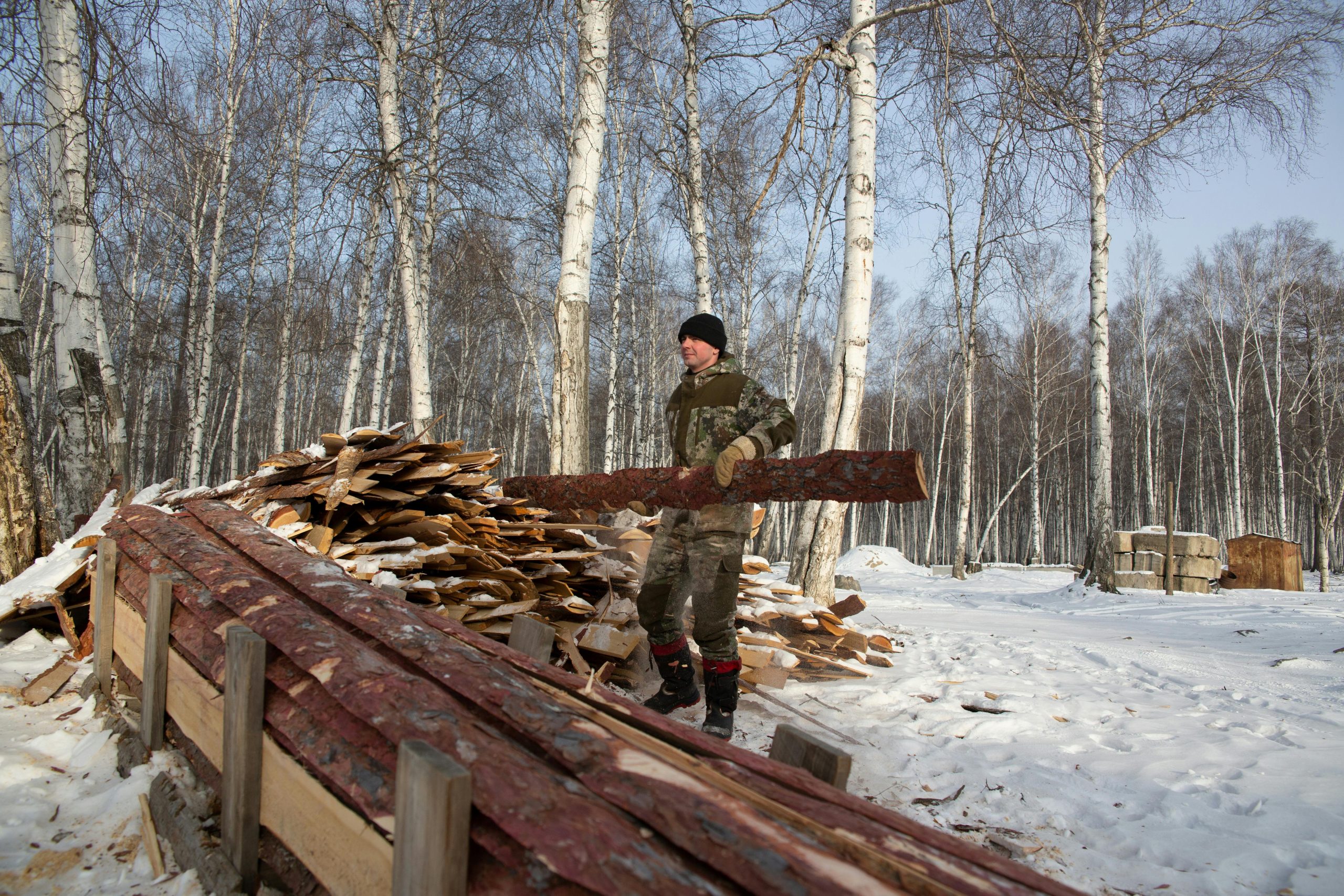
Winter work often causes overheating despite cold temperatures, and snow becomes an effective tool for regulating body heat. Kneeling or sitting briefly on packed snow allows excess heat to dissipate quickly. Snow can cool hands between tool use, preventing sweat buildup inside gloves. Placing tools or cookware on snow lowers their temperature safely. Snow also encourages better pacing, reminding you to shed layers before sweating heavily. Managing heat is critical in cold conditions, since damp clothing increases hypothermia risk. Snow provides immediate cooling without water immersion, helping maintain comfort, hydration balance, and energy levels during physically demanding bushcraft tasks.
18. Preserving Trail Markings
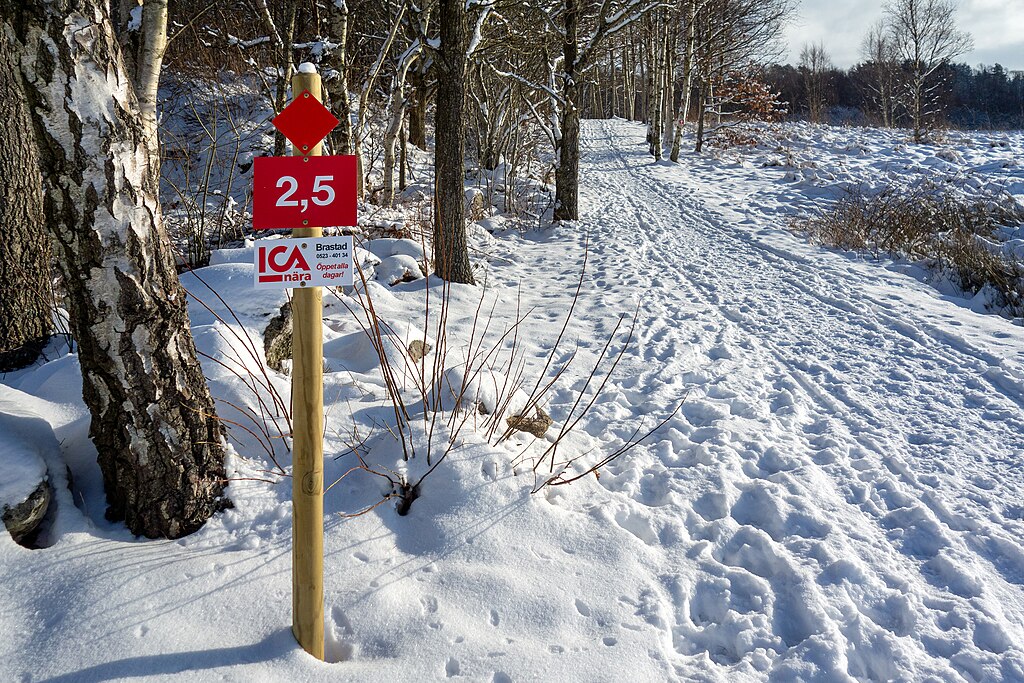
Snow preserves trail markings with exceptional clarity, making navigation easier over extended periods. Boot symbols, branch arrows, and packed snow indicators remain visible long after placement. Unlike soil markers that erode quickly, snow retains its shape until strong wind or thaw occurs. You can refresh markers easily by repacking snow with minimal effort. Drift patterns also reveal wind direction, helping orient future markings for visibility. Snow contrast allows markings to stand out from a distance, reducing navigation errors. This reliability is especially valuable during low-visibility conditions, helping guide safe return routes and preventing unnecessary wandering in winter terrain.
19. Detecting Nearby Movement
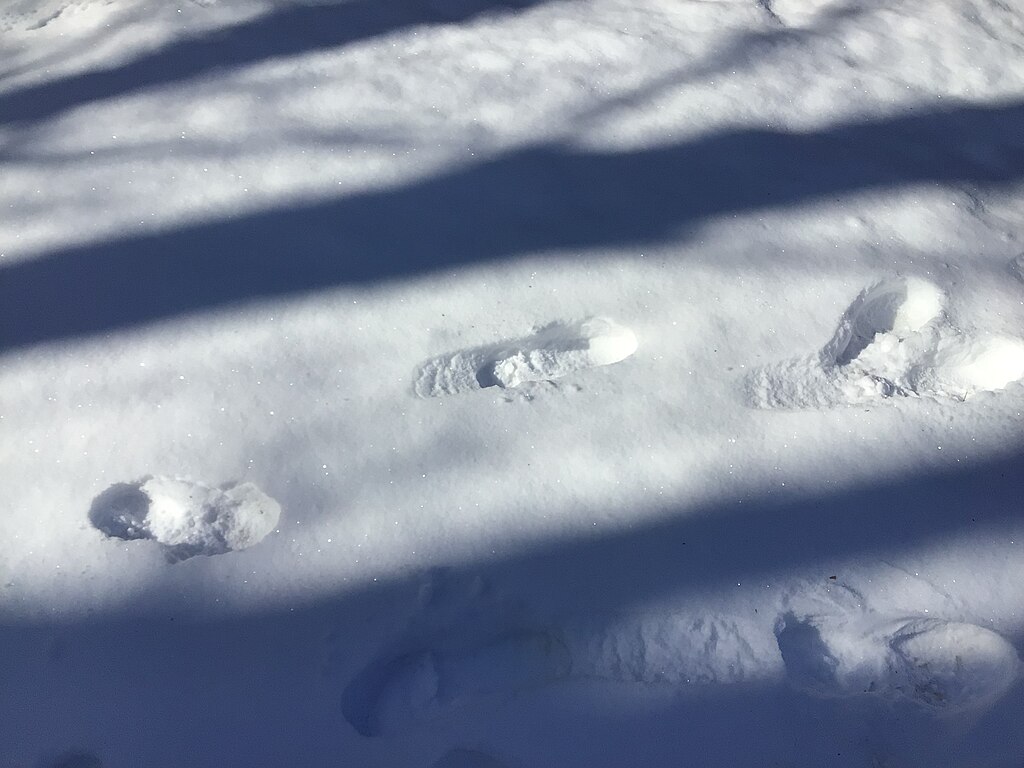
Snow enhances awareness by recording movement instantly and audibly. Fresh footprints reveal direction, size, and timing of nearby activity. Crunching snow acts as an early warning system, alerting you to approaching animals or people well before visual contact. Falling snow highlights motion as branches shake or flakes scatter. Disturbed snow patterns indicate recent presence even when tracks are partially filled. These cues improve situational awareness and reaction time. Snow reduces surprise encounters and allows calmer decision-making. By amplifying both sound and visual signals, snow turns the environment into an active monitoring surface rather than a passive background.
20. Simplifying Campsite Breakdown
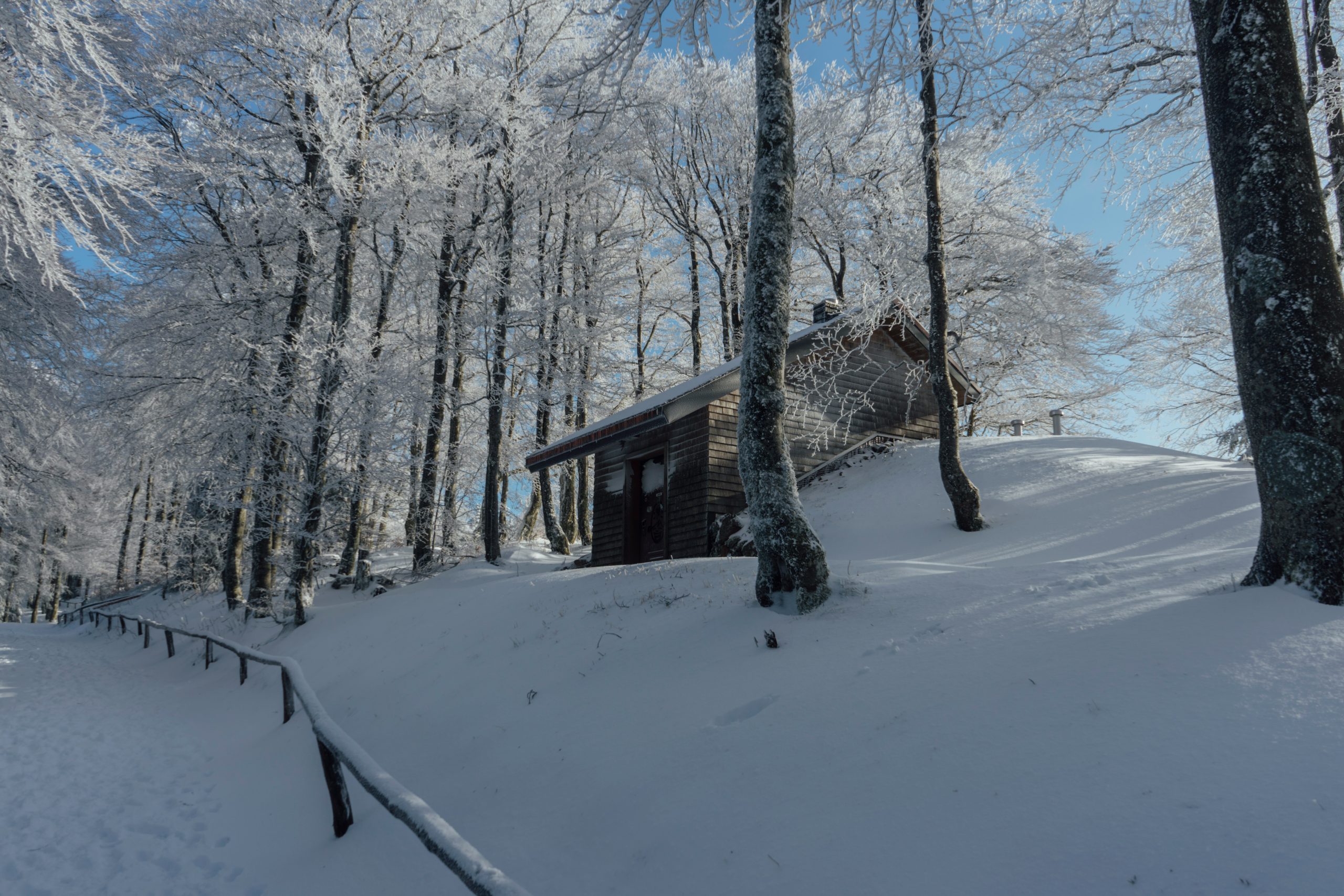
Breaking down camp is easier and cleaner when snow covers the ground. Depressions from shelters or foot traffic can be filled quickly by redistributing snow. Fire scars are masked as snow is packed over cold ash beds. Small debris disappears beneath the surface, restoring visual cleanliness. Snow prevents soil compaction and reduces lasting ground disturbance. Campsites regain a natural appearance with minimal effort, supporting responsible outdoor ethics. Snow acts as a temporary reset layer, allowing bushcrafters to leave fewer visible traces. This makes winter camping one of the least impactful ways to practice long-term outdoor skills.