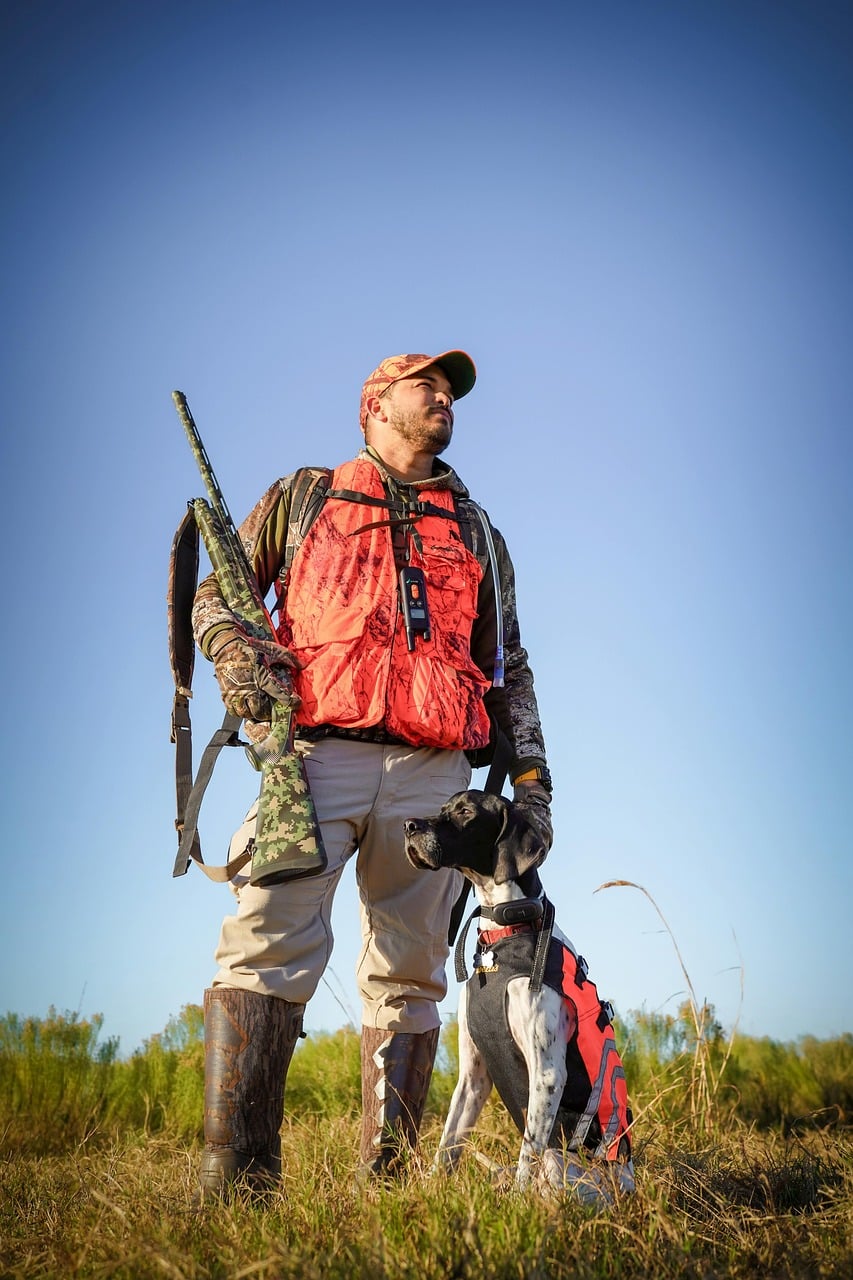
A weekend outdoors should bring calm and freedom, but even a few small errors can turn a peaceful escape into an uncomfortable challenge. Simple oversights such as forgetting key supplies, ignoring the weather, or overestimating endurance can disrupt plans. Staying alert, packing smart, and respecting nature help make each trip smoother, safer, and far more enjoyable.
Ignoring Weather Forecasts
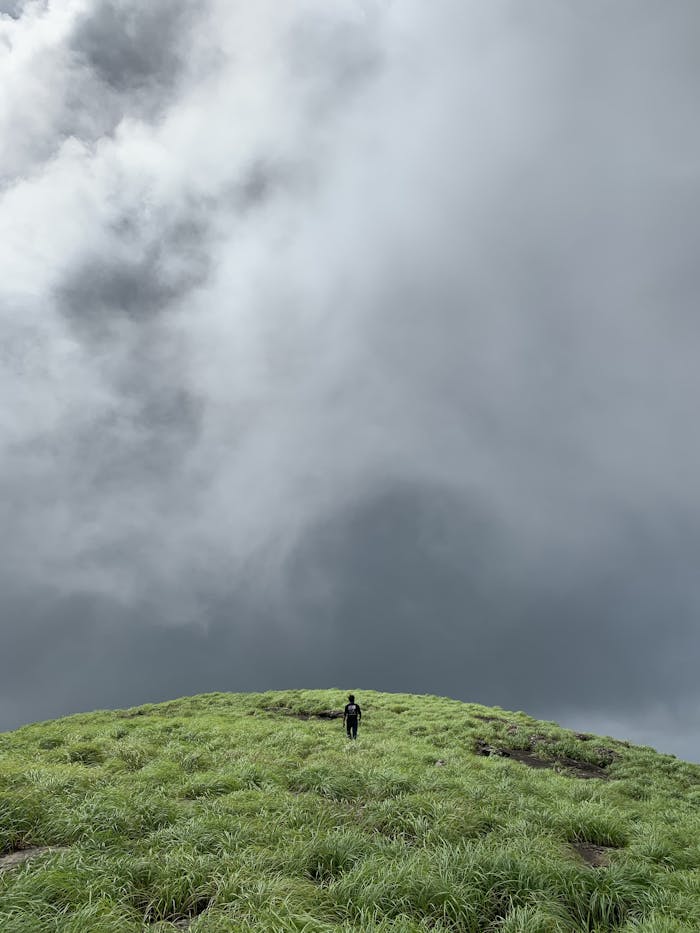
Heading into nature without checking the forecast can quickly ruin a trip. Sudden rain, cold nights, or high winds may create dangerous or uncomfortable conditions. Packing waterproof gear, warm layers, and extra clothing helps prepare for changing weather. Staying informed allows campers to adapt easily and keep the adventure pleasant and safe.
Overpacking Gear
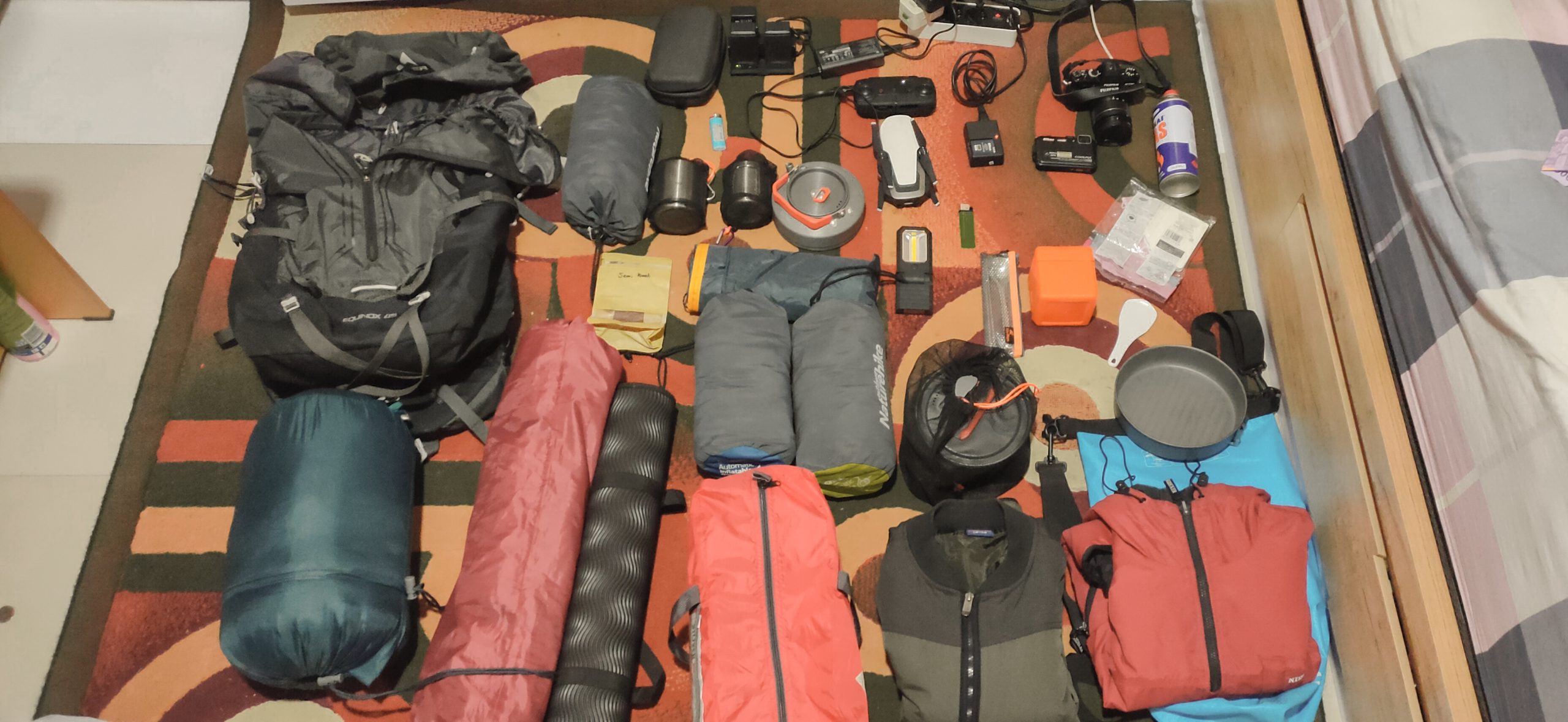
Bringing too much gear adds unnecessary weight and stress. Heavy backpacks slow movement and make setup harder, leaving less time to relax. Focus on multipurpose items and essentials like a reliable tent, sleeping bag, and cookware. Traveling light keeps energy high, encourages flexibility, and makes every activity feel easier.
Forgetting Food Storage
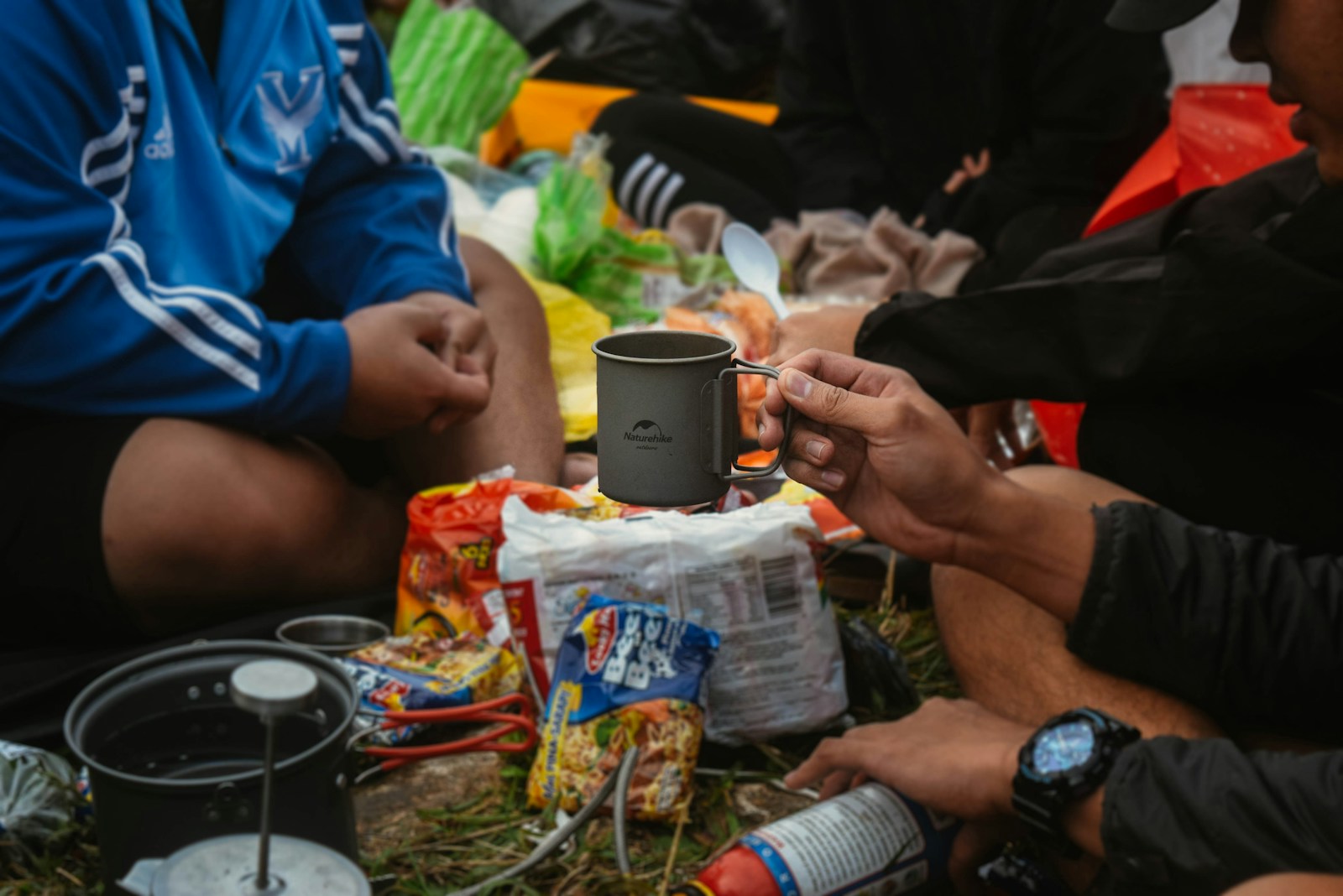
Leaving food exposed attracts unwanted wildlife and creates safety risks. Animals that associate campsites with food can become aggressive or dependent on humans. Using sealed containers, hanging food properly, or storing it away from sleeping areas keeps both people and animals safe. Good food storage protects the ecosystem and peace of mind.
Skipping First Aid Basics

In the outdoors, even small injuries matter. A simple blister, cut, or burn can worsen quickly without proper treatment. Carrying a complete first aid kit and knowing basic care skills ensures preparedness. Treating issues early prevents larger problems and helps maintain comfort throughout the trip.
Arriving Too Late
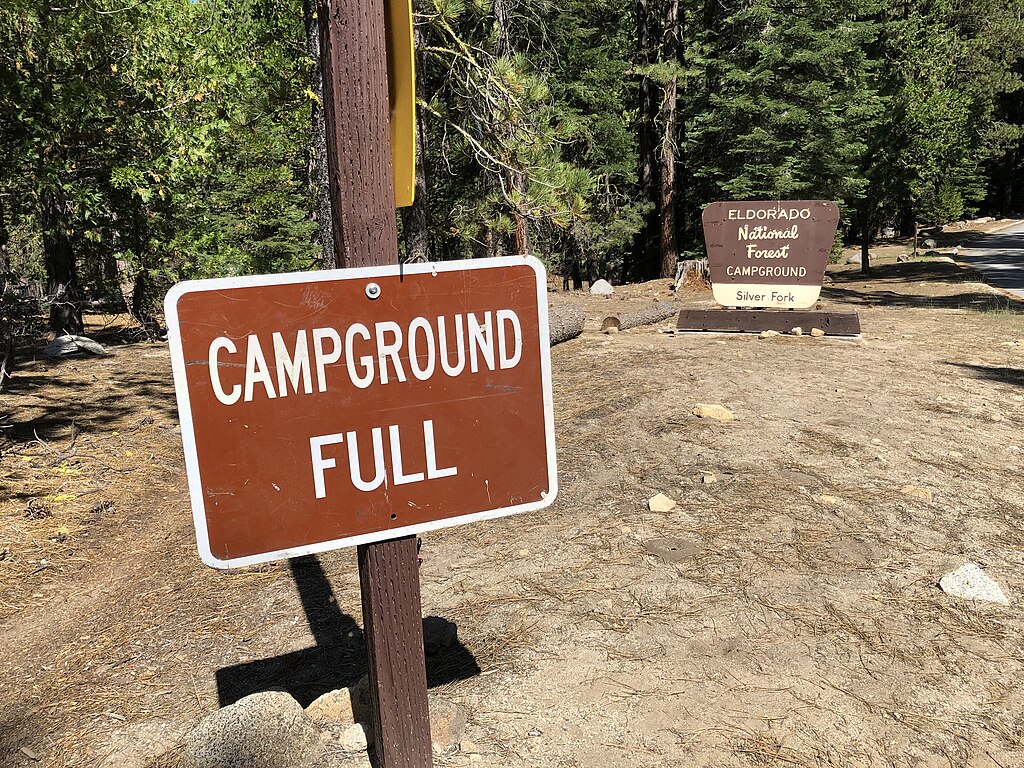
Reaching the campsite after dark makes setup difficult and stressful. It’s harder to spot level ground, gather firewood, or find safe surroundings. Arriving before sunset allows time to organize, cook, and settle in comfortably. A calm start to the evening sets the tone for a relaxing weekend outdoors.
Choosing Poor Campsites
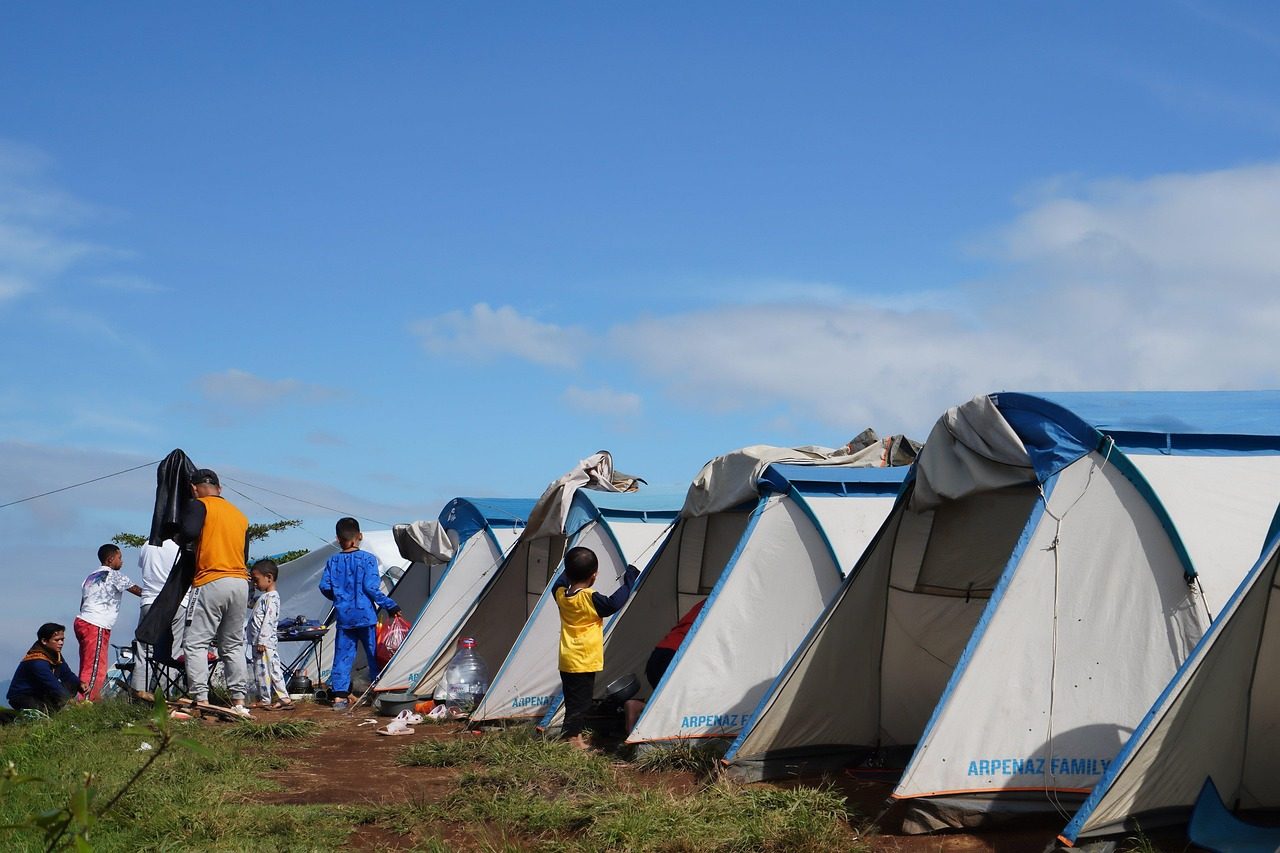
Selecting the wrong site can lead to frustration or danger. Low-lying areas may flood, and rocky ground makes for restless nights. Picking a spot with solid, dry soil and some natural shade creates comfort and safety. A thoughtful campsite choice helps every part of the experience run more smoothly.
Underestimating Water Needs
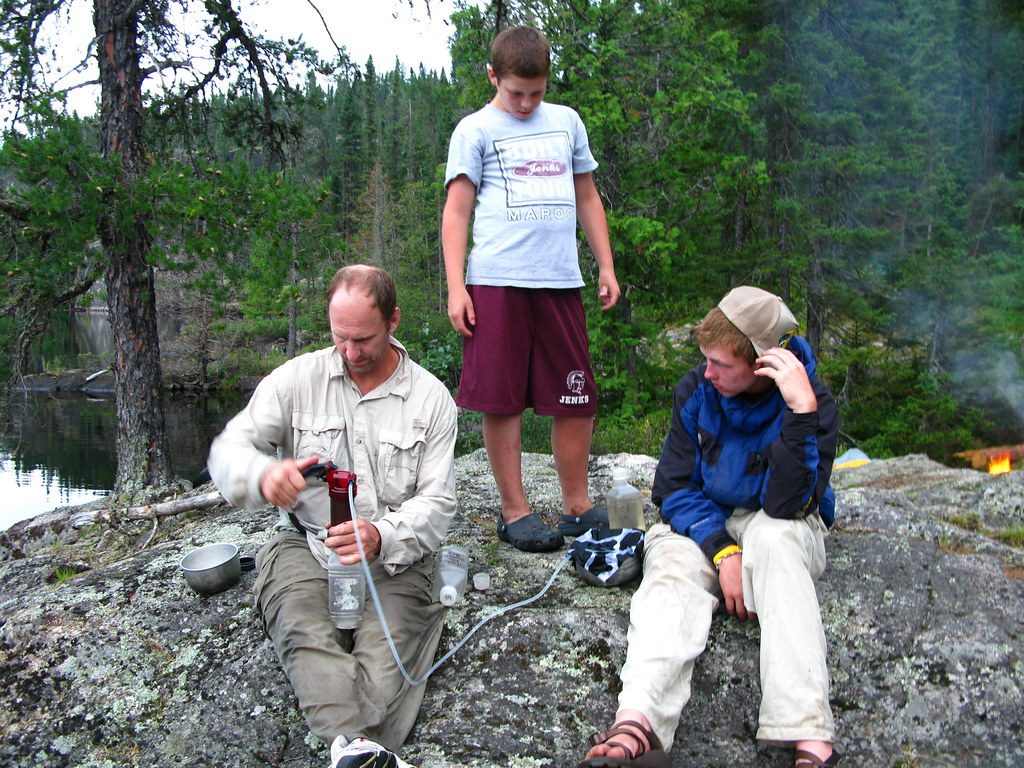
Running low on water is one of the easiest mistakes to make. Relying only on streams without filtration risks illness. Always carry enough water and purification tablets or filters. Staying hydrated boosts focus, energy, and endurance, making each outdoor task more manageable and enjoyable.
Wearing the Wrong Clothing

Clothing can make or break comfort in the wild. Cotton traps moisture and chills the body, while synthetic layers wick sweat and dry fast. Dressing in layers prepares for shifting temperatures and weather. Proper clothing ensures warmth, protection, and freedom of movement in any condition.
Disregarding Fire Safety
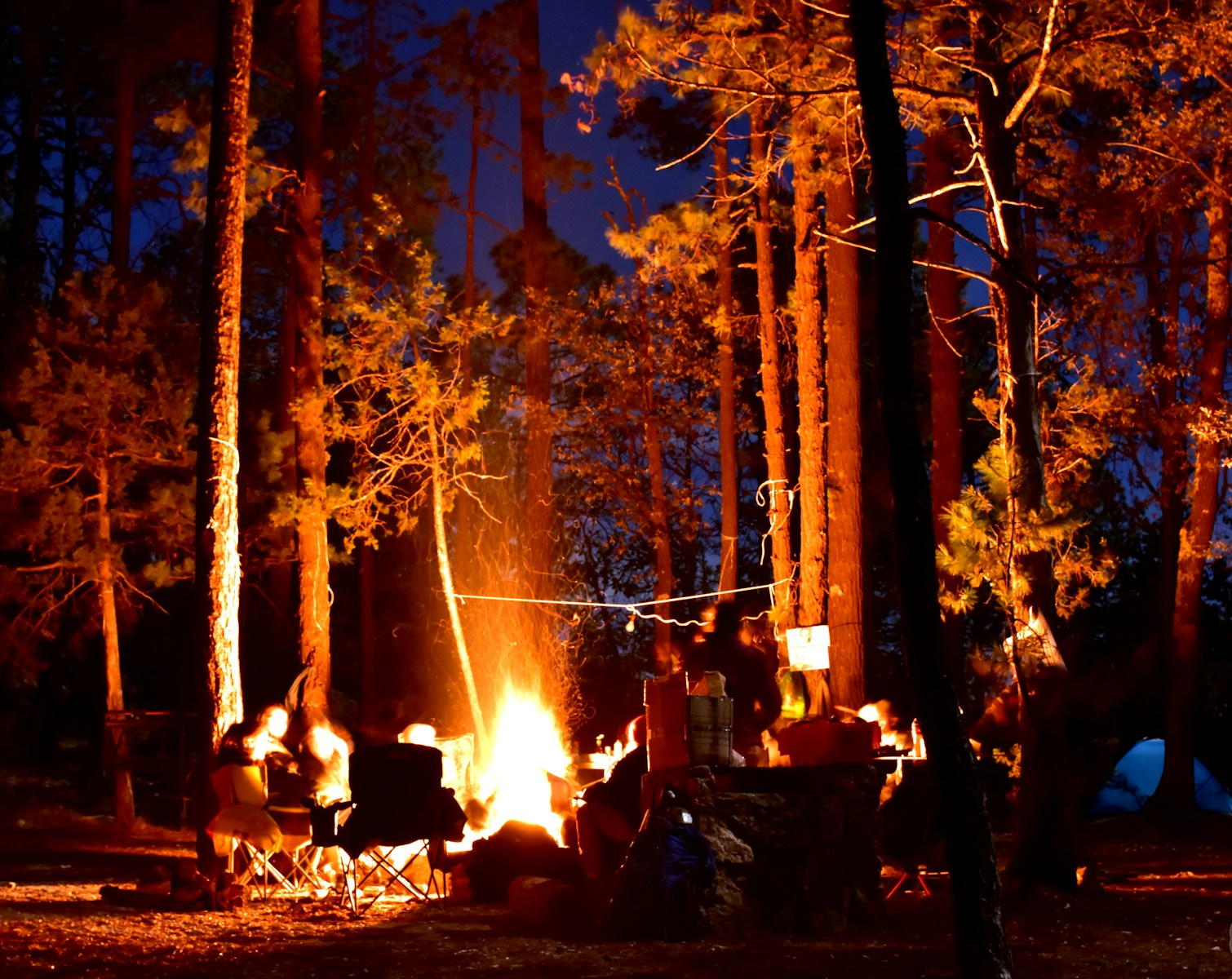
Fires bring warmth but also potential danger if not managed responsibly. Setting a fire too close to tents or vegetation risks accidents and wildfires. Always clear debris, keep water nearby, and fully extinguish before leaving. Responsible fire habits protect people, property, and the wilderness itself.
Ignoring Leave No Trace Principles
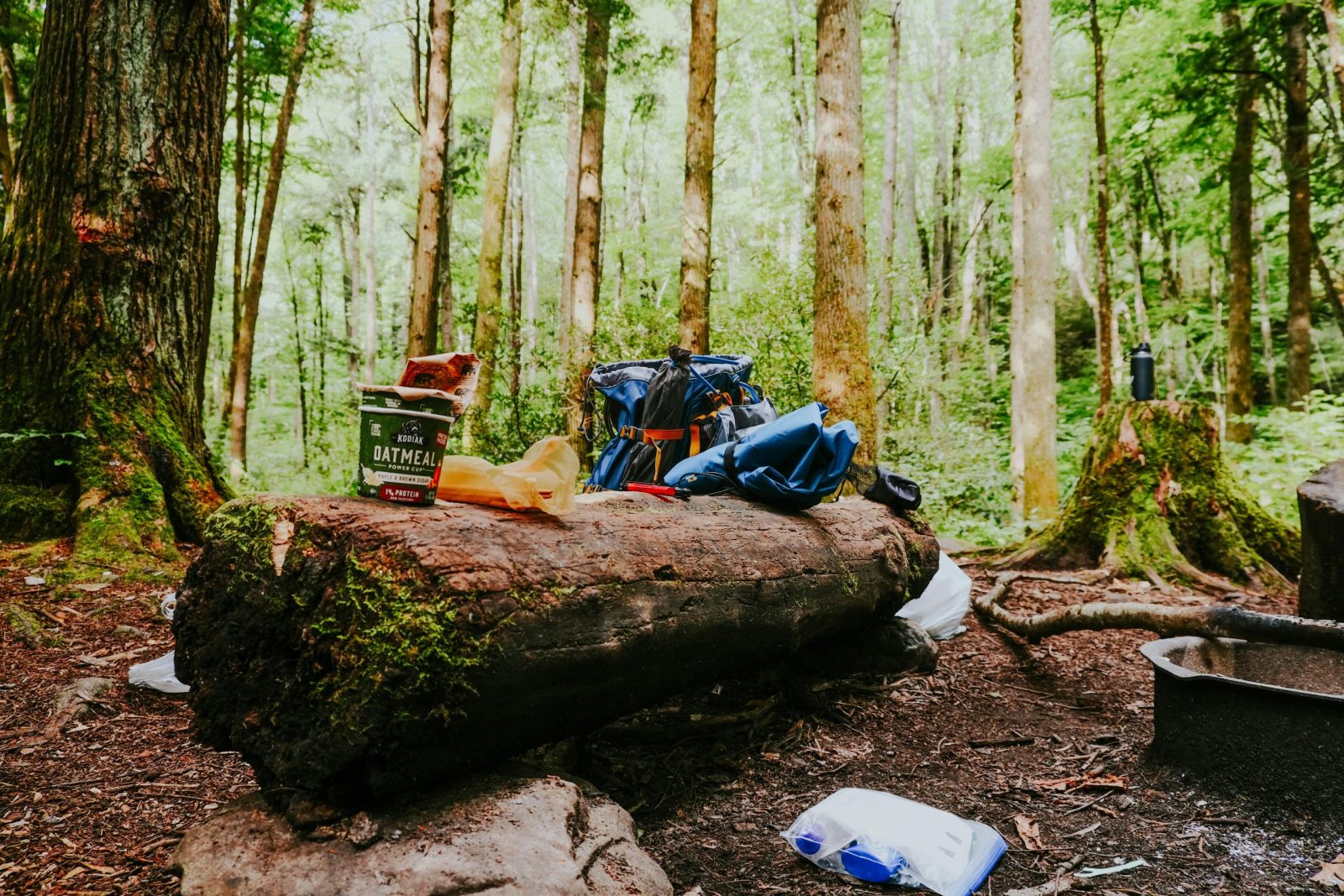
Leaving trash, food, or campfire scars damages natural spaces and wildlife. Following Leave No Trace principles means packing out everything and minimizing impact. Cleaning up before leaving preserves nature’s beauty and shows respect for the land and future visitors. Responsible campers protect what they enjoy most.
Forgetting Navigation Tools
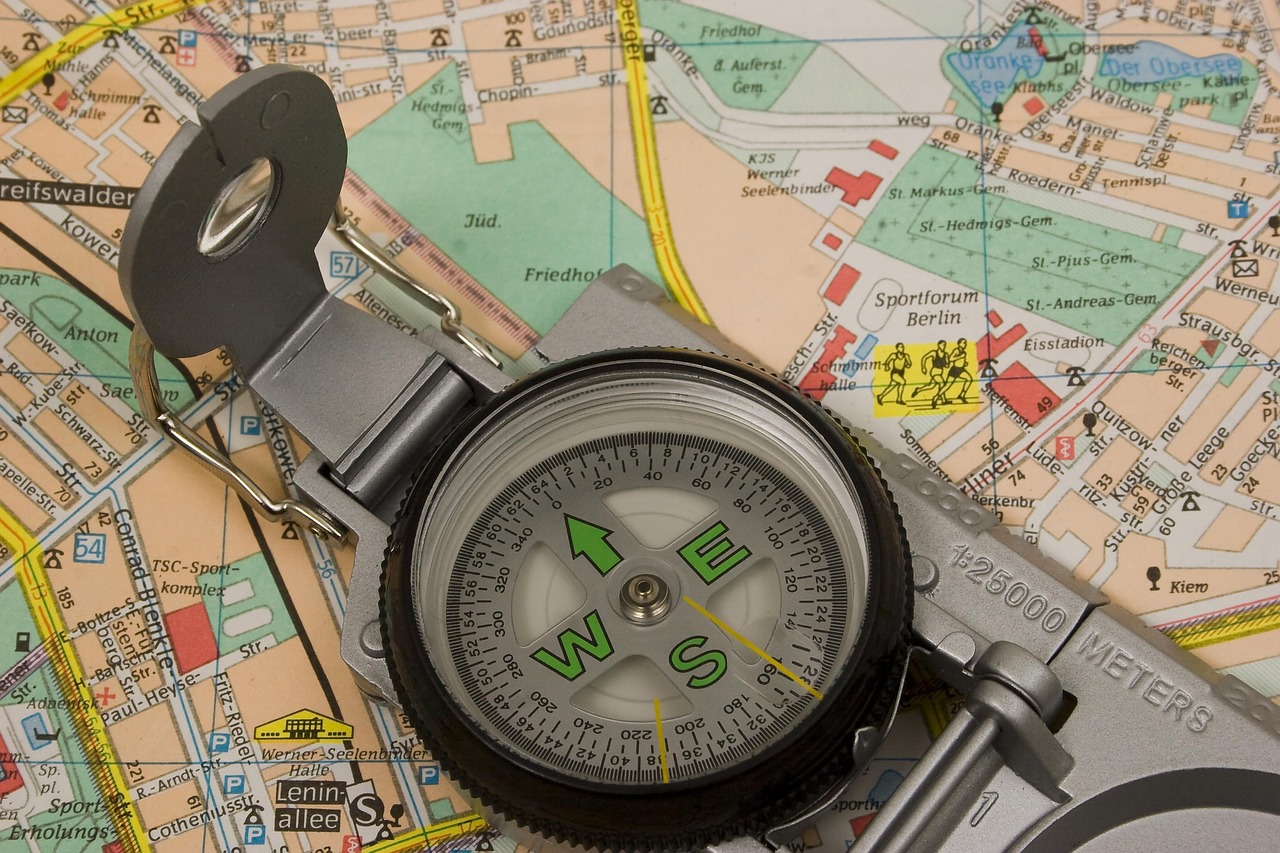
Technology can fail when far from a signal. Without a map or compass, getting lost becomes a real danger. Bringing physical navigation tools and knowing how to use them keeps travel safe and stress-free. Reliable direction ensures confidence while exploring new and unfamiliar trails.
Overestimating Physical Ability
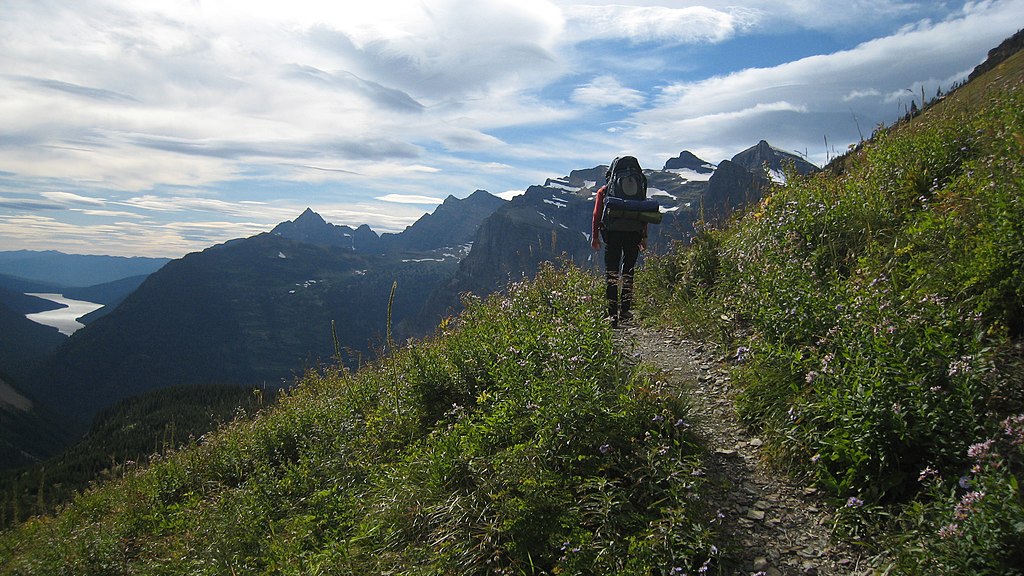
Ambitious plans often lead to exhaustion or injury. Hiking too far or carrying too much without preparation spoils enjoyment. Setting realistic distances and allowing rest helps maintain energy. Recognizing limits doesn’t reduce adventure; it ensures strength and satisfaction from start to finish.
Ignoring Local Regulations
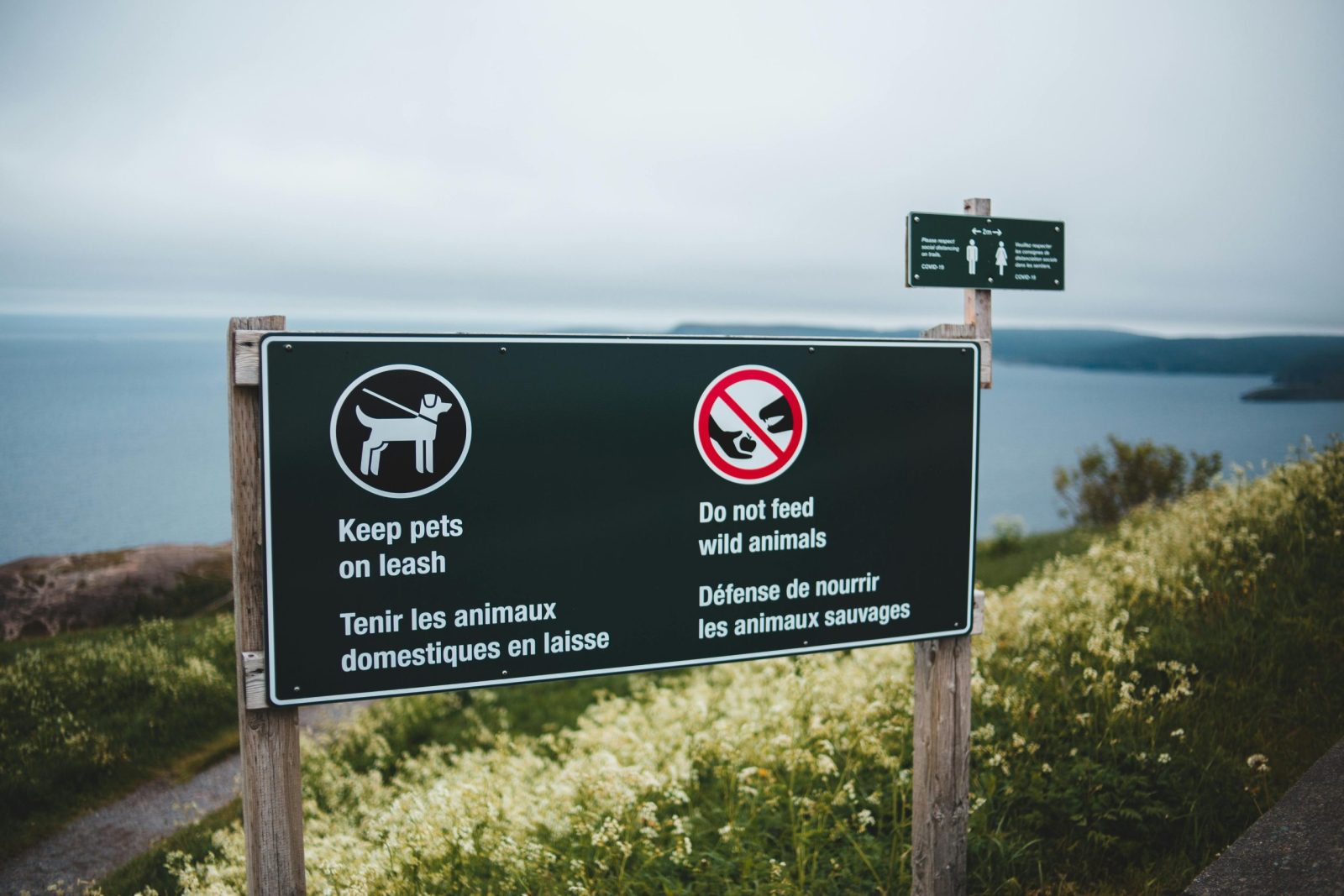
Breaking park or fire rules, even by accident, creates problems for everyone. Local regulations protect both visitors and the environment. Reading and following posted guidelines avoids fines and preserves safety. Respecting these rules helps keep natural spaces open and thriving for all.
Neglecting Insect Protection

Biting insects can make outdoor life miserable. Forgetting repellent or protective clothing leads to irritation and sleepless nights. Using repellents, nets, and proper attire prevents discomfort. Small precautions ensure focus stays on scenery and relaxation instead of swatting mosquitoes.
Poor Waste Management
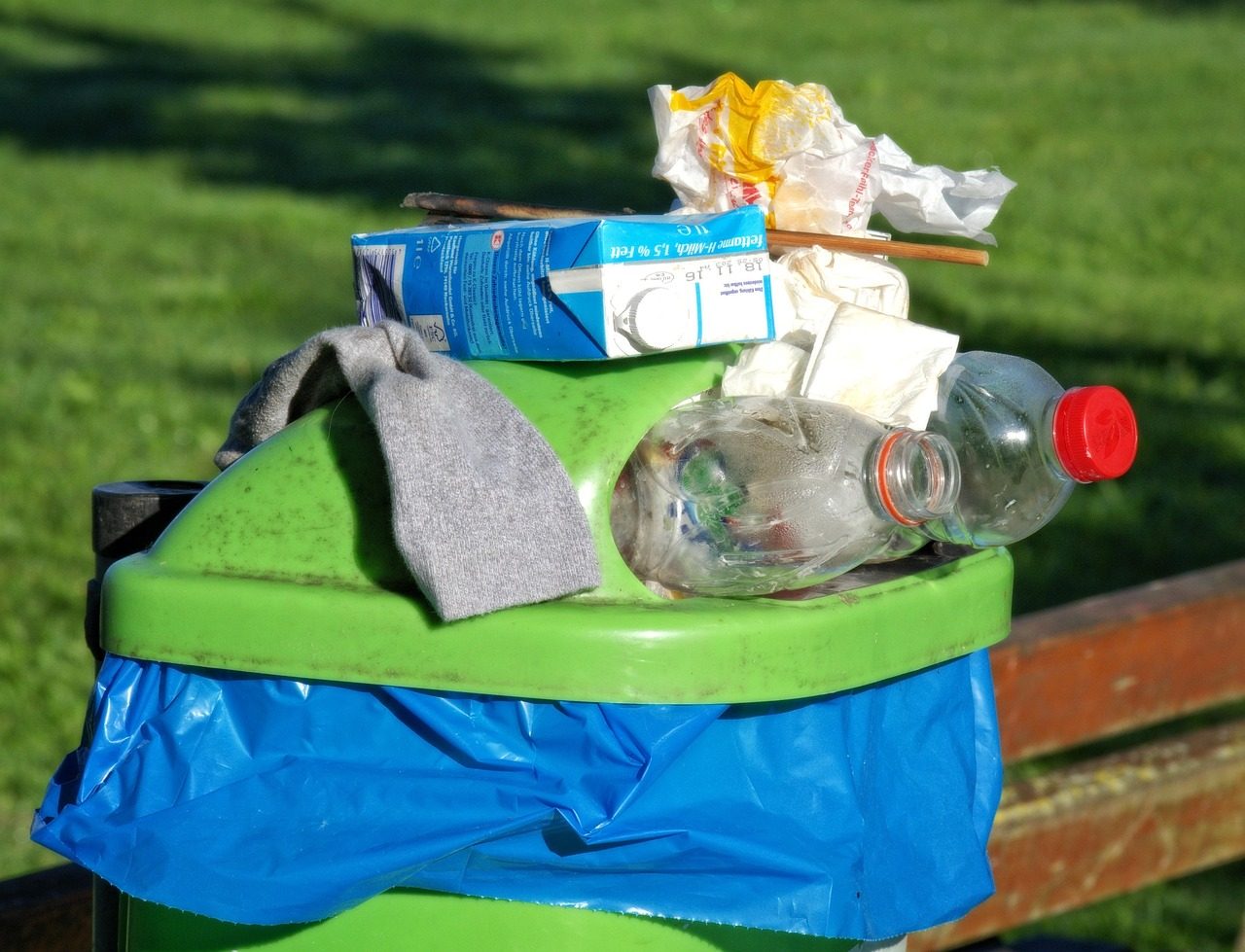
Improper waste handling harms the environment and attracts wildlife. Disposing of food scraps or hygiene items carelessly pollutes soil and water. Using biodegradable products and designated waste areas keeps campsites clean. Responsible waste habits protect the land and make camping more pleasant.
Forgetting Backup Light Sources
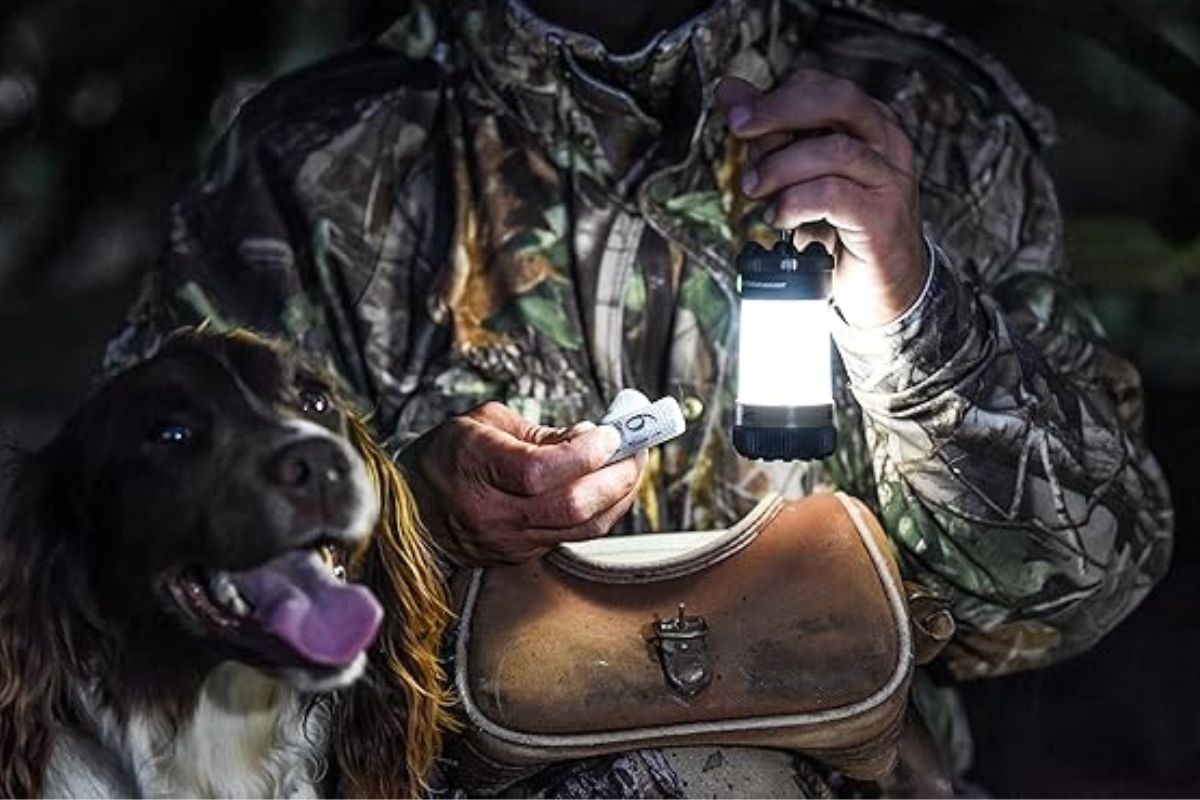
A single flashlight isn’t enough in the dark. Batteries die and lanterns fail when least expected. Packing multiple light sources and spare batteries ensures safety during nighttime tasks. Reliable lighting supports navigation, cooking, and comfort once the sun sets.
Not Testing Equipment
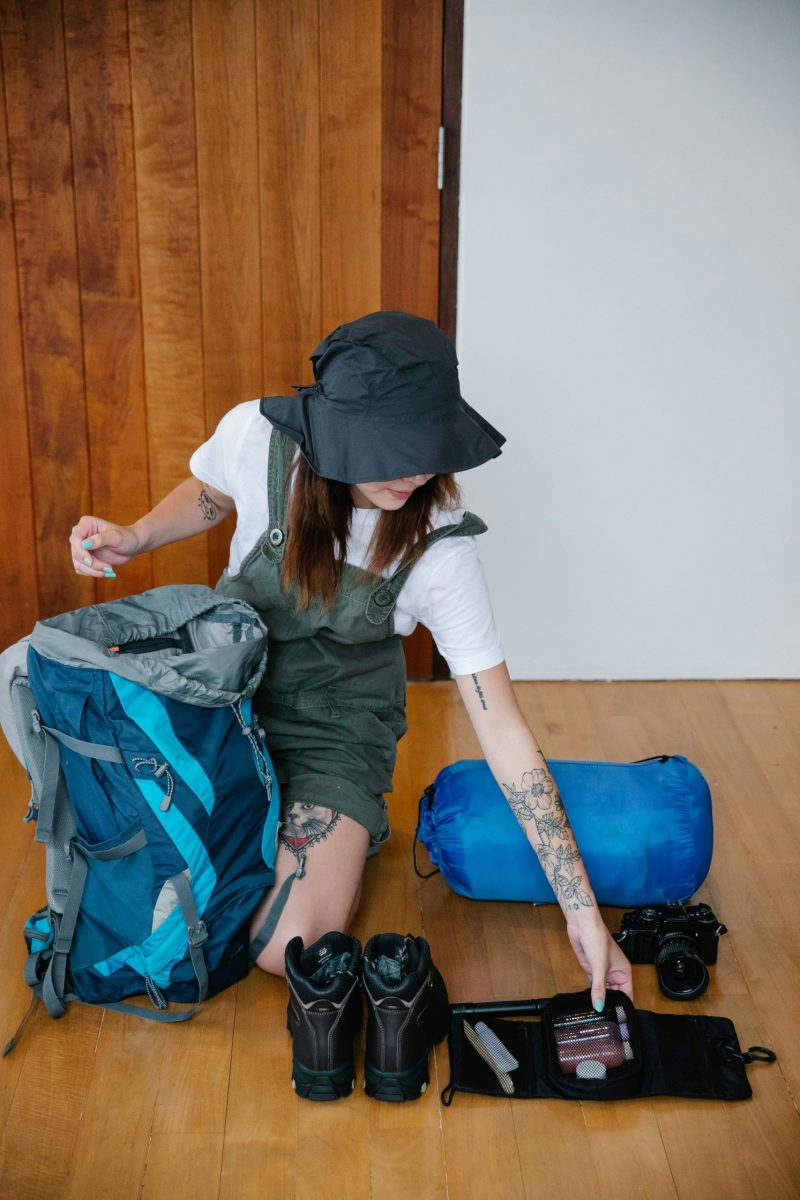
Unfamiliar or faulty gear can ruin a trip instantly; tents with missing parts or stoves that won’t ignite waste valuable time. Testing equipment at home guarantees it works properly. Checking everything beforehand saves frustration and ensures smooth operation outdoors.
Ignoring Noise Etiquette
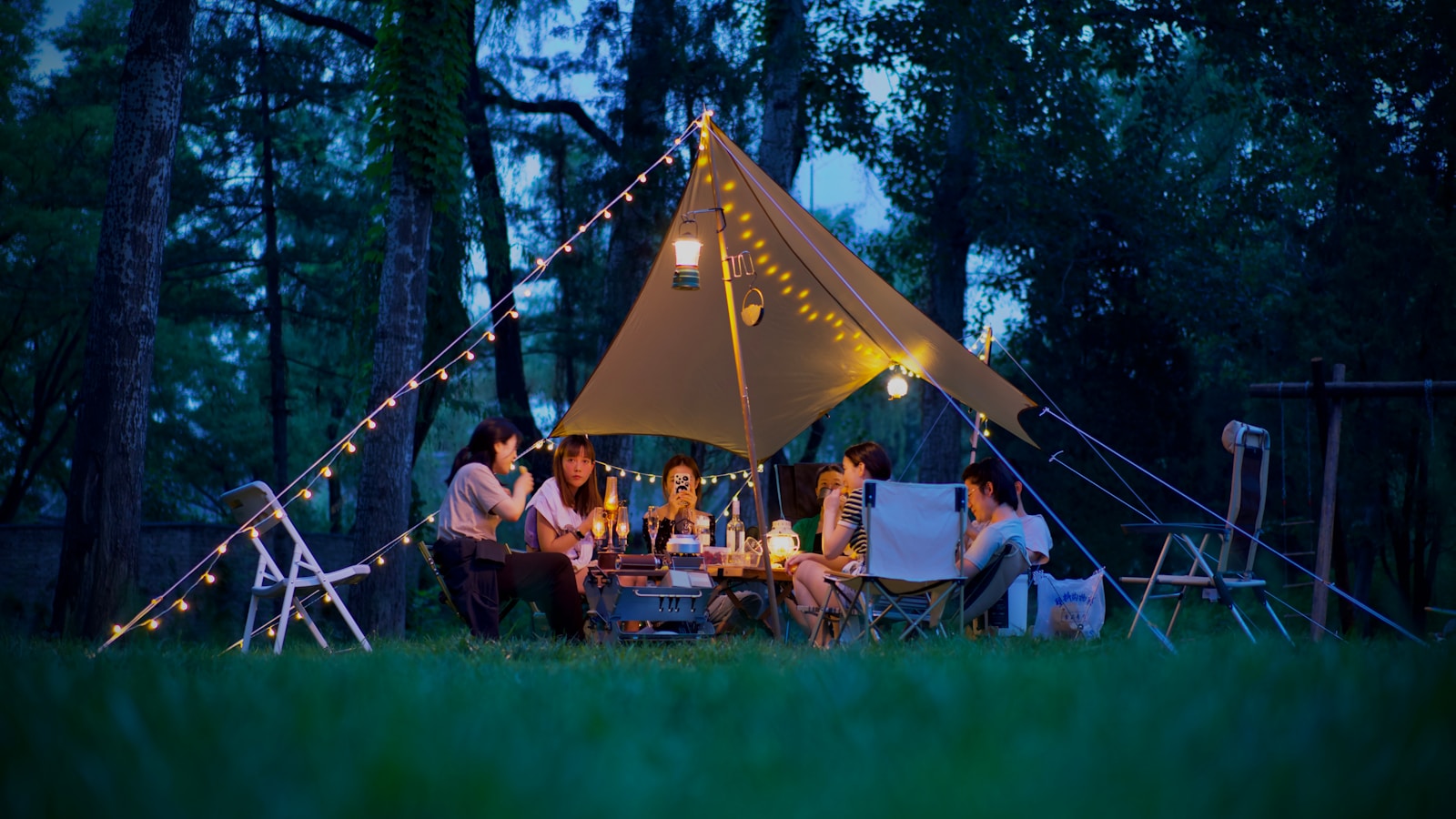
Loud music and shouting disturb wildlife and other campers. Nature’s quiet is part of its charm. Keeping noise low respects the environment and enhances relaxation for everyone nearby. Courtesy helps maintain the peaceful spirit of outdoor living.
Overlooking Personal Hygiene

Poor hygiene leads to discomfort and potential health issues. Using biodegradable soap, washing hands, and maintaining cleanliness support both comfort and confidence. Good hygiene keeps campers feeling fresh and ready for new adventures, even far from home.
Leaving Without Checking the Campsite
A final check before leaving prevents regrets. Forgotten gear or leftover trash harms the environment and wastes money. Scanning the area ensures everything is packed and the site is clean. Leaving it pristine honors both nature and the next visitor.