Hunting ammunition has changed dramatically over the last century. Some cartridges that once appeared in countless deer camps slowly disappeared as rifles changed, ammunition choices expanded, and newer designs became easier to find. The interesting part is that many of these older rounds were never complete failures. Several had excellent reputations in the right conditions and remained useful long after hunters had begun moving toward newer alternatives. These eight cartridges offer a fascinating look at how hunting traditions can fade without the game itself changing.
1. .303 Savage
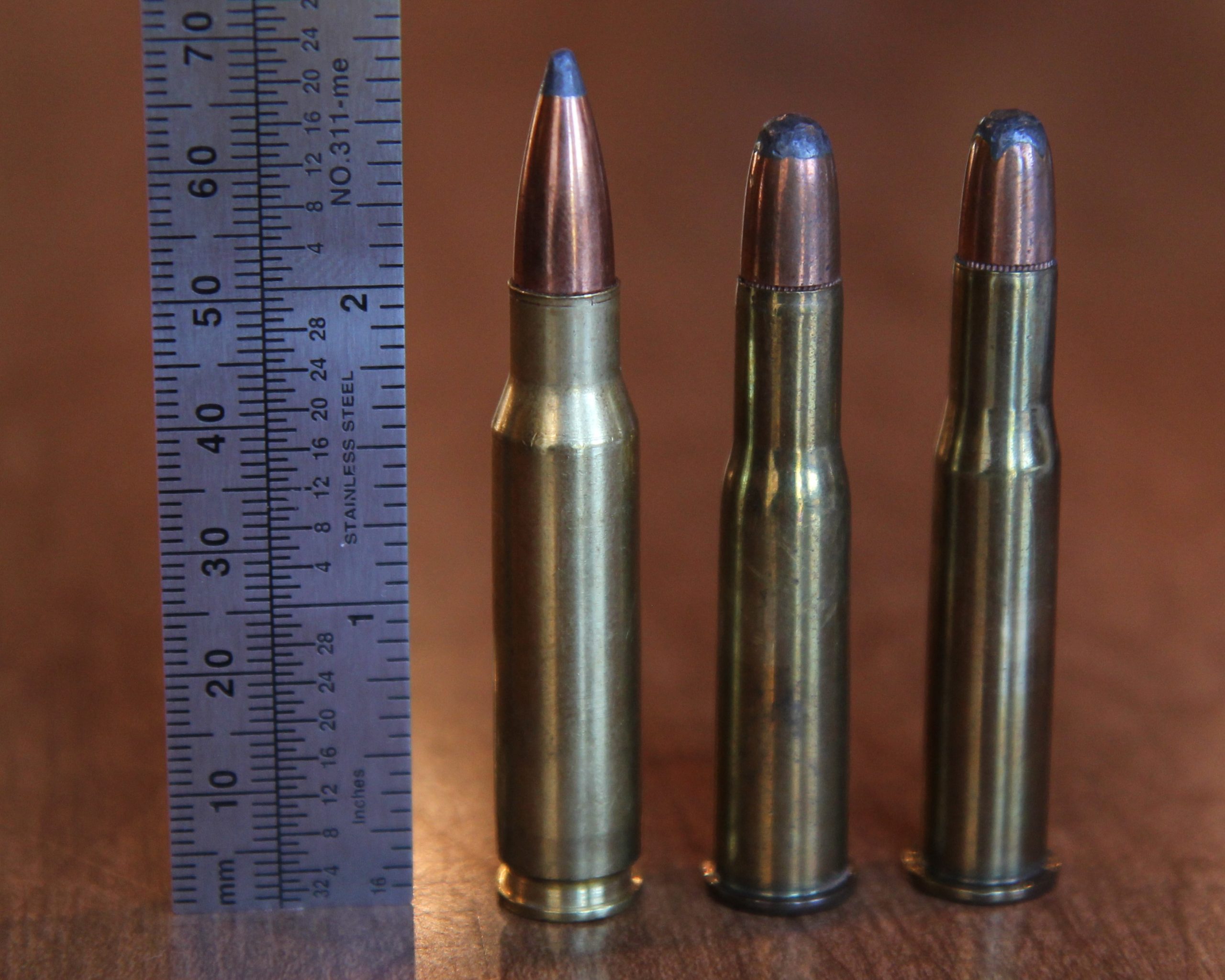
The .303 Savage arrived in 1895 and became closely tied to Savage lever rifles, especially the Model 1899 and later Model 99. Its 190-grain hunting bullet suited thick woods where deer, black bear, and even moose could appear at modest ranges. For decades it was familiar in parts of the United States and Canada. Its decline was not because hunters found it ineffective. Newer cartridges, fewer rifles, and shrinking ammunition support gradually pushed it from ordinary deer camps. Today, surviving Model 99s are its strongest link to hunting history.
2. .32 Winchester Special
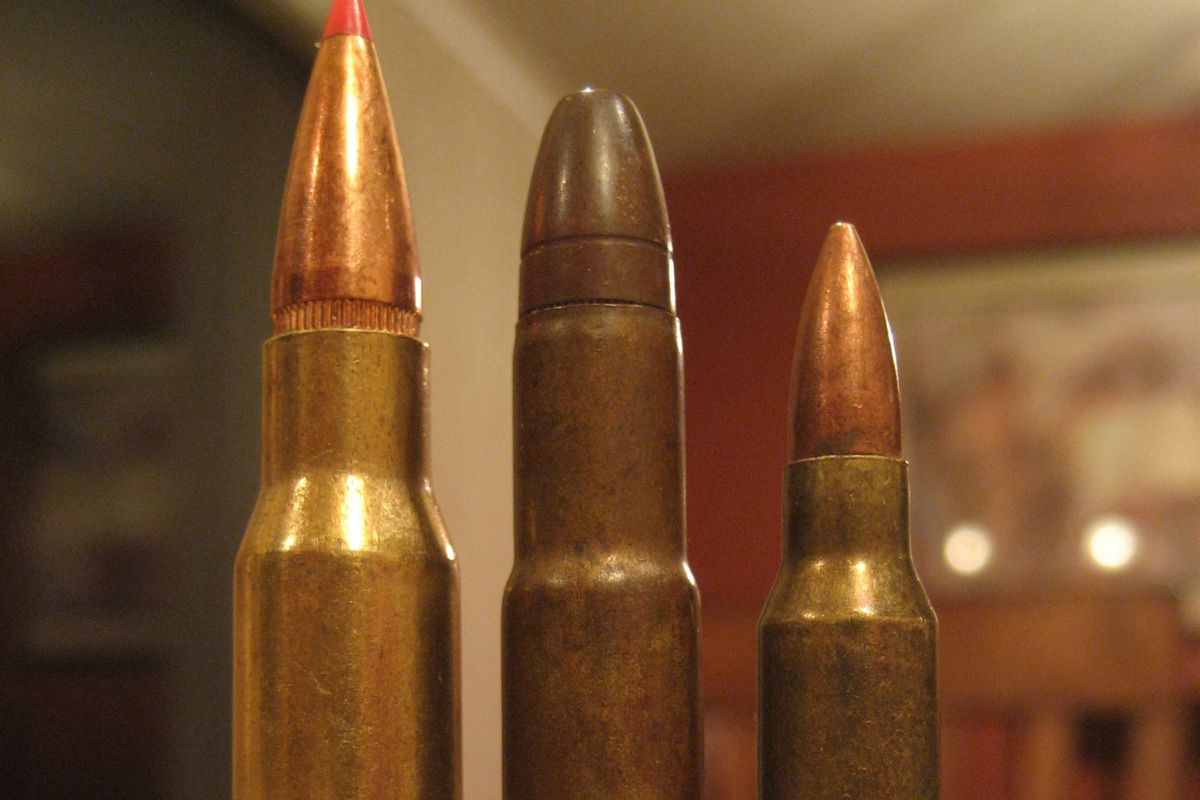
The .32 Winchester Special appeared in 1902 and became a familiar companion to the Model 94 and other lever-action rifles. It used a .32-caliber bullet and earned a loyal following among deer hunters who liked traditional woods rifles. Winchester promoted it as a step above the .30-30, and both became associated with short- to medium-range hunting. The .32 Special never disappeared completely, but the .30-30 developed a larger rifle and ammo base. As hunters gained newer bolt actions and cartridges, the .32 Special became more familiar from older rifles than from new purchases.
3. .32 Remington
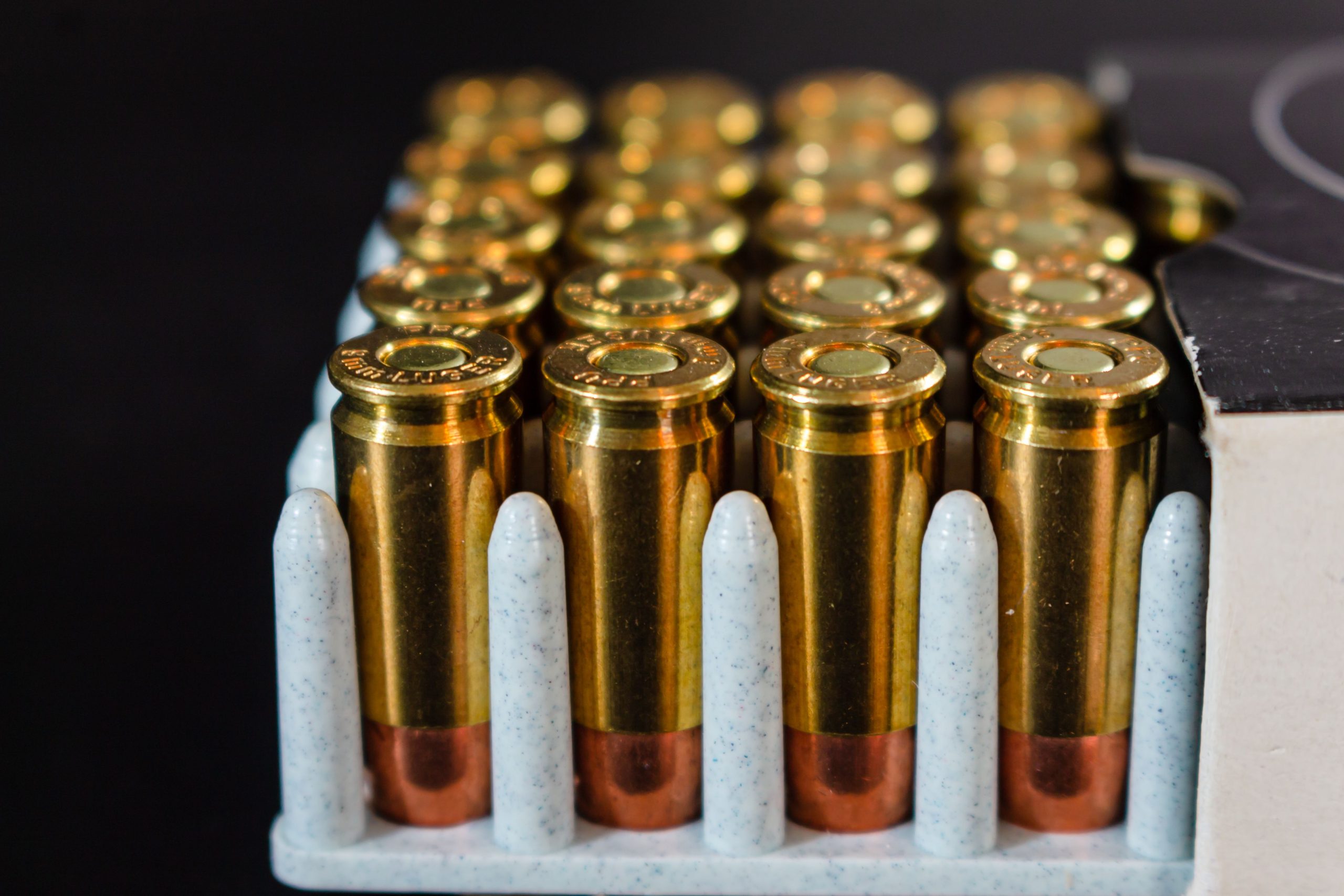
Introduced in 1906, the .32 Remington was one of Remington’s answers to Winchester’s successful sporting rounds. It was offered in rifles such as the Model 8 and Model 14, giving hunters a rimless option as pump and lever rifles grew popular. The cartridge suited close-range deer hunting common in wooded country. Its problem was market momentum: Winchester’s competing rounds already had strong recognition and rifle support. By the postwar era, the .32 Remington had largely vanished from mainstream hunting, leaving collectors and owners of older rifles as its principal audience.
4. .25 Remington
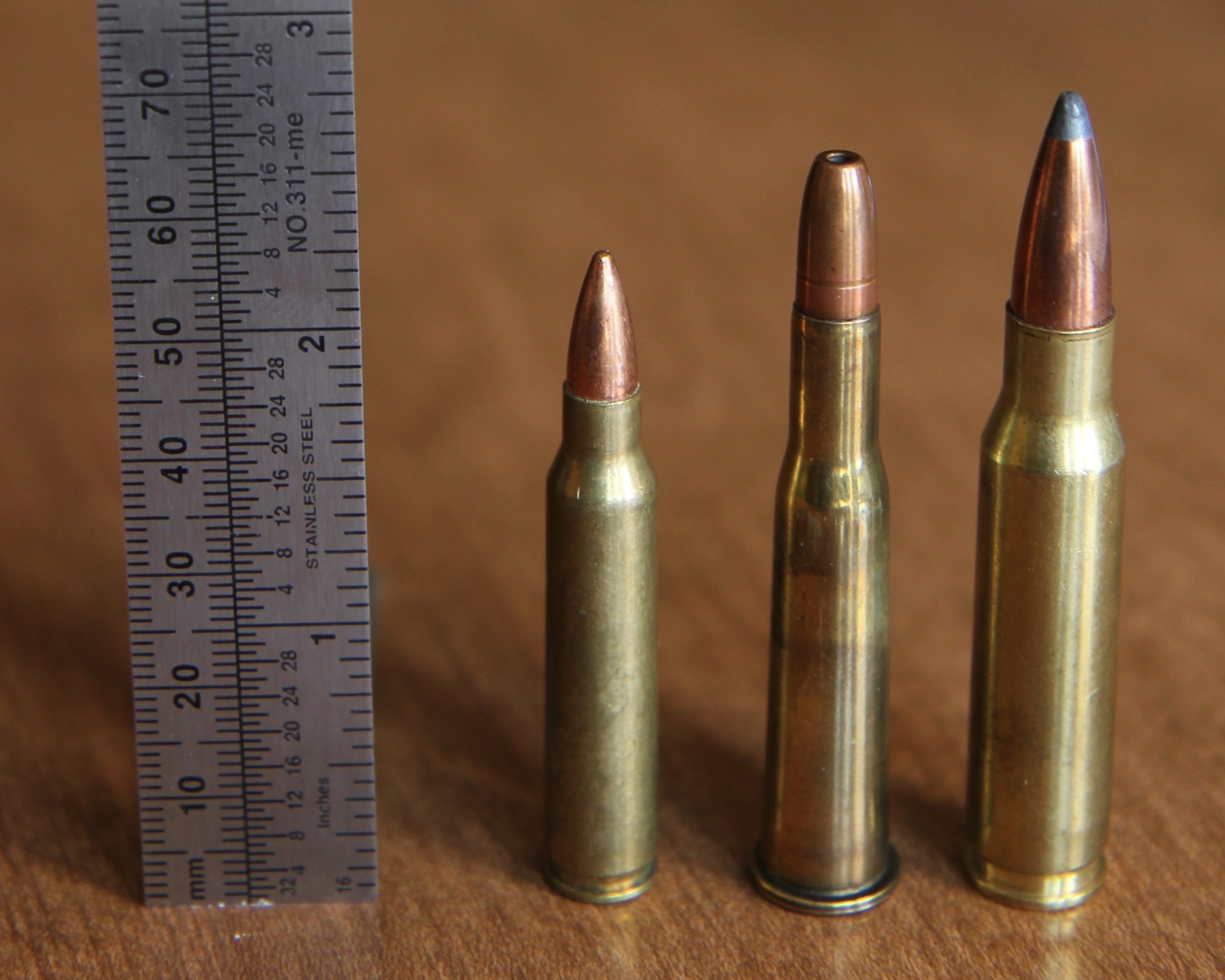
The .25 Remington was introduced in 1906 for Remington’s Model 8 autoloading rifle and later in other rifles. Its small bore suited hunters seeking lighter recoil for deer and similar game. Remington positioned it alongside the .30 and .32 Remington as part of a new rimless family. Despite that start, it could not build the market enjoyed by better-known hunting rounds. Rifle production ended, ammunition became scarce, and hunters moved toward better-supported cartridges. Today, it is chiefly a piece of early sporting-rifle history. It faded quietly.
5. .30 Remington
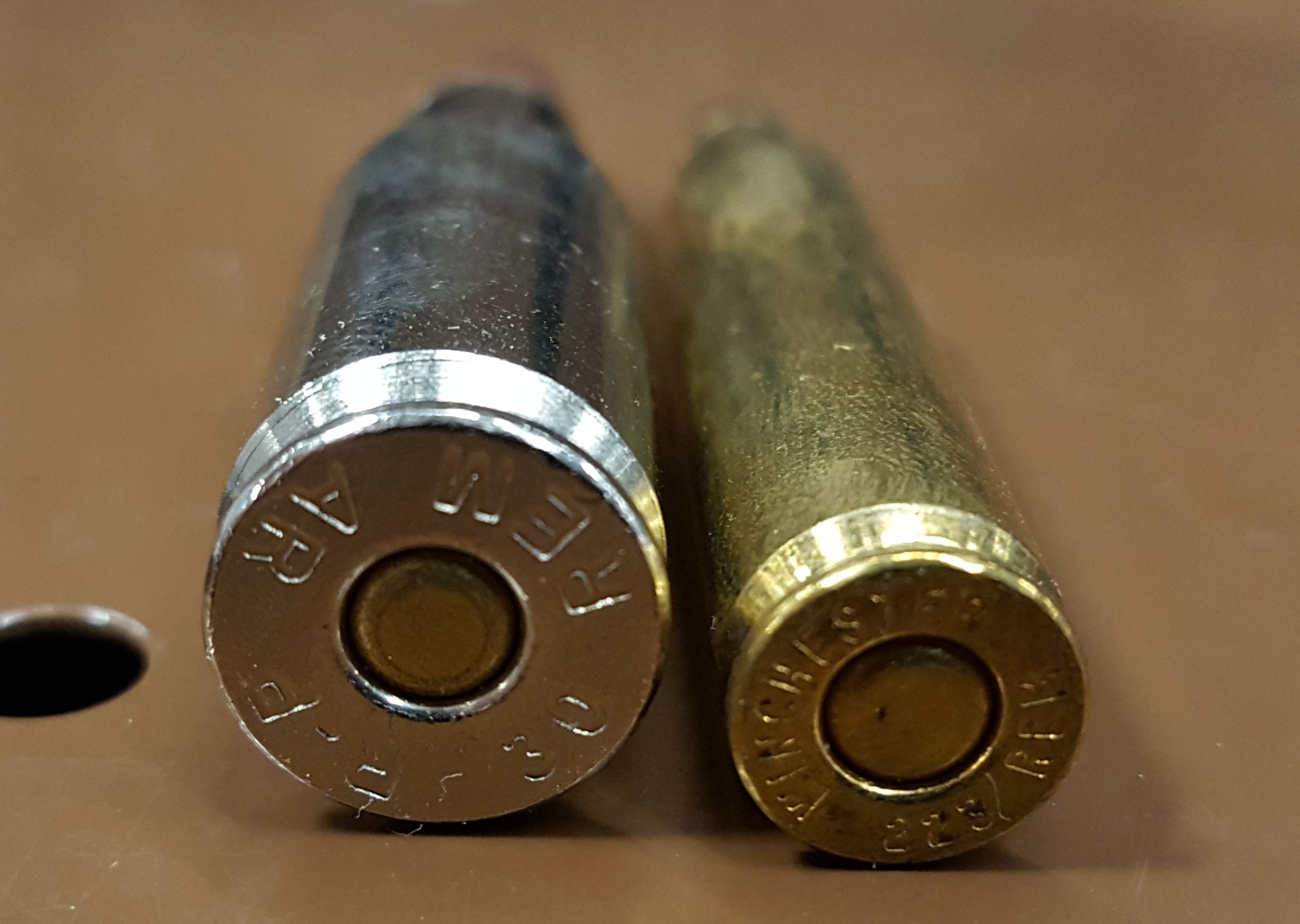
The .30 Remington debuted in 1906 for Remington’s Model 8, an early successful semiautomatic sporting rifle. It offered a rimless .30-caliber alternative to popular lever cartridges and later appeared in the Model 81 and other rifles. For its time, it was a practical deer cartridge, especially where quick follow-up shots mattered. Its long-term problem was competition rather than field usefulness. The .30-30 and later .308-family cartridges gained broader support. Once rifles chambered for the .30 Remington became scarce, ammunition demand fell with them.
6. .32-40 Winchester
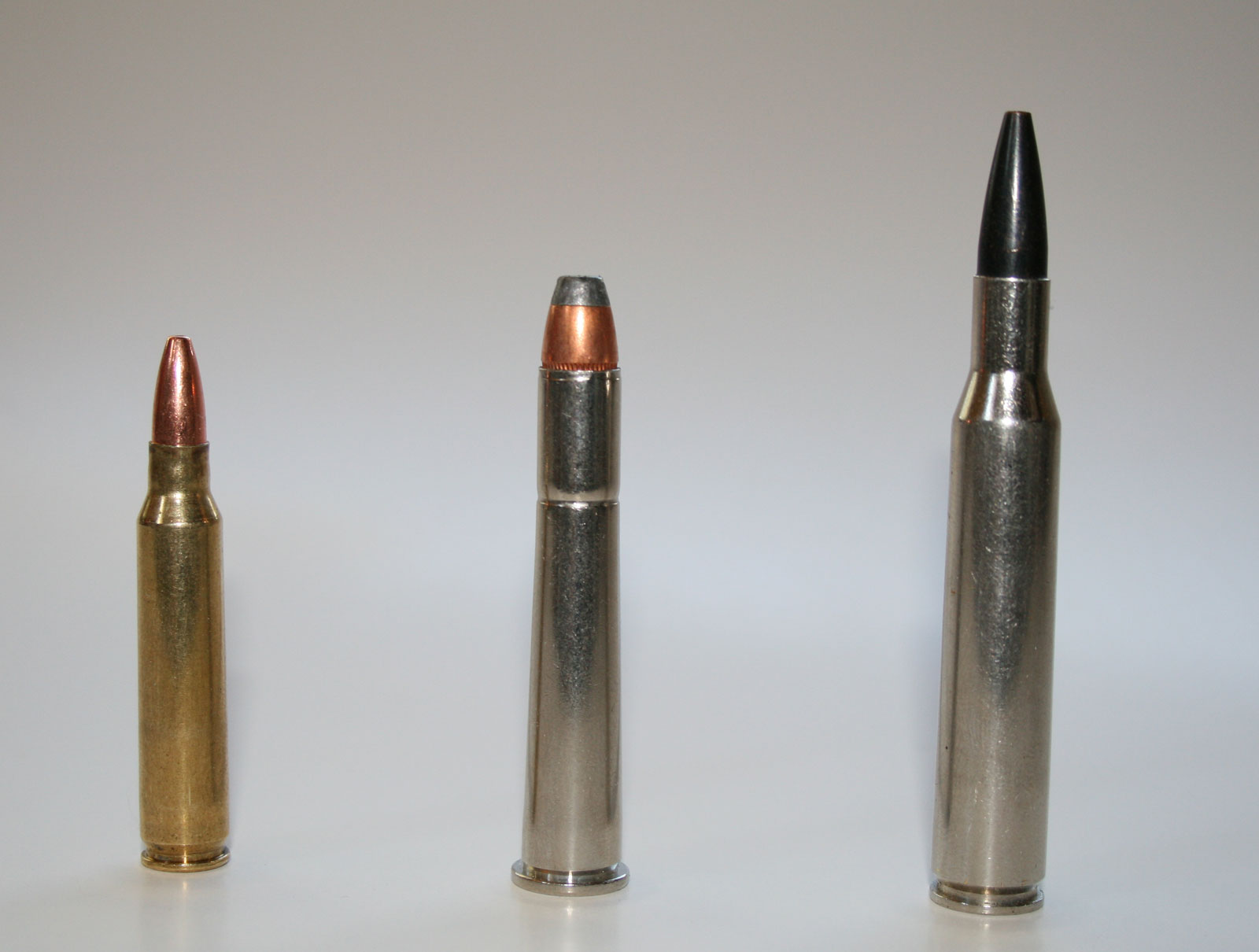
The .32-40 Winchester began in 1884 as a black-powder target cartridge before becoming a hunting round in Winchester, Marlin, and other rifles. A typical sporting load used a 165-grain bullet, and it became a deer-hunting favorite in the late 19th and early 20th centuries. It was especially suited to short-range woods hunting. It also became an important parent case in the development of later rounds, including the .30-30 and .32 Winchester Special. Today it is mainly seen in vintage rifles, collecting, traditional shooting, and specialty ammunition markets.
7. .38-55 Winchester
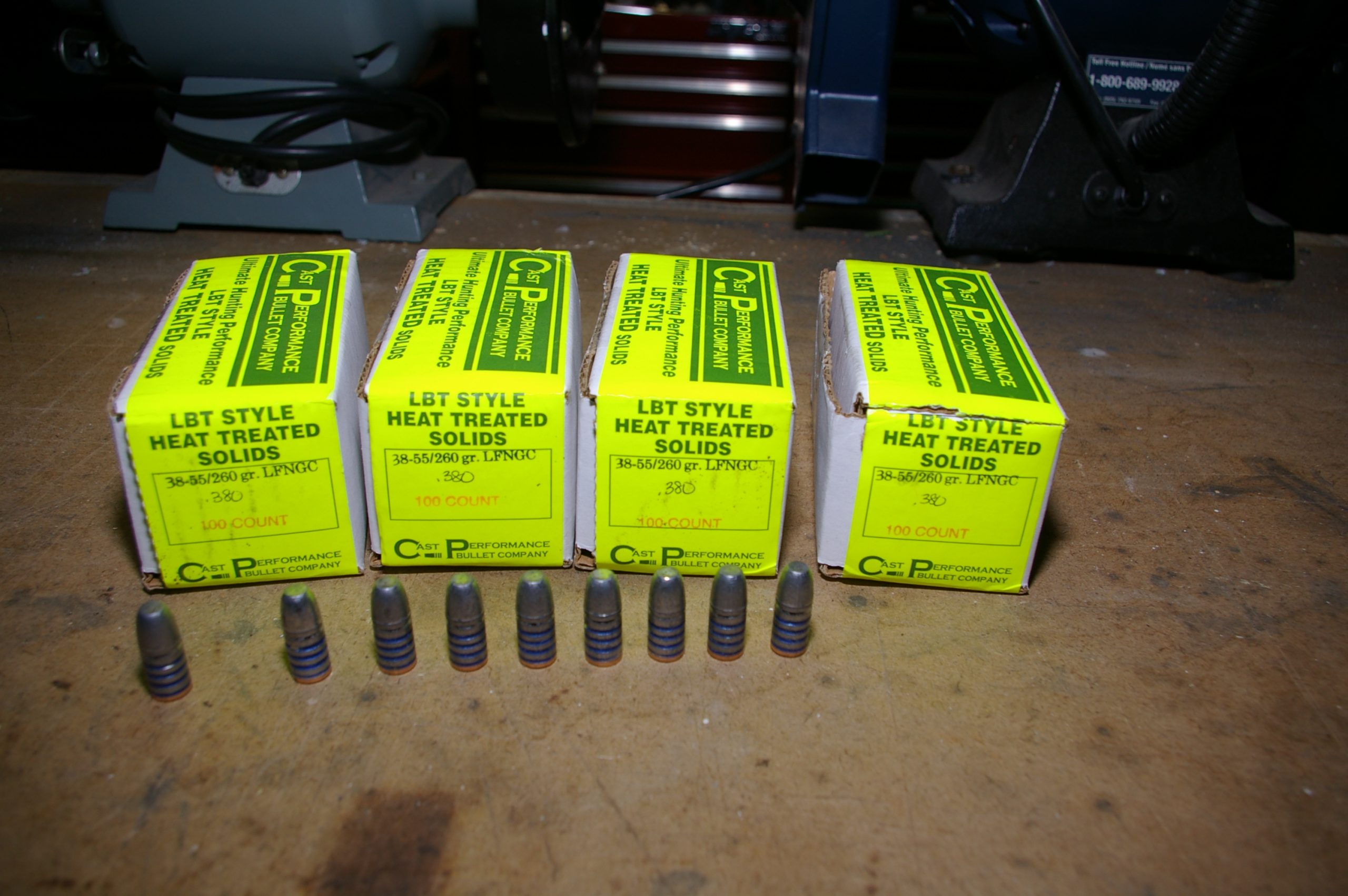
The .38-55 Winchester dates to 1884 and began as a black-powder target cartridge before becoming a hunting round. Winchester and Marlin chambered it in lever-action rifles, where heavy bullets suited deer and other game at woods ranges. A traditional load used a 255-grain bullet, typical of an era that valued bullet weight over velocity. It also influenced later designs, including the .30-30 family. Ammunition still exists, but it is uncommon in deer camps because newer cartridges offer more availability and rifle choices. Its history remains unusually rich.
8. .300 Savage
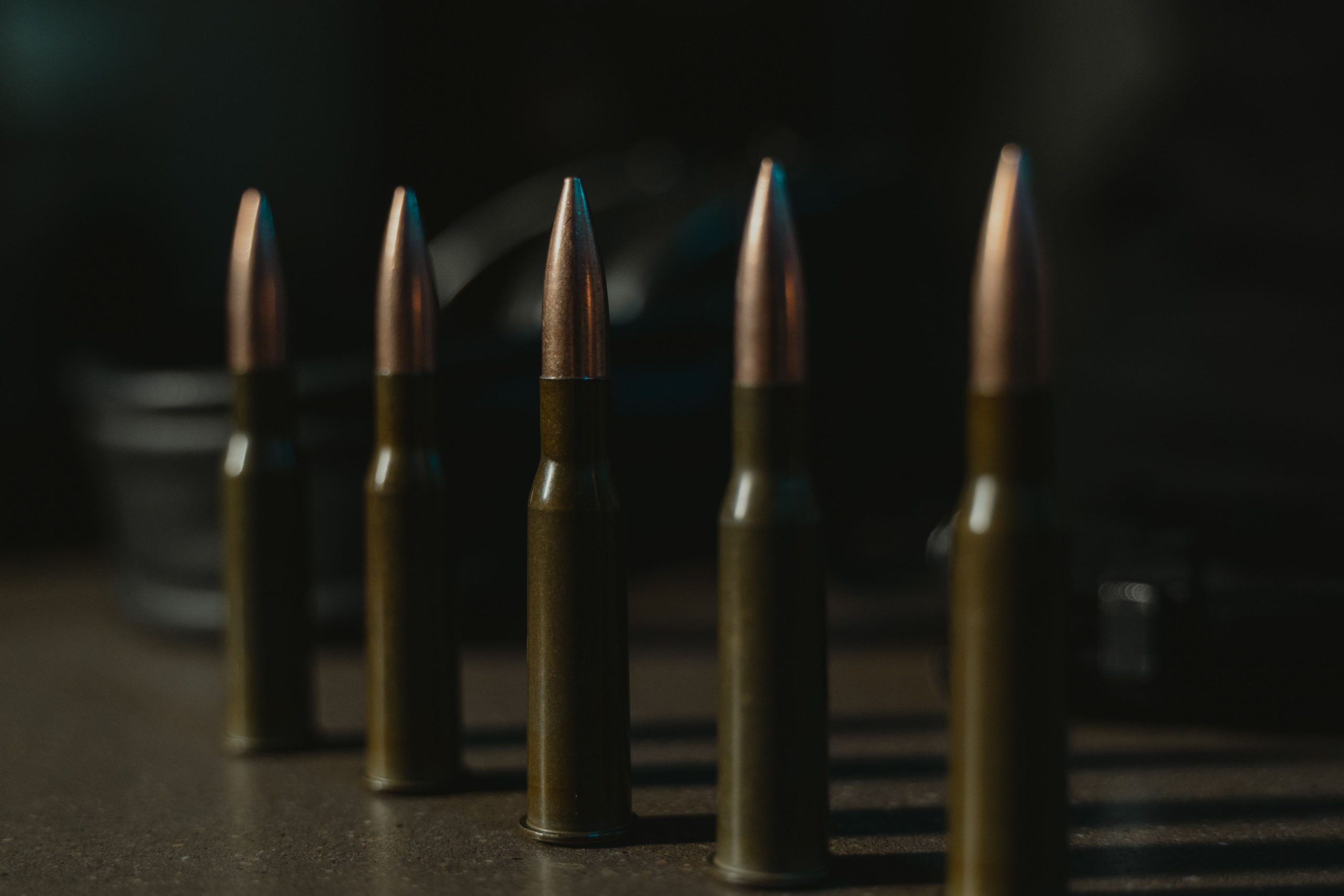
The .300 Savage was introduced in 1921 for the Savage Model 99 and became a respected hunting round. It combined compact rifles with .30-caliber performance and became popular for deer and other North American game. Its decline followed newer cartridges with similar performance and stronger commercial support. The .308 Winchester, introduced in 1952, became especially influential in sporting rifles. The .300 Savage remained capable, but fewer new rifles and less ammunition availability gradually pushed it into classic-rifle territory. Its legacy remains strong among collectors.