Across America, parks are leveling trails, widening boardwalks, and installing ramps so that nature becomes truly inclusive. From waterfalls to desert dunes, these nine parks are deep into major renovations designed to open up access for all visitors, regardless of mobility or sensory differences. Here’s what’s being done and why it matters.
1. William O’Brien State Park
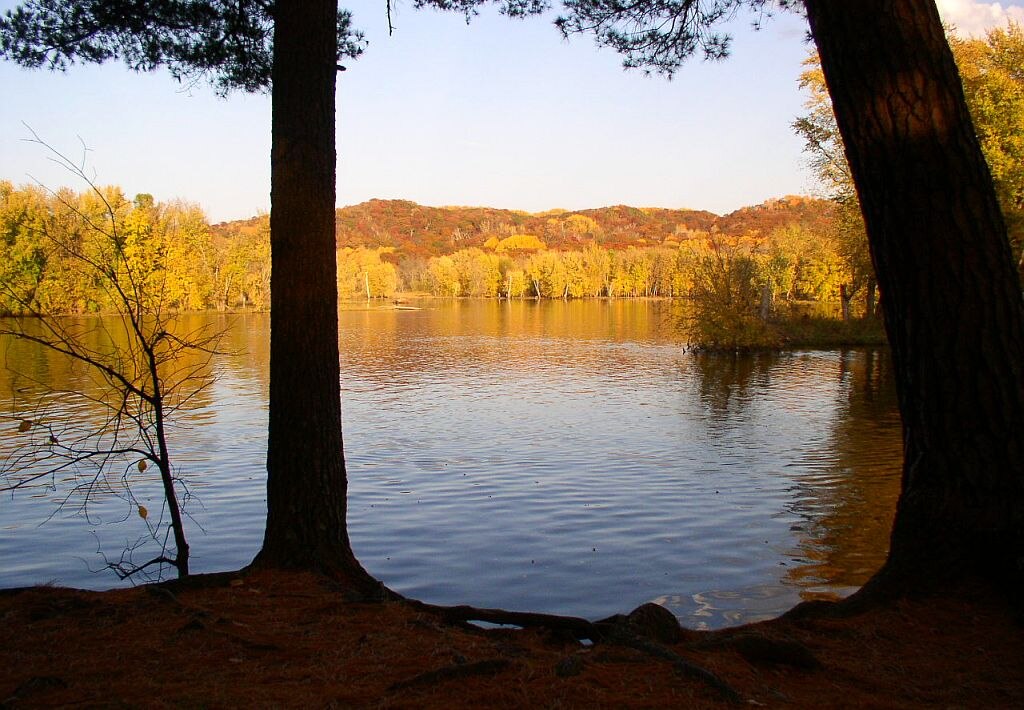
Just outside the Twin Cities, this park is unveiling a $5.25 million upgrade to its day-use area and campground to meet ADA standards. The Walter F. Mondale Day Use Area has been rebuilt with wide, smooth pathways, accessible picnic shelters, and accessible canoe and kayak launch access on the St. Croix River. The Riverway Campground reopened with improved pads, toilets, and campfire rings.
2. Tahquamenon Falls State Park
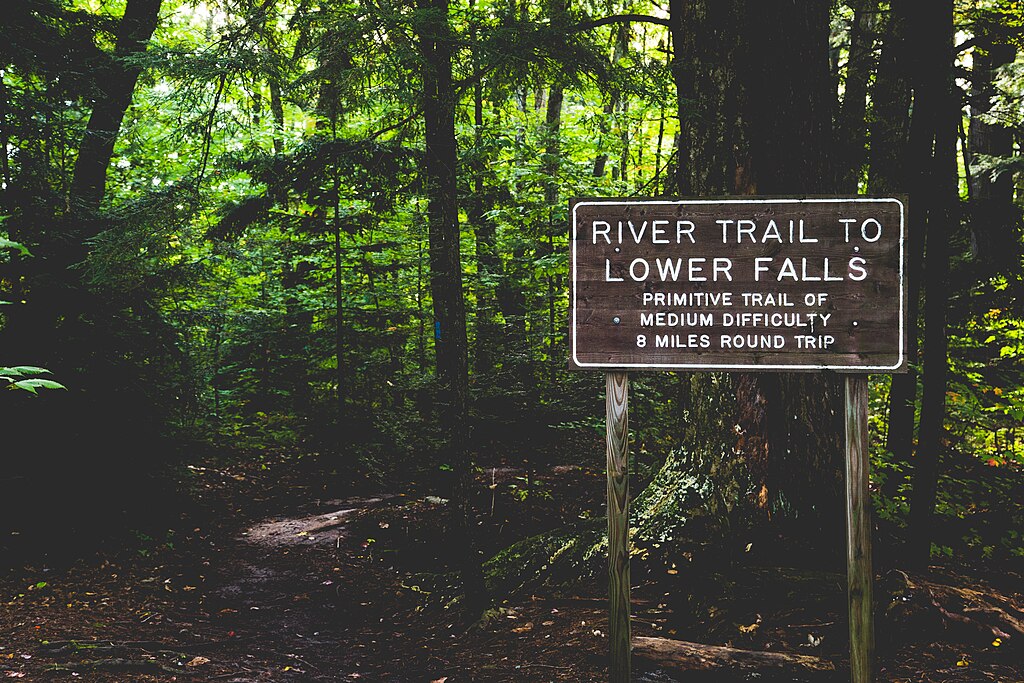
Famous for its massive Upper Falls, this Upper Peninsula state park is replacing an old staircase with a new 900-foot accessible boardwalk that winds through forested terrain to allow visitors with mobility challenges a bold viewpoint. Construction began in late 2024 using ARPA funding and is expected by 2025 to open fully. Upgraded restrooms and shower buildings are also underway at the campground.
3. Rocky Mountain National Park
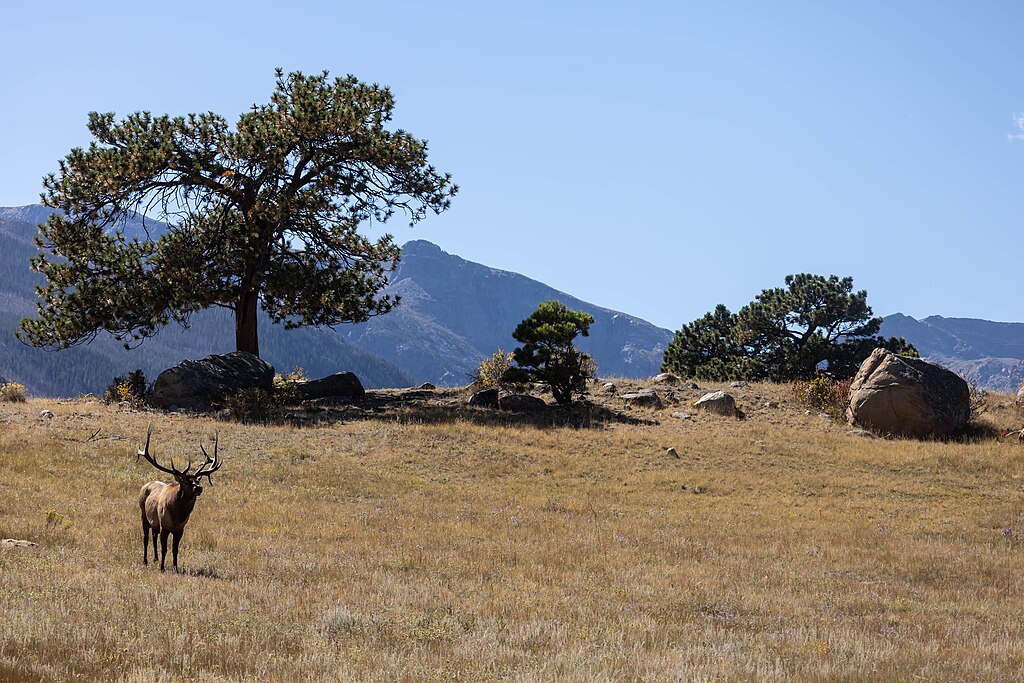
Rocky Mountain National Park is actively improving accessibility so more visitors can enjoy its high elevation scenery without barriers. The park has been updating roadside viewpoints along Trail Ridge Road with smoother surfaces, better railings, and ADA-compliant slopes, making it easier for wheelchair users to take in the sweeping alpine views. Popular picnic areas such as Sprague Lake are also receiving accessibility upgrades, including level parking, wider pathways, and improved access to restrooms. Park staff are working on redesigned signage that delivers clearer directions and stronger visual contrast to help guests with low vision navigate confidently.
4. Texas Parks & Wildlife Department
In Texas, several parks are receiving adaptive gear and trail upgrades. The program includes nine battery-operated all-terrain track wheelchairs across ten parks, enabling visitors to traverse rough terrain. Adaptive kayak launches, color blind viewer scopes, and accessible hunting blinds are also being installed system-wide, marking a major step toward inclusive wildland access.
5. Lake Sammamish State Park
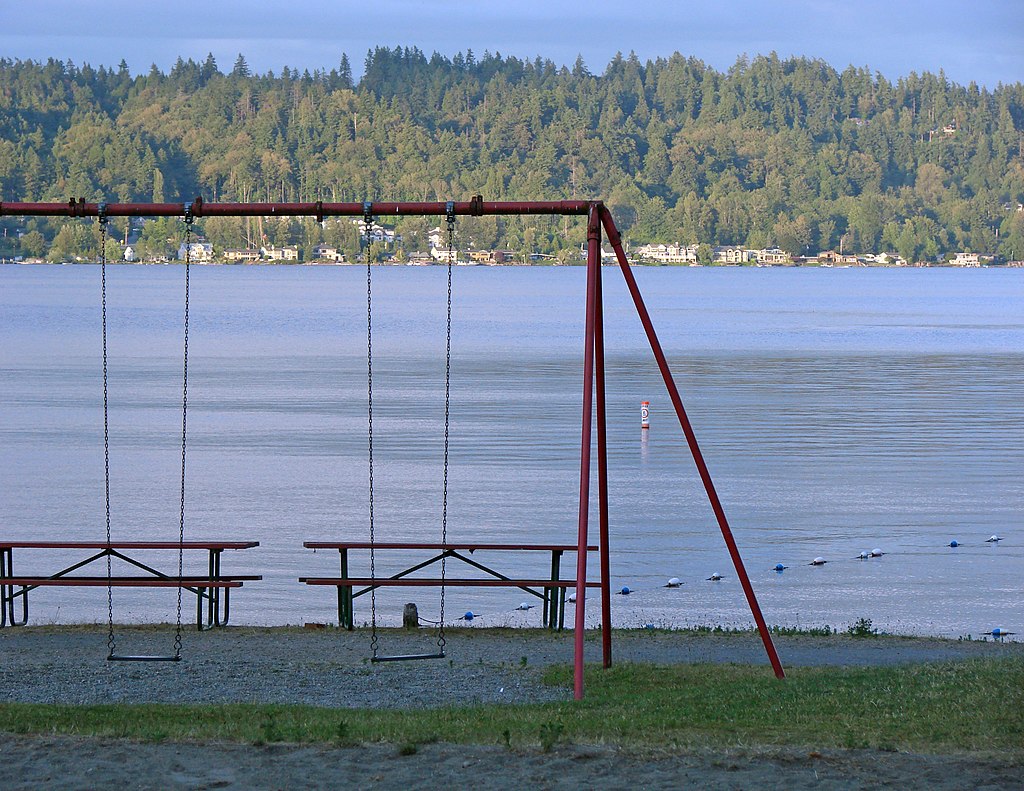
Located near Seattle, the popular Sunset Beach day use area is under renovation for improved ADA access, including repaved trails, upgraded event spaces, new picnic shelters, and better sight lines for caregivers to view play areas. These changes enhance usability for visitors of all ages and abilities in a high-traffic recreation zone.
6. Grand Canyon National Park
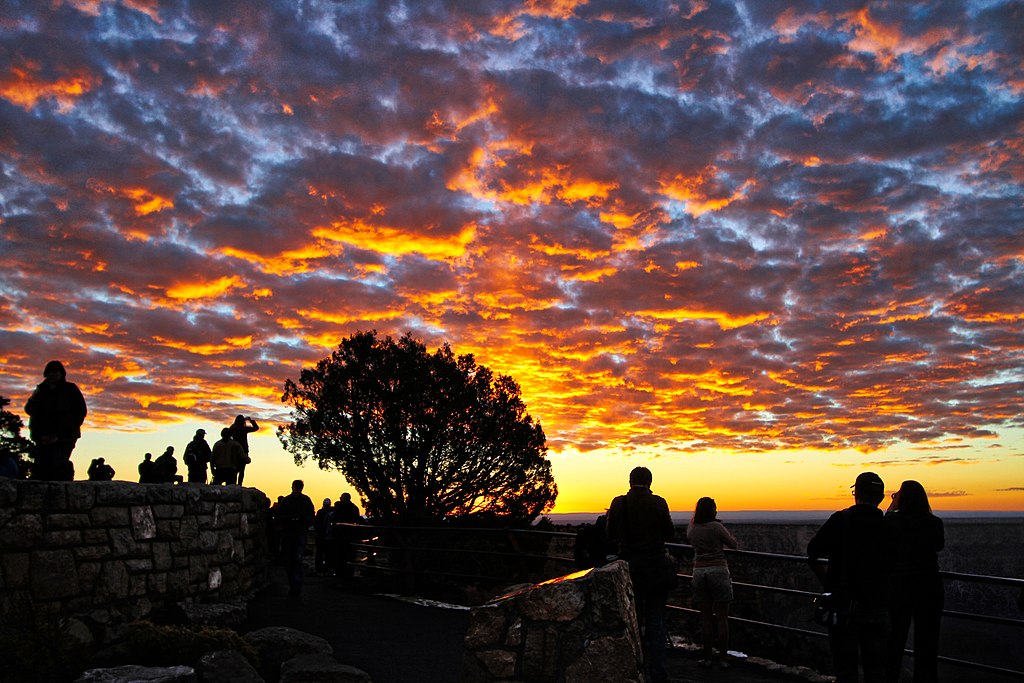
Grand Canyon National Park is making significant strides to ensure that everyone can experience its breathtaking viewpoints with greater ease. The South Rim has seen some of the most impactful upgrades, including smoother pathways, improved curb ramps, and expanded access to Mather Point and the main visitor center area. Shuttle stops are being redesigned so wheelchair users can board more comfortably, and several restrooms are receiving ADA-compliant fixtures. The park is also updating wayfinding with tactile guidance and high contrast signage to help visitors with visual impairments navigate confidently.
7. Traverse City State Park
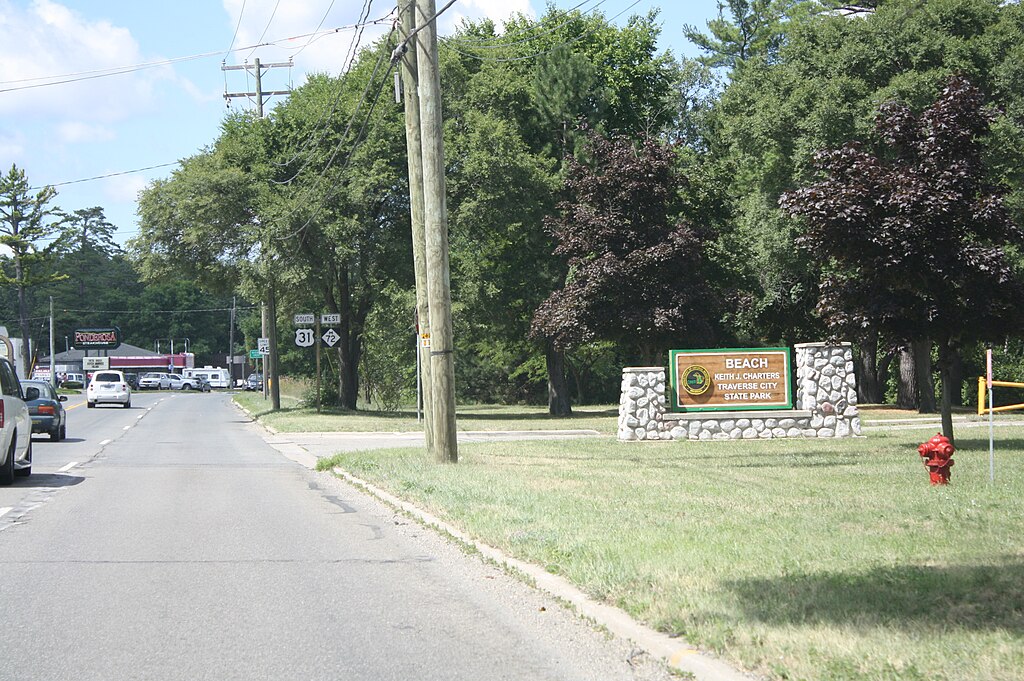
With $8.5 million in federal relief funding, this state park project includes redesigned park entrances, new pedestrian crossings, accessible parking, enlarged sanitation facilities, and full ADA-compliant campground contact stations. The upgrades aim to lessen the barrier between the visitor and the shoreline and improve wayfinding for all.
8. Anacostia Park
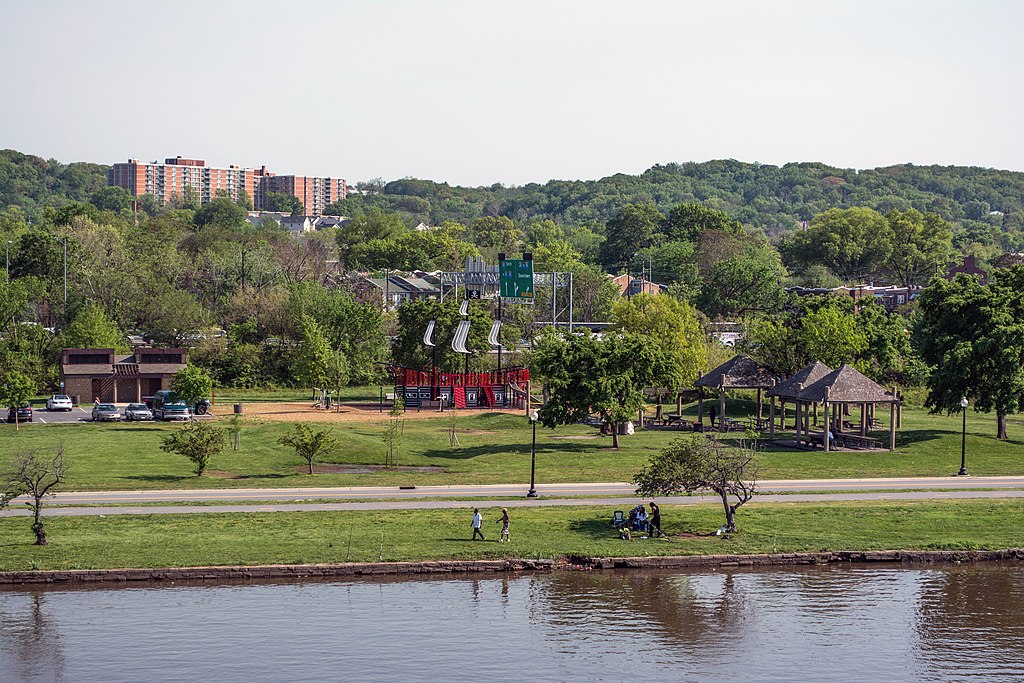
This urban park is undergoing a major redevelopment plan titled Reimagine Anacostia, which emphasises accessibility and connectivity. The plan includes improved multimodal access from surrounding neighbourhoods, upgraded recreational spaces, and enhanced pathways that better serve wheelchair users, strollers, and people of all mobility levels
9. Zion National Park
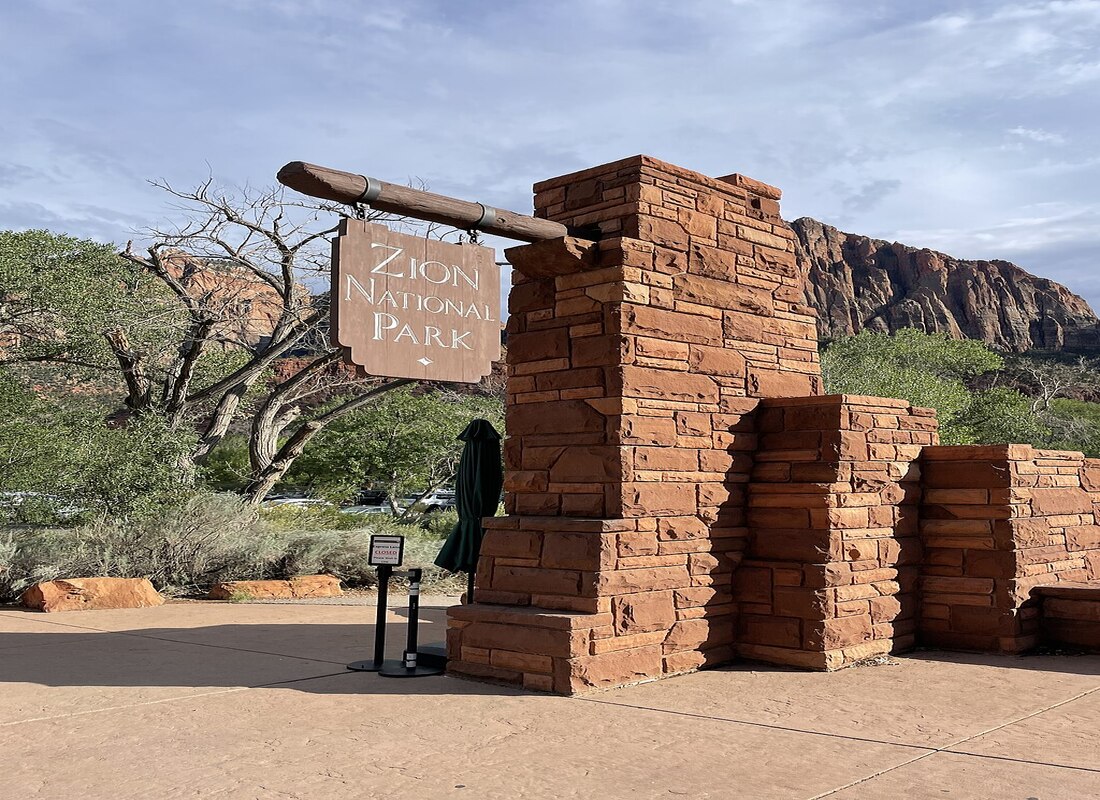
Zion National Park is making steady progress on long-term accessibility improvements designed to help more visitors experience its towering canyon walls and iconic trails. One major effort focuses on the Pa’rus Trail, the park’s most accessible route, where smoother surfaces, improved drainage, and better cross-slope control are being added. The shuttle system is also being updated with curb ramps and clearer boarding zones to make entry easier for wheelchair users. Additional enhancements include wider pathways near visitor-use areas, upgraded restrooms, and better tactile and visual signage so guests with low vision can navigate the park more confidently.