For a lot of Americans, hunting no longer starts with tradition or competition. It starts at the grocery store, at the butcher counter, and around the dinner table.
Hunting Is Increasingly About Food Security
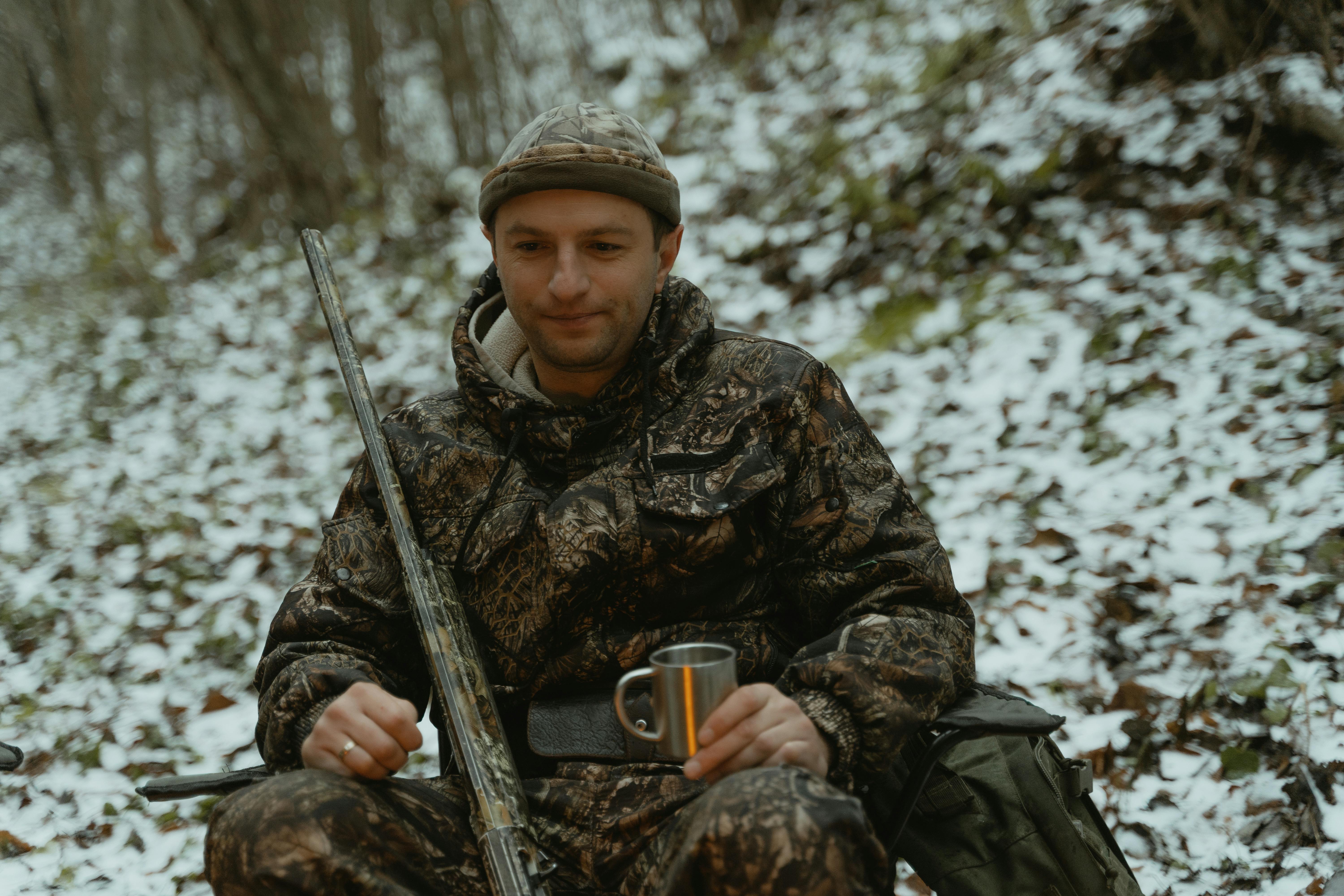
The biggest shift is simple: more people see wild game as food first. Venison, elk, wild turkey, duck, and even rabbit are being viewed less as niche meats and more as practical ways to fill a freezer with high-quality protein.
That change makes sense in an era of stubborn food inflation. Over the past few years, families have watched beef, chicken, and pork prices swing upward, sometimes sharply. Even when prices cool, many shoppers have lost confidence that affordable protein will stay affordable for long.
A successful deer season can produce dozens of pounds of lean meat. For households that already have access to land, basic gear, and time, the math can look appealing. Processing costs, tags, and equipment still matter, but many hunters say the final cost per meal compares favorably with store-bought meat, especially for larger families.
Wild game also offers a kind of insurance. A full freezer means fewer weekly trips to buy expensive protein and less reliance on supply chains that can feel fragile after years of disruptions, shortages, and price spikes. For many new hunters, that security matters more than any idea of sport.
The Pandemic Helped Change the Culture
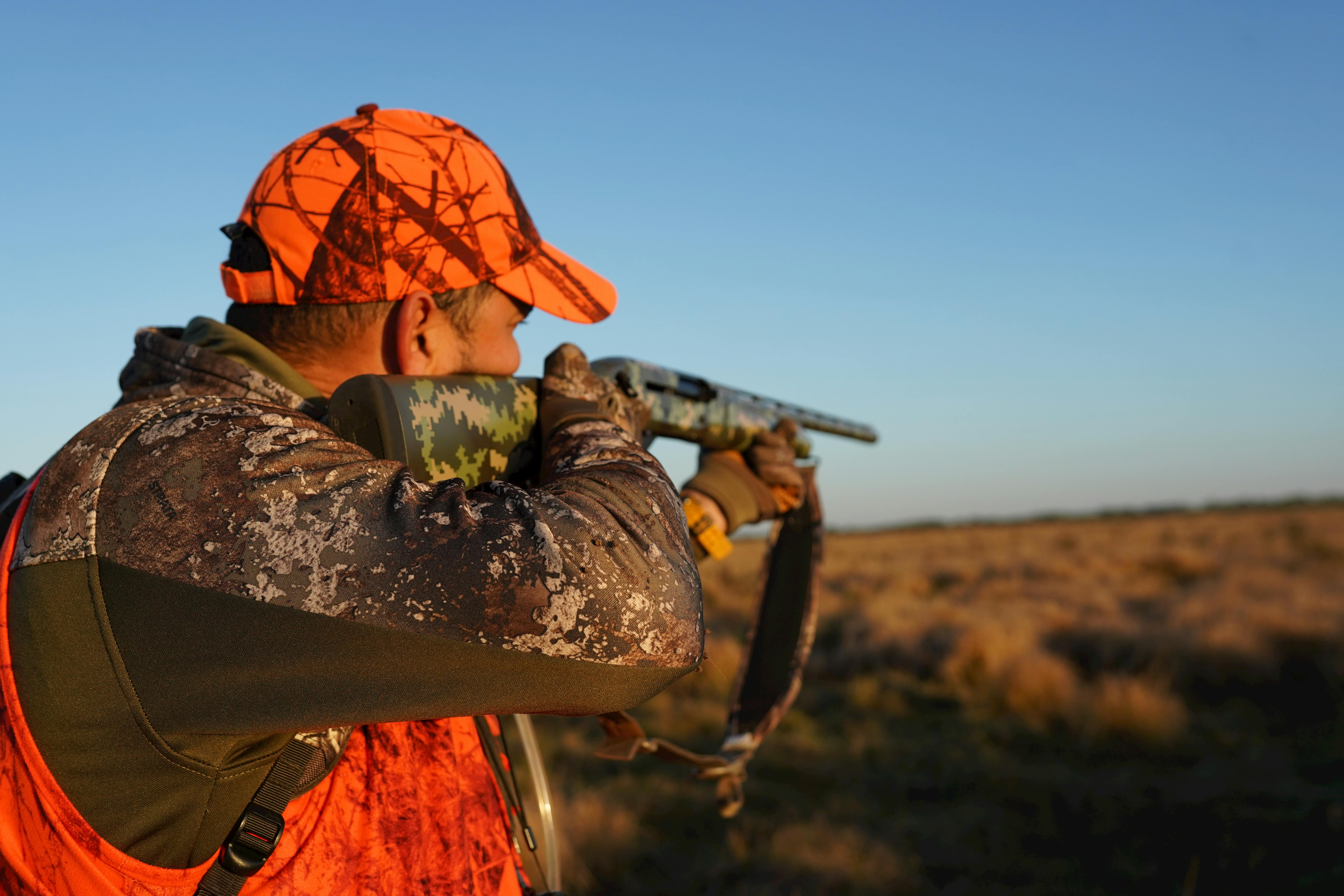
The pandemic years pushed many Americans to rethink where food comes from. Empty shelves, purchase limits, and delays in meat processing exposed how centralized and vulnerable parts of the food system had become. People who had never considered hunting suddenly began asking practical questions about sourcing food themselves.
State wildlife agencies and conservation groups noticed the shift. In many places, interest in hunter education courses rose as first-time applicants looked for a path into legal, safe hunting. Industry groups also reported spikes in firearm sales, archery participation, and outdoor gear purchases during that period.
But the cultural change went deeper than panic buying. People spent more time outdoors, more time cooking at home, and more time learning old skills that had once seemed optional. Gardening, canning, fishing, and raising backyard chickens all surged in popularity, and hunting fit naturally into that broader return to self-provisioning.
For many households, the experience stuck. What started as a response to uncertainty became a longer-term lifestyle choice. Once people learned that a deer could translate into months of meals, hunting stopped looking like a hobby from another era and started looking like a practical food strategy.
Modern Hunters Often Want a More Ethical Meat Supply
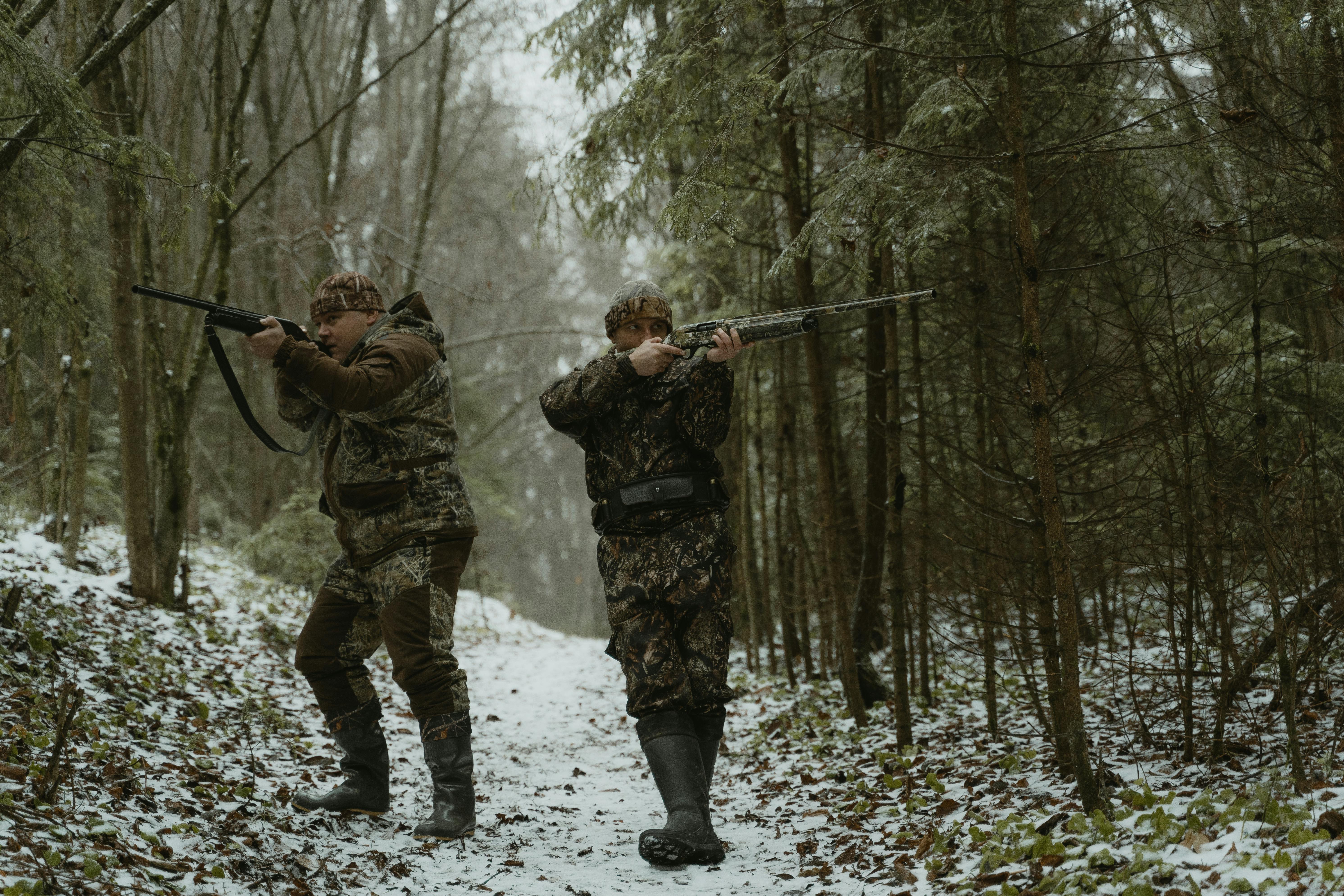
A lot of new hunters are motivated by ethics as much as economics. They are not necessarily rejecting meat. They are rejecting distance, opacity, and industrial systems that make it hard to know how animals were raised, transported, and processed before becoming food.
Wild game offers a radically different proposition. The animal lived in its natural habitat, fed itself, and was not confined in a feedlot or crowded barn. For people uneasy about industrial agriculture but unwilling to go vegetarian, harvesting wild meat can feel like the most honest version of eating animals.
This is especially true among younger adults who care deeply about sourcing. The same consumer who wants local eggs, seasonal produce, and traceable seafood may also be open to venison from a deer they harvested themselves or got from a friend. In that context, hunting becomes part of a broader food values movement.
There is also accountability built into the process. Hunters must make the shot, field dress the animal, and decide how every usable cut will be handled. That direct involvement can create a level of respect for the animal that many hunters argue is missing from anonymous supermarket consumption.
Social Media and Cooking Culture Made Wild Game More Accessible

One reason this shift feels more visible now is that wild game has entered mainstream food culture. A generation ago, people often associated venison with a few stereotypical dishes or with a relative who hunted and filled the freezer. Today, recipes, tutorials, and cooking channels have made game meat feel far less intimidating.
Chefs, cookbook authors, and outdoor creators have helped recast wild game as versatile, healthy, and delicious. Deer tacos, duck breast, wild turkey schnitzel, elk chili, and venison burgers now circulate widely online. Instead of treating game as survival food, many cooks present it as premium, flavorful meat worth learning to prepare properly.
That matters because one barrier to entry has always been uncertainty. People may be willing to hunt for food, but they need confidence that the harvest will become meals their household actually wants to eat. Better education around butchering, aging, freezing, and cooking has lowered that barrier significantly.
Social media has also made mentorship easier to find. A first-time hunter can now learn about gear, safety, shot placement, field care, and recipes from experienced voices before ever stepping into the woods. That does not replace real instruction, but it makes the learning curve feel more manageable.
Hunting Is No Longer Limited to a Single Stereotype
The modern meat hunter does not fit one mold. Alongside lifelong rural hunters, there are now suburban families, young professionals, women entering the field in greater numbers, and adults who did not grow up around hunting at all. That broader demographic picture helps explain why participation is changing.
In some regions, mentors and community groups are intentionally welcoming newcomers. Organizations focused on women hunters, public land education, adult-onset hunting, and food-based hunting have made the activity less culturally exclusive. The message is straightforward: you do not need a multigenerational hunting background to learn responsibly.
Public land access has also played a role, even if it varies by state. For people without private acreage, the availability of wildlife management areas and national forest land can provide an entry point. It is not always easy, and competition can be intense, but it keeps hunting from being reserved only for landowners.
This diversification matters because it changes the social meaning of hunting. When more participants talk openly about recipes, freezer meals, and using the whole animal, the public sees a different image than the classic trophy narrative. Hunting begins to look less like recreation with meat as a bonus and more like food gathering with skill attached.
The Economics Are Real, but So Are the Costs and Trade-Offs
It would be misleading to say hunting is cheap in every case. Start-up costs can be high, especially for firearms, bows, ammunition, clothing, coolers, processing tools, and travel. Add license fees, tags, fuel, and time off work, and a first deer may be more expensive than a lot of grocery store meat.
But repeat hunters often spread those costs over years. Once gear is purchased and skills improve, the economics can shift. A successful hunter who processes animals at home and hunts close to where they live may end up with a freezer full of protein at a competitive per-pound cost.
There are trade-offs, of course. Hunting demands time, patience, physical effort, and tolerance for failure. Not every season ends with meat, and not every household wants to learn field dressing or butchering. The food value is real, but it is tied to labor in a way many modern consumers are not used to.
Even so, that labor is part of the appeal for many people. It replaces passive consumption with direct participation. In a culture where convenience often dominates, the idea that dinner requires planning, effort, and responsibility can feel deeply satisfying.
What This Shift Says About America Right Now
The rise in meat-focused hunting reveals something bigger than a trend in outdoor recreation. It reflects anxiety about prices, distrust of fragile supply systems, and a growing desire for self-reliance. It also reflects a cultural shift toward knowing the origin of food in a more intimate way.
In that sense, hunting sits beside gardening, sourdough baking, home canning, and backyard livestock as part of a broader correction. Many Americans are trying to reclaim skills that industrial convenience made less common. They are not necessarily trying to live like their great-grandparents, but they do want more control.
There is also a paradox here. In a highly modern country full of delivery apps and packaged abundance, one of the most old-fashioned food practices is gaining renewed relevance. That tells you something about how unsettled many people feel about cost, quality, and resilience.
So no, this surge is not mainly about antlers, bragging rights, or sport. For a growing number of Americans, hunting is becoming a practical answer to a very modern question: how do you feed your household well when the usual systems feel expensive, impersonal, and uncertain?