This argument never really went away. It just changed its language with each generation.
How the conflict first took shape
The modern hunter-versus-conservationist debate began taking shape in the late 19th and early 20th centuries, when wildlife populations in North America were crashing. Market hunting had wiped out bison across huge stretches of the continent, passenger pigeons vanished, and deer, elk, and waterfowl were in sharp decline. In that setting, many early reformers concluded that unregulated killing was incompatible with the survival of wild species. At the same time, a different group argued that regulated hunting could actually save game animals.
That second view was not fringe. Influential figures like Theodore Roosevelt helped build the idea that ethical hunting and conservation could be partners rather than enemies. Roosevelt and his allies pushed for bag limits, habitat protection, and the creation of refuges, but they also defended hunting as a legitimate use of wildlife. The Boone and Crockett Club, founded in 1887, became one of the clearest expressions of that philosophy. Its members argued that fair-chase hunting encouraged respect for animals while also funding their protection.
Meanwhile, preservationists were developing a different moral framework. Thinkers such as John Muir emphasized the intrinsic value of wilderness, not just its usefulness to people. In that view, animals did not need to be hunted in order to matter. Forests, rivers, predators, and prey had worth beyond sport, food, or management plans. That philosophical split still defines the debate today.
Why hunters say they are conservationists

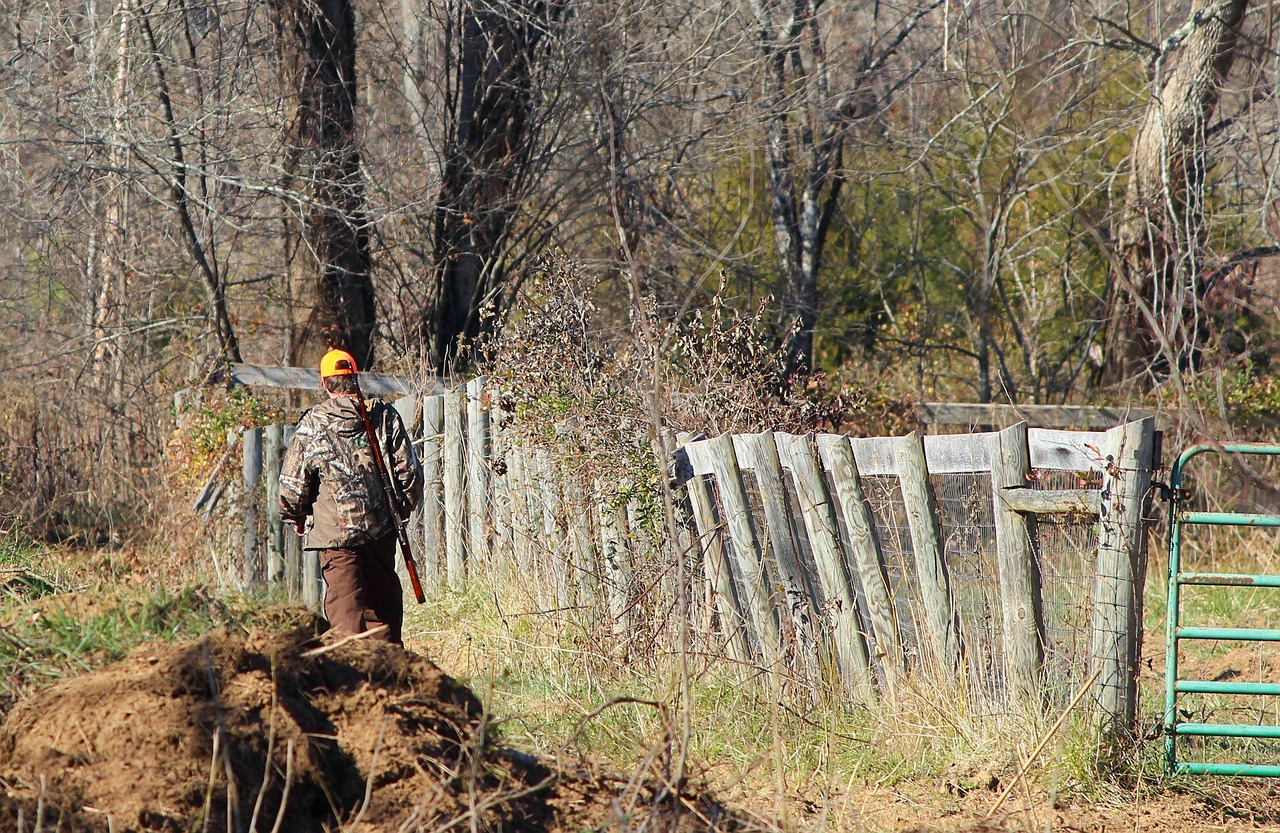
Hunters often point to a simple fact: in the United States, they have paid for a large share of wildlife management for decades. The Pittman-Robertson Act of 1937 placed an excise tax on firearms, ammunition, and later archery equipment, sending billions of dollars to state wildlife agencies. Hunting licenses and tags added another major stream of revenue. According to the U.S. Fish and Wildlife Service and state agencies, that money funded habitat restoration, research, law enforcement, and species recovery.
Hunters also argue that regulated harvest is a practical tool, not just a tradition. In places where deer populations exceed the land’s carrying capacity, overbrowsing can damage forests, suppress tree regeneration, and hurt songbird habitat. Wildlife managers in many states use hunting seasons to control those populations because natural predators are often absent or reduced. Similar arguments are made for wild turkey, elk, and some waterfowl populations.
There is also a cultural argument. Many hunters see themselves as closer to the realities of animal life and death than urban critics who buy meat in packages but condemn hunting. They describe hunting as participation in nature rather than domination of it. For these supporters, a person who eats venison from a legally harvested deer may have a smaller ecological footprint than someone consuming industrially produced beef. That does not settle the moral debate, but it explains why many hunters reject the label of anti-conservation.
Why many conservationists remain deeply skeptical
Conservationists who oppose hunting rarely deny that hunters helped fund wildlife agencies. Their objection is that funding and ethics are not the same thing. An activity can generate money for wildlife and still be questioned on moral grounds, especially when the animal is killed for recreation rather than survival. For critics, the central issue is whether pleasure, tradition, or population management justifies taking animal life in a world with growing nonlethal alternatives.
Another source of skepticism is that wildlife policy has historically centered on game species over whole ecosystems. Deer, ducks, elk, and pheasants often received intense attention because they were hunted and paid for management. Meanwhile, species with no hunting constituency, such as amphibians, nongame birds, and many predators, were often underfunded. That imbalance led to the criticism that North American conservation was not truly neutral science, but partly shaped by the interests of those who used wildlife most directly.
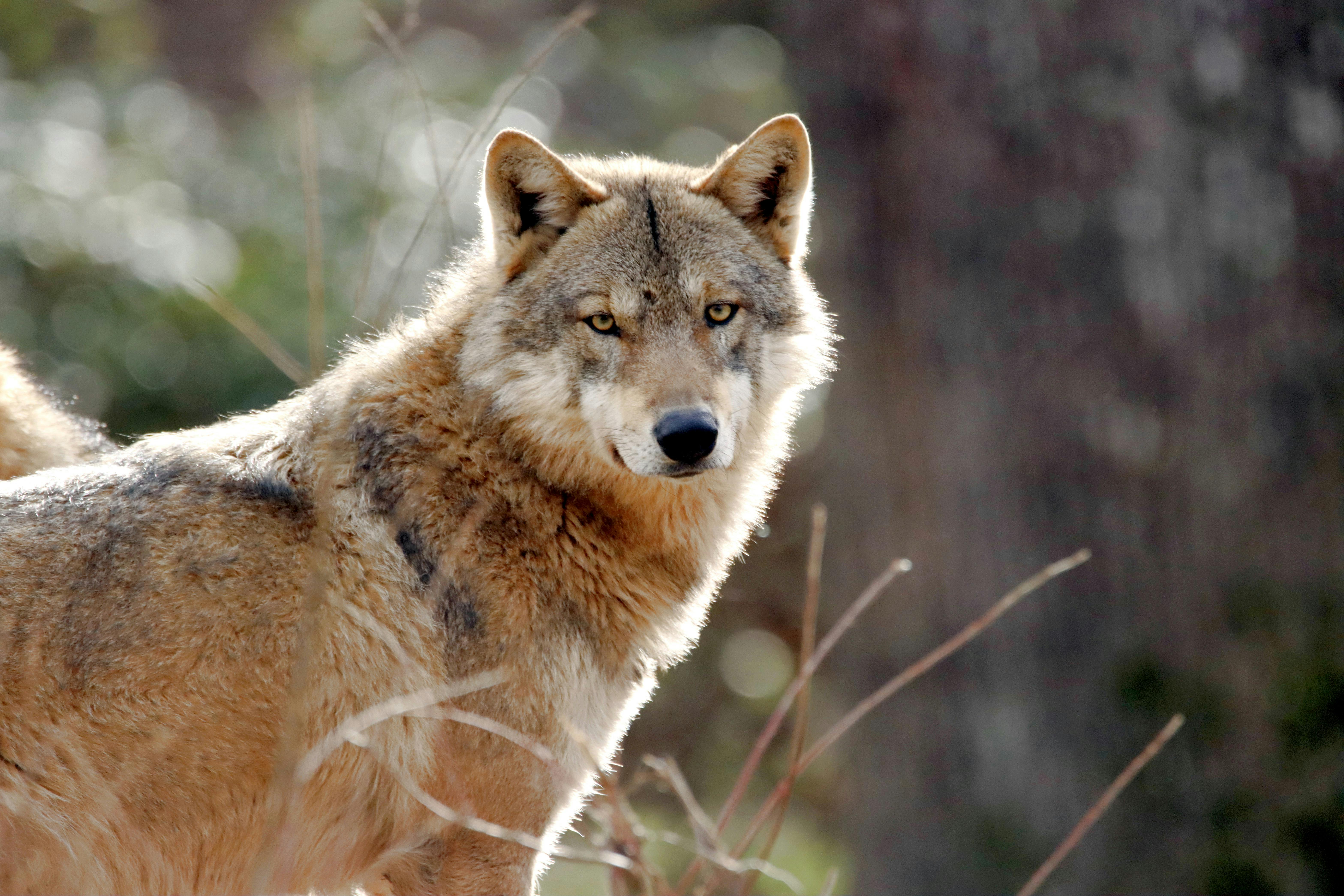
Predator politics sharpened the divide. Wolves, mountain lions, bears, and coyotes have long triggered fierce disputes because some hunters see them as competitors for deer and elk. Many conservationists view that framing as outdated and ecologically damaging. Research in Yellowstone and elsewhere helped popularize the idea that apex predators can regulate ecosystems in complex ways. To critics, calls for aggressive predator removal reveal the limits of the hunter-as-conservationist identity.
The money question keeps driving the argument.
Money is one reason this century-old debate still feels unresolved. State wildlife agencies in the U.S. were built around a user-pay model, with hunters and anglers supplying the core funds. That model worked best when participation rates were high, and game management dominated agency missions. But hunting participation has generally declined as a share of the population, even if total spending remains substantial in many regions. Agencies now face pressure to protect biodiversity far beyond traditional game species.
This has produced a structural tension. Many nonhunters enjoy public wildlife, birdwatching, photography, hiking, and ecosystem services, yet they have not historically contributed through a dedicated funding system comparable to hunting and fishing licenses. Conservation groups have proposed broader funding mechanisms, including taxes on outdoor gear, general appropriations, and biodiversity fees. Those ideas sound sensible on paper, but they often run into political resistance from industries and taxpayers.
As a result, agencies can become financially dependent on the very groups they regulate. Critics say that this can skew priorities toward maximizing huntable populations rather than restoring ecological balance. Defenders counter that without hunters, many agencies would be starved of funds and conservation outcomes would get worse, not better. Both claims contain truth, which is exactly why the argument persists.
Real-world flashpoints keep reopening old wounds.
Few issues expose the divide faster than trophy hunting. Supporters argue that carefully regulated hunts for species such as bighorn sheep or certain African game animals can generate high fees that support habitat and local communities. Some conservation economists have defended limited trophy systems under strict oversight, especially where alternative revenue is weak. Opponents answer that turning rare animals into luxury targets sends the wrong moral message and creates incentives for corruption or overexploitation.
Wolf management in the American West is another recurring flashpoint. Ranchers, hunters, tribal communities, wildlife advocates, and state officials often agree on very little beyond the fact that wolves stir intense emotion. In states such as Idaho, Montana, and Wyoming, debates over quotas and control measures have become proxy wars over what wildlife is for. Is nature something to be balanced around human preferences, or something humans must learn to tolerate even when it disrupts familiar systems?
Urban deer management offers a more local example. Suburban communities often resist both hunting and culling, even when deer numbers contribute to collisions, tick exposure, and vegetation loss. Fertility control is frequently proposed as a humane alternative, but experts note it is costly, logistically difficult, and rarely scalable across large free-ranging populations. These disputes show that even people who dislike hunting may struggle to find workable substitutes.
Science has clarified some things, but not the value.s

Over the past few decades, wildlife science has become more sophisticated, and that has changed part of the conversation. Researchers can model population trends more accurately, estimate sustainable harvest rates, and track animal movements with GPS collars and genetics. A 2024 study may refine the numbers, but it cannot answer a moral question on its own. Science is powerful at telling us what is likely to happen, not what we ought to value most.
That distinction matters because both sides often invoke science while arguing about values. A hunter may say a managed harvest prevents starvation and habitat degradation, and a conservationist may agree on the ecological facts but still reject recreational killing. Conversely, an animal-rights advocate may focus on suffering at the individual level, while a wildlife manager prioritizes population health across landscapes. These are not always disagreements about evidenceThereey are often disagreements abothe ut ethical scale.
Climate change makes this even more complicated. Species ranges are shifting, migration timing is changing, drought is altering forage and water availability, and wildfires are reshaping habitat. In that world, old management assumptions may no longer hold. The debate is no longer just about whether hunting belongs in conservation. It is also about how any conservation system should adapt when nature itself is moving.
Why the debate is still not settled
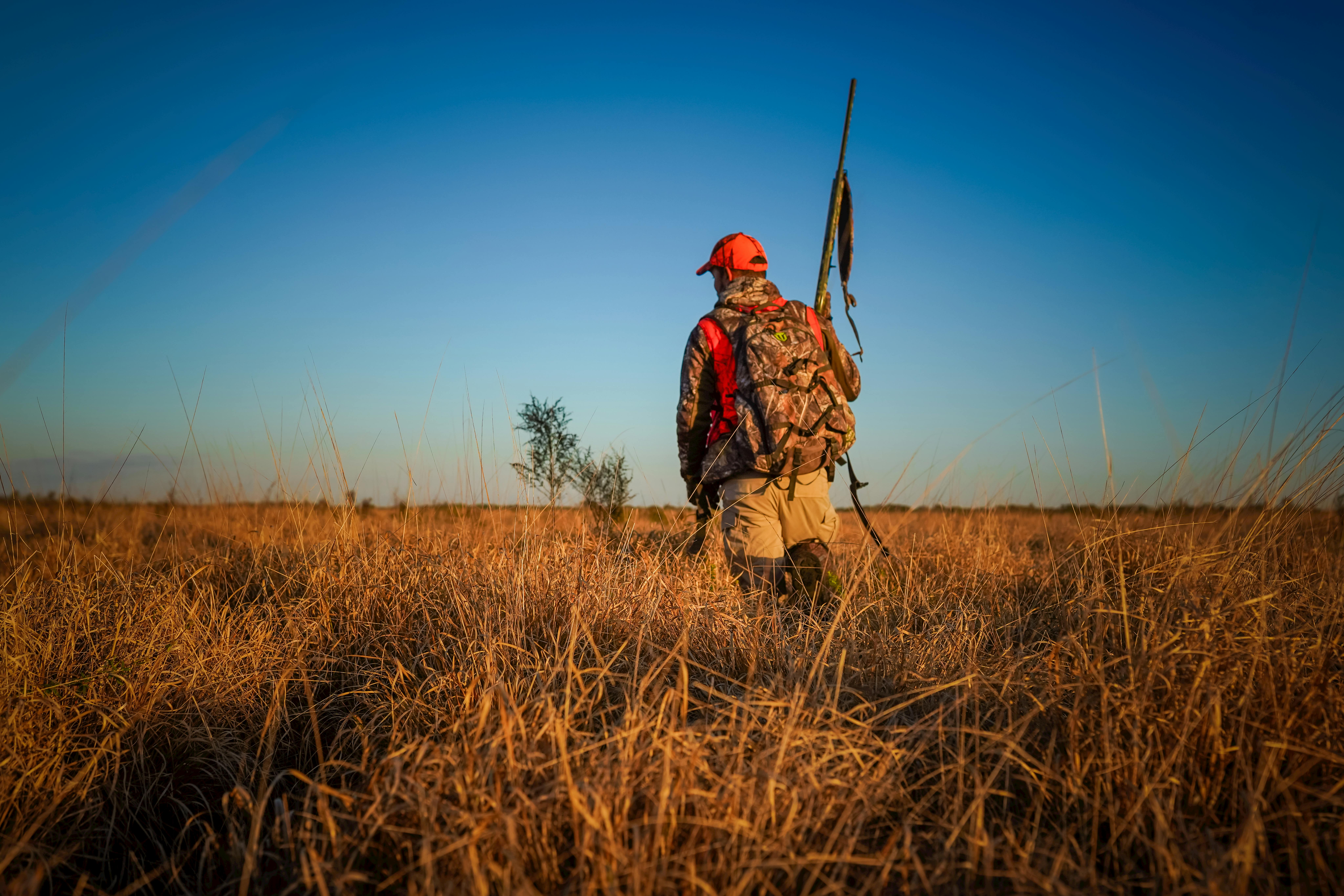
The debate remains unsettled because it is really three debates layered together. One is practical: who pays for conservation and what tools work. Another is ecological: how to manage species within whole ecosystems, including predators and non-game wildlife. The third is moral: whether humans are justified in killing wild animals for food, tradition, or sport, even under tight regulation. People can agree on one layer and clash on another.
There is also a gap between identity and policy. Many hunters genuinely do support habitat protection, public lands, and anti-poaching laws. Many conservationists who dislike hunting still benefit from systems hunters helped build. But identity politics can harden both camps, making compromise feel like betrayal. The result is a debate where each side can point to real successes and real blind spots.
The most honest conclusion is that neither side fully owns conservation. Hunters were central to building modern wildlife management, and that legacy is undeniable. Conservationists expanded the moral circle, pushed attention toward ecosystems and non-game species, and challenged the idea that human use should always come first. A century later, the argument persists because the stakes are not only about animals. They are about what kind of relationship people believe they should have with the natural world.