Many first-time handgun buyers leave the counter with talk about caliber, size, and storage, but almost nothing about what the sights are actually supposed to look like in use. That gap matters, because sight alignment is one of the first skills that shapes confidence, accuracy, and safety. This gallery breaks down the details many beginners wish someone had explained before their first trip to the range.
The front sight matters more than most beginners expect

At the counter, new buyers often hear about barrel length and magazine capacity, but not the fact that the front sight does most of the visual heavy lifting. When the pistol is up, that small post is the part your eyes should favor, even if the target looks a little softer.
That feels backward to many people at first. Human nature says to stare at the thing you want to hit, yet better handgun shooting usually starts when the front sight appears crisp and the rear sight and target become slightly less defined. Once that clicks, groups often tighten fast.
Equal height and equal light is the basic visual check

A simple phrase many experienced shooters live by is equal height, equal light. The top of the front sight should sit level with the top of the rear sight, and the gaps on each side of the front post should look even.
That visual rule is more useful than a lot of beginner gear advice. If one side gap is wider, the muzzle is slightly off. If the front sight sits higher or lower than the rear, the shot can climb or dip. For many new shooters, this quick check becomes the first reliable way to understand why rounds land where they do.
The target may look blurry and that is normal

One of the most reassuring things a first-time buyer can hear is that a blurry target is not a failure. With iron sights, your eyes cannot keep the rear sight, front sight, and target equally sharp at the same time. Something has to give.
For most handgun work, the target is the thing that softens. That can feel unsettling, especially for people who assume accuracy means seeing the bullseye perfectly. In practice, a clear front sight usually delivers more precise hits than chasing a perfectly sharp target ever will. It is a visual tradeoff, not a mistake.
Sight hold changes what you see on the bullseye
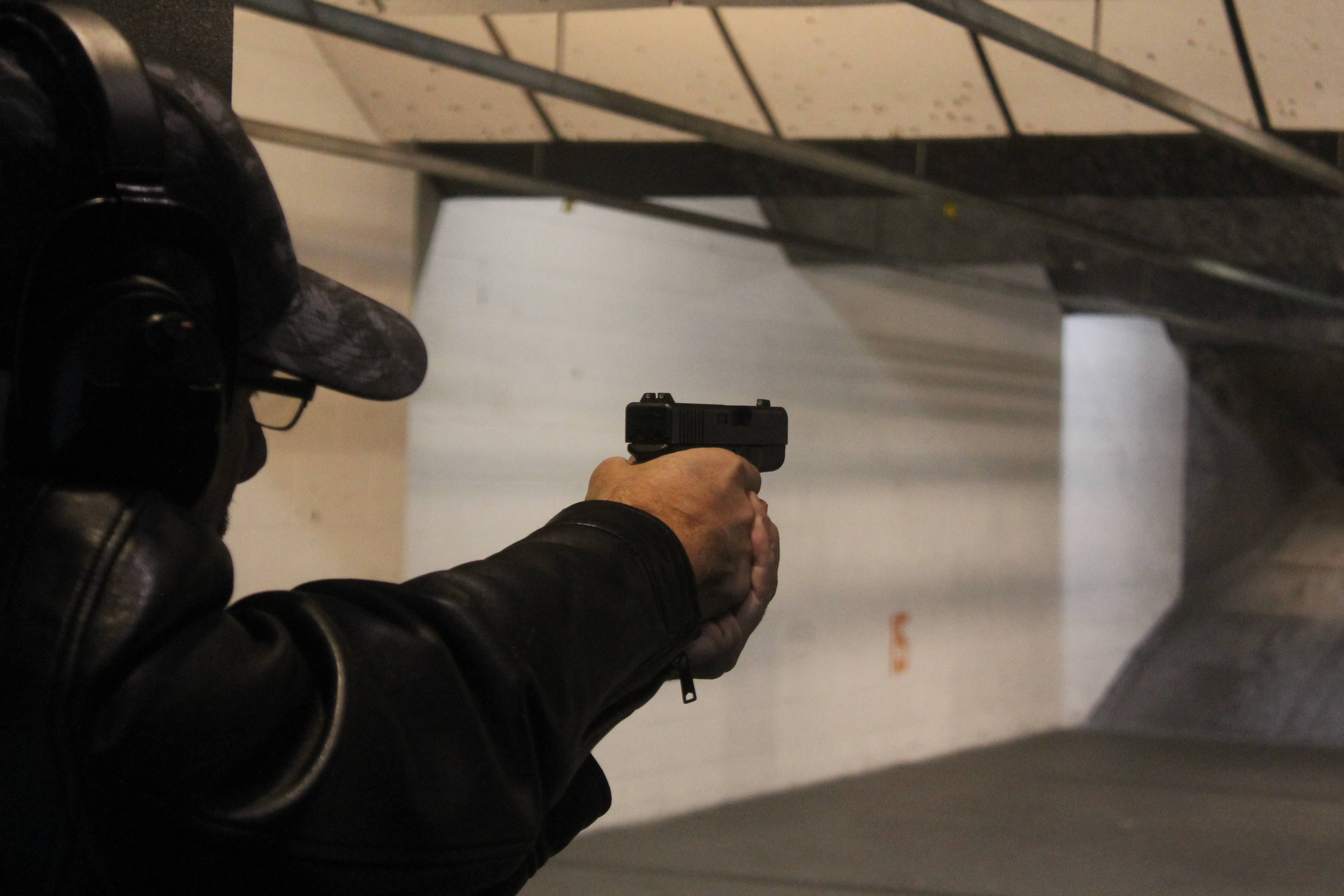
Many first-time buyers are never told there is more than one accepted way to hold the sights on a target. A center hold places the front sight over the intended impact point, while a 6 o’clock hold uses the front sight just under the bullseye.
If you do not know which hold your pistol and target setup favor, confusion comes fast. A shooter may think alignment is wrong when the real issue is using the wrong visual reference. This is one reason range sessions can feel inconsistent at first. The sights may be fine, but the hold is mismatched to the gun or target style.
A tiny alignment error becomes a big miss downrange

At close indoor distances, sloppy alignment can sometimes still look acceptable on paper. That gives beginners false confidence. The problem shows up as distance increases, where a very small visual error at the sights becomes a noticeably larger miss on the target.
This is one reason experienced instructors harp on fundamentals so early. It is not about making shooting feel fussy. It is about understanding geometry. When the front sight is just a little off-center or a hair high, the muzzle angle changes enough that the shot can drift much farther than new shooters expect.
Trigger press can ruin good sight alignment at the last second

A buyer may be told about recoil, but not about how often the trigger is the real thief of accuracy. Even if the sights are aligned perfectly, a jerky or anticipatory press can nudge the muzzle just before the shot breaks and spoil the result.
This matters because beginners often blame the sights for what the trigger hand caused. The best clue is movement in the front sight during the press. If it dips, sways, or snaps sideways, alignment was there for a moment but did not survive the shot. Good shooting is often keeping the sights honest through the trigger break.
Sight visibility matters as much as mechanical accuracy

At the sales counter, people often compare brands by reputation, not by what their eyes can pick up quickly. Yet sight visibility can matter more to practical performance than tiny differences in mechanical accuracy, especially for a new shooter under time pressure.
Front sight color, rear notch width, contrast, and lighting all affect how easily the sights can be read. A set that works beautifully in a bright showroom may feel much slower on a dim indoor lane. For beginners, the best sights are often the ones they can see and interpret fast, not the ones that sound most impressive in conversation.
Dry practice is where sight alignment usually starts making sense
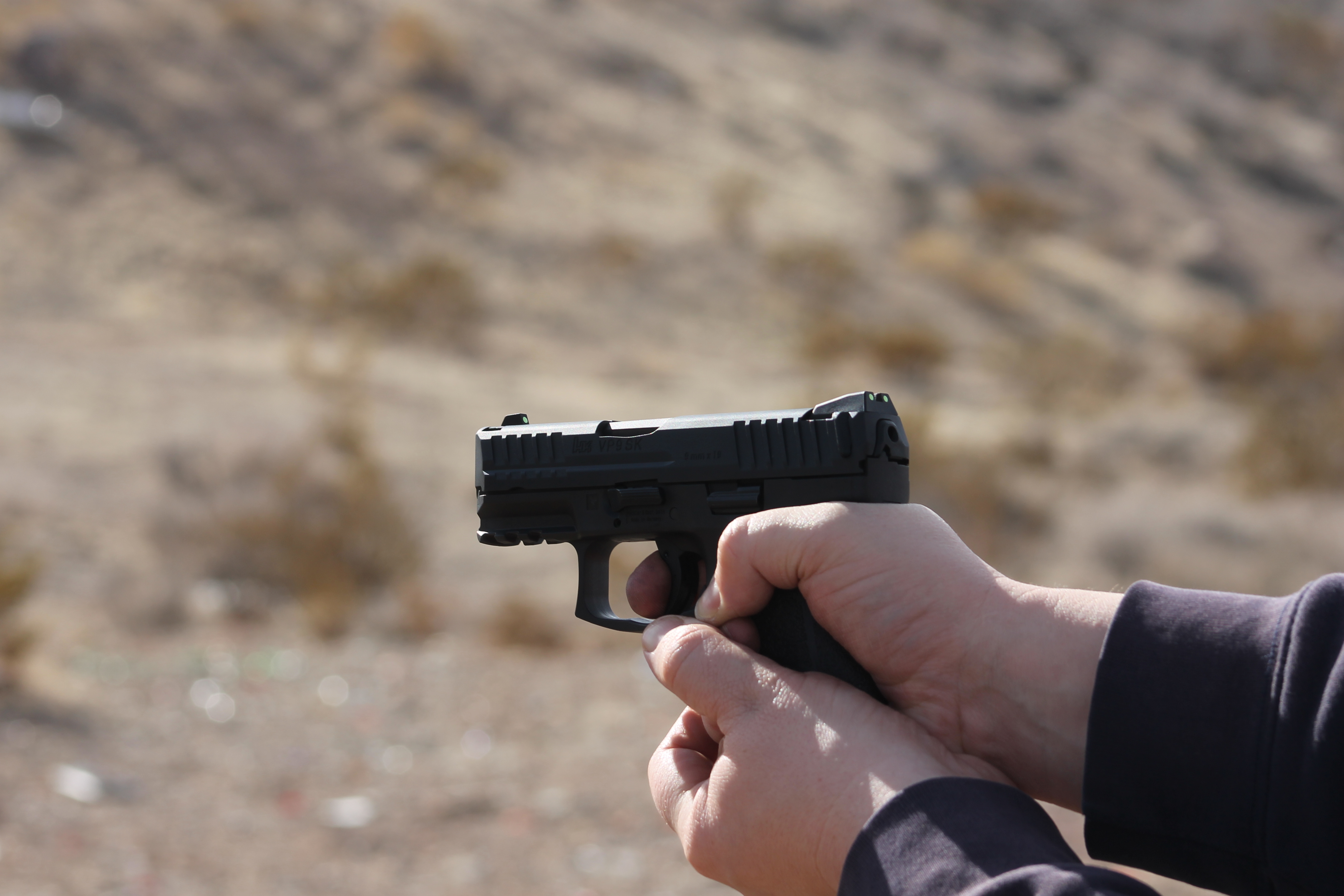
Many people think sight alignment is learned only by firing live rounds, but a great deal of understanding happens before any ammunition is involved. Safe, structured dry practice lets beginners watch the sights closely without recoil, noise, or time pressure scrambling the lesson.
That quiet repetition is where the eye begins to recognize equal height, equal light, and front sight stability during the trigger press. It is also where bad habits become easier to catch. For a first-time buyer, this can be the missing bridge between buying a handgun and actually feeling competent with it at the range.