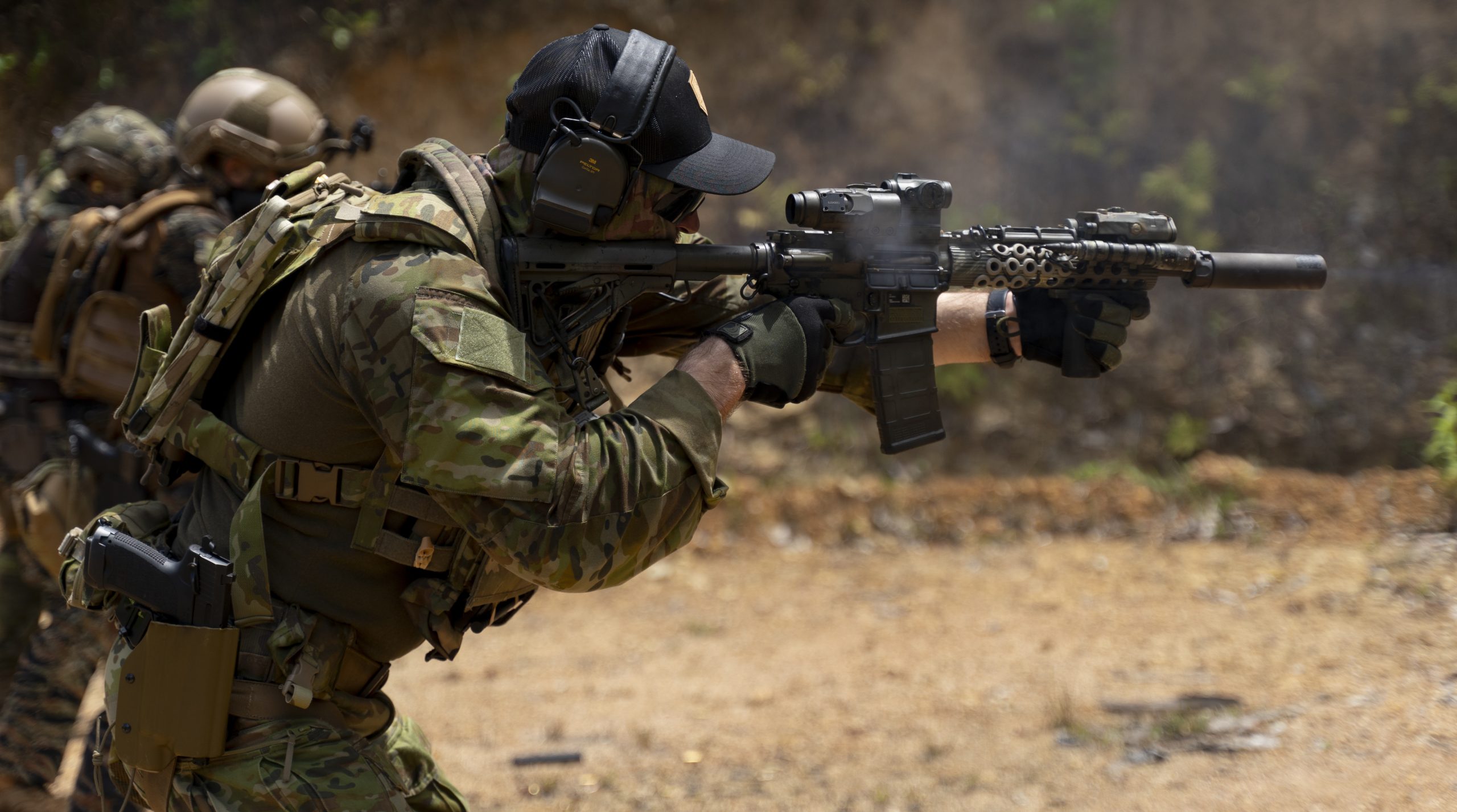
At a glance, many firearms seem like twins. The silhouette, furniture, and controls can be so similar that only a trained eye catches what really sets them apart. This gallery explores ten look-alike guns that deliver very different shooting experiences, from gentle plinkers to hard-kicking heavy hitters.
AR-15 in .223 Remington vs AR-15 in .300 Blackout

Set two AR-pattern rifles next to each other and most people will assume they are the same gun. In many cases, they practically are, sharing the same lower receiver, controls, magazines, and familiar black-rifle profile.
What changes the experience is the chambering. A .223 Remington or 5.56 NATO setup is typically fast, flat-shooting, and light on recoil, making it a favorite for range work and general sporting use.
A .300 Blackout version can look identical but behaves very differently. It throws a heavier bullet, often with a deeper report and a different recoil impulse, and it is especially known for short barrels and suppressed shooting roles.
Glock 17 vs Glock 22
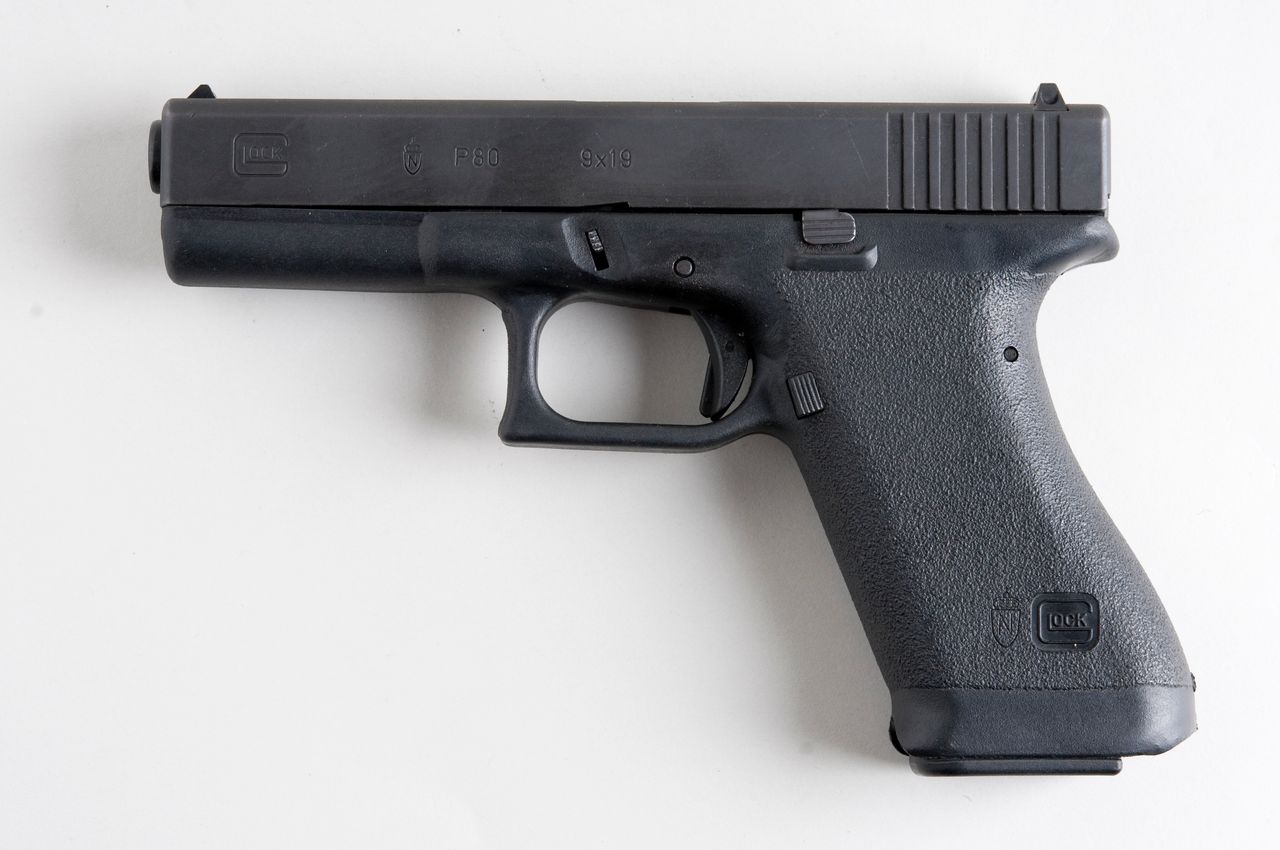
The Glock 17 and Glock 22 are classic examples of visual sameness hiding mechanical difference. To the casual observer, both are full-size polymer pistols with the same squared slide, simple controls, and unmistakable Glock shape.
The split comes when you pull the trigger. The Glock 17 fires 9mm, which is generally easier to manage, cheaper to practice with, and softer in recoil for many shooters.
The Glock 22, chambered in .40 S&W, has a snappier feel and a sharper recoil impulse despite near-identical dimensions. That difference can change follow-up shots, training comfort, and overall confidence, even though the two pistols look almost cloned.
Ruger 10/22 vs Ruger Mini-14
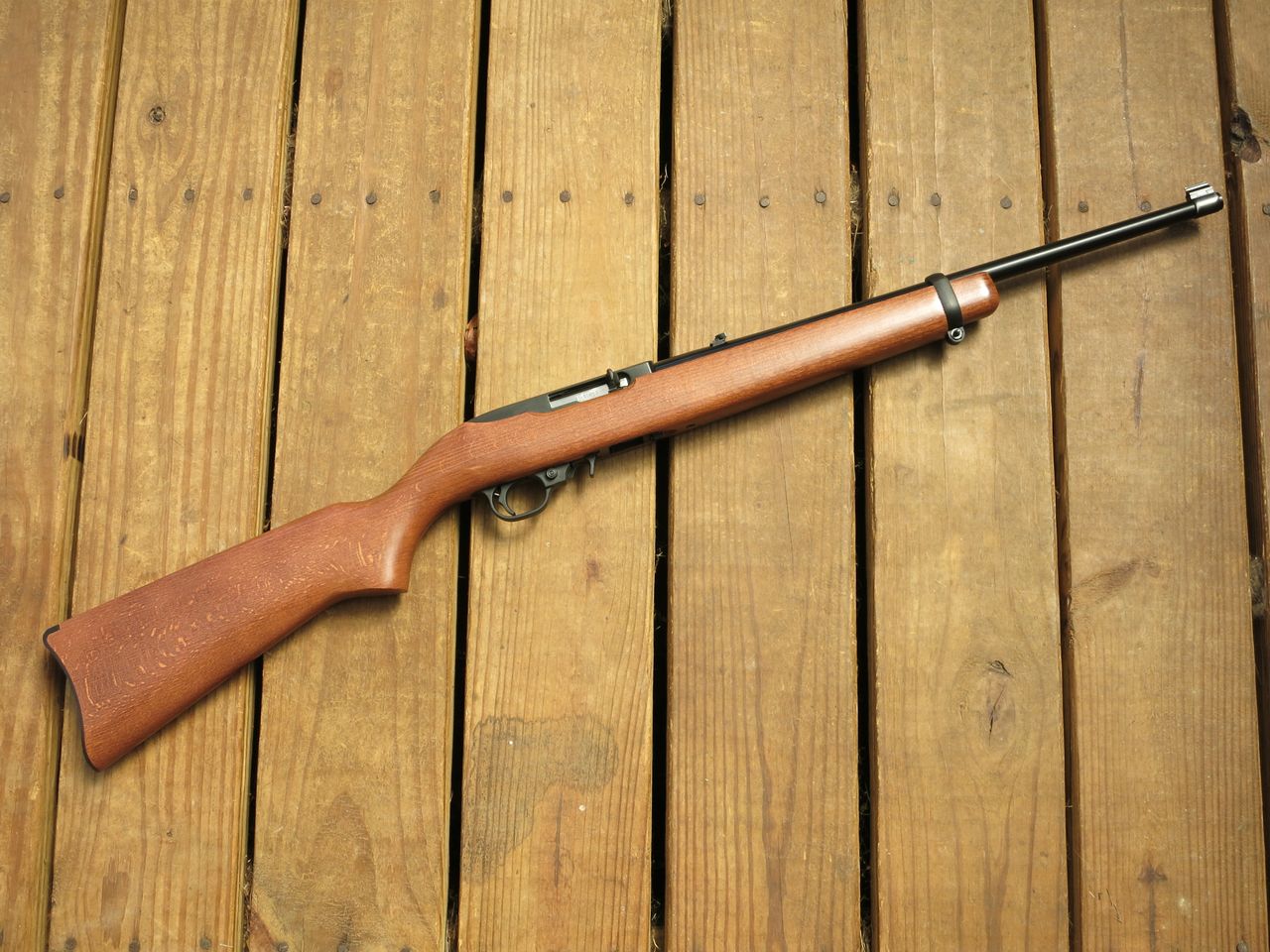
From a distance, the Ruger 10/22 and Mini-14 can give off the same traditional ranch-rifle vibe. Both are slim, handy semi-automatics often seen with wood or synthetic stocks, and both feel more approachable than bulkier tactical designs.
That is where the overlap ends. The 10/22 fires .22 LR, a tiny rimfire round known for low recoil, low noise, and easygoing range sessions that can last all afternoon.
The Mini-14 steps up to centerfire power, most commonly .223 Remington or 5.56 NATO, bringing far more blast, reach, and authority. Their profiles may rhyme, but the shooting experience is separated by an entire category of performance.
Smith & Wesson Model 686 vs Model 617
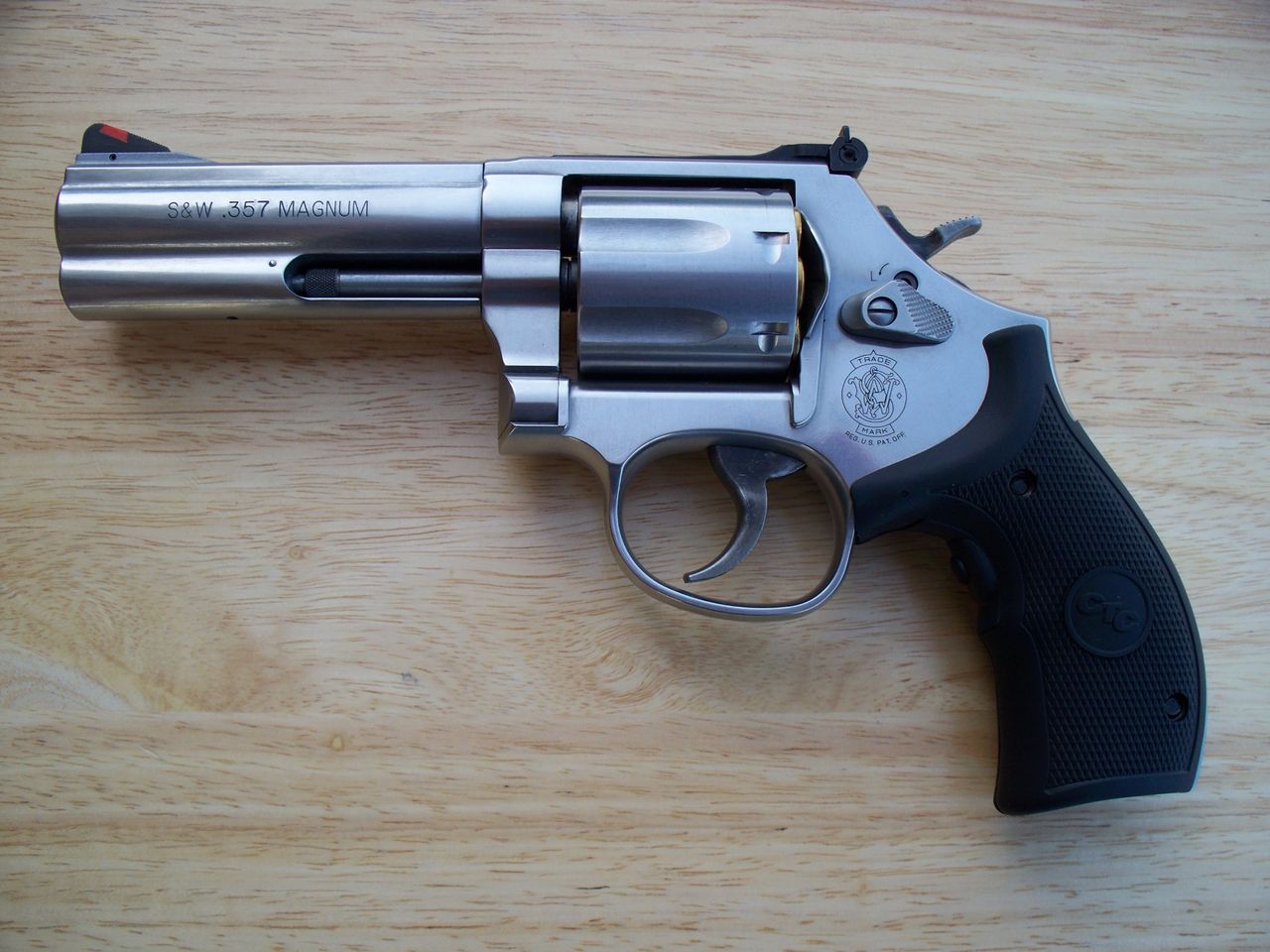
At first glance, these two stainless Smith & Wesson revolvers are almost mirror images. Both often appear with similar barrel lengths, full underlug styling, adjustable sights, and that classic medium-to-large-frame revolver look.
The Model 686 is chambered in .357 Magnum, and even when fired with .38 Special, it still feels like a duty-grade centerfire wheelgun. With magnum loads, recoil and muzzle blast become a major part of the story.
The Model 617, by contrast, fires .22 LR. It offers the same handsome revolver form with almost none of the punishment, turning what looks like a serious fighting revolver into a remarkably gentle training and target companion.
Beretta 92FS vs Taurus PT92
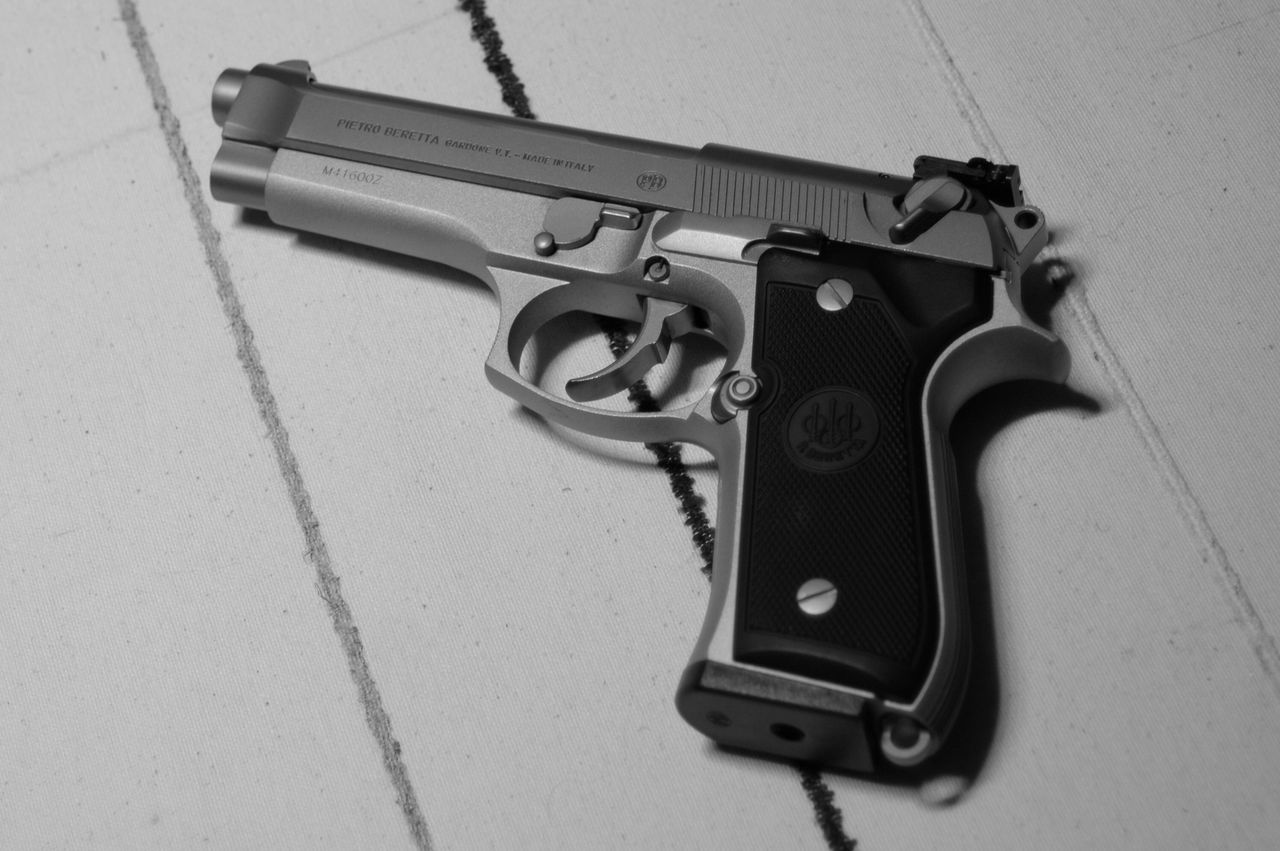
These two pistols share so much visual DNA that many people confuse them instantly. Open-top slides, exposed barrels, alloy frames, and sweeping grip lines make both look like variations of the same iconic service handgun.
Even when chambered in the same 9mm cartridge, they can shoot differently because of design details, weight balance, trigger feel, safety placement, and small dimensional changes. Those nuances matter more than casual buyers often expect.
The Beretta 92FS usually carries a reputation for a particular smoothness and slide behavior, while the Taurus PT92 brings its own handling personality. Similar on the table, they can feel distinct once recoil, controls, and rhythm enter the picture.
Mossberg 500 in 12 Gauge vs Mossberg 500 in .410 Bore

The Mossberg 500 family makes a great lesson in how one platform can house very different personalities. Place a 12 gauge version and a .410 bore version in similar furniture, and their pump-action profiles look nearly interchangeable.
The moment you shoot them, any illusion disappears. A 12 gauge carries serious recoil, substantial muzzle blast, and the kind of authority people associate with classic defensive and hunting shotguns.
A .410 bore Mossberg, meanwhile, is lighter in recoil and often less intimidating for newer shooters. It still handles like a real shotgun, but the shoulder experience is dramatically milder, showing how identical shapes can hide very different levels of kick.
Henry Lever Action .22 vs Henry Big Boy .44 Magnum
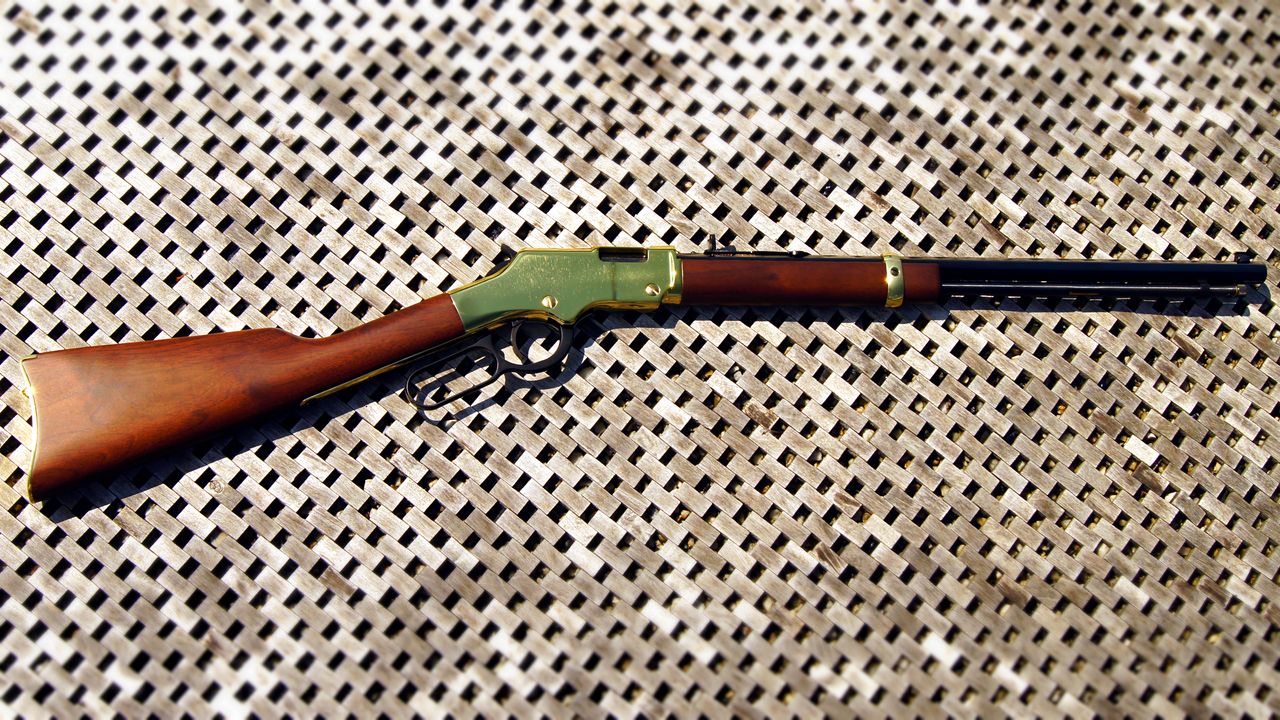
Few things look more classically American than a blued or brass-accented lever gun. In Henry’s lineup, a rimfire lever action and a Big Boy can seem almost interchangeable in photos, especially to anyone not studying receiver dimensions.
The .22 LR version is all about easy shooting. Recoil is barely there, report is modest, and the rifle invites relaxed plinking, small-game use, and long practice sessions without fatigue.
The Big Boy in .44 Magnum changes the tone completely. It brings a heavier shove, more muzzle energy, and a much more forceful report, transforming the same old-school silhouette into something with real thump on both ends of the barrel.
SIG Sauer P320 Full-Size vs SIG Sauer M17
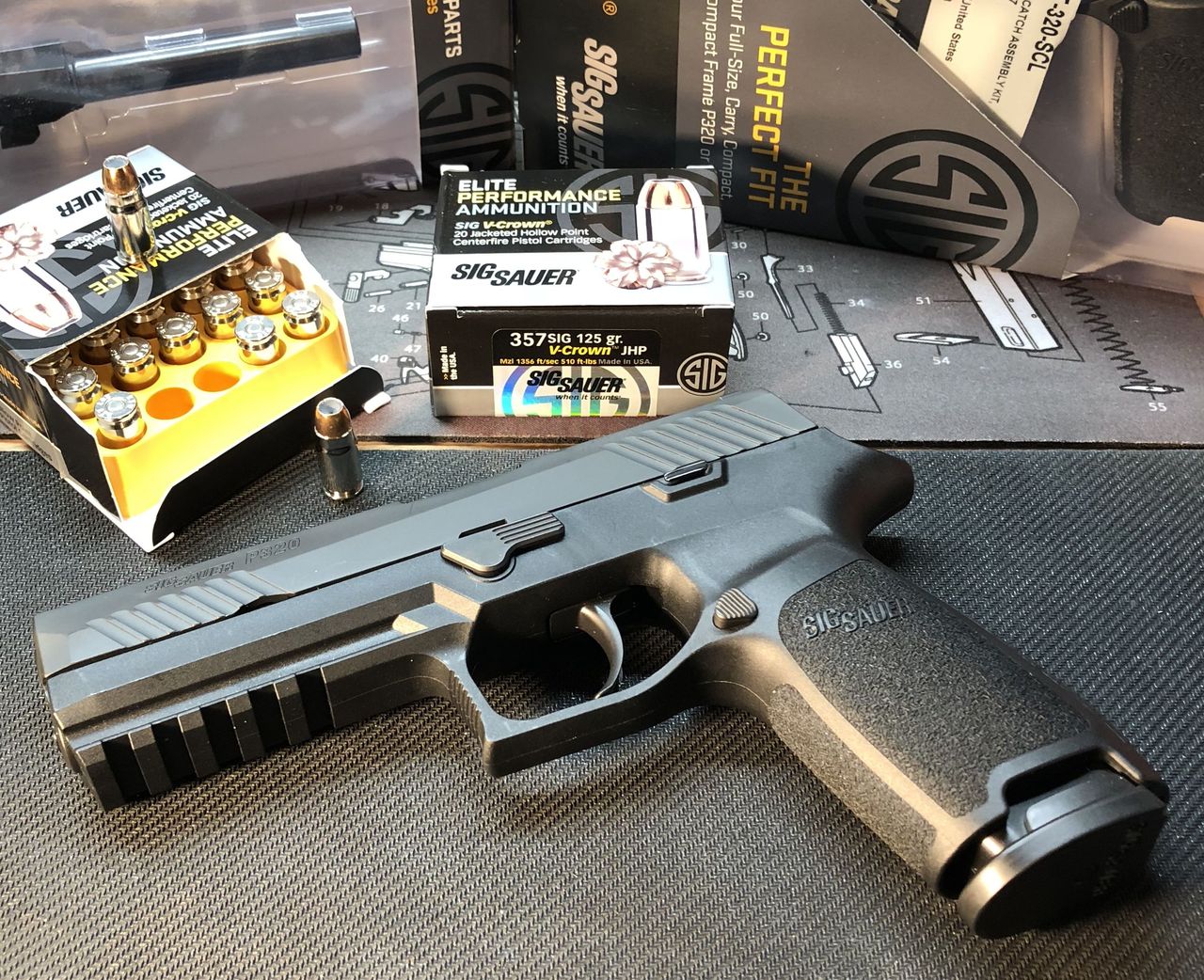
On paper, these pistols are closely related, and visually they are easy to mistake for one another. Both share the P320 family shape, striker-fired layout, and modular feel that has become familiar to many handgun fans.
Yet the M17’s military-oriented configuration can create a different shooting impression. Sights, grip module choices, manual safety presence, and overall setup can alter how the gun points, cycles, and feels under recoil.
Even with the same 9mm chambering, practical shooting is not just about caliber. Small ergonomic and configuration changes influence speed and comfort, which is why two pistols that look nearly identical can still leave very different impressions on the firing line.
AK-47 in 7.62×39 vs AK-74 in 5.45×39
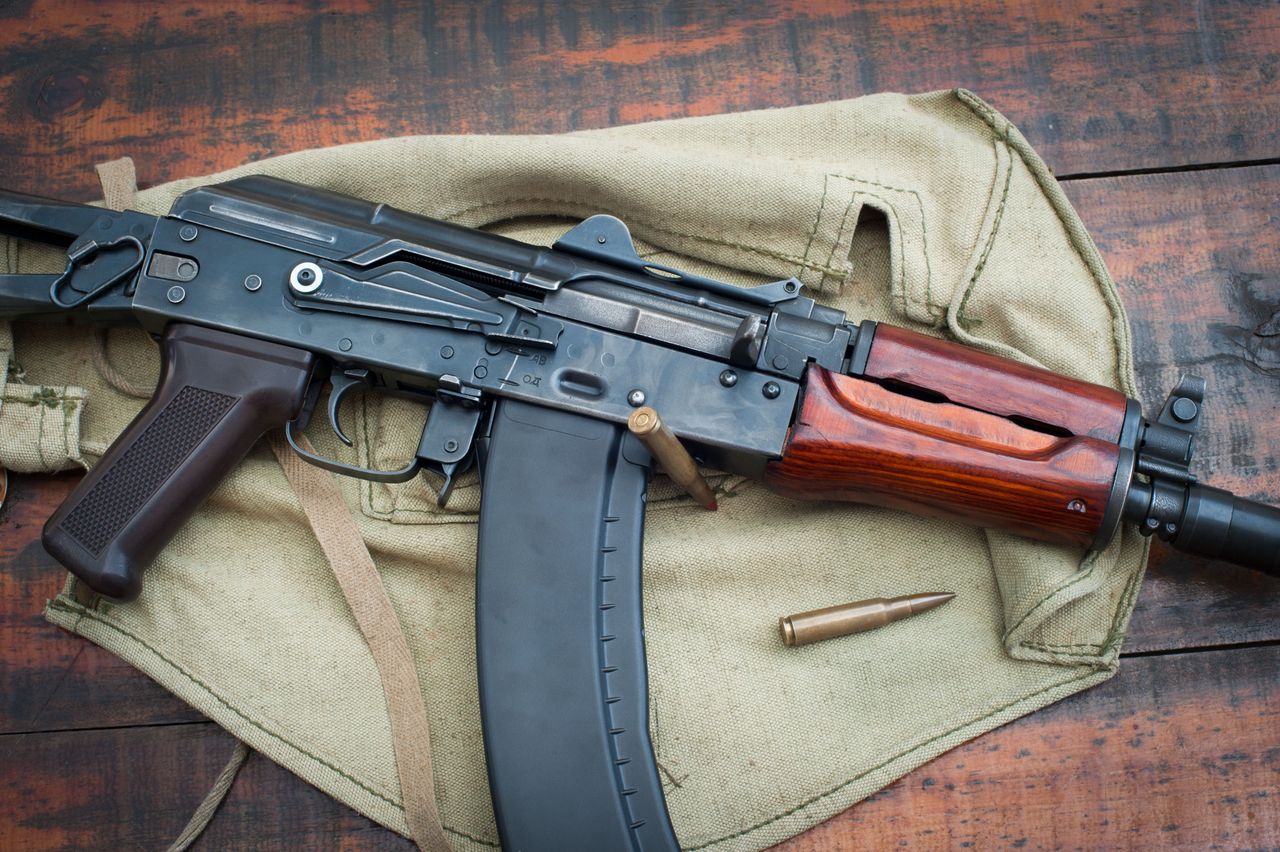
To many non-enthusiasts, an AK is just an AK. The stamped steel receiver, curved magazine, and unmistakable silhouette make the AK-47 and AK-74 look like close siblings, especially from a few feet away.
Their cartridges tell a different story. The 7.62×39 AK-47 is known for a heavier push, a larger bullet, and a more robust feel that many shooters describe as classic and authoritative.
The 5.45×39 AK-74 generally shoots flatter and softer, with a lighter recoil character that can feel surprisingly quick and controllable. Same family, same visual identity, but a distinctly different rhythm once rounds start going downrange.
1911 in 9mm vs 1911 in .45 ACP
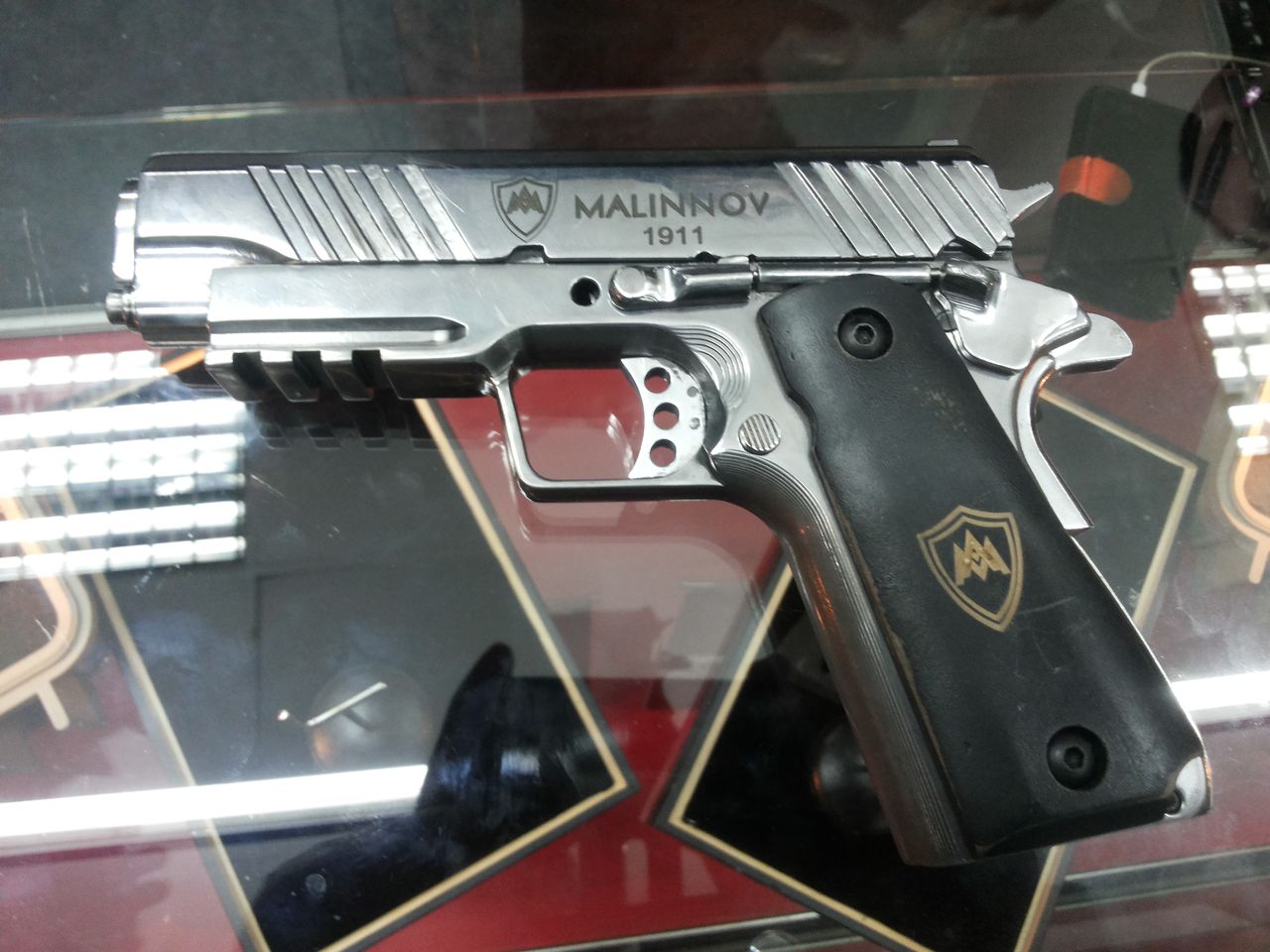
A Government-style 1911 has one of the most recognizable shapes in handgun history. If two examples wear the same finish, grips, and barrel length, almost nobody can tell the chambering by looks alone.
Shoot a 9mm 1911 and you often get a softer, flatter impulse paired with that famously crisp single-action trigger. It feels refined, fast, and approachable, especially for longer practice sessions.
Move to .45 ACP and the personality changes. The recoil is usually more of a rolling push than a snap, but there is more mass and more presence in every shot. Same silhouette, same controls, very different flavor once the trigger breaks.