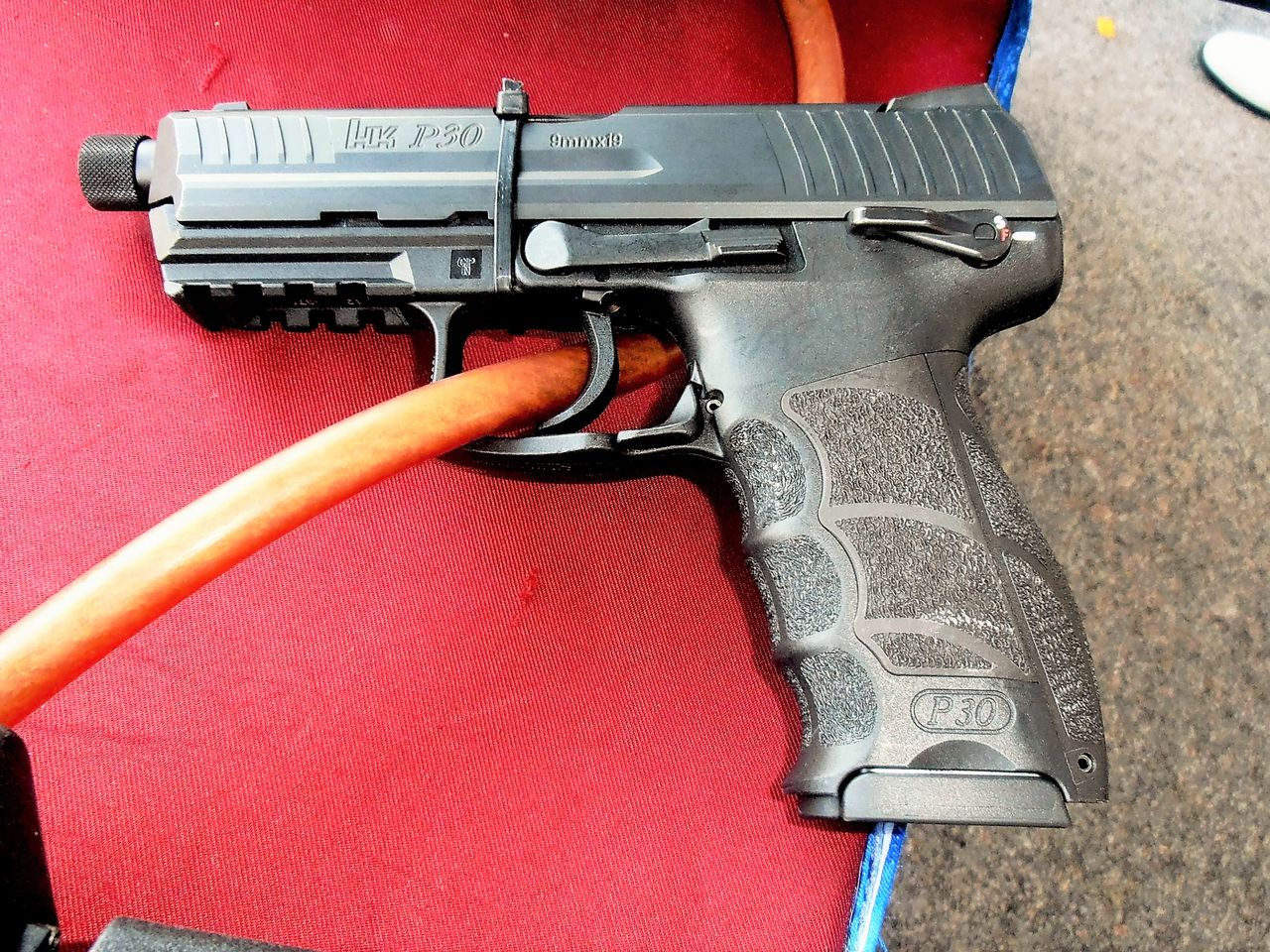
The H&K P30 earned respect for its ergonomics, reliability, and refined feel, yet it never quite became a breakout favorite in the American handgun market. When the pistol that followed arrived, it connected more directly with changing tastes, training trends, and buying habits. This gallery explores the biggest reasons the P30 stayed admired by enthusiasts while its successor found a wider audience.
The Trigger System Felt Out Of Step
The P30 arrived with a reputation for quality, but its traditional double-action and single-action setup was never the easiest sell in an American market moving hard toward simpler striker-fired pistols. For many buyers, the first long trigger pull felt like a training hurdle rather than a feature.
That shift mattered more than it might seem. As concealed carry grew and first-time owners entered the market, people increasingly wanted one consistent trigger press from the first shot to the last. The pistol that followed lined up better with that expectation, making it feel more modern and easier to adopt.
It Entered A Market Dominated By Simplicity
By the time the P30 was trying to win American buyers, Glock had already set the tone for what a practical duty and carry pistol should look like. Simple controls, fewer variations, and a straightforward manual of arms had become the benchmark for police, civilians, and trainers alike.
The P30 was not complicated in a bad way, but it asked users to buy into a more European style of handgun design. Decocker placement, multiple trigger variants, and H&K-specific features made it feel a bit more specialized. The pistol that followed came across as a cleaner answer to what the market was already demanding.
Price Worked Against Wider Adoption
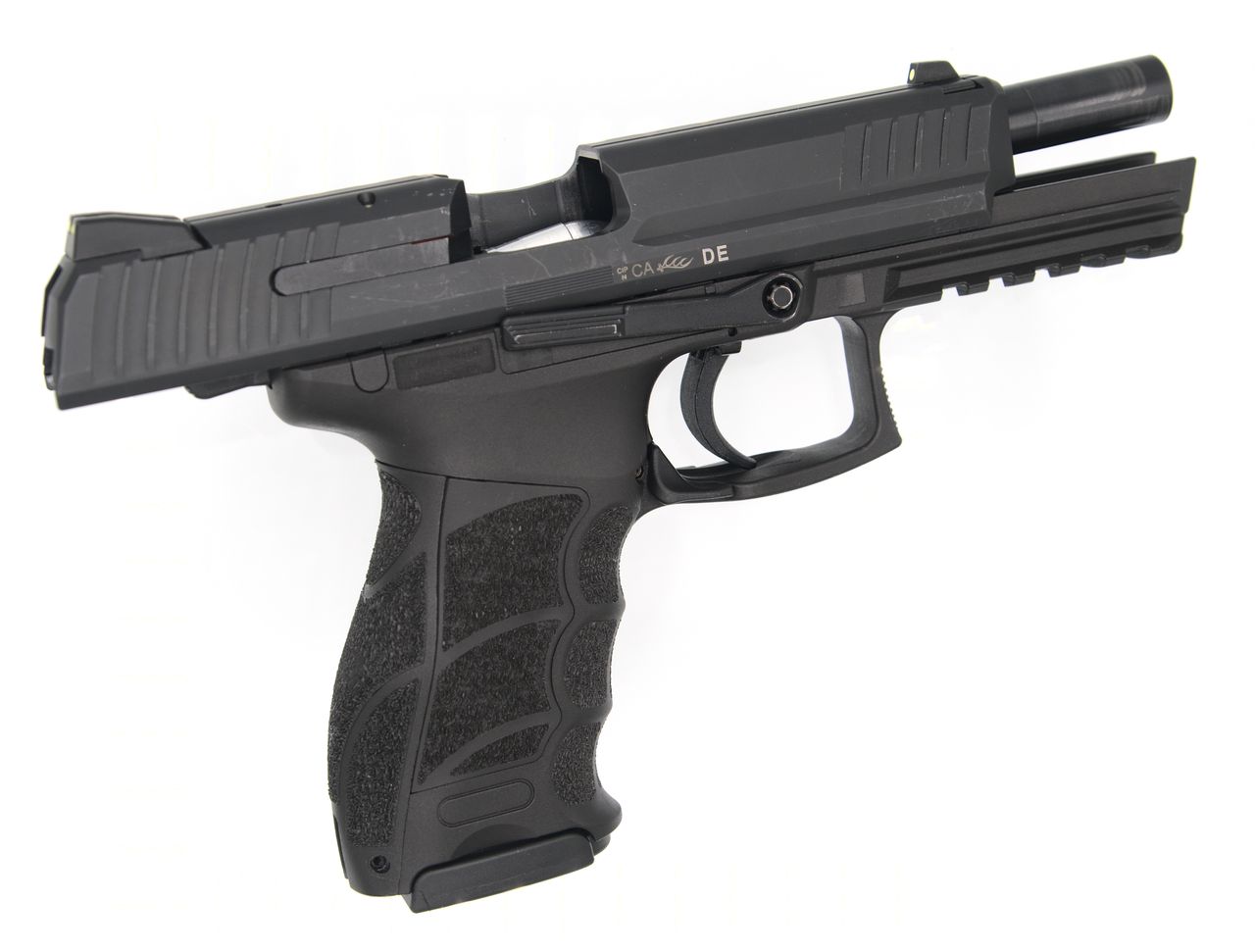
H&K has long carried a premium image in the United States, and the P30 reflected that. Buyers often saw a pistol that was well made and durable, but also noticeably more expensive than competing options that were already trusted for defense, duty, and range use.
That gap becomes even more important when magazines, holsters, and extra training are part of the total cost. For many Americans, especially newer handgun owners, value often beats refinement. The pistol that followed still lived in the H&K world, but it arrived with a stronger sense of being worth the premium because it matched current preferences more directly.
Aftermarket Support Never Reached The Same Level
In America, popularity is rarely about the gun alone. It is also about holsters, sights, trigger work, magazine availability, spare parts, and how easy it is to get recommendations from instructors and other owners. The P30 had support, but not the kind of massive ecosystem that pushes a pistol into everyday mainstream status.
That difference shapes buying confidence. When a pistol has endless accessory choices and easy parts access, it feels safer to invest in. The P30 often landed in the respected but niche category, while the model that followed benefited from stronger momentum in the broader market conversation.
The Successor Matched American Taste Better

Sometimes a good firearm simply gets overshadowed by a better-timed one. The P30 was comfortable, accurate, and highly regarded by many shooters, but its successor arrived when the American market had become more focused on striker-fired operation, optics readiness, and standardized training across users.
That made the newer pistol feel less like an adjustment and more like a direct answer. It fit what departments were adopting, what civilians were requesting, and what reviewers were praising. The P30 remained a polished and capable handgun, but the pistol that followed looked more like the future, and that usually wins in America.