
Bears get most of the attention when people imagine dangerous wildlife, but they are far from the only animals capable of seriously injuring people. In the United States, official mortality data show that dogs, livestock, and stinging insects account for far more fatal animal encounters than many famous predators. A 2018–2023 analysis recorded 1,604 animal-related deaths, with hornets, wasps, and bees accounting for 31% and dogs for 26.2%. The danger often comes from ordinary encounters rather than dramatic wilderness attacks.
1. Dogs Can Turn Familiar Encounters Dangerous
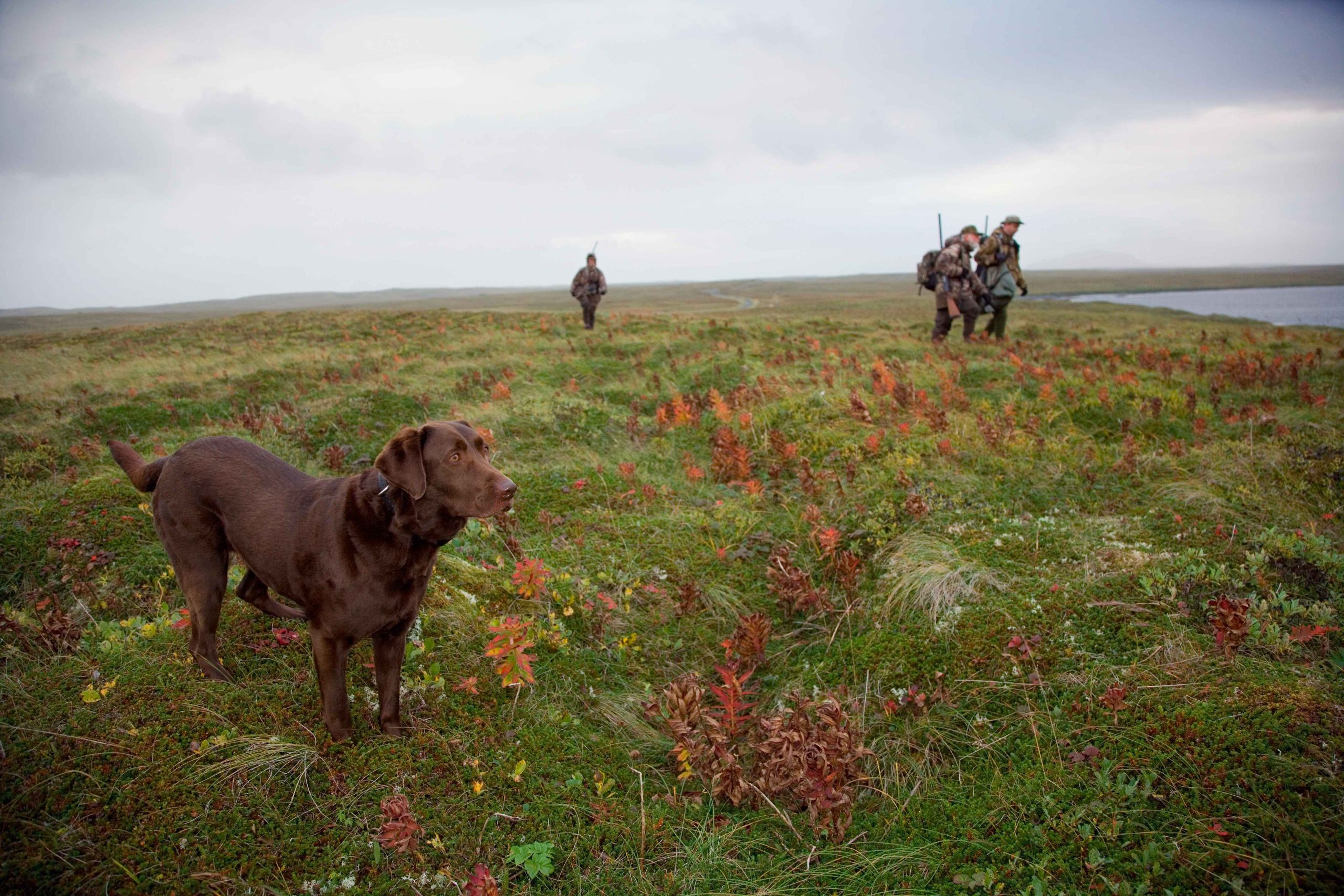
Dogs may look harmless because they live beside people, but their familiarity can make people underestimate their strength and behavior. From 2018 through 2023, U.S. data recorded 420 deaths involving dogs, representing 26.2% of all animal-related fatalities in that study. Children are particularly vulnerable, with young children accounting for a substantial share of fatal dog encounters. Risk increases around unfamiliar, frightened, injured, chained, or poorly controlled animals. Never assume a wagging tail means a dog wants contact. Give unknown dogs space, avoid sudden movements, and never disturb one while it is eating or protecting puppies.
2. Cattle Can Injure People Without Looking Aggressive
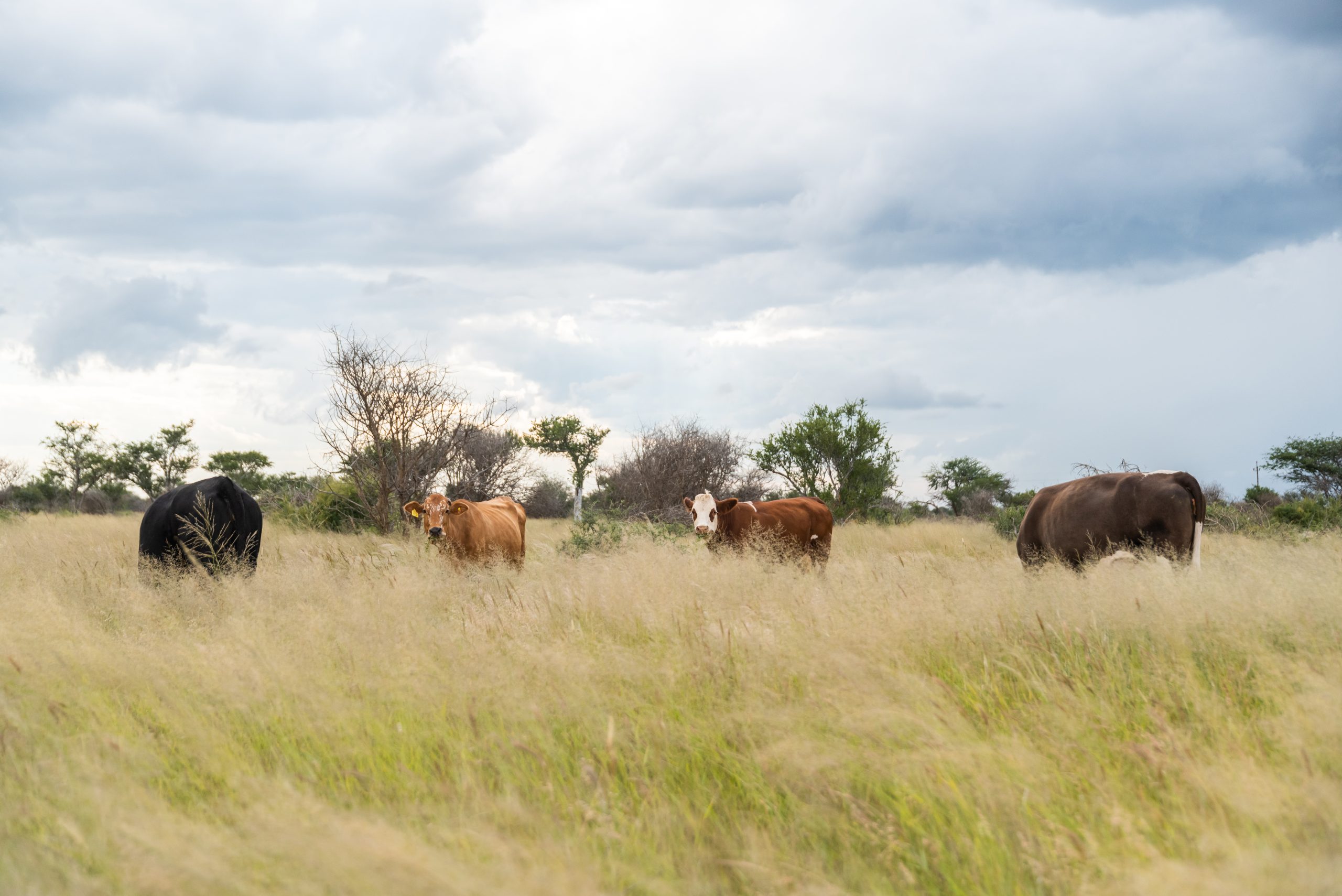
Cattle rarely receive the same attention as predators, yet their size alone makes them potentially dangerous. They can weigh more than 1,000 pounds and can injure people by charging, kicking, crushing, or trampling. Research covering 2008–2015 found that “other mammals,” a category dominated by animals such as cattle and horses, produced the largest share of nonvenomous animal fatalities. Risk can rise when cattle are protecting calves, are startled, or are crowded in confined spaces. Never walk directly through a herd if another route exists. Keep dogs away from livestock, maintain an escape path, and avoid assuming that a quiet animal cannot react suddenly.
3. Horses Can Cause Serious Injuries in Seconds

A calm horse can become dangerous remarkably quickly because of its weight, speed, and powerful legs. Horses may kick, bite, rear, or knock someone down, and a person can suffer severe trauma without the animal intentionally attacking. Historical U.S. mortality research consistently places horses among the major contributors within the “other mammals” category. A horse’s field of vision is also different from a human’s, so approaching suddenly from behind can startle it. Stay where the animal can see you, approach calmly, and avoid standing directly behind its hindquarters. Children should never be allowed to approach or handle a horse without close adult supervision.
4. Bees Can Be Deadlier Than Their Size Suggests
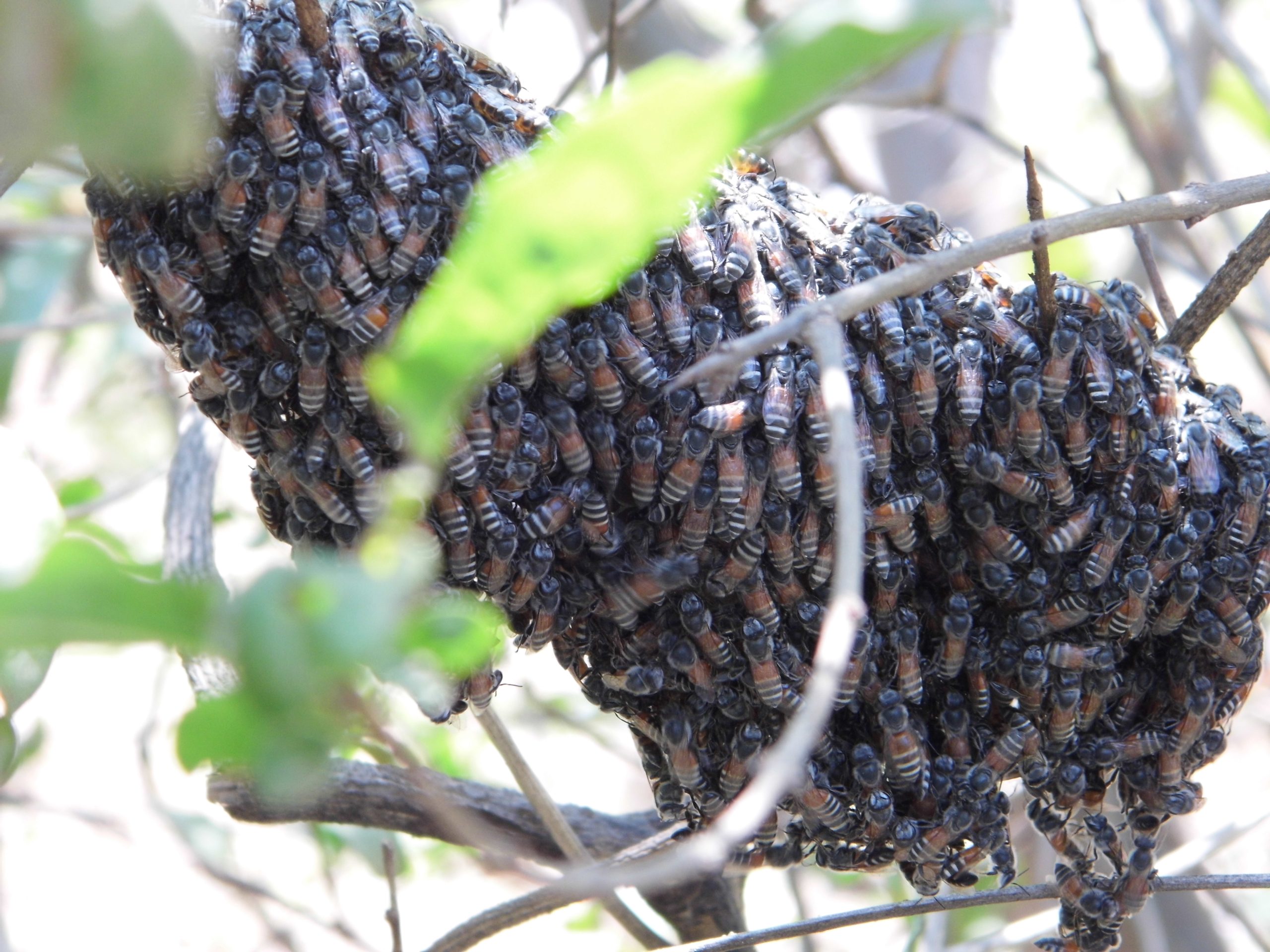
A single bee is tiny compared with a bear, but the medical danger comes from venom and allergic reactions rather than physical strength. From 2018 to 2023, hornets, wasps, and bees were associated with 497 U.S. deaths, or 31% of all animal-related fatalities recorded in the study. Most stings are not fatal, but people with severe allergies can develop anaphylaxis rapidly. Multiple stings also create greater danger. Avoid disturbing nests, hives, or swarms, particularly when working outdoors. If someone develops breathing difficulty, swelling, dizziness, or signs of collapse after a sting, treat it as a medical emergency and seek immediate help.
5. Wasps Defend Their Territory in Numbers
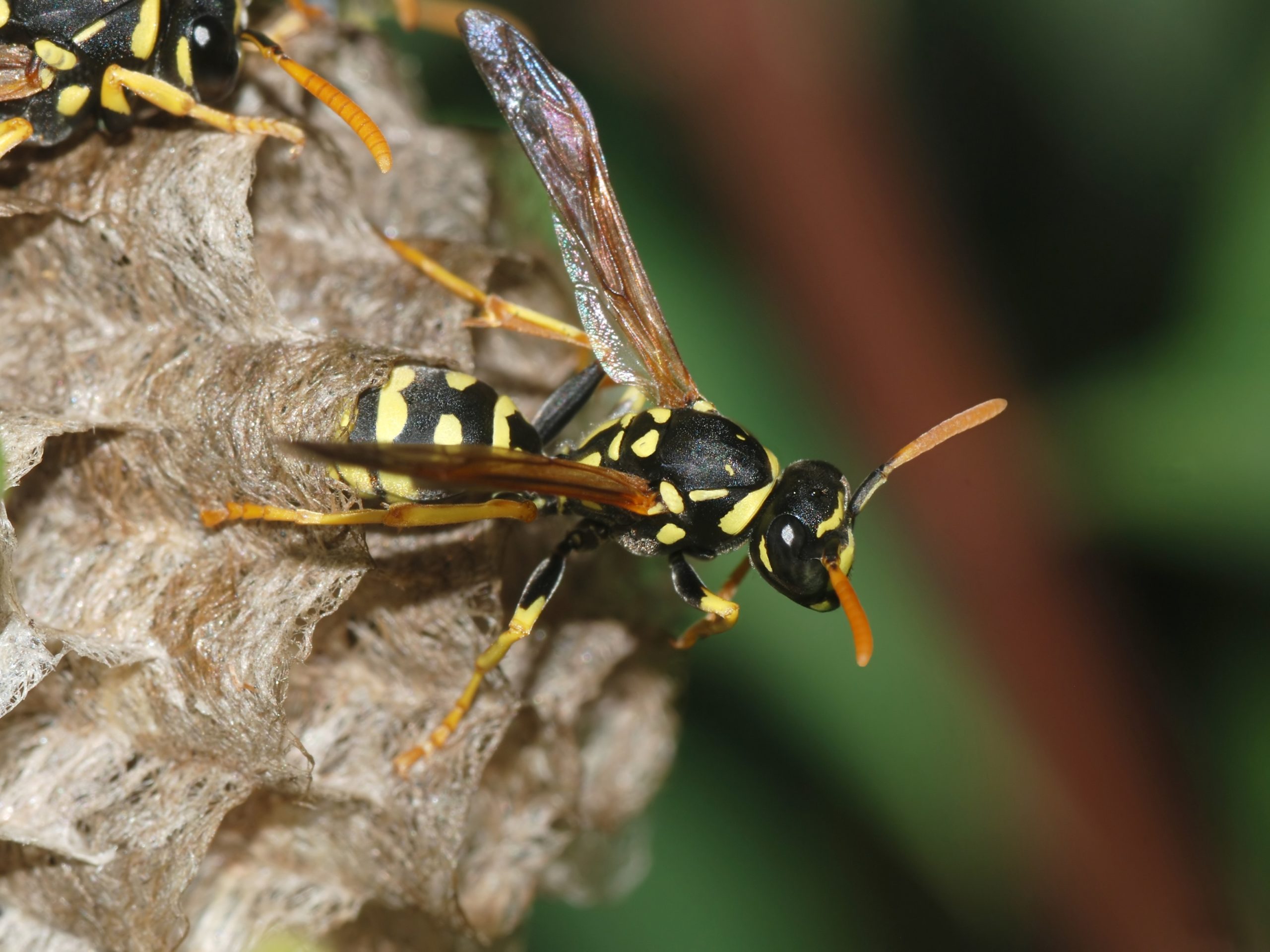
Wasps deserve separate attention because disturbing a nest can produce a very different encounter from an isolated sting. Unlike a lone insect, multiple defensive wasps may emerge when their nest is threatened. In the 2018–2023 U.S. fatality analysis, hornets, wasps, and bees together accounted for 497 deaths, making this group the leading recorded cause of animal-related fatalities. People working around sheds, roof spaces, trees, fences, or abandoned structures can accidentally disturb hidden nests. Do not poke, burn, or strike a nest to see what happens. If a swarm becomes active, move away quickly and calmly, preferably toward an enclosed location, while protecting your face.
6. Bats Can Carry a Disease With Almost No Warning
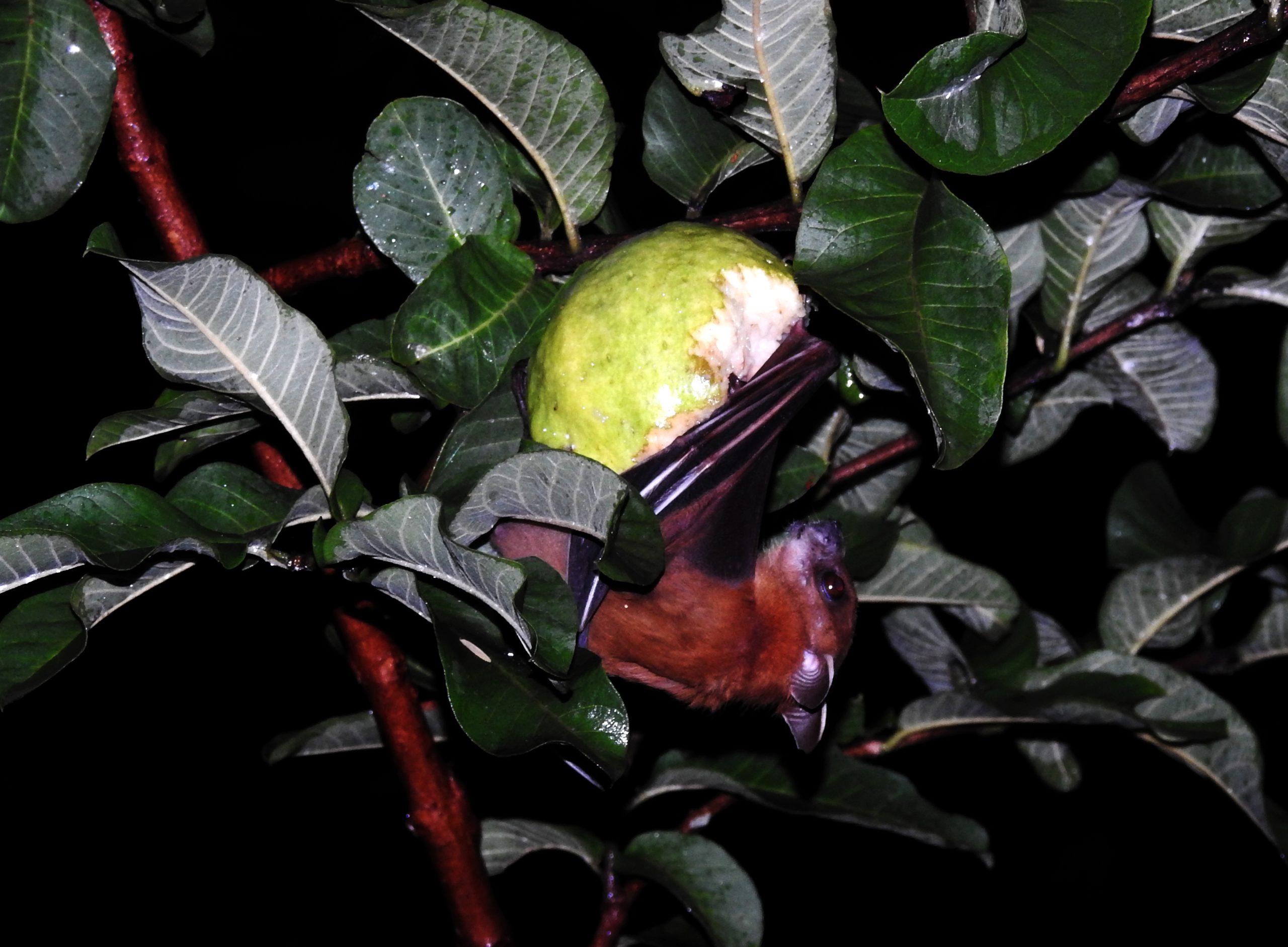
Bats are generally shy and pose little danger when left alone, but an unusual encounter should never be dismissed. Their major concern is rabies, a disease that becomes almost universally fatal once clinical symptoms develop. In the United States, CDC data found that 62 of 89 domestically acquired human rabies cases from 1960 through 2018 were associated with bats. A bite may be tiny enough to go unnoticed, particularly while someone is sleeping. Never handle a grounded, sick, or unusually approachable bat with bare hands. If physical contact may have occurred, wash the area and seek urgent medical advice about rabies exposure and post-exposure treatment.
7. Raccoons Look Cute but Can Bite and Carry Rabies

Raccoons often live surprisingly close to people, which can make them seem more like neighborhood pests than dangerous wildlife. Their claws and teeth can cause serious injuries, while rabies makes an unexpected bite or scratch particularly important. In one CDC investigation of 1,173 post-exposure treatment cases, raccoons accounted for 589 wildlife-related exposures, about 75% of that group. Never corner a raccoon, attempt to hand-feed one, or approach an animal behaving strangely. Secure garbage and pet food around homes, because easy food can encourage repeated visits. Any bite or scratch from a potentially rabid animal should receive prompt medical evaluation.
8. Deer Can Become Dangerous During the Wrong Moment

Deer are usually associated with peaceful forest scenes, but their size and speed can make them hazardous when startled or cornered. A frightened deer can kick, charge, or collide with a person, while vehicle collisions create another major source of injury. Problems can become more likely during breeding periods, when bucks may behave more aggressively, or when does are protecting young. Never approach a wild deer simply because it appears accustomed to people. Keep dogs controlled and give the animal an escape route. If a deer is blocking a trail, road, or yard, backing away is safer than trying to force it to move.
9. Cats Can Cause More Trouble Than Their Size Suggests

Domestic cats rarely cause life-threatening injuries, but bites and scratches should not automatically be treated as insignificant. Cat bites can introduce bacteria deep into tissue because their narrow teeth can create small puncture wounds that close quickly. In a CDC investigation involving 1,173 rabies post-exposure cases, domestic cats accounted for 205 exposures, compared with 165 involving dogs. Stray or unfamiliar cats deserve extra caution, particularly when they behave abnormally. Do not grab a frightened animal with your bare hands. Wash any bite or scratch thoroughly and seek medical advice when the wound is deep, infected, or involves an animal whose vaccination status is unknown.