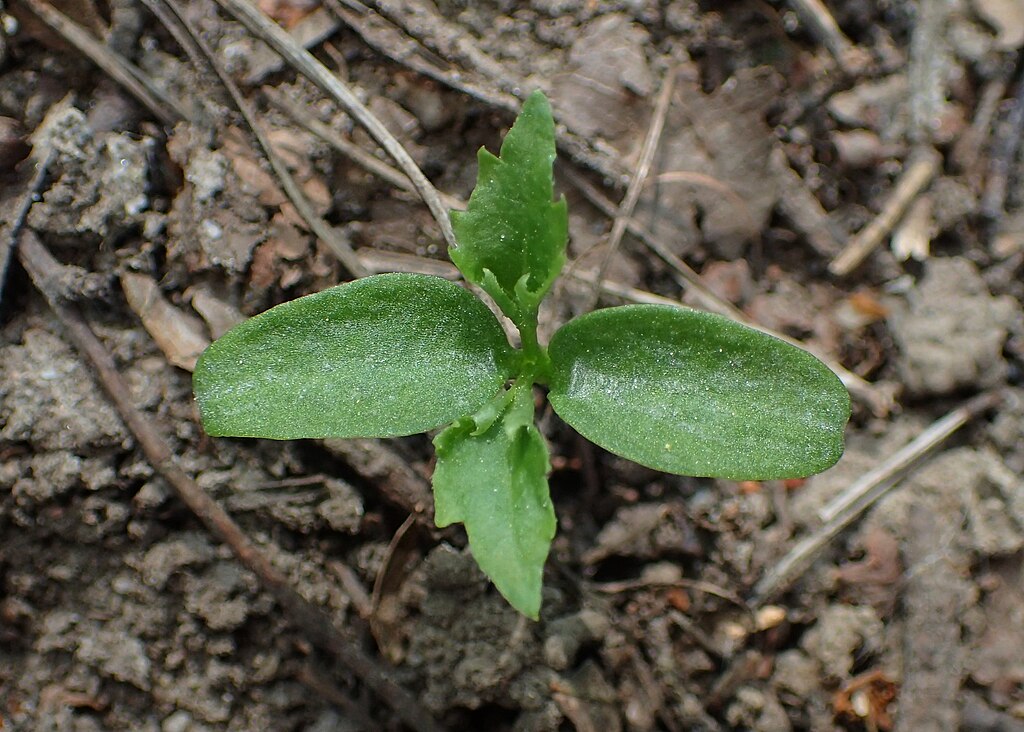
Firecraft is an essential bushcraft skill, yet few outdoor enthusiasts realize that some plants can turn an ordinary campfire into a dangerous source of toxic fumes. Certain species release harmful chemicals when burned, and inhaling that smoke can irritate the lungs or even cause long-term harm. Learning which plants to avoid is just as important as knowing how to gather proper firewood. The following list highlights plants that should never be placed in a fire under any conditions.
1. Poison Ivy
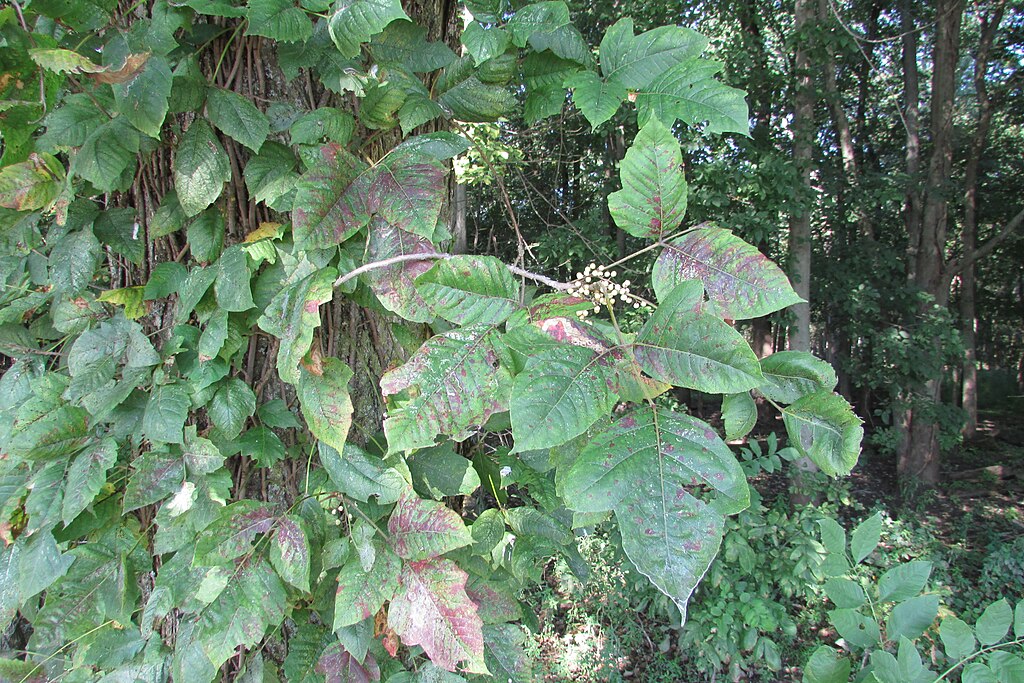
Burning poison ivy is extremely hazardous because its oily compounds vaporize in the fire and rise with the smoke. These airborne particles can reach deep into the lungs and cause swelling, painful coughing, and severe allergic reactions. Even dried vines contain potent oils that remain dangerous long after the plant dies. Avoid adding any leaf or stem that shows the familiar three-leaf shape. If poison ivy grows near a campsite, keep it untouched and well away from your fire pit.
2. Poison Oak
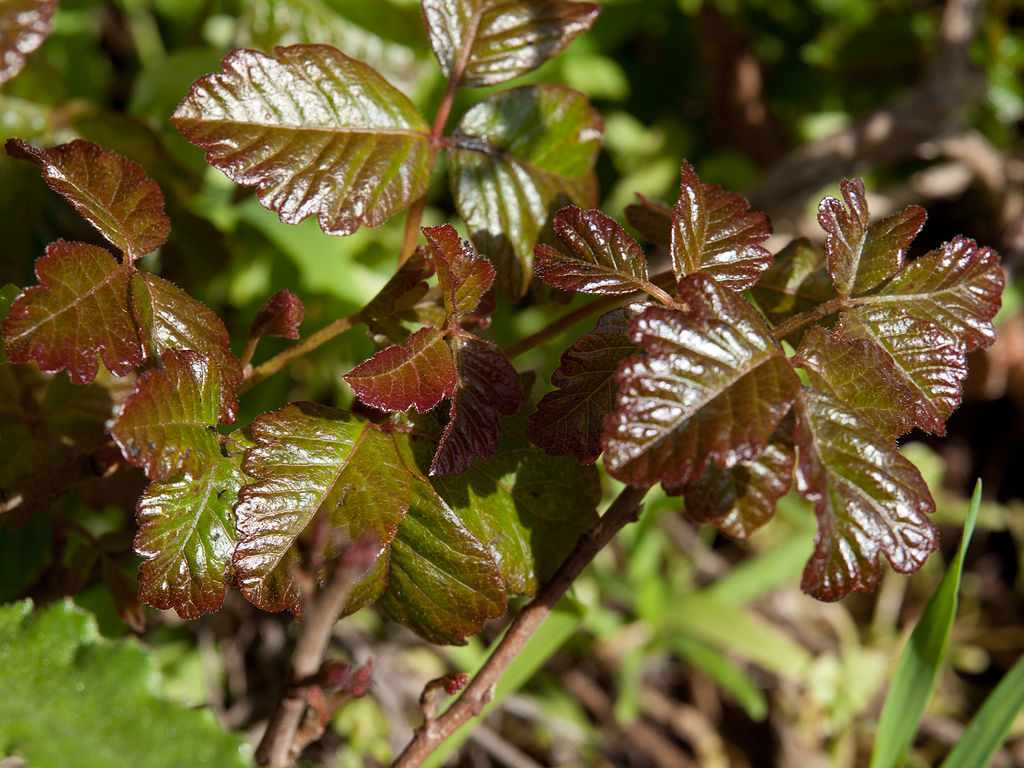
Poison oak contains the same skin and lung-irritating oils found in poison ivy, and burning it releases these toxins into the air. The smoke can stick to clothing and gear, making it possible to react long after leaving the fire. Bushcrafters sometimes misidentify poison oak as harmless brush, especially in wooded areas on the West Coast where similar shrubs grow. Before gathering firewood, always check the leaves for their rounded shape and avoid burning anything that resembles this plant.
3. Poison Sumac
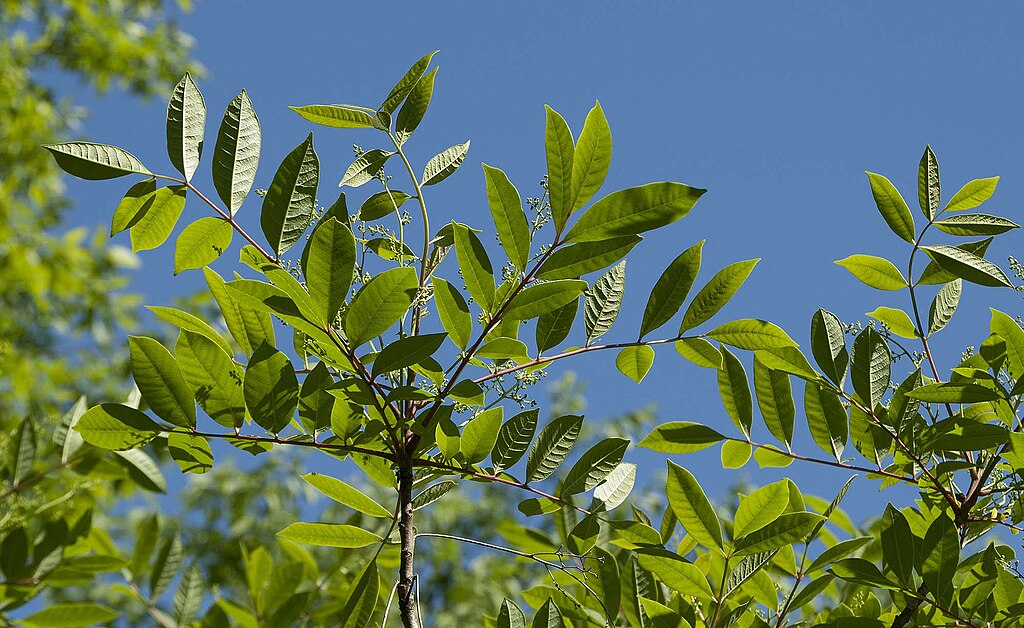
Poison sumac thrives in swampy areas and is one of the most dangerous plants to burn because its toxic compounds become airborne with heat. Smoke from poison sumac can cause throat swelling, chest tightness, and painful rashes. The plant often hides among harmless species, so campers in wetlands must be extra cautious when choosing kindling. Its smooth leaves and bright red stems are key identifiers. If you suspect a branch is poison sumac, do not handle it or bring it near a fire.
4. Oleander
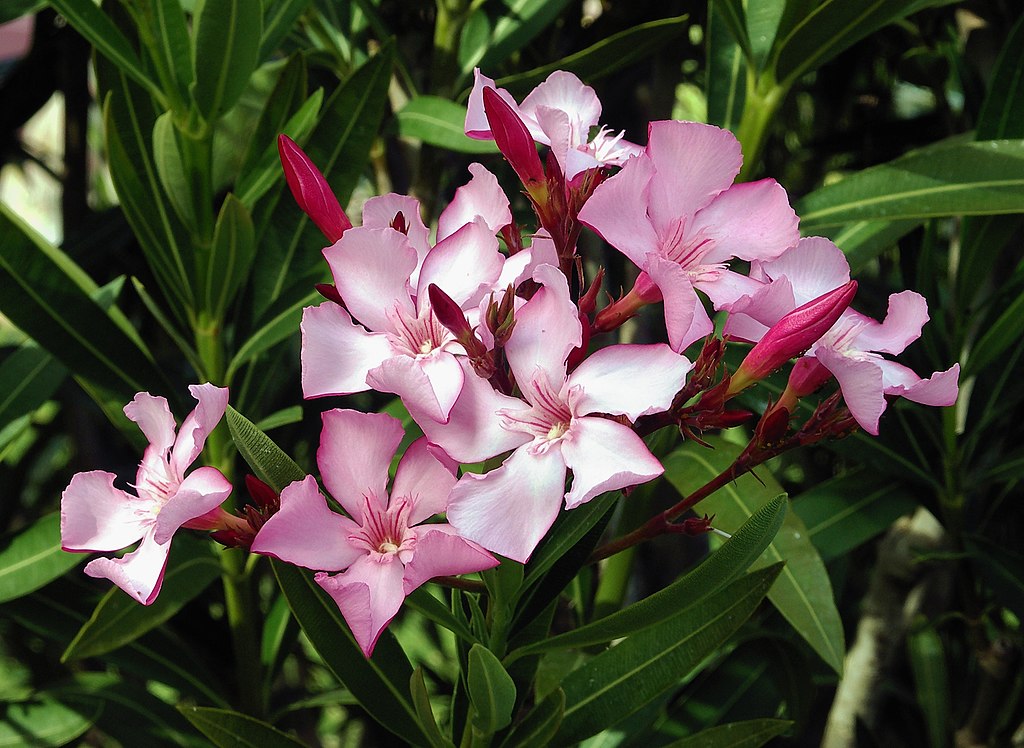
Oleander is widely grown as an ornamental shrub in warm states, yet every part of it contains strong toxins that are harmful when burned. Inhaling the smoke can cause dizziness, nausea, headaches, and, in serious cases, affect the heart rhythm. Because oleander branches often fall after storms, bushcrafters might unintentionally pick them up for firewood. Recognizing its long, narrow leaves and white or pink flowers can prevent accidents. Never burn fresh or dry oleander under any circumstances.
5. Pokeweed
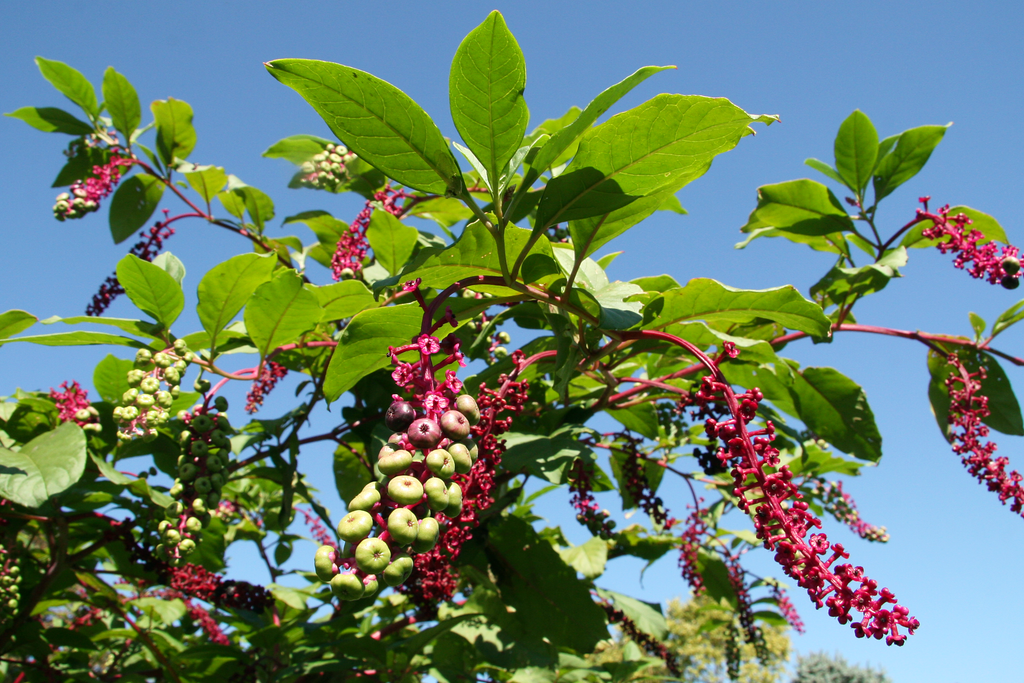
Pokeweed is a tall plant with purple stems and dark berries that contain toxic compounds. Burning it releases fumes that may irritate the throat and stomach. Even if the berries are not present, the leaves and stems still produce harmful smoke. Campers sometimes confuse pokeweed with similar tall weeds when gathering fuel. Identifying its bright green leaves and thick purple stalks can help you avoid accidental exposure. Keeping it out of your fire is essential for safe bushcraft practice.
6. Rhododendron
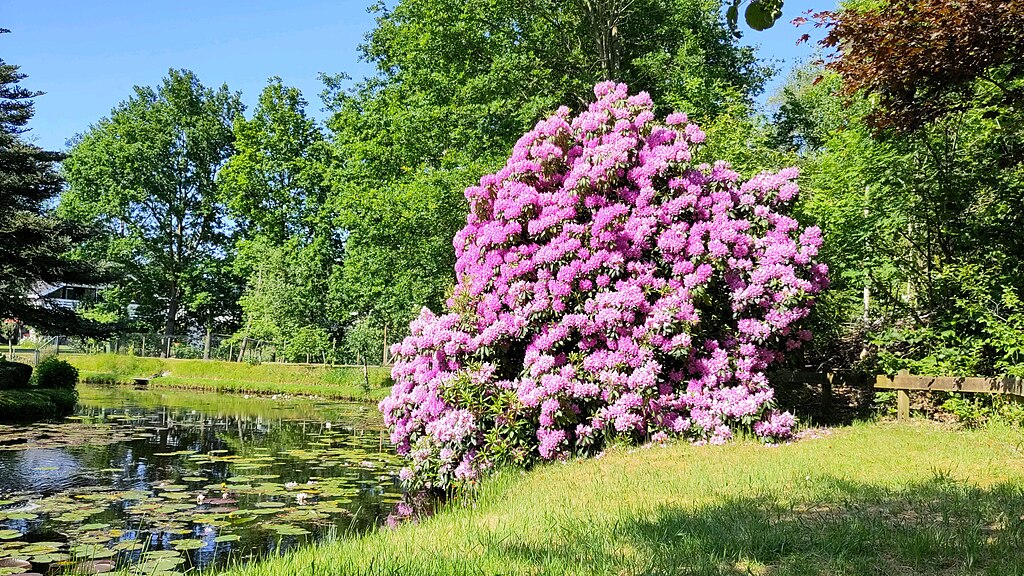
Rhododendron shrubs produce natural toxins that become more concentrated when burned. The smoke can cause mild to moderate respiratory irritation and can trigger headaches or nausea in sensitive people. These plants are common in mountainous regions where bushcrafters frequently gather fallen branches for firewood. Their broad glossy leaves make them easy to spot. If you encounter rhododendron debris near your campsite, leave it where it lies and look for dry hardwood instead.
7. Mountain Laurel
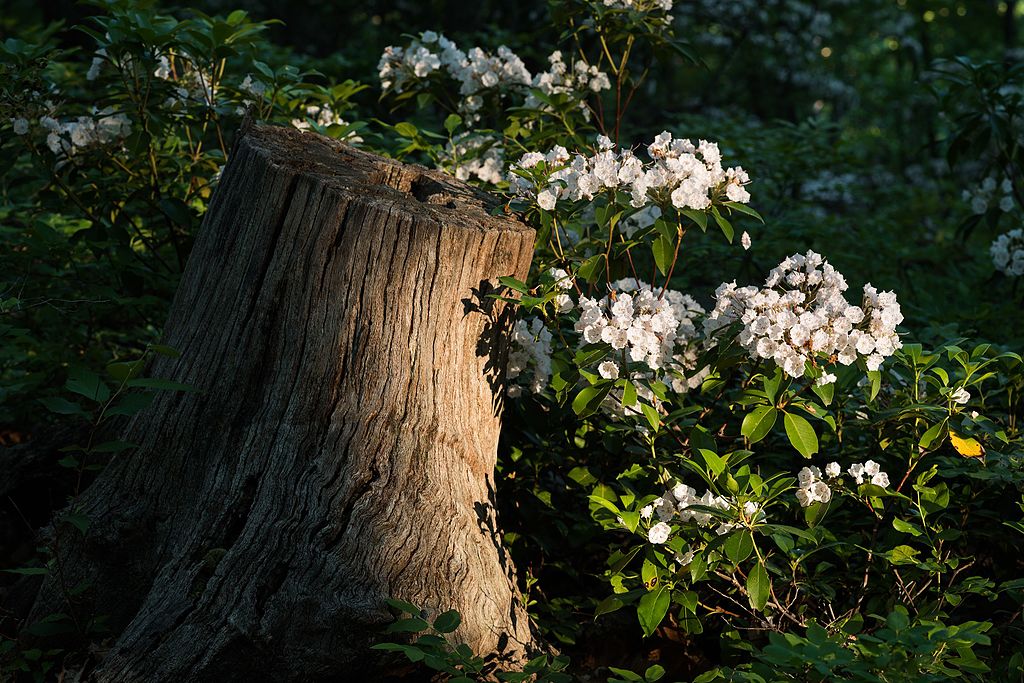
Mountain laurel grows across many eastern states and contains toxins that remain active even after the plant dries. When burned, the smoke may irritate the lungs and create lightheadedness or stomach discomfort. Many hikers mistake dried laurel branches for safe kindling because they look similar to other shrubs. Its thick, shiny leaves and clusters of pale flowers are key identifiers. Mountain laurel should always be kept away from campfires to ensure clean air around your shelter.
8. Hemlock
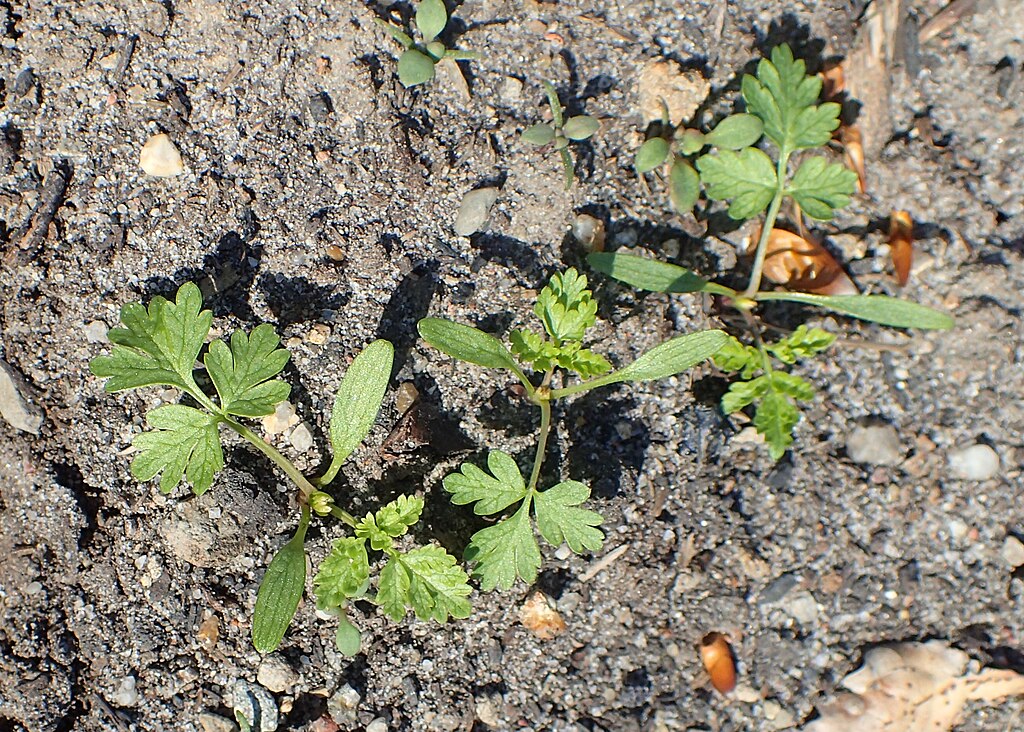
Poison hemlock is a tall plant with fern-like leaves and purple spotted stems that contain powerful toxins. Burning it sends harmful compounds into the air where they can be inhaled. The fumes may produce nausea or dizziness and can irritate the airways. Because it grows in open fields and roadsides, bushcrafters sometimes gather it accidentally when collecting brush. Recognizing its spotted stem pattern can help you avoid adding this plant to a fire.
9. Stinging Nettle
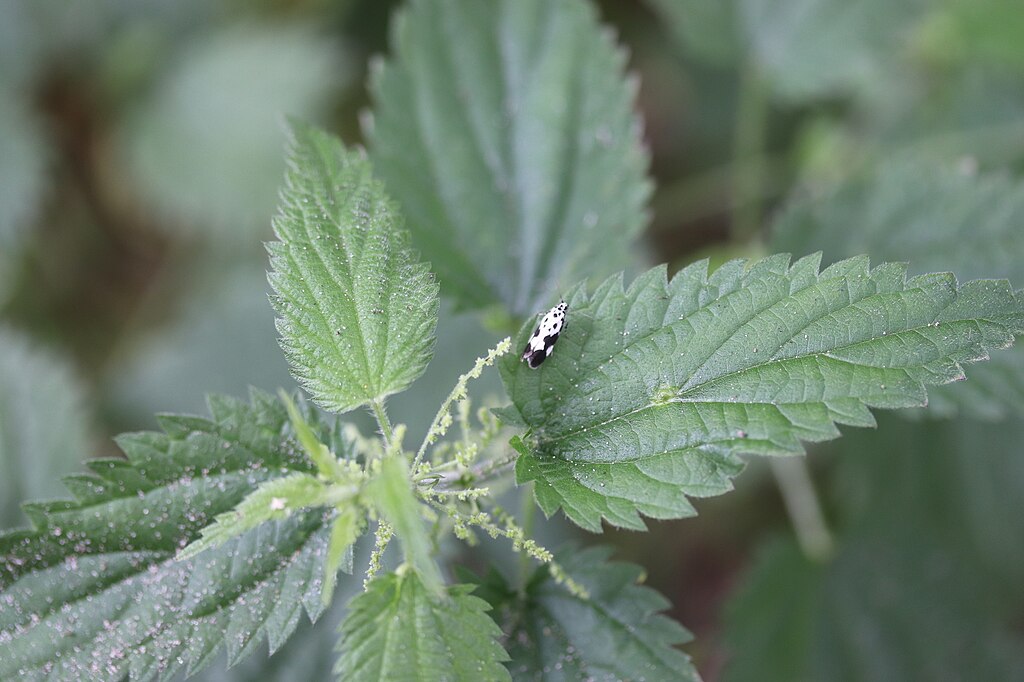
Stinging nettle is best known for its painful hairs, but burning it also poses risks. The heated fibers release irritating particles that can cause coughing and scratchy throat sensations. While the plant is often used in cooking when prepared properly, it should never be burned as firewood. Bushcrafters sometimes toss dried nettle into a fire without realizing the smoke can still irritate the lungs. Identifying its jagged leaves and tiny stinging hairs helps prevent exposure.
10. Elderberry
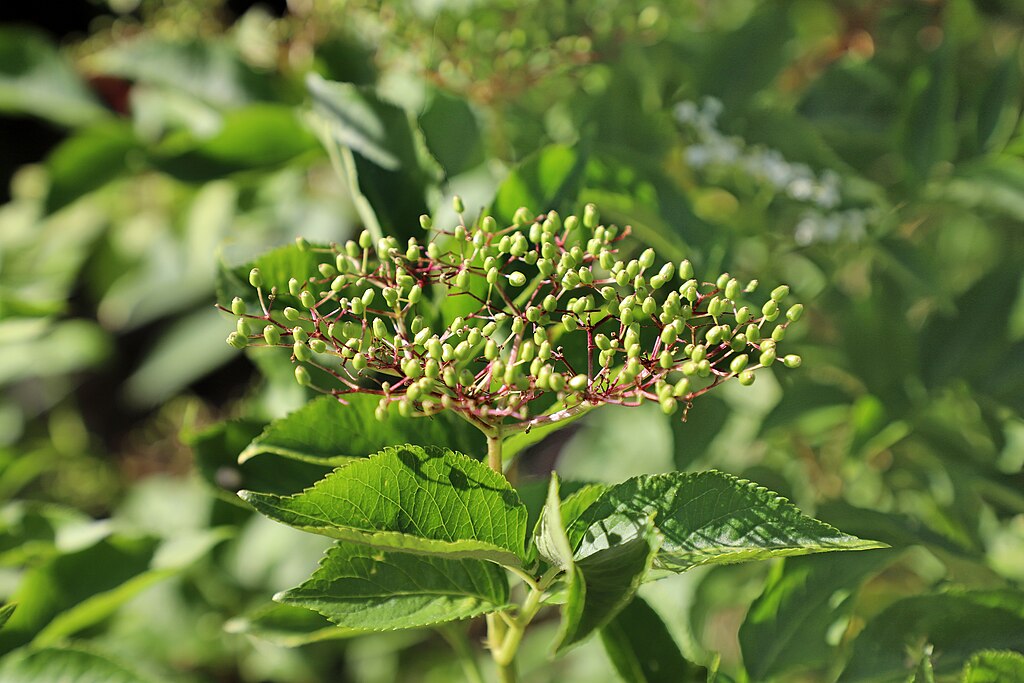
Although ripe elderberries are used in syrups, the green stems, leaves, and unripe berries contain toxic compounds. Burning these parts releases fumes that can cause headaches and stomach discomfort. Bushcrafters sometimes cut elderberry branches for makeshift tools and may mistakenly burn the leftovers. The plant’s hollow stems and compound leaves make it recognizable. Keeping green elderberry material out of your fire keeps the campsite air clean and safe.