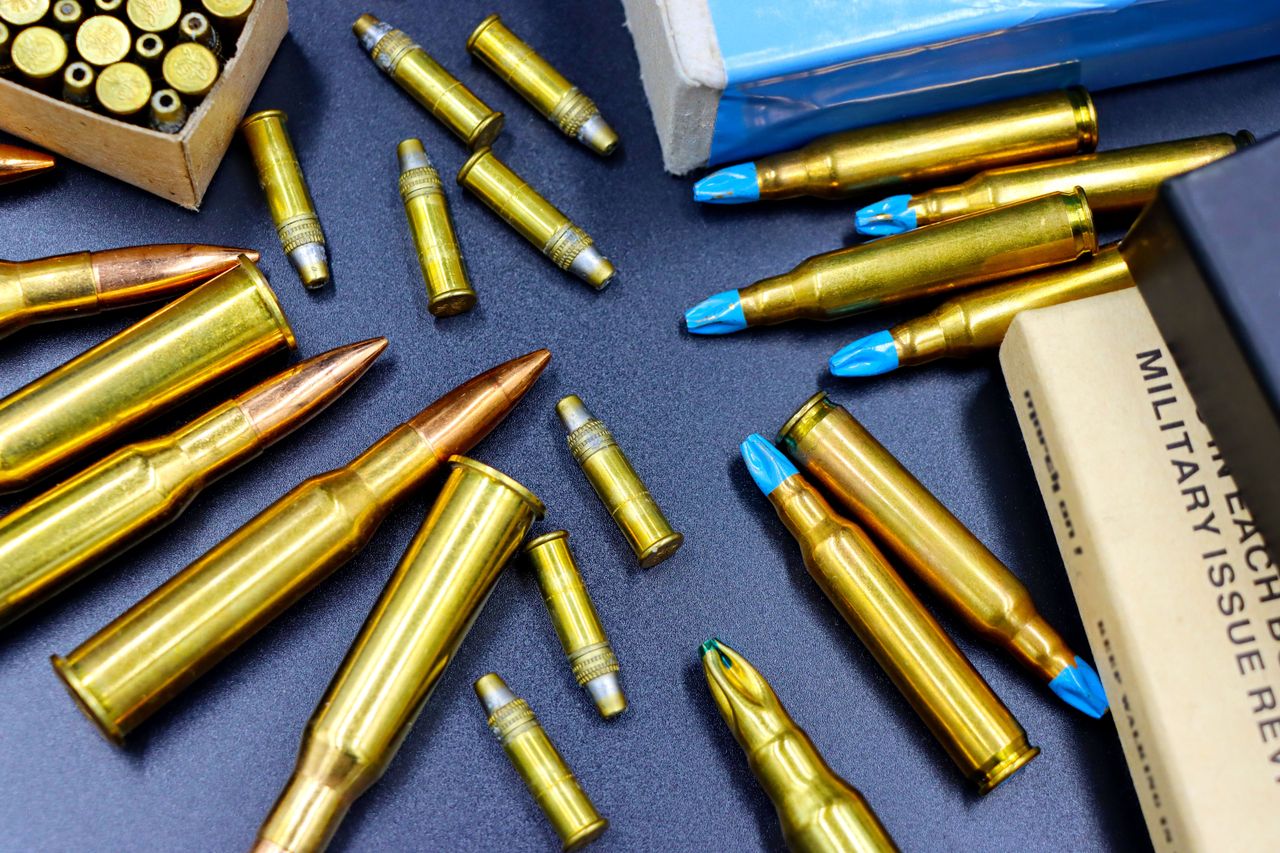
Ammunition collecting sits at the crossroads of military history, industrial design, and pure rarity. From experimental military rounds to scarce commercial loads, certain cartridges have become prized artifacts that can sell for astonishing sums. This gallery explores 15 ammunition collectibles that stand out for their scarcity, backstory, and appeal to serious collectors.
Confederate Gardner Explosive Cartridges
Civil War ammunition has long fascinated collectors, but Confederate-made examples occupy a special tier because of extreme scarcity. Gardner explosive cartridges are especially desirable, combining wartime improvisation with a dramatic backstory that feels almost tailor-made for a museum case.
Condition matters enormously here, but even incomplete specimens can attract strong bids because so few survived. Collectors are not simply buying a cartridge. They are buying a tangible link to Southern manufacturing under pressure, where limited materials and desperate circumstances created objects that are now nearly impossible to replace.
Pinfire Cartridge Prototypes
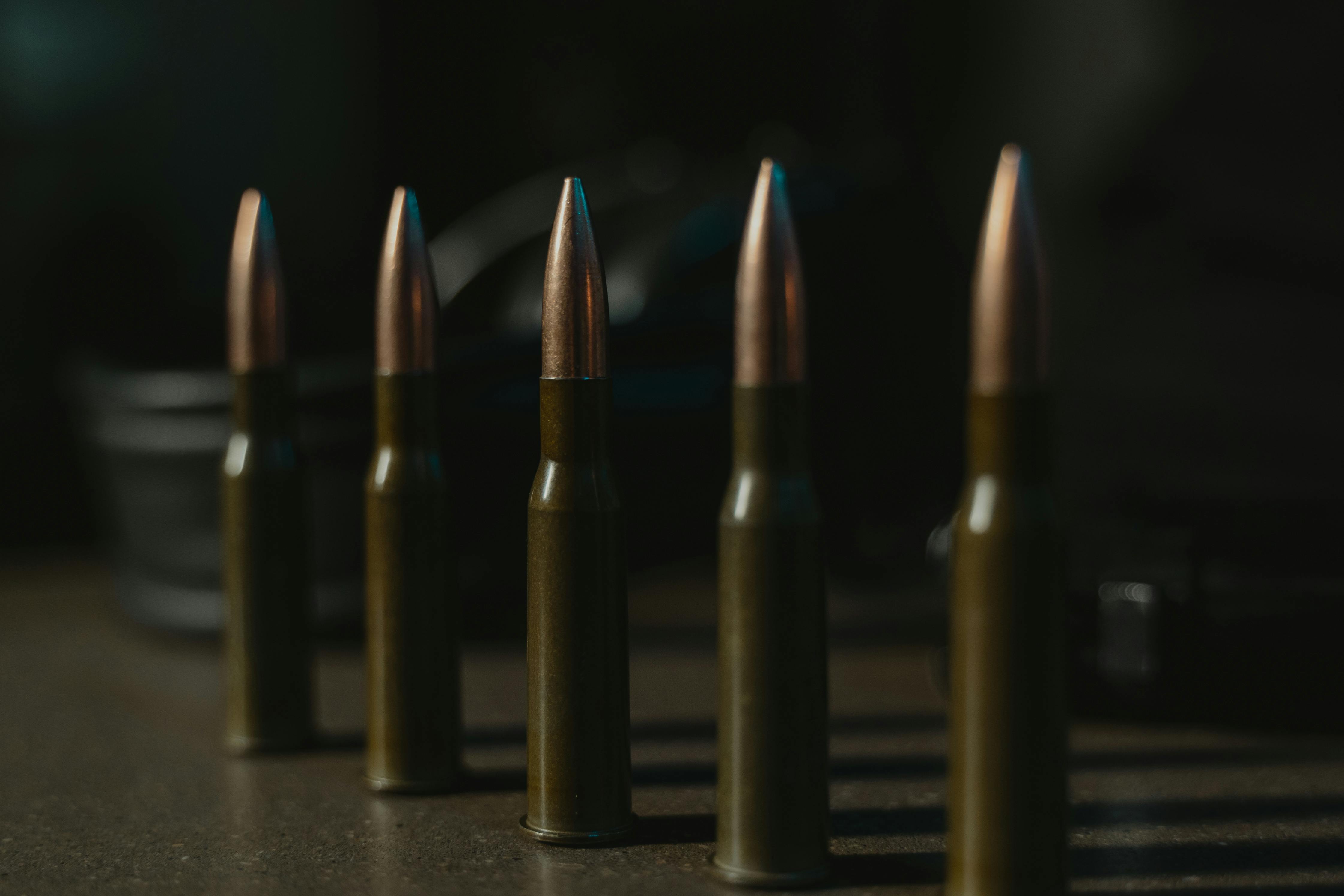
Early pinfire ammunition helped bridge the gap between older ignition systems and modern metallic cartridges, and prototype examples are a favorite among advanced collectors. Their unusual side pin design is instantly recognizable, giving them both mechanical charm and great display value.
What really drives prices up is variation. Experimental lengths, odd calibers, and transitional case styles can turn an already scarce round into a true prize. Because pinfire cartridges were produced in many small runs and often used hard in the field, surviving prototypes in clean condition are far more elusive than casual observers might expect.
.44 Henry Flat Experimental Loads

The .44 Henry Flat is one of the iconic cartridges of the American frontier, closely tied to early repeating rifles and the mythology that surrounds them. Experimental loads from this family, however, are where collector interest can move into premium territory very quickly.
Subtle differences in bullet profile, rim construction, or case material can signal a rare developmental round rather than a standard production example. To the right buyer, those tiny details mean everything. These cartridges capture a moment when firearms technology was evolving at high speed, and collectors love pieces that reveal how manufacturers refined what would become a classic design.
Volcanic Rocket Ball Ammunition

Rocket Ball ammunition is one of those collectibles that almost looks too unusual to be real. Developed for Volcanic arms before the rise of more powerful metallic cartridges, these hollow-based projectiles represent an inventive but short-lived chapter in firearms history.
Their importance goes far beyond novelty. Because they predate some of the most famous lever-action developments, collectors often see them as direct ancestors of later Winchester success. That historical placement, combined with fragile construction and limited survival rates, helps explain why authentic examples command strong prices. They are small objects with a remarkably large story attached to them.
Martially Marked Boxer Patent Cartridges

Boxer patent cartridges are important milestones in ammunition development, but military-marked specimens tend to draw the most attention when collectors are spending serious money. Official stamps, inspection marks, and arsenal associations can elevate a simple cartridge into a documented historical artifact.
Much of the appeal lies in authentication and provenance. A clean headstamp or legible military marking can make the difference between an interesting antique and a centerpiece item. Collectors value these rounds because they reflect the period when metallic cartridge technology was gaining institutional acceptance, and that connection to early military adoption gives them enduring significance.
Japanese 8x22mm Nambu Experimental Rounds

Nambu ammunition already sits in a niche that attracts specialists, and experimental 8x22mm rounds push that niche into genuinely rare territory. Variations tied to testing, limited contracts, or prewar development are especially desirable because production numbers were often extremely small.
Collectors are drawn to the combination of military history and regional scarcity. Compared with more commonly encountered European or American cartridges, unusual Japanese pistol rounds can be much harder to source in original condition. Packaging, labels, and matching documentation can multiply value even further, turning a rare cartridge into a deeply researched collectible with strong cross-interest among militaria enthusiasts.
British .577 Snider Coiled Brass Cartridges

The .577 Snider marks a pivotal period in British military firearms history, and coiled brass examples are especially admired for their distinctive construction. Before drawn brass cases became standard, these cartridges reflected an industrial solution that now looks both elegant and surprisingly delicate.
That construction is one reason premium prices are common. Coiled brass cases did not always survive storage, handling, and age particularly well, so intact specimens are prized. Collectors also appreciate how visibly different they are from later ammunition. Even at a glance, they tell a story of transition, when arsenals were adapting old systems to new expectations with impressive ingenuity.
Sharps Ringtail Cartridges

Sharps ringtail cartridges are favorites among collectors who appreciate unusual engineering. Their tapered paper-and-linen style construction, paired with the distinctive tail section, gives them a dramatic silhouette that stands apart from later cartridge forms.
They also carry the romance of the mid-19th century firearms boom, when inventors and manufacturers were still experimenting boldly. Because these cartridges were consumable by nature, intact examples are much scarcer than the guns associated with them. Collectors pay up for condition, original form, and rarity of variation, especially when a specimen illustrates a specific military, sporting, or transitional use within the broader Sharps story.
Lefaucheux Pinfire Shotgun Shells
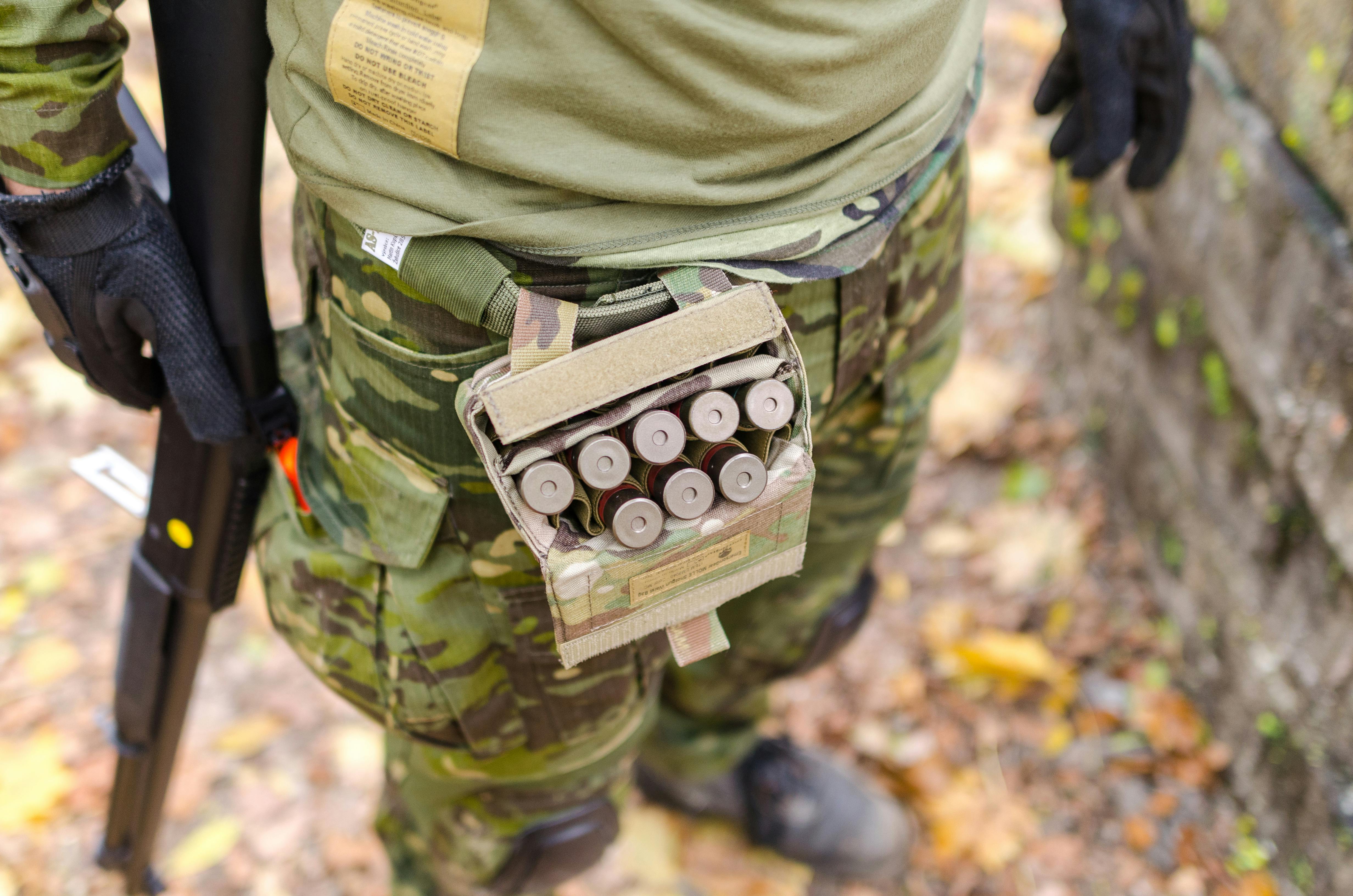
Lefaucheux pinfire shotgun shells bring together two collector passions at once: early shotgun history and the peculiar beauty of pinfire design. Larger than most pinfire cartridges and often visually striking, these shells make a strong impression in both collections and auction catalogs.
Their value often depends on color, markings, and overall survival. Paper bodies, brass bases, and projecting pins are not ideal ingredients for longevity, which makes well-preserved examples especially coveted. Collectors who focus on sporting ammunition are particularly attentive to these shells, seeing them as artifacts of a period when sporting arms technology was changing quickly and presentation mattered almost as much as performance.
Winchester Dummy and Display Cartridges
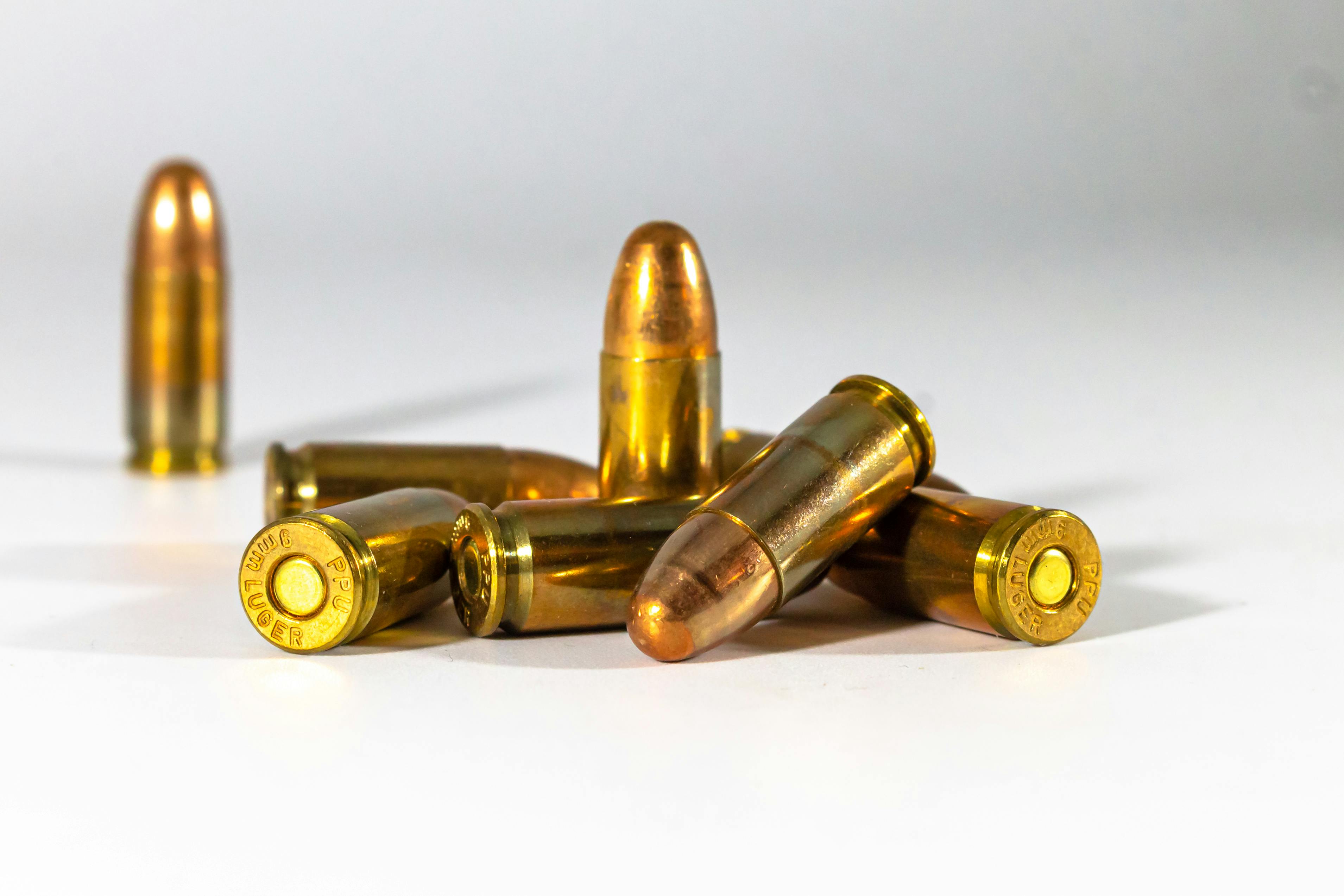
Not every premium cartridge was made for firing. Winchester dummy and display rounds, especially rare salesman’s samples or trade-show pieces, can command impressive prices because they intersect ammunition collecting with advertising history and brand mythology.
These pieces often feature unusual finishes, oversized dimensions, cutaway sections, or crisp markings intended to attract attention rather than endure use. That makes them deeply collectible today. Buyers are often paying for originality and visual appeal as much as rarity. A well-preserved display cartridge can serve as a compact piece of Americana, reflecting how Winchester marketed innovation to dealers, sportsmen, and a public fascinated by the modern age.
German 7.92mm Prototype Armor-Piercing Loads
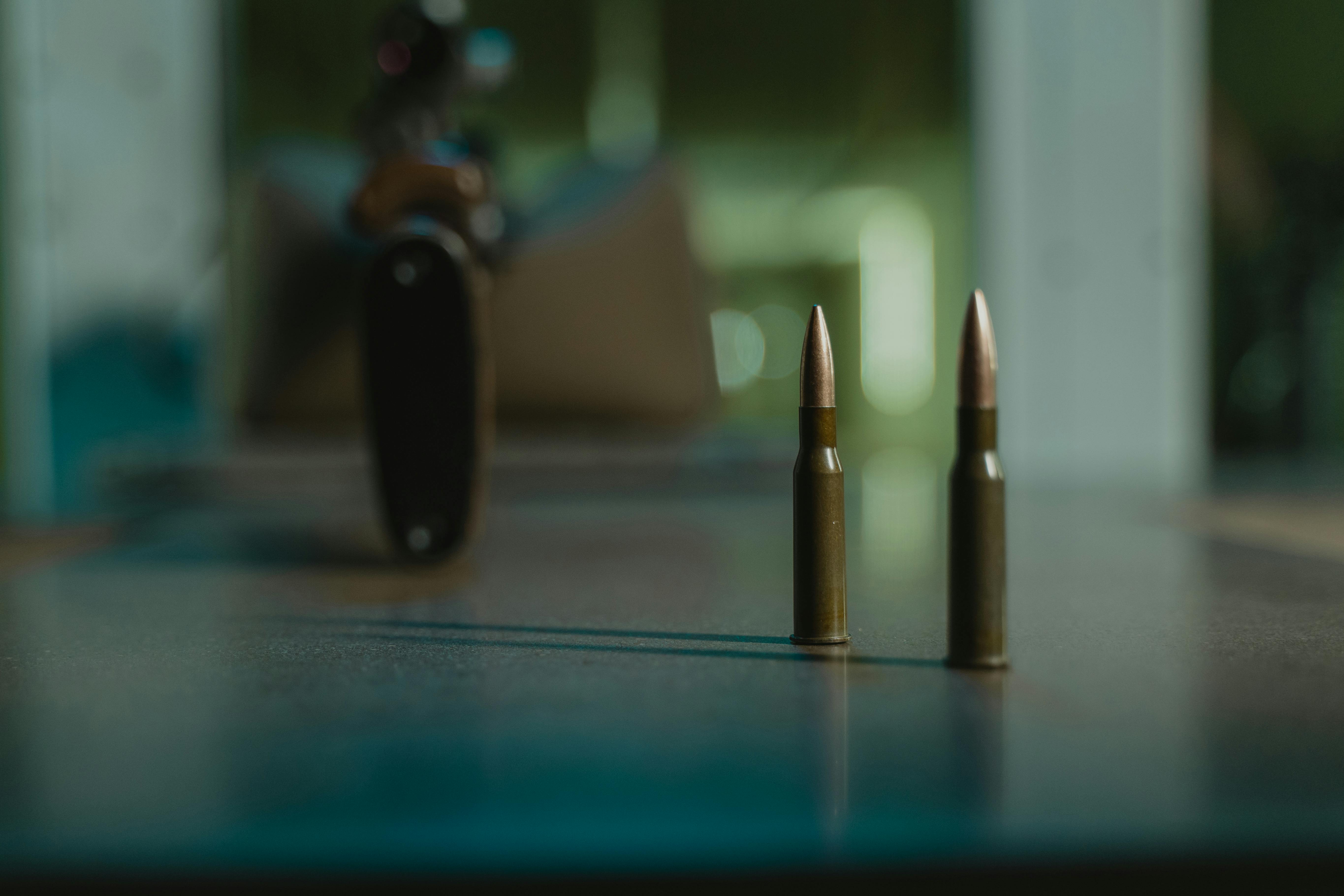
Prototype military ammunition from prewar and wartime Germany draws steady attention, and 7.92mm experimental armor-piercing loads are among the most studied examples. Their appeal comes from a mix of technical curiosity, military history, and the chase for highly specific headstamp variations.
Specialist collectors often focus on details invisible to everyone else, such as bullet color coding, case materials, or test-lot markings. Those details can transform a common-looking round into a scarce developmental piece. Because many such loads were produced only for evaluation and not broad service, surviving specimens are limited, and that scarcity helps push values well beyond what standard military ammunition would normally bring.
Gyrojet Rocket Ammunition
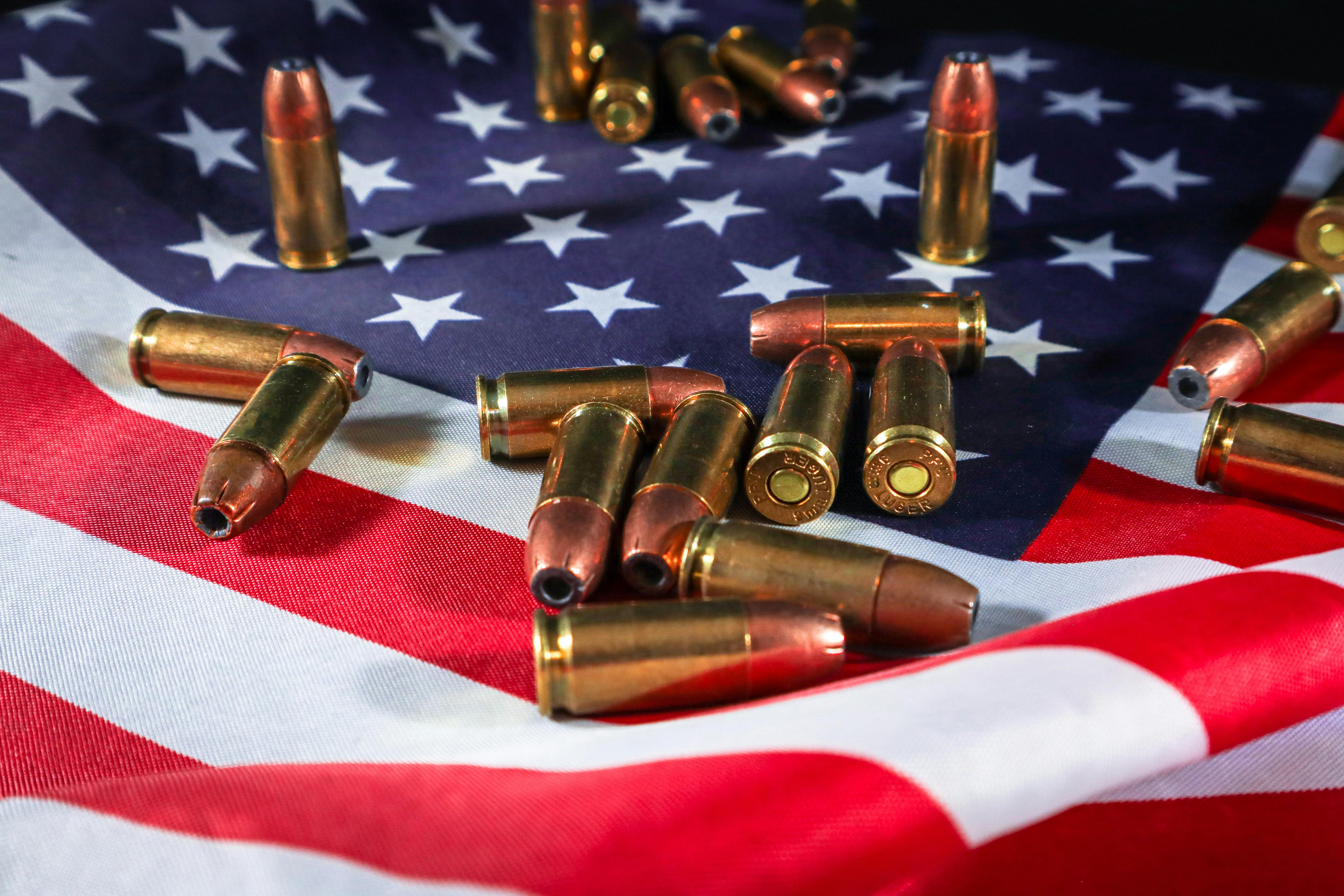
Few collectibles look as futuristic as Gyrojet ammunition. Developed in the 1960s for the unusual rocket-firing Gyrojet weapons, these tiny rocket projectiles feel like relics from an alternate version of the space age, which is exactly why collectors find them so irresistible.
Prices rise sharply for uncommon calibers, sealed packaging, and clearly documented variants tied to tests or promotional runs. The system never became mainstream, but its bold concept left a lasting impression. That gap between ambition and commercial reality often creates collectible magic. Gyrojet rounds capture a moment when designers thought the future of small arms might look completely different from anything that came before.
Dardick Tround Ammunition

Dardick Trounds are instantly memorable because they do not look like conventional ammunition at all. Their triangular profile was created for an ambitious and unconventional firearm system, and that unusual shape alone gives them major display appeal among collectors.
But visual novelty is only part of the draw. Trounds represent a serious attempt to rethink feeding, chambering, and firearm design during a period of intense experimentation. Because the concept never saw widespread success, original ammunition remains a niche collectible with devoted followers. Scarcer loads and boxed examples can bring strong prices, especially when they appeal to both ammunition specialists and collectors of oddball Cold War technology.
Silent and Captive-Piston Soviet Rounds

Special-purpose Soviet ammunition designed for suppressed or nearly silent use has a mystique all its own. Captive-piston rounds, in particular, are admired for their clever engineering, which traps propellant gases inside the cartridge rather than venting them in the usual way.
That secrecy adds to the appeal. Many of these rounds were tied to specialized military or intelligence roles, giving them a cloak-and-dagger aura that collectors find hard to resist. Authenticity is crucial, and provenance can influence price dramatically. When genuine examples surface, especially in original packaging or with matching accessories, they tend to attract determined bidders who know just how rarely such material appears.
Commercial Wildcat Test Cartridges

Wildcat cartridges have always lived on the inventive edge of shooting culture, and early commercial test rounds from that world can be surprisingly valuable. They represent experimentation outside mainstream factory channels, where small batches and limited documentation often make survivors exceptionally scarce.
Collectors love the detective work these rounds invite. Identifying the designer, intended platform, or production stage can feel like solving a historical puzzle. Some specimens matter because they influenced later mainstream cartridges, while others are prized precisely because they did not. Either way, rarity, originality, and a convincing story can turn a modest-looking test cartridge into a premium collectible almost overnight.