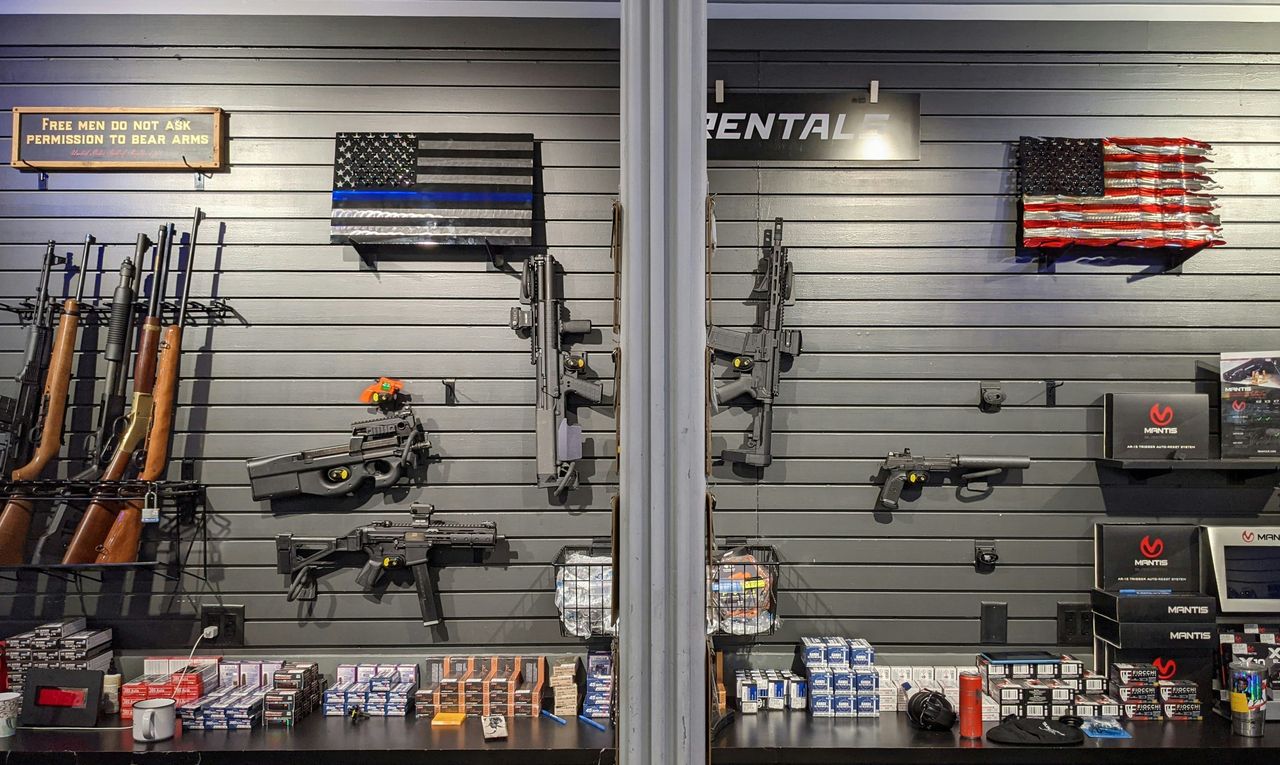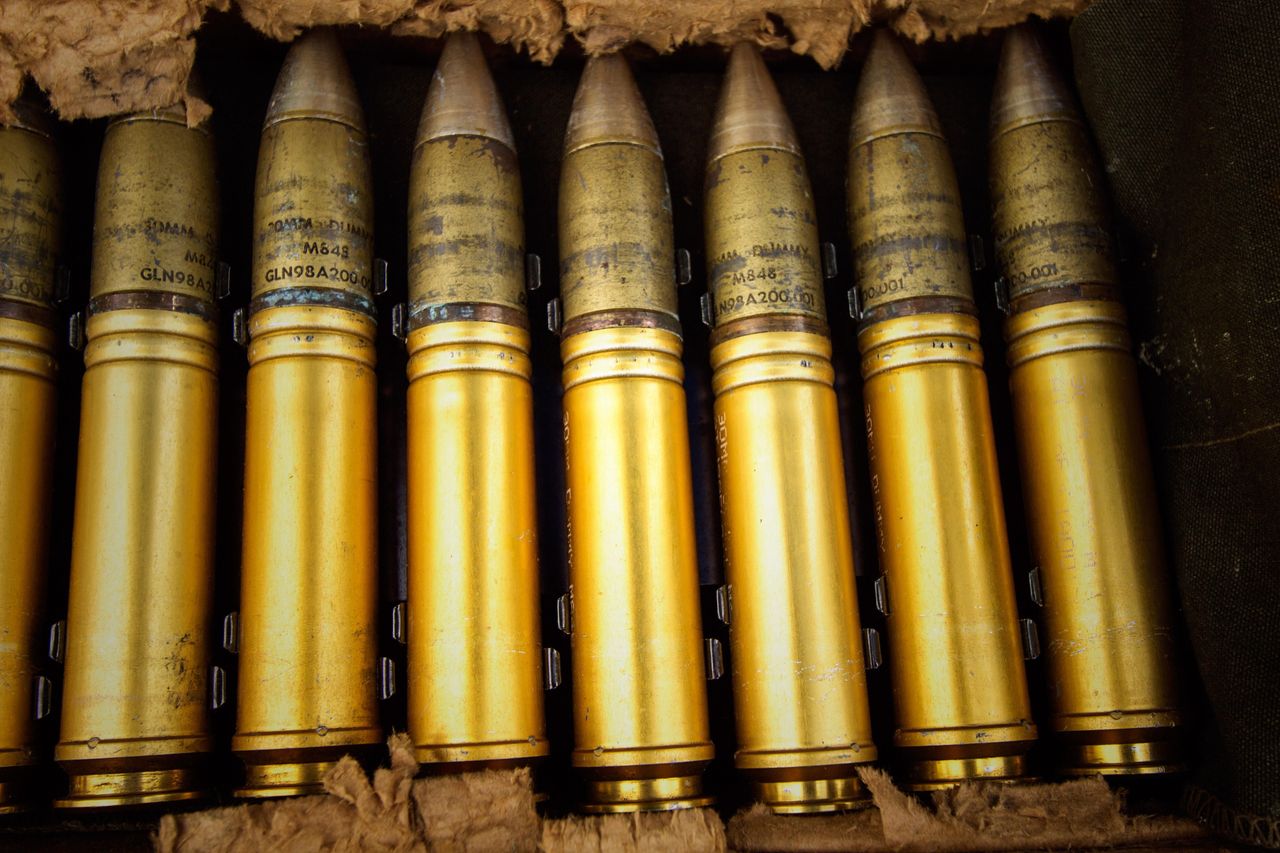
Vintage ammunition boxes offer more than storage. They capture changing design trends, regional brands, and the everyday history of shooting sports and hunting culture. For collectors, the right box can be just as exciting as the cartridges it once held, especially when bold graphics, scarce calibers, and crisp labels have survived the years.
Winchester Super-X Shotgun Shell Boxes
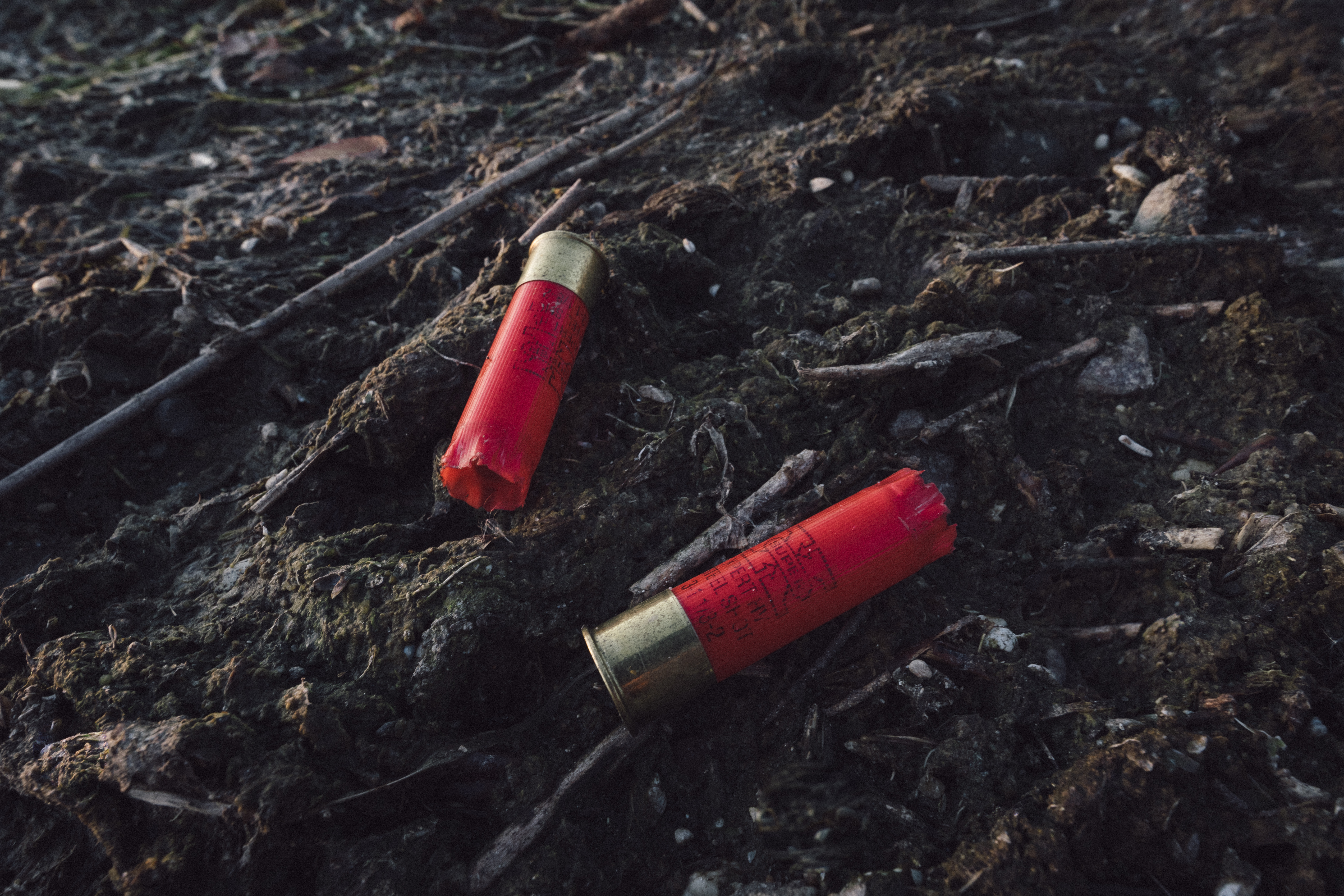
Few vintage boxes are as instantly recognizable as old Winchester Super-X shotgun shell packaging. The bright yellow background, red lettering, and strong brand identity gave these boxes a shelf presence that still grabs collectors today. Even people who are not deep into ammunition history often know a Super-X box when they see one.
Collectors usually look closely at gauge markings, shot size labels, and whether the box still has its original tray and sealing details. Minor variations in typography and layout can turn a common example into something much more interesting. Clean corners and unfaded color make a big difference, because this packaging was often handled hard in hunting camps and field bags.
Boxes tied to discontinued loads or early production runs tend to generate the most excitement. When the graphics are sharp and the label remains fully legible, a simple cardboard box becomes a compact piece of American sporting history.
Peters Rustless Cartridge Boxes
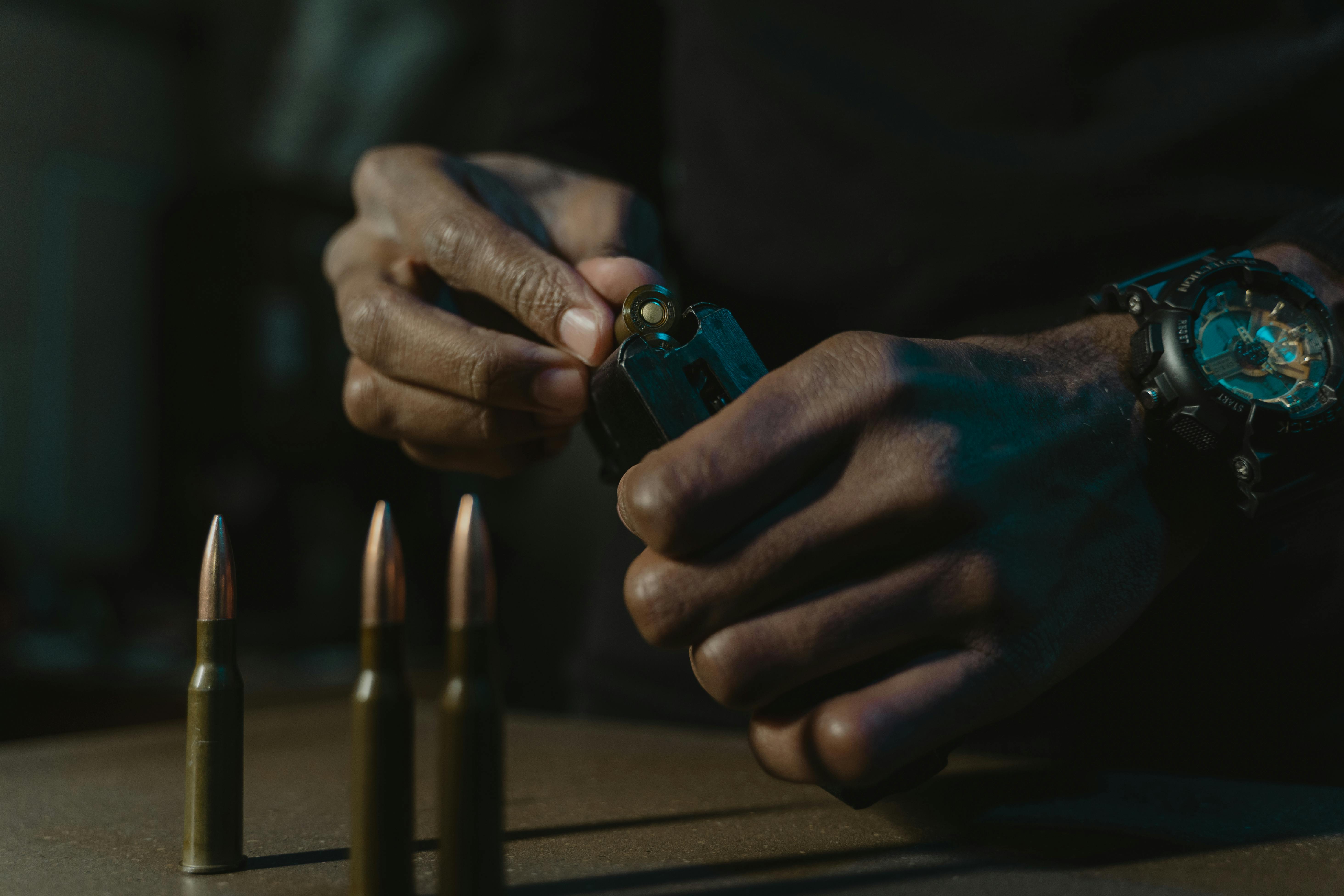
Peters Rustless boxes have a visual charm that stands out immediately in a mixed collection. Their branding often feels slightly more ornate than later mass-market packaging, giving them a strong period personality. The name itself points to a time when ammunition makers emphasized practical improvements in corrosion resistance and storage life.
Collectors are drawn to the variety within the Peters line, especially boxes marked for older rifle and revolver cartridges. Some examples feature subtle color differences or label arrangements that are easy to overlook unless you know what to study. That keeps the hunt interesting, even for seasoned collectors.
A really sharp Peters Rustless box can feel like a small design object as much as a collectible container. When the paper is clean and the corners are still tight, it becomes easy to see why these boxes are so often picked up quickly at shows and estate sales.
Western Super-X Centerfire Boxes

Western packaging has a devoted following, and the company’s Super-X centerfire boxes are among the pieces collectors love spotting in the wild. Their graphics can feel bold and direct, with a Western identity that hints at both frontier romance and practical sporting use. That blend gives the boxes a broad appeal beyond the usual collecting circles.
One reason these are so popular is the number of variations produced across different calibers and production years. Boxes for standard hunting rounds are appreciated, but scarcer chamberings tend to draw more attention. Collectors also look for original end labels that clearly show caliber, bullet type, and load information.
A crisp Western box can elevate an entire display because the colors read so well from a distance. It is the kind of piece that starts conversations, especially when paired with period rifles, catalogs, or dealer signage.
UMC Revolver Cartridge Boxes
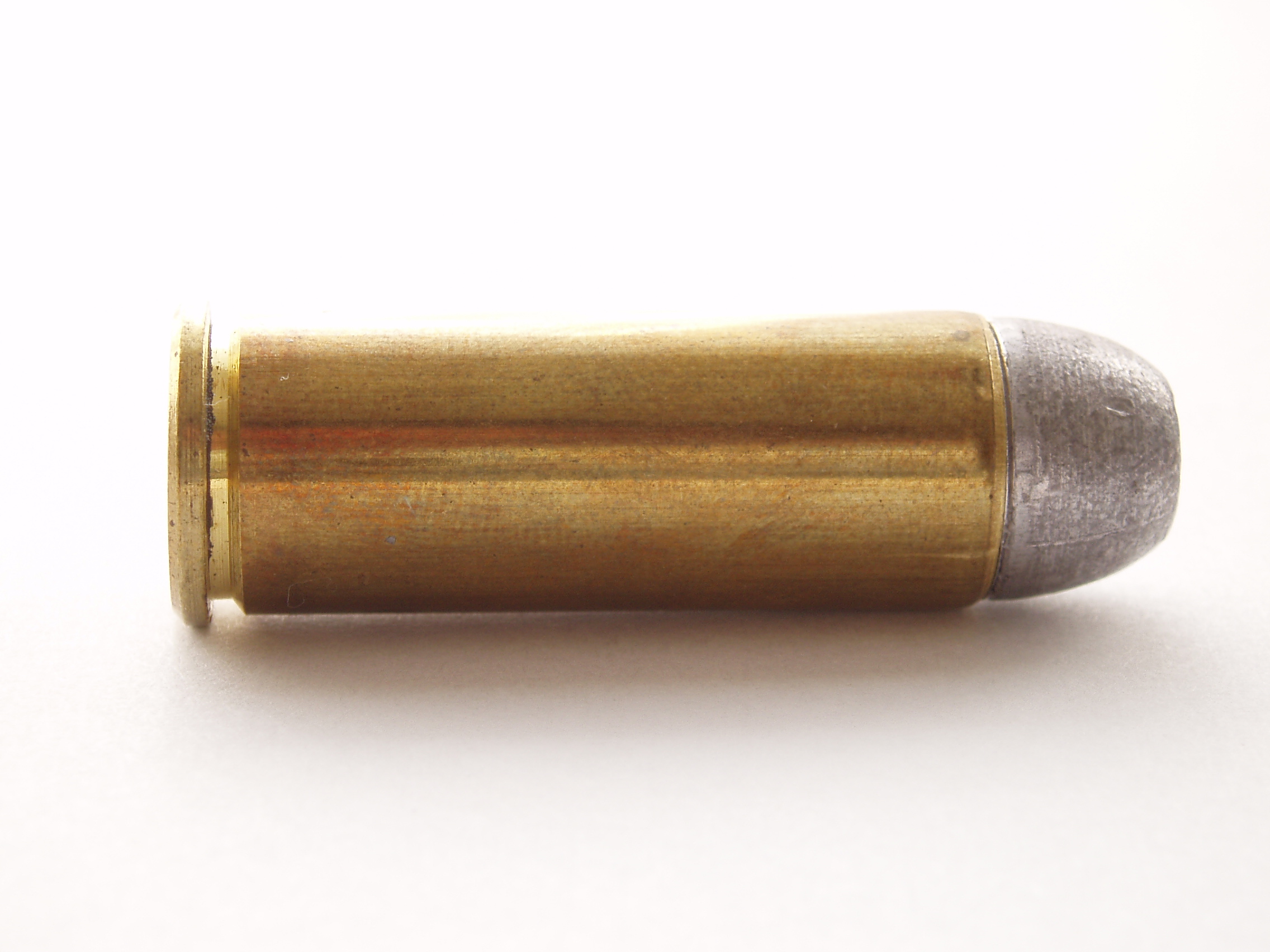
Union Metallic Cartridge Company, better known as UMC, produced boxes that collectors prize for both age and historical significance. These packages often predate the louder graphic styles of the mid-20th century, which gives them a quieter, more antique look. For many collectors, that older style is exactly the appeal.
Revolver cartridge boxes are especially desirable because they connect directly to classic American handgun history. Labels for once-common rounds can still be tough to find intact, and the paper on these boxes often shows wear after more than a century of storage and use. Even honest age can look attractive when the typography remains clear.
A strong UMC box brings depth to a collection because it speaks to the early commercial ammunition era. It reminds people that packaging was once a straightforward tool, and now it has become a rare surviving witness to that period.
Dominion Cartridge Boxes
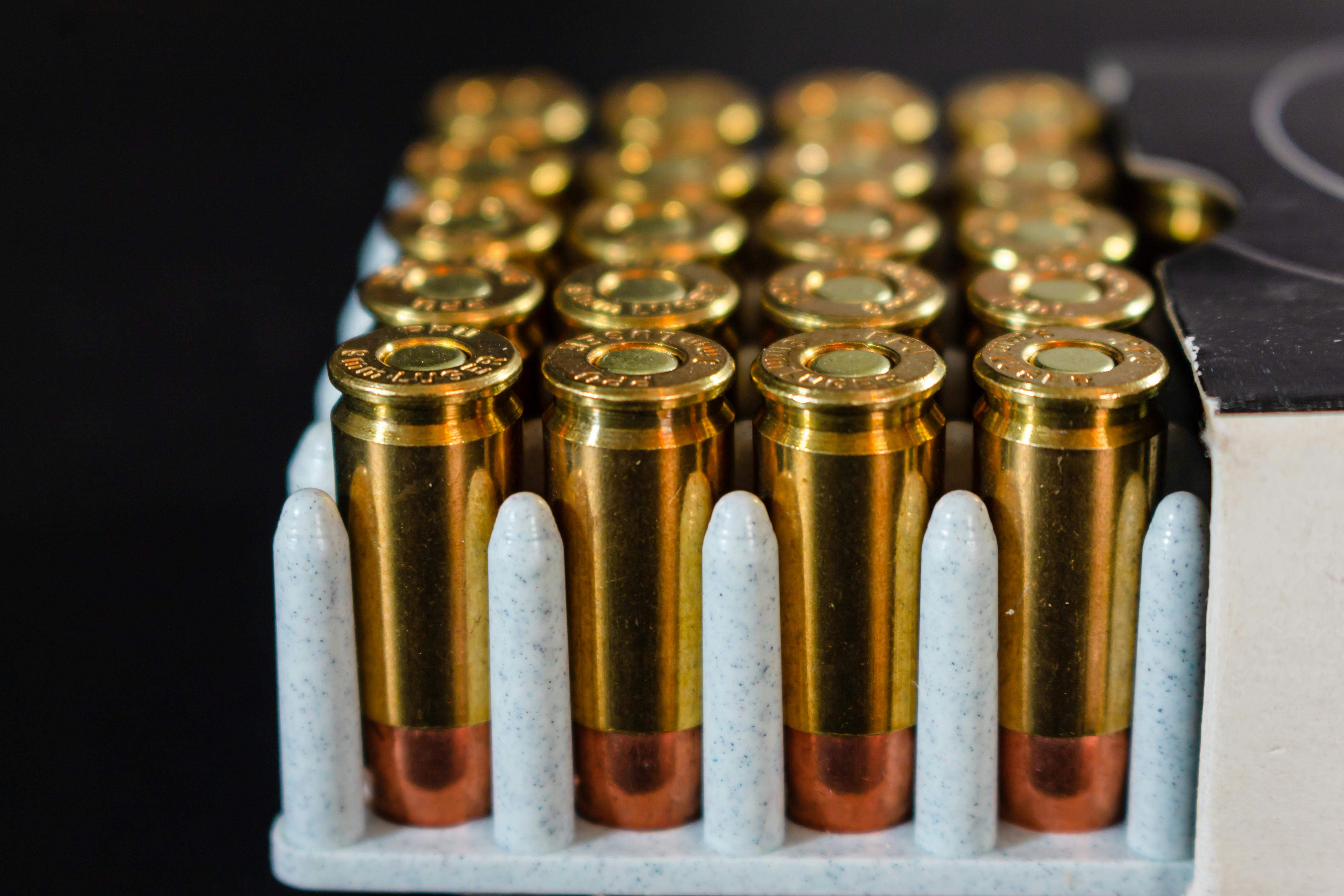
Dominion boxes are favorites for collectors interested in Canadian ammunition history. Their branding carries a straightforward utility, but there is often just enough color and period design to make them visually memorable. In the right condition, they bring a regional flavor that many collections would otherwise miss.
Part of the appeal is that Dominion material does not appear everywhere, especially outside Canada. That makes these boxes satisfying finds at shows, small auctions, and family estates. Collectors often pay close attention to labels for caliber, bilingual text, and factory details that help date the package.
A well-preserved Dominion box can broaden a display beyond the biggest American names. It adds context to North American sporting history and reminds collectors that the market for ammunition, and the packaging that sold it, was always more diverse than it first appears.
Savage and Stevens Branded Ammunition Boxes

Boxes carrying the Savage or Stevens name have a strong crossover appeal because they connect ammunition packaging to beloved firearm brands. Collectors of rifles and shotguns from those makers often enjoy adding matching boxes to complete a period display. That link between gun and packaging gives these pieces an extra layer of desirability.
Some of these boxes are not especially flashy, but that is part of the charm. They often feel practical and honest, reflecting hardware-store counters, hunting trips, and small-town sporting life. Scarcity varies a lot, which means collectors need to know the details before deciding what is truly uncommon.
When a clean branded box turns up with crisp labels and original structure, it can be surprisingly hard to leave behind. It serves as a compact brand artifact, not just an empty box that once held cartridges.
Early Military Surplus Ammunition Boxes
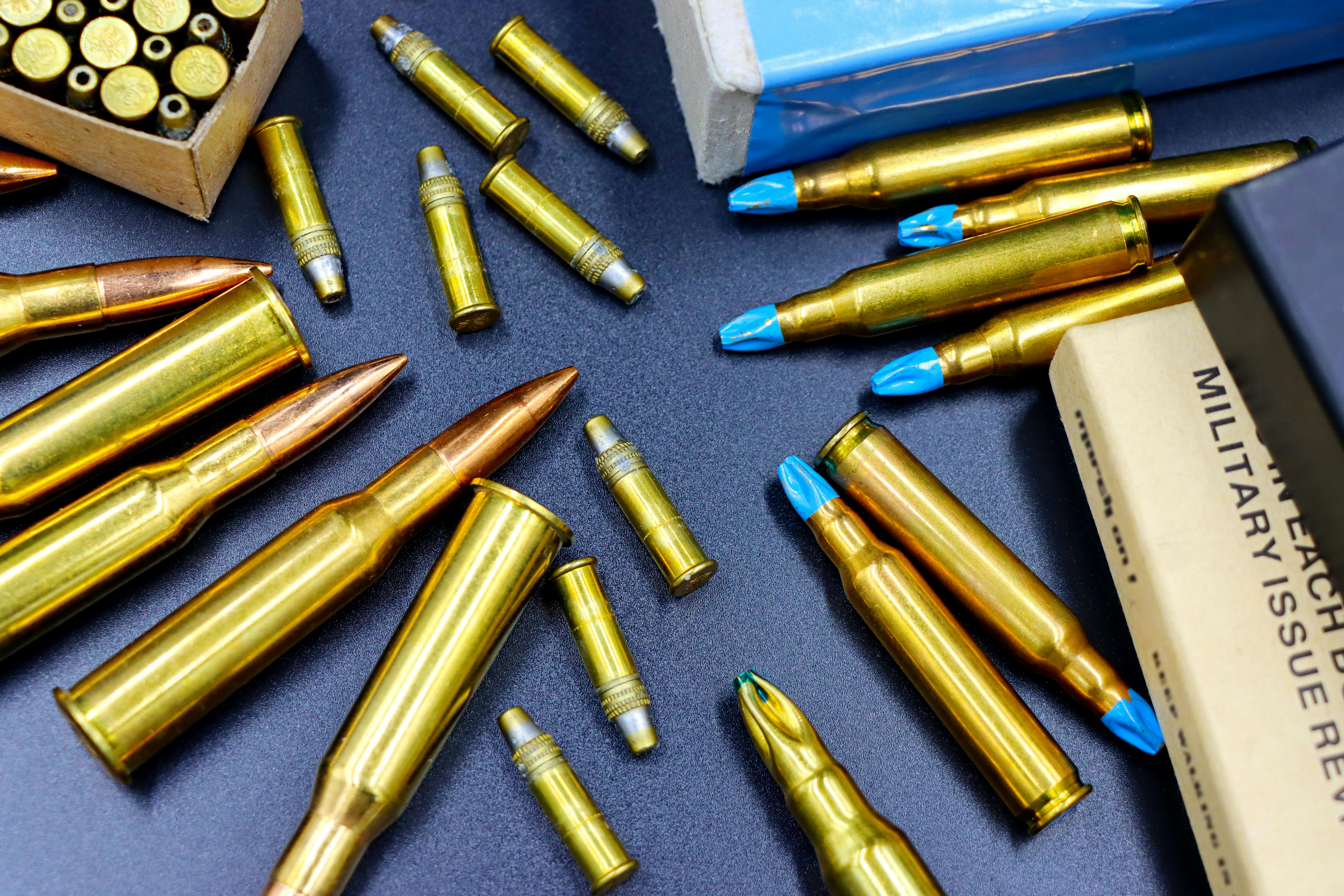
Military surplus ammunition boxes attract a different kind of collector energy. Instead of bright consumer branding, these boxes often feature stenciling, lot information, and stark utility that reflects wartime production and logistics. Their appeal comes from authenticity and context rather than shelf advertising.
Collectors look for original markings, arsenal identifiers, and boxes tied to notable periods such as World War I, World War II, or early Cold War service. Even simple wooden or heavy cardboard examples can carry a lot of history if the markings remain readable. Repacked or heavily restored pieces are usually less exciting than honest originals.
These boxes also connect easily with broader military collecting. Displayed alongside uniforms, field gear, or period rifles, they help explain how ammunition moved from factory lines to depots and eventually into the field.
Scarce Wildcat and Obsolete Caliber Boxes

Nothing gets many ammunition collectors talking faster than a box for a wildcat or obsolete caliber. These are the pieces that can sit quietly on a table until someone reads the end label and realizes how unusual it is. Suddenly, a plain box becomes the star of the room.
Their appeal is rooted in rarity and in the stories behind them. Some relate to experimental loads, short-lived commercial offerings, or cartridges that faded as firearm trends changed. Because many were produced in small numbers and used up completely, surviving boxes are often far rarer than the cartridges themselves.
Collectors love these finds because they reward knowledge. You do not always spot them by color or brand alone. Sometimes the real value is in a few printed words that preserve a cartridge history most people have long forgotten.