Some firearms stand apart because their designers refused to follow familiar dimensions, ammunition formats, or operating layouts. The title is intentionally used in the broad historical sense: these weapons were built around highly specialized components or proprietary systems rather than simply using the common parts and cartridges of their era. From rocket-powered ammunition to triangular cartridges and caseless rounds, each example shows how far designers were willing to move away from conventional firearm architecture.
1. Gyrojet Mark I
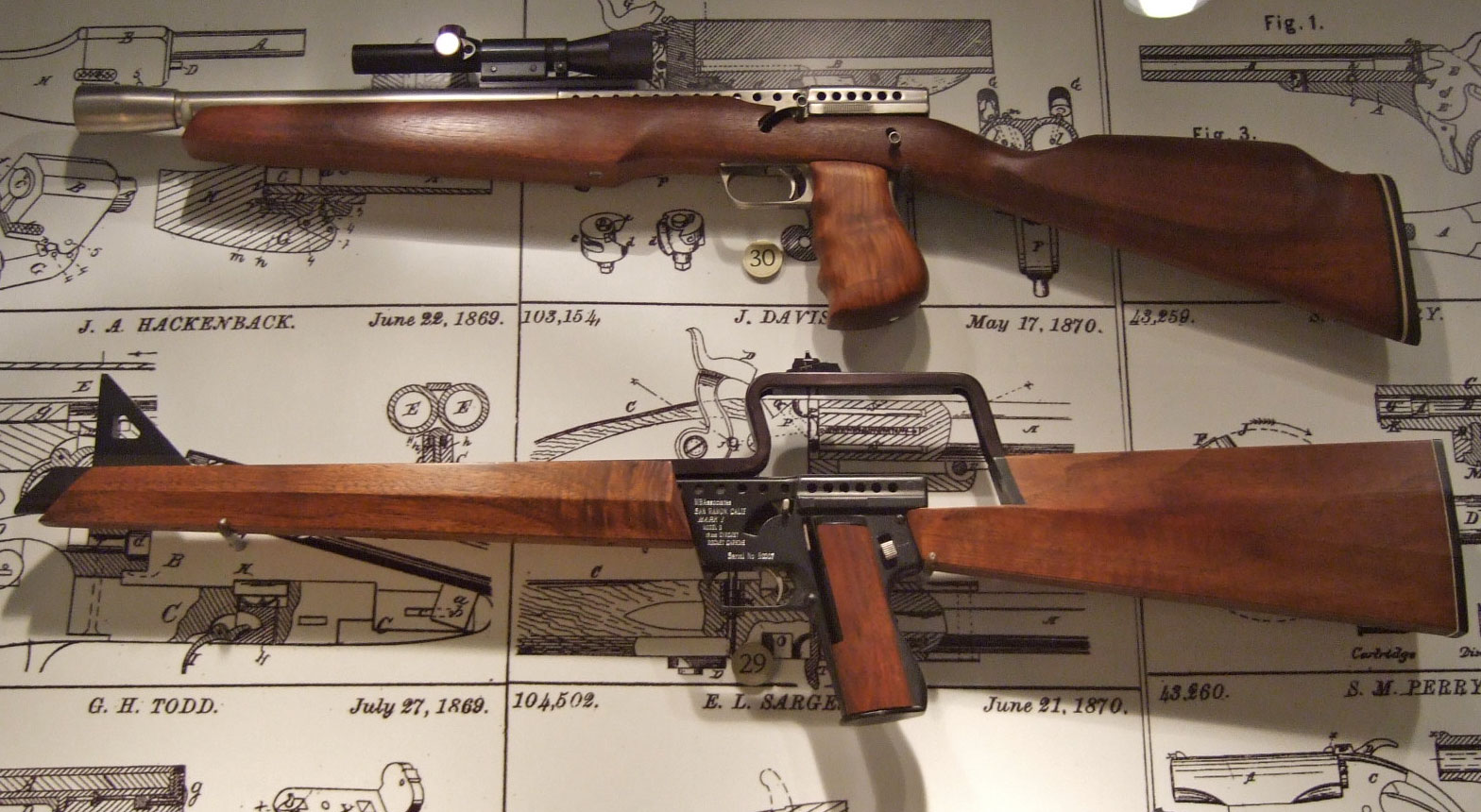
The Gyrojet Mark I turned the normal idea of a handgun inside out. Developed by MB Associates in the early 1960s, it launched a self-propelled rocket rather than a conventional bullet. Early examples used 13 mm ammunition, while later versions moved to 12 mm. Fewer than 2,000 Gyrojet firearms were produced. The weapon had a 6-round magazine and generated very little recoil because much of its propulsive force developed after launch. Its slow initial velocity, high ammunition cost, accuracy problems, and reliability concerns kept this futuristic concept from replacing conventional firearms.
2. Dardick Series 1500
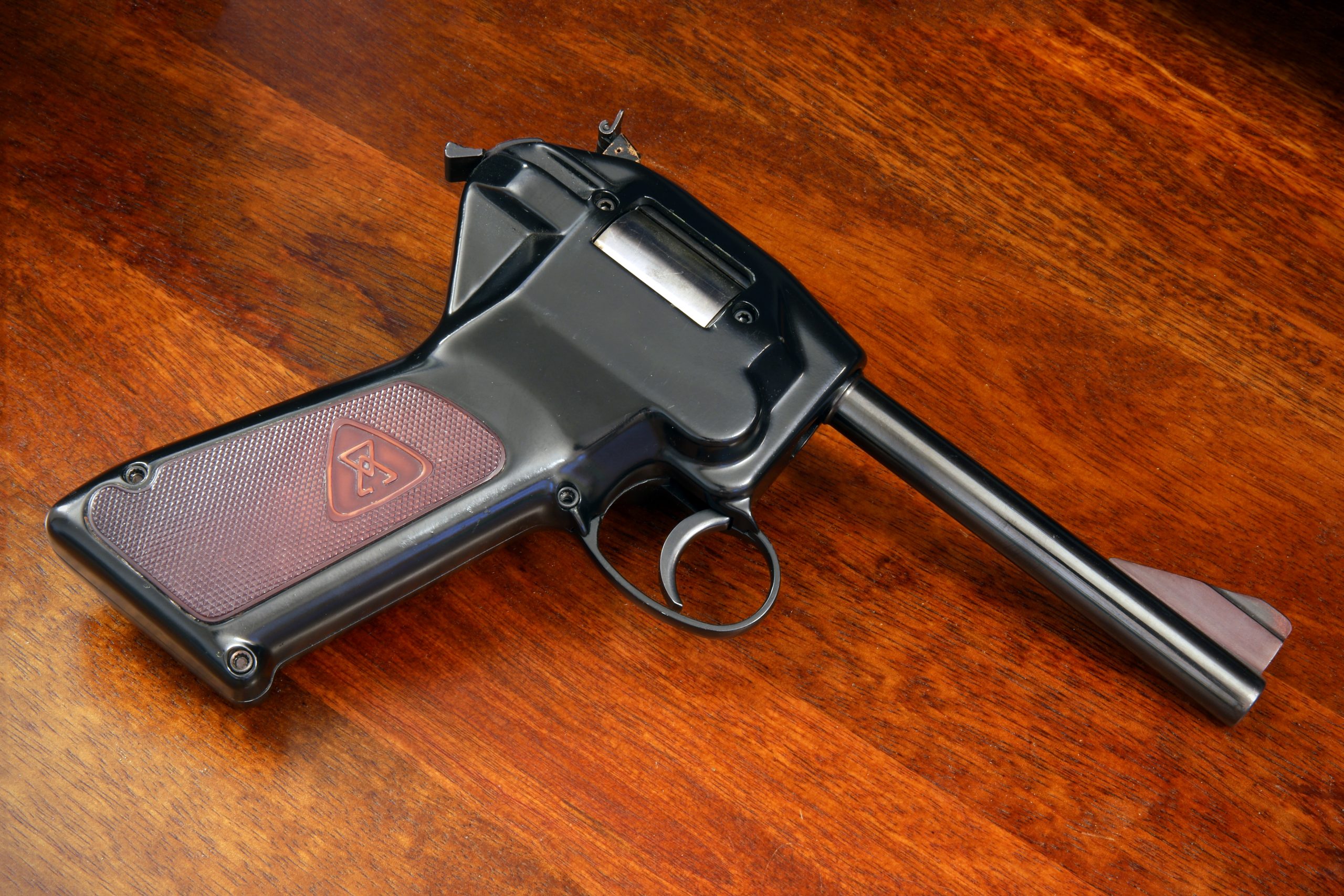
The Dardick Series 1500 was built around one of the strangest ammunition concepts attempted. Introduced in 1954, it used triangular plastic cartridges called Trounds instead of ordinary cylindrical rounds. The gun combined a revolving cylinder with a magazine in the grip, giving it traits of both a revolver and a self-loading pistol. Its 3-sided ammunition dictated the chamber and feeding arrangement. The Series 1500 could hold 15 rounds, while related designs were explored in carbine form. Production ended in 1962, leaving an example of how one unconventional cartridge can reshape an entire firearm.
3. Heckler & Koch G11
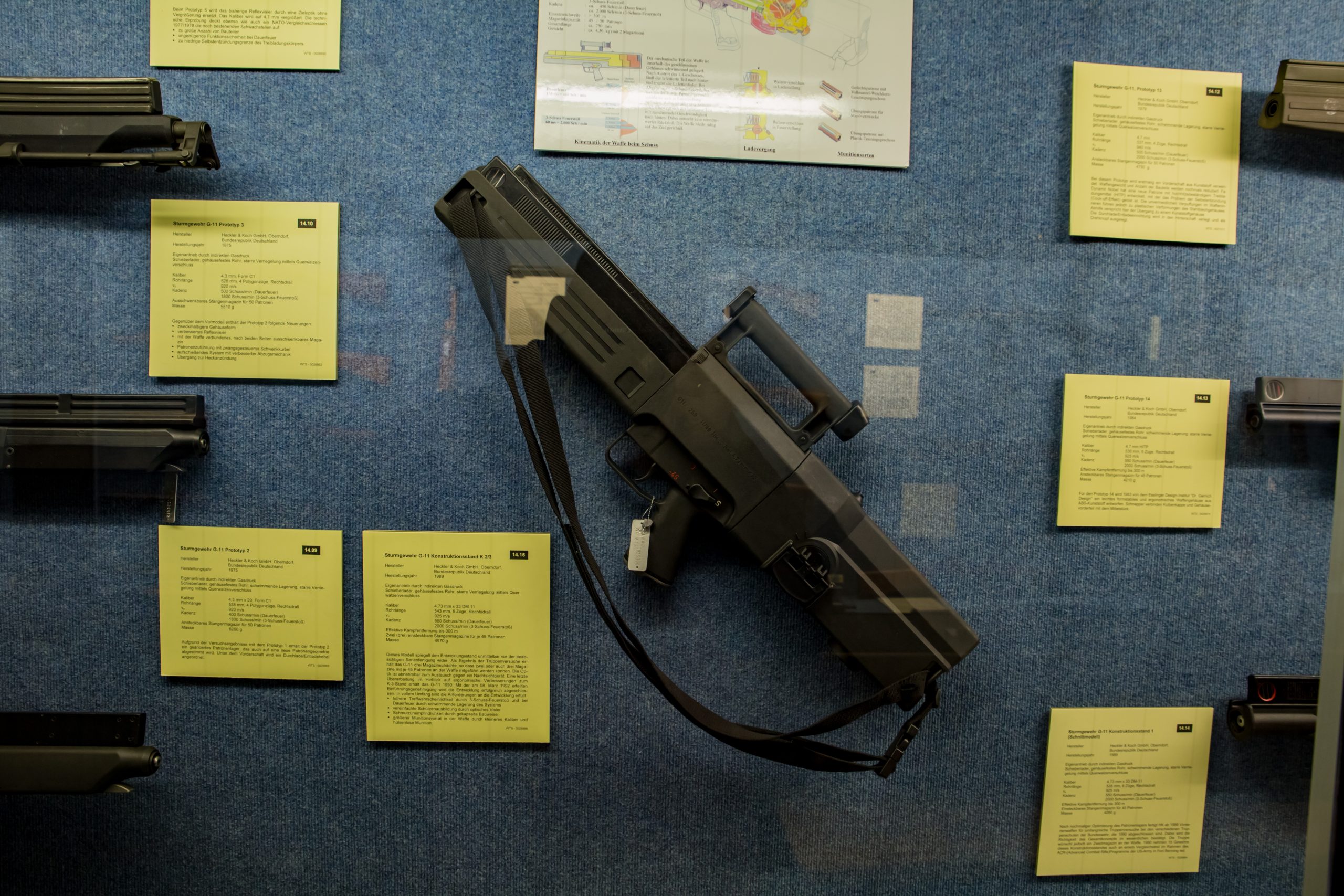
Heckler & Koch’s G11 was a Cold War rifle designed around ammunition with no conventional metal case. Its final form used 4.73×33 mm caseless rounds, with the projectile embedded in a solid propellant block. That ammunition required an unusual operating system, including a rotating chamber and distinctive feeding arrangement. Development ran from the late 1960s into the early 1990s, but the rifle never entered regular service. Final versions used magazines holding 45 or 50 rounds. The program showed how abandoning a familiar cartridge format could force designers to rethink rifle components.
4. Webley-Fosbery Automatic Revolver
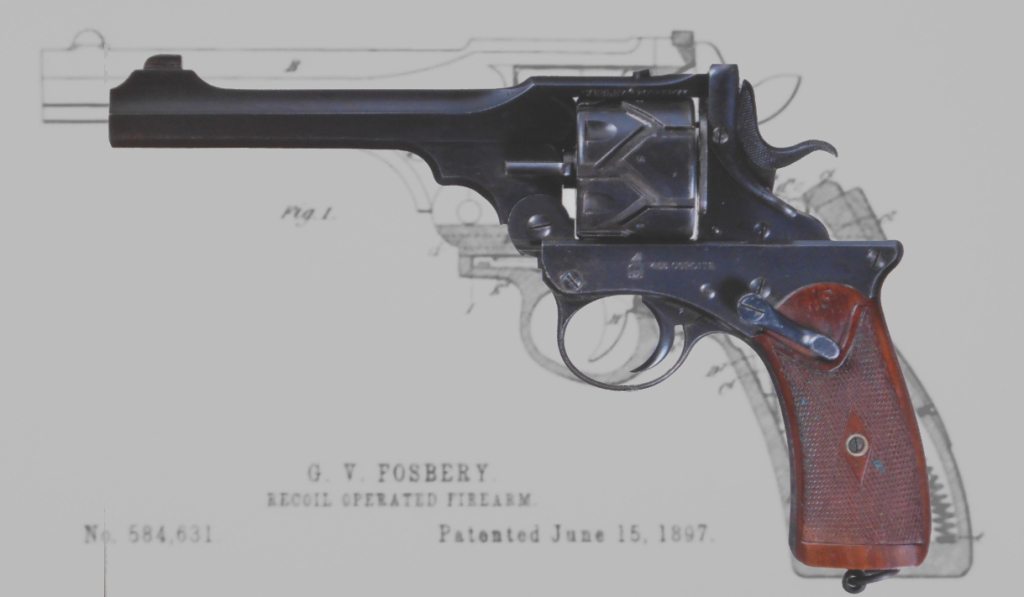
The Webley-Fosbery Automatic Revolver looked like a revolver but operated in a radically different way. Developed by George Vincent Fosbery and produced by Webley & Scott from 1901 to 1924, it used recoil to move the upper assembly rearward, cock the mechanism, and rotate the cylinder. Its zig-zag cylinder grooves are the clearest sign of that system. Versions used .455 Webley with 6 shots and .38 ACP with 8. Only about 4,750 were produced. It was never officially adopted by the British military, but some officers bought examples privately, preserving a distinctive hybrid handgun.
5. LeMat Revolver
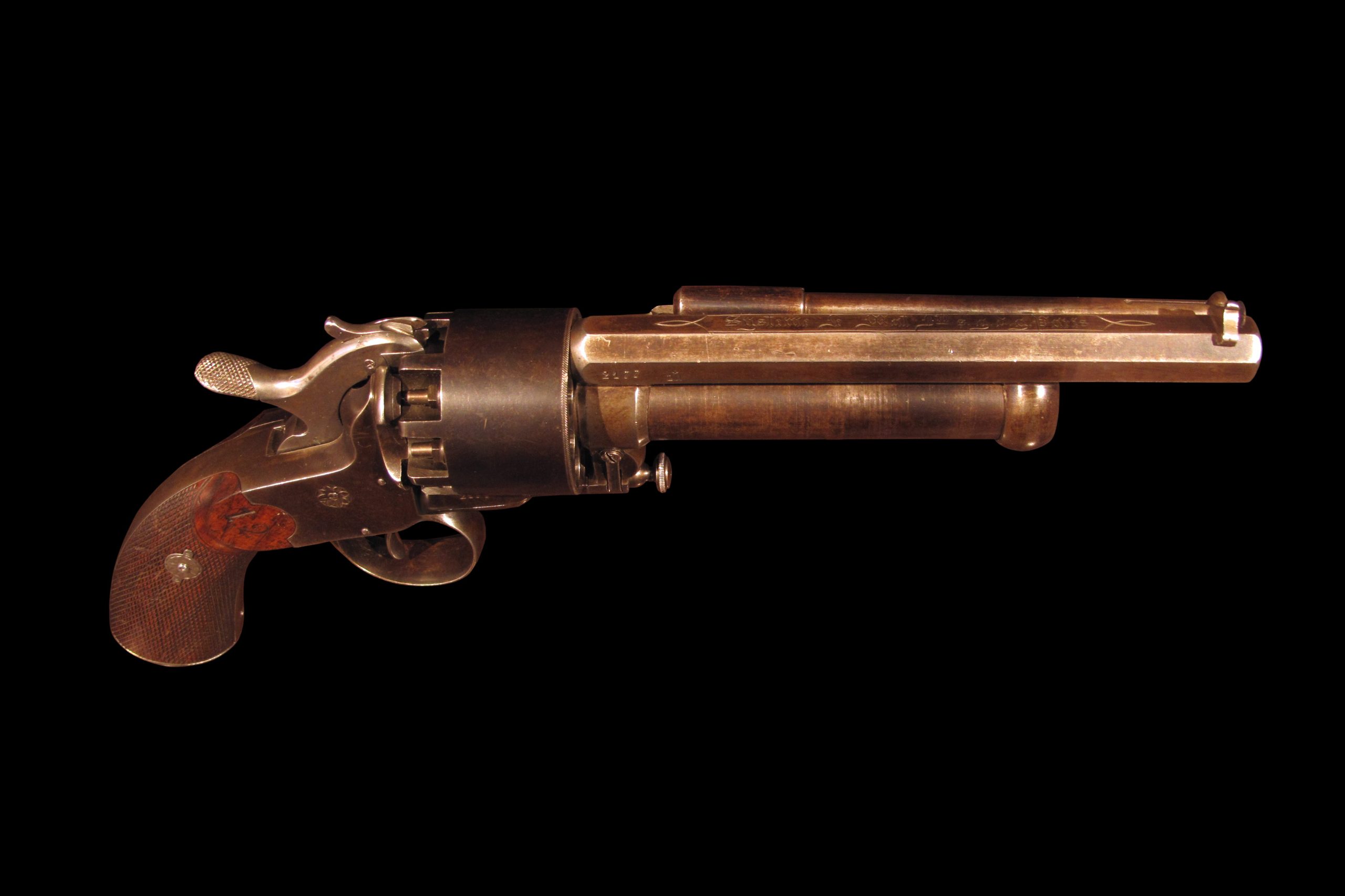
The LeMat revolver was unusual because its frame carried two firing systems rather than simply enlarging a conventional revolver. Patented in 1856, it combined a 9-shot cylinder with a second smoothbore barrel beneath the main barrel. Early versions used .42 or .36 caliber revolver ammunition and a 16 to 20 gauge secondary barrel. About 2,900 examples were produced during the original era, with manufacture in the United States and France. Its size, weight, and dual-barrel arrangement made it unmistakable. The LeMat became associated with Confederate service during the Civil War.
6. FN P90

The FN P90 was created around a cartridge and feeding system that departed from the usual pattern. FN developed the 5.7×28 mm cartridge for the project, with the P90 entering production in 1990. Instead of a conventional magazine beneath the receiver, it uses a 50-round magazine mounted horizontally above the barrel. The compact layout and dedicated ammunition were developed together, giving the weapon a distinctive profile. The original SS90 round was later replaced by SS190. The P90 remains an example of a firearm built around a proprietary ammunition system rather than a shared cartridge.
7. Pancor Jackhammer

The Pancor Jackhammer became famous as a futuristic shotgun built around an unusual detachable ammunition cassette. Designed in the 1980s, it was intended as a 12-gauge automatic shotgun using a 10-round ammunition unit. The project never reached normal production, and only a tiny number of functional prototypes are known. Its architecture combined a compact layout with a rotating feed system and removable cassette. The weapon’s science-fiction appearance helped make it recognizable in films and popular culture. Its history shows how radically a designer could depart from established designs.