
Nature offers more than beauty; it provides a treasure trove of materials that humans have used for survival, craft, and innovation. From plants to minerals, these wild materials often serve multiple purposes beyond the obvious. Understanding their versatility not only deepens appreciation for the natural world but also equips adventurers, campers, and makers with tools for survival and creativity. Here are twelve wild materials with surprising abilities.
1. Bamboo
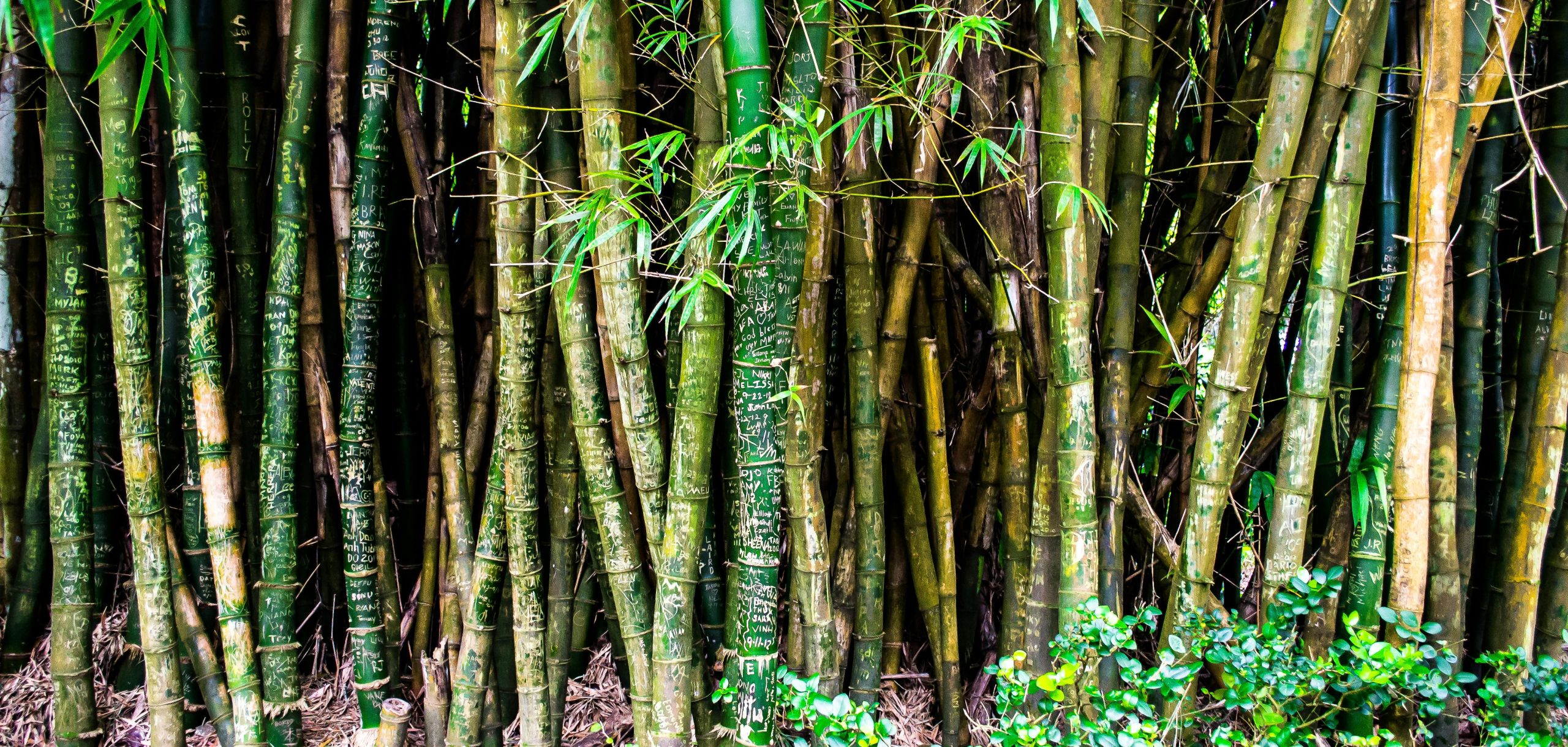
Bamboo is not just a fast-growing plant; it’s a powerhouse for construction, shelter, and even tools. Its hollow yet strong structure makes it perfect for building lightweight frames, walking sticks, or even temporary bridges in the wilderness. Beyond structural uses, bamboo fibers can be processed into ropes, mats, or fabric. Its combination of flexibility and strength makes it one of the most versatile natural resources available in many regions.
2. Pine Resin
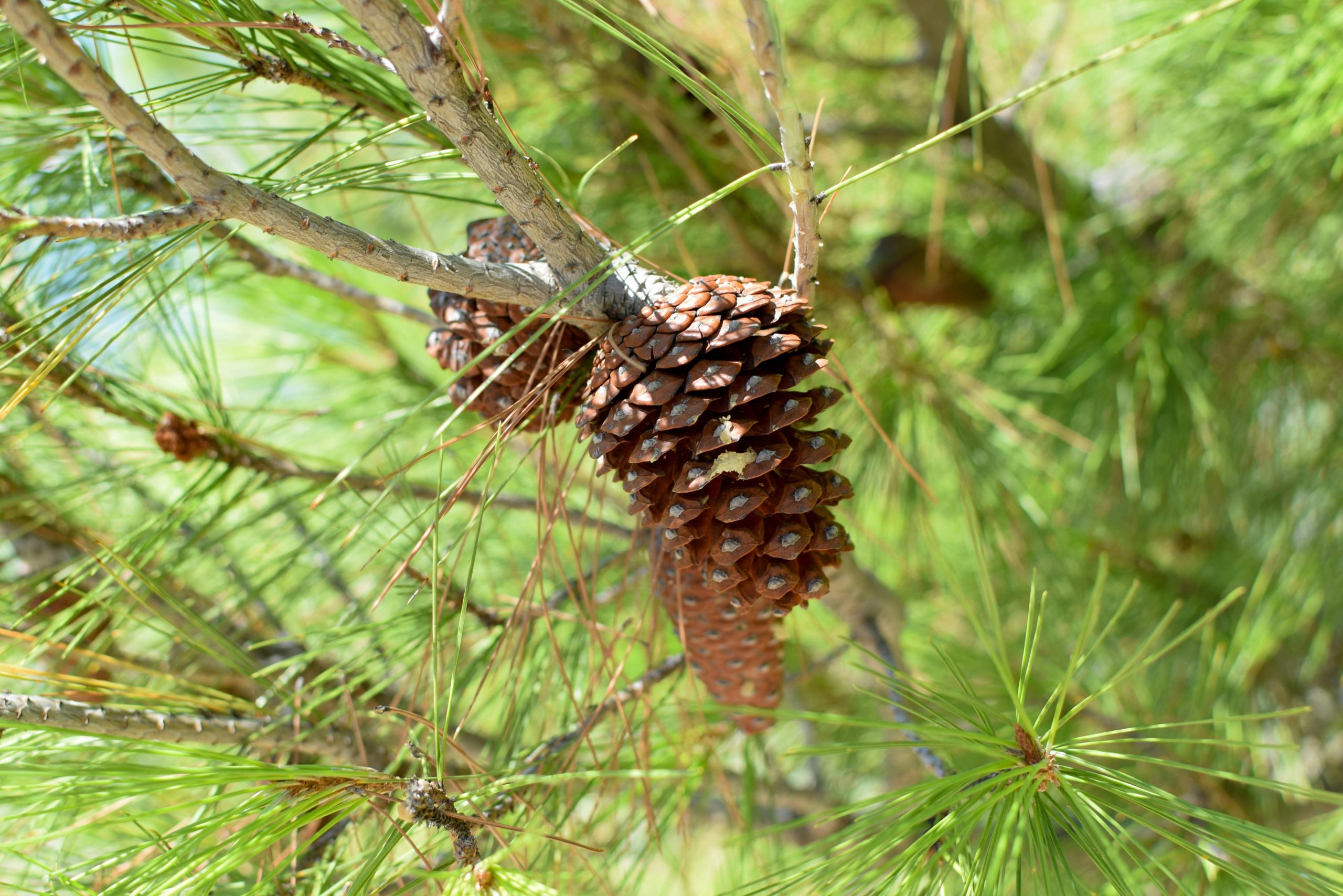
Pine resin has been used for centuries as a natural glue, waterproofing agent, and fire starter. Its sticky, aromatic sap can mend broken tools, seal containers, or even help in survival shelters. When heated and mixed with charcoal or ash, it becomes an effective adhesive. Pine resin is also antimicrobial, which makes it handy for minor cuts or wounds in emergency situations, adding both practicality and medicinal value to its list of uses.
3. Clay
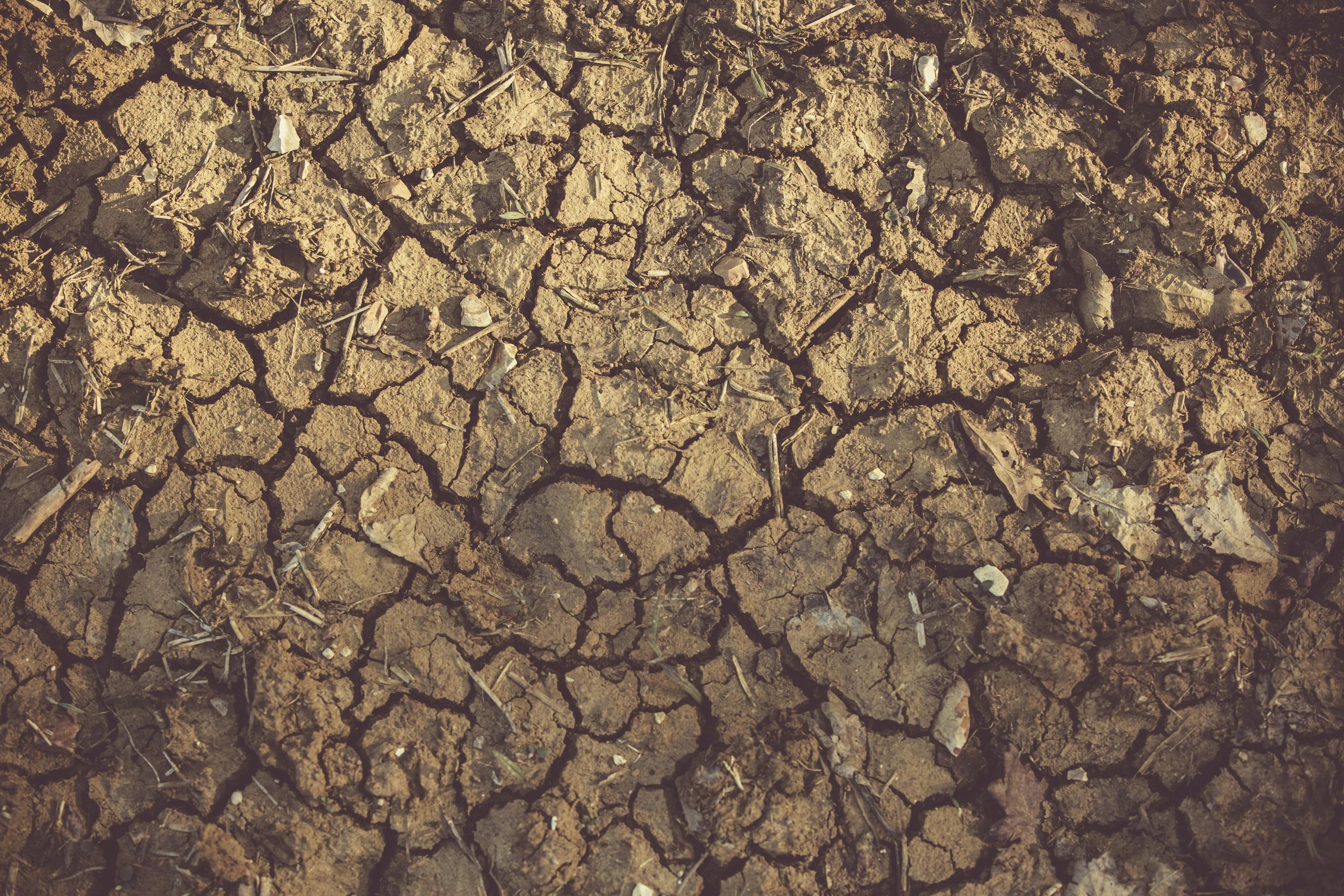
Clay is more than mud; it’s a multipurpose material found in many natural landscapes. Its plasticity allows it to be molded into pots, bowls, or water containers. When dried or fired, clay becomes a durable vessel for cooking or storage. It can also be used to seal leaks, build temporary structures, or even as a natural pigment for art and camouflage. Understanding its properties can turn simple earth into essential tools for survival.
4. Birch Bark

Birch bark is light, waterproof, and surprisingly strong. Indigenous people have used it for canoes, roofing, and containers for centuries. Its natural oils repel water, making it excellent for temporary shelters, firestarting, and even wrapping food. Thin layers can be peeled without harming the tree, making it a sustainable resource. Birch bark’s combination of flexibility, durability, and resistance to decay makes it indispensable in the wild.
5. Moss
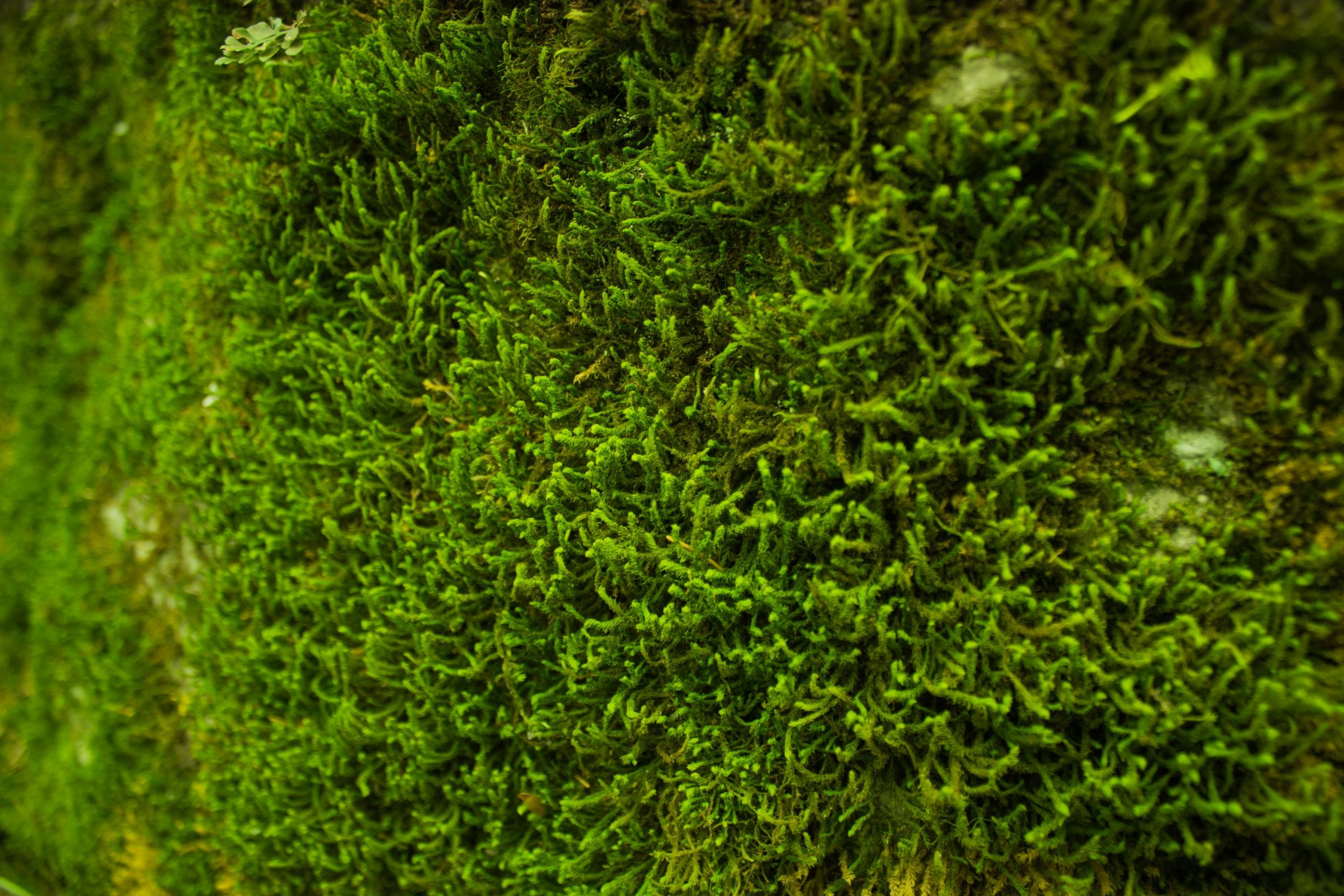
Moss might seem like just ground cover, but it’s an incredible insulator and padding material. It can be used to line shoes, bedding, or shelters, keeping warmth and moisture in check. In emergencies, clean moss can even serve as a temporary bandage or fire starter when dried. Its spongy texture makes it effective for cushioning fragile items during transport. Moss demonstrates that even the softest materials can have critical survival applications.
6. Animal Sinew

Animal sinew, the fibrous tissue connecting muscles to bones, is one of the strongest natural fibers. Dried sinew can be used as cordage, bowstrings, or sewing thread for leather and hides. Its strength surpasses many modern synthetic ropes in certain applications. When soaked, it becomes flexible for binding, then stiffens as it dries, making it an excellent tool for crafting, repairs, and survival tasks requiring strong, reliable natural cordage.
7. Cattail

Cattails are often found near wetlands, but they’re far more useful than they appear. Their stalks can be used as kindling, insulation, or even simple tools, while their fluffy seed heads make excellent tinder or padding. The roots and shoots are edible and provide emergency nutrition. Historically, cattails have been used for weaving mats, bedding, and cordage. This versatile wetland plant showcases nature’s multifunctional potential in everyday survival.
8. Obsidian
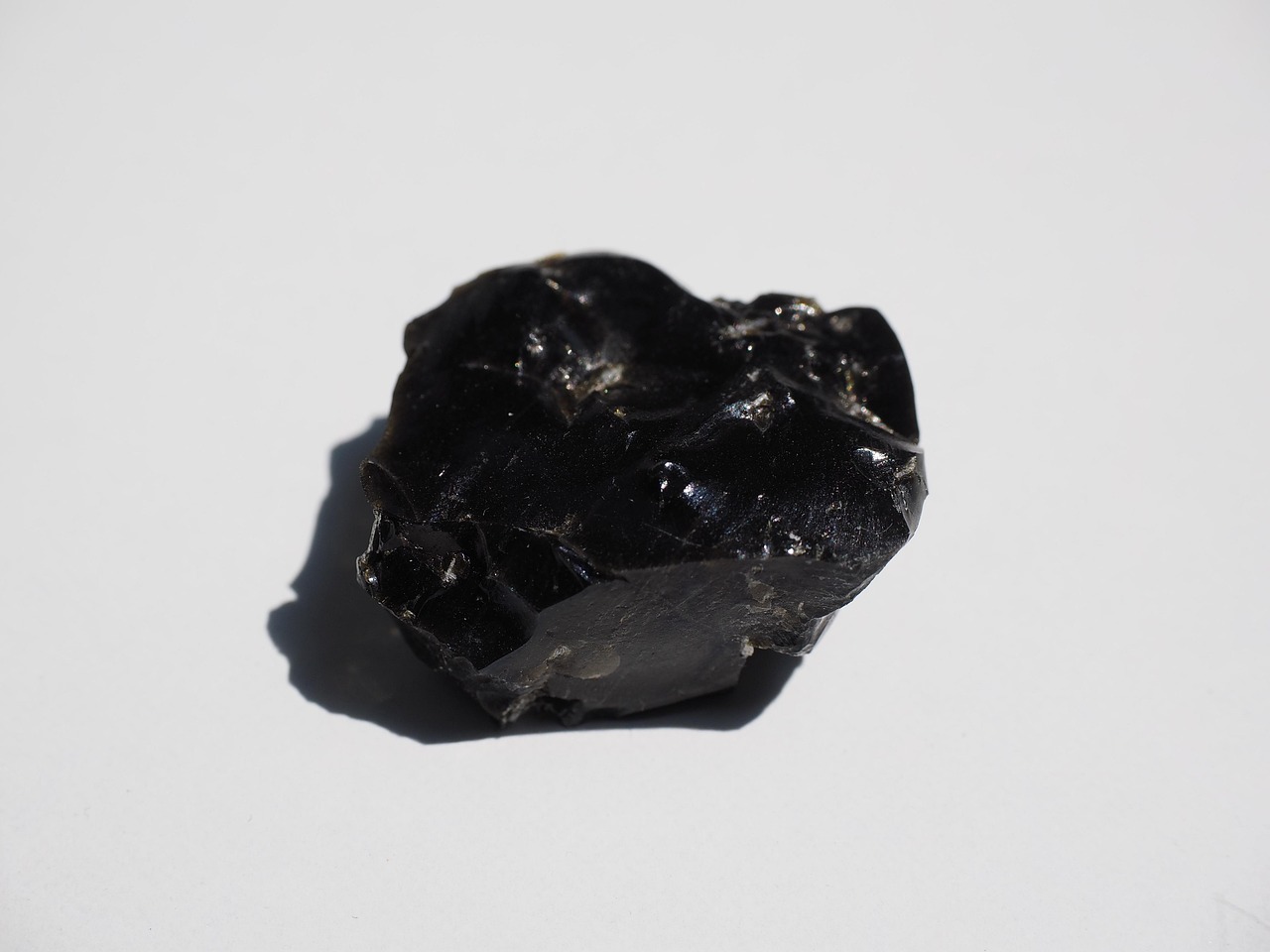
Obsidian, a naturally occurring volcanic glass, has been used for cutting tools and weapons for thousands of years. Its edges can be sharper than steel scalpels, making it perfect for slicing, carving, or hunting implements. Beyond cutting, small obsidian shards can be used for firestarting when struck against certain rocks. Its combination of sharpness, durability, and ease of shaping makes obsidian one of the most effective natural materials for survival and crafting.
9. Bamboo Charcoal
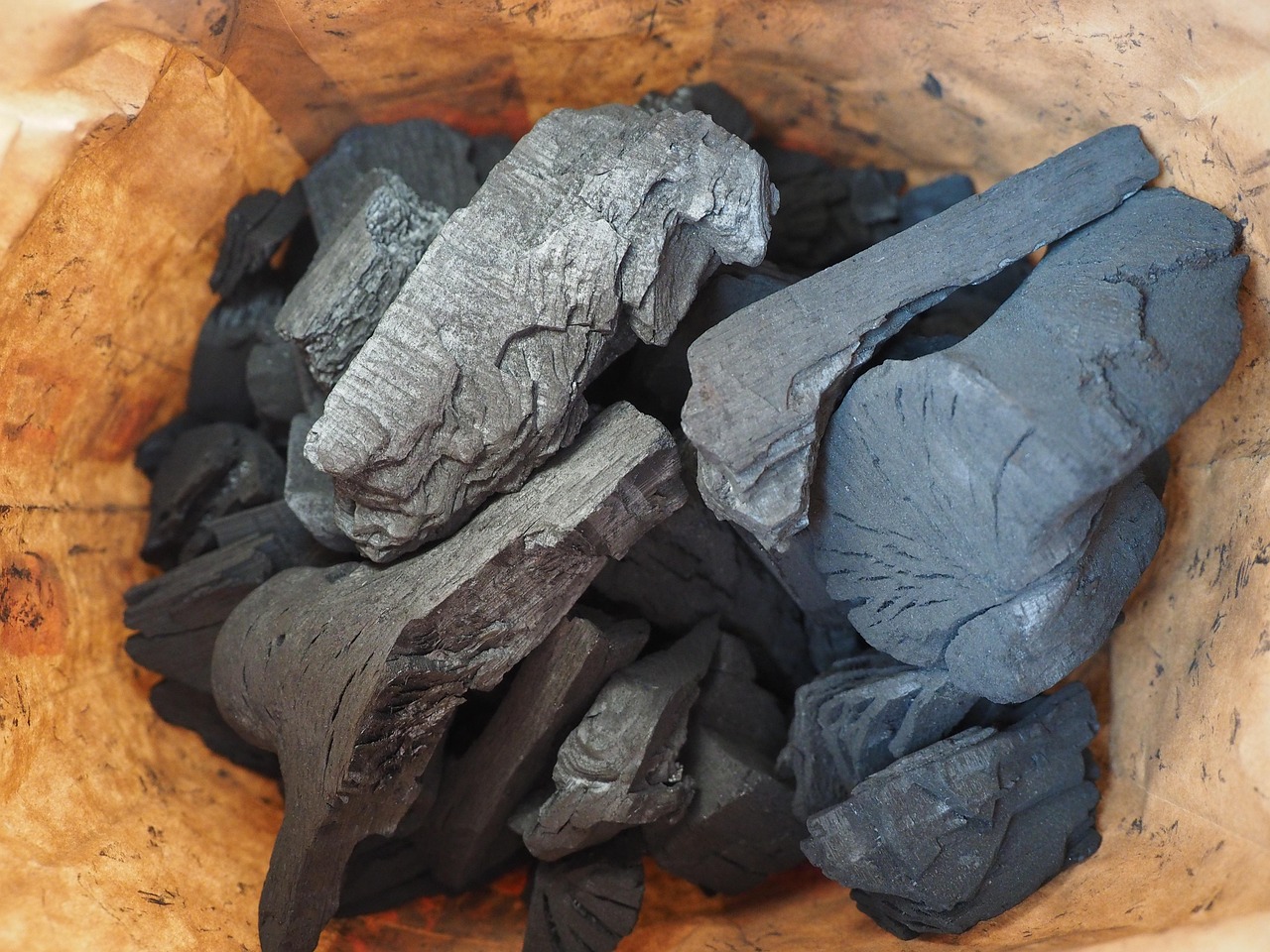
Beyond structural use, bamboo can be transformed into charcoal, a powerful tool for purification and cooking. Bamboo charcoal can filter water, remove odors, and even absorb toxins in certain survival situations. It also serves as an efficient, long-burning fuel for campfires or stoves. This demonstrates how a single material can be both structural and functional in chemical processes, highlighting nature’s ability to provide multiuse solutions.
10. Tree Resin

Tree resins, like those from pine or fir trees, are not just sticky adhesivesthey ignite quickly and burn hot. Resin can be used as tinder in damp conditions when combined with other natural materials. Additionally, certain resins have antimicrobial properties and were historically used to treat wounds or infections. Its dual role as both a survival aid and a medicinal resource exemplifies nature’s ingenious multifunctional materials.
11. Coconut Fiber
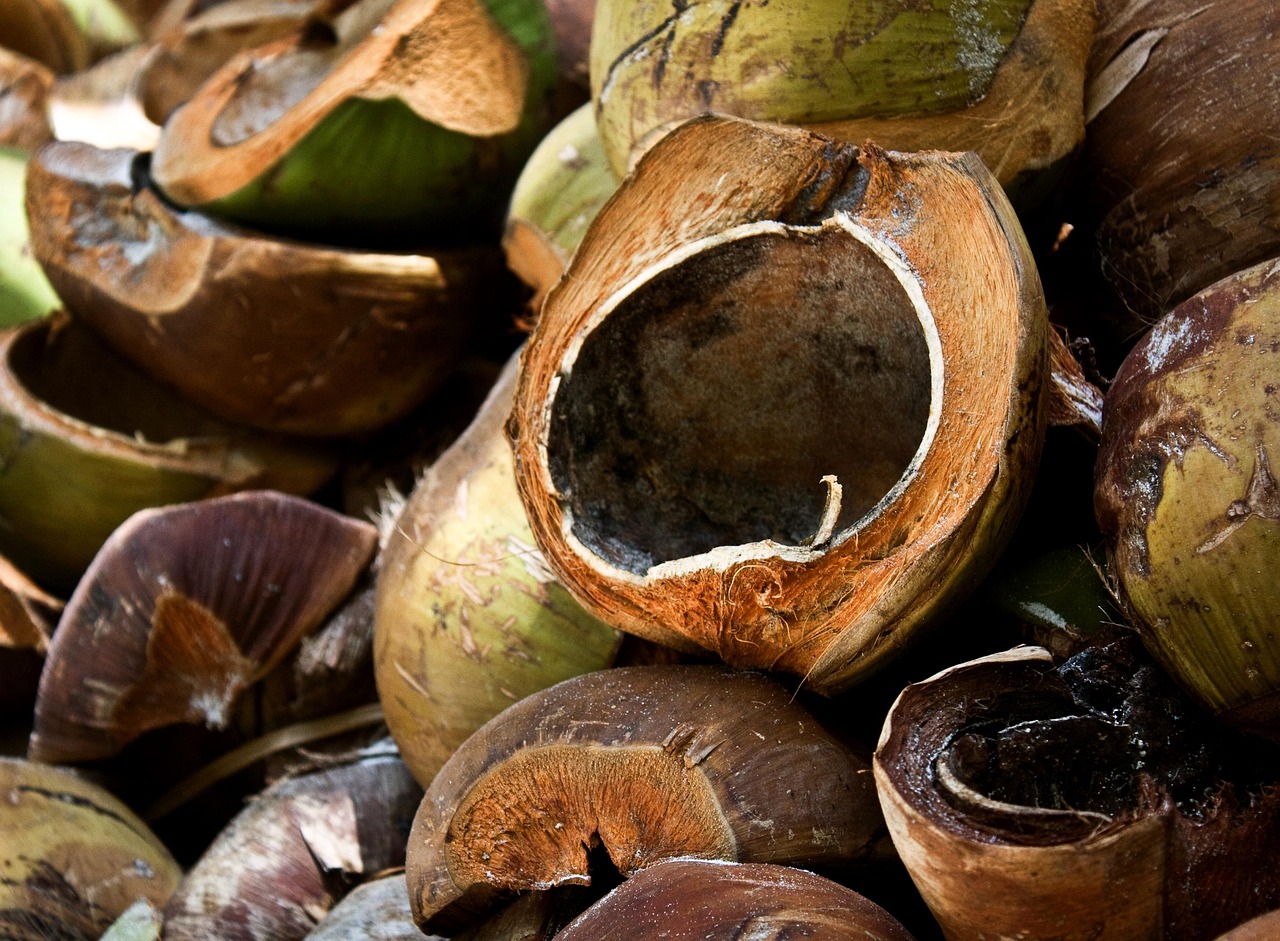
Coconut husks are tough, fibrous, and highly versatile. They can be twisted into ropes, mats, or padding for sleeping areas. When dried, coconut fibers are water-resistant, making them ideal for binding or even as fire starter material. They also provide cushioning in shelters or containers. This plant-based material highlights how waste products in nature can become essential survival tools with minimal processing.
12. Pine Needles
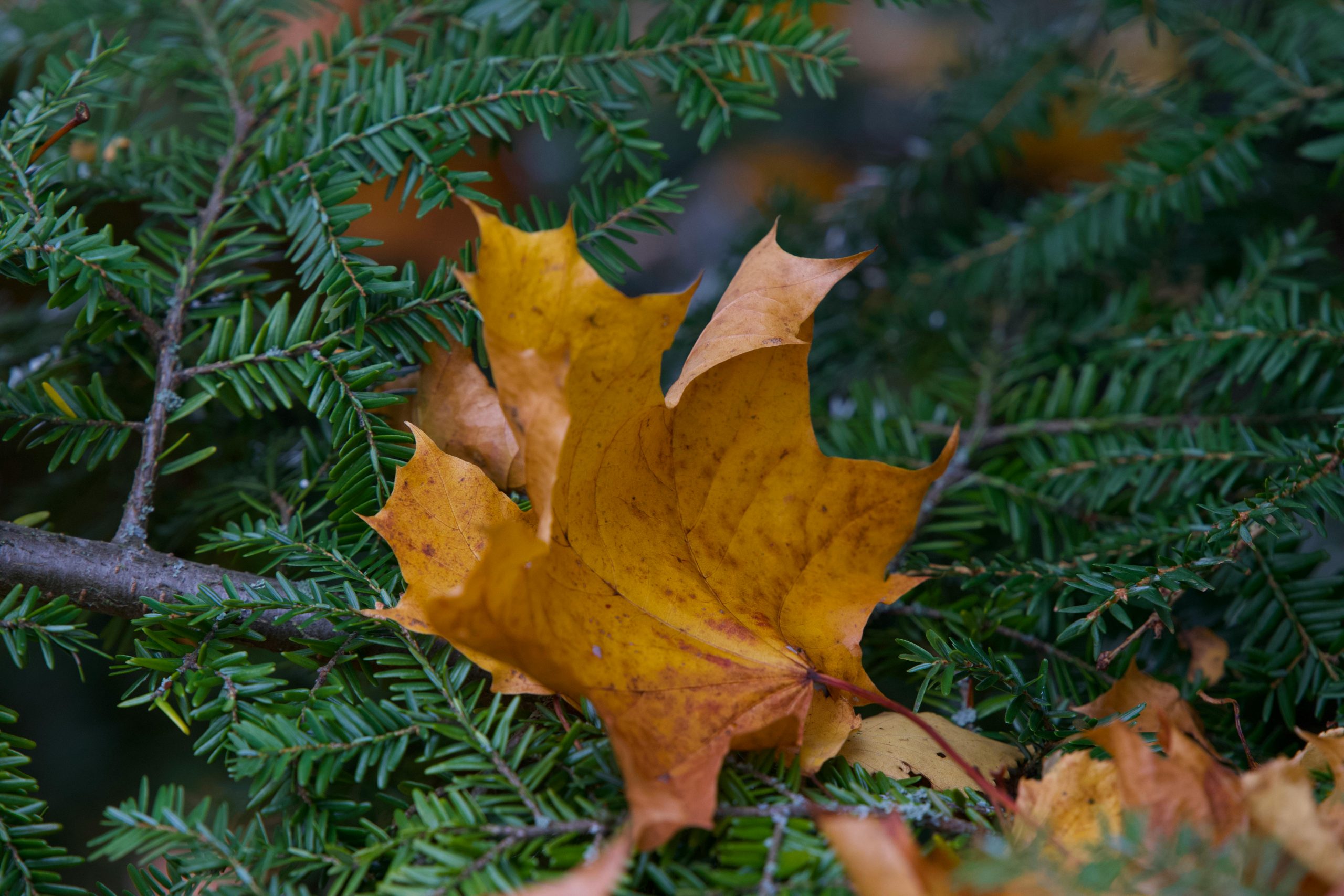
Pine needles are soft, lightweight, and abundant in many forests. They can be used as bedding, insulation, or natural mulch for camping areas. When layered, pine needles help retain heat, keeping shelters warm and dry. They also serve as kindling for firestarting and can even be woven into mats or containers. Pine needles prove that even the smallest, most overlooked materials in nature have multiple practical uses.