
Lead-free ammunition has moved from a niche option to a major part of the hunting conversation. Copper and other non-lead projectiles are increasingly available, while some jurisdictions require them for certain hunts. Supporters point to reduced lead exposure for wildlife and potentially cleaner carcasses, while skeptics continue to question cost, accuracy, availability, and terminal performance. These 9 issues explain why hunters can look at the same ammunition change and reach very different conclusions.
1. Wildlife Exposure Remains the Biggest Argument
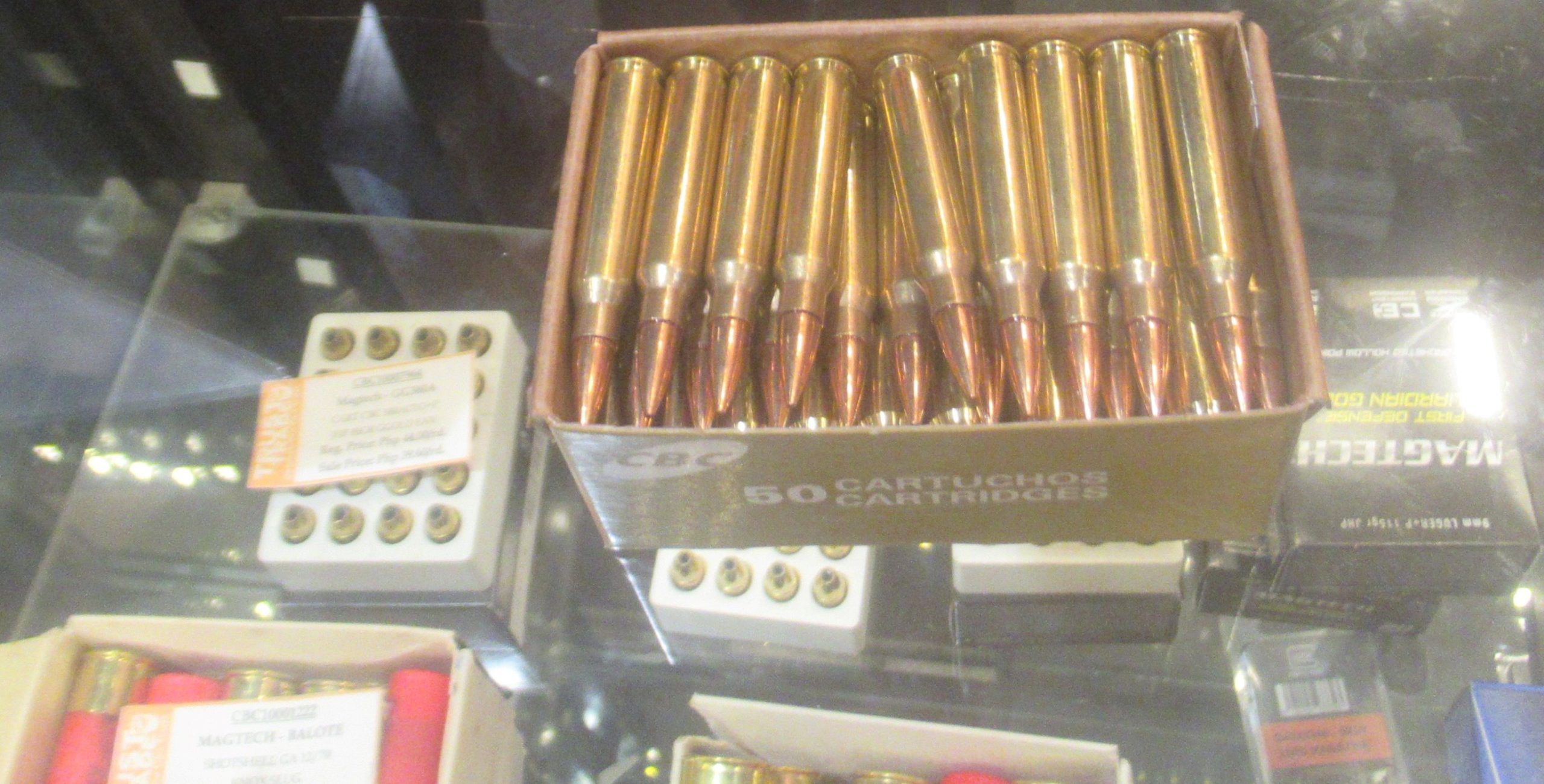
Lead-free ammunition appeals to hunters who want to reduce the toxic metal left in the field. Lead bullets can break into many small fragments when they strike game, and scavengers may consume those fragments in discarded remains. The California condor is a well-known example, with the U.S. Fish and Wildlife Service identifying lead poisoning as its leading cause of death. In 2026, the federal agency is offering incentives at 26 refuges in 19 states for hunters who choose lead-free ammunition, showing that the issue now reaches beyond a single region.
2. Terminal Performance Still Gets Debated
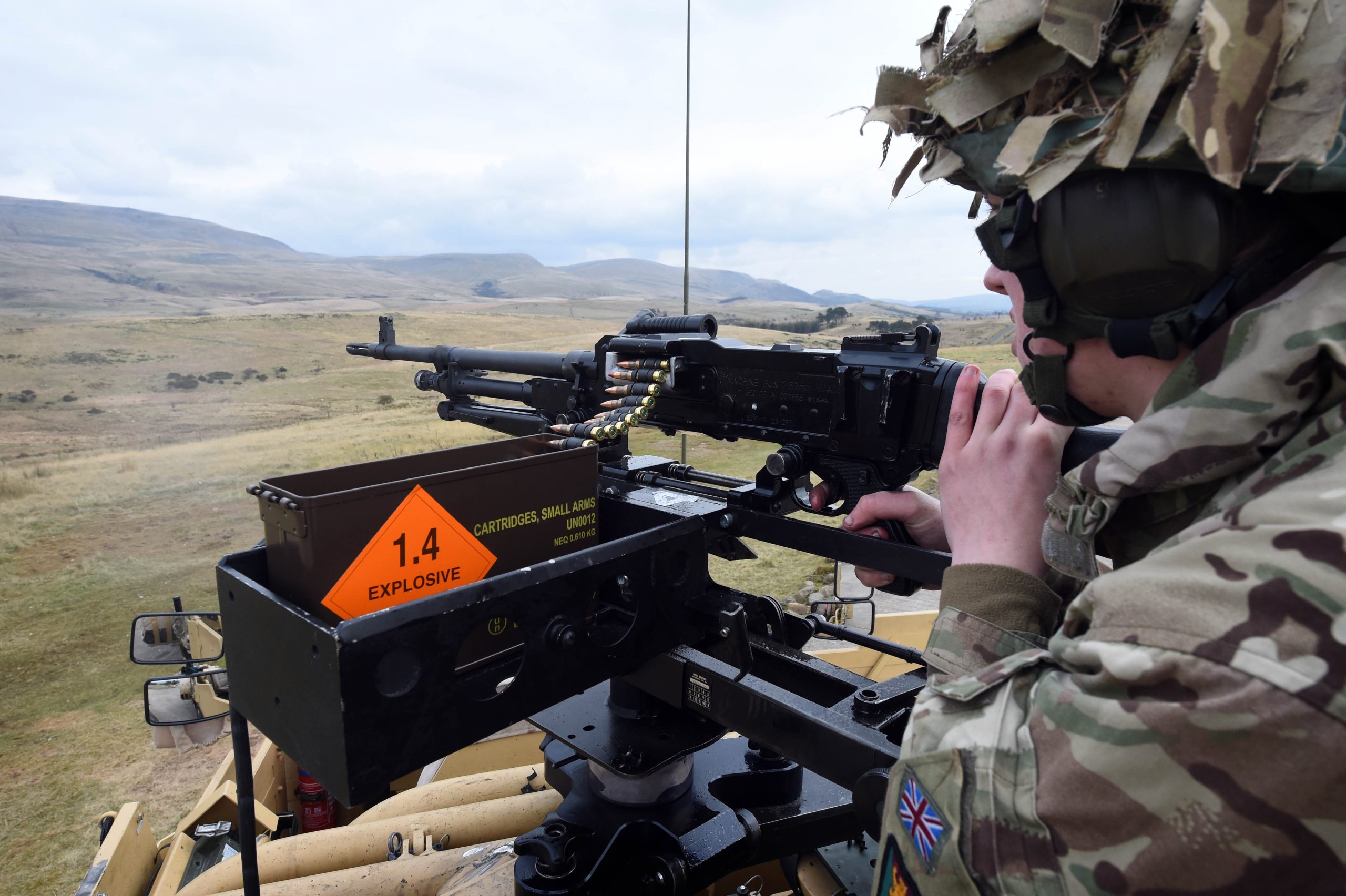
Many hunters accept the wildlife argument but still ask whether copper and other non-lead bullets perform like the loads they already trust. Modern monolithic bullets are designed to expand while retaining much of their weight, thereby producing deep penetration. However, bullet construction, impact speed, shot angle, and game size all affect the result. A 140-grain copper bullet is not automatically a direct ballistic substitute for a 140-grain lead-core bullet, so hunters often have to learn a new trajectory and terminal behavior before hunting.
3. Accuracy Can Change From Rifle to Rifle
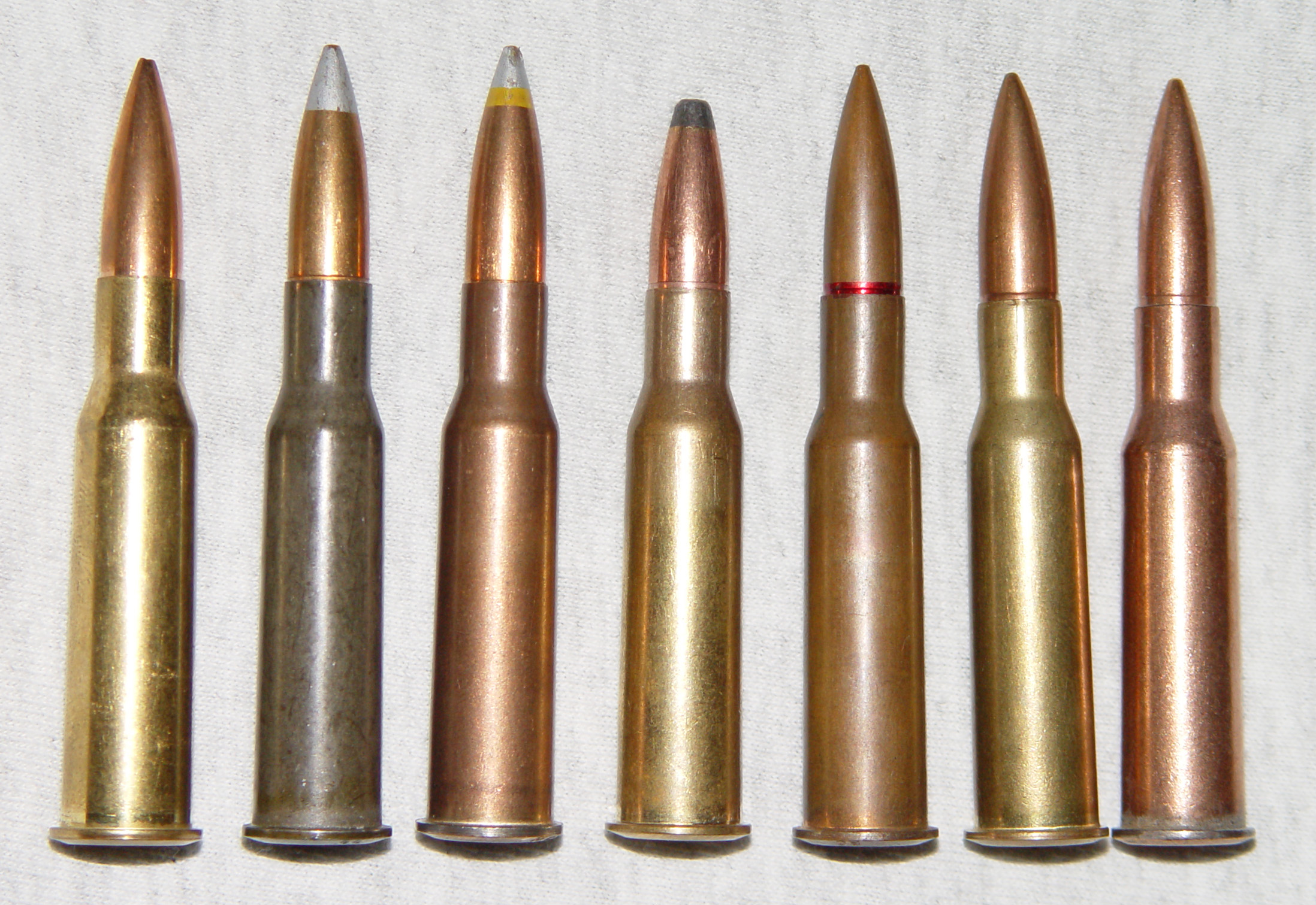
Accuracy is another reason the debate continues. A hunter may switch ammunition and discover that a rifle groups differently, even when the cartridge and bullet weight appear similar. Copper bullets can have different bearing surfaces, lengths, seating requirements, and pressure characteristics from traditional designs. Testing matters more than assumptions. In one published .22 LR study, lead-free ammunition produced groups from 17 to 53 millimeters at 46 meters across 5 rifles, and 4 produced groups comparable to lead-based ammunition. That shows why individual rifle testing matters.
4. Cost Makes the Switch Harder for Some
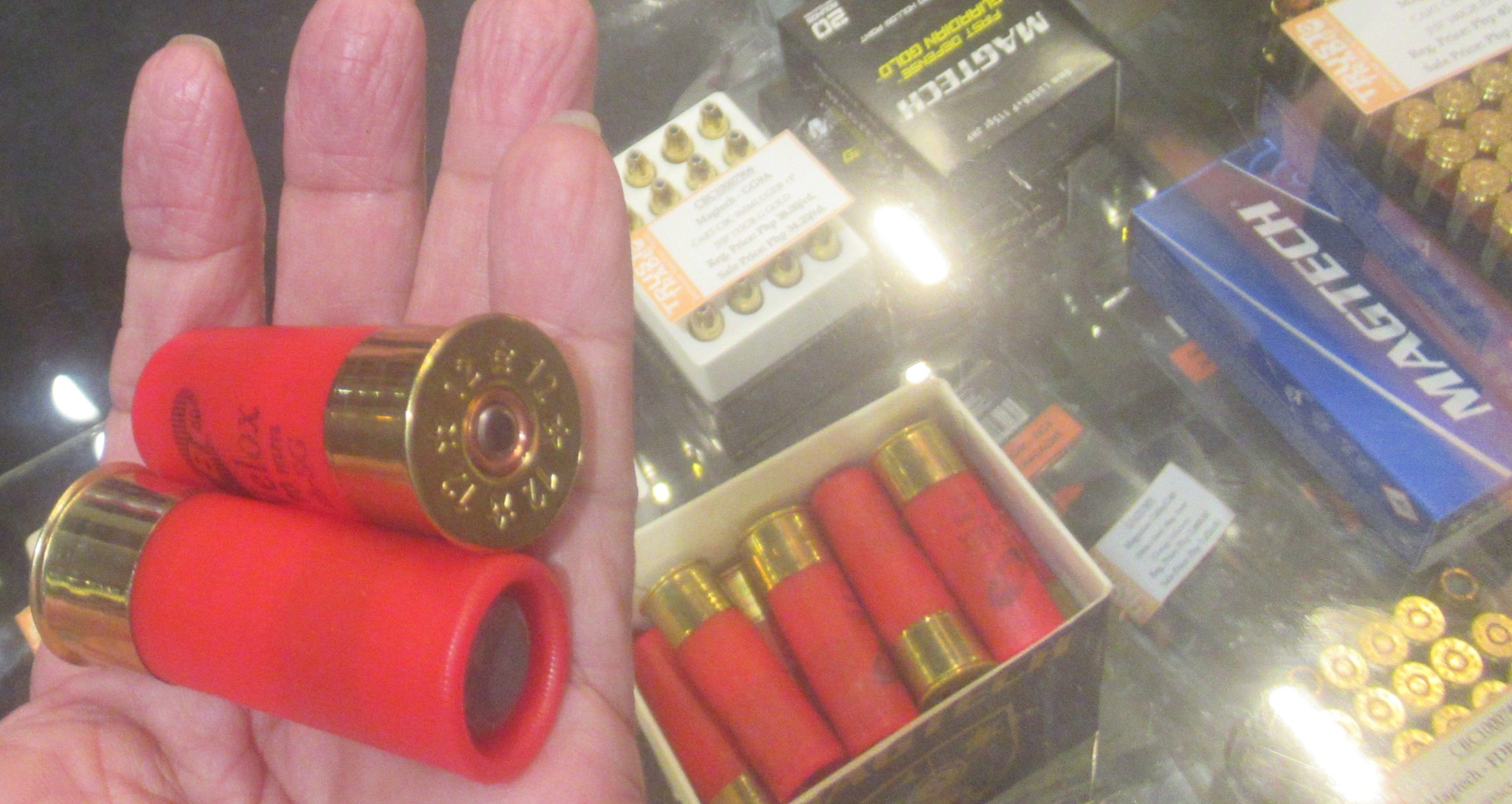
Price is a practical concern, especially for hunters who buy ammunition for several rifles or practice frequently before a season. Lead-core loads are often available across a broad range of prices, while specialized lead-free bullets can cost more depending on cartridge and supply. The real expense can also include ammunition used for sighting in after a switch. Some programs offset that burden. For the 2026-27 season, U.S. Fish and Wildlife Service incentives can provide up to $50 per eligible rifle box at participating refuges, subject to limits and funding.
5. Availability Is Not Equal Everywhere
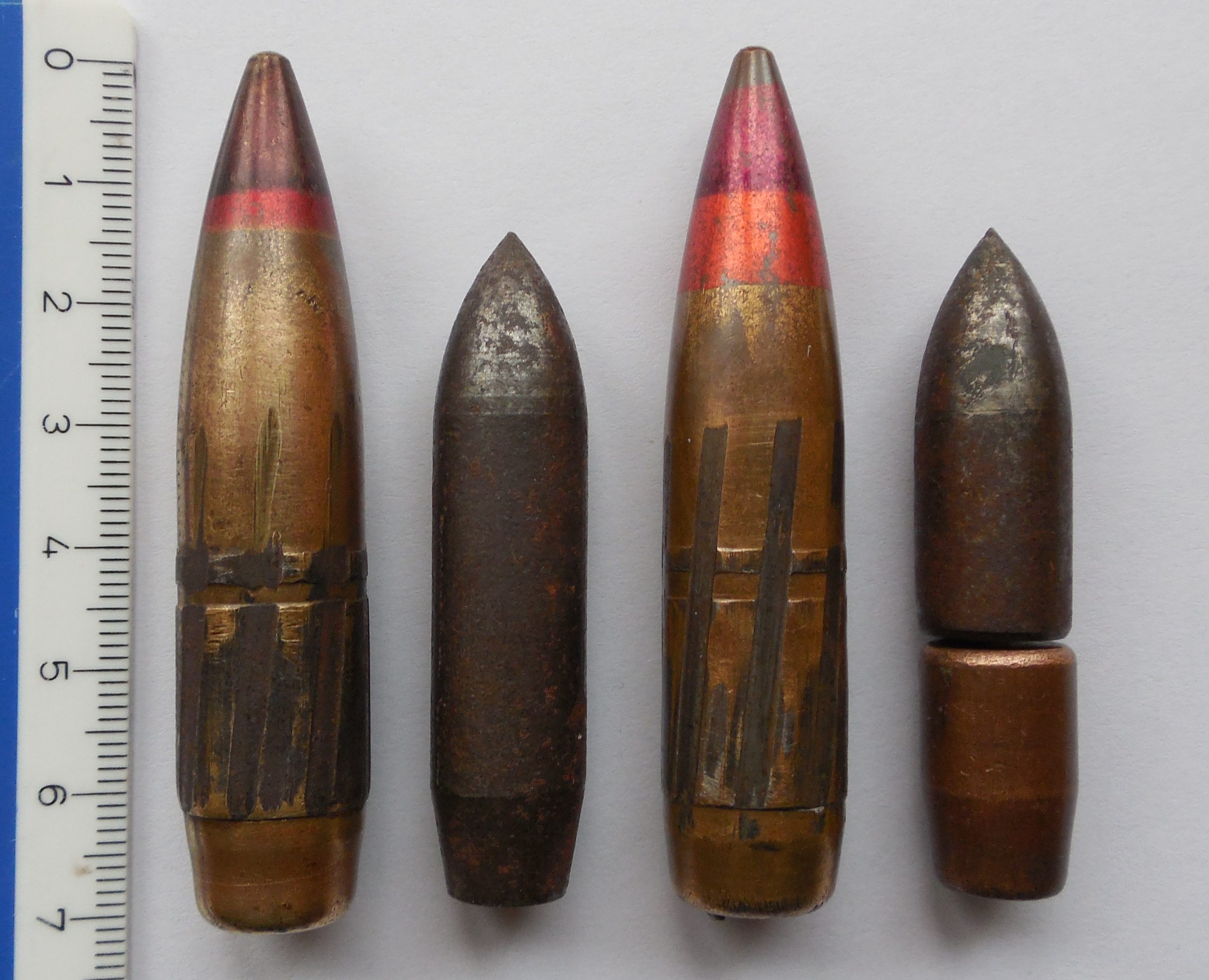
Lead-free ammunition is much easier to find than it was years ago, but availability still varies by cartridge, bullet weight, retailer, and location. A hunter using a common big-game cartridge may have several copper options, while someone using an older or less common chambering may find fewer choices. Small-caliber ammunition can be another challenge. Research on lead-free .22 LR noted that relatively few alternatives were commercially available when the study was conducted. Hunters therefore need to check supply before a trip, rather than assuming a familiar load will be on the shelf.
6. Regulations Create Different Hunting Experiences
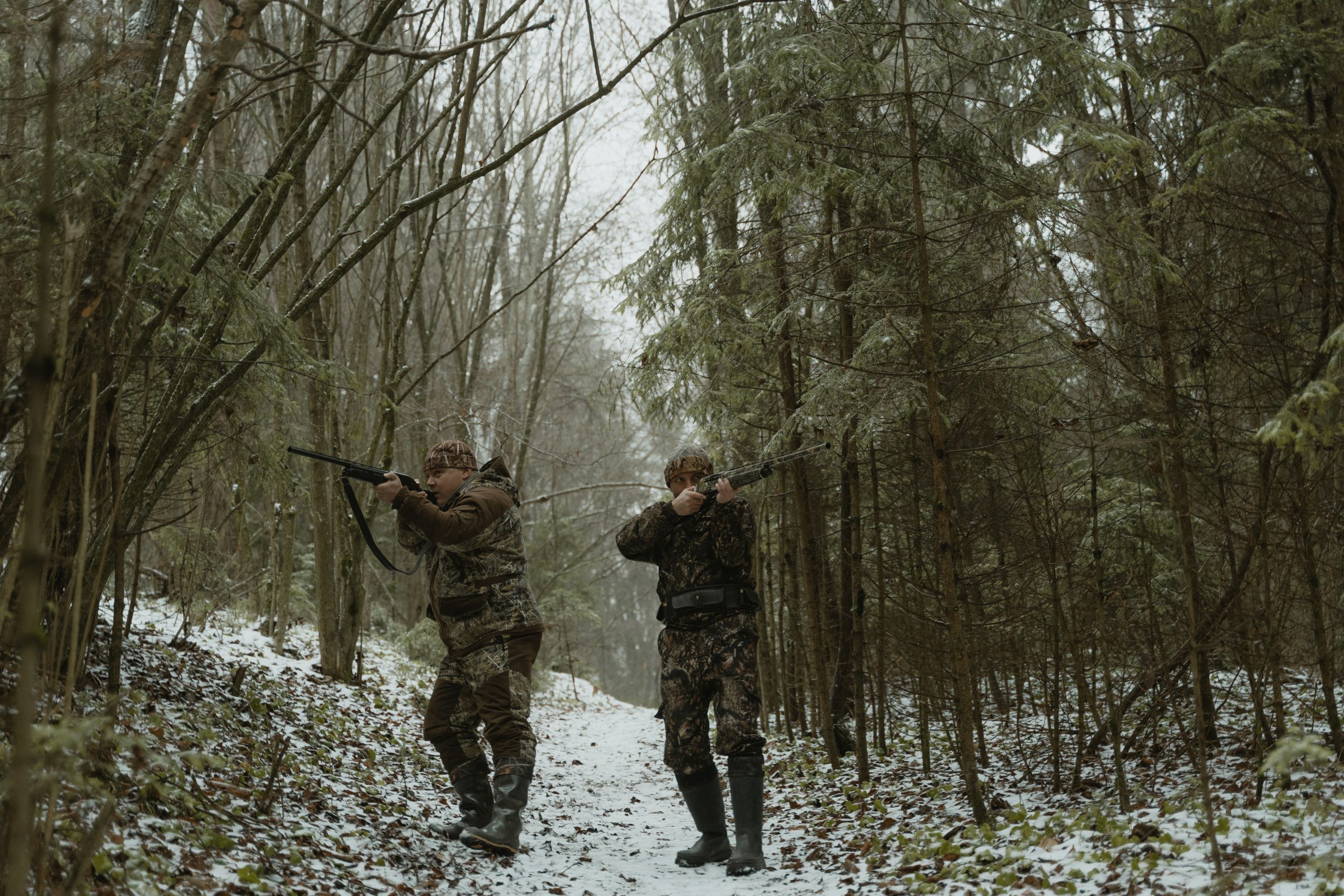
Regulations are a major source of disagreement because hunters in different jurisdictions can face very different requirements. California has required nonlead ammunition for taking any wildlife with a firearm statewide since July 1, 2019, including hunts on private land. Its certified ammunition standard allows projectiles containing no more than 1 percent lead, and hunters may need packaging that helps establish compliance. Elsewhere, lead-free ammunition may be voluntary or required only in particular areas or for certain species. That patchwork makes planning harder for traveling hunters.
7. Meat Contamination Is Part of the Conversation

Another concern involves what remains in harvested meat. Lead-core bullets can leave fragments beyond the main wound channel, so field dressing may not remove every tiny piece. The risk depends on bullet design, impact, shot placement, and how meat is trimmed. Lead-free bullets generally leave less lead behind, which is one reason wildlife agencies promote them. This does not mean every load produces identical results, or that every lead-core bullet contaminates meat equally. Hunters are weighing an exposure concern against familiar equipment, especially when processing 1 deer for the freezer.
8. The Transition Requires More Than Buying a Box
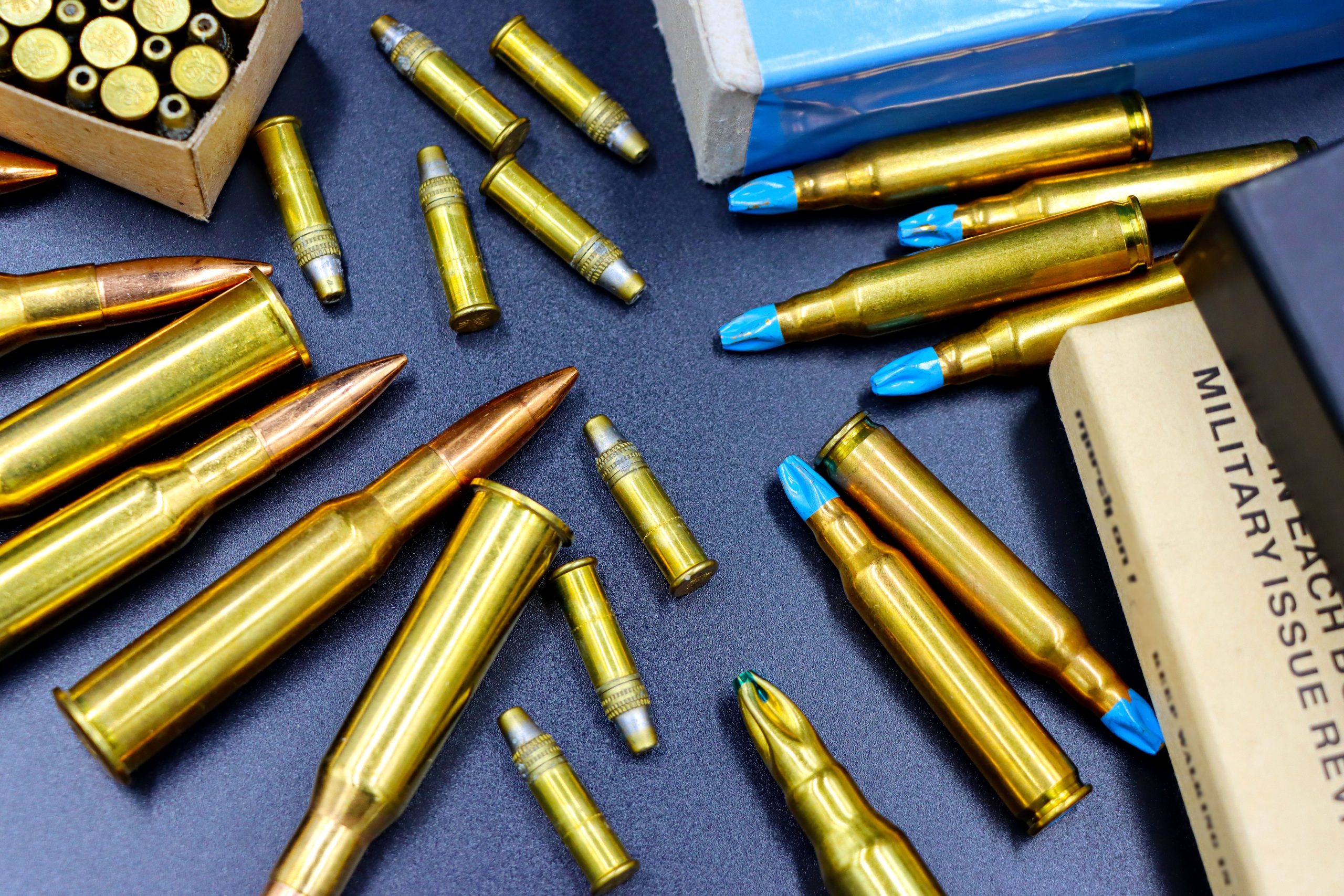
Switching ammunition is not simply a matter of purchasing a different box and heading into the woods. A new bullet can change point of impact, velocity, trajectory, recoil feel, and the distance at which a hunter is comfortable making a shot. Responsible hunters should confirm their rifle’s zero with the exact load they intend to use. They may also need to check whether the ammunition is approved for their hunting area. The adjustment period is one reason some hunters resist mandates, while others see it as a manageable change after 2 or 3 range sessions.
9. The Debate Is Really About Priorities

The continuing argument is not only about whether lead or lead-free bullets can take game effectively. It is also about how hunters balance wildlife concerns, regulations, cost, accuracy, availability, and confidence in familiar equipment. Modern non-lead ammunition has become more capable and widely available, while agencies promote it where lead exposure is a concern. At the same time, hunters want ammunition that fits their rifle, budget, and conditions. The result is a debate where performance and conservation goals overlap, but can produce different choices for 1 hunter or another.