The fight over 3D-printed firearms has never really been about plastic pistols alone. It is about whether the law can keep up when a gun becomes part file, part kit, and part political symbol.
Why does this fight refuse to stay settled?
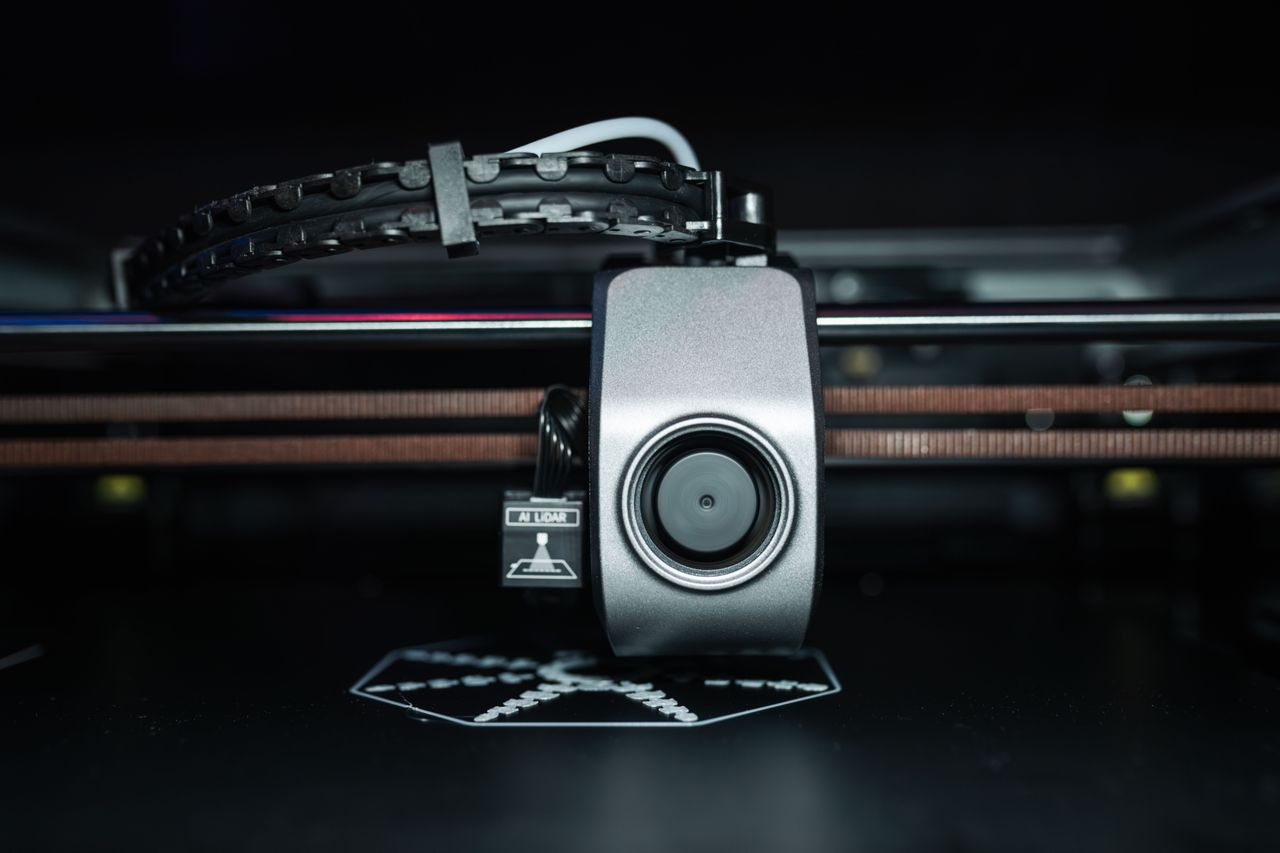
The phrase “3D-printed gun” sounds simple, but the law treats several different things at once. There are downloadable design files, unfinished parts, completed homemade weapons, and hybrid kits that mix polymer pieces with metal components. That matters because each category can trigger a different body of law, from export controls and free speech claims to firearms statutes and criminal enforcement.
The modern legal battle became nationally visible through Defense Distributed, the Texas-based group tied to Cody Wilson, which argued that posting gun design files online was protected expression. Opponents, including several states, argued that making those files widely available would bypass background checks and undermine existing gun controls. That clash pulled federal judges into a question they were not well equipped to answer quickly: when digital instructions can become a working weapon, what exactly is being regulated?
The federal courts have struggled because this is not one dispute but several layered on top of each other. Judges have been asked to decide whether code counts as speech, whether unfinished parts count as firearms, and whether older gun laws cover technologies that barely existed when those laws were written. So the rulings often look decisive in the moment, yet still leave the core issue unresolved.
The old federal laws were never built for this technology.

At the federal level, the legal framework predates home 3D printing by decades. The Gun Control Act regulates firearms commerce and requires serial numbers in many contexts, but it was drafted long before downloadable blueprints and desktop manufacturing became a political issue. That has forced courts to stretch old terms like “firearm,” “frame,” and “receiver” over very new products.
Another important statute is the Undetectable Firearms Act, first passed in 1988 and repeatedly renewed by Congress. According to the Congressional Research Service, the law bars firearms that cannot be detected by walk-through metal detectors or that fail to generate a recognizable image in airport-style X-ray systems. Congress extended that law again in March 2024, pushing it through 2031. In plain English, federal law already prohibits truly undetectable guns, including 3D-printed ones.
But that does not solve the whole problem. Many homemade weapons are not fully plastic and can be made technically detectable with small metal inserts, while still remaining unserialized and difficult to trace. The ATF also notes that people may lawfully make some firearms for personal use under federal law, including through 3D printing, so long as the weapon is detectable and does not fall into prohibited categories like machine guns or silencers. That narrow legality keeps the courtroom fight alive.
The ghost gun rule changed everything, then got challenged.
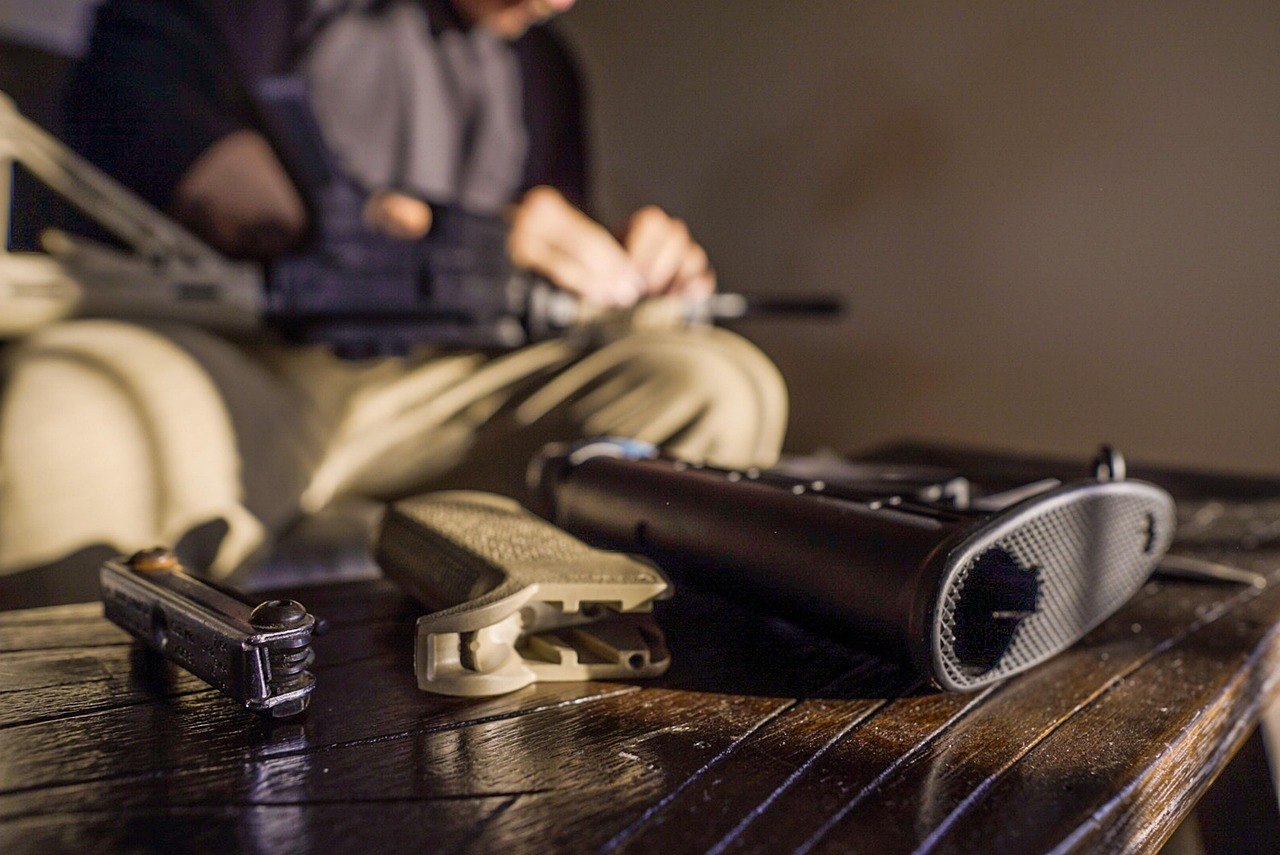
The Biden administration tried to close some of the biggest gaps by rewriting how federal regulators treat “ghost guns” and unfinished weapon parts. In 2022, the ATF finalized its frame and receiver rule, expanding how it viewed partially complete frames, receivers, and easy-to-assemble weapon parts kits. The Justice Department said the rule was meant to make firearms used in crimes more traceable and specifically required licensed dealers and gunsmiths to serialize 3D-printed guns or other unserialized firearms taken into inventory.
That rule immediately drew lawsuits from gun rights groups and manufacturers, who argued that ATF had exceeded the authority Congress gave it. Their central claim was straightforward: an agency cannot redefine chunks of material or parts kits into “firearms” if the statute does not clearly say so. Federal courts split sharply over that question, with some judges skeptical of agency overreach and others more willing to accept a modernized reading of an old law.
The Supreme Court eventually stepped in. In March 2025, the justices upheld the rule in a major ghost gun case, agreeing that the Gun Control Act can cover at least some weapon parts kits and some partially complete frames and receivers. That was a huge win for the government, but not a universal one. The ruling answered one regulatory dispute without ending the broader constitutional and statutory war over 3D-printed weapons.
The free speech argument keeps pulling courts in another direction
Even when the government wins on gun regulation, a separate line of litigation keeps reviving the conflict. That line turns on whether digital gun files are speech. Defense Distributed and its allies have long argued that computer code and CAD files are expressive content, meaning the government faces serious First Amendment limits when trying to block online distribution.
That theory has produced a legal tug of war across multiple courts. Years earlier, a settlement effort by the federal government triggered backlash from states that feared online publication of printable gun blueprints would spread untraceable weapons nationwide. More recently, state officials have moved aggressively against companies accused of distributing files and tools for printing unserialized firearms and conversion devices.
Federal appeals judges have not embraced an absolute free speech shield. Reuters reported in February 2025 that the 3rd U.S. Circuit Court of Appeals sided with New Jersey in a case targeting the distribution of code for 3D-printed guns, finding that not all computer code is protected speech in the way the challengers claimed. That is significant, but it still does not end the debate. Courts continue to wrestle with where software ends and weapons trafficking begins.
What crime data and enforcement trends actually show

One reason courts move cautiously is that the public rhetoric often runs ahead of the available evidence. The Justice Department inspector general issued a report in 2021 criticizing ATF’s monitoring of 3D firearm printing technology and calling for better data collection and coordination. That matters because policy built on weak data is easier to attack in court, especially when constitutional rights are being invoked.
At the same time, the broader category of privately made firearms is no longer hypothetical. ATF says law enforcement agencies reported roughly 45,240 suspected privately made firearms recovered from potential crime scenes between 2016 and 2021, including hundreds tied to homicides or attempted homicides. Those figures cover more than just 3D-printed guns, but they show why prosecutors and regulators have treated the issue as a real enforcement problem rather than a futuristic one.
Recent criminal cases reinforce that point. In February 2025, federal prosecutors in Brooklyn announced charges involving a firearms trafficking conspiracy that allegedly included more than 25 3D-printed untraceable guns and at least 10 machine gun conversion devices. Cases like that do not prove every regulatory theory is lawful, but they help explain why judges are reluctant to dismiss government concerns as speculative.
States keep filling the gaps while federal judges disagree.

Because federal law remains patchy, states have become laboratories for aggressive regulation. California officials have backed laws and lawsuits aimed at unserialized firearms and specifically at using 3D printers to create frames or receivers. New Jersey has also pushed hard, including criminal penalties tied to manufacturing firearms with a three-dimensional printer and distributing digital instructions to unlicensed people.
That state-by-state response creates another reason the legal battle feels unresolved. Even if one federal court narrows Washington’s power, states may still try to regulate files, kits, sales practices, or possession under their own laws. Supporters say that it is essential because homemade weapons can move easily across state lines from places with looser rules into places with stricter ones.
The downside is fragmentation. A company, hobbyist, or website operator can face one legal reality in Texas, another in New Jersey, and still another in California. Federal judges then inherit cases shaped by conflicting state policies, different procedural postures, and different mixes of First and Second Amendment arguments. It is no surprise that the resulting opinions often sound more like temporary ceasefires than lasting settlements.
The real unresolved question is who gets to draw the line
What federal courts cannot seem to resolve is not merely whether 3D-printed guns are dangerous. On that point, there is broad agreement that they can be. The harder question is institutional: who has the lawful authority to define and regulate this new category first, Congress, federal agencies, states, or judges applying old statutes to new facts?
The Supreme Court’s 2025 ghost gun ruling gave regulators meaningful room to act, but it did not provide a master key for every future case. Code-as-speech claims remain alive. State enforcement efforts will continue to be challenged. And every technical shift, from better printers to new polymer blends to easier file sharing, threatens to reopen arguments that courts thought they had contained.
That is why this story keeps swinging back and forth. The law wants fixed categories, while 3D-printed firearms blur every category at once. Until Congress writes clearer modern rules, federal judges will likely keep doing what they have done so far: issuing important decisions that answer the immediate case, while leaving the larger national dispute frustratingly unfinished.