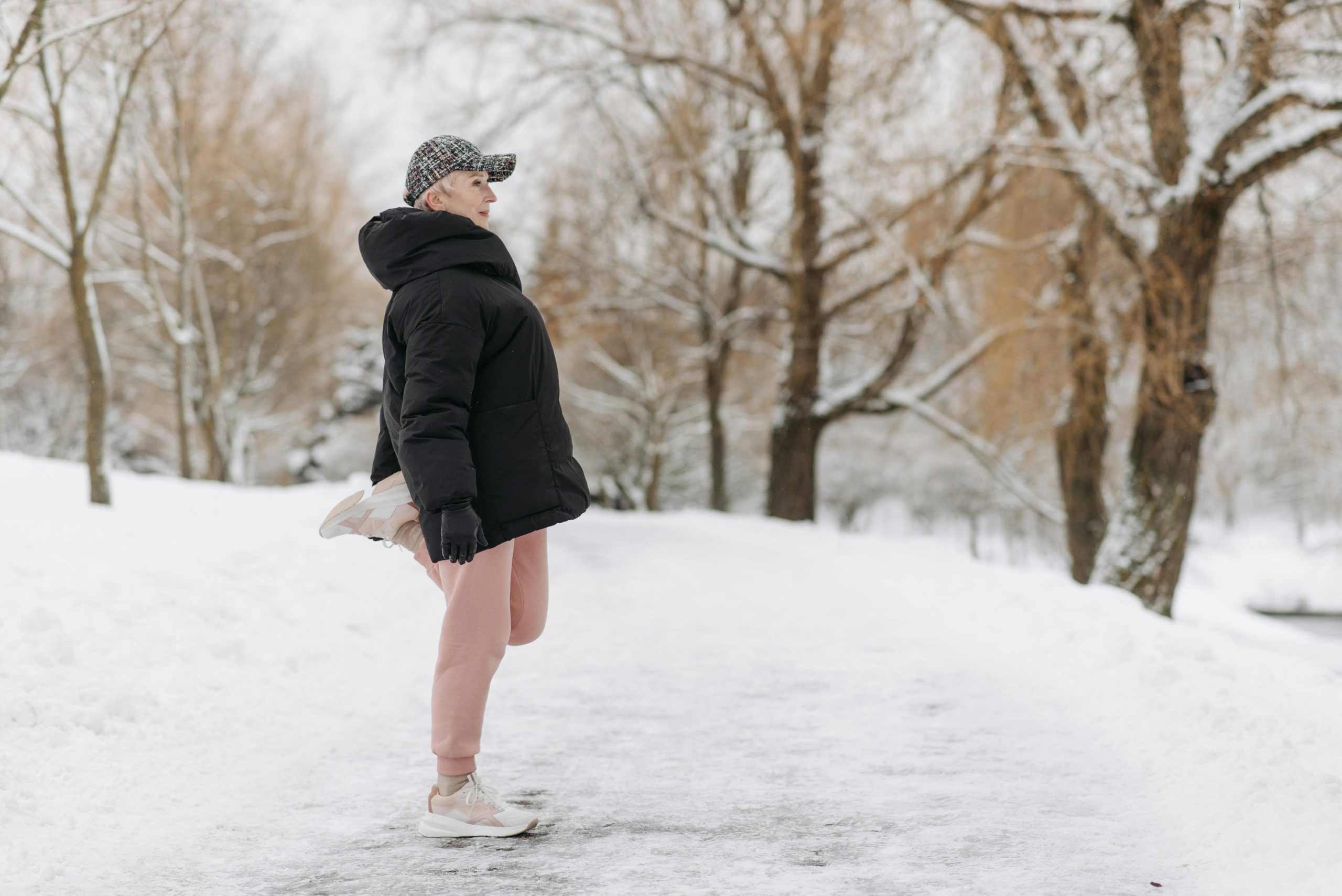
As hikers get older, managing body heat becomes more challenging, especially during cold mornings, windy ridgelines, or long rest breaks. Modern outdoor clothing brands have started using advanced fabrics that help older hikers stay warm without adding unnecessary bulk or trapping uncomfortable moisture. These materials regulate temperature, wick sweat efficiently, and create a balanced layer system that supports comfort and endurance. Understanding these fabrics helps you layer smarter and stay protected in shifting trail conditions.
1. Merino Wool Performance Blends
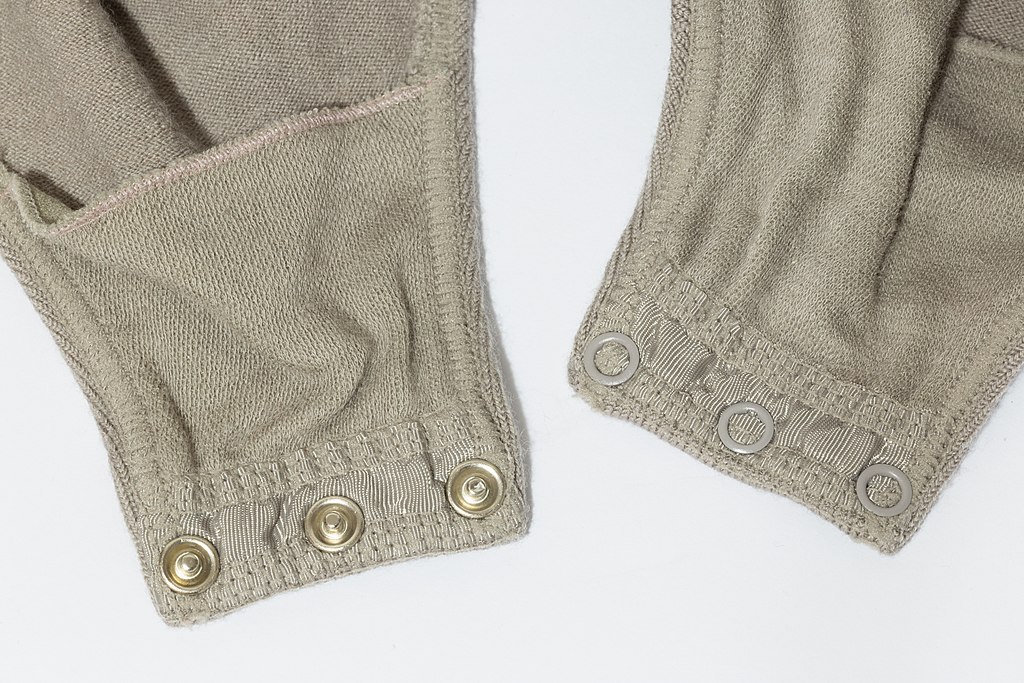
Merino blends combine natural wool fibers with synthetics like nylon or elastane to increase durability and warmth while keeping weight low. These fabrics help older hikers maintain steady body heat because they trap warm air close to the skin without overheating during active movement. Their moisture-control ability reduces cold chills that often follow sweat buildup on steep climbs. Many brands also blend fibers tightly, improving odor resistance for multi-day trails.
2. Polartec Power Grid
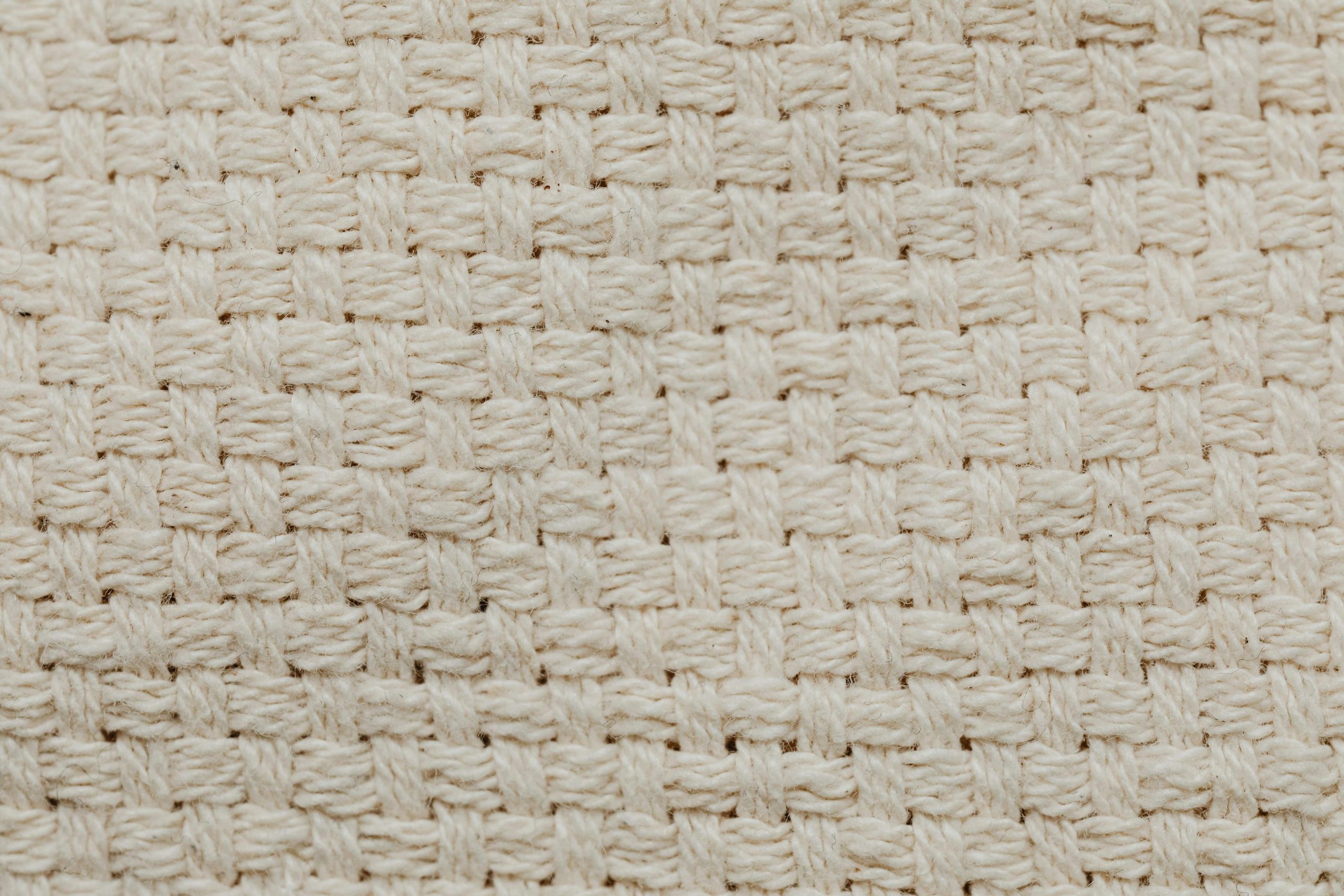
Power Grid features a unique pattern of raised squares that hold warmth while reducing overall fabric mass. This design helps older hikers who experience faster heat loss, especially when resting at high altitudes. The open channels between the grids improve breathability and keep sweat from pooling against the skin. Power Grid layers also dry quickly, making them ideal for changeable mountain weather where damp fabric can trigger rapid cooling.
3. PrimaLoft Gold Insulation
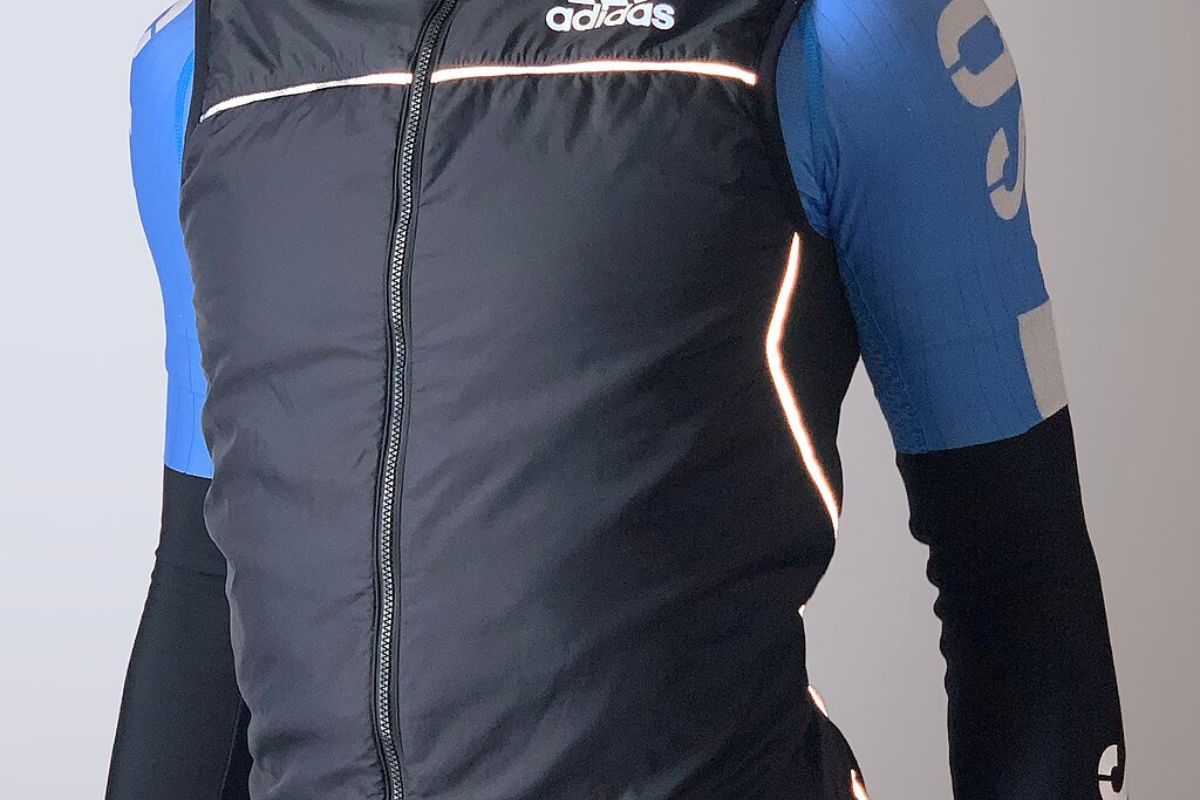
PrimaLoft Gold is a top choice for lightweight heat retention because it mimics down while still performing in wet conditions. Older hikers appreciate its consistent warmth even when compressed inside a backpack. The fibers trap heat efficiently without adding bulk, which supports easier movement on rocky terrain. PrimaLoft Gold also dries fast, reducing the risk of losing warmth during sudden rain or snow flurries common on shoulder-season hikes.
4. Polartec Alpha Active Insulation
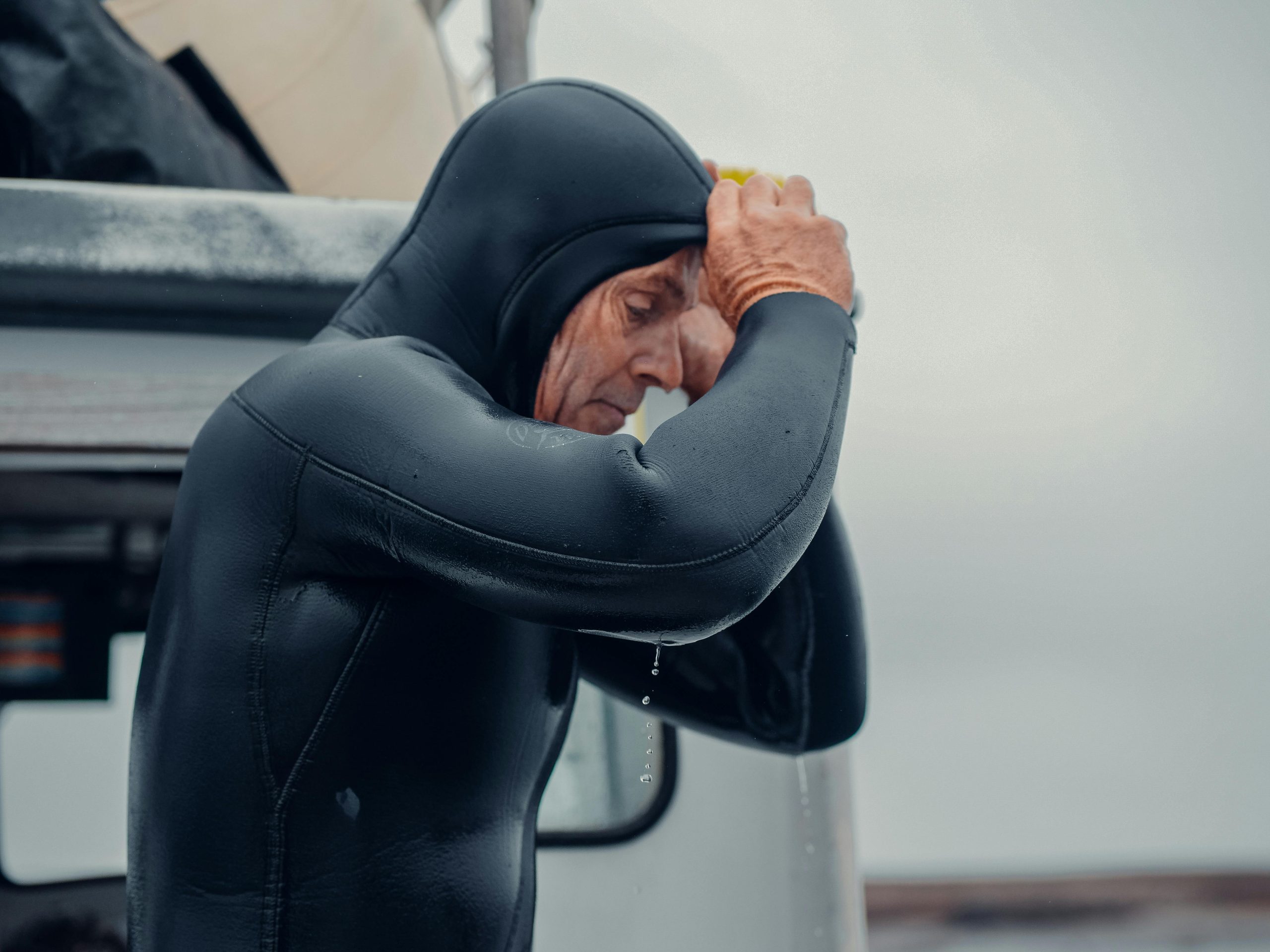
Polartec Alpha was designed for athletes who move through shifting temperatures, making it ideal for older hikers managing uneven body heat. The insulation releases excess warmth during activity while still holding enough heat during breaks. This balance reduces the frequent cycle of overheating and cooling that can cause fatigue. Alpha layers also pair well with breathable shells, allowing moisture to escape even when you are working hard.
5. Gore-Tex Infinium Soft-Shell
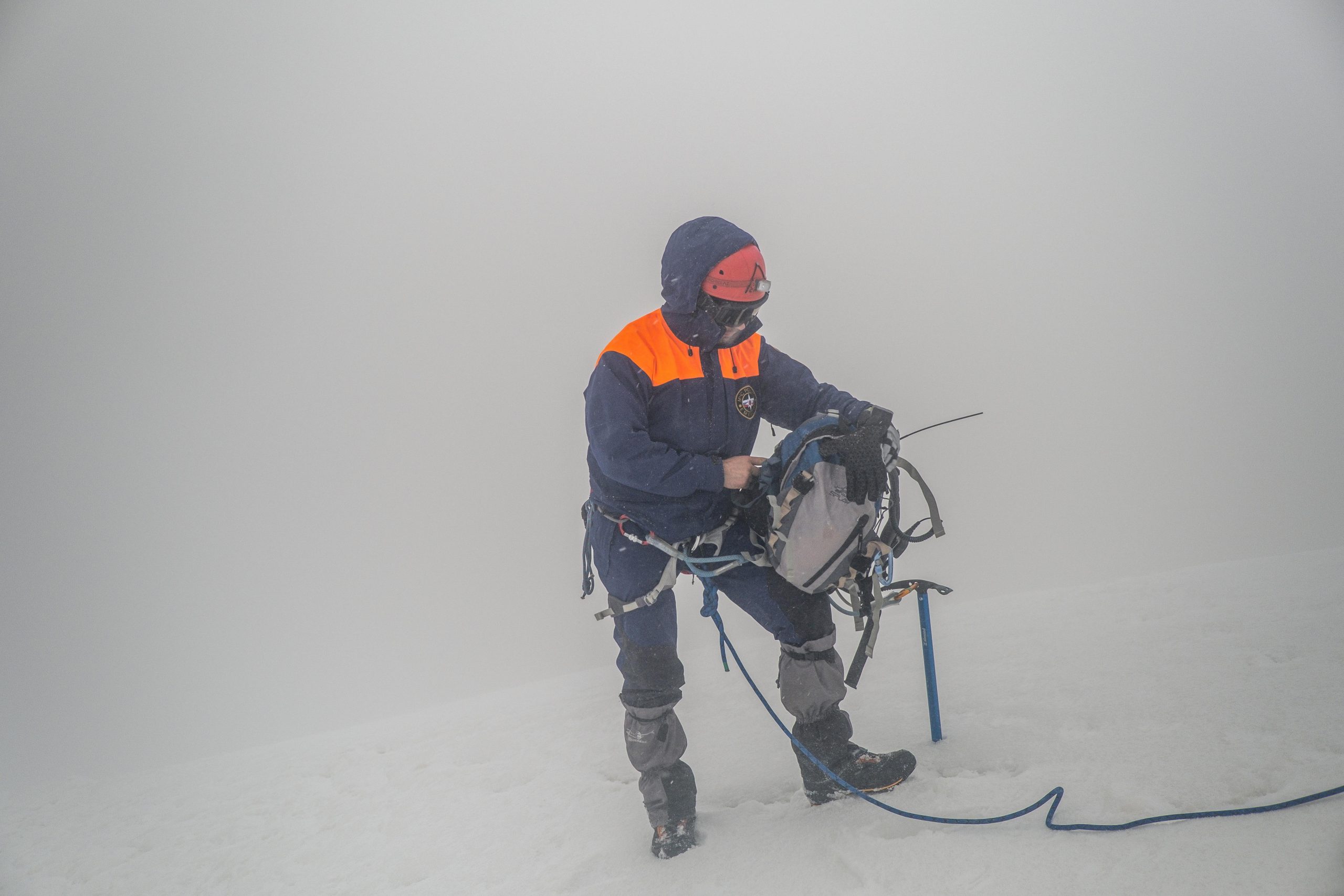
Gore-Tex Infinium focuses on wind protection and breathability rather than full waterproofing. For older hikers who lose heat quickly when wind hits damp clothing, Infinium creates a stable buffer. The fabric blocks cold gusts on ridge walks while letting built-up moisture escape from inner layers. Its soft, flexible feel also helps reduce stiffness in cooler temperatures, making long hiking days more comfortable for aging joints and muscles.
6. Polartec Power Stretch Pro
Power Stretch Pro blends warmth, breathability, and flexible support in a single fabric. The inner face wicks moisture away quickly, while the outer face resists abrasion during rough trail use. Older hikers appreciate how it maintains warmth while allowing free movement during climbs or uneven steps. The close fit reduces heat loss that can occur when cold air sneaks between layers, creating a reliable mid-layer for cool mornings.
7. DownTek Water-Resistant Down
DownTek adds a water-resistant treatment to natural down, helping older hikers retain heat even in damp environments. The treated feathers hold loft longer and dry faster after exposure to sleet or fog. This reduces the risk of rapid cooling, which many older adults experience more intensely. Jackets using DownTek also compress easily, allowing hikers to keep a powerful warmth layer ready inside a small pack pocket.
8. Ventilated Soft Merino Fleece
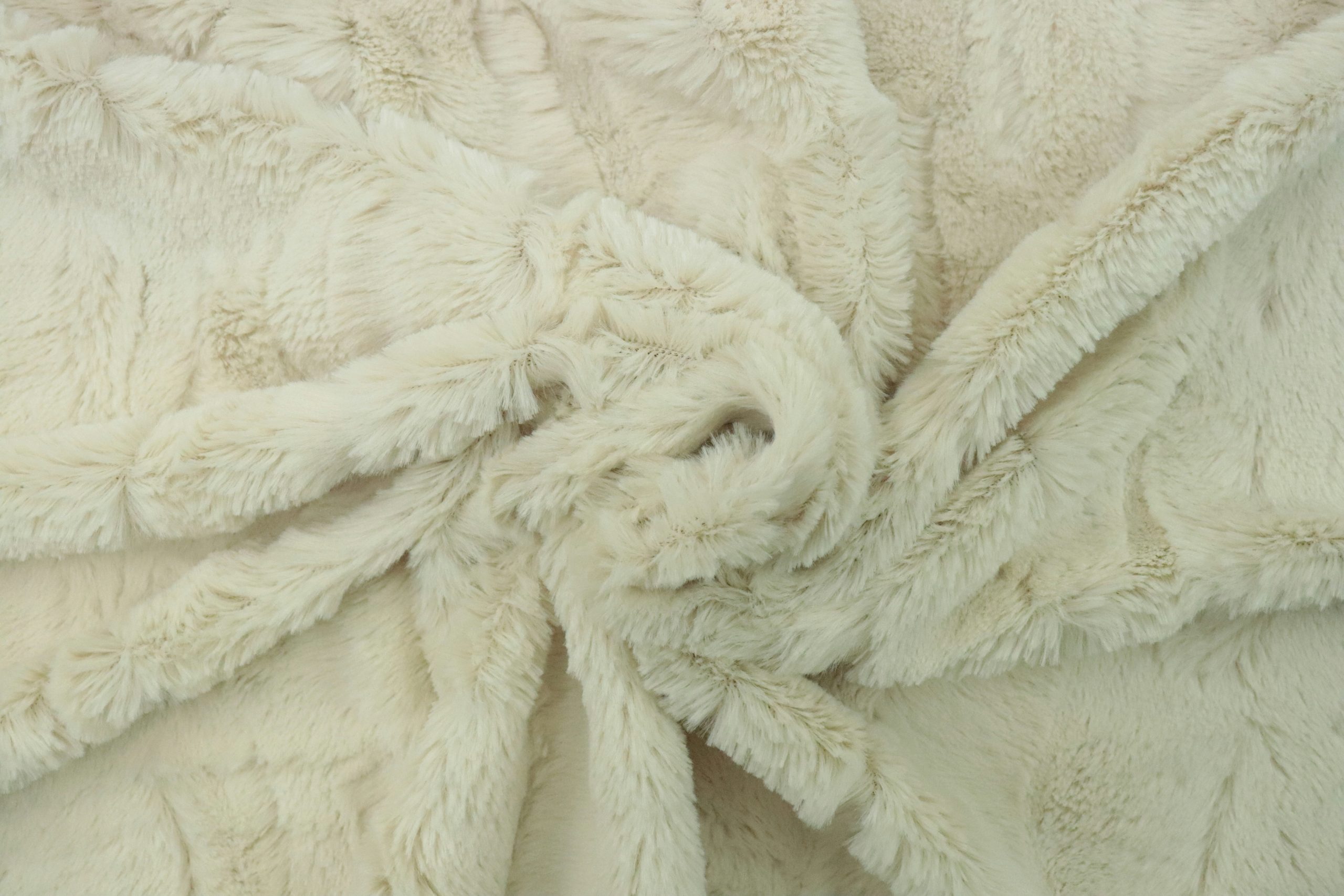
Soft merino fleece upgrades traditional fleece by combining fine wool fibers with engineered ventilation zones. These zones balance warmth and airflow, supporting older hikers who heat up on climbs but cool down suddenly when stopping. The fleece resists odors, dries quickly, and maintains comfort even when layered tightly under a shell. Its gentle stretch also helps reduce pressure on the shoulders and chest during long pack carries.
9. Moisture-Adaptive Synthetic Fleece
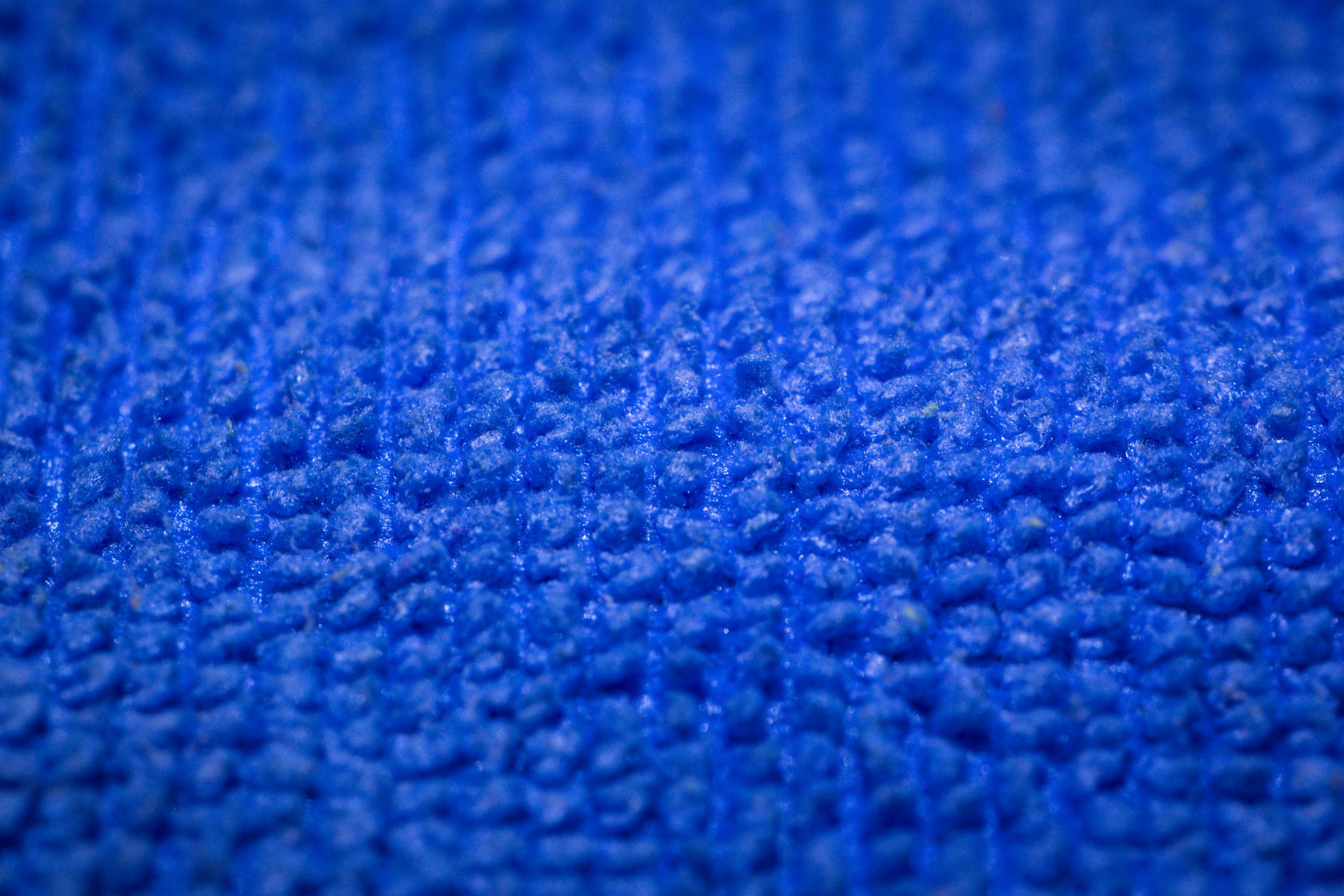
Moisture-adaptive fleece reacts to humidity levels by releasing excess heat when dampness builds up and trapping warmth when conditions dry out. This dynamic performance helps older hikers who struggle with sudden temperature swings. The fleece remains comfortable during both intense effort and relaxed moments on the trail. Its quick-drying fibers prevent cold chills that can arise from sweat lingering against the skin during rest breaks.
10. Aerogel-Enhanced Insulation Panels
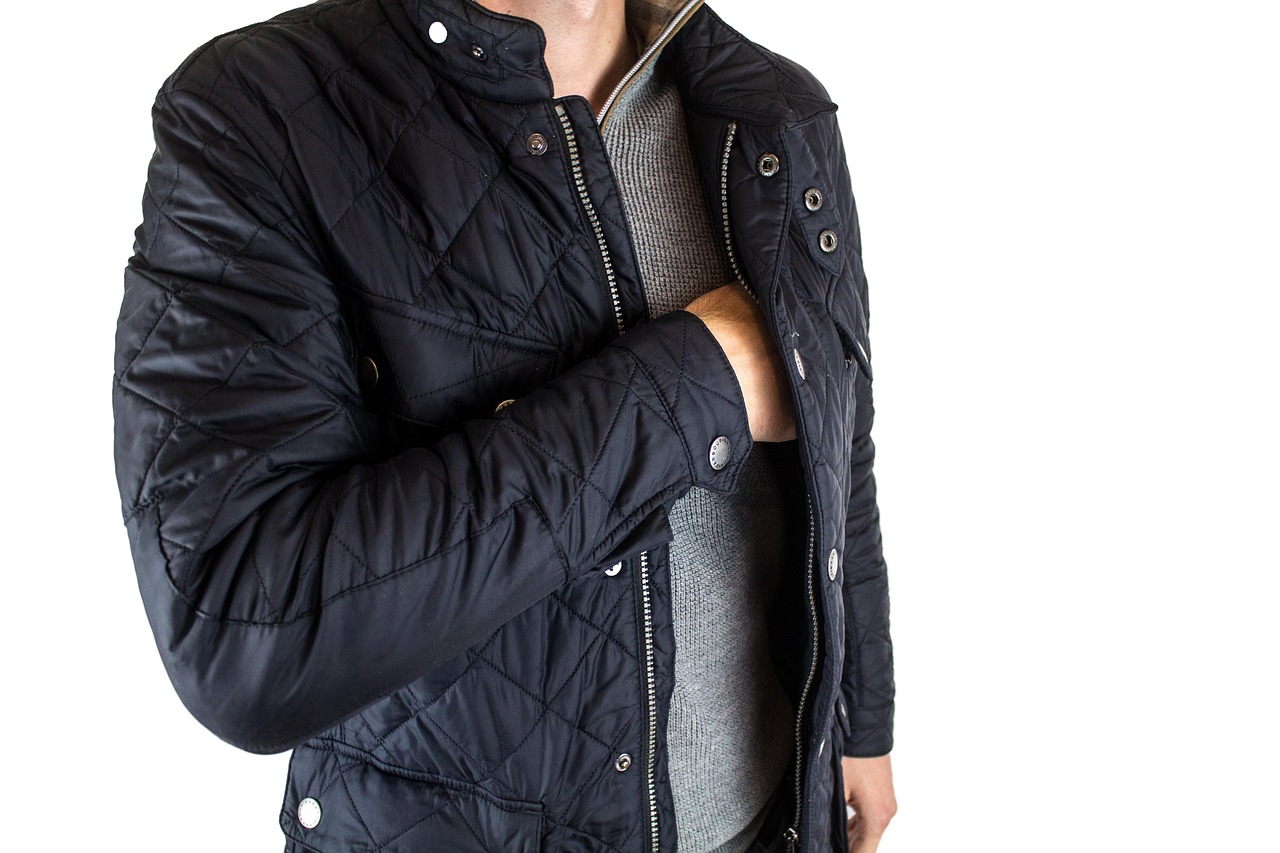
Aerogel panels add targeted warmth without heavy padding, making them ideal for older hikers needing extra protection for core areas. The material resists heat transfer more effectively than traditional synthetics, helping maintain stable warmth in cold wind. These panels are often placed strategically inside jackets to improve comfort without restricting movement. Aerogel technology also works well in gloves, reducing finger numbness on chilly trail mornings.
11. Thermal-Regulating Phase-Change Fabrics
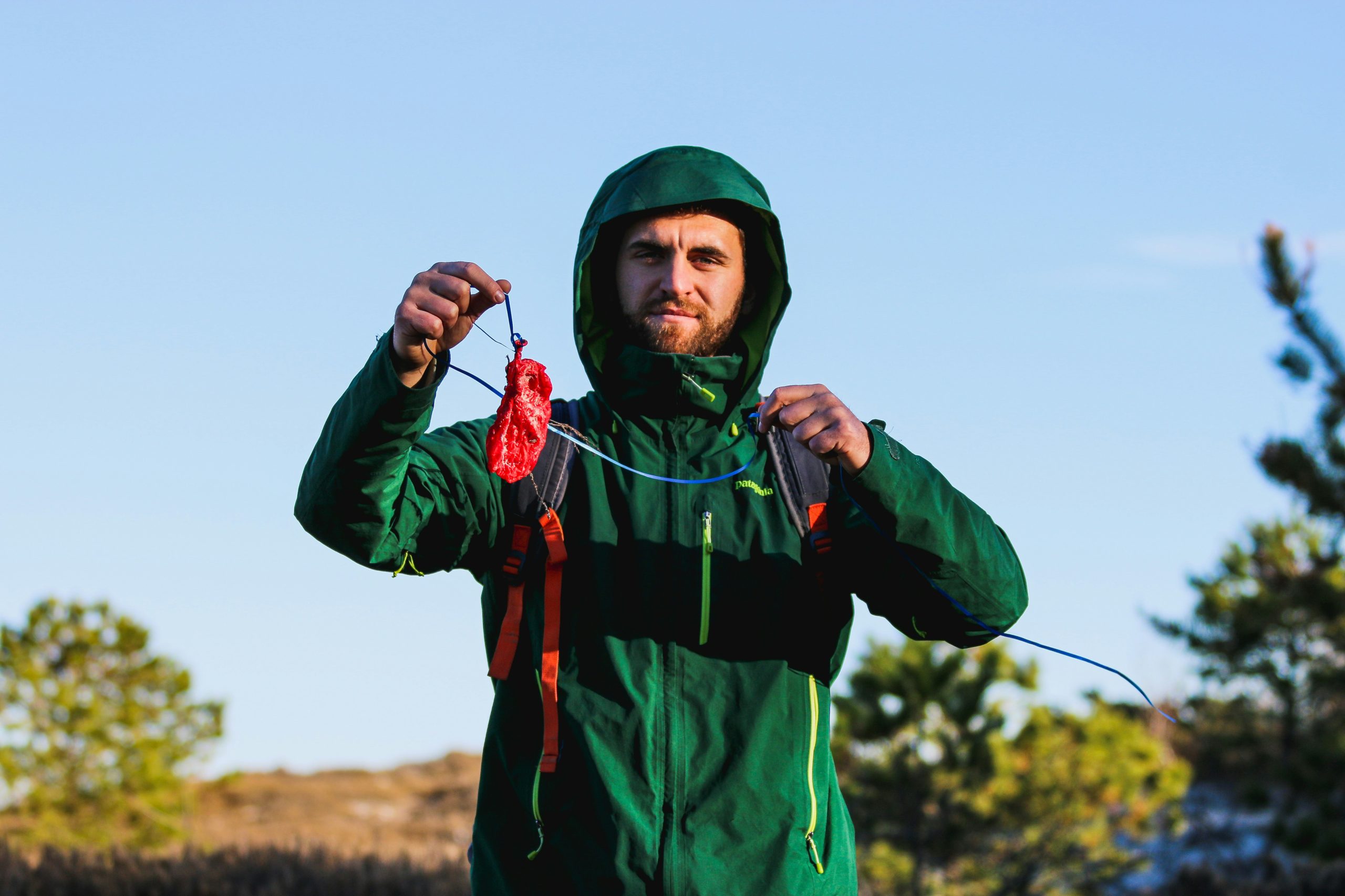
Phase-change materials absorb excess heat and release it slowly when temperatures drop. This helps older hikers maintain a steady feel, especially in conditions where sunshine fades quickly at elevation. The fabric’s microscopic capsules shift between states to control warmth without feeling bulky. It works particularly well for base layers worn during long hikes, balancing heat levels without needing to constantly adjust clothing.
12. Lightweight Windstopper Microfiber
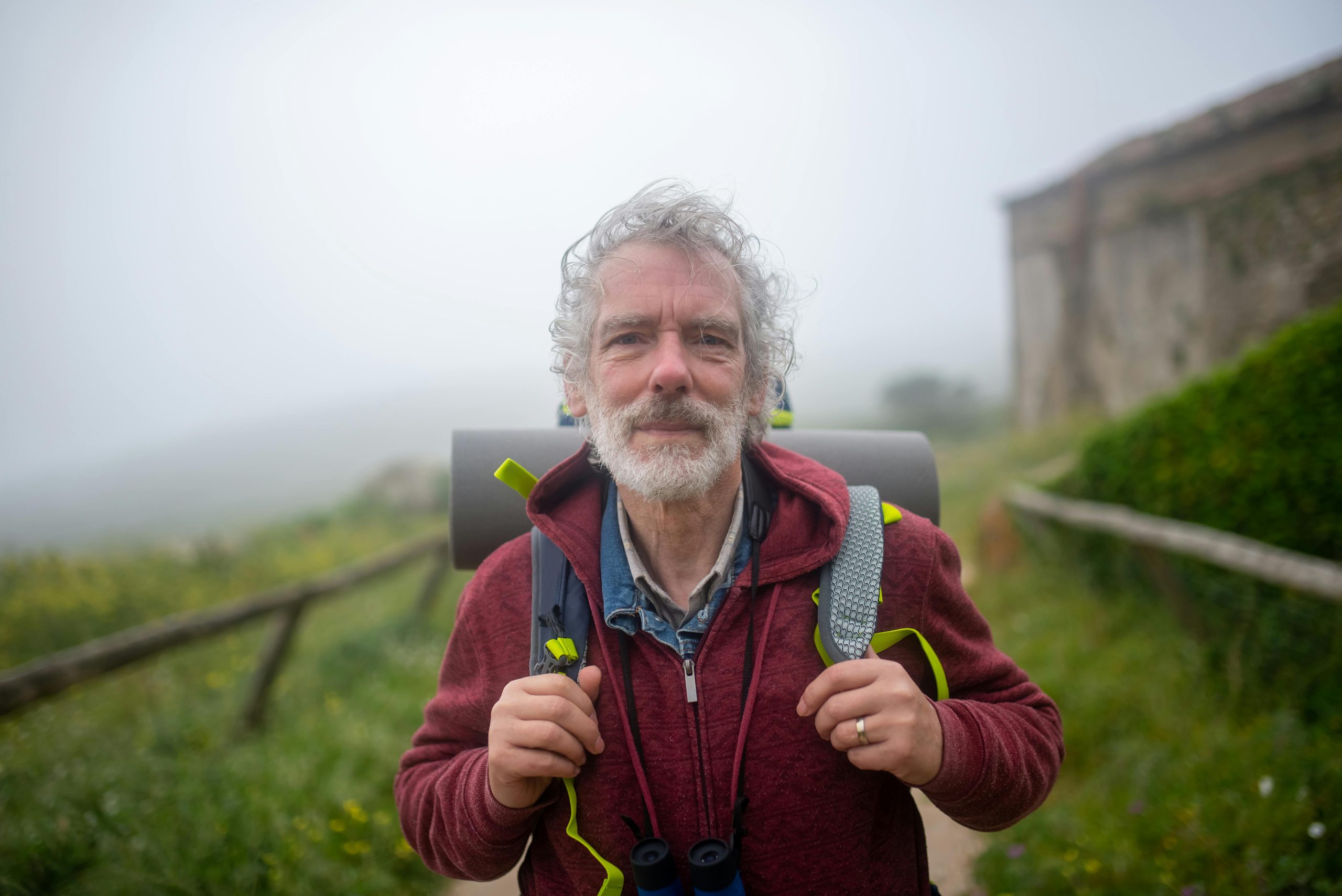
Windstopper microfiber provides strong wind resistance in a thin, lightweight form that older hikers find easy to manage. It shields exposed areas from gusts that can strip heat away quickly, particularly on open trail sections. The fabric remains breathable enough to pair with moisture-wicking layers underneath, supporting steady comfort. Its packable design lets hikers stow the layer easily, offering quick protection whenever conditions shift.