Some outdoor arguments are really arguments about values. The split between traditional hunters and modern tactical outdoorsmen is one of them.
Two Outdoor Cultures Sharing the Same Ground

At a glance, both groups seem to want the same thing. They buy tags, spend money on public land access, practice shooting, and care about wildlife habitat. Yet the tone, look, and language of each camp can feel very different, enough that the shared ground sometimes disappears beneath the cultural noise.
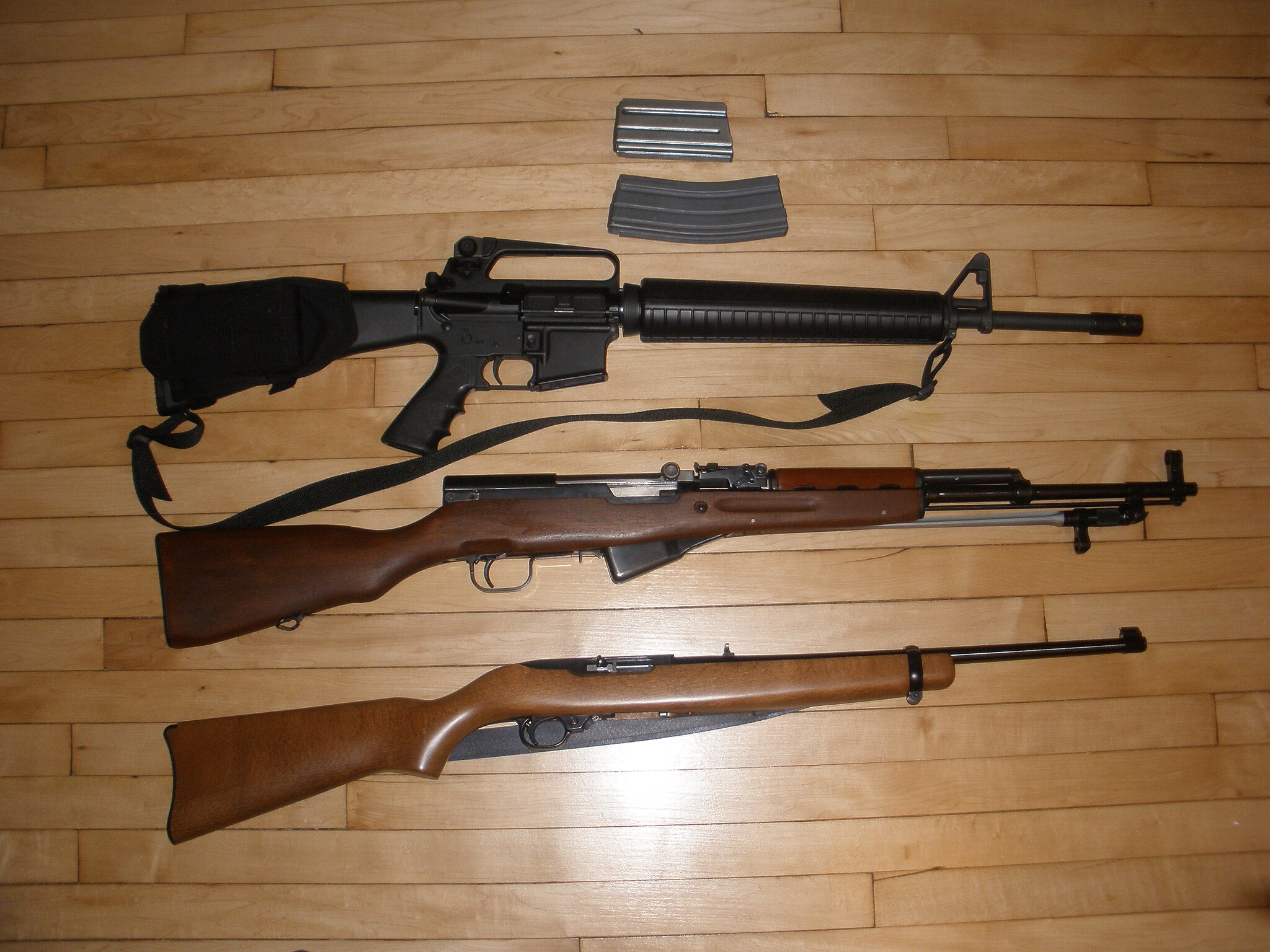
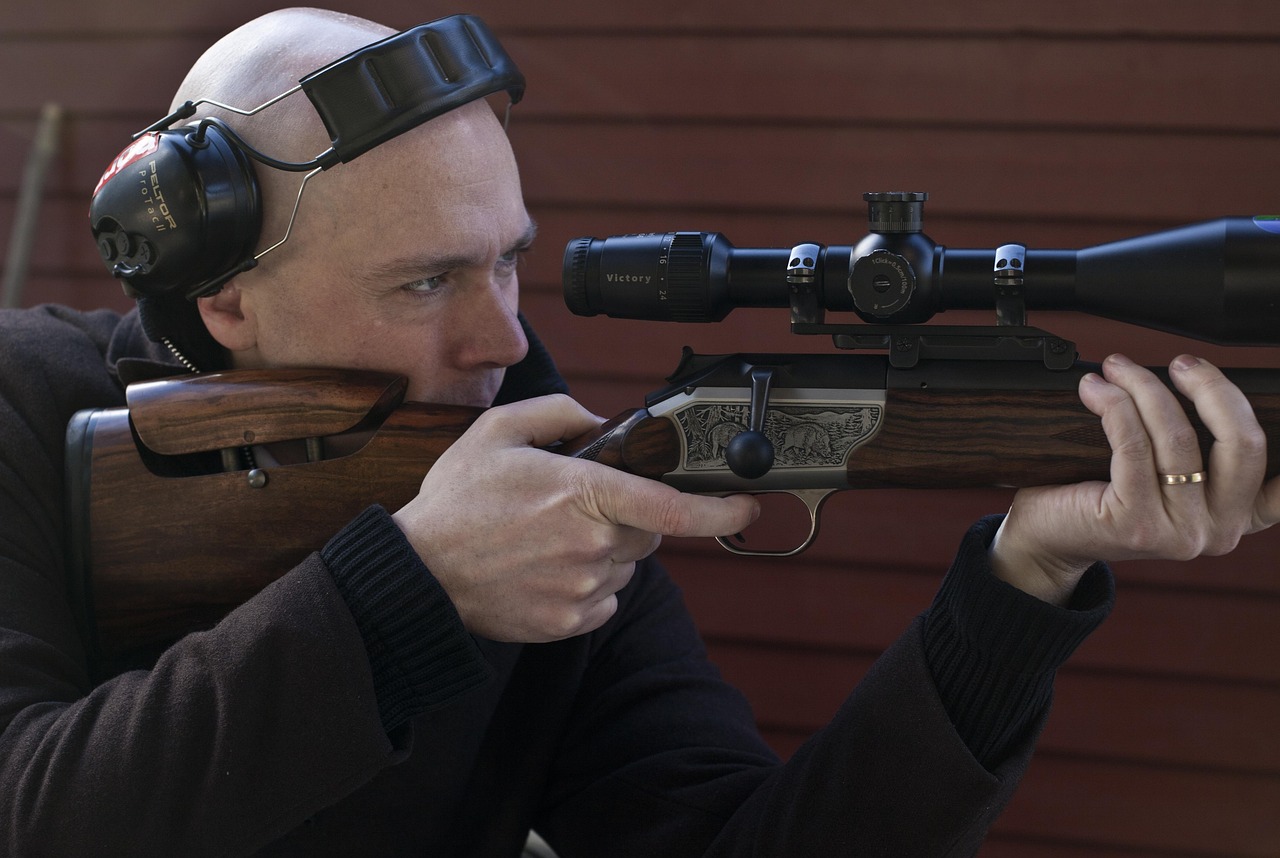
Traditional hunters usually frame the pursuit as inheritance. Their imagery is wood stocks, blaze orange, bird dogs, family camps, and recipes handed down across generations. The hunt is often described as a seasonal ritual tied to patience, local knowledge, and a code of restraint that prizes clean kills, quiet competence, and respect for the animal.
Modern tactical outdoorsmen tend to speak in a different vocabulary. They are more likely to emphasize modular rifles, optics, night hunting, ballistic data, loadouts, chest rigs, suppressors where legal, and crossover skills from competition shooting or defensive training. The field becomes not just a place of harvest, but also a testing ground for equipment, efficiency, and preparedness.
Neither identity is imaginary. The U.S. Fish and Wildlife Service has shown how broad and varied hunting participation has become, while industry data from NSSF points to large growth in shooting sports participation over the past decade, including strong interest in rifle-based disciplines and modern sporting rifles. That overlap helps explain why the same person may deer hunt in November and shoot a carbine course in April, even while the two cultures keep pretending they have nothing in common.
Why Tradition Still Carries So Much Authority

Traditional hunting culture has moral weight because it is tied to conservation history. In the United States, the model of user-funded wildlife management depends heavily on license fees, excise taxes on firearms and ammunition, and a long-standing ethic that hunting is part of stewardship, not just recreation. That story still matters because it is true, and because people inside the culture have repeated it for generations.
That authority is also social. A lot of hunters were not recruited by advertisements or influencers, but by parents, grandparents, uncles, neighbors, or a respected local mentor. Skills were taught slowly: how to move into the wind, how to age a deer, how to dress game, how to know when not to shoot. Those lessons create a sense that hunting is earned through apprenticeship.
There is also an aesthetic conservatism at work. Wood-and-steel firearms, upland jackets, lever guns, duck blinds, and wall tents are not just tools. They are symbols of continuity. They reassure people that amid rapid social change, at least one corner of life still rewards humility, memory, and place-based knowledge over novelty.
The numbers suggest this traditional base still shapes the mainstream. Fish and Wildlife Service analyses of deer hunting continue to show how central big game hunting remains, and agency research on recruitment and retention shows hunting is still heavily influenced by access, mentorship, and life stage. That helps explain why many longtime hunters view tactical styling with suspicion. To them, it can look less like evolution and more like a performance layered on top of something older and more serious.
The Rise of the Tactical Outdoorsman

The tactical outdoorsman did not appear out of nowhere. He emerged from several overlapping trends: the post-2000 boom in black rifle ownership, the mainstreaming of red dots and rangefinders, growth in competitive shooting, wider online gear culture, and a media ecosystem where training, preparedness, and hunting all blur together. NSSF has described modern sporting rifles as widely used for lawful purposes including target shooting and hunting, and industry surveys have tracked sustained enthusiasm for rifle-centered recreation.
This identity is also a response to geography and class. Many newer shooters live in suburbs rather than on family land. They may not inherit a deer lease or a duck camp. What they can access, however, is a public range, a training class, online instruction, and a modular platform that can be configured for multiple uses. The tactical path is often the more available path.
Technology gives this group confidence and community. Ballistic apps, thermal optics in states where legal, lighter suppressors, and chassis systems turn the outdoors into a place where measurable skill matters. For some, that feels refreshingly meritocratic compared with older hunting cultures that can be closed off, cliquish, or dependent on family connections.
There is also a broader cultural current underneath it. The preparedness mindset, especially after years of political turmoil, supply shocks, and social distrust, has made some outdoorsmen see hunting as part of a larger self-reliance package. In that worldview, carrying a modern rifle in the field is not a costume choice. It is a coherent statement about capability, adaptability, and independence.
Where the Friction Actually Comes From
Most of the conflict is not about harvesting game. It is about what signals seriousness. Traditional hunters often read tactical aesthetics as loud, consumerist, and too close to military imagery. They worry that the public, especially non-hunters, sees chest rigs, camouflage patterns, and AR-style rifles and draws conclusions that damage hunting’s social legitimacy.
Tactical outdoorsmen often hear those criticisms as gatekeeping. From their perspective, a polymer stock or detachable magazine does not make a hunter less ethical. They point out, often correctly, that accuracy, recoil management, optics quality, and fit can improve with modern systems. In that reading, traditionalists are defending taste, not principle.
Media has sharpened the divide. Social platforms reward identity signaling, and outdoor brands know exactly how to market nostalgia on one side and high-speed competence on the other. The result is caricature: the fuddy-duddy traditionalist who hates change, versus the mall-ninja hunter who treats every coyote stand like a special operation. Real people are usually more complicated than either stereotype.
Regulation and politics add another layer. Debates over so-called assault weapon bans, suppressor rules, public land access, and predator control methods often push gear choices into symbolic territory. Once a rifle becomes a political object, it stops being just a tool. Then every campfire conversation about what belongs in the deer woods turns into a proxy war over modern American identity.
What Each Side Gets Right and Wrong

Traditional hunters are right that hunting needs legitimacy beyond its own bubble. Public support depends heavily on whether non-hunters believe the practice is ethical, regulated, and connected to food, conservation, and wildlife management. When the presentation becomes too theatrical or macho, it can undermine that fragile social license faster than many enthusiasts realize.
They are also right that skill is not the same as equipment ownership. Expensive optics, tripods, and modular rifles cannot replace woodsmanship. Reading sign, judging distance without overconfidence, understanding shot angles, and knowing local animal behavior still matter more than a carefully curated loadout.
But traditionalists sometimes mistake familiarity for virtue. Plenty of harmful habits have been passed down as tradition, including poor mentoring, exclusionary attitudes, and resistance to new hunters who do not look, vote, or dress like the old guard. Fish and Wildlife Service recruitment data has shown how important new entrants are, including women and participants from more diverse backgrounds, and a closed culture makes that work harder.
Tactical outdoorsmen, for their part, are right that innovation is not automatically disrespectful. Better optics, more ergonomic rifles, and smarter ammunition can make hunting safer and more effective. Yet they can fall into the trap of turning the outdoors into one more arena for branding and status. When every problem looks solvable with gear, the deeper discipline of hunting gets flattened into content.
The Economics and Identity Politics Behind the Split
This divide is also about markets. Traditional hunting was built around region, season, and family practice. Tactical outdoor culture is built around year-round consumption. There is always another optic, mount, plate carrier, bipod, chest pack, or training weekend. That commercial rhythm changes how people think about participation, because identity becomes something continually upgraded.
The industry has strong reasons to encourage that shift. NSSF reports continued scale in sport and target shooting participation, with more than 52.7 million people engaging in those activities in 2024. A year-round shooter who also hunts is economically more valuable than a purely seasonal hunter, so brands naturally blur the lines between field use, range use, and lifestyle signaling.
Politics feeds the same cycle. For some consumers, the tactical identity expresses a broader coalition of gun rights, self-reliance, and skepticism toward institutions. For others, traditional hunting serves as the more publicly acceptable face of firearm ownership, one that polls better with suburban audiences and state wildlife constituencies. Both identities carry political messages, even when people insist they are just talking about gear.
Class and access matter too. A person raised in a rural county with inherited permission on private land may see no need for tactical reinvention. A first-generation hunter in a metro area may arrive through shooting sports, digital communities, and public land trial and error. What looks like a cultural choice is often a difference in pathway.
How the Outdoor World Bridges the Gap
The healthiest future is not one culture defeating the other. It is a broader outdoor ethic that keeps the best of both: traditional hunting’s humility, conservation grounding, and animal respect, paired with modern culture’s openness to better equipment, new participants, and skills learned outside family lineage.
That bridge usually starts with shared practice rather than argument. Put people together at a range day, a mentored hunt, a game dinner, or a habitat project, and the stereotypes soften quickly. The duck hunter with the walnut shotgun may appreciate a younger shooter’s disciplined approach to practice. The tactical rifle guy may discover that reading wind in a cut cornfield demands a kind of intelligence no gear can shortcut.
Wildlife agencies, conservation groups, and mentors have a practical stake in making that happen. Recruitment, retention, and reactivation efforts depend on lowering barriers while preserving standards. If older hunters guard the gate too tightly, participation shrinks. If newer tactical communities ignore ethics and public perception, political support erodes.
In the end, the real line is not between wood stocks and M-LOK rails. It is between people who see the outdoors as a place to learn responsibility and those who treat it as a backdrop for identity theater. Once that becomes clear, the supposed divide starts looking less like a war and more like a negotiation over the future of American field culture.