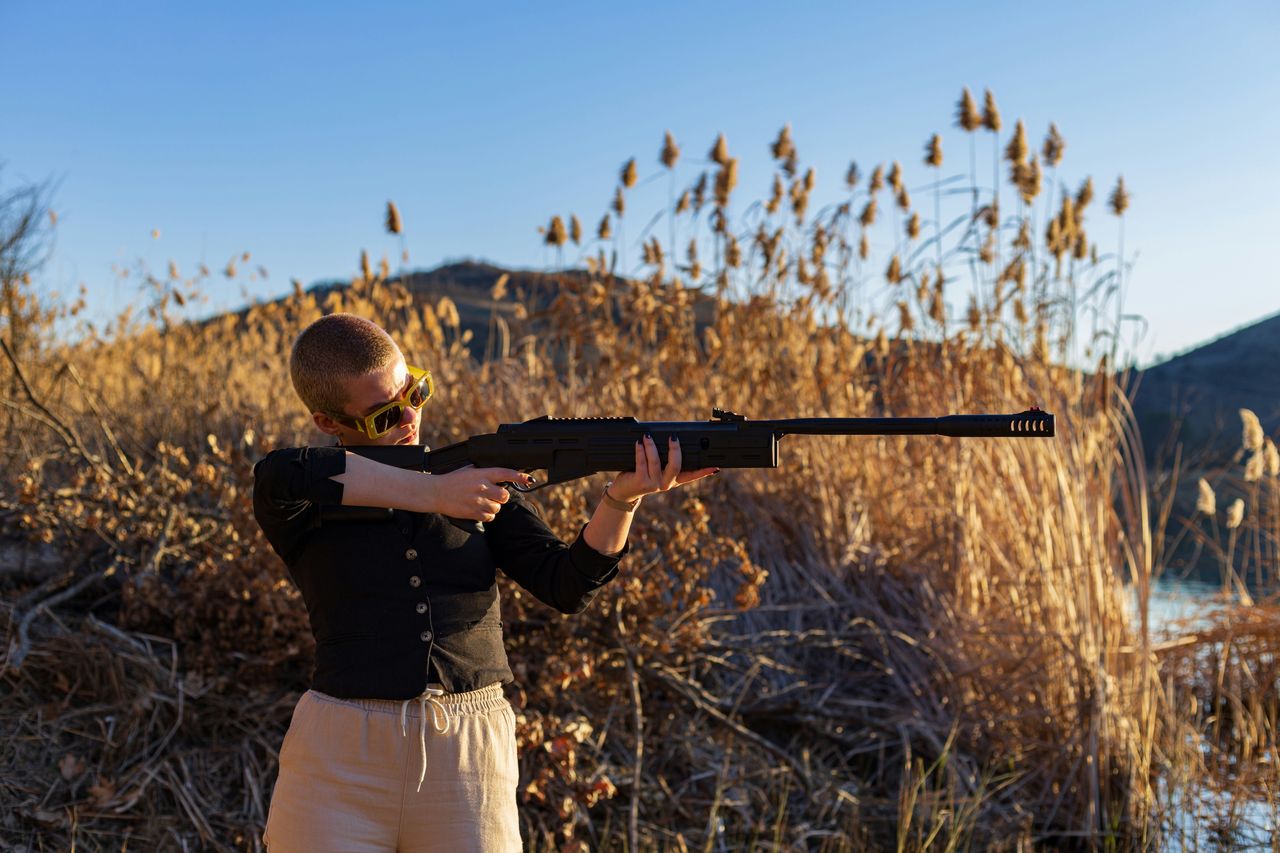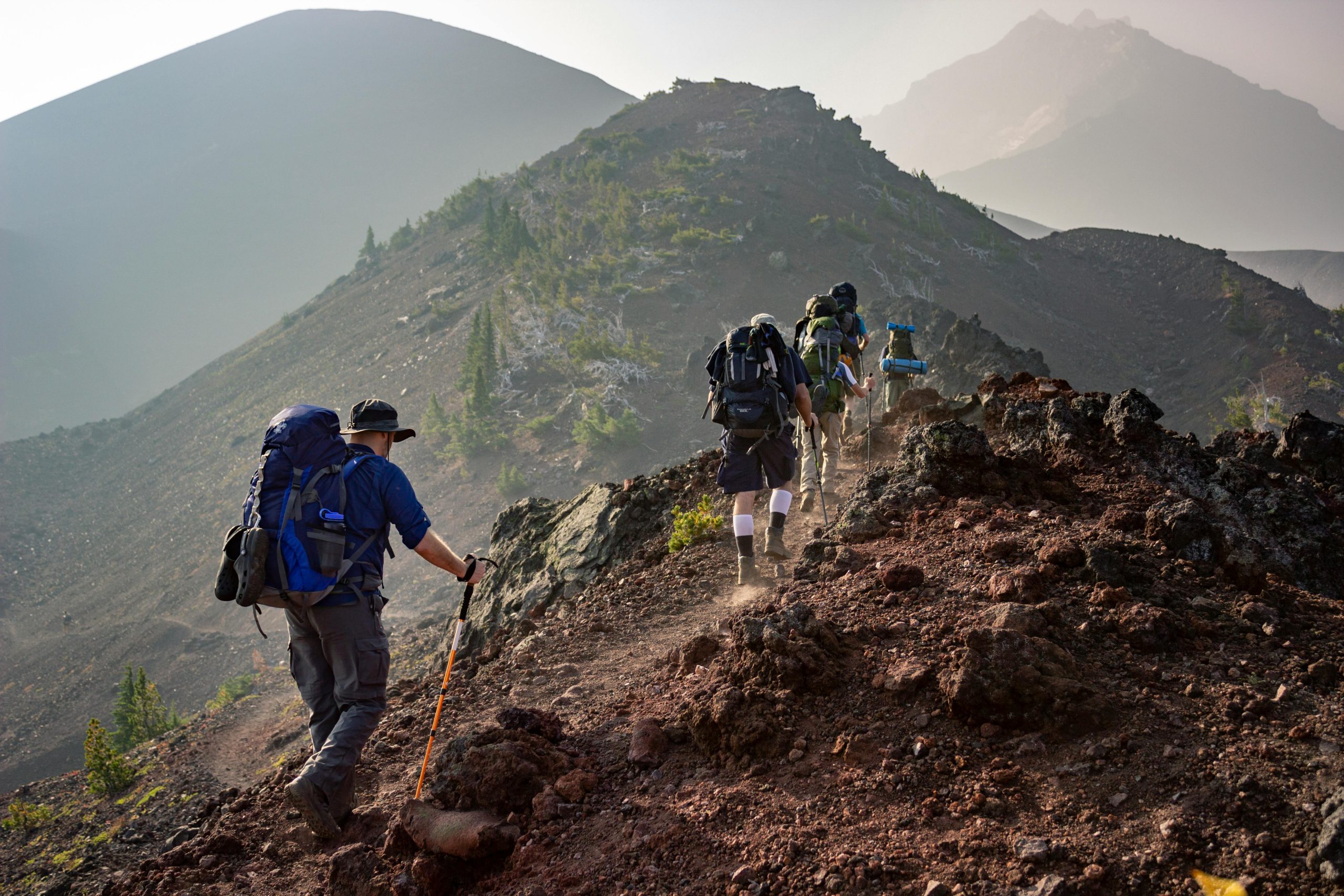
Traditional vacations no longer hold the same excitement for many millennials. Instead of luxury resorts or guided tours, they seek something raw and transformative. Survival experiences give a deeper sense of purpose and connection that typical getaways can’t match. You test your limits, rely on instincts, and rediscover simplicity. It’s less about escaping daily life and more about learning to thrive in the wild while finding a renewed appreciation for what truly matters.
Craving Authentic Experiences
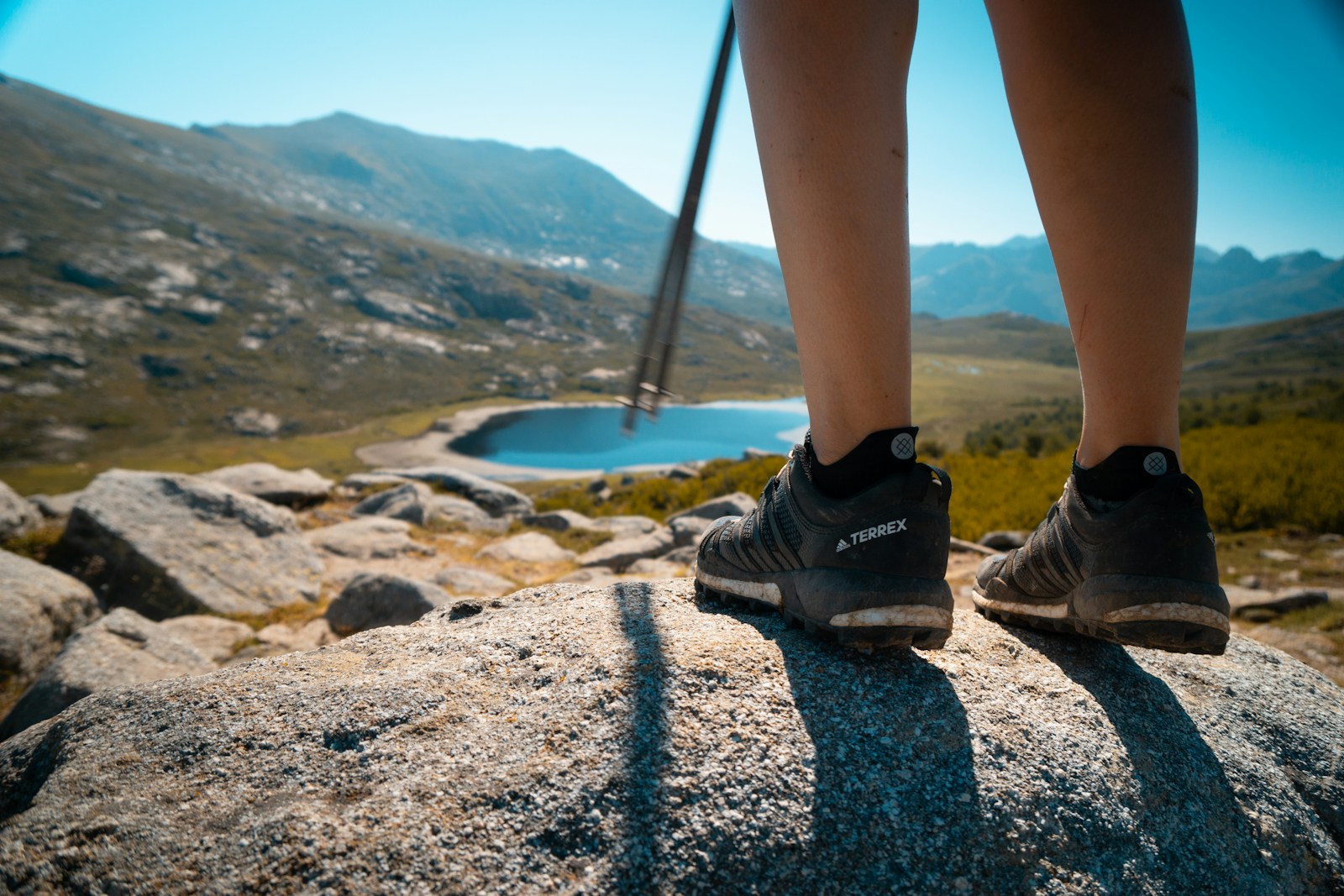
Millennials value authenticity more than comfort. Instead of crowded tourist spots, they want to experience real, unfiltered moments that test resilience. Survival trips strip away modern distractions, offering challenges that reveal true character. Whether it’s building a shelter or finding clean water, these moments create stories worth telling. The sense of accomplishment and growth feels more rewarding than lounging by a pool ever could.
Seeking Digital Detox
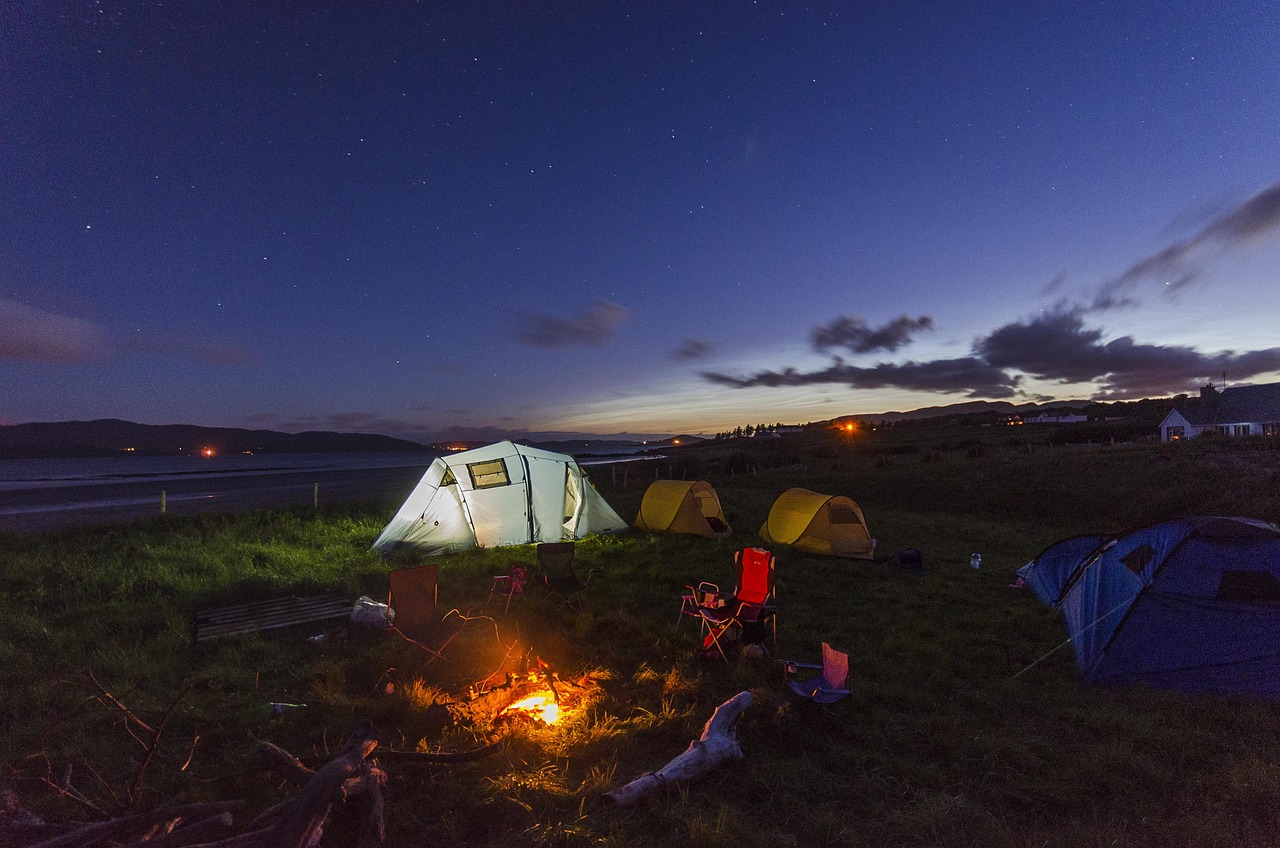
Constant connectivity often leaves you mentally drained, and survival experiences offer a complete reset. With no signal or screens, you rediscover focus and presence. Time slows down, letting you enjoy the rhythm of nature without constant notifications. Disconnecting helps you recharge, sleep better, and gain clarity about your goals. The quiet isolation becomes a form of self-care that’s both grounding and freeing.
Reconnecting With Nature
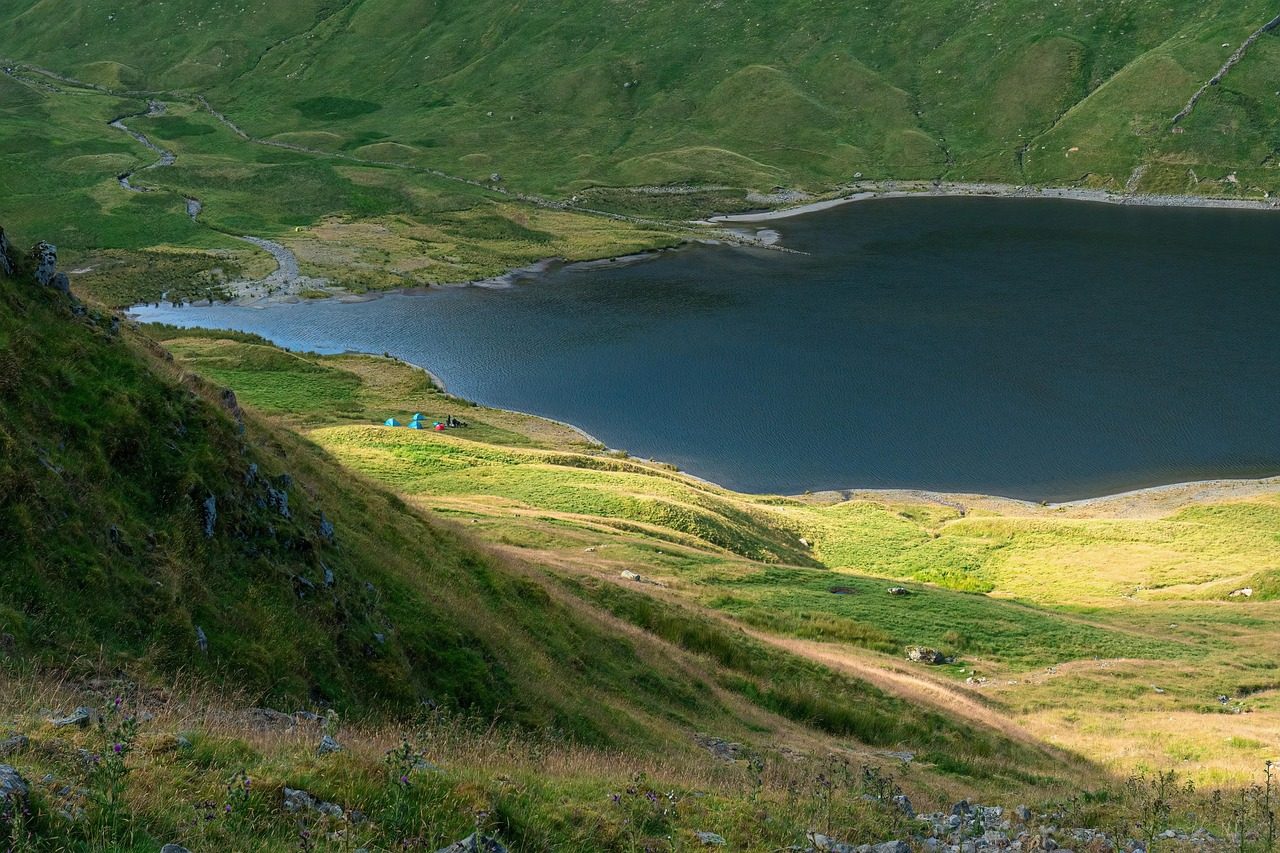
Millennials are rediscovering the value of nature beyond weekend hikes. Survival experiences teach you to work with the environment instead of just admiring it. Lighting a fire, tracking wildlife, or reading weather patterns builds a deeper respect for the planet. The connection goes beyond sightseeing; it becomes a partnership. You leave with a better understanding of nature’s power and your place within it.
Building Confidence and Independence
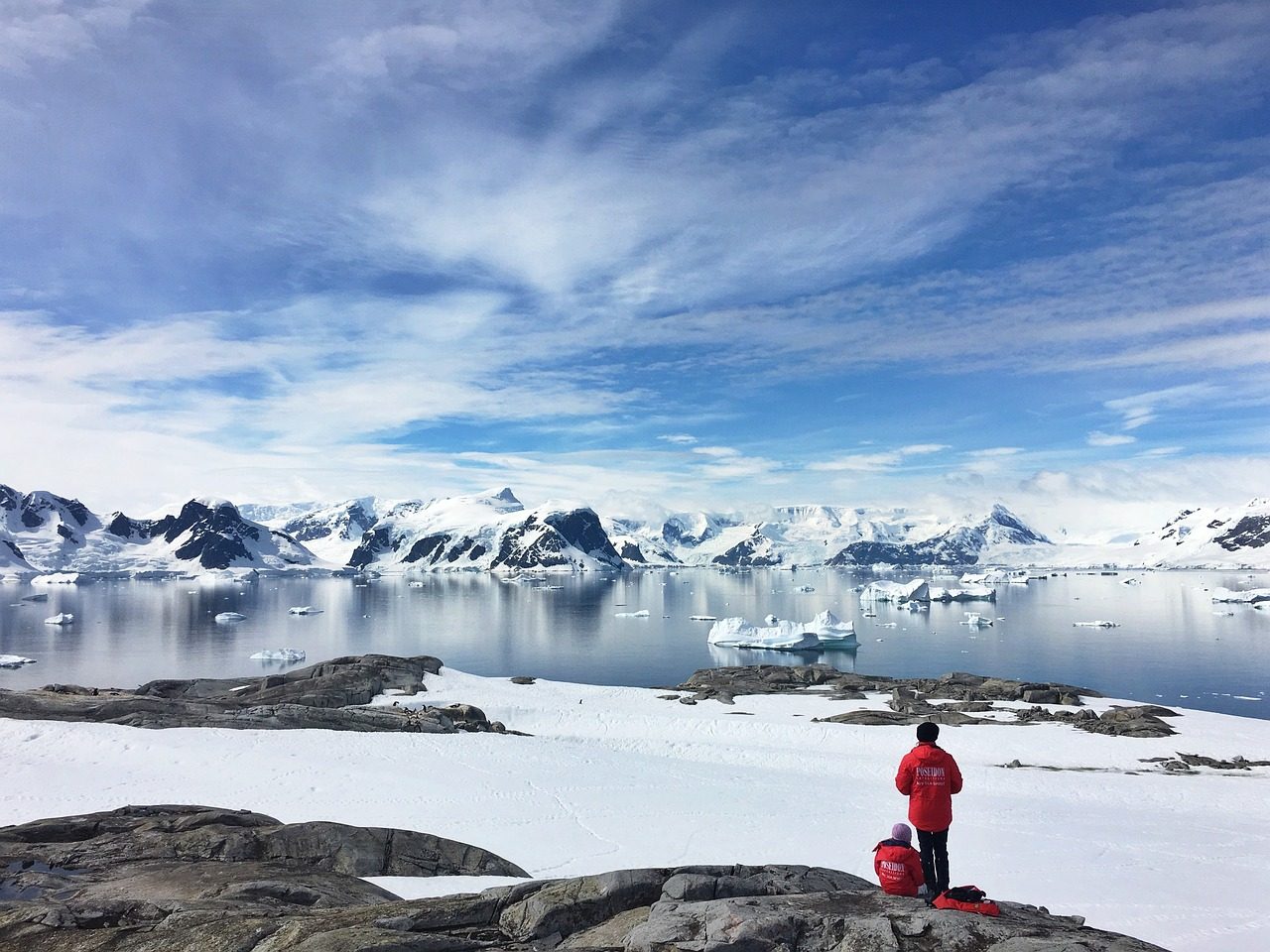
Learning survival skills boosts self-confidence in a way few other experiences can. Every challenge faced, navigating trails, finding food, or enduring harsh weather, teaches patience and adaptability. You start trusting your instincts more and doubting yourself less. The independence you gain extends beyond the outdoors, shaping how you handle problems in everyday life. Each victory, no matter how small, builds lasting confidence.
Finding Community in Challenge
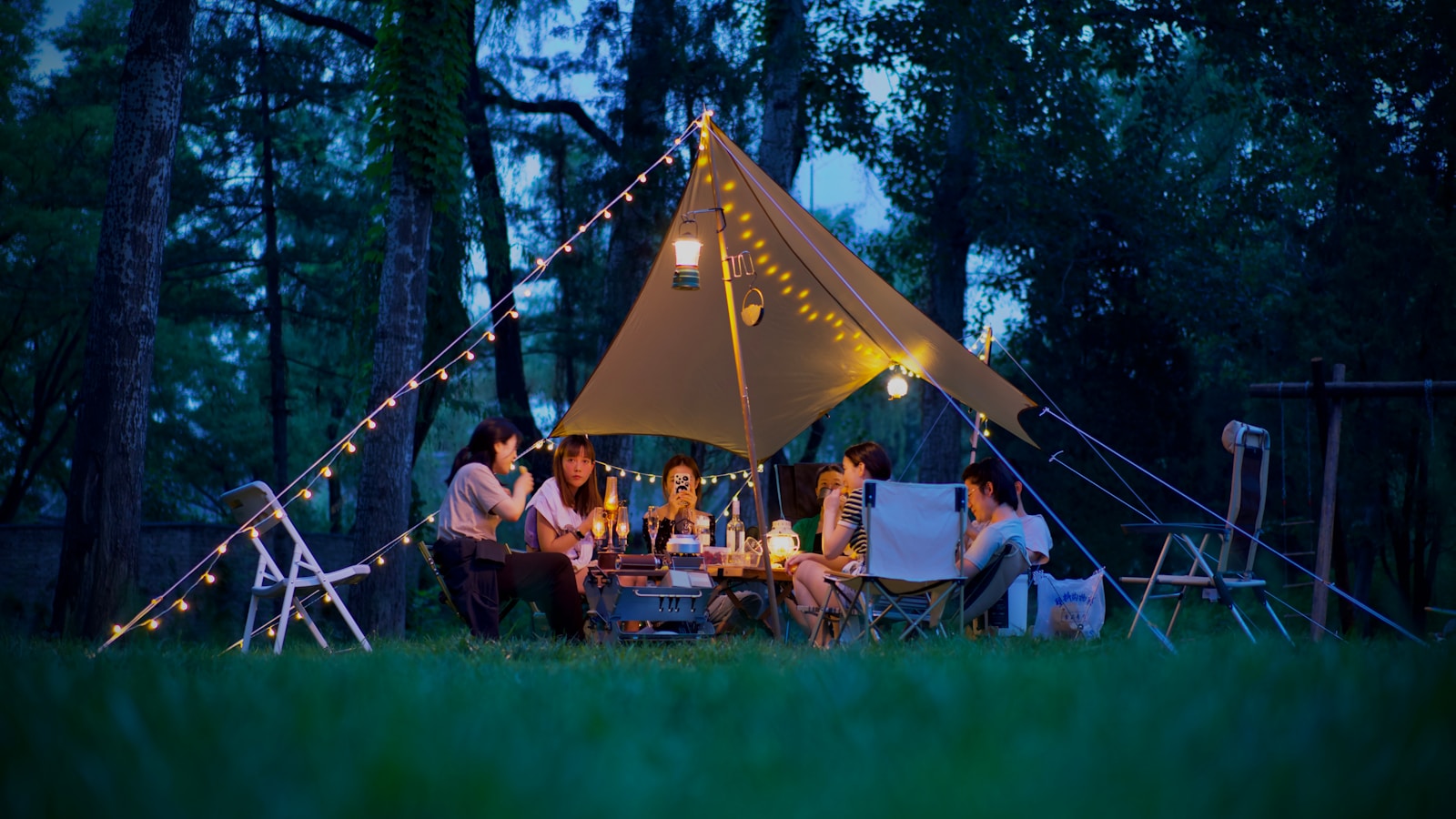
Ironically, being isolated in nature often brings people closer. Shared struggles like weathering a storm or rationing supplies create strong bonds among participants. These connections are built on teamwork, not small talk. You learn to rely on others and offer support in return. The friendships formed during such trips often last far beyond the experience, built on trust and mutual respect.
Replacing Possessions With Skills
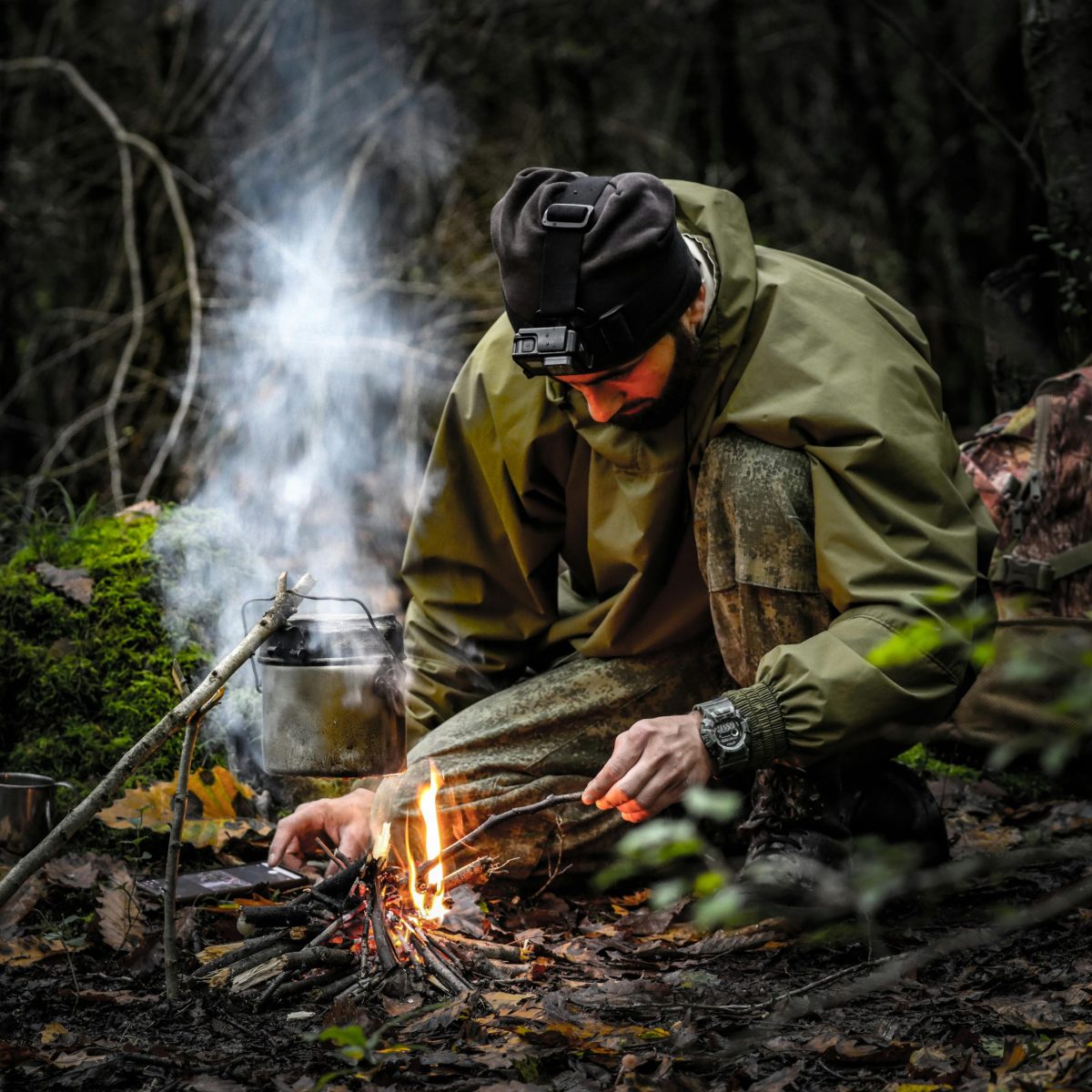
Many millennials prioritize learning over owning. Survival trips shift focus from material comfort to self-reliance. The pride in crafting tools, identifying plants, or purifying water outweighs the thrill of luxury goods. Each skill learned becomes part of your identity and a reminder that real security doesn’t come from what you buy but from what you know. It’s a mindset that redefines success and satisfaction.
Pursuing Personal Growth
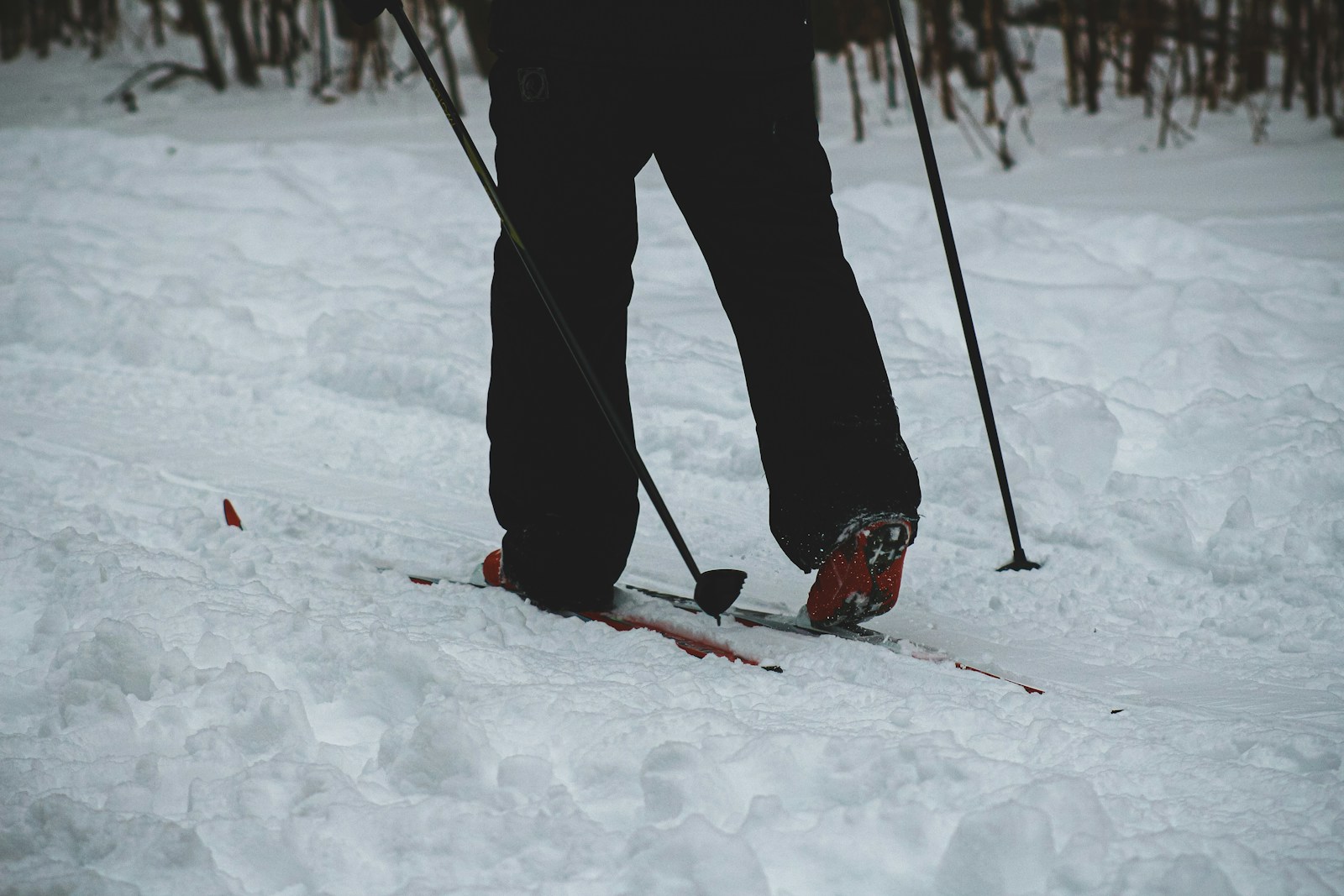
Survival experiences challenge you mentally as much as physically. Pushing through fear, exhaustion, and uncertainty builds emotional resilience. You start viewing discomfort as a teacher rather than a threat. The journey becomes less about survival and more about transformation. By stepping outside your comfort zone, you find strength and peace that modern life rarely offers. Growth, in this sense, becomes the true reward.