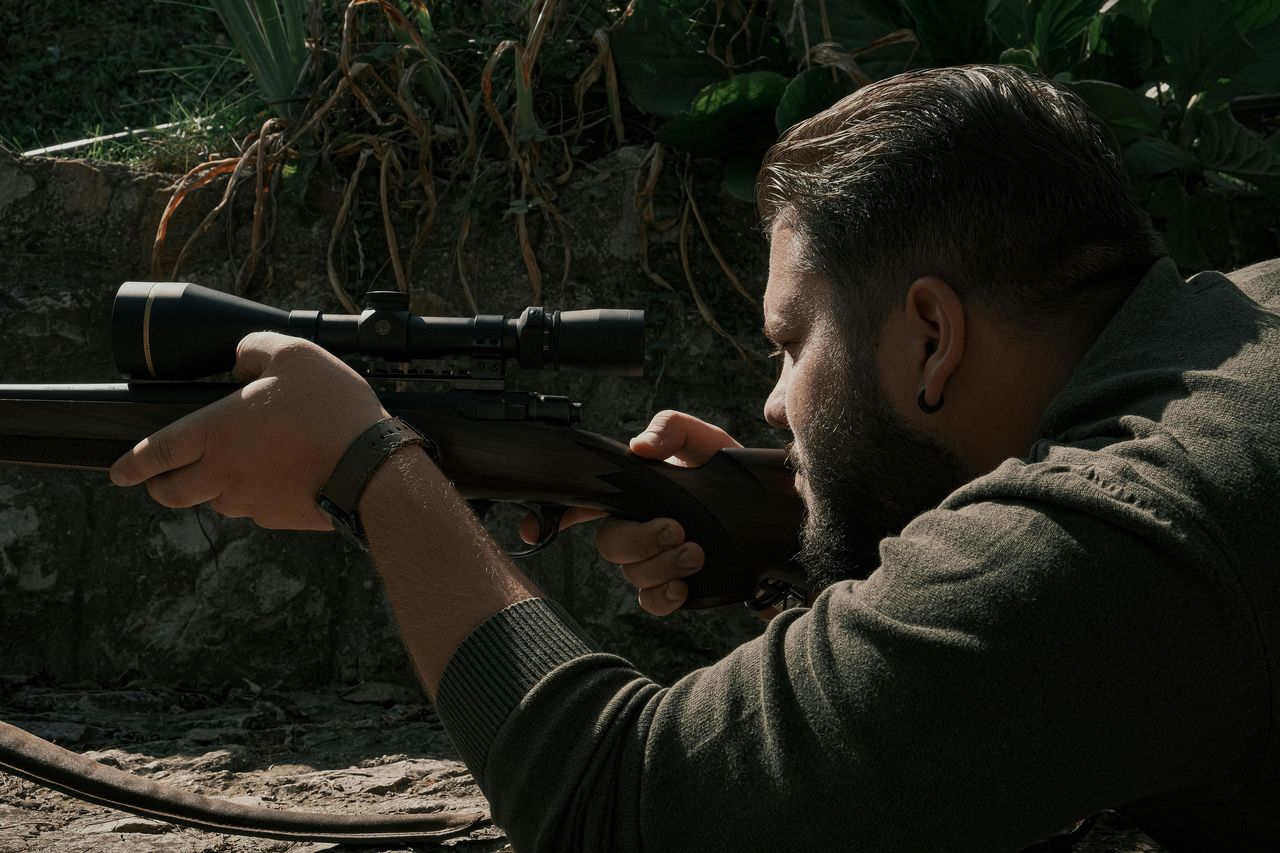
For decades, skeptics have called lever-actions outdated, underpowered, or purely nostalgic. Yet a handful of standout models kept showing up in hunting camps, truck racks, and collections for one simple reason: they work. This gallery looks at seven lever-actions that didn’t just survive criticism—they built legends that still hold up today.
Winchester Model 1873

The Winchester 1873 is one of those rifles that skeptics love to reduce to mythology, as if its reputation came only from dime novels and movie screens. In reality, its popularity grew because it was light, handy, and chambered in practical revolver cartridges that made sense for everyday life on the frontier.
It was never built to be a long-range powerhouse, and it didn’t need to be. What mattered was speed, familiarity, and the ability to carry one kind of ammunition for both rifle and sidearm. That kind of common-sense utility is exactly why the Model 1873 still gets respect today, long after the legends stopped doing the talking for it.
Marlin Model 336

The Marlin 336 earned loyalty the old-fashioned way, by delivering season after season with very little drama. Its side-eject design gave it an edge with scope users, and that practical feature helped answer one of the biggest complaints traditionalists and skeptics both had about lever-actions in the modern era.
The rifle also developed a reputation for solid accuracy and dependable operation, especially in .30-30 and .35 Remington. It felt less like a museum piece and more like a working partner. Even now, when buyers have endless choices, the 336 still attracts people who want classic handling without sacrificing the conveniences modern hunters expect.
Henry Big Boy
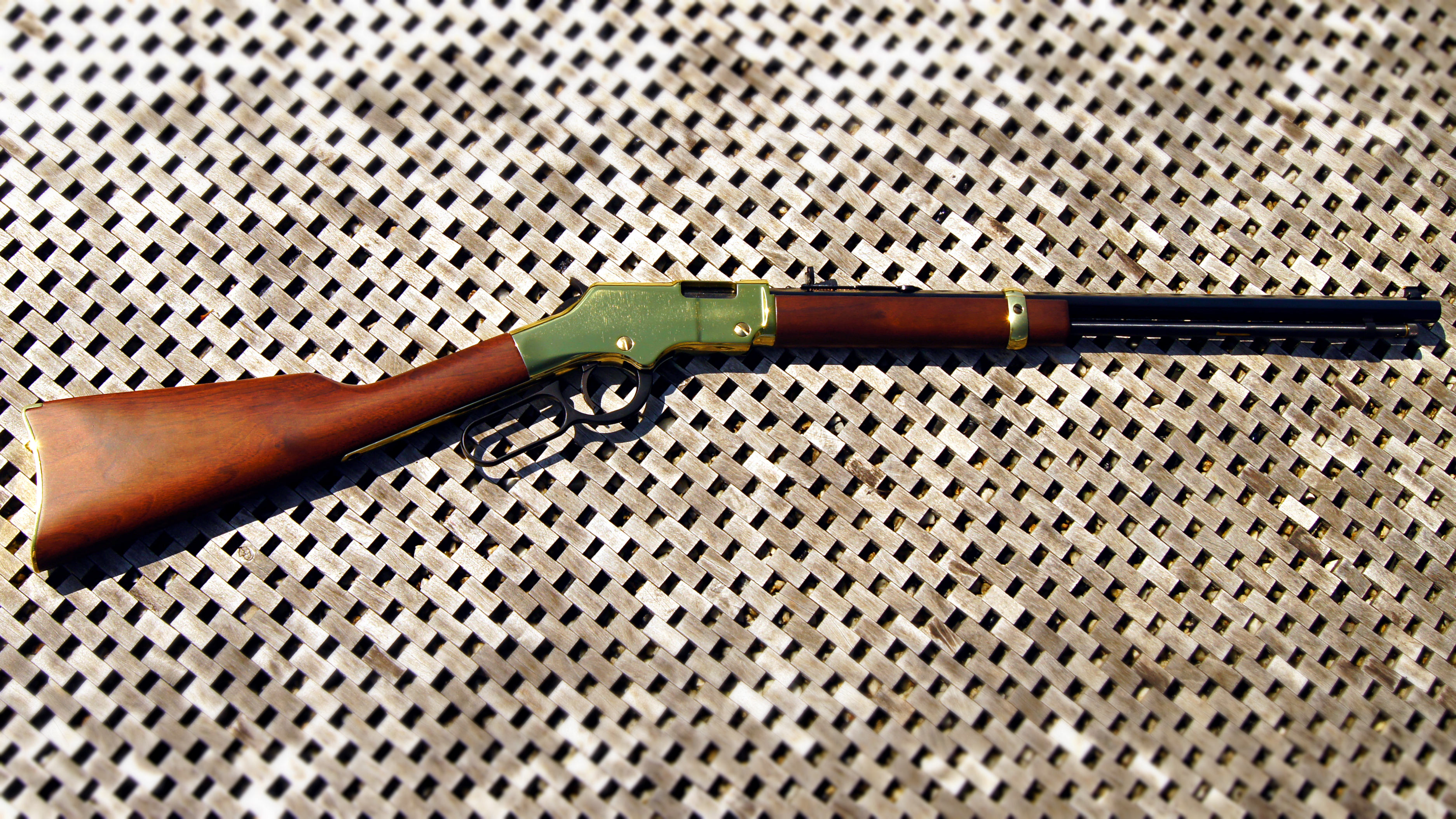
The Henry Big Boy helped revive mainstream enthusiasm for lever-actions at a moment when many people assumed the category was mostly nostalgia. Beautiful finishes and smooth cycling drew attention first, but what kept buyers interested was how approachable and enjoyable the rifle was to shoot.
In pistol calibers like .357 Magnum and .44 Magnum, it offered low-recoil fun, practical utility, and undeniable charm. That combination matters more than skeptics sometimes admit. Not every successful rifle needs to dominate a benchrest match or a tactical trend cycle. The Big Boy reminded the industry that heritage, craftsmanship, and real shooting enjoyment still count for a lot, especially when the rifle performs as well as it looks.
Savage Model 99
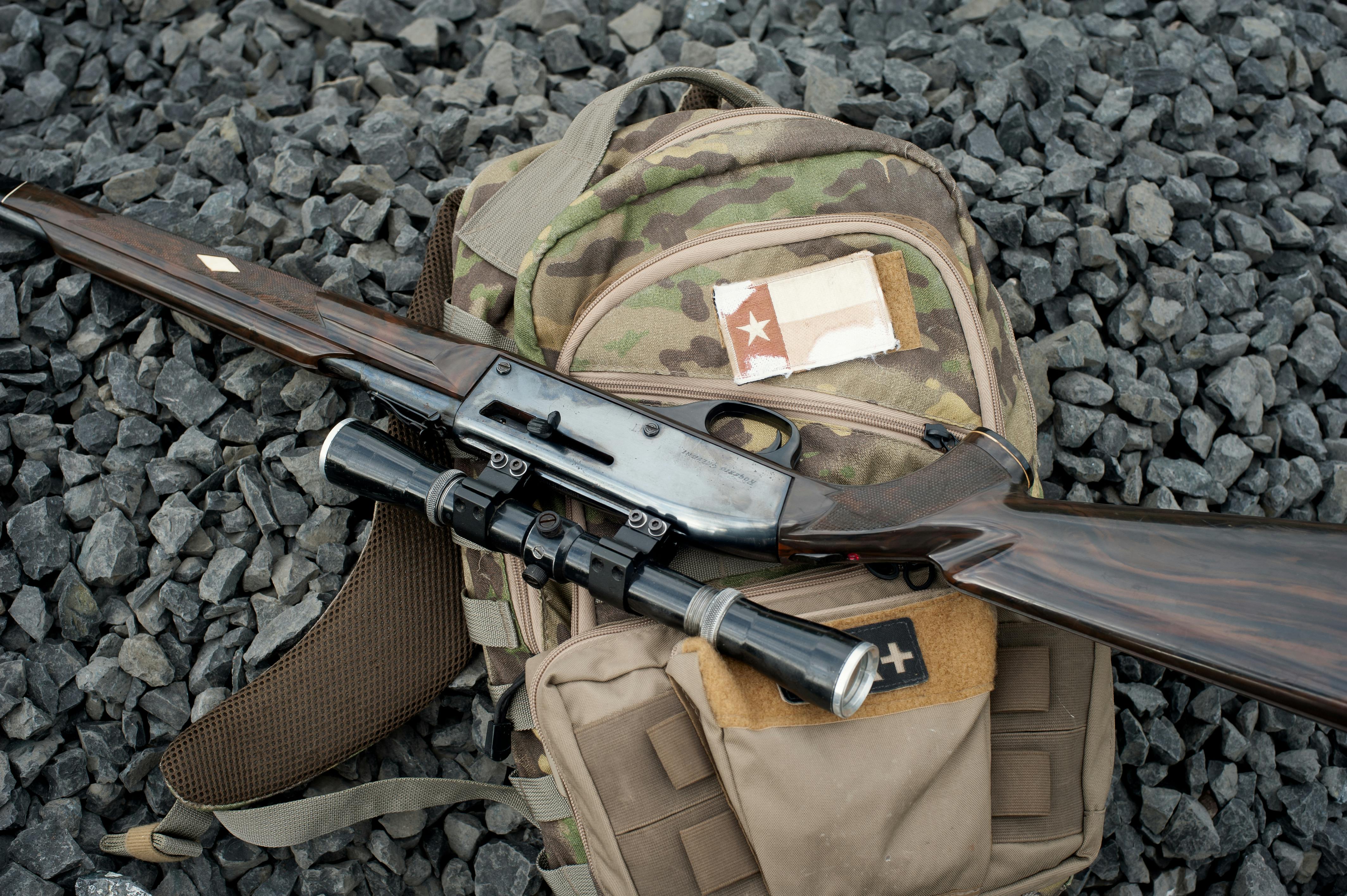
The Savage 99 has long been the insider’s answer when the lever-action conversation gets too simplistic. With its stronger action and innovative magazine system, it was able to use pointed bullets safely, giving it ballistic advantages that many people wrongly assumed were off-limits to all lever guns.
That engineering helped the rifle earn a reputation as a serious hunter’s tool, not just a sentimental favorite. In calibers like .300 Savage, it offered reach and performance that challenged neat little categories. The Model 99 proved that the lever-action story was always more sophisticated than critics claimed, and even today it stands as one of the smartest designs the genre ever produced.
Why Lever-Actions Keep Winning Fans

The continued appeal of lever-actions isn’t really mysterious. They balance well, carry comfortably, and point naturally in a way that many shooters instantly understand. In dense timber, brush country, or on a range where shooting should feel joyful instead of clinical, they offer a kind of ease that spreadsheets and spec sheets can miss.
That emotional connection matters, but it’s not the whole story. Modern manufacturing, better sights, optics compatibility, and stronger designs have kept many lever-actions genuinely useful. The platform survives because it delivers a blend of speed, practicality, and character that newer systems rarely duplicate. Skeptics may keep talking, but the rifles themselves keep answering.
The Modern Comeback

What’s happening now is more than a nostalgia wave. Lever-actions are benefiting from renewed interest among hunters, collectors, and first-time buyers who want something different from the black-rifle template or the standard synthetic-stock bolt gun. Manufacturers have noticed, and the category is seeing fresh energy because demand is both emotional and practical.
New models, updated materials, threaded barrels, rail systems, and suppressor-ready configurations have given the old action a surprisingly contemporary edge. That doesn’t erase tradition; it builds on it. The lever-action’s comeback feels convincing because it’s rooted in real strengths people can still appreciate the moment they pick one up and work the action.
More Than a Legend
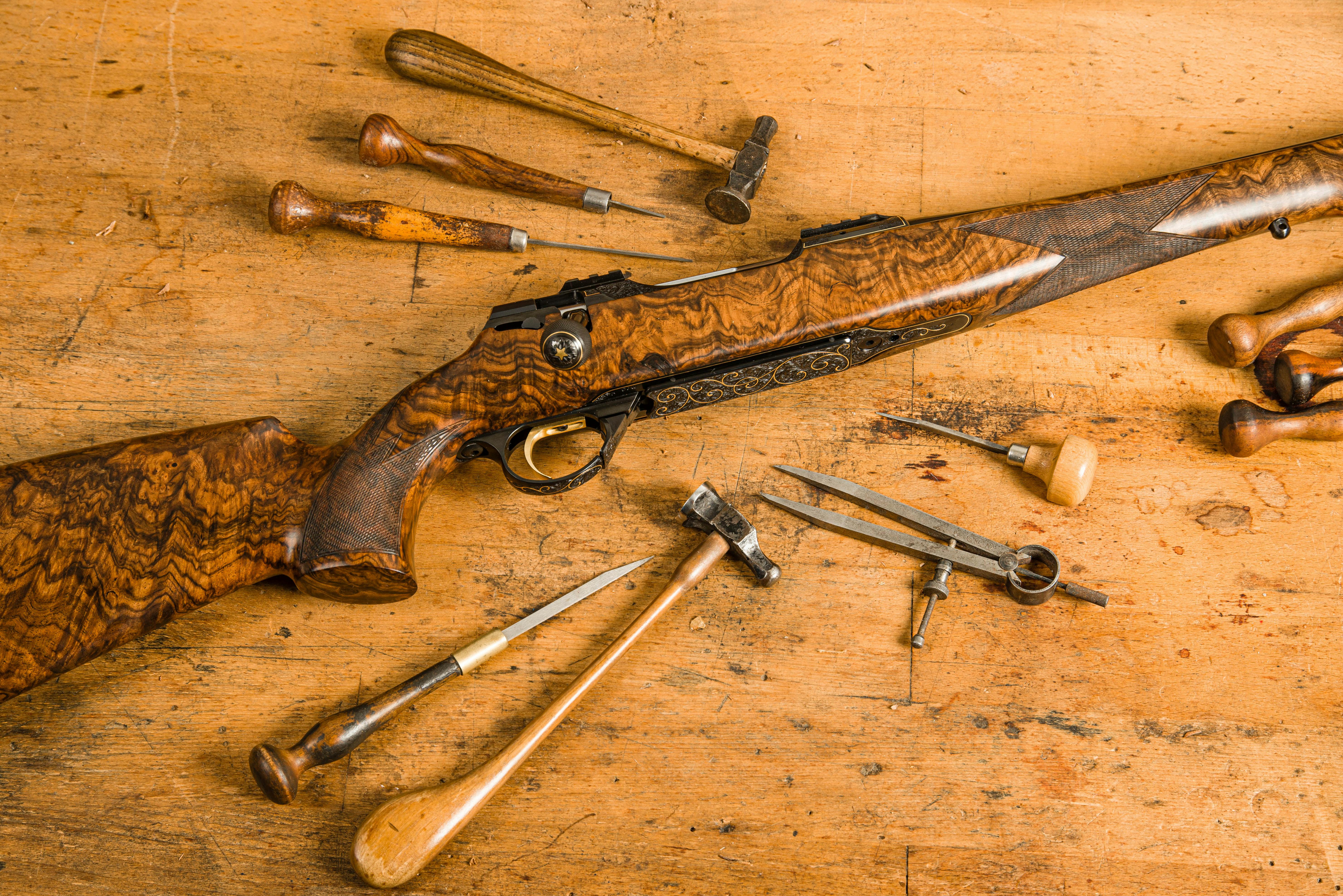
The biggest mistake skeptics make is assuming lever-actions endure because of romance alone. Romance certainly helps, but these rifles stayed alive because generation after generation found them useful, reliable, and satisfying in the field. They earned stories because they first earned trust, and that order matters.
From the Model 1873 to modern updates, the seven rifles in this gallery show how adaptable the platform has been across time. Some succeeded through raw practicality, others through innovation, and a few through sheer staying power. Together, they make a simple point that’s hard to argue with: a design doesn’t last this long by accident. It lasts because it keeps proving itself.