In a survival scenario, the most valuable food source is often the one hiding in plain sight. Many common plants and trees offer edible leaves, roots, seeds, or inner bark, yet they are ignored because people simply do not know what they are seeing. This gallery highlights nine wild edibles that are widely overlooked and explains why learning them can make any outdoor skill set far more useful.
Dandelion

Dandelion is so familiar that many people stop seeing it altogether. That is exactly why it matters in a survival context. The leaves, flowers, and roots are all useful, and the plant often shows up in yards, trailsides, meadows, and disturbed ground where people least expect to find food.
Young leaves are the mildest and can be eaten raw or cooked like greens. The flowers can be used fresh, and the roots can be roasted or boiled, depending on your goal. The key is proper identification, because the true dandelion has a basal rosette, deeply toothed leaves, and a hollow flower stalk with one yellow bloom per stem.
Purslane

Purslane often creeps along garden edges and cracks in dry soil, dismissed as another stubborn weed. In reality, it is one of the more useful wild greens because it is fleshy, refreshing, and surprisingly nutritious. Once you learn its low, spreading habit, it becomes hard to miss.
The stems are smooth and often reddish, while the leaves are small, rounded, and succulent. That juicy texture is one of its giveaway traits. It can be eaten raw, tossed into soups, or lightly sauteed for a mild, lemony bite. Be careful not to confuse it with spurges, which can have a similar growth style but produce a milky sap when broken.
Wood Sorrel

Wood sorrel is frequently mistaken for clover at a glance, which is why many walkers never give it a second look. Its heart-shaped leaflets and delicate yellow or pinkish flowers make it easy to recognize once you know the difference. That bright, tart flavor is memorable and can lift bland trail food fast.
A nibble of the leaf reveals its signature sourness, caused by oxalic acid. It is best treated as a refreshing accent rather than a bulk food, especially for people who need to limit oxalates. In small amounts, though, it can be a morale booster in the field and a useful reminder that not every edible plant looks dramatic or rare.
Lamb’s Quarters

Lamb’s quarters is one of those generous plants that grows where people live, farm, and disturb the soil, yet it is constantly overlooked. The leaves can resemble a dusty version of spinach, and that comparison is fitting because the plant is often cooked exactly the same way. In many places, it is more abundant than people realize.
Look for triangular to diamond-shaped leaves, often with a pale, powdery coating on new growth. Tender tops are the best eating and can be boiled, steamed, or sauteed. The seeds are also edible when prepared properly. For a survivalist, its value lies in volume. Once you spot a healthy stand, you are not finding a snack; you are finding a serious source of greens.
Cattail

Cattail is sometimes called the supermarket of the swamp, yet plenty of outdoors people still pass by it without recognizing how much food it can offer. It grows in wetlands, pond margins, and marshy ditches, making it especially valuable where dry-land edibles are scarce. Different parts are edible at different times of year.
Young shoots can be peeled and eaten, immature flower spikes can be cooked, pollen can be collected, and the rhizomes contain usable starch. Identification matters because wetland plants can be confusing, and polluted water is a real concern. Still, when you find a clean stand of true cattails with their familiar brown seed heads, you are looking at one of the most practical wild foods around.
Pine

Most people think of pine as timber, shelter, or a fire starter, not food. That blind spot means one of the most widespread survival resources in cold regions gets ignored. Depending on the species and season, pine can provide edible inner bark, nutritious seeds from some varieties, and needle tea that is often prized for its fresh, resinous flavor.
The inner bark, or cambium, lies just beneath the outer bark and has been used historically as an emergency food. Pine needles can also be steeped in hot water, though exact use depends on correct species identification. Not every conifer should be treated the same. The lesson here is simple: a forest full of trees may also be a pantry, if you know where to look.
Acorns
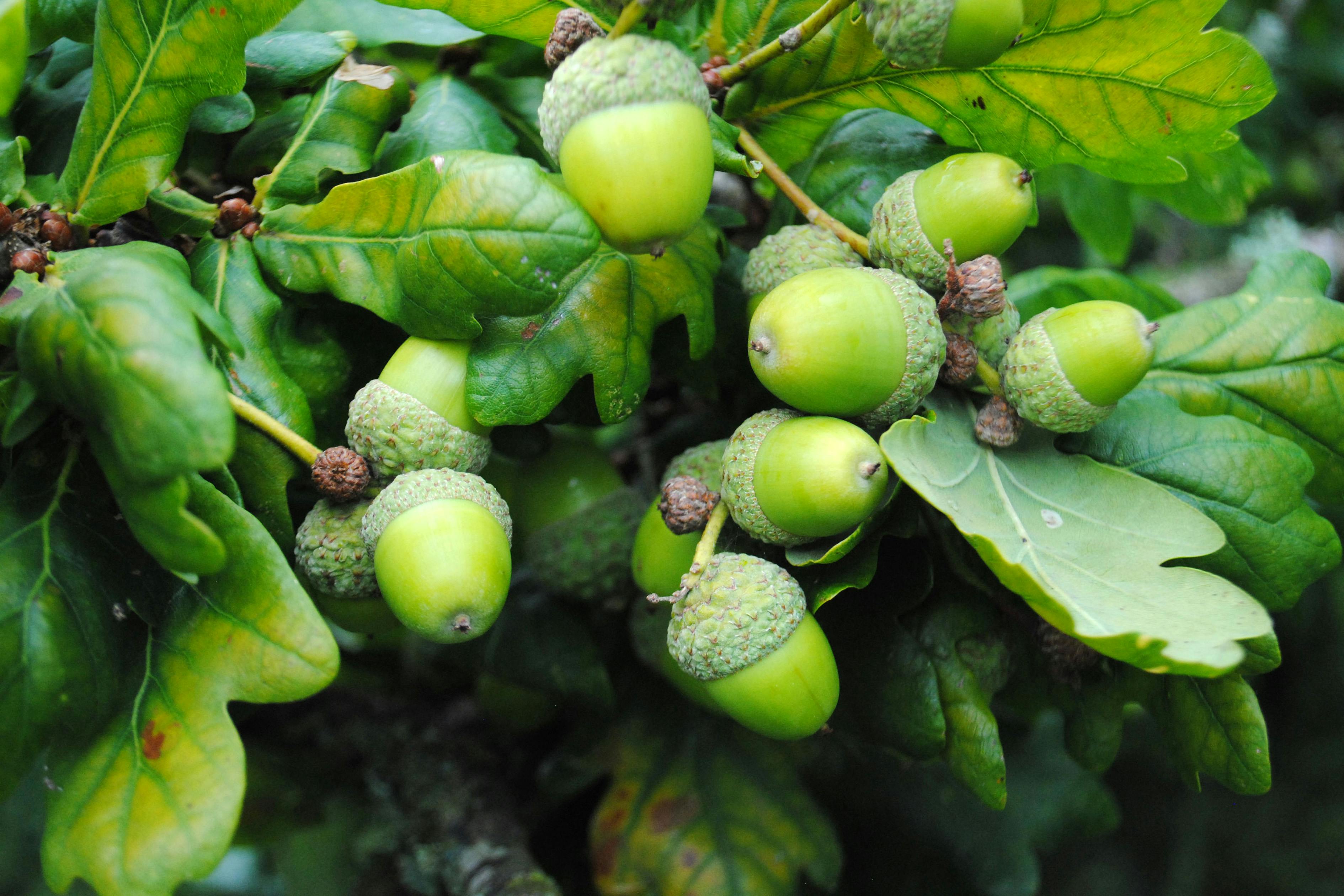
Acorns cover the ground in many woodlands every fall, yet they are still treated like squirrel food by most people. That is a mistake with deep historical roots, because acorns have fed humans in many cultures for centuries. They are calorie-dense, widely available, and worth knowing, especially when other foods are scarce.
The catch is tannins. Most acorns need processing, usually by shelling, crushing, and leaching with water to remove bitterness before cooking with the meal. Some species are milder than others, but none should be assumed ready to eat in quantity straight from the ground. Once prepared, acorn flour can become porridge, flatbread, or a hearty thickener that feels far more substantial than wild greens.
Plantain

Plantain grows underfoot in parks, paths, vacant lots, and compacted soil, so it is almost invisible to people who do not forage. Both broadleaf and narrowleaf types are common, and both have edible uses when harvested young. It is not flashy, but survival food rarely is.
The young leaves are best before they get stringy and tough. They can be eaten raw in small amounts or cooked to soften the texture. One of the easiest identification clues is the set of strong, parallel veins running the length of each leaf. Plantain is a good example of a plant that rewards attention. Once you notice it, you start seeing it almost everywhere people step and vehicles pass.
Daylily
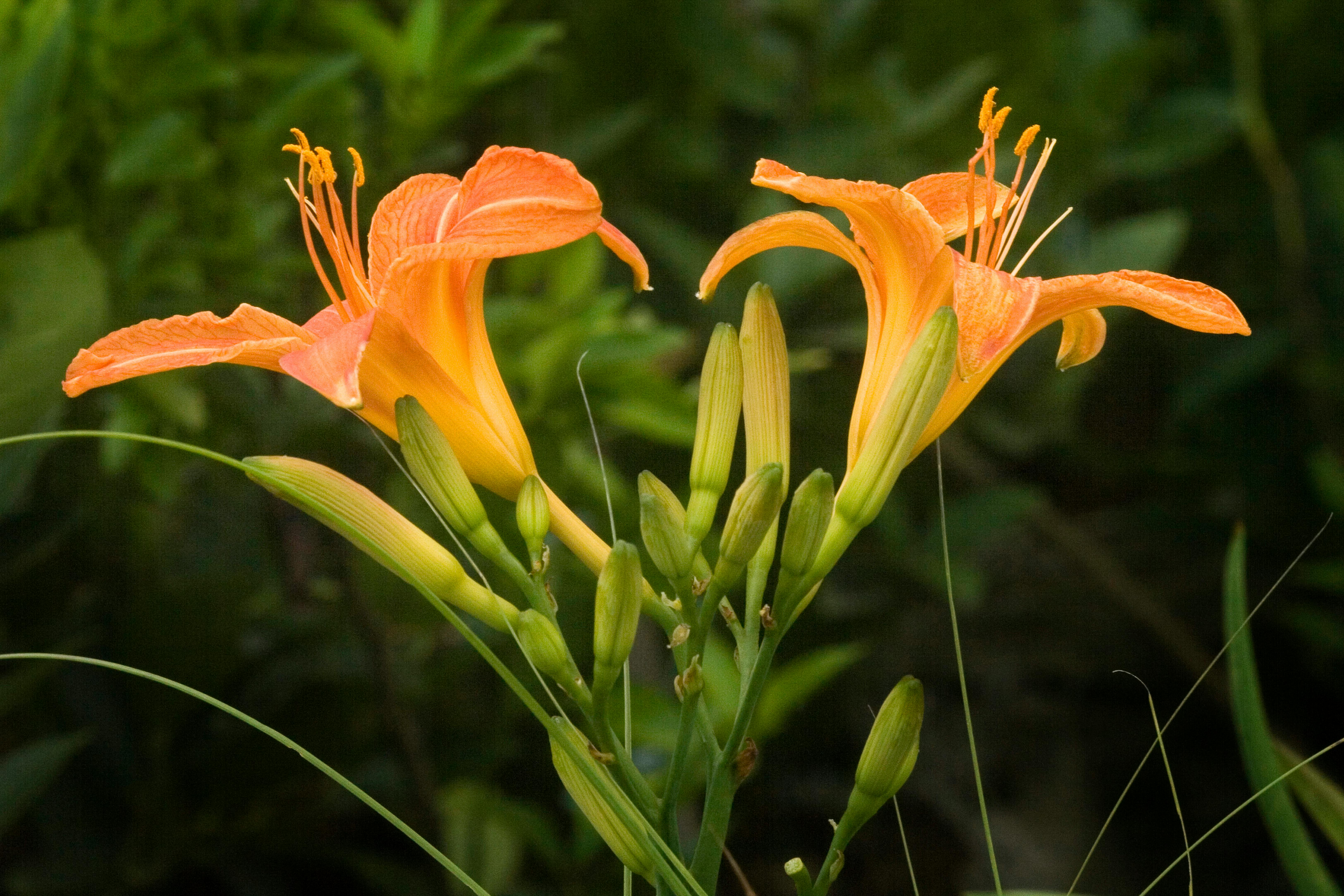
Daylily is often planted as an ornamental, but escaped patches also turn up near old homes, roadsides, and field edges. Because it looks decorative rather than rugged, many survival-minded people overlook it completely. That is unfortunate, because several parts are edible when correctly identified.
Shoots, flower buds, and tuber-like roots have all been used as food. The blooms are especially easy to spot in season, with their bright, trumpet-like shape. Still, caution matters here. True daylilies are not the same as every lily, and some ornamental look-alikes should not be sampled casually. If identification is solid, this is one of the better reminders that useful food can come from places people mentally label as landscaping, not wilderness.
Burdock

Burdock is best known for the burrs that cling to clothes and animal fur, not for being edible. That reputation hides one of its most practical uses. In the first year, before the plant sends up a tall flower stalk, the long taproot can be harvested and cooked as a substantial vegetable.
The large, wavy leaves and familiar burrs of older plants make burdock easier to recognize than many wild foods. Root harvest takes effort, since the taproot runs deep, but the payoff is more filling than a handful of greens. Young leaf stalks can also be prepared after peeling. It is a good plant to study because it teaches a classic forager’s lesson: nuisance and nourishment are sometimes the exact same thing.