Automatic firearms occupy a distinctive place in the American gun debate because federal law treats machine guns differently from ordinary semiautomatic firearms. Under current federal law, a machine gun is generally a weapon that can fire more than one shot automatically through a single trigger function. The 1986 federal prohibition also sharply restricted civilian possession and transfer of newly made machine guns.
1. M16
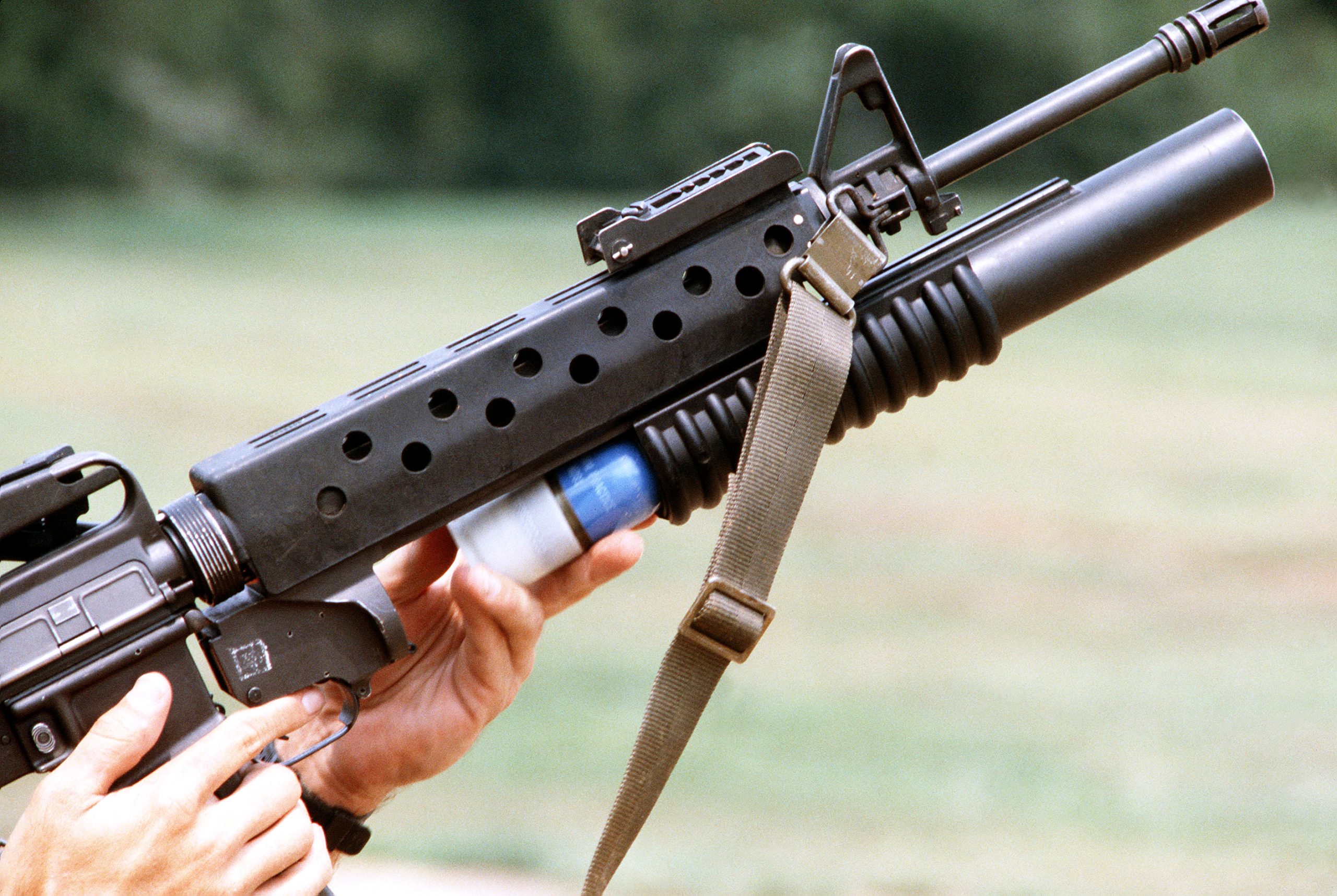
The M16 became one of America’s most recognizable military rifles after entering U.S. service in the 1960s. It is a select-fire 5.56mm rifle, so military versions can offer semi-automatic and automatic or burst fire. The civilian AR-15 family is generally semi-automatic, not an automatic M16. That distinction matters because similar appearances can hide major legal and mechanical differences. Its 20-round magazine became an early benchmark, while later variants used different capacities. The 5.56×45mm cartridge also became a defining feature of the family.
2. M249 SAW
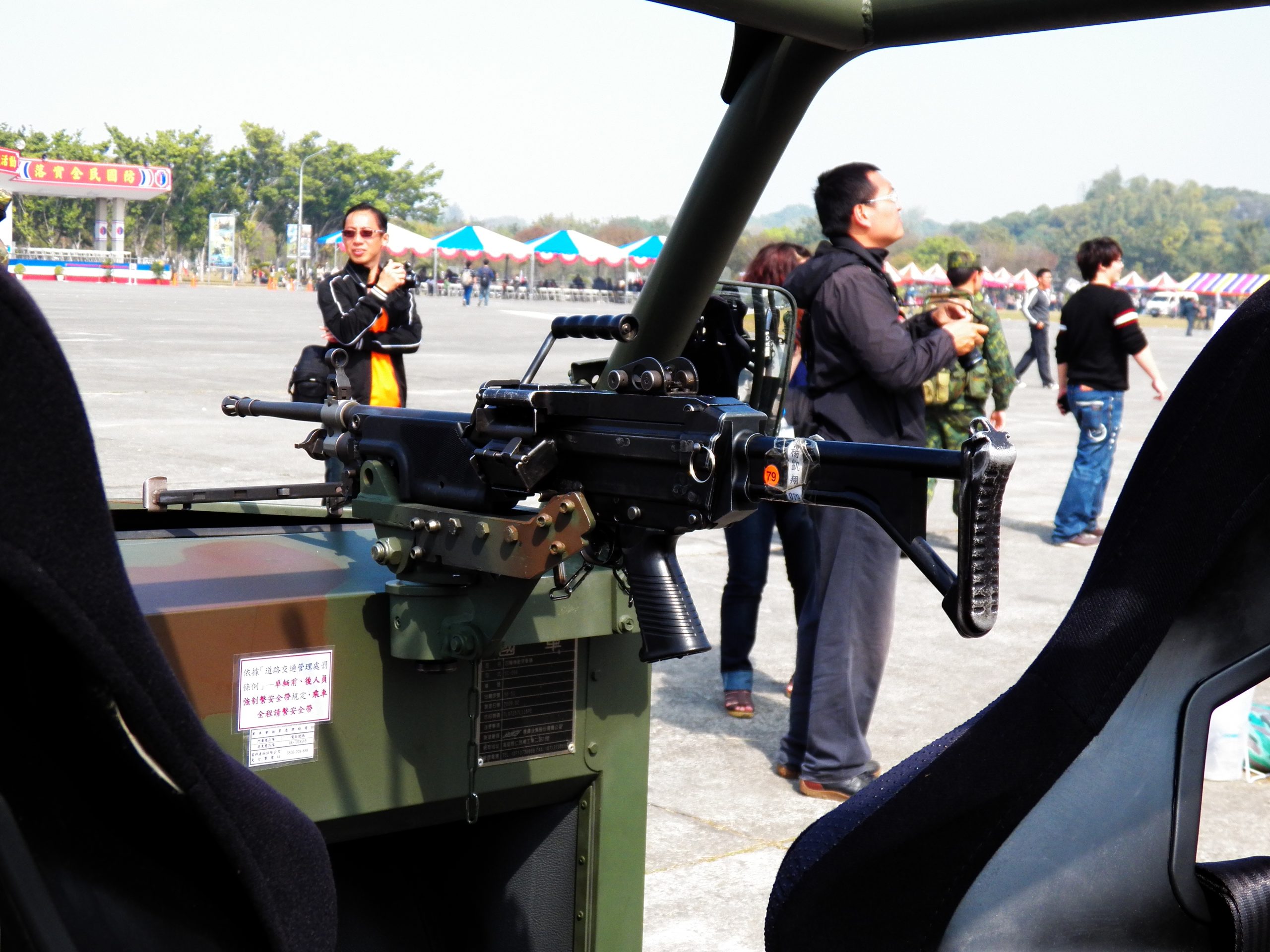
The M249 Squad Automatic Weapon brought sustained automatic fire to U.S. infantry units in a compact 5.56mm platform. Adopted in 1984, it can feed ammunition from linked belts or magazines and was designed around the squad automatic-rifle role. Its place in gun-policy discussions reflects a broader question about military-purpose automatic firearms and civilian sporting arms. The M249 uses 5.56×45mm NATO ammunition and remains a service weapon, not an ordinary retail firearm. Its belt-fed design is built around sustained squad fire rather than ordinary civilian use.
3. M240
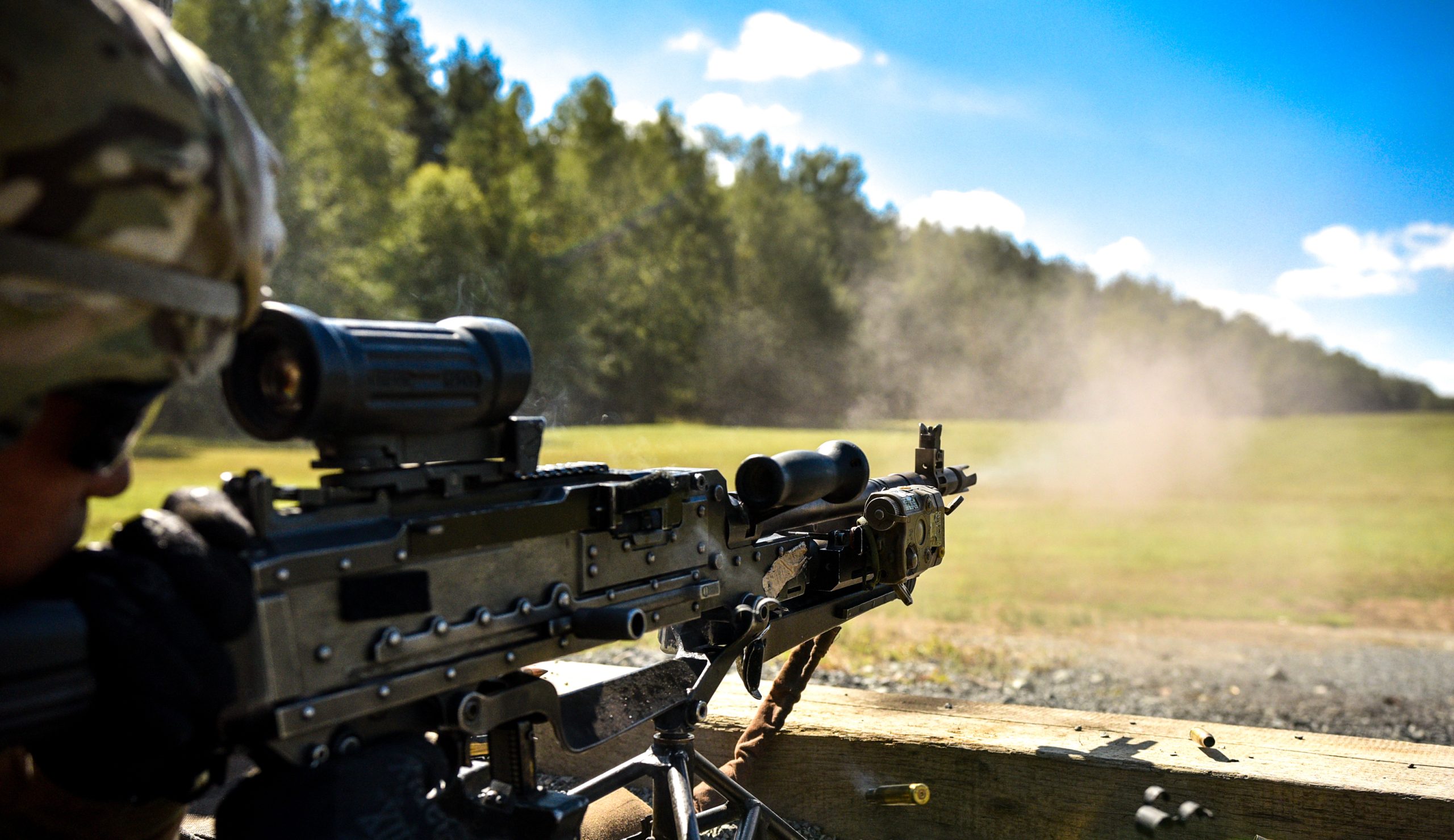
The M240 is a 7.62mm general-purpose machine gun used by the U.S. military for roles requiring greater range and sustained fire than a standard infantry rifle. It entered American service in the 1970s as a successor to the M60 in many roles. An M240B weighs about 27 pounds, placing it far outside the typical civilian rifle category. Its relevance is that automatic fire, ammunition capacity, crew use, and military mission can intersect when lawmakers discuss regulation. Common configurations use 100- or 200-round belts, reinforcing its crew-served role.
4. M2 Browning
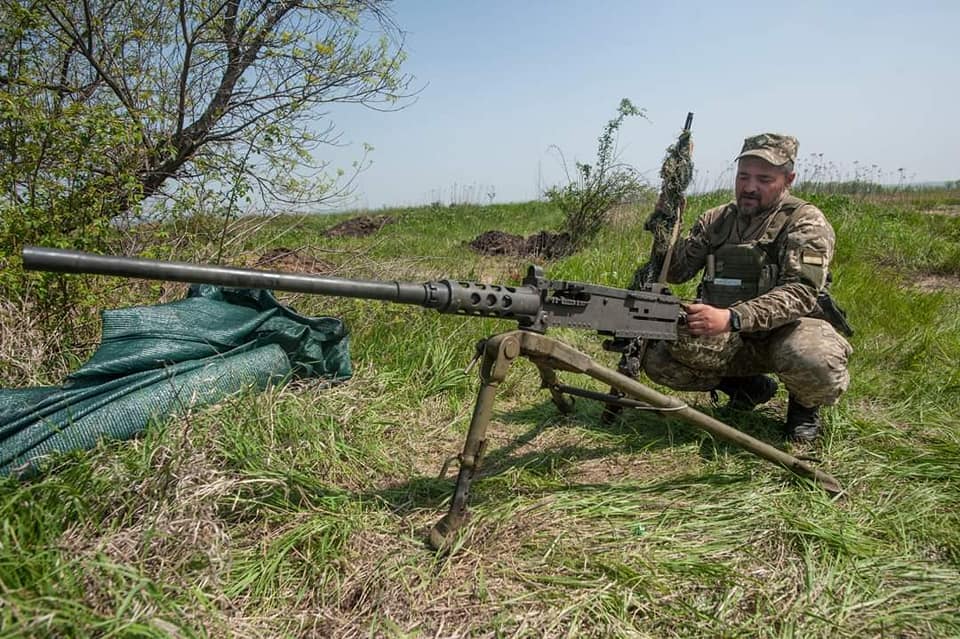
The M2 Browning has been in U.S. service for more than 90 years and fires the .50 BMG cartridge. It is a belt-fed, recoil-operated machine gun normally associated with vehicles, mounts, and heavy weapons teams. Its history makes it a reference point when Americans discuss what the law means by a machine gun. The M2’s 12.7×99mm cartridge and roughly 80-pound system weight with common ground mounts show how different its battlefield role is from a sporting rifle. Its long service record began in 1933. Its size and mounting needs place it far beyond the typical shoulder-fired rifle.
5. Thompson
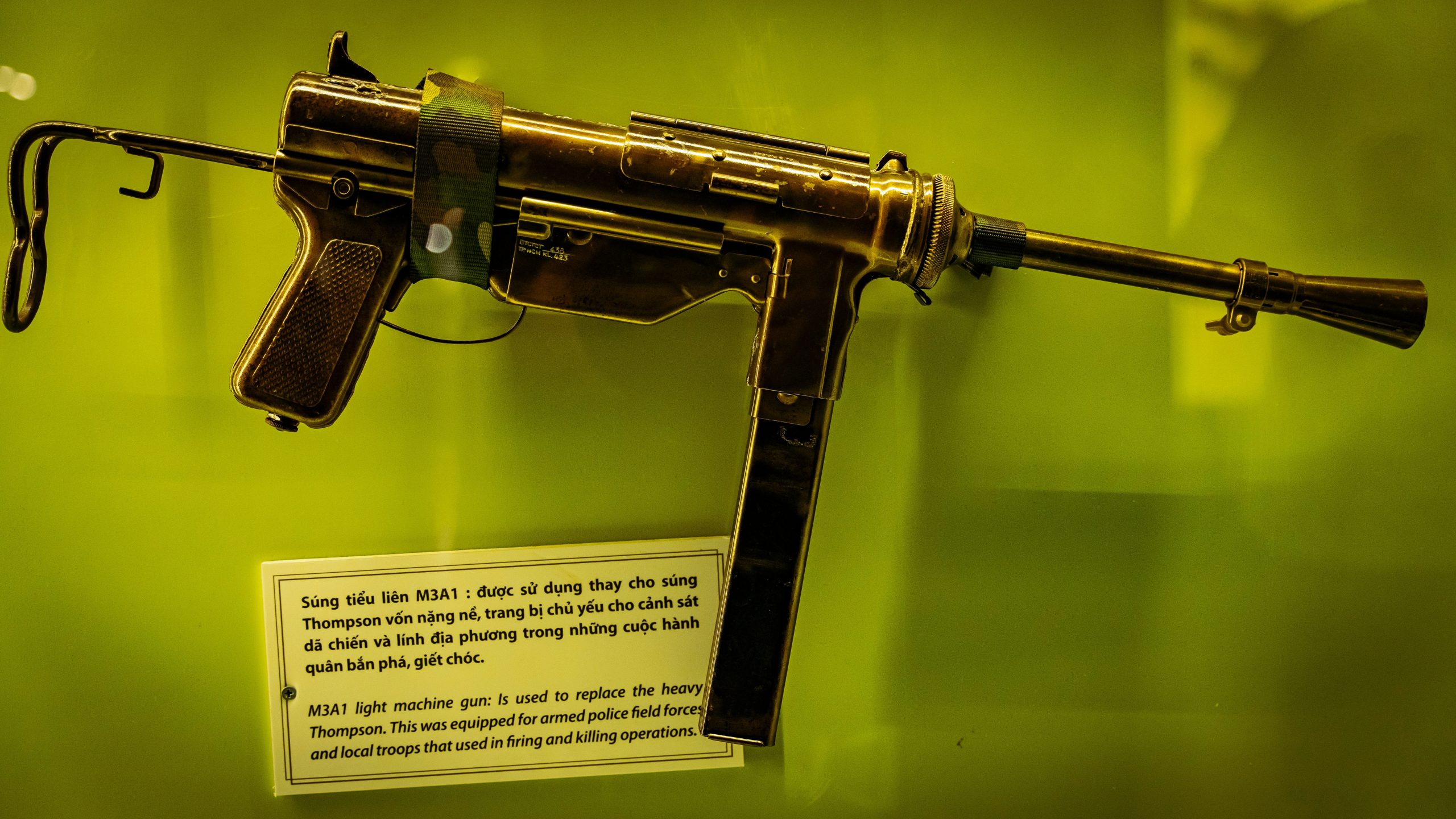
The Thompson submachine gun became famous during Prohibition and later served with American forces in World War II and Korea. Chambered in .45 ACP, it was designed for automatic fire and became an enduring symbol of the classic submachine gun. Today, legally transferable examples are tightly constrained because the 1986 federal machine-gun prohibition generally bars civilian possession or transfer of machine guns made after May 19, 1986. That date is central to the collector market. Wartime Thompsons were also simplified to reduce production time and cost.
6. MP5
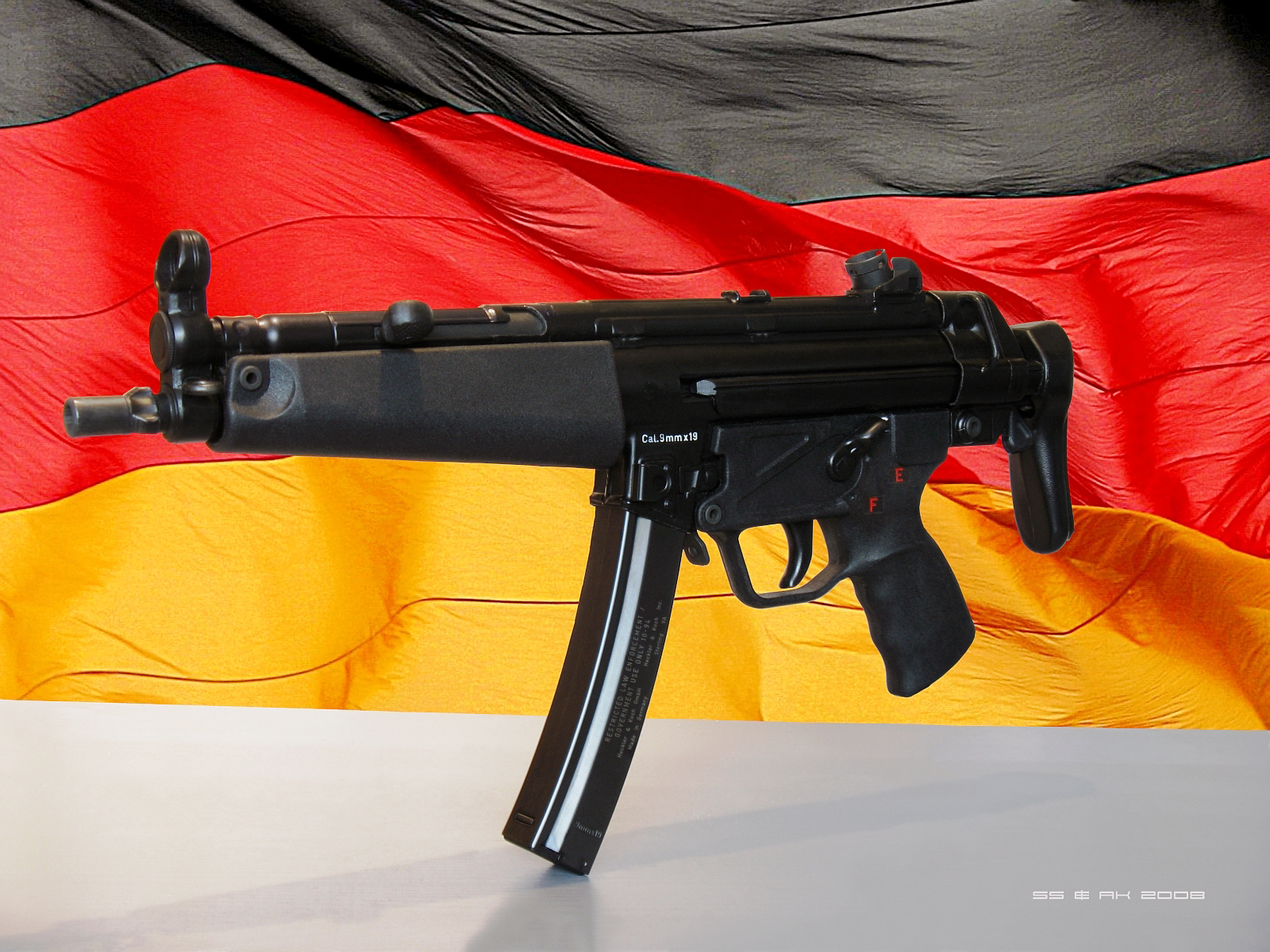
The Heckler & Koch MP5 is a German 9mm submachine gun widely associated with police and military counterterrorism units. Introduced in the 1960s, it uses a roller-delayed operating system and has appeared in numerous configurations. Its reputation comes largely from institutional use rather than ordinary civilian ownership. In the United States, a genuine automatic MP5 falls under federal machine-gun rules, while semi-automatic civilian versions are legally distinct firearms. That difference is often lost when the models are discussed together, despite their different firing systems.
7. AK-47
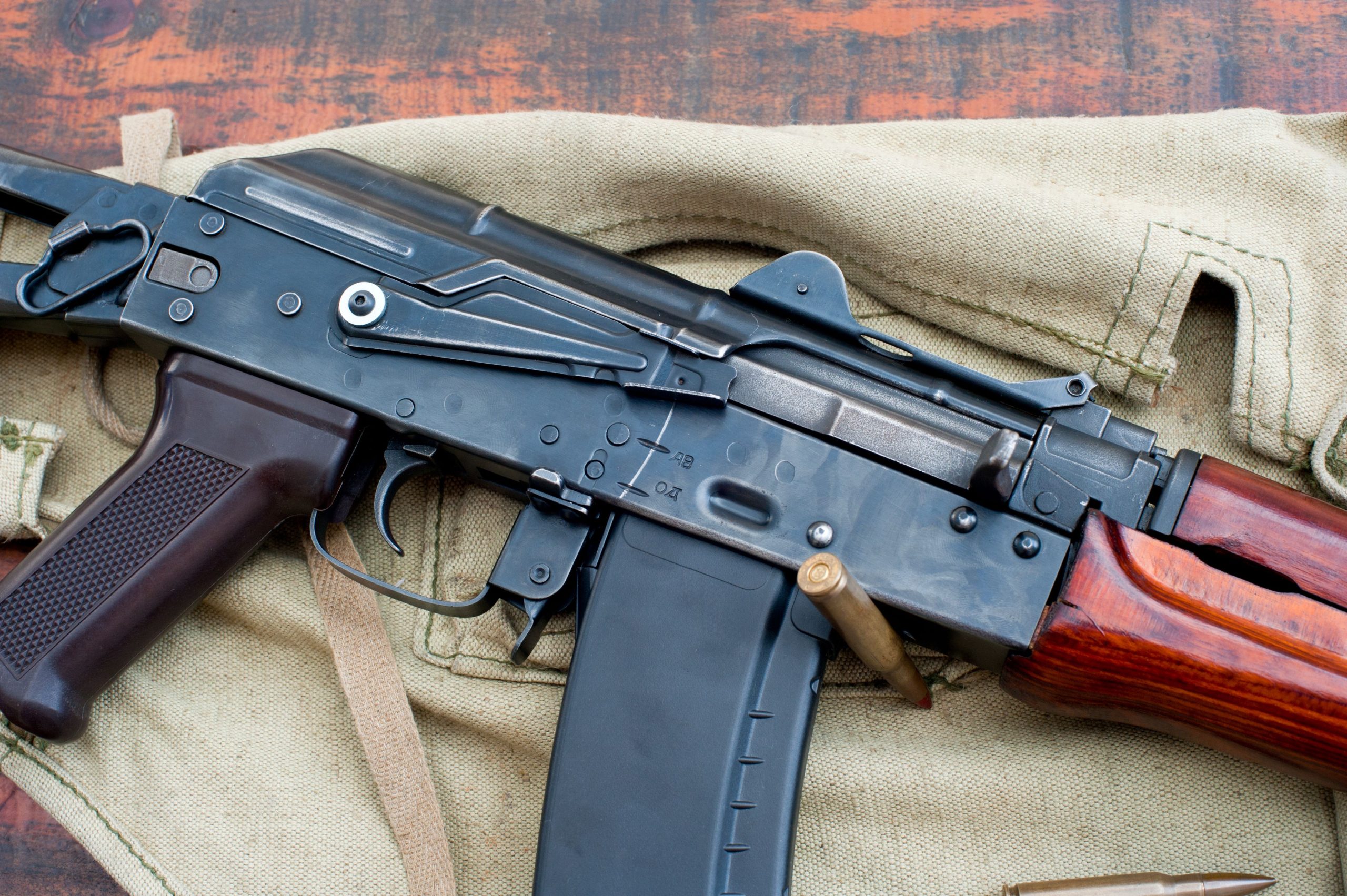
The AK-47 is one of the most recognizable firearms in modern history, with Soviet development beginning in the 1940s and production starting in the late 1940s. The original military design can fire automatically, while most U.S. civilian AK-pattern rifles are semi-automatic. That distinction is crucial because a model name alone does not determine legal status. The AK-47’s appearance, global history, and widespread civilian derivatives have made it a recurring subject in arguments about military-style firearms and federal regulation. Its original cartridge is 7.62×39mm.
8. FN SCAR
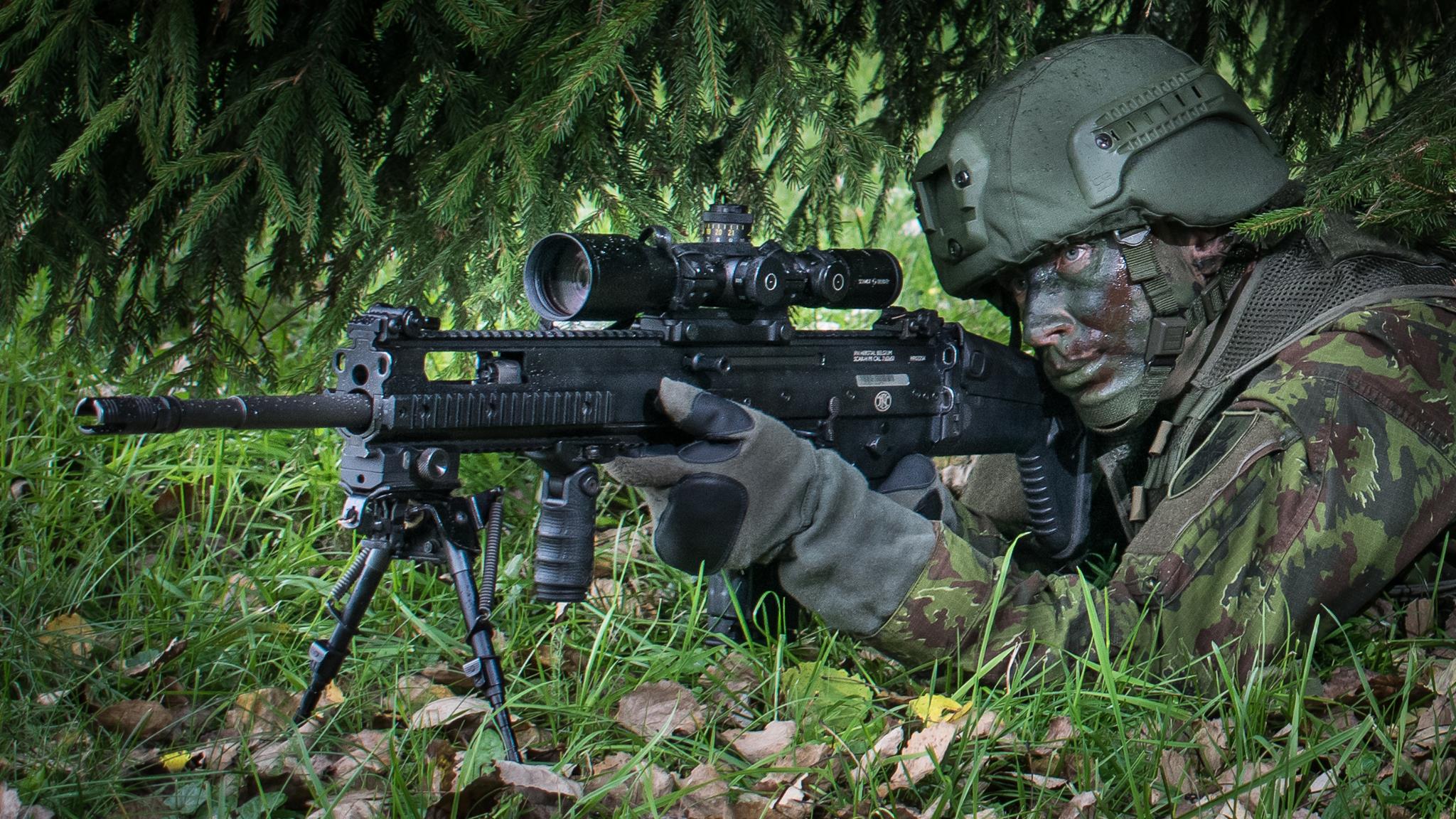
The FN SCAR family was developed for U.S. Special Operations requirements and entered service in the late 2000s. Military SCAR variants can provide select-fire capability, while civilian models sold in the United States are generally semi-automatic. Chambered in cartridges including 5.56mm and 7.62mm, the platform represents a modern modular military rifle rather than a conventional hunting arm. Its presence in the gun debate reflects a larger dispute over whether military-derived design features should matter legally when civilian versions operate differently. The SCAR program began in 2004.
9. StG 44
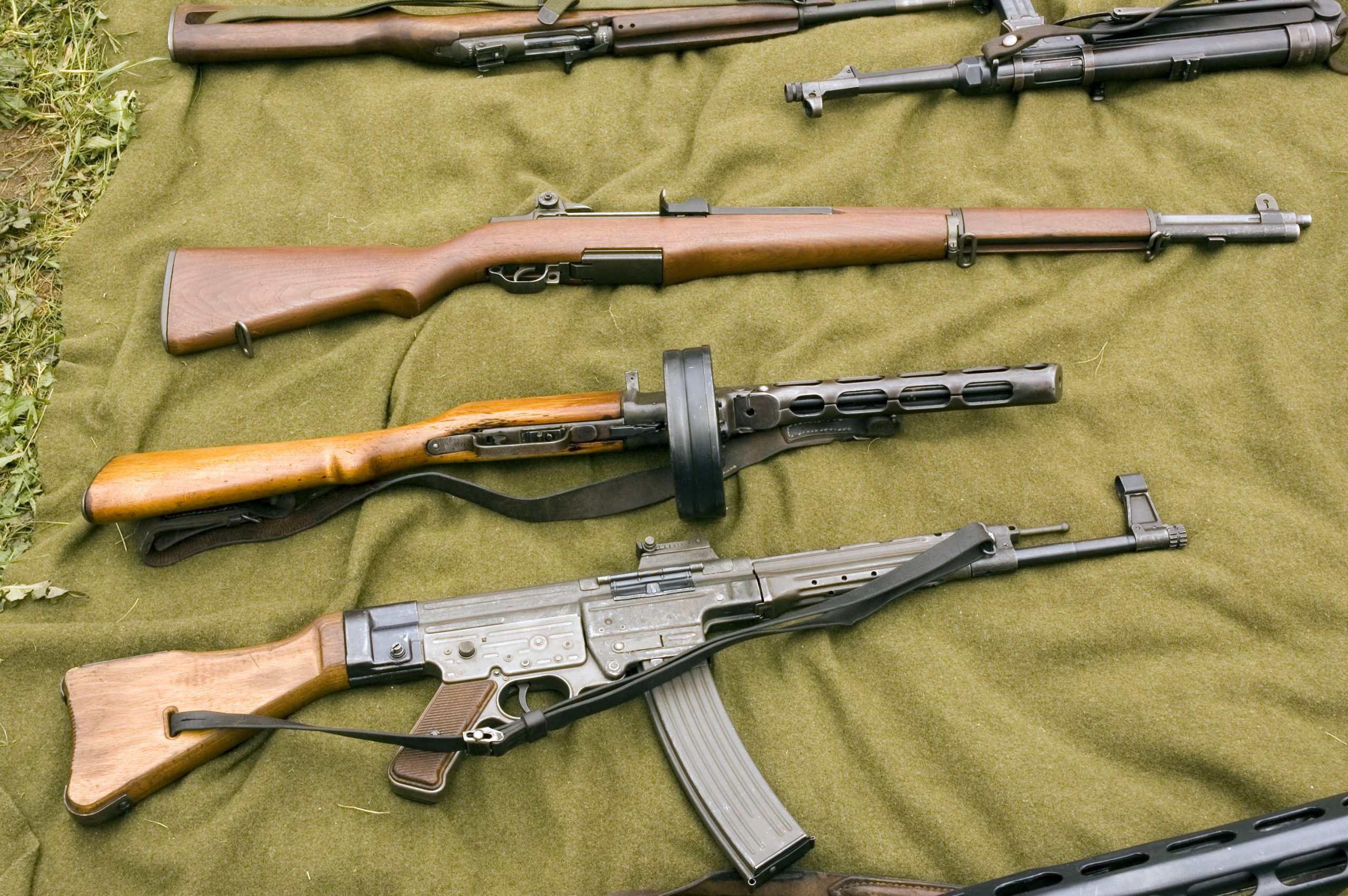
The German StG 44 is historically important because it helped establish the concept of an intermediate-cartridge military rifle capable of selective fire. Developed during World War II, it used the 7.92×33mm Kurz cartridge and influenced later rifle development, including Soviet work that produced the AK family. The StG 44 is now mainly a historical and collector subject in America. Its place in modern debates is less about current ownership than about how military firearm technology evolved. Production began in 1943, and the design helped popularize the assault-rifle concept.
10. M60
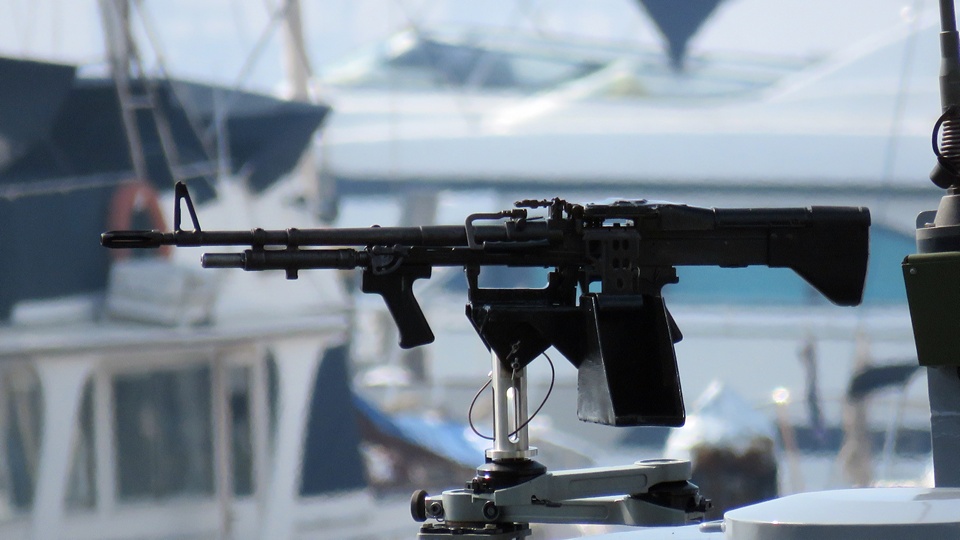
The M60 served as a standard U.S. military machine gun for decades after entering service in 1957. Chambered in 7.62×51mm NATO, it was intended to provide sustained automatic fire at infantry level and was used from ground support to vehicle mounting. Its history helps explain the difference between a military machine gun and civilian firearms that may share ammunition or broad design concepts. Federal law treats machine guns as a distinct regulated category. The M60 was also closely associated with the Vietnam War, where it served extensively.