Some guns become legends because they are rare. The Stevens 94 became memorable because it was everywhere.
A working gun that ordinary people could afford
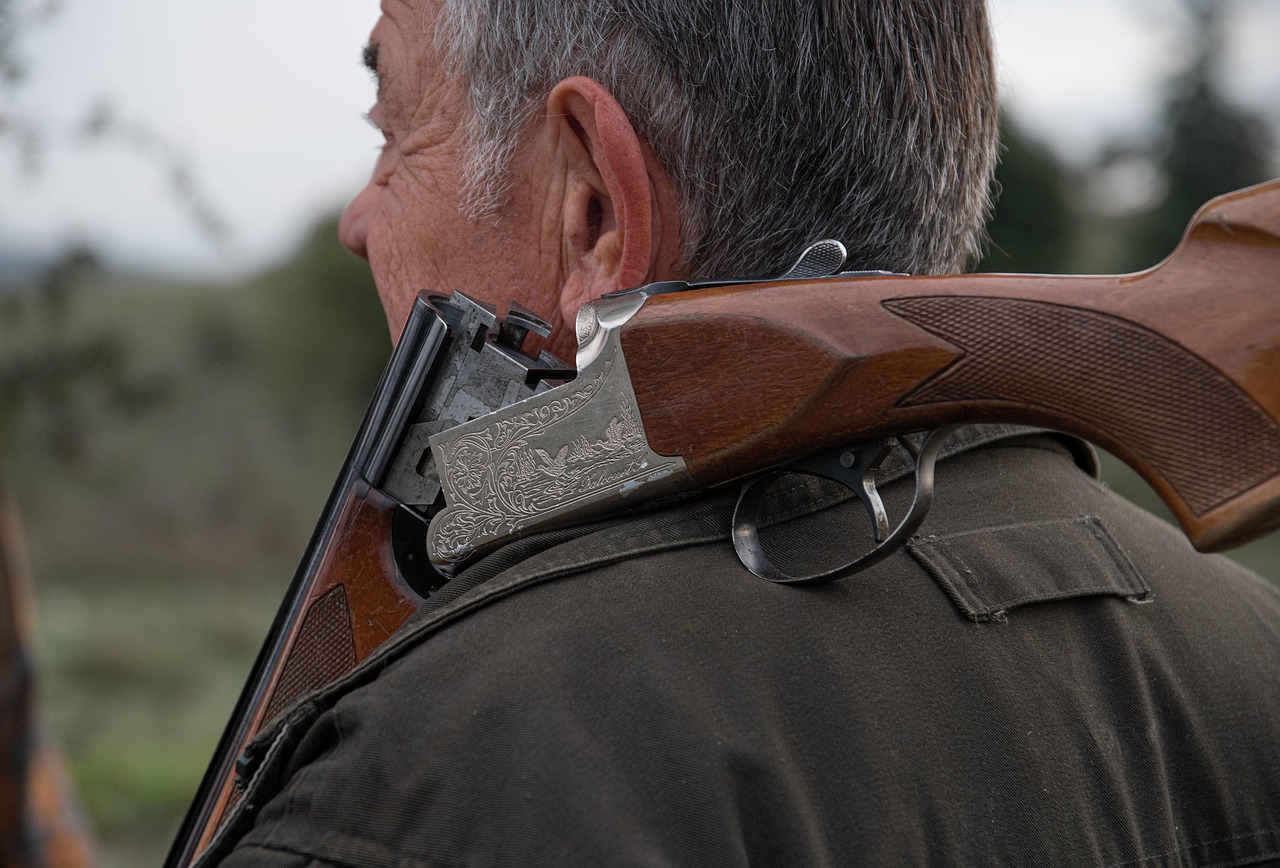
The Stevens 94 was never sold as a fancy heirloom. It was a plain break-action single-shot built to do honest work, and that was exactly its strength.
American Rifleman notes that Stevens-branded single-shots and closely related store-brand versions became common farm and small-town guns across the country. The Model 94 family appeared in multiple gauges, including 12, 16, 20, 28, and .410 bore, which gave families practical options for both adults and young shooters.
That affordability mattered. During hard decades, especially in rural America, a single-shot smoothbore often cost far less than a double gun or repeater, while still putting rabbits, squirrels, birds, and even the occasional deer in the pot.
The result was simple: the Stevens 94 got into hands that otherwise might not have owned a shotgun at all. That wide reach is a big reason so many hunters remember it as the gun that started everything.
The lesson built into a single shell
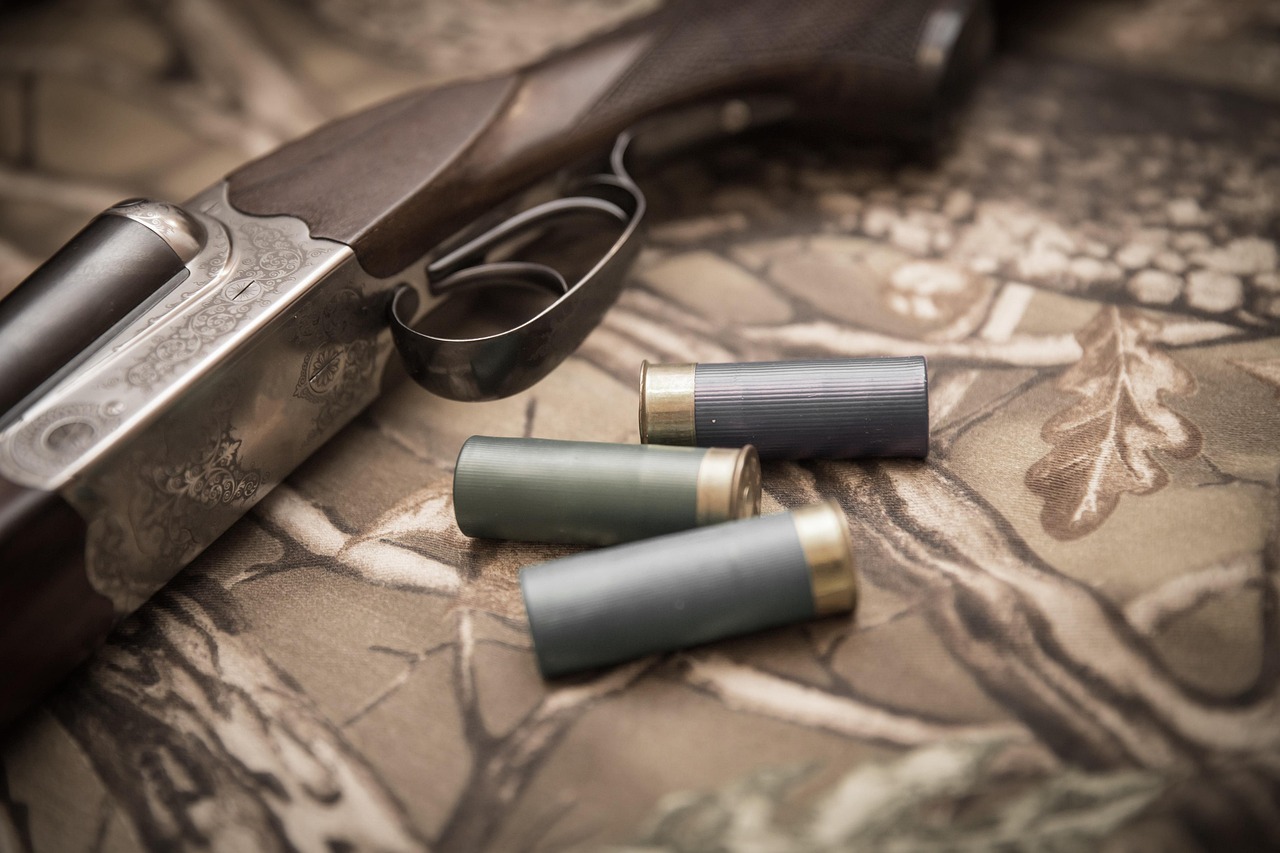
A Stevens 94 did not let beginners spray and pray. You had one shell in the chamber, one visible hammer, and one chance to get the shot right.
That mechanical simplicity taught habits that older hunters still praise today. A new shooter had to load deliberately, close the action with care, cock the hammer at the right moment, and think through the shot before touching the trigger.
Many writers who grew up with single-shots describe the same education. According to American Hunter and other field writers, the classic youth progression in much of America was BB gun, .22 rifle, then a single-shot shotgun, often in .410 or 20 gauge.
The Stevens 94 fit that pattern perfectly. It was not forgiving of sloppy shooting, but it rewarded calm hands, good footwork, and careful target selection, which are habits that transfer to every other hunting arm.
Why it became a first gun for so many kids

Part of the Stevens 94 story is scale. The gun was built in large numbers, sold under Stevens and house-brand names, and circulated through hardware stores, catalog retailers, and local shops for decades.
American Rifleman reports that the Stevens Model 94B was first produced in 1929 and remained in the line until 1969. Other Model 94 variants stretched across a broader family history, with collectors and parts references identifying numerous lettered versions and youth models over time.
Youth configurations helped seal its reputation. Period catalogs listed 94Y youth versions in 20 gauge and .410, and later writers have repeatedly described the platform as hard to beat for introducing smaller-framed hunters to the field.
That matters because first guns are about fit as much as firepower. A shotgun a child can actually carry, mount, and understand is far more likely to build confidence than one that only looks impressive in an adult’s hands.
A farm gun, a woods gun, and a teacher
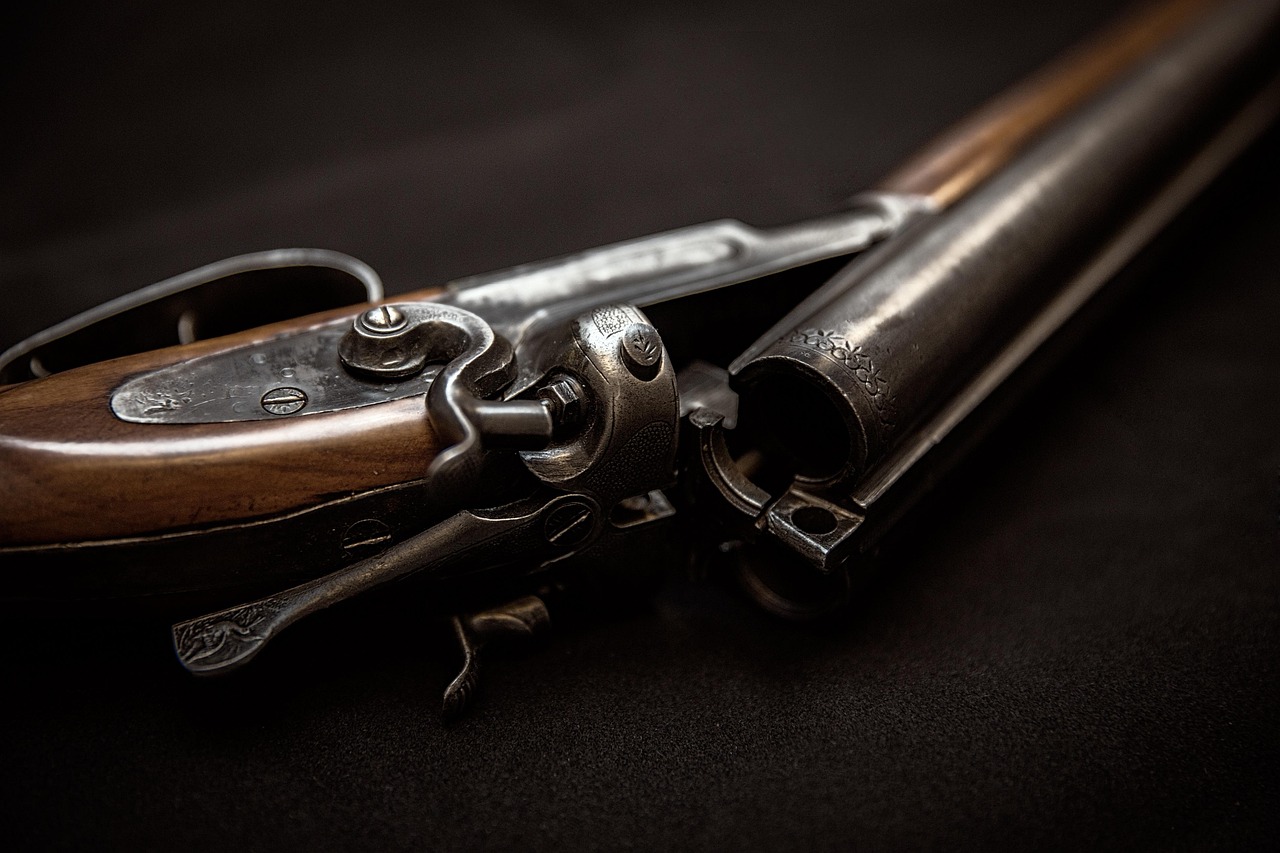
The Stevens 94 earned trust because it lived a hard life without pretending to be delicate. It rode in pickup cabs, leaned behind kitchen doors, crossed fence lines, and got passed from uncle to nephew with little ceremony.
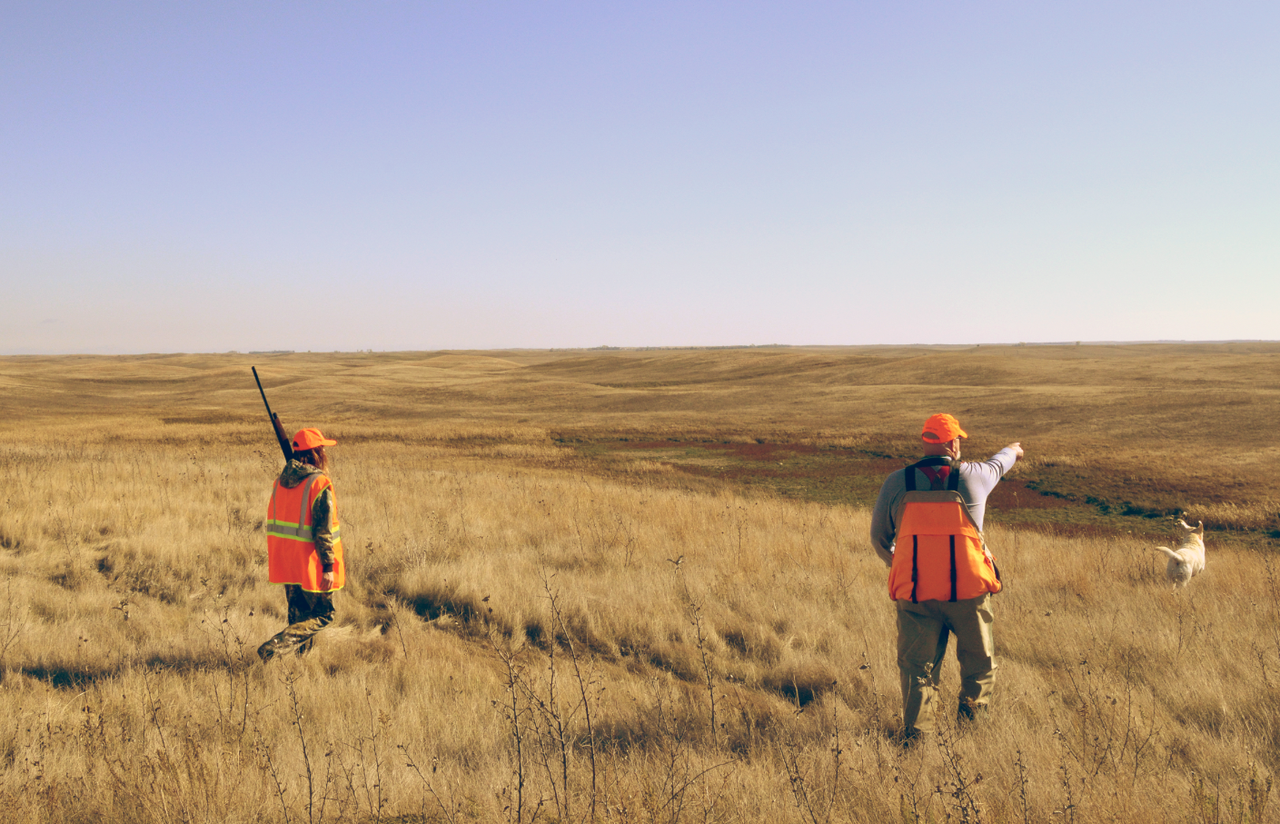
That kind of use shaped hunters in practical ways. A youngster carrying a single-shot learned to move quietly, pick lanes through brush, and wait for a clean presentation instead of rushing a marginal chance.
The gun also forced accountability. Miss with a repeater and a novice may slap the trigger again. Miss with a Stevens 94 and there is a pause, a reload, and usually a long walk to think about what went wrong.
For generations, that pause was part of the education. The gun slowed hunting down just enough to make every success feel earned and every mistake memorable.
The design was plain, but the impact was lasting
Mechanically, there was nothing mysterious about the Stevens 94. It was a hammer-fired break-open shotgun, and like many utility guns of its era, examples often appeared without serial numbers before federal law changed in 1968.
That lack of ornament is part of why the platform endured. Fewer moving parts usually meant fewer things to confuse a beginner, and maintenance stayed within reach of households that were used to fixing what they owned.
Collectors do not generally rank the 94 among high-dollar classics. Even so, old-gun coverage and collector references keep returning to the same point: these humble Stevens single-shots mattered because they served real people in real places for a very long time.
In other words, the Stevens 94 was important not because it was elite, but because it was useful. In American gun culture, usefulness often leaves the deepest mark.
What the Stevens 94 still represents today
Today, a Stevens 94 can look almost too simple for a market filled with optics-ready repeaters, turkey loads, and specialized youth models. But that simplicity is exactly why the gun still resonates.
Hunters who started with one often remember more than the shotgun itself. They remember being trusted with responsibility, being told to wait for a sure shot, and learning that safety and judgment mattered more than speed.
That is the lasting lesson of the Stevens 94. It taught that hunting is not just about pulling a trigger. It is about restraint, respect, and making one shot count when it finally does.
For a modest single-shot that spent much of its life as a budget tool, that is a remarkable legacy. The Stevens 94 did not just help fill game bags. It helped shape the character of American hunters.