Buying a dream rifle can feel like the end of the search, but real ownership often changes the picture. A rifle that looks perfect in a store may feel heavy after a long hike, awkward from the bench, or less refined than expected after hundreds of rounds. The examples below are not a statistical ranking of rifles that owners sell within 12 months. They are rifles and configurations where common ownership tradeoffs, individual fit, weight, refinement, or changing priorities can lead buyers toward another rifle. Experiences also vary considerably between individual rifles and production periods.
1. Ruger American Gen 1
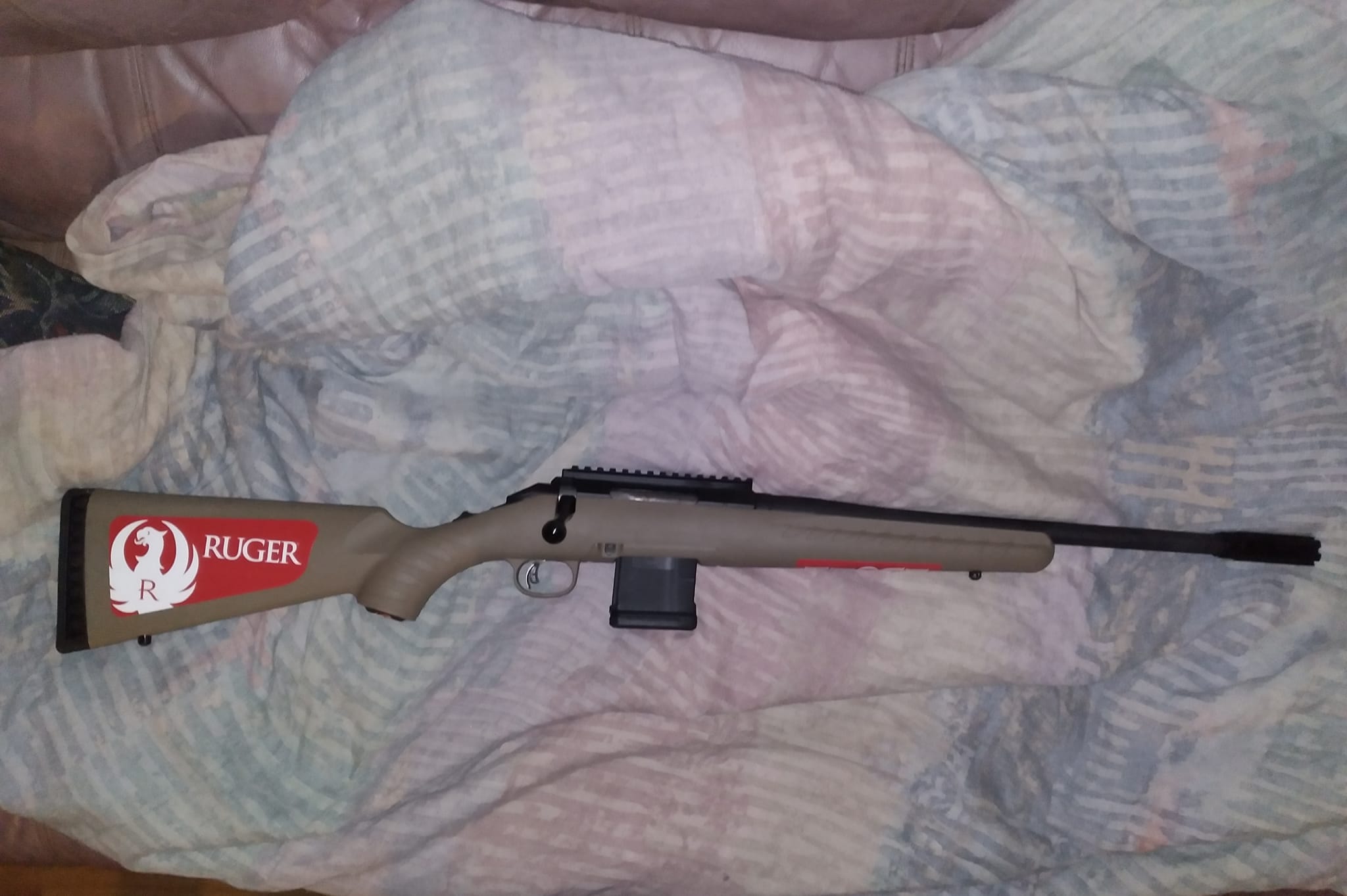
The first-generation Ruger American attracted buyers with a low price, roughly 6.5-pound weight, adjustable trigger, and useful hunting accuracy. Yet some owners found the molded stock, bolt feel, and magazine system less refined than rifles costing more. Experienced-user reports have mentioned feeding concerns, rough finishes, and inconsistent examples, while other owners describe years of dependable use. That contrast is important. A buyer may discover that the rifle performs well but does not feel special enough to keep. After 12 months, it can become the trade-in funding a more refined hunting rifle.
2. Remington 700
The Remington 700 carries more than 60 years of history, making it an obvious dream rifle for many buyers. The problem is that individual rifles and production periods can differ considerably. Some owners of 2007-2020 examples have reported rough actions, inconsistent fit, or disappointing out-of-box performance. For someone expecting a polished rifle immediately, additional parts or gunsmith work can change the value equation. A buyer may begin with a classic action and end up wanting a rifle that needs less attention. Within 12 months, that difference can be enough to send the 700 to the used-rifle rack.
3. Mossberg Patriot

The Mossberg Patriot appeals to buyers seeking a conventional hunting rifle without paying premium-rifle money. It comes in numerous chamberings and offers a practical package that can make sense for deer and general hunting. The catch is personal refinement. Some owners never become comfortable with its stock feel, bolt operation, or overall finish after handling more expensive rifles. A rifle can perform its basic job and still fail to become a favorite. When a hunter starts wanting smoother handling, different balance, or a more substantial stock, the Patriot can become the rifle sold after its first season to help finance the next purchase.
4. Savage Axis
The Savage Axis has long served as an affordable entry into centerfire hunting rifles, with many versions weighing around 6.5 pounds. Its attraction is simple: buyers can enter the centerfire market without making a large initial investment. The disappointment sometimes arrives later, when the basic stock, lighter construction, and straightforward controls begin to feel less impressive beside pricier rifles. After one season, an owner may still have a perfectly serviceable rifle but want something more refined. That makes the Axis particularly vulnerable to an upgrade sale, especially when the buyer’s budget improves.
5. Howa 1500
The Howa 1500 has a reputation for a solid action, but weight can change the ownership experience dramatically. Depending on chambering and configuration, a hunting rifle can approach or exceed 7 pounds before an optic and sling are added. At a bench, that extra mass can feel reassuring. After several miles of walking, it can feel very different. A buyer may initially love the rifle’s substantial character, then discover that a lighter rifle better matches his hunting routine. After 12 months of real field use, that simple weight calculation can turn a carefully chosen Howa into an unexpected trade-in.
6. Bergara B-14 HMR
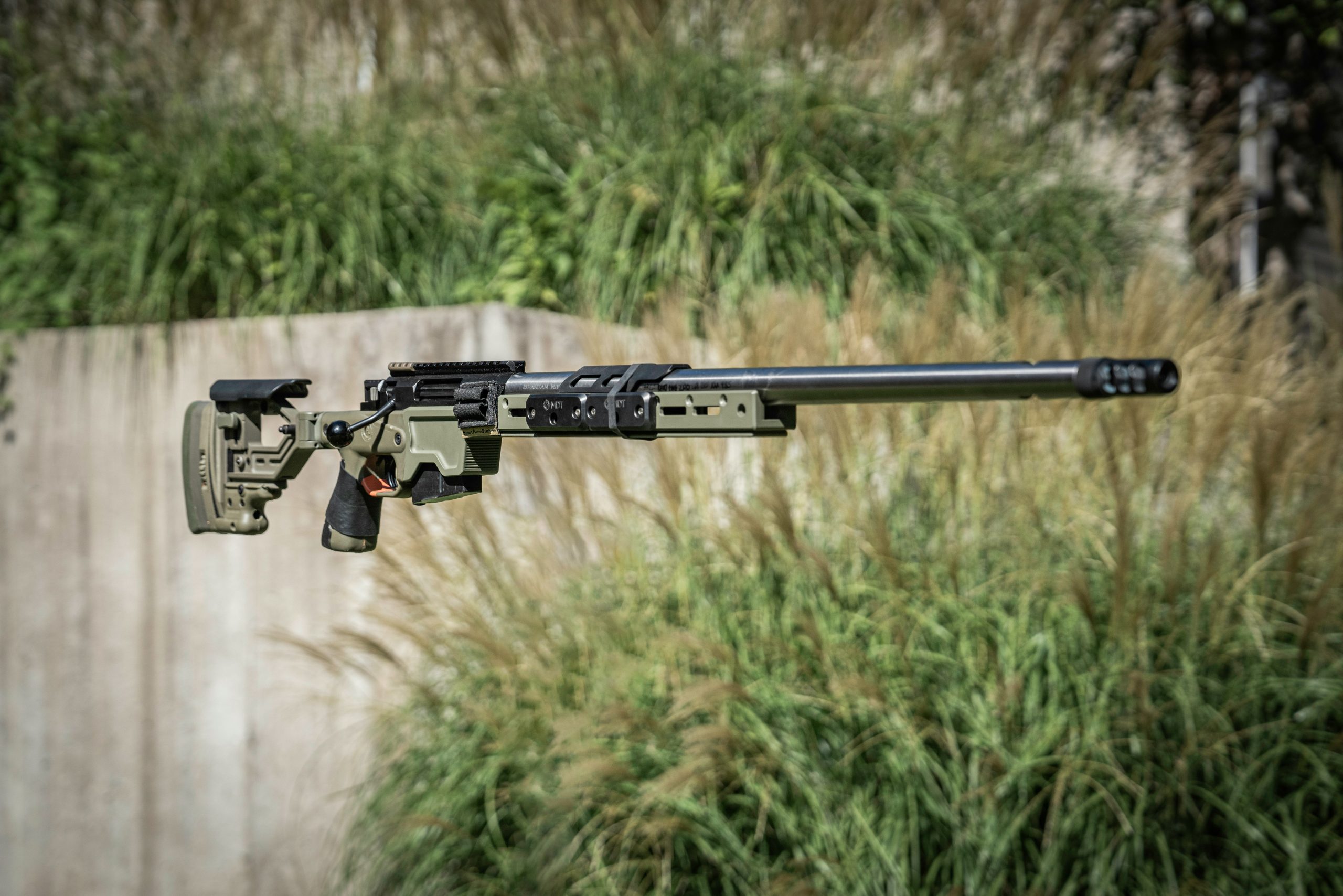
The Bergara B-14 HMR attracts buyers who want a precision-oriented rifle that can still serve hunting duties. Its adjustable stock and heavier barrel provide a substantial, stable platform, but those advantages add considerable weight. Depending on configuration, the rifle can approach 9 pounds before optics. That is a major difference from a lightweight mountain rifle. Some owners eventually discover that a rifle excellent for range sessions is less enjoyable on steep terrain. In such cases, the rifle may not have failed at all. The real issue is that the owner’s priorities changed after experiencing its weight firsthand.
7. Tikka T3x Lite
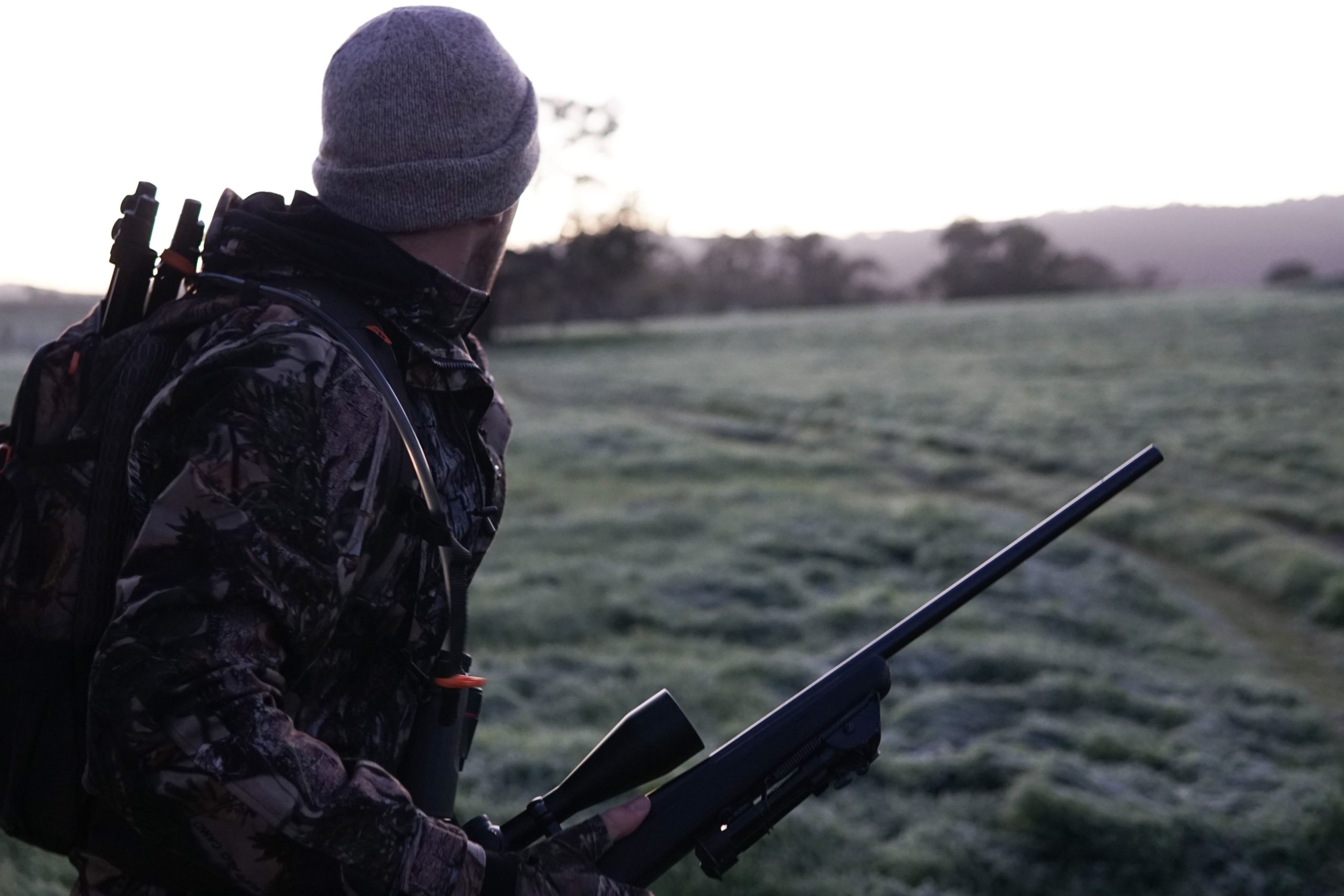
The Tikka T3x Lite creates an unusual ownership problem because some buyers eventually decide they actually want more weight. Many configurations fall around 6.2 to 6.6 pounds, emphasizing easy carrying rather than a heavy bench-rifle feel. Owners frequently praise the platform’s smooth action and accuracy, but a lightweight rifle can transmit more recoil and movement than a heavier setup. After 12 months, a hunter who spends more time practicing from a range than hiking may decide that additional barrel and stock weight better suits his routine.
8. Winchester XPR
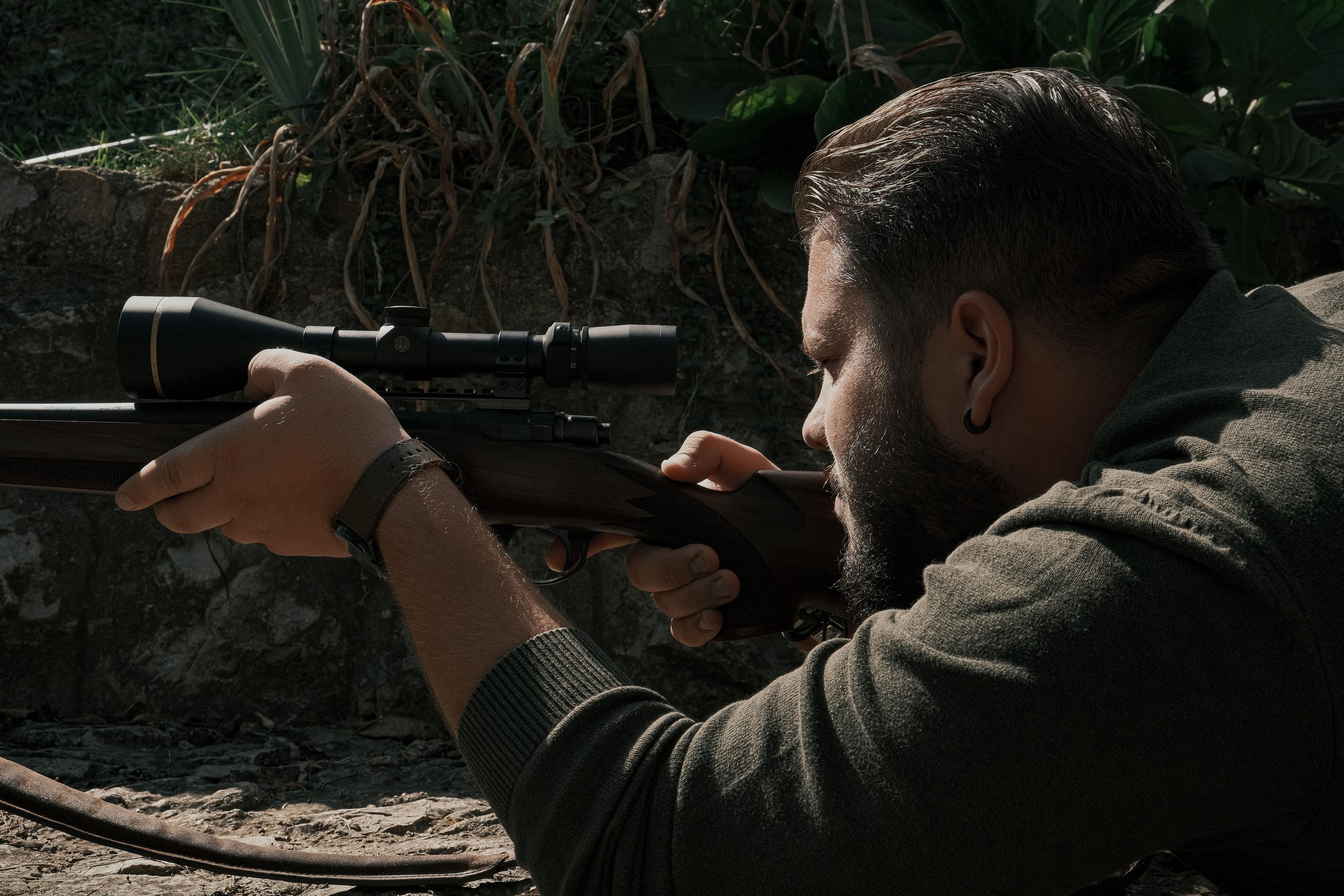
The Winchester XPR attracts hunters who want a modern bolt-action rifle without moving into premium pricing. Its straightforward design and broad selection of chamberings make it easy to imagine as a long-term hunting companion. The surprise often comes from personal fit rather than mechanical performance. Stock dimensions, balance, bolt feel, and cheek position can feel completely different after a full season than they did during a short store inspection. A rifle that seemed ideal on day one may never quite become comfortable. After 12 months, some owners sell it simply because another rifle suits their hands and hunting style better.
9. Ruger Precision Rifle

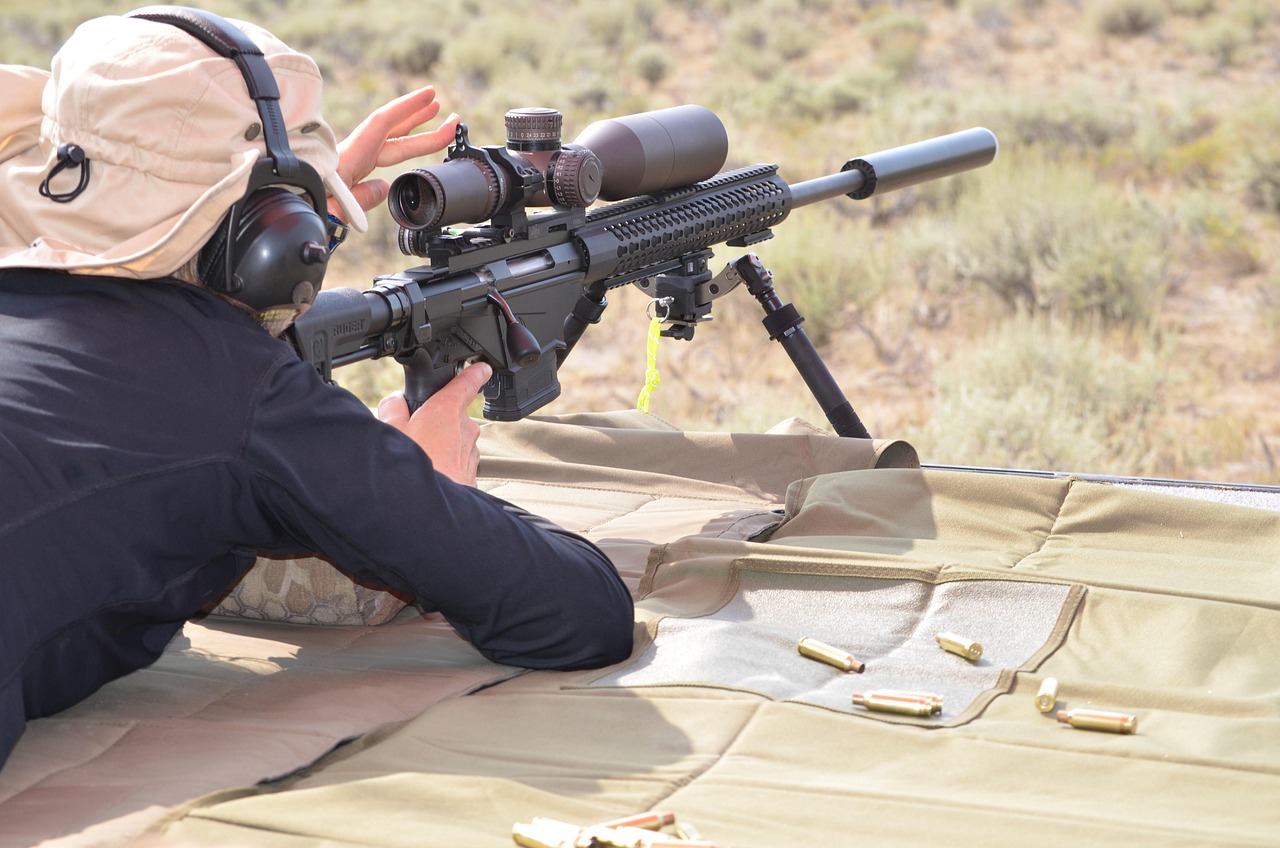
The Ruger Precision Rifle can become the ultimate example of buying more rifle than the owner actually needs. Its chassis-style design, adjustable components, and precision-focused layout are attractive, but the package is far removed from a traditional lightweight hunting rifle. Depending on configuration, it can weigh well over 10 pounds before accessories. That mass can make sense for range-focused shooting but becomes a serious consideration in mountainous terrain. A buyer expecting occasional hunting and regular range use may discover that the rifle’s size changes his priorities. Within a year, a lighter bolt-action can suddenly look far more appealing.