Buying a shotgun choke can feel confusing when terms like Cylinder, Improved Cylinder, Modified, and Full all sound similar. The basic job of a choke is to control how quickly the shot spreads after leaving the barrel, but the best choice depends on distance, ammunition, target,t and the shotgun itself. Choke markings are useful starting points, yet actual pattern testing is more reliable than assuming one choke will work perfectly with every load.
1. Cylinder: The Widest Starting Point
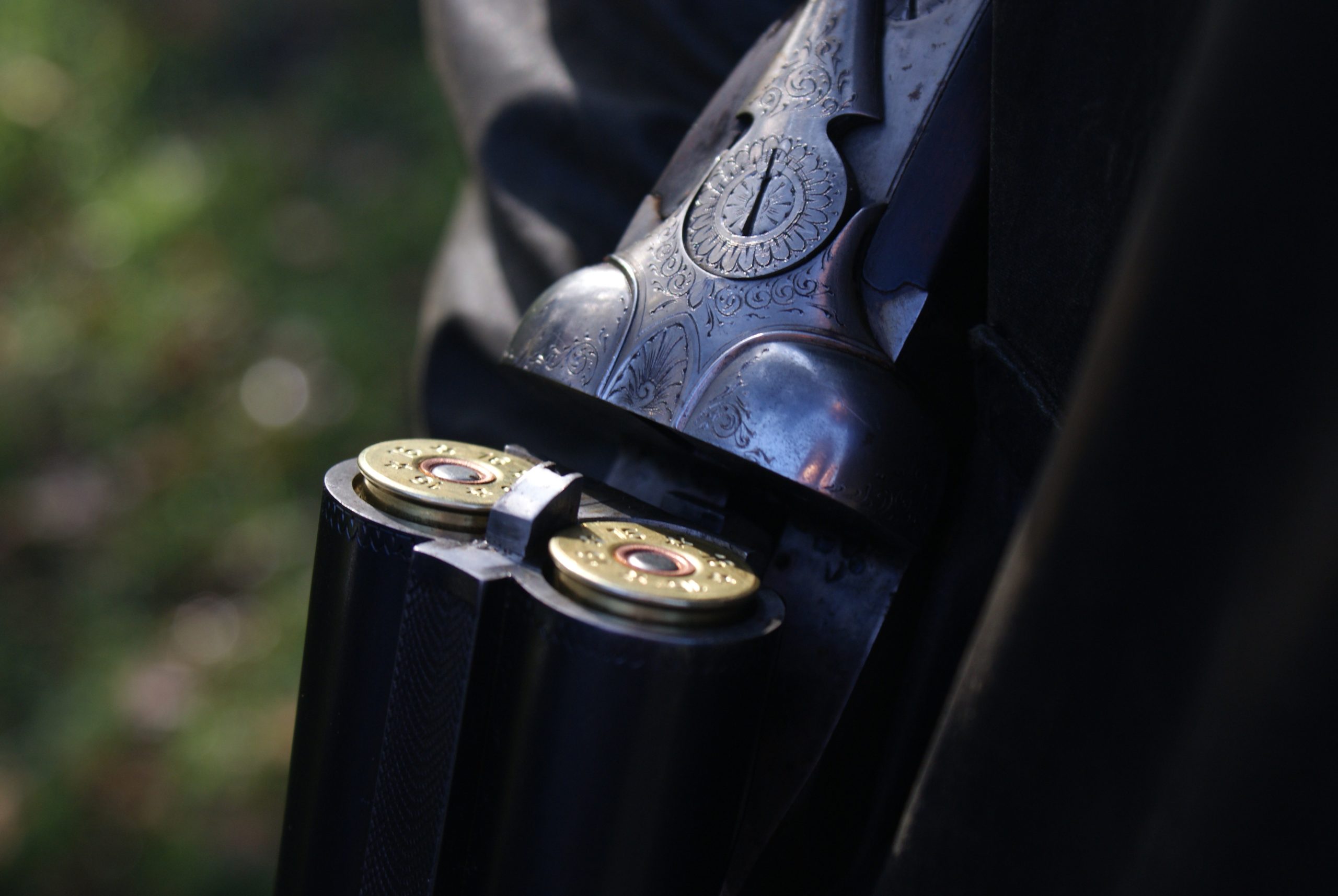
The cylinder has virtually no added constriction, so the shot cloud begins opening quickly after leaving the muzzle. It is useful when a broad pattern is wanted at short range, including some close-range clay games and certain hunting setups. A 12-gauge cylinder barrel may be marked CYL or 0.000 inches of constriction. Do not assume wider is always better: at 20 yards, an overly open pattern can leave large gaps. Always pattern the actual load and gun before relying on it. A 10-yard difference can make a noticeable change in coverage, especially with a small shot.
2. Improved Cylinder: A Flexible All-Rounder
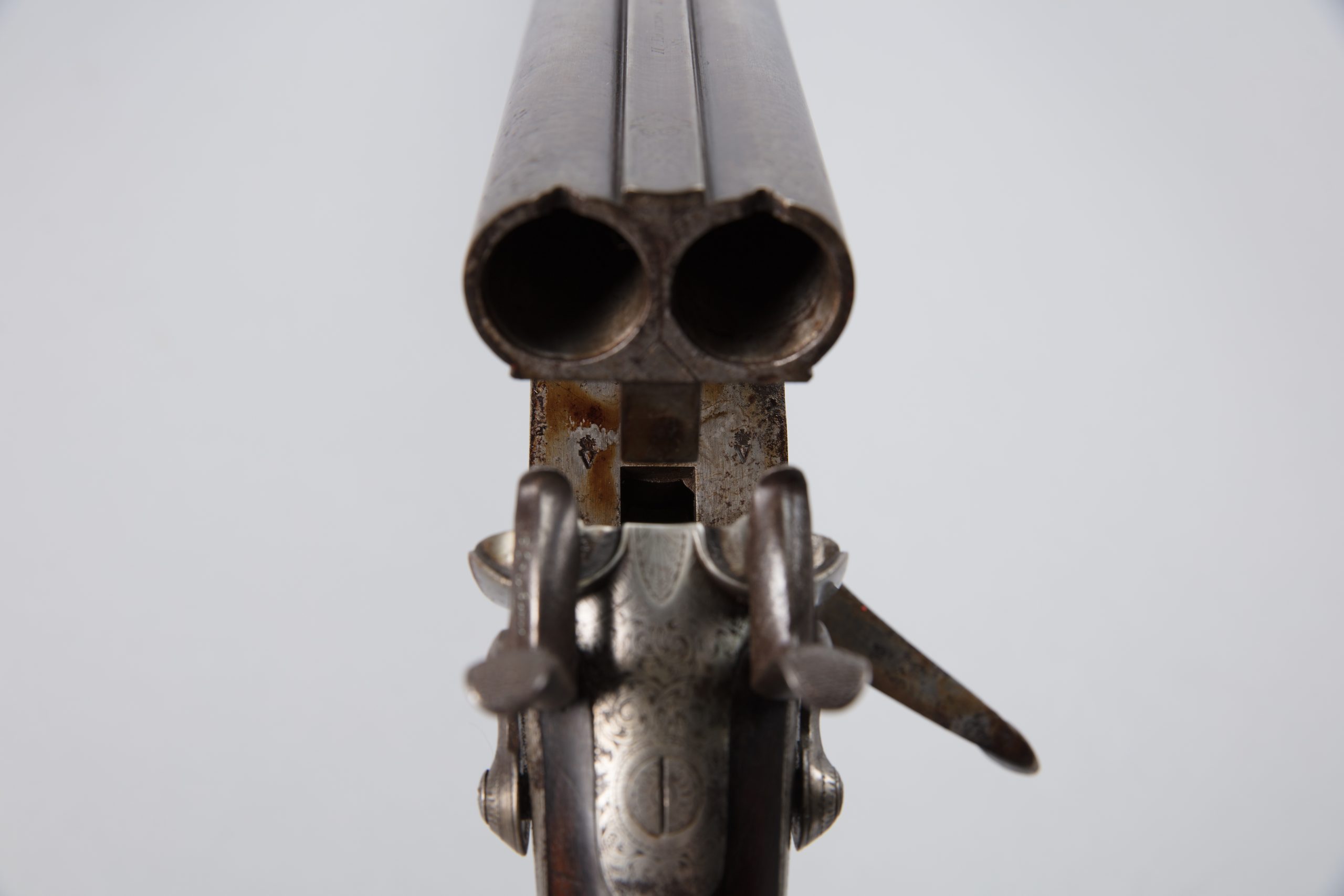
Improved Cylinder adds a small amount of constriction while keeping the pattern fairly open. It is often chosen when shots may be relatively close and quick, such as upland hunting or some sporting-clay stations. In a 12-gauge, a common nominal constriction is about 0.010 inches, though dimensions vary by bore and maker. It is a useful first choice for buyers who need versatility, but the cartridge, shot material, and barrel can change the final pattern significantly. If the pattern looks thin at 20 yards, changing shells may help more than moving to a tighter tube.
3. Modified: The Popular Middle Ground
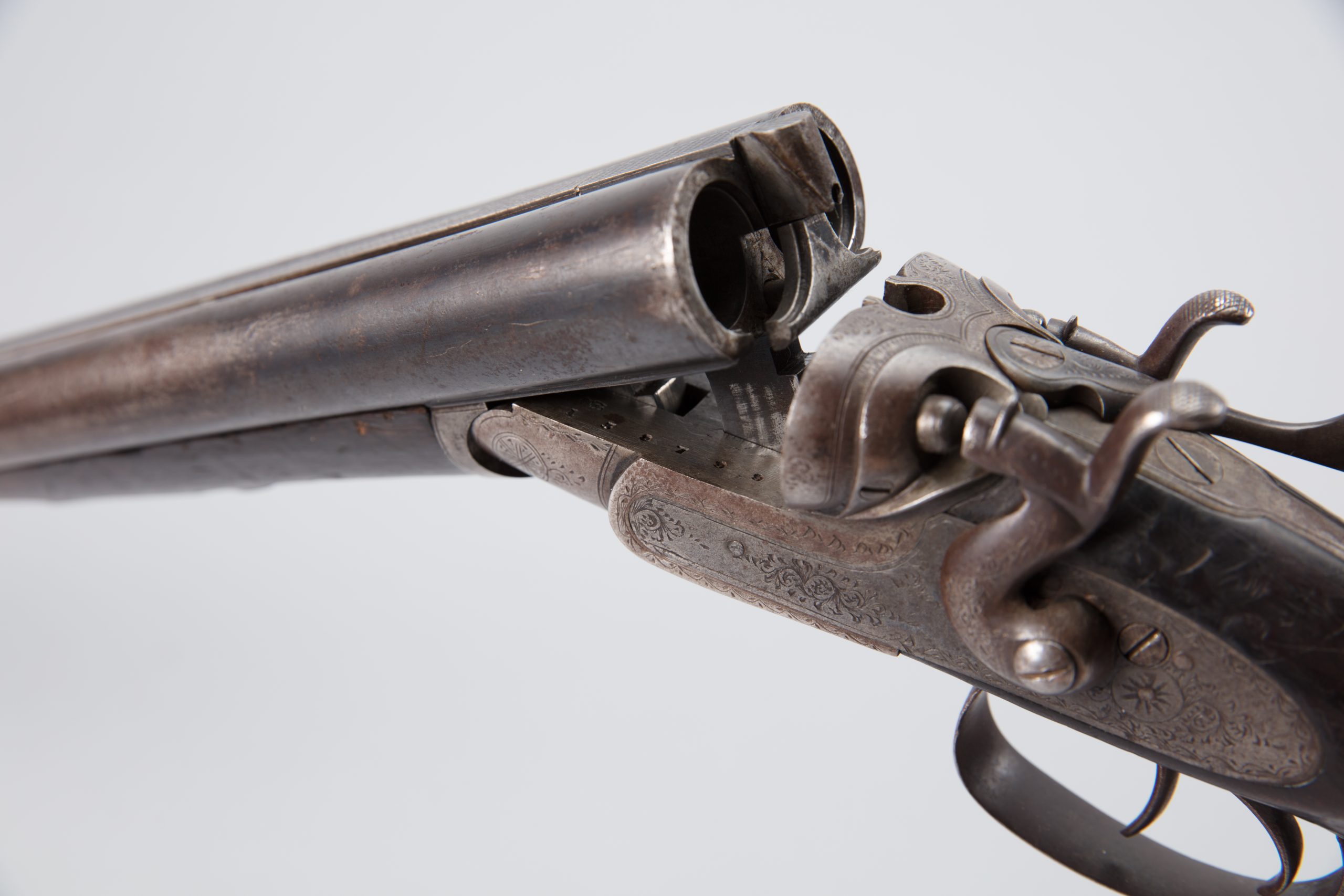
Auckland Museum
Collections from Auckland, Aotearoa New Zealand, CC BY 2.0 /Wikimedia Commons
Modified sits between open and tight chokes and is one of the most useful general-purpose choices. A typical 12-gauge modified choke has about 0.020 inches of constriction. It can produce a denser pattern than Improved Cylinder while retaining more forgiveness than Full. That balance makes it common for several field and target applications. Still, labels are only a starting point: patterning at 25, 30, or 40 yards can show whether your particular load performs as expected. For a beginner, this is often the practical benchmark before experimenting with more specialized options.
4. Improved Modified: For More Reach

Improved Modified adds another step of constriction beyond Modified, commonly around 0.025 inches in a 12-gauge. It is intended for situations where a somewhat tighter pattern is useful at longer distances. The important point for a new buyer is that tighter does not automatically mean more effective. If the pattern becomes uneven or the load is poorly matched, extra constriction can hurt performance. Check the manufacturer’s recommendations and pattern the gun before settling on it. It can be useful when Modified looks too open, but Full seems unnecessarily tight for the same setup.
5. Full: Tight, but Not Automatically Best
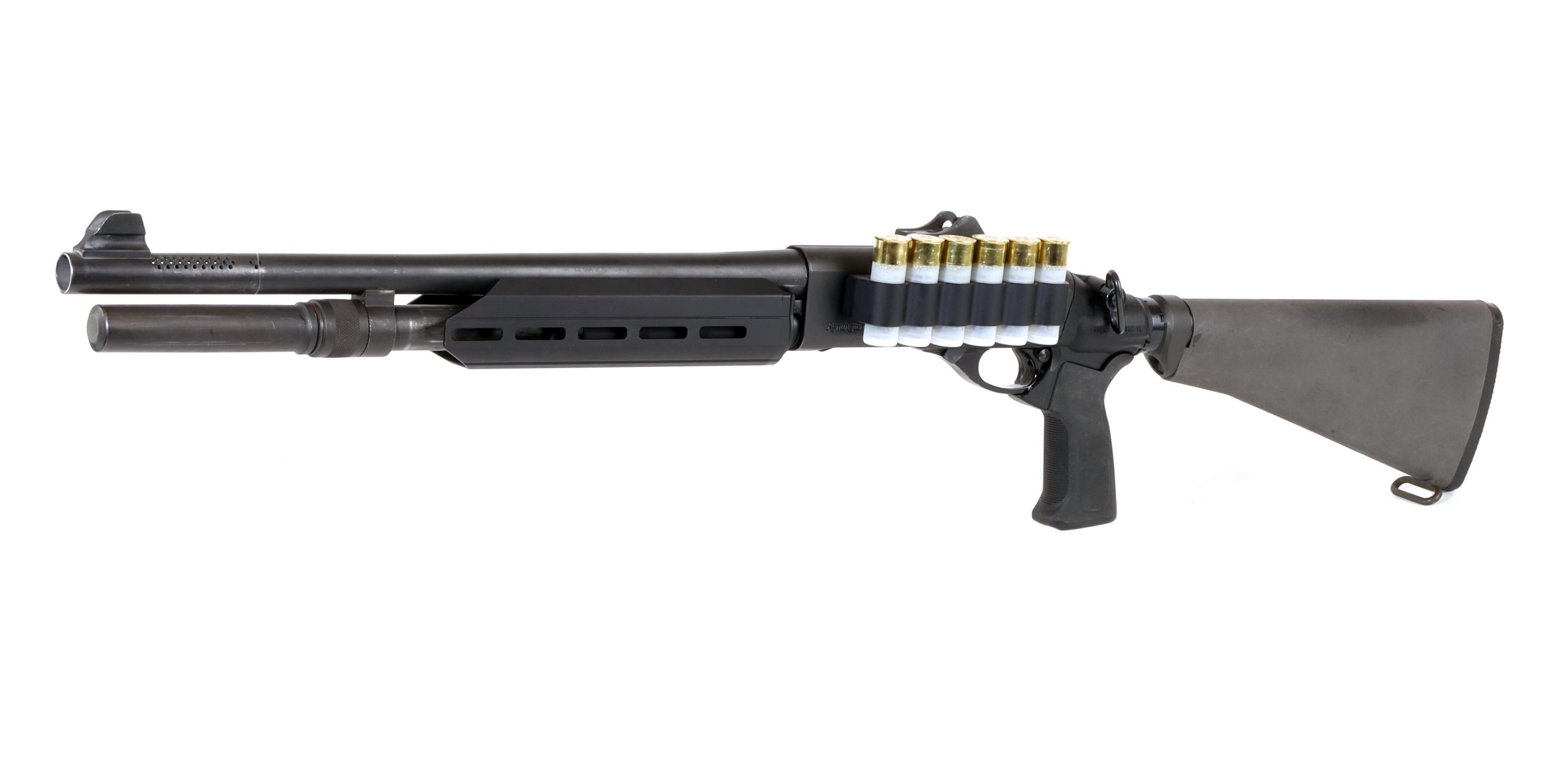
Full choke uses substantial constriction to hold the shot together longer. A common 12-gauge value is around 0.035 inches, and traditional references often describe roughly 70% of the pellets landing inside a 30-inch circle at 40 yards, though results vary. Full can suit longer-range applications where a dense pattern matters. It is not a universal upgrade. The load, shot type, and barrel all affect pattern quality, so a tighter choke should be selected for a specific purpose. Pattern density matters more than the word “Full” stamped on the tube, so testing should decide the final choice.
6. Skeet and Specialty Chokes

Skeet chokes are designed to produce relatively open patterns, often falling between Cylinder and Improved Cylinder depending on the maker. A common 12-gauge Skeet value is about 0.005 inches, but names and measurements are not perfectly standardized. Specialty tubes may also be labeled Light Modified, Turkey or Extra Full for particular uses. For buyers, the key is to match the choke to the intended activity rather than buying the tightest option. Pattern testing remains the best way to judge results. These options help when a standard tube does not match a specific target presentation.
7. Choke and Shot Material Must Match
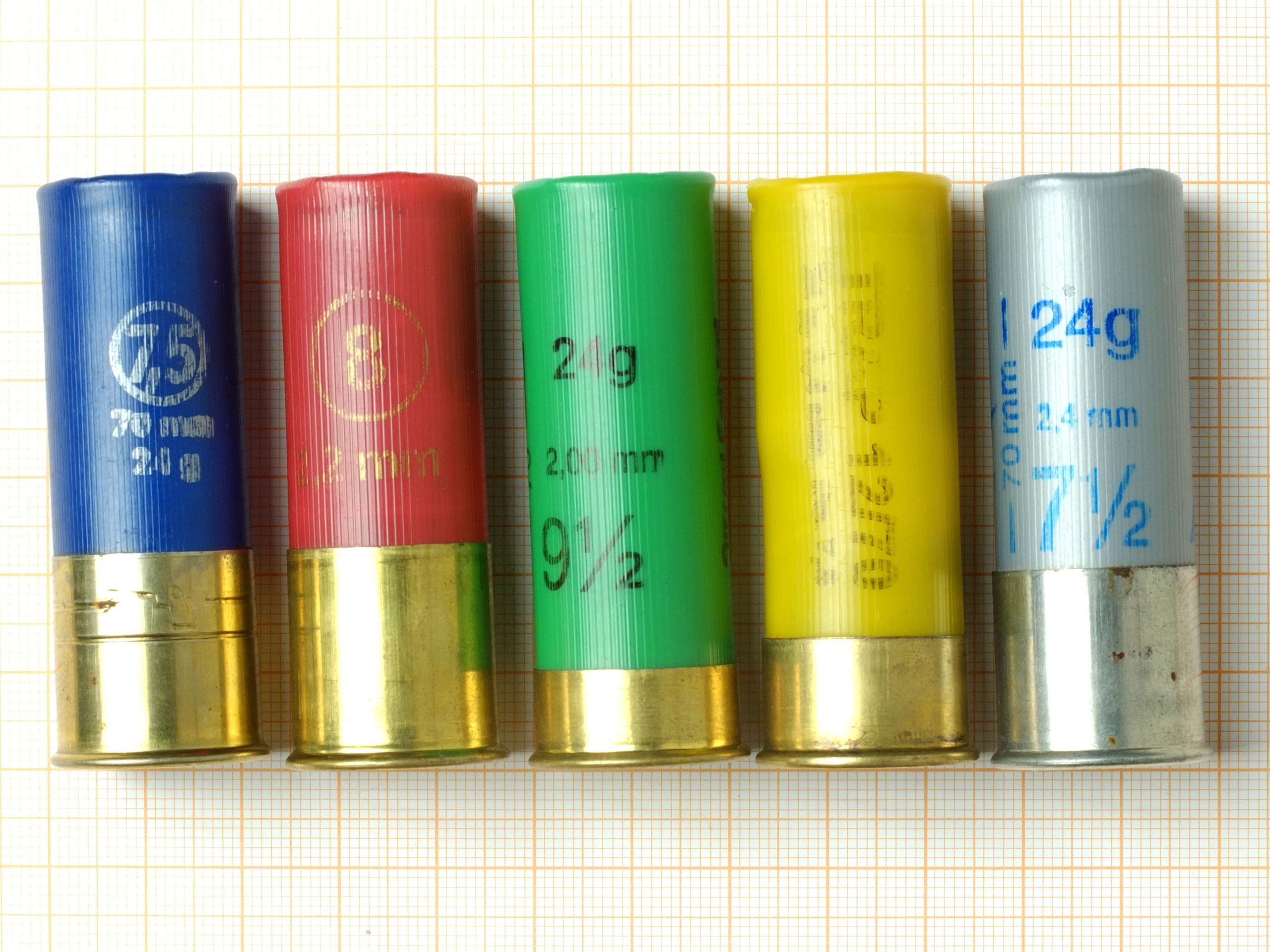
Choosing a choke by name is only half the job because ammunition construction matters too. Steel shot can behave differently from lead because it is harder and does not compress like lead. Some older or lead-only choke systems have specific restrictions, while modern tubes may be marked for particular shot materials. A 12-gauge choke marked “steel shot approved” is not automatically suitable for every load or slug. Read the maker’s instructions before firing unfamiliar ammunition. Using the wrong combination can damage equipment or create a dangerous situation.
8. Fixed Choke or Screw-In Tubes?
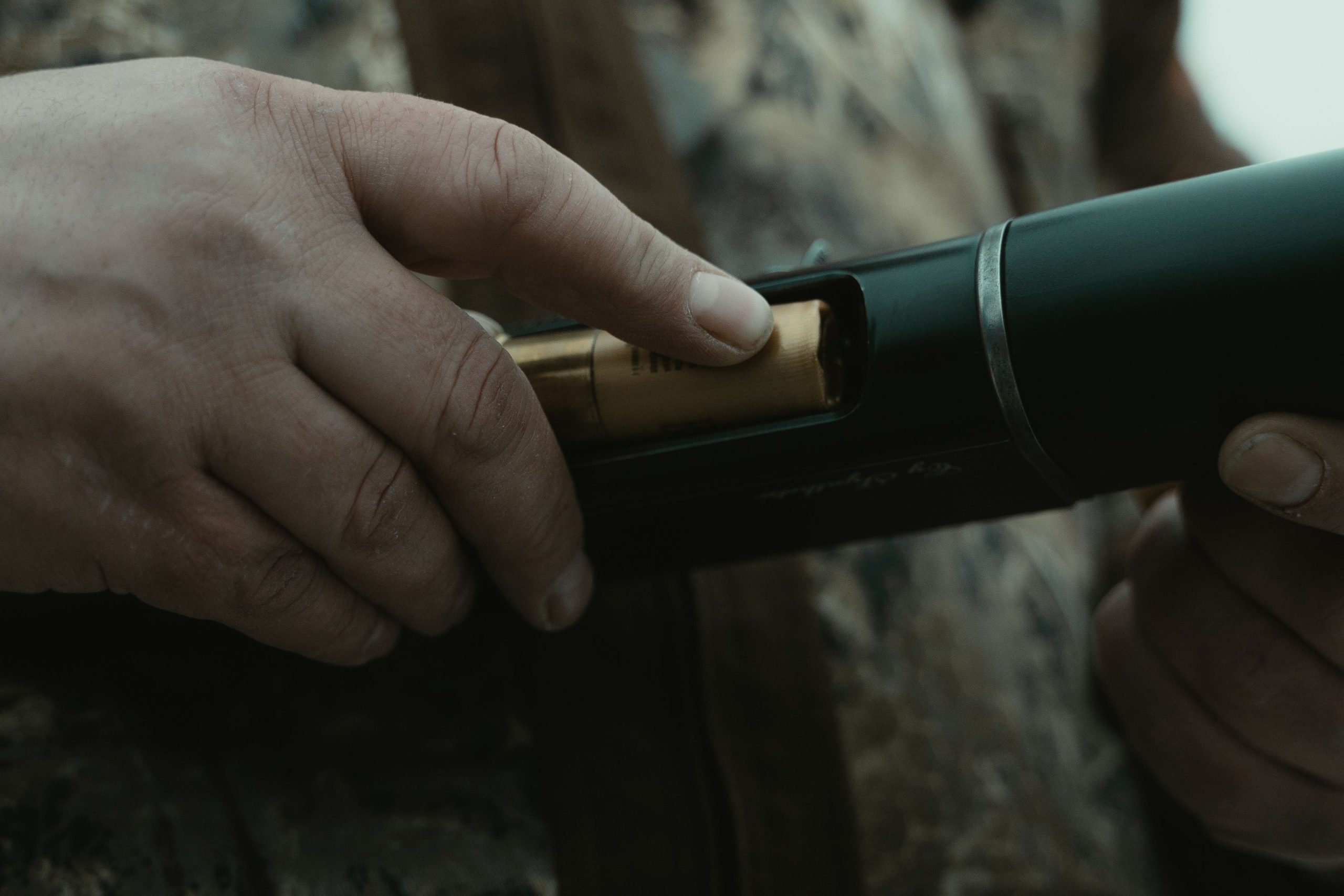
Fixed chokes are built into the barrel, while interchangeable tubes let the shooter change constriction for different uses. A screw-in system can offer 3, 4, or more choke choices, depending on the shotgun package. That flexibility is useful, but the tube must be the correct type, fully seated,d and maintained. Never fire a shotgun with a loose or partially installed choke tube. Unload the firearm before installing or removing one, and follow the maker’s procedure. Tube systems differ between brands, so a similar-looking tube may still be incompatible with your barrel.
9. Pattern Your Choke Before You Trust It
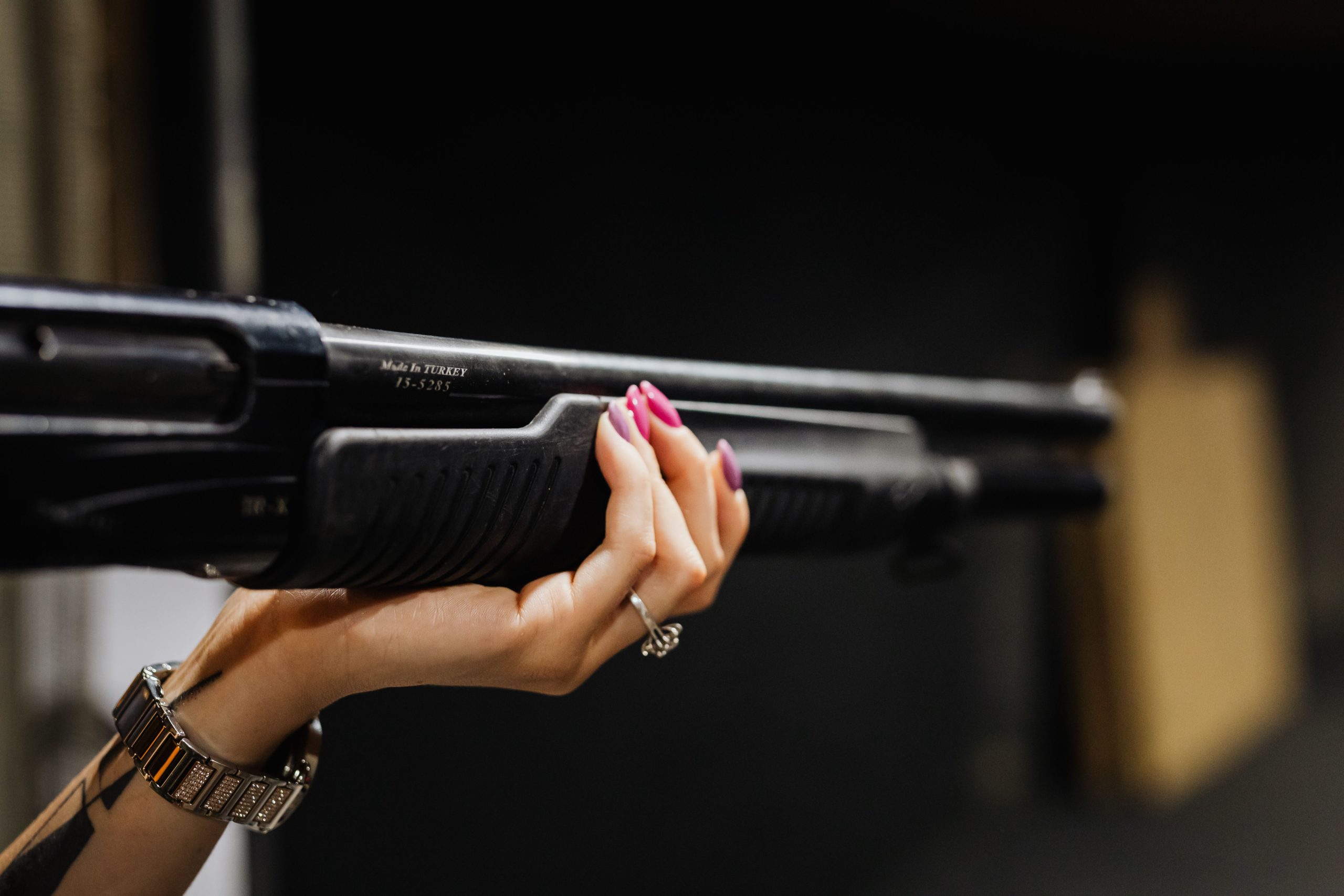
The smartest way to choose a choke is to test the complete combination of gun, choke,ke and ammunition. Start at 25 yards, then move to 30 or 40 yards when your intended use calls for it. Count pellet coverage inside a consistent 30-inch circle and look for obvious gaps, not just the highest percentage. Two shells carrying the same shot size can pattern differently. Keep notes for at least 3 to 5 test shots per setup, and choose the choke that gives a useful, even pattern. A simple notebook recording distance, choke, load,oad and pellet result can make future choices much easier.