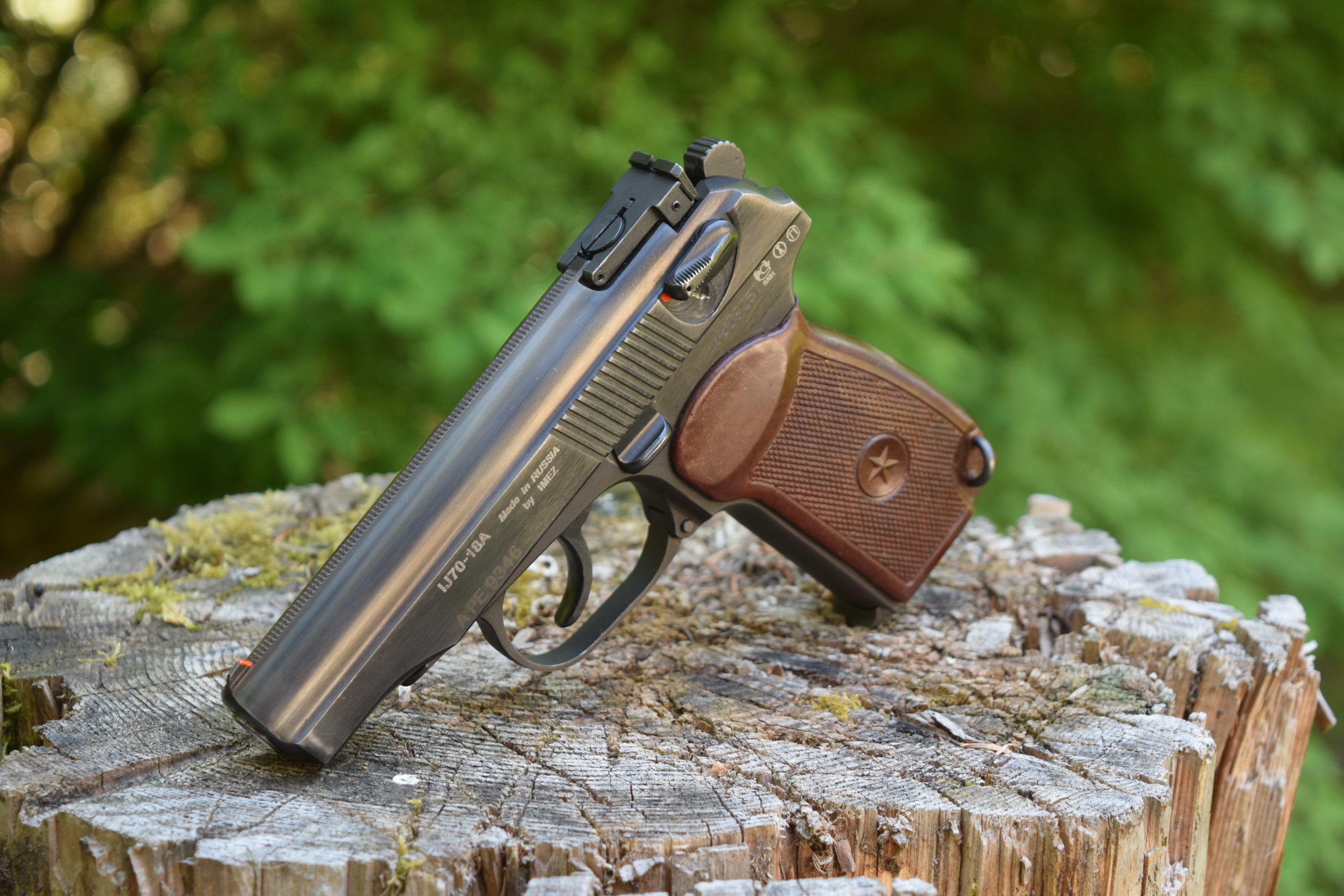
The Makarov PM emerged from a postwar Soviet search for a compact service pistol that was simpler and more practical than the aging Tokarev TT-33. Adopted in 1951, it became the standard sidearm of Soviet military and security personnel and eventually spread throughout the Eastern Bloc. Although often compared with the American M1911 because both became iconic service pistols, the Makarov followed a very different design philosophy: compact dimensions, fewer components, moderate power, and uncomplicated operation.
1. It Replaced a Pistol Built Around a Different Era
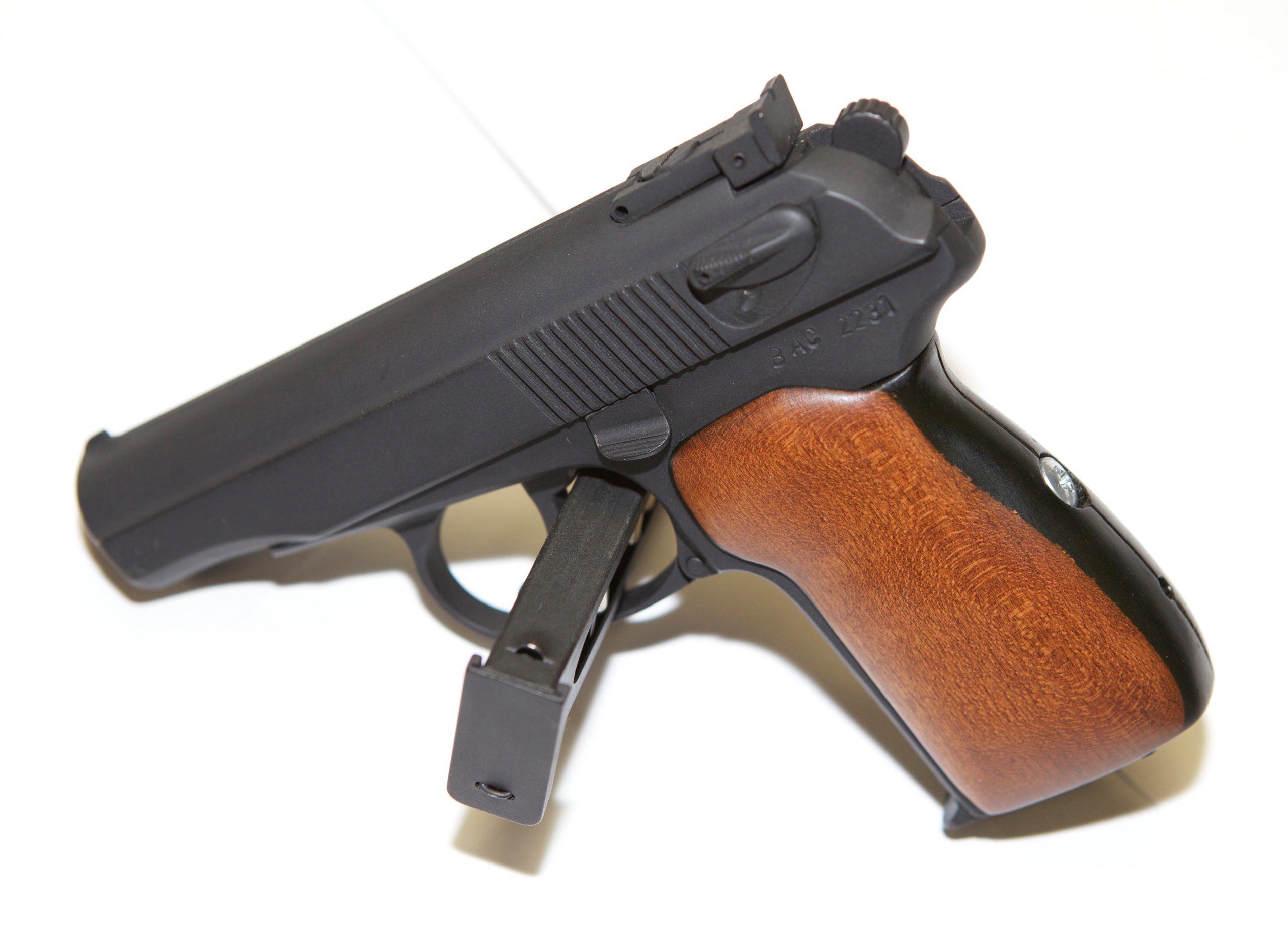
The Makarov PM was selected after World War II to replace the 7.62×25mm Tokarev TT-33, which had been developed for a very different military environment. Soviet planners wanted a smaller service pistol that was easier to carry while retaining adequate defensive performance. Nikolay Makarov’s design won the competition and entered service in 1951. The PM used the new 9×18mm cartridge and emphasized simplicity instead of the TT’s more powerful bottlenecked ammunition. This was a major change in philosophy: the Soviet sidearm was no longer expected to imitate a battlefield pistol like the TT, but to serve as a compact personal weapon.
2. The 9×18mm Cartridge Was Designed Specifically for the New Role
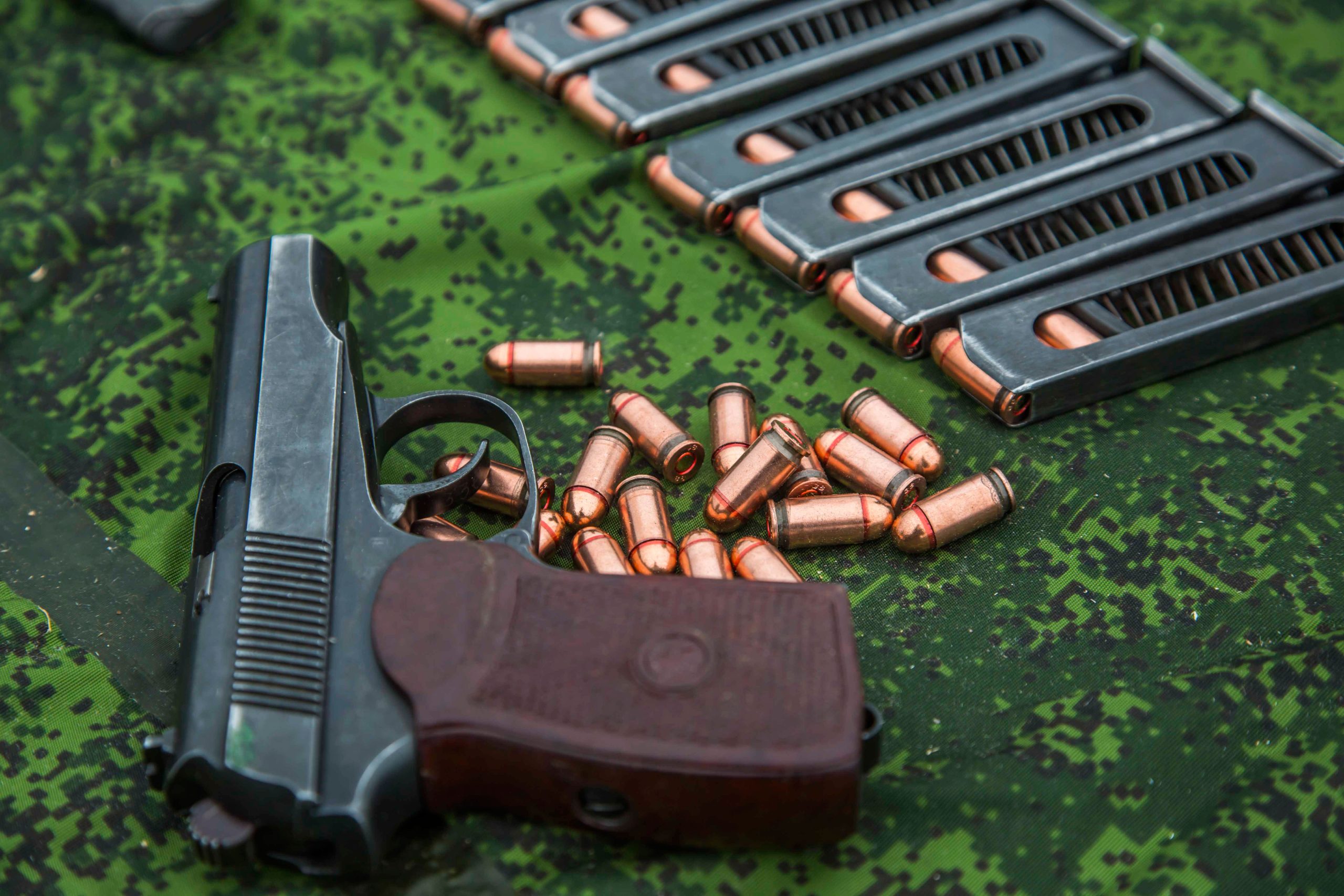
The PM’s identity is inseparable from its 9×18mm cartridge, developed during the same postwar period. The round used a 9.27mm bullet diameter and was intended to provide practical short-range performance from a relatively compact pistol. Standard specifications list a case length of 18.10mm and an overall cartridge length of 25.00mm. A typical 95-grain load is listed at roughly 319 meters per second from a test barrel, although ammunition performance varies. Importantly, Soviet 9×18mm Makarov ammunition is not interchangeable with the similarly named German 9×18mm Ultra cartridge.
3. Its Simplicity Was a Deliberate Engineering Choice
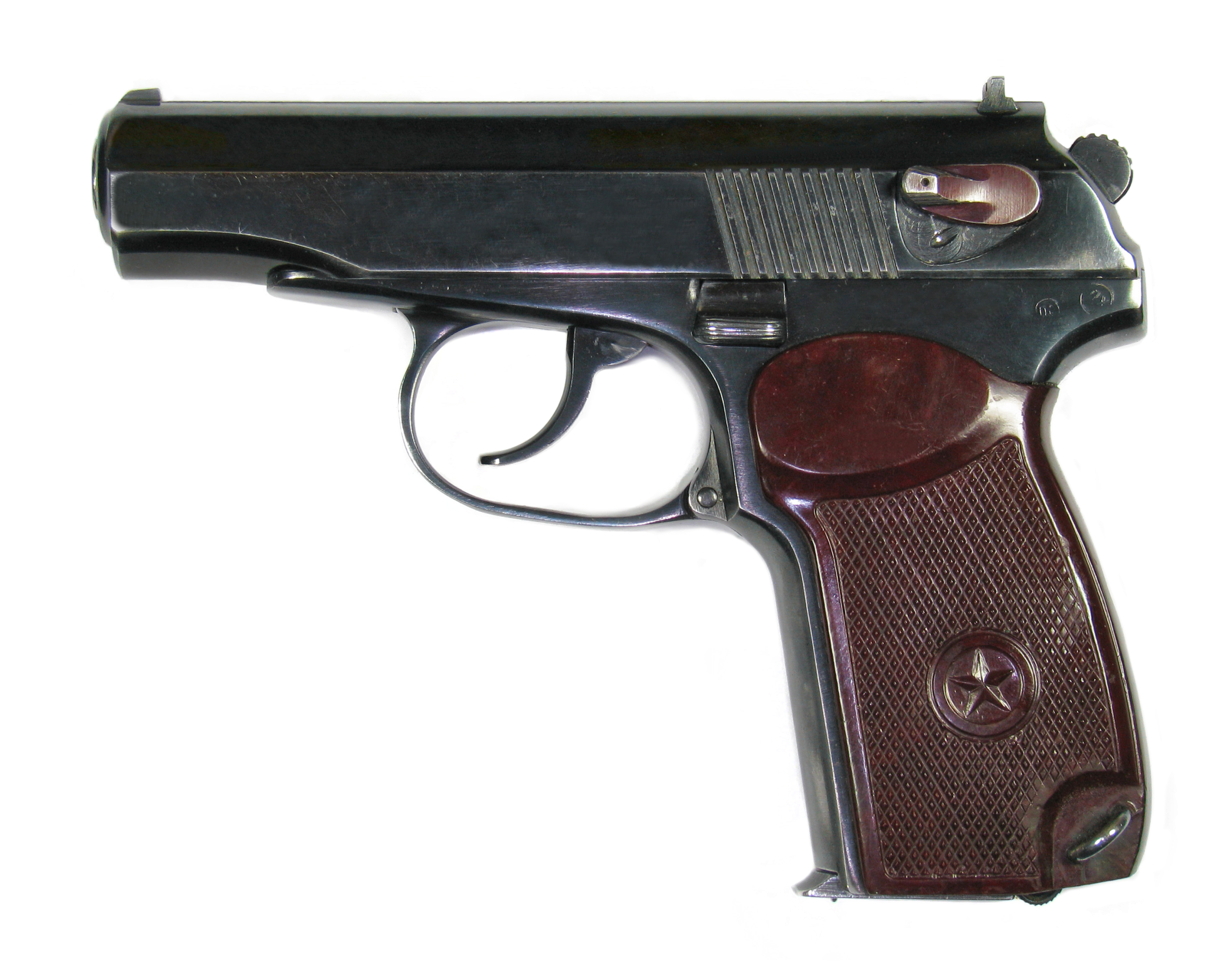
The PM looks straightforward because its designers deliberately kept the mechanism uncomplicated. It uses a straight blowback action rather than a locked-breech system, with the slide’s mass and recoil spring controlling the opening cycle. The pistol also uses a double-action trigger, allowing the first shot to be fired with the hammer down through a longer trigger pull. Contemporary descriptions emphasize its relatively small number of components and uncomplicated construction. That simplicity reduced mechanical complexity while making the pistol compact and relatively easy to maintain. The design was not about adding features; it was about making every component perform a useful job.
4. Eight Rounds Was Considered Enough for Its Mission
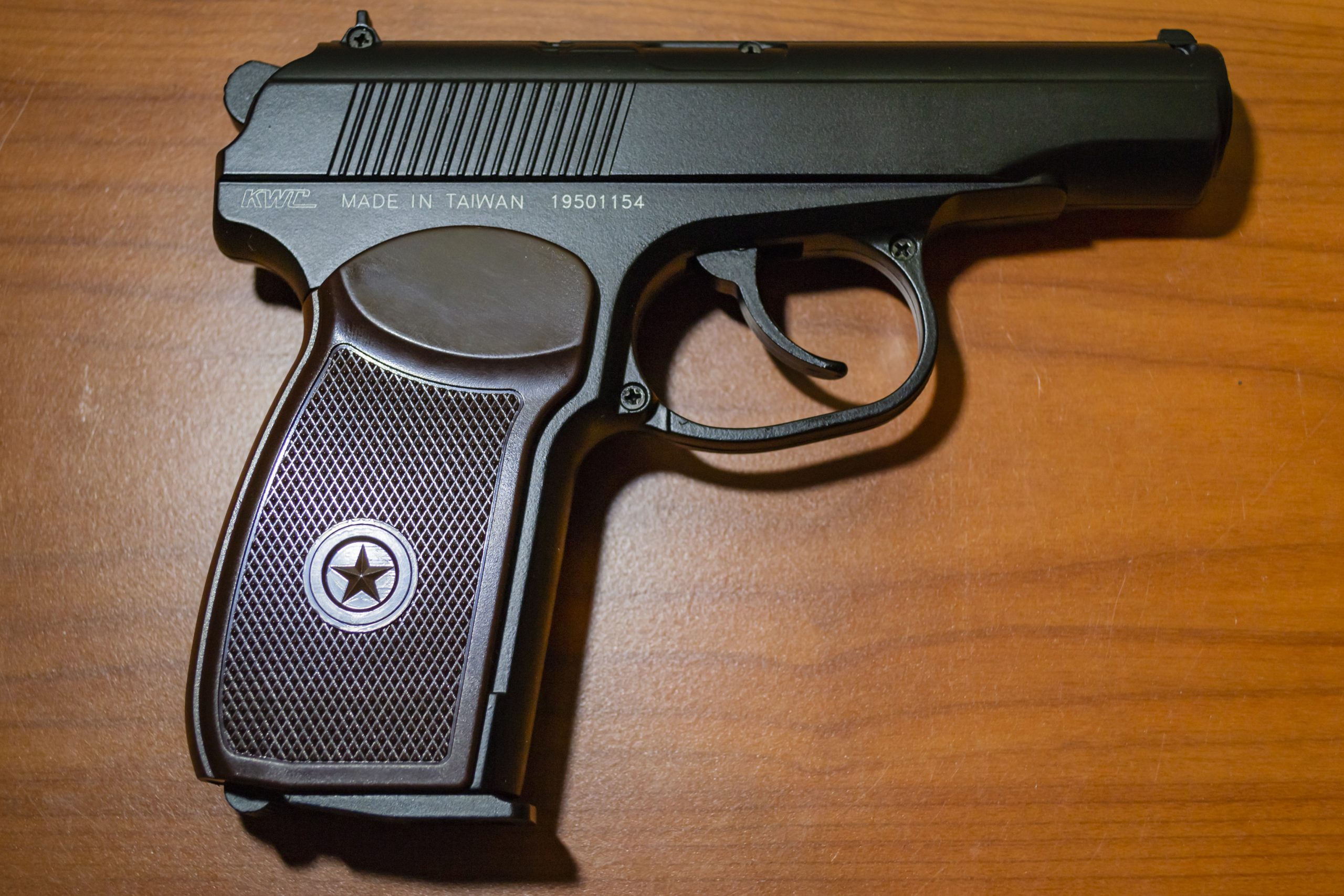
The standard Makarov magazine holds 8 rounds in a single-column arrangement, a figure that seems modest beside many modern service pistols. Yet that capacity reflected the PM’s intended role as a compact military and police sidearm rather than a high-capacity combat handgun. The pistol itself measures approximately 161.5mm in overall length, with a barrel around 93.5mm long. Unloaded weight is about 730 grams. These numbers reveal the priorities clearly: Soviet designers accepted limited ammunition capacity in exchange for a relatively compact package that could remain unobtrusive in a holster or uniform.
5. It Borrowed Ideas Without Simply Copying the 1911
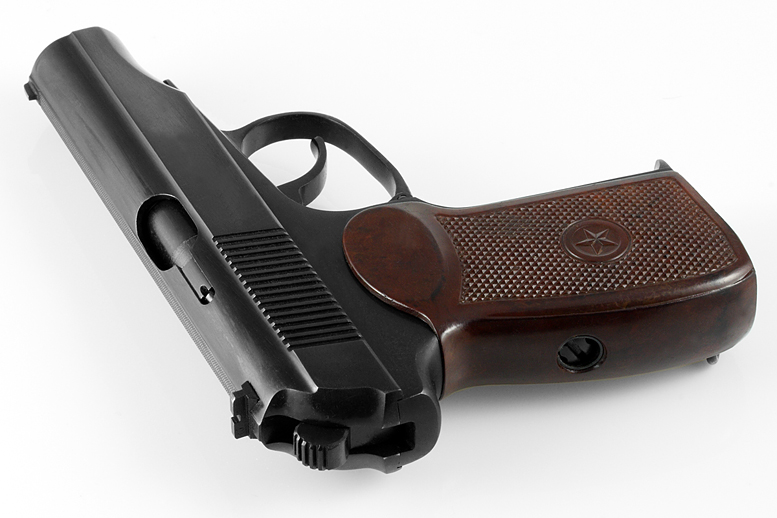
Calling the Makarov a Soviet answer to the 1911 can be useful as a broad comparison, but mechanically the two pistols are very different. The M1911 uses a locked-breech system and was built around the .45 ACP cartridge, whereas the PM uses blowback operation and 9×18mm ammunition. The Makarov’s compact layout also owes more to European pocket-pistol thinking than to the large American service-pistol tradition. Its external safety and general handling show influences from earlier European designs, particularly the Walther PP family. The result was distinctly Soviet in its priorities, even where earlier designs provided inspiration.
6. Its Dimensions Made It Ideal for Uniformed Service
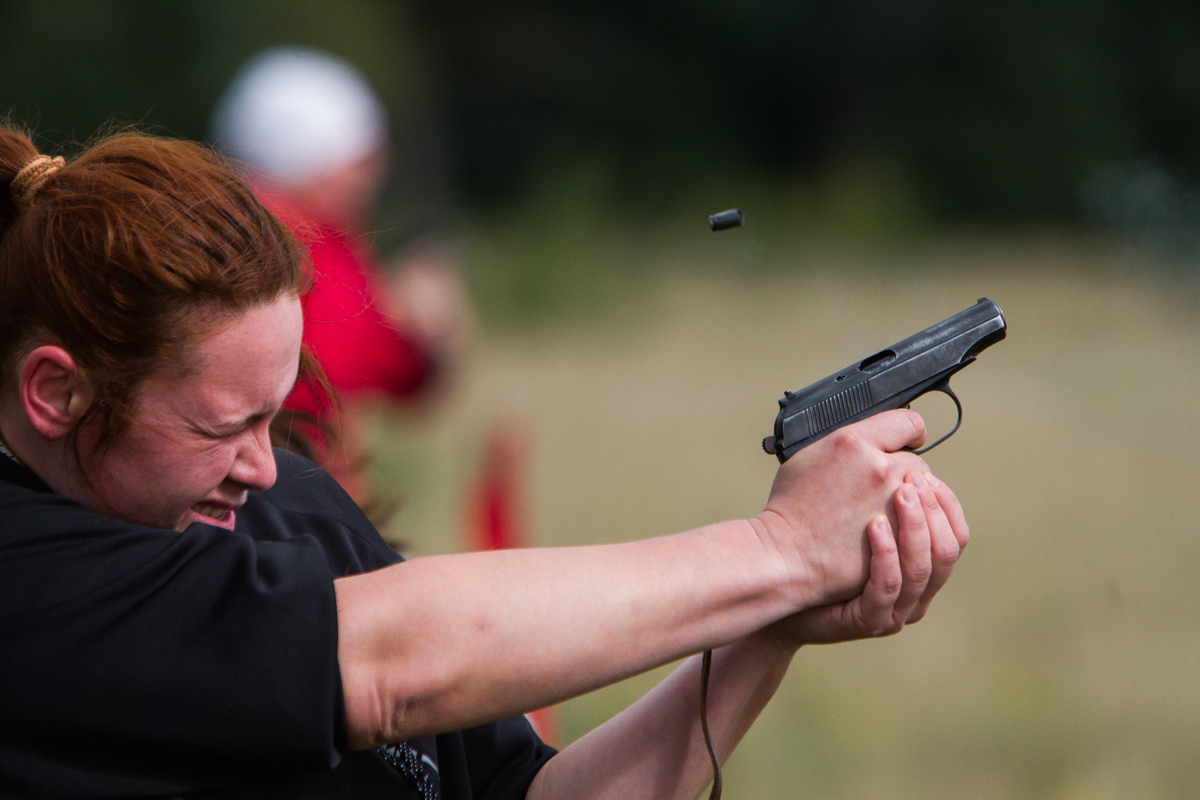
One reason the PM survived for decades was its balance of size and capability. At roughly 16.15cm long and 7.3cm wide according to commonly listed specifications, it was noticeably more compact than many full-size military pistols. Its 9.35cm barrel kept the overall package short while remaining suitable for its intended role. The Soviet military and police could issue the same basic pistol across numerous duties without maintaining a complicated collection of specialized sidearms. That practicality helped the PM become more than an army pistol. It became a recognizable symbol of Soviet military and law-enforcement service throughout the Cold War.
7. The Design Spread Far Beyond the Soviet Union
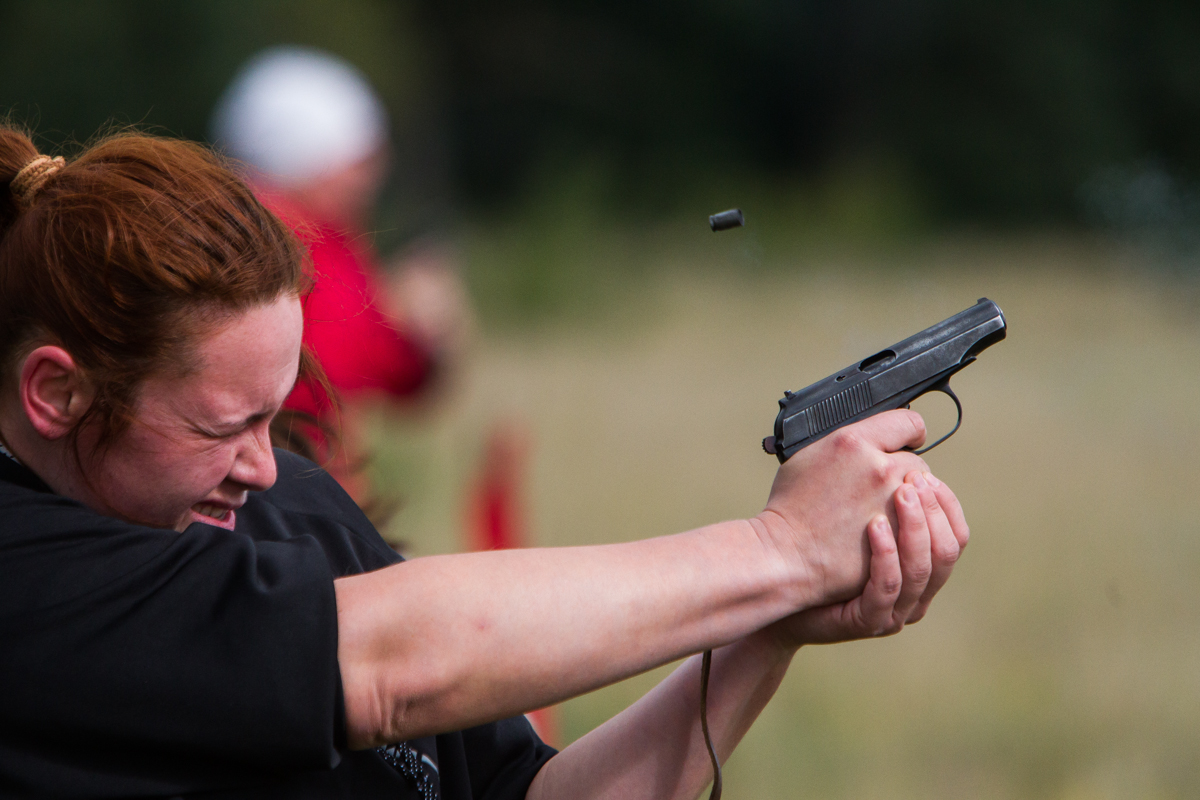
The Makarov did not remain a uniquely Soviet weapon. During the Cold War, versions or licensed derivatives were produced in countries including East Germany, Bulgaria and China. The pistol consequently became familiar throughout much of the Eastern Bloc and among governments aligned with Moscow. Its international production also created visible differences between individual examples. East German pistols, Bulgarian production guns and Chinese Type 59 variants can differ in markings, materials and manufacturing details while retaining the basic PM pattern. This worldwide production history explains why collectors can encounter numerous Makarov variants despite the original Soviet design remaining remarkably consistent.
8. Its Long Service Life Became Its Greatest Achievement
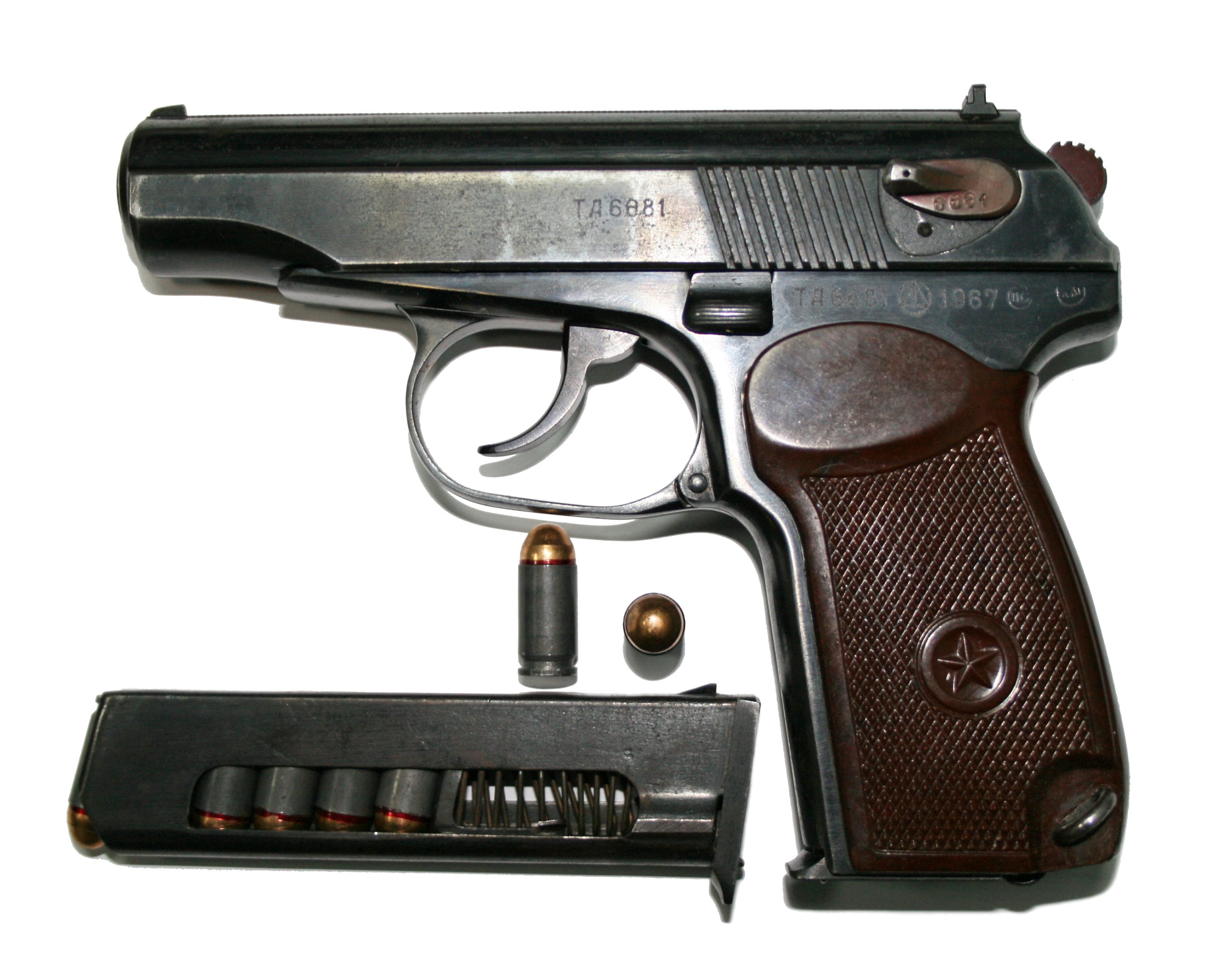
The PM’s most impressive statistic may be its longevity. Adopted in 1951, it remained an important Soviet and post-Soviet service pistol for decades, even after newer designs began appearing. A modernized PMM version emerged in the 1990s, while the original PM continued to be encountered alongside newer pistols. Its basic dimensions about 161.5mm long, a 93.5 mm barrel, and 730 grams unloaded changed little because the underlying concept remained useful. The Makarov ultimately became a Cold War icon not through revolutionary technology, but through durability, simplicity, and an extraordinary ability to remain relevant long after its introduction.