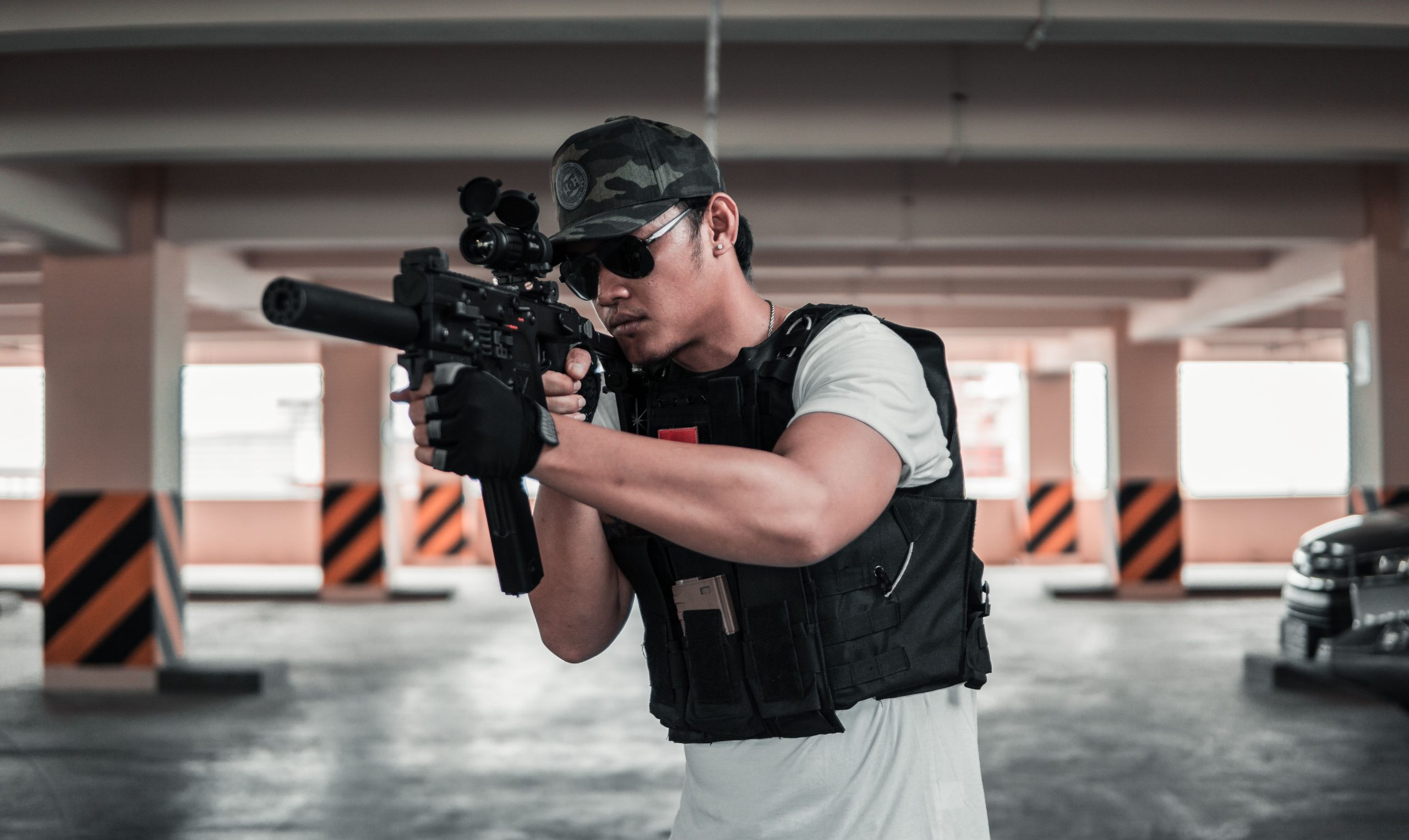
The CZ Scorpion became one of the most recognizable pistol-caliber platforms in America by combining Czech design with features that suited the modern U.S. shooting market. Its 9mm chambering, polymer construction, compact proportions, adaptable controls, and strong aftermarket presence gave it an identity that stood apart from the endless stream of AR-style competitors. From the original EVO 3 S1 to today’s 3+ family, these nine details explain why the Scorpion became such a memorable PCC.
1. A Czech Design With American Appeal
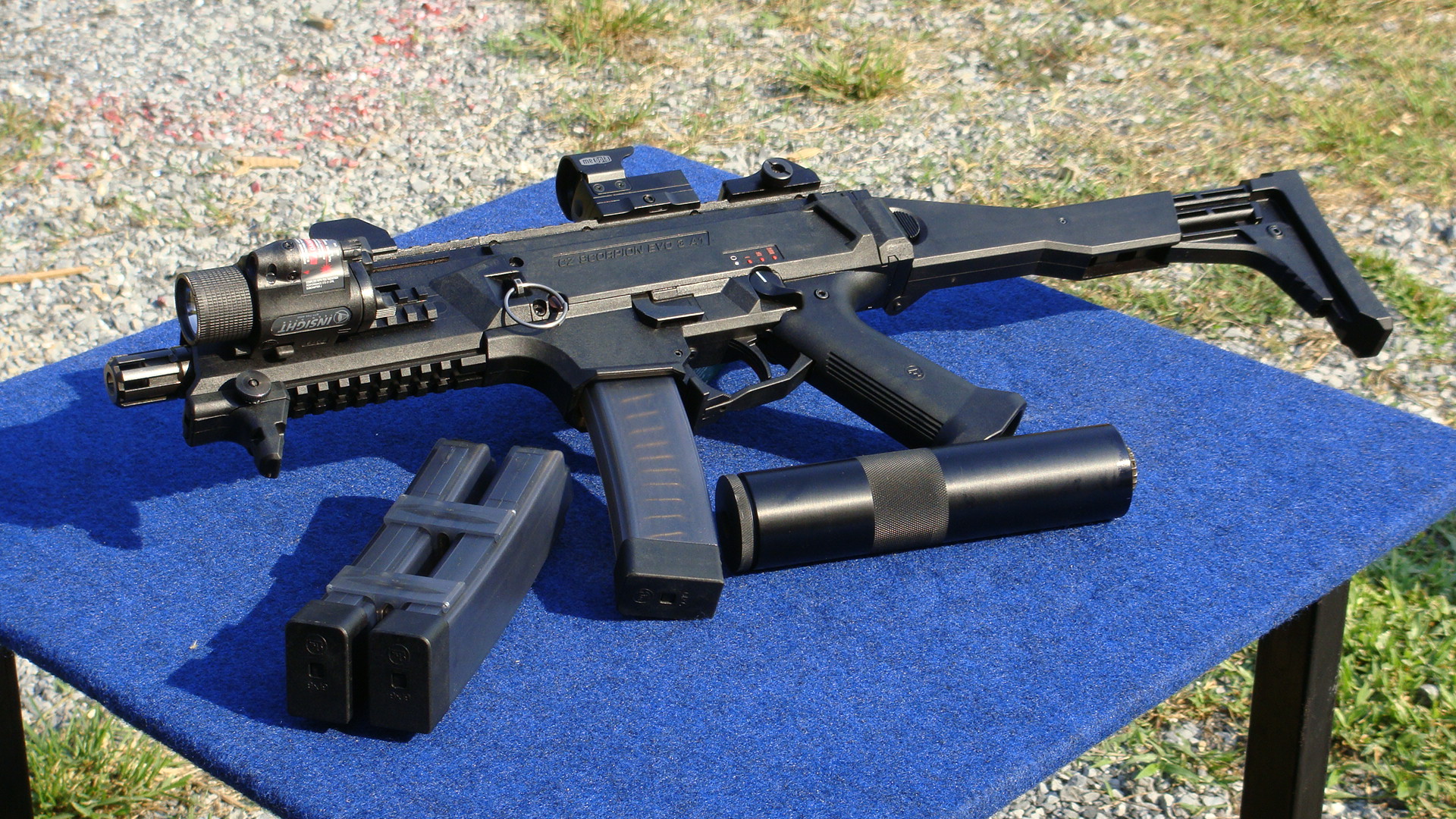
The Scorpion EVO 3 S1 arrived in the United States in 2015 as a civilian semi-automatic version of a modern Czech submachine gun family. Its unusual shape immediately separated it from conventional AR-style carbines, yet the layout remained approachable. The American model used 9mm Luger and commonly accepted 20-round magazines, giving shooters a familiar cartridge in a distinctly European package. That blend of military lineage, compact proportions, and civilian-friendly operation helped turn the Scorpion into one of the most recognizable pistol-caliber platforms in the country.
2. 9mm Made the Scorpion Easy to Understand
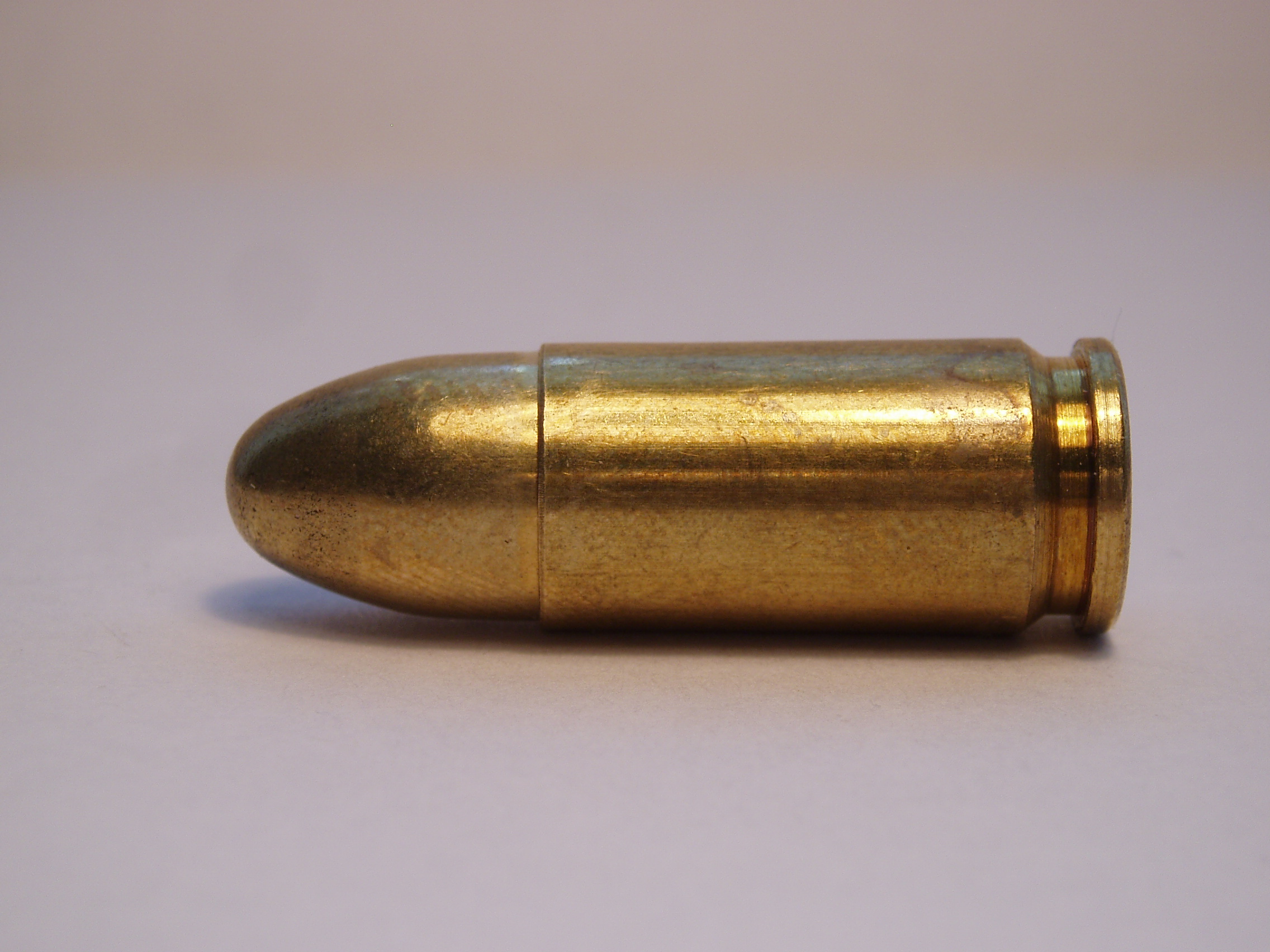
The Scorpion’s 9mm Luger chambering was central to its popularity. Instead of asking buyers to learn an unfamiliar cartridge, it used one of the world’s most widespread pistol rounds. The EVO 3 S1 used a simple blowback operating system, while the carbine version stretched the barrel to about 16.2 inches. That combination gave the platform a familiar ammunition choice and a straightforward mechanical identity. CZ later continued the formula with the Scorpion 3+ family, including a 16.3-inch carbine and shorter pistol models. The result was a familiar entry into the PCC market with a Czech style.
3. Polymer Was a Feature, Not a Shortcut
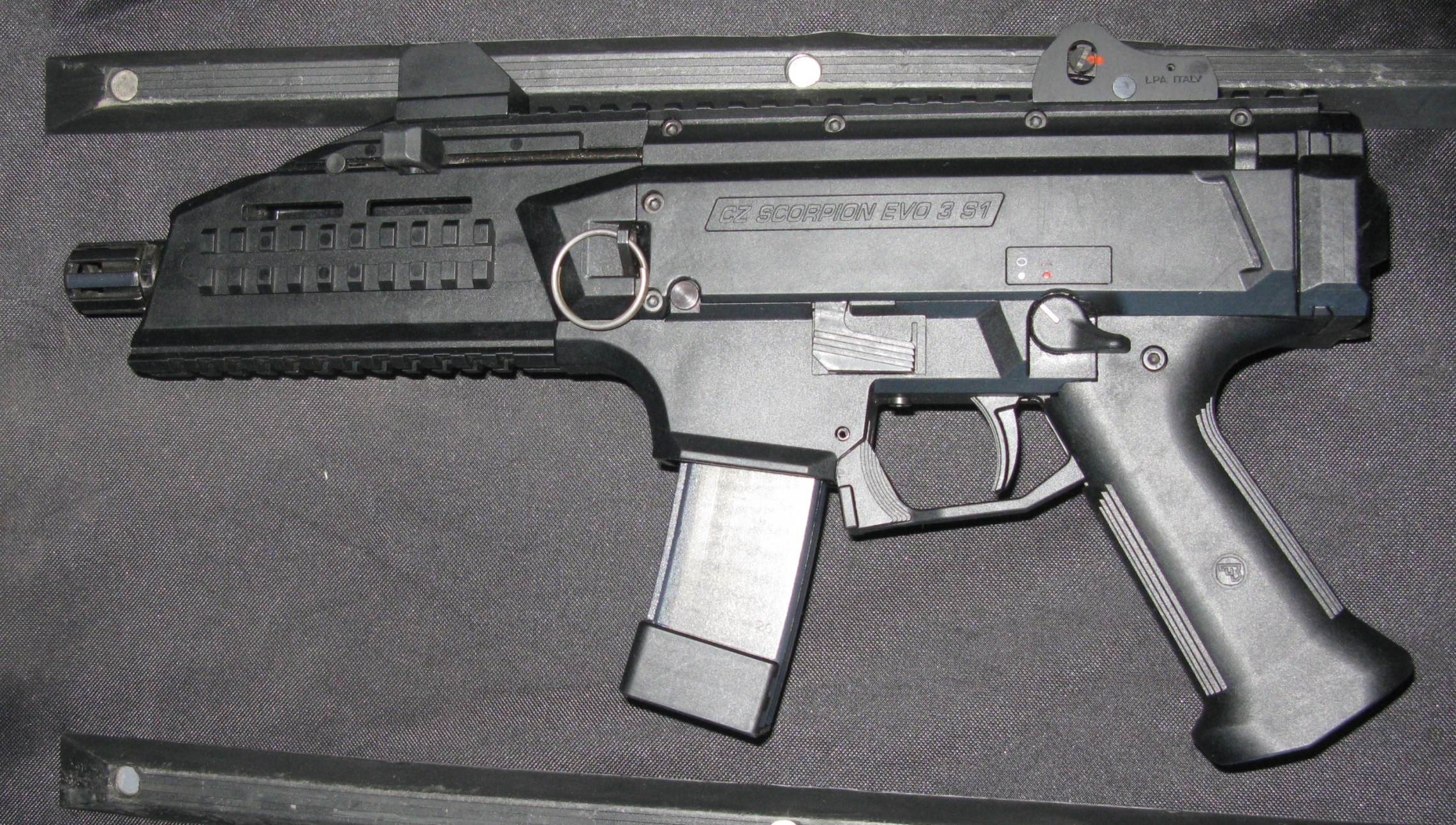
One of the Scorpion’s biggest visual surprises was its extensive use of reinforced polymer. Rather than copying the traditional steel construction of older submachine guns, CZ used modern materials to keep the platform relatively light and modular. The 3+ carbine weighs about 6.8 pounds without its magazine, while the earlier EVO 3 S1 carbine was listed at around 2.87 kilograms. The material choice also contributed to the Scorpion’s distinctive appearance, proving that a rugged firearm did not have to look like a classic stamped steel design. That construction became part of its personality.
4. Controls Were Built Around Modern Handling
The Scorpion became especially attractive to shooters who liked controls that felt intuitive and adaptable. Earlier EVO 3 models used ambidextrous controls, while the 3+ introduced a more familiar AR-style magazine release and relocated the bolt catch so it could be operated from either side. CZ also redesigned the grip and receiver areas to improve access and comfort. The 3+ carbine kept an adjustable folding stock, giving it three length-of-pull positions. These changes made the platform feel more familiar without abandoning its original identity.
5. The Magazine Story Helped the Platform Grow
Magazine capacity and compatibility became important parts of the Scorpion’s American success. The original EVO 3 S1 commonly used 20-round double-stack polymer magazines, while later versions offered additional capacity options. When CZ introduced the Scorpion 3+, it created a new magazine design for the updated AR-style release, while retaining backward compatibility with earlier Scorpion models. That decision gave existing owners a path into the newer system without completely isolating the older generation. It also helped the Scorpion build a large ecosystem of magazines and accessories.
6. Its Modular Layout Invited Customization
The Scorpion was never limited to one factory configuration. Its rail space and adaptable handguard made it easy for owners to personalize the platform with compatible accessories. The 3+ carbine uses an M-LOK handguard and adjustable sights designed to work alongside modern optics. Its 16.3-inch barrel is threaded 1/2×28, while the platform has appeared in pistol, micro, and carbine configurations. That variety mattered because buyers could choose a size and setup that matched their interests instead of treating the Scorpion as a single fixed design.
7. The Carbine Version Changed Its Role
The Scorpion’s American story began largely with pistol configurations, but the carbine versions broadened its appeal. The EVO 3 S1 carbine used a barrel of about 16.2 inches, while the 3+ carbine moved to a 16.3-inch barrel and a folding, telescoping stock. CZ listed the newer model at roughly 24.4 inches with the stock folded and 32.7 inches extended. That compact storage profile, combined with a shoulder stock and 9mm chambering, helped the Scorpion occupy a distinct niche between large pistols and conventional rifle platforms. It gave the family a clear brand identity.
8. The 3+ Proved CZ Was Listening
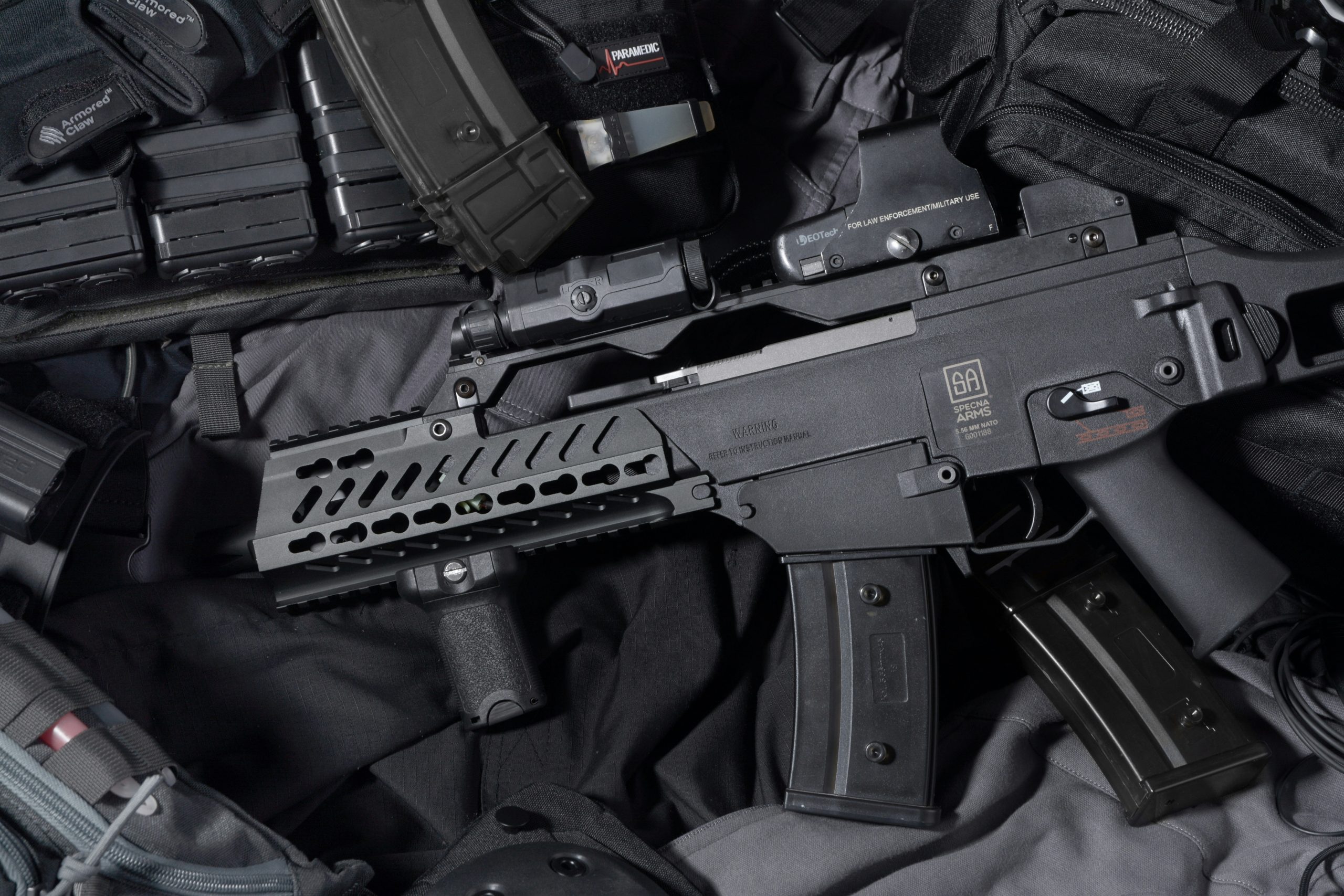
The Scorpion 3+ was more than a cosmetic refresh. CZ used customer feedback, along with input from military and law enforcement personnel, to revise several details. The new generation received an ambidextrous bolt catch, an AR-style magazine release, a redesigned grip, updated sights, and changes to the receiver and handguard. The carbine also retained the recognizable folding stock concept. CZ’s own description of the 3+ emphasizes these requested improvements, showing how the company tried to refine a successful platform rather than simply replace it with something unrelated.
9. Popularity Came From the Whole Package
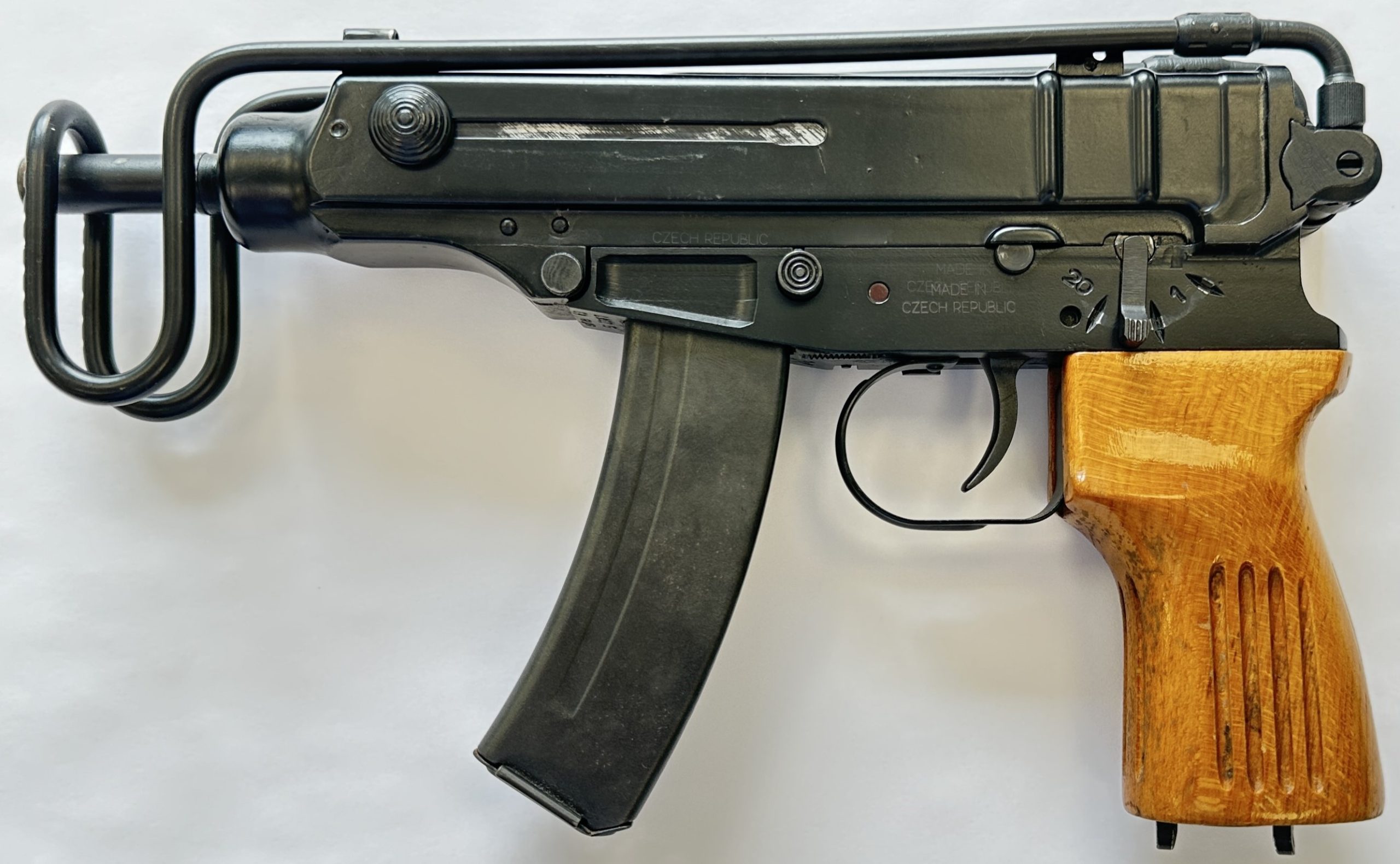
The Scorpion did not become a standout American pistol caliber carbine because of one specification. Its appeal came from the combination of 9mm chambering, manageable weight, unusual styling, modular construction, adjustable controls, and a growing accessory ecosystem. The 3+ carbine illustrates that formula with a 16.3-inch barrel, 20 round magazine, folding stock, and fiber-reinforced polymer construction. By offering pistols, a Micro model, and carbines, CZ also gave the Scorpion a broader identity than a single firearm model. That flexibility helped make its name enduring.