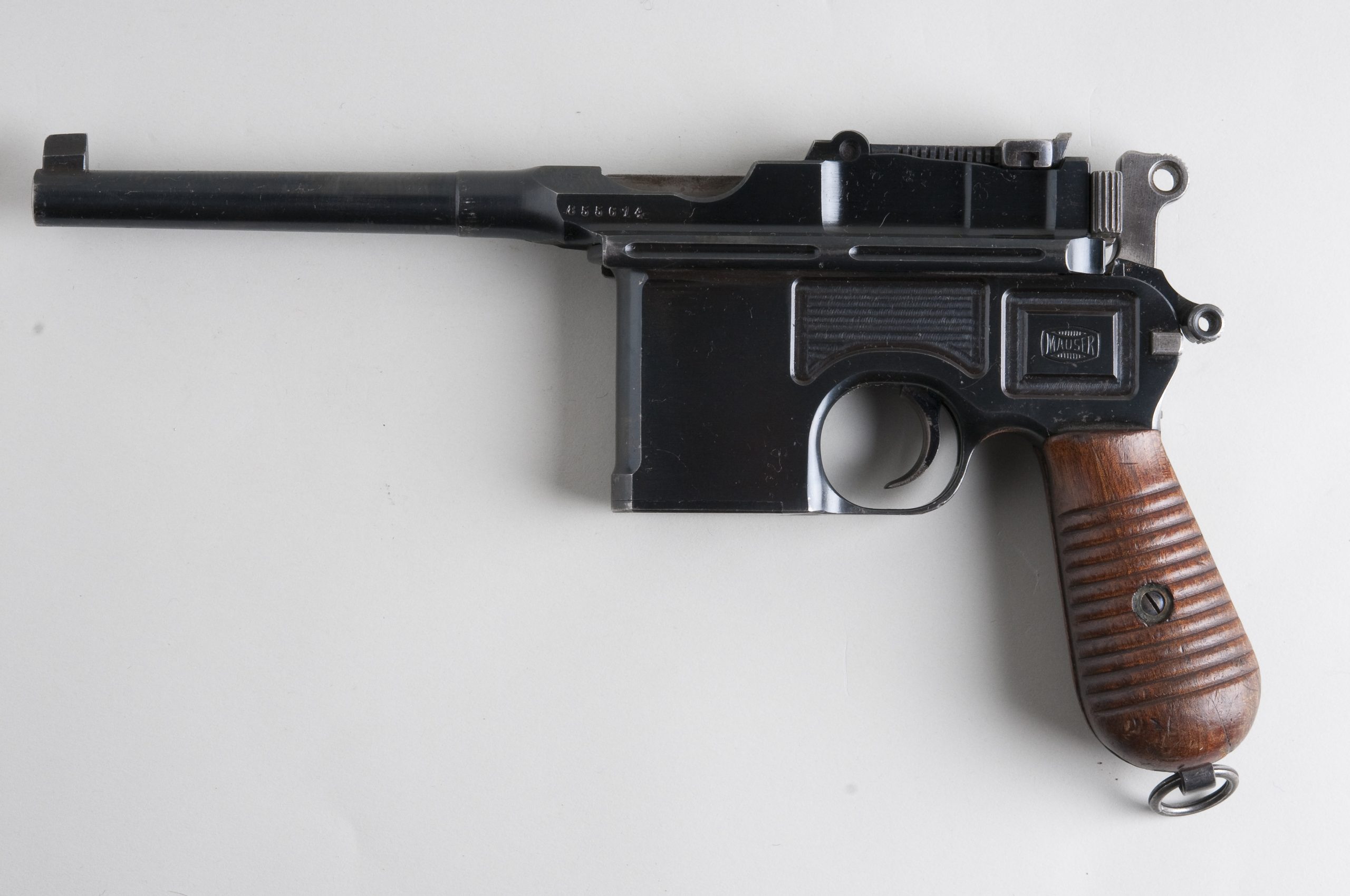
The Mauser C96 is one of the most recognizable early semi-automatic pistols, but its unusual appearance is only part of its story. Introduced in 1896, it combined several design choices that made it stand apart from contemporary handguns. From its distinctive grip and fixed magazine to its detachable wooden shoulder stock, nearly every part had something unconventional about it. Its long barrel, internal magazine system, and distinctive loading arrangement reflected a period when firearm designers were still exploring what a practical semiautomatic pistol could become. Here are eight unusual features that explain why the C96 remains such a fascinating piece of firearm history.
1. The Grip Resembles a Broom Handle
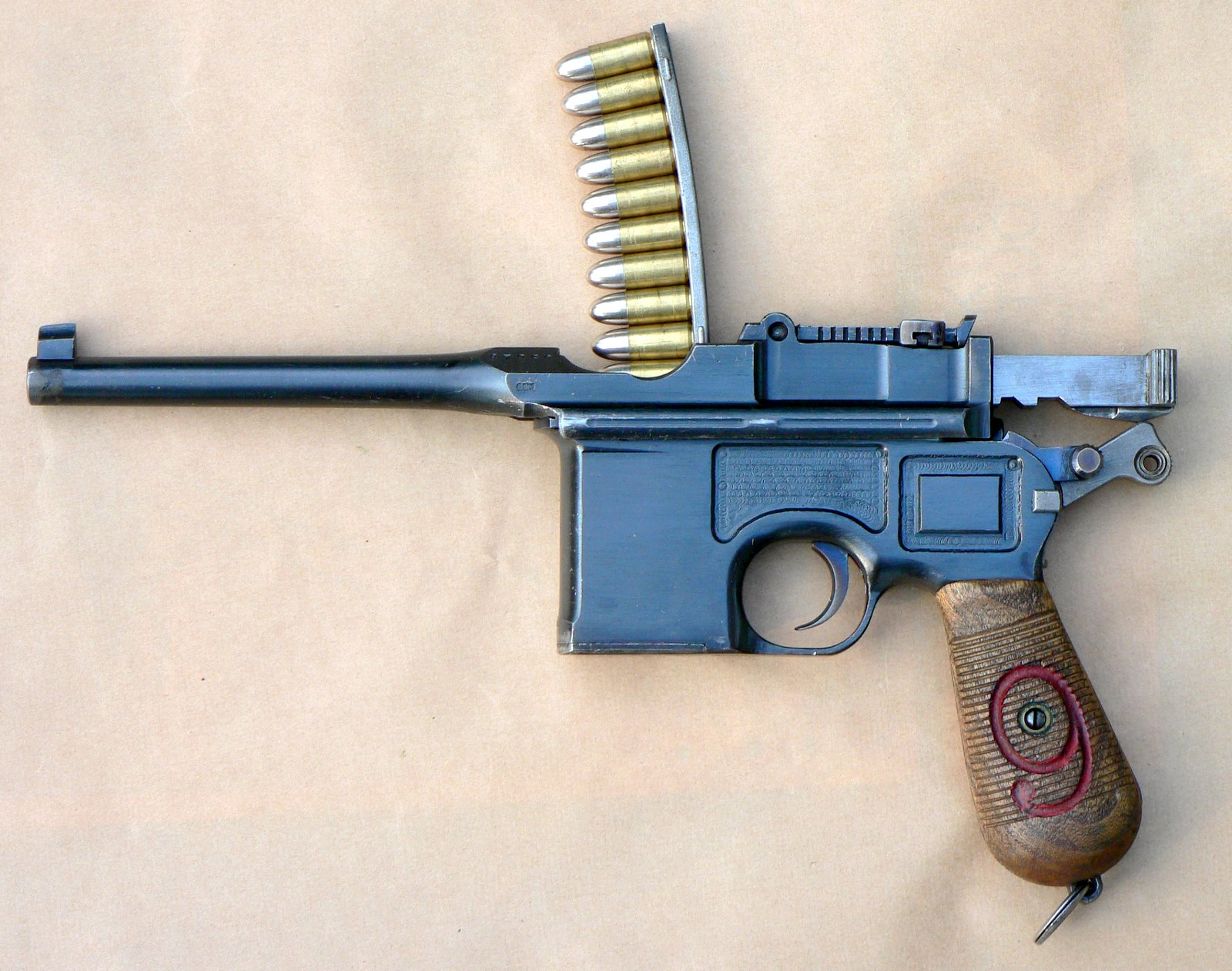
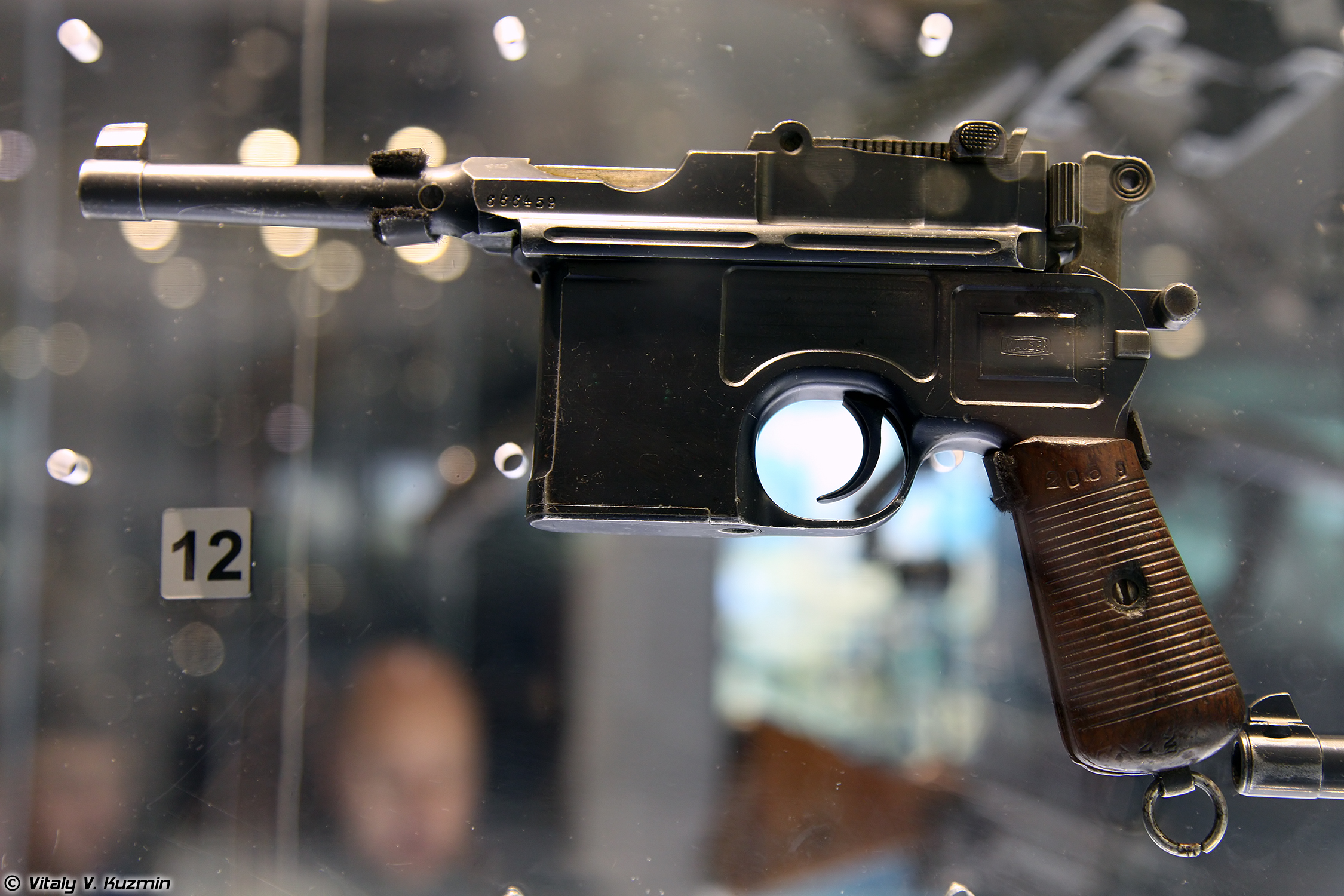
The C96 earned its famous broom handle nickname because its grip looks remarkably different from the curved handles found on most conventional pistols. Instead of a rounded or ergonomically shaped grip, it has a narrow, rectangular profile with wooden side panels and a slightly tapered outline. This distinctive shape became one of the pistol’s most recognizable characteristics. The original grip design also reflected the manufacturing priorities of the late 19th century, when functionality and mechanical construction often took precedence over modern ergonomic preferences. Depending on the production variant, the grip panels featured different textures and markings. Its unusual appearance helped distinguish the C96 immediately, even among firearms produced more than a century ago.
2. It Has a Fixed Magazine Instead of a Removable One
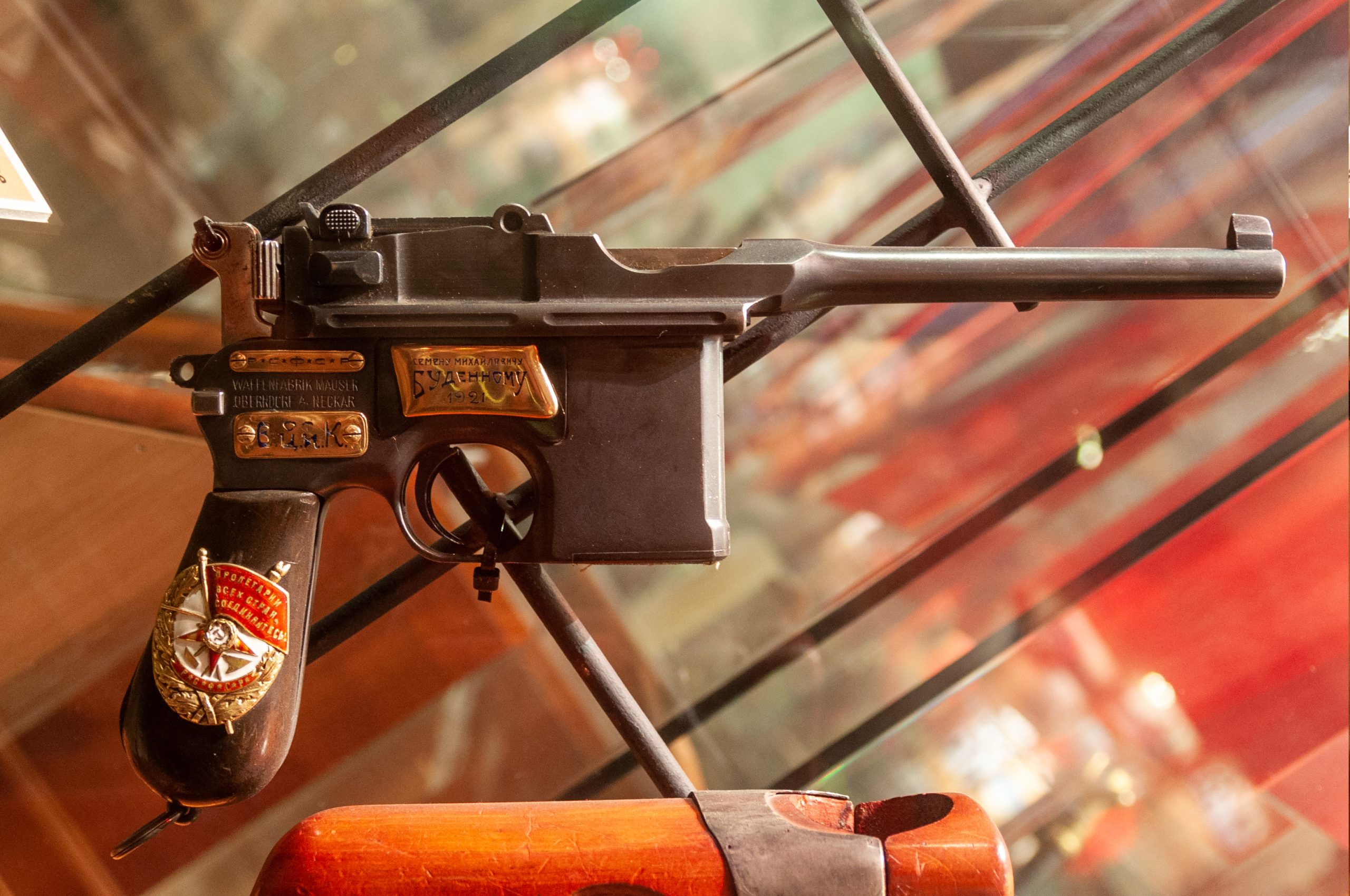
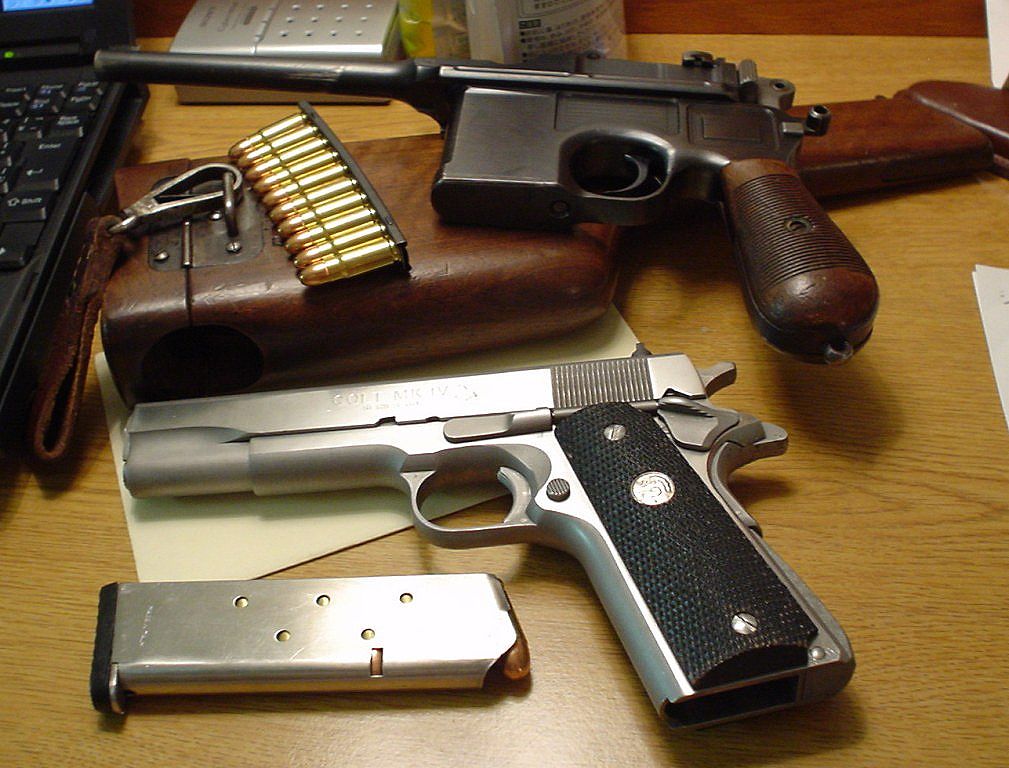
Unlike most modern semi-automatic pistols, the original C96 uses a fixed internal magazine positioned ahead of the trigger guard. Standard early models commonly held 10 cartridges, although other configurations existed. Rather than removing the magazine for reloading, ammunition was introduced through the open action using a stripper clip. This arrangement was unusual because detachable magazines were already becoming an important feature in contemporary firearm development. The fixed magazine also contributed to the C96’s distinctive long profile, making the pistol look closer to a compact carbine than a conventional handgun. Its design illustrates how manufacturers experimented with different ammunition-storage systems before detachable magazines became the dominant standard.
3. The Wooden Stock Doubles as a Holster
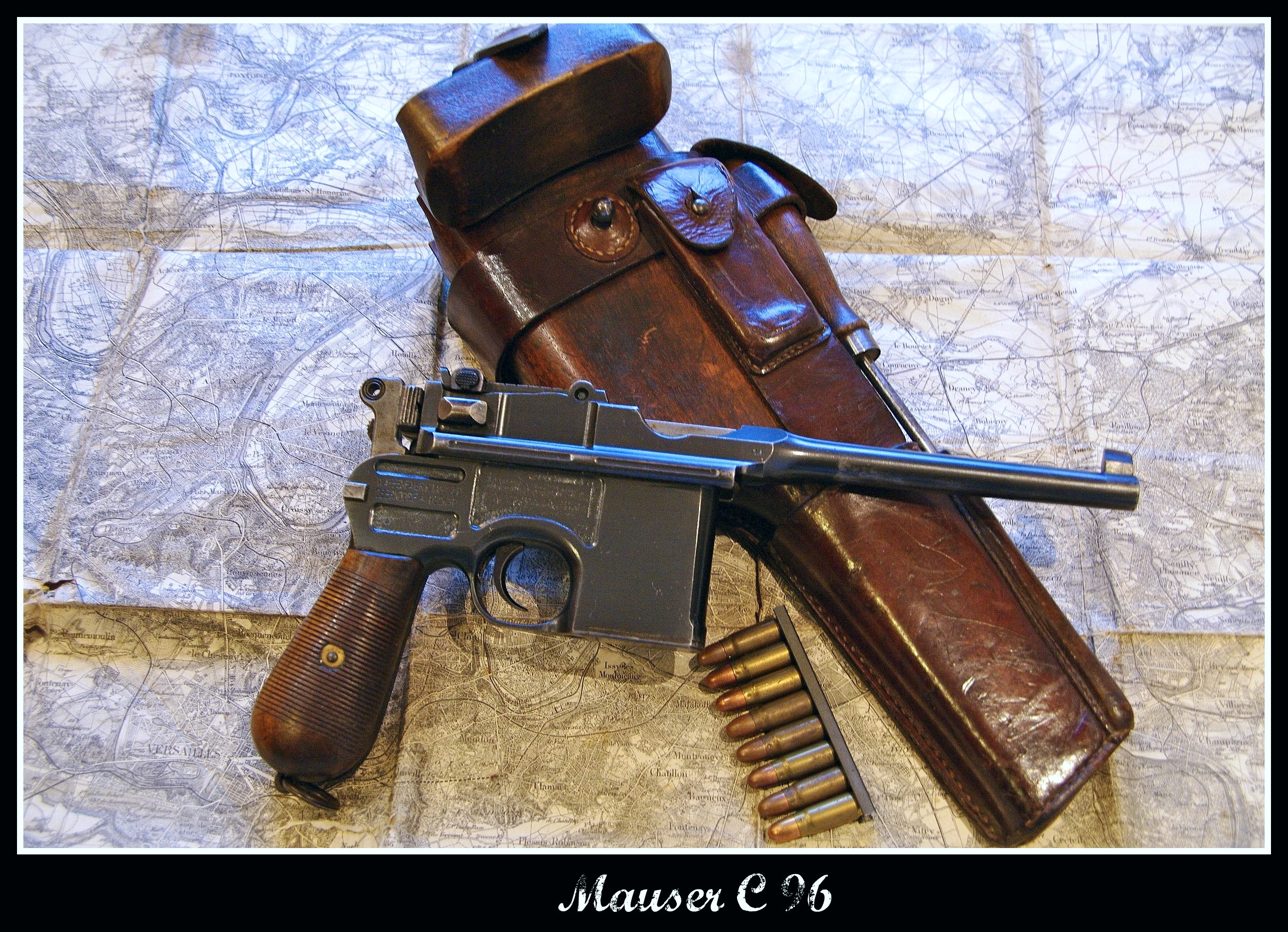
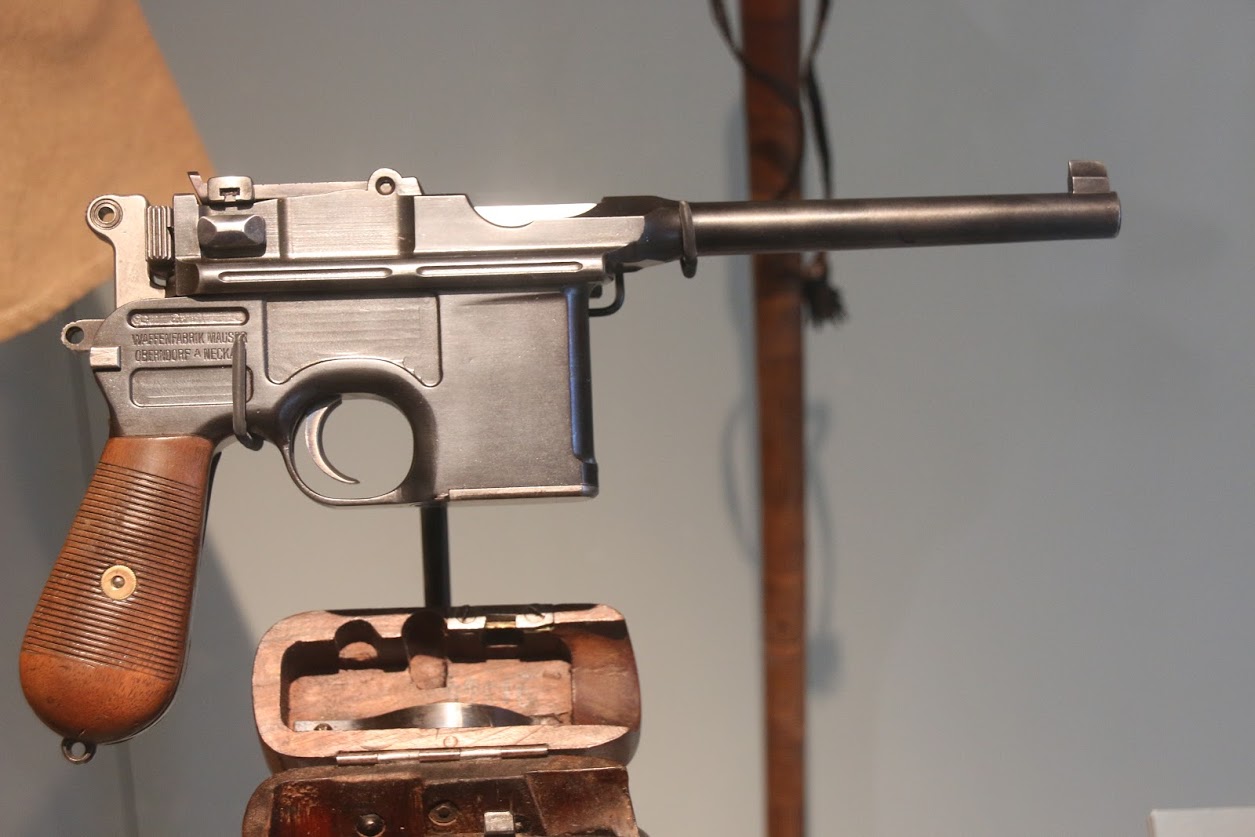
One of the C96’s strangest accessories was its detachable wooden shoulder stock, which served two purposes instead of just one. When removed, the hollow stock could hold the pistol for storage and transportation, functioning as a protective carrying case. When attached, it provided a shoulder support that gave the handgun the appearance and handling characteristics of a small carbine. This arrangement was particularly unusual for a pistol introduced in 1896, when most handguns were designed primarily for one-handed use. The stock was generally made from wood and fitted with a metal attachment system. Its dual-purpose design remains one of the most recognizable details of the C96 and demonstrates how differently manufacturers approached handgun accessories during that period.
4. Its Rear Sight Was Marked for an Impressive 1,000 Meters
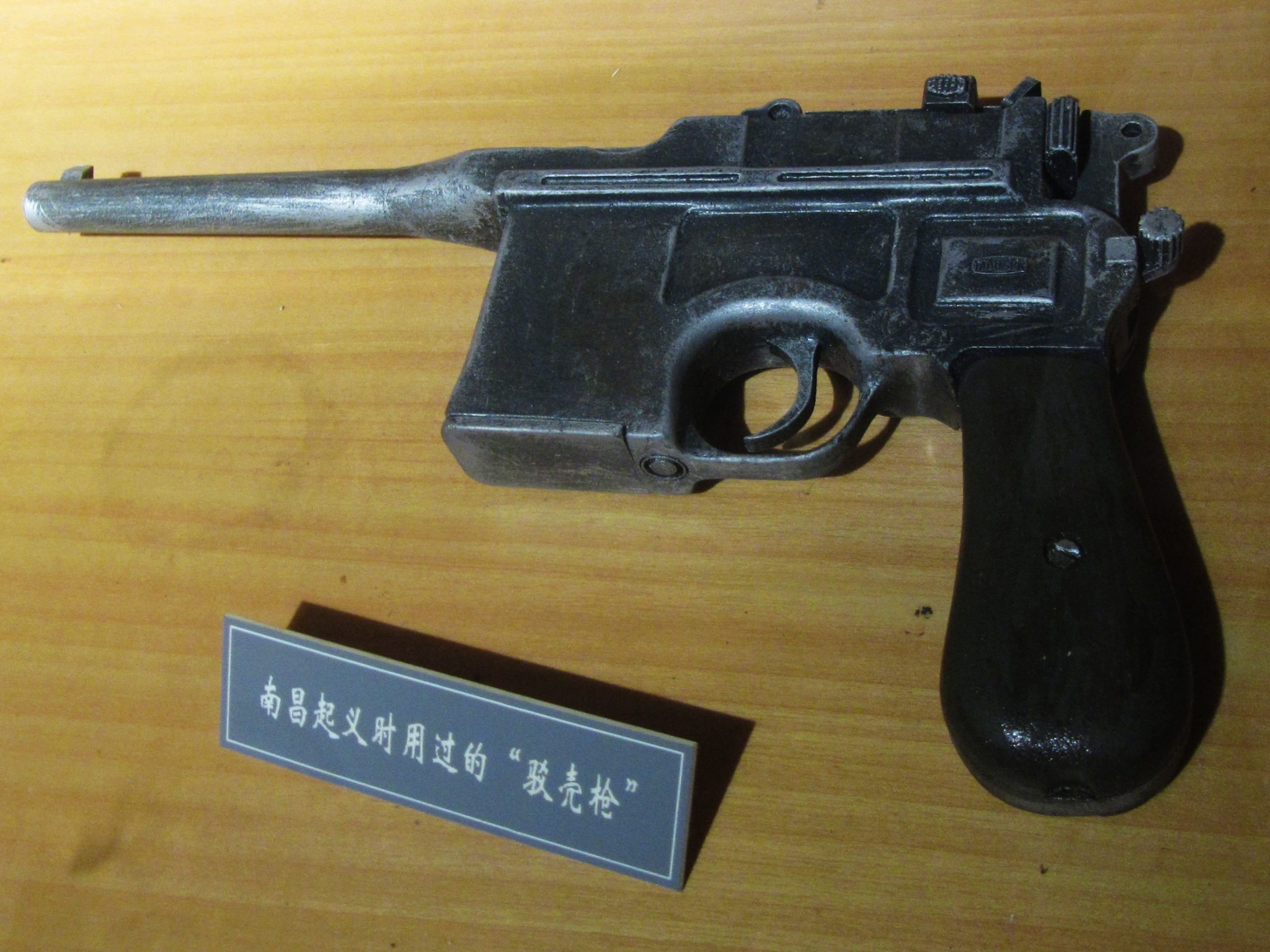
The C96 featured a distinctive tangent-style rear sight that could be adjusted for different distances. Some standard configurations carried graduations extending as far as 1,000 meters, an extraordinary figure for a handgun of the late 19th century. The long sight arrangement reflected the original design’s ambition to offer greater versatility than an ordinary service pistol. However, those markings should not be mistaken for a realistic effective range. Actual accuracy depended on the ammunition, firearm condition, shooter and environmental conditions. The pistol’s commonly encountered barrel measured approximately 140 mm, or 5.5 inches. This combination of a relatively long barrel and unusually ambitious sight graduations gave the C96 a distinctive appearance that reinforced its reputation as an unconventional handgun.
5. The Famous Red 9 Was Created to Prevent Ammunition Confusion
The Red 9 C96 is one of the most recognizable wartime variations, and its unusual name comes from a large red numeral stamped into the wooden grip panels. During World War I, Germany ordered approximately 150,000 C96 pistols chambered in 9mm Parabellum to supplement its supply of Luger pistols. Because the standard C96 originally used 7.63x25mm Mauser ammunition, soldiers needed a clear way to distinguish the different chamberings. The prominent red number 9 served as a visual warning to help prevent ammunition mix-ups. These wartime pistols were therefore more than cosmetic variations. Their markings reflected a practical identification requirement, making the Red 9 an interesting example of how a small manufacturing detail could acquire lasting historical significance.
6. It Was Produced in Several Unusual Magazine Capacities
Although the 10-round configuration is the version most people associate with the C96, it was not the only capacity offered. Mauser produced variations with fixed magazines holding six, 10 and 20 cartridges. The 20-round configuration gave the pistol an especially distinctive appearance because its magazine extended noticeably farther forward. These differences were part of Mauser’s attempts to offer variations for different commercial and military requirements. The standard 10-round version remained the best-known configuration, but collectors today pay particular attention to the less common examples. The availability of three different capacities also makes the C96 an interesting illustration of how early semiautomatic pistol manufacturers experimented with ammunition capacity long before modern magazine designs became standardized.
7. The Bolo Version Was Surprisingly Compact
Not every C96 had the long barrel and full-sized grip associated with the traditional Broomhandle. Mauser also produced shorter Bolo variations, which featured an approximately 99 mm (3.9-inch) barrel and a smaller grip. The name is commonly associated with the pistol’s export history and its popularity in certain international markets. Compared with the familiar 140 mm (5.5-inch) barrel configuration, the shorter version had a noticeably different profile. Its reduced dimensions made it visually distinct without abandoning the C96’s characteristic forward magazine and unusual grip arrangement. The Bolo demonstrates that Mauser did not treat the original design as a fixed concept. Instead, the company continued developing different configurations to suit changing commercial and military preferences.
8. Its Construction Was Remarkably Different From Modern Pistols
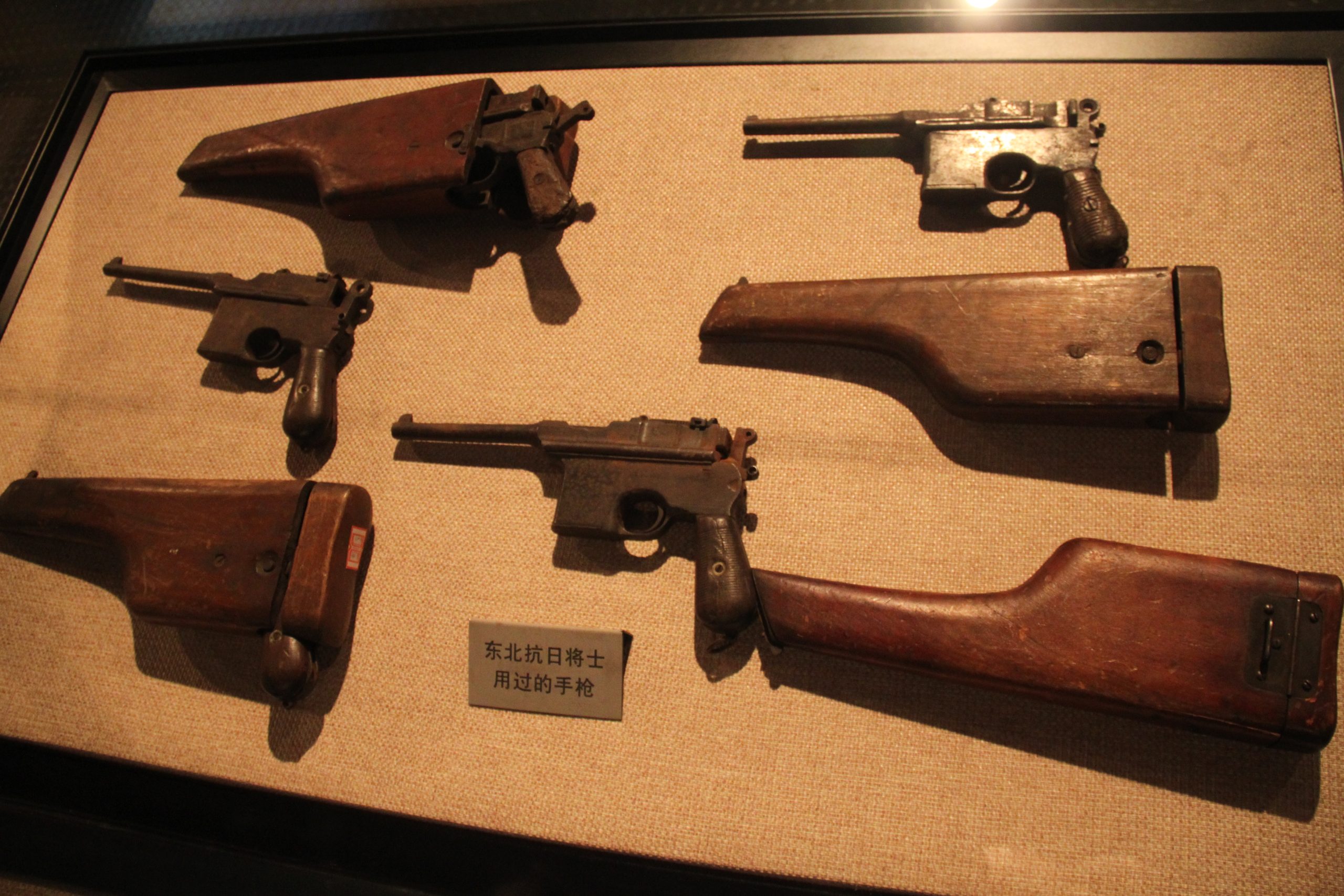
The C96 was manufactured using extensive machining, reflecting the industrial methods available during the late 19th and early 20th centuries. Its barrel and receiver were formed as an integrated assembly rather than being designed around the interchangeable components commonly found in many modern pistols. This approach contributed to the firearm’s distinctive appearance and complicated manufacturing process. Mauser’s original production continued from 1896 until 1937, with more than one million examples estimated to have been manufactured. The pistol also developed numerous variations, including later models with different external features and mechanical arrangements. Its construction is a reminder of an era when precision machining and substantial steel components defined the appearance of many early semiautomatic firearms.