Every shooter has a story about a revolver that got away. Maybe it was traded for rent money, sold to fund something newer, or handed to a cousin who promised to take care of it. This list is about those guns: twelve revolvers, from an 1873 cavalry Colt to a humble .22 plinker, that I would repurchase without a second thought. Each entry gives the years, weights, ballistics, and rough market prices, so you can decide whether your own regret is worth chasing.
1. Colt Python

Nothing stirs regret like a Colt Python gone from the safe. Introduced in 1955 and built until 1999, this six-shot .357 Magnum wore a hand-polished Royal Blue finish and a full-length vent rib that gave the 6-inch version about 44 ounces of calm, steady weight. Its action was famously smooth, with a single-action pull often under 4 pounds and a lockup so tight that cylinder timing rarely drifted. Barrel choices ran from 2.5 to 8 inches, and good shooters could print groups near 2 inches at 25 yards with factory ammunition. Clean vintage examples now bring roughly 2,500 to 4,000 dollars, sometimes far more, which is exactly why I would pay it again without a second thought.
2. Smith & Wesson Model 29
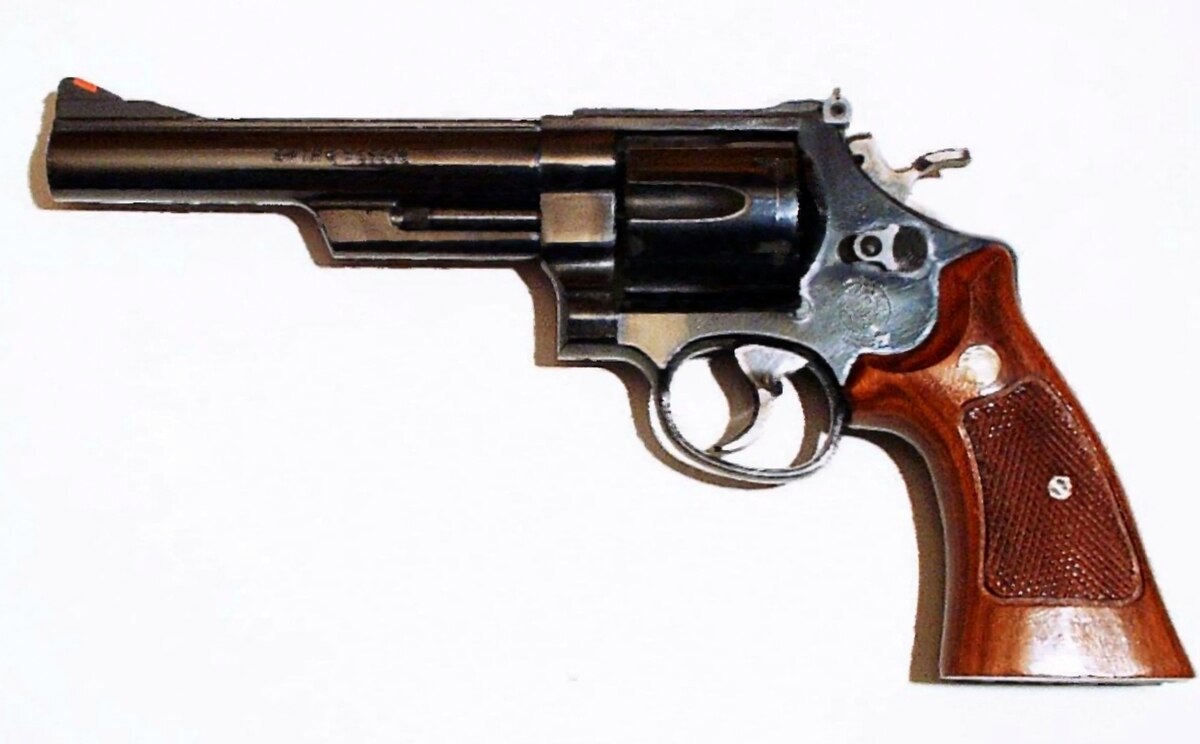
Few handguns carry more myth than the Smith & Wesson Model 29. It arrived in 1955 as the .44 Magnum and took its Model 29 name in 1957, built for hunters who wanted a revolver that could take deer at 50 yards. Elmer Keith pushed for the cartridge, and the 1971 film Dirty Harry turned the 6.5-inch gun into a household name overnight. A 240-grain bullet leaves the barrel near 1,400 feet per second, producing about 1,000 foot-pounds of energy. The N-frame weighs roughly 47 ounces, which soaks up recoil better than the numbers suggest, even during long-range sessions. Clean blued examples now sell for 1,200 to 2,500 dollars, and I would happily pay that again.
3. Smith & Wesson Model 19
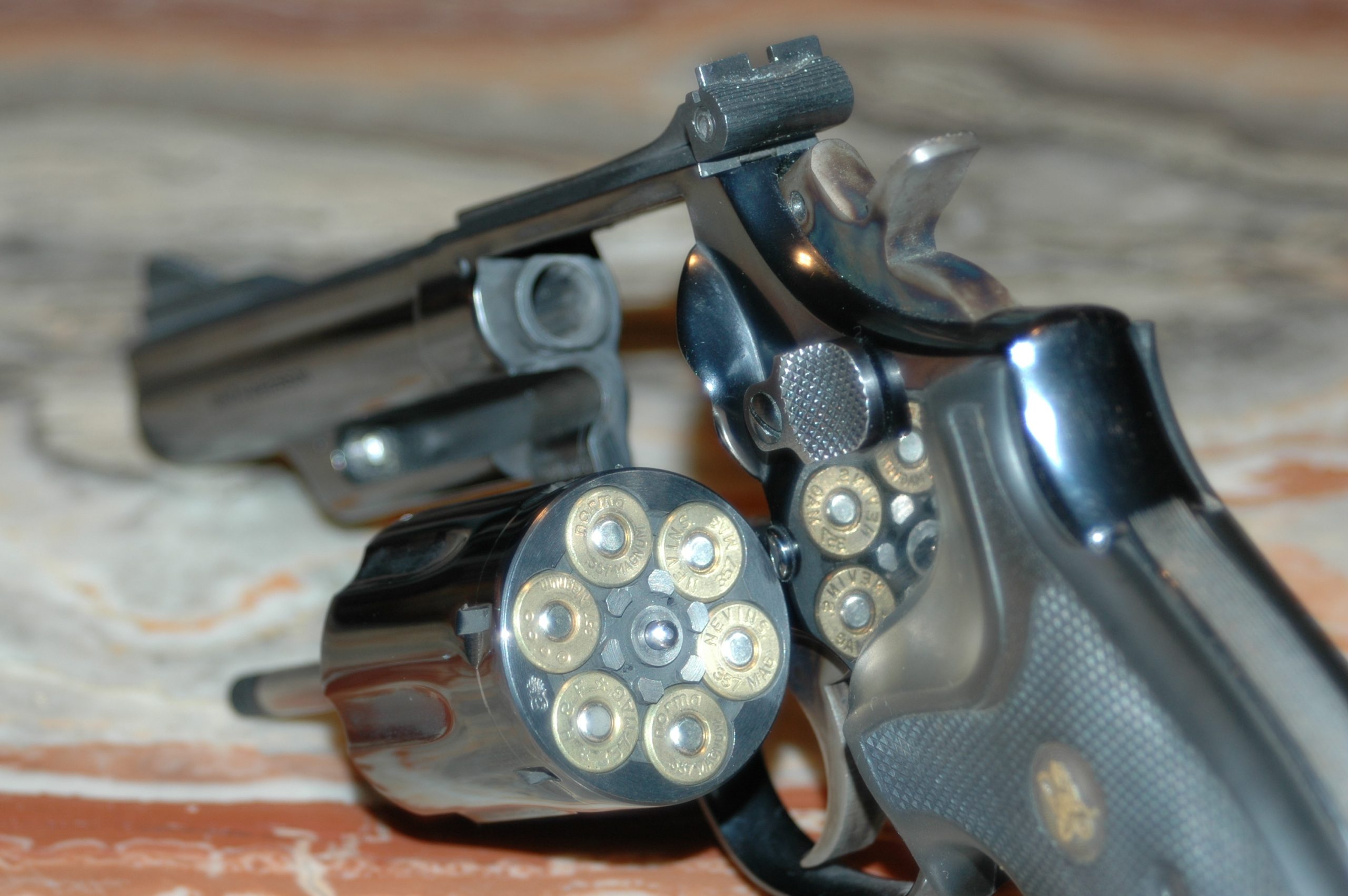
The Model 19 proved that power and comfort could share a frame. Smith & Wesson built it in the mid-1950s as the Combat Magnum, shaped by lawman Bill Jordan, who wanted a .357 that could ride on a belt all day. Its K-frame stayed slim, and a 4-inch barrel kept weight near 30 ounces, well under the 40-plus ounces common to N-frame magnums, which makes all-day carry far kinder. A 125-grain load exits near 1,400 feet per second, yet the gun still points naturally and recovers fast. Heavy diets of full-power magnums can loosen the frame over time, so I favor .38 Special loads for most practice. Used examples cost about 800 to 1,200 dollars, a bargain I still regret passing up.
4. Smith & Wesson Model 27

Before the word magnum meant anything to most shooters, there was the Registered Magnum. Introduced in 1935 as the first revolver for the new357 Magnum cartridge, it was hand-fitted on the large N-frame and sold with a certificate tying its serial number to the buyer. Barrels ran from 3.5 inches up to about 8.4 inches, and a 6-inch gun weighs close to 44 ounces. Early 158-grain loads were advertised at roughly 1,500 feet per second, a startling figure for 1935. The name changed to Model 27 in 1957, but the hand-finished quality stayed. Post-war blued guns sell for roughly 900 to 1,500 dollars; pre-war originals climb far higher, and I would pay it twice for the history alone.
5. Colt Single Action Army
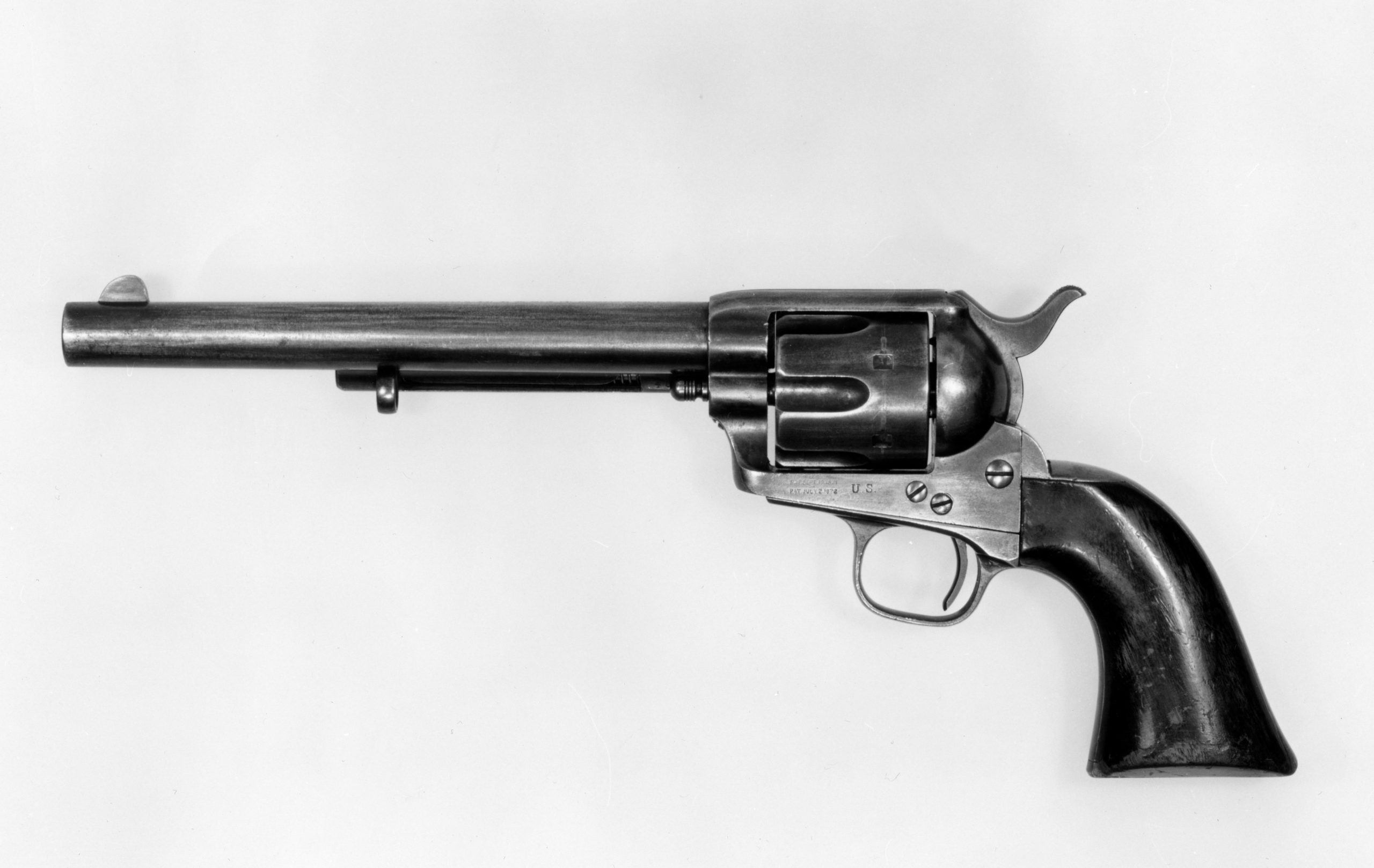
The Colt Single Action Army is the revolver that built the western legend. The US Army adopted it in 1873 in .45 Colt, and its 255-grain bullet moved near 900 feet per second from the 7.5-inch cavalry barrel. It holds six rounds, but you load and unload each chamber through a side gate, so reloading takes noticeably longer than on a modern swing-out. Roughly 357,000 were made before production paused in 1941, and Colt restarted the line in 1956. Its balance is unmatched, the hammer falls in a clean arc, and the grip points as if it were an extension of your hand. First-generation guns now fetch 5,000 to well over 20,000 dollars, yet I would still buy one back.
6. Smith & Wesson Model 10
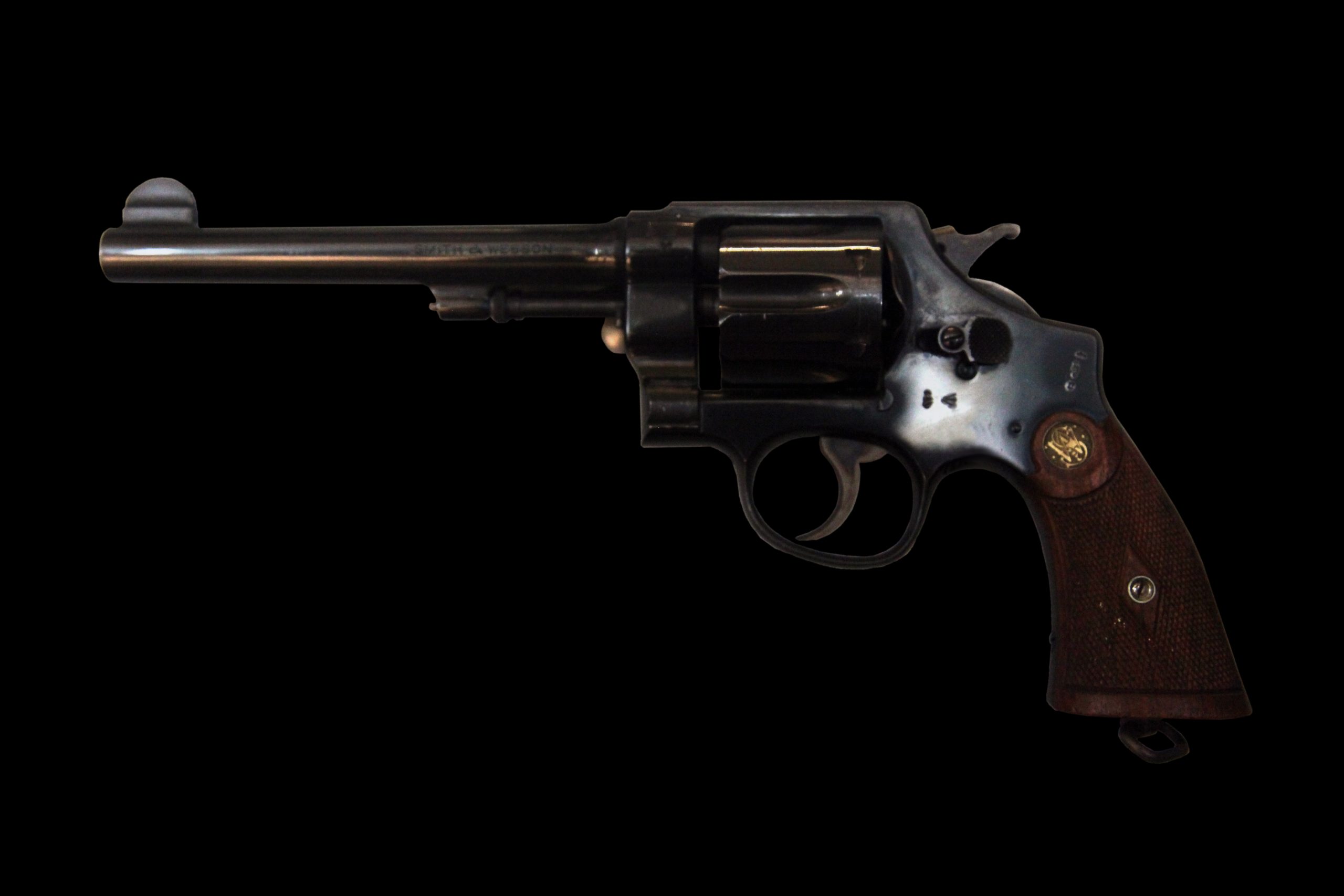
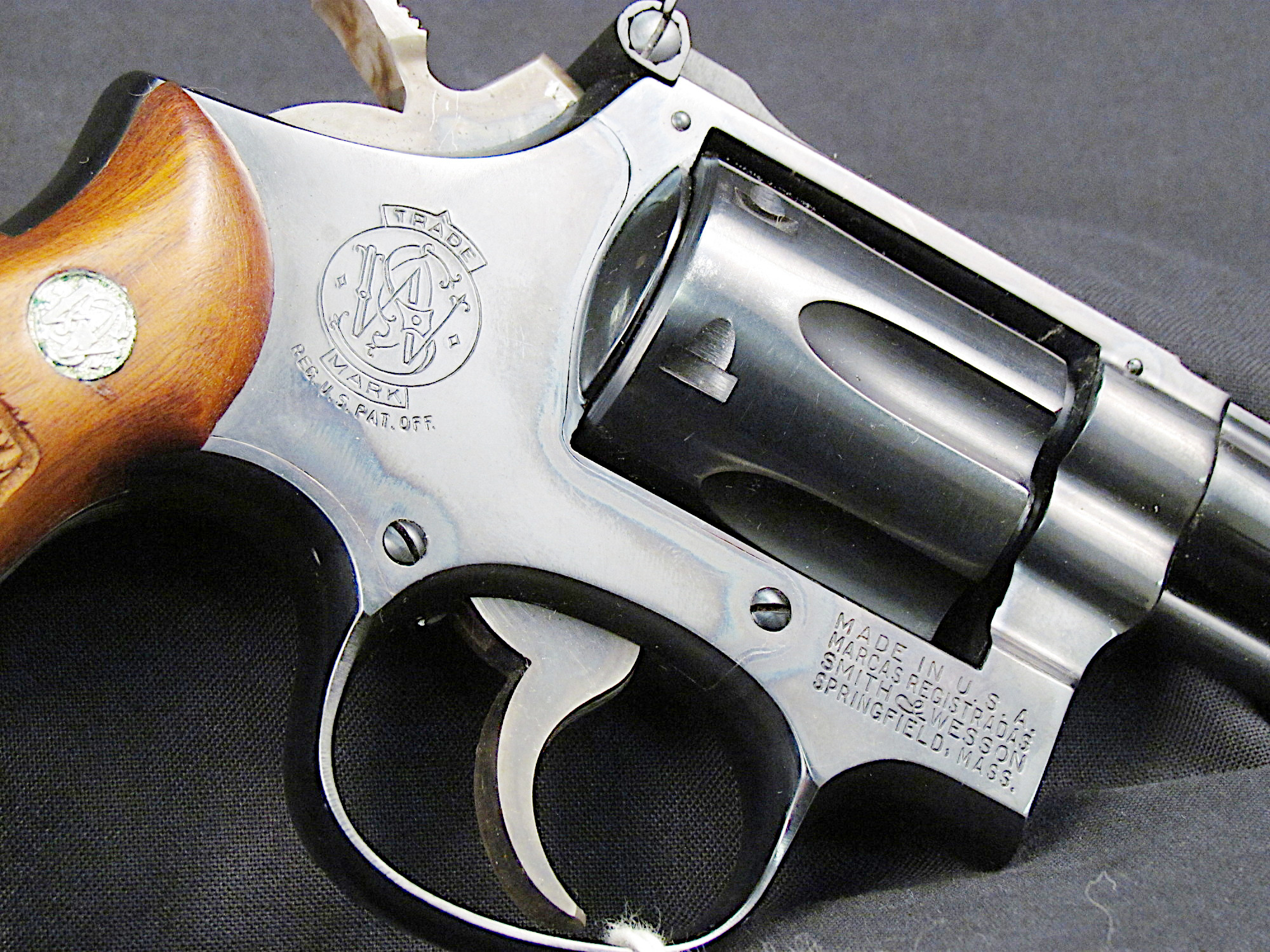
Plain, humble, and endlessly useful, the Model 10 is the revolver I never should have sold. Smith & Wesson introduced it in 1899 as the .38 Military & Police, and more than six million have rolled out of Springfield since. A 4-inch model weighs about 33 ounces and holds six rounds of .38 Special, usually a 158-grain bullet near 755 feet per second. That mild recoil makes it a joy for beginners, and the plain sights still print 2-inch groups at 25 yards. Police departments carried it for decades, and Britain took large numbers during the Second World War as the Victory Model. Good used examples cost roughly 400 to 700 dollars, and I would buy mine back tomorrow.
7. Colt Detective Special
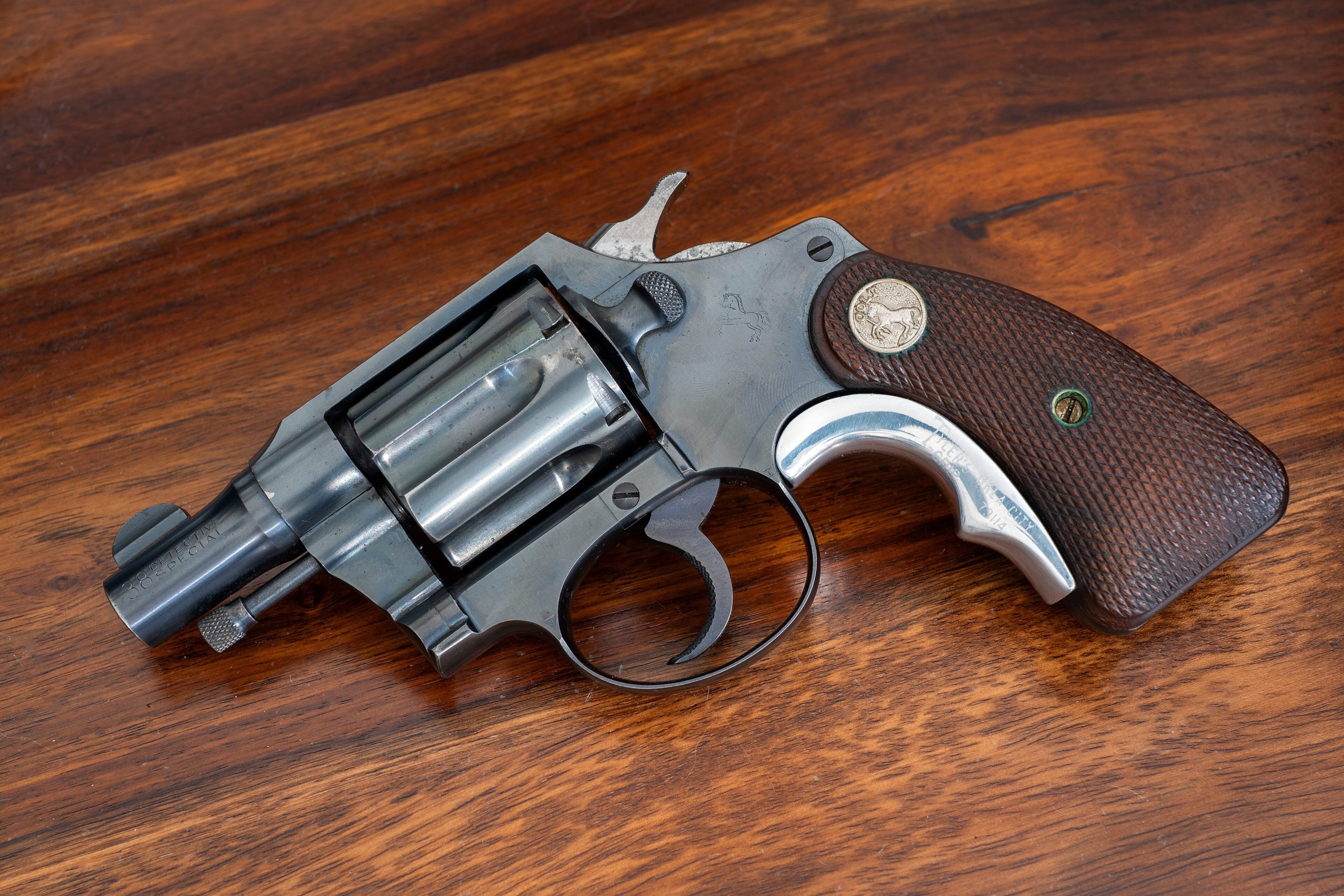
Colt’s Detective Special slipped into a coat pocket and never made a fuss about it. Colt launched it in 1927 as a short-barreled version of the Police Positive Special, and it is widely called the first compact revolver to hold six rounds. With a 2-inch barrel, it weighs only about 22 ounces and measures under 7 inches overall. Firing .38 Special, a 158-grain load comes out near 700 feet per second from that short barrel, so it snaps sharply but remains controllable. Its smooth Colt trigger and rounded edges made it a favorite of detectives and off-duty officers from the 1930s through the 1970s. Clean examples sell for about 700 to 1,200 dollars, and I would grab another today.
8. Smith & Wesson Model 36 Chief’s Special
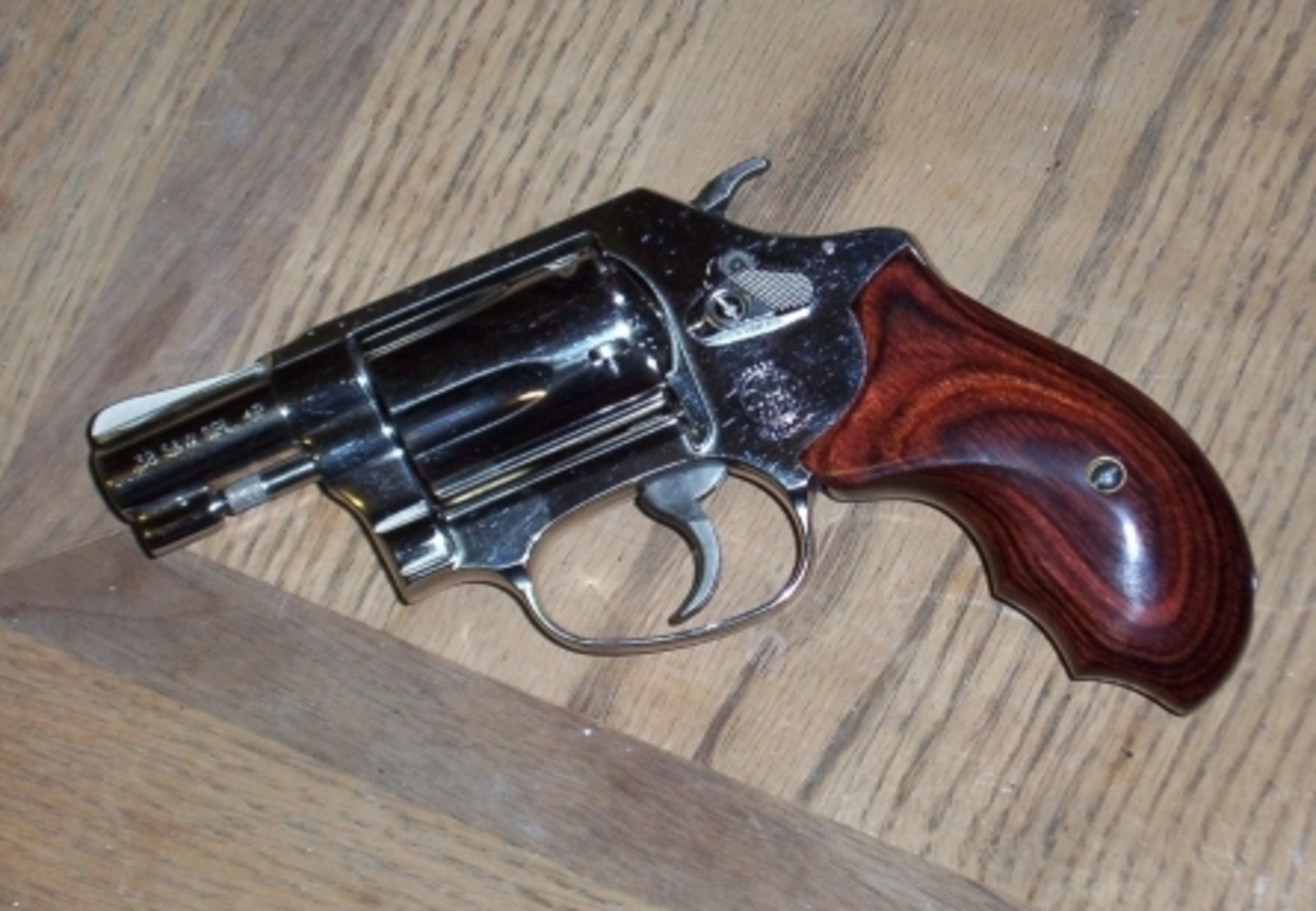
The Model 36 proves a good carry gun does not need to be big, loud, or fancy. Smith & Wesson unveiled it in 1950 at a police chiefs’ convention, which explains the Chief’s Special name. It is a five-shot J-frame, so capacity is modest, but a 2-inch version weighs only about 19 ounces. Standard .38 Special loads deliver 170 to 200 foot-pounds of energy from a snub barrel, enough for defense inside 7 yards, where most such encounters happen. Its double-action pull runs roughly 10 to 12 pounds, which teaches careful trigger control, and the slim cylinder rides flat in a pocket holster. Used guns run about 400 to 600 dollars, a price so low that I would buy one back tomorrow.
9. Ruger GP100
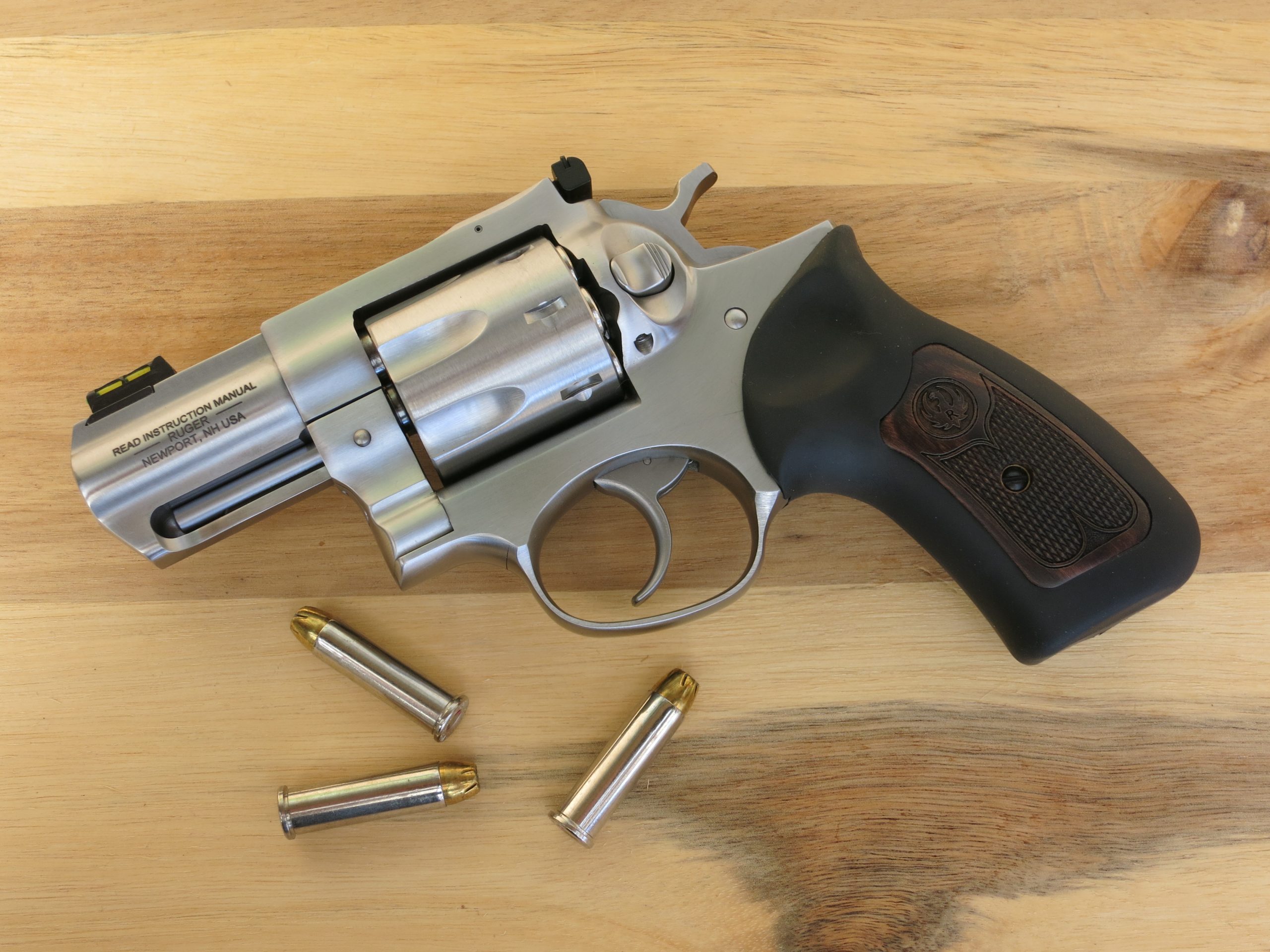
Ruger’s GP100 is the revolver I wrongly assumed I could always replace. Introduced in 1986 to succeed the Security-Six, it uses a solid, fixed-frame design with a triple-locking cylinder that stands up to heavy .357 Magnum loads. A 4.2-inch version weighs around 41 ounces, and that extra heft soaks up the blast of 125-grain loads moving near 1,400 feet per second. Capacity is six rounds, the sights are adjustable, and stainless models shrug off sweat and rain. Rubber grips with a cushioned insert spread recoil across the palm, so 100 rounds of .38 Special feels easy, and a box of magnums stays manageable. Street prices sit near 800 to 1,000 dollars, and I would gladly pay again.
10. Smith & Wesson Model 686
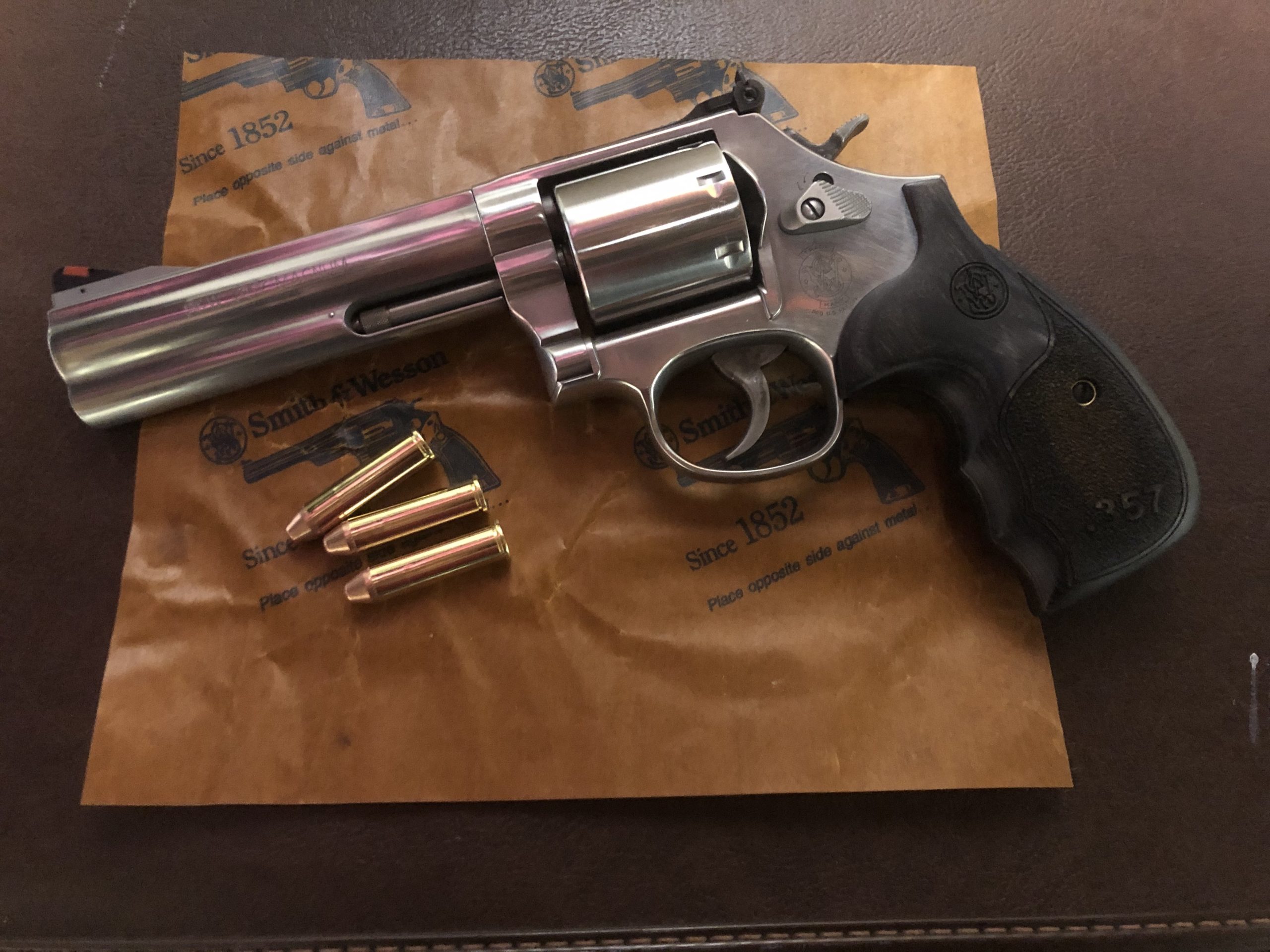
Stainless steel changed what a duty revolver could endure, and the 686 is the best example. Smith & Wesson introduced the L-frame 686 in 1980 as a stainless .357 Magnum with a six-shot cylinder. The beefier frame tolerates years of full-power loads, and a 4-inch version weighs close to 40 ounces. In 199,6 the 686 Plus added a seventh chamber without changing the frame size, a clever bump in capacity of about 17 percent. Its full-lug barrel steadies the muzzle, and the target-style adjustable rear sight lets a decent shooter hold groups near 2 inches at 25 yards. Used examples sell for roughly 800 to 1,000 dollars, a fair price for a revolver I’d keep forever.
11. Colt Anaconda
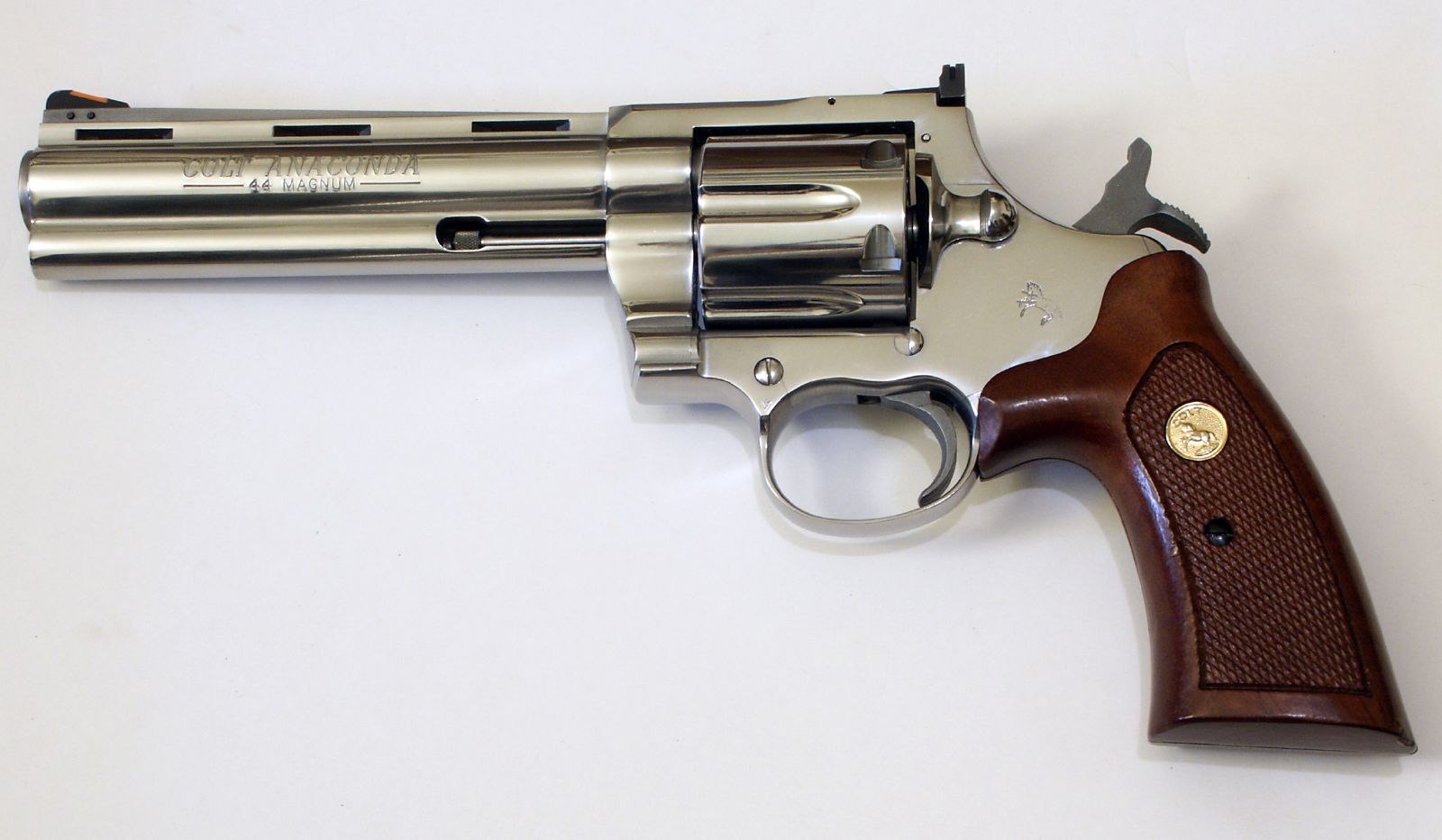
Colt’s Anaconda was built to answer Smith & Wesson’s big-bore magnum, and it did so with swagger. Introduced in 1990 in .44 Magnum, it was later offered in .45 Colt, and production ended around 1999 before Colt revived it in 2021. The stainless 6-inch gun weighs about 53 ounces, and that mass makes a 240-grain load at 1,400 feet per second feel more manageable than expected. Barrels came in 4, 6, and 8 inches, each with a full underlug and a ventilated rib that tames muzzle flip. Accuracy is superb, with good guns printing 2-inch groups at 25 yards, and demand has pushed used prices up sharply. Expect to pay 1,800 to 3,000 dollars, and I would happily do it again.
12. Ruger Single-Six

Sometimes the revolver you miss most is the one that cost the least and gave the most hours of fun. Ruger launched the Single-Six in 1953 as a six-shot .22 Long Rifle, and it became the company’s first revolver. A 5.5-inch barrel version weighs about 32 ounces, and a 40-grain bullet leaves near 1,000 feet per second. Because the recoil is almost nonexistent, it teaches trigger control, sight alignment, and hammer handling to newcomers of any age. Many owners add a .22 Magnum cylinder, turning one gun into two, and groups near 2 inches at 25 yards are common. Used examples cost about 350 to 600 dollars, so the sensible thing is to buy one back tomorrow and never sell it again.