Some guns become icons because they look dramatic. This one became important because it worked when everything else was going wrong.
The day Miami changed the Bureau
On April 11, 1986, eight FBI agents confronted two violent bank robbery suspects in what is now Pinecrest, Florida. The fight lasted only minutes, but it became the bloodiest gun battle in FBI history. Two agents, Ben Grogan and Jerry Dove, were killed, and five other agents were wounded. The FBI has repeatedly described the shootout as a defining institutional trauma that forced hard changes in training, equipment, and deployment.
One of the clearest lessons was not just about caliber or handgun effectiveness. It was about access to firepower in the first moments of a sudden fight. According to FBI accounts and later reviews, agents had more capable long guns available, including shotguns, but some were trapped in vehicles or could not be brought into the fight fast enough.
That detail matters because it explains why the Bureau’s answer after Miami was not simply to buy more exotic weapons. It needed something rugged, relatively compact, familiar, and easy to stage in plain vehicles without attracting attention. The shotgun, especially the pump shotgun already known to law enforcement, fit that role almost perfectly.
In the years that followed, Miami became shorthand inside policing for a brutal truth: having a more powerful weapon somewhere nearby is not the same as having it in your hands when the shooting starts. That distinction helped elevate one unglamorous firearm into a quiet standard.
Why the Remington 870 fits the moment
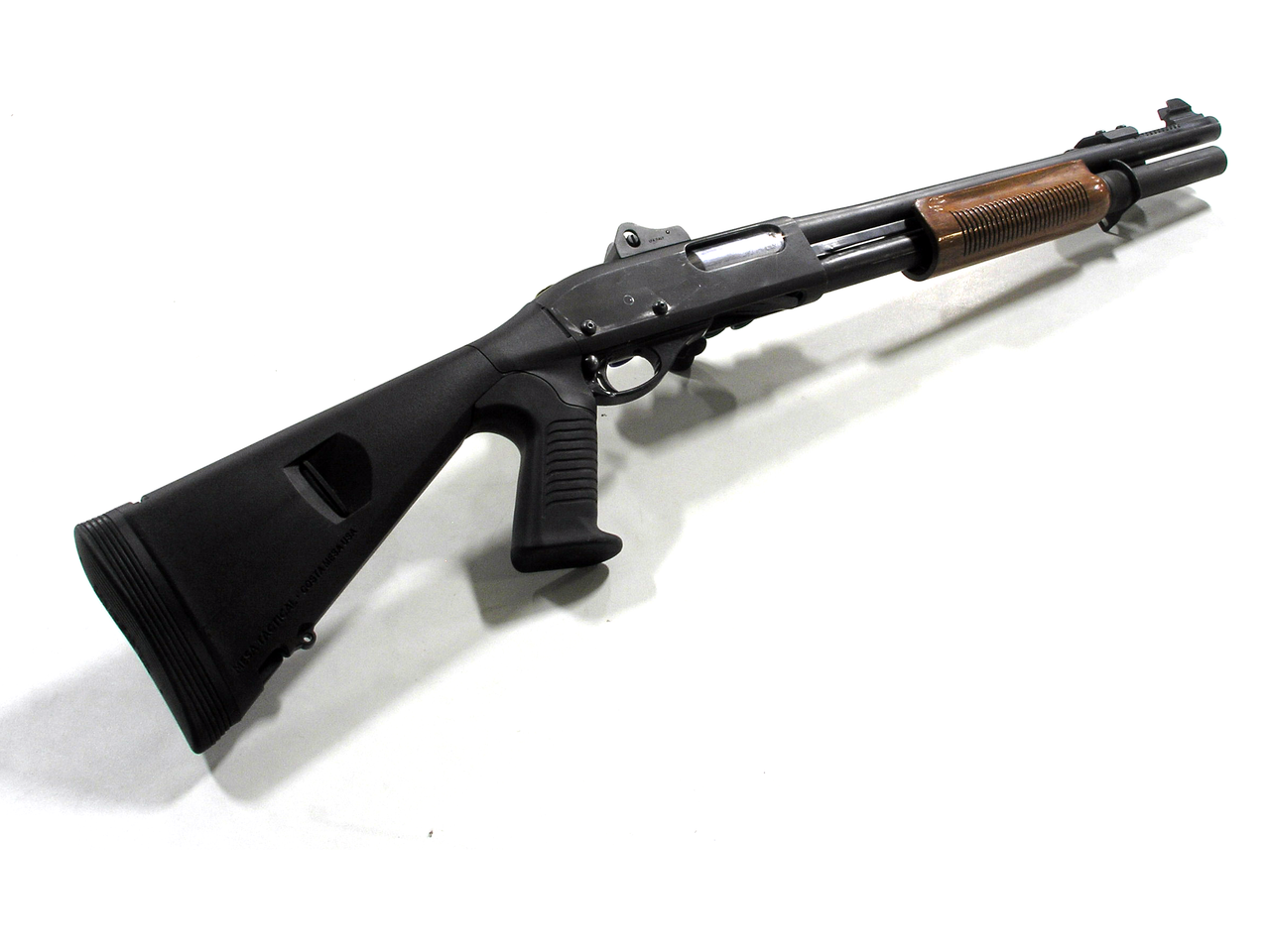
The shotgun that best matched that post-Miami requirement was the Remington 870. It was not new in 1986, and that was part of the appeal. By then, the 870 already had a long reputation in American policing for durability, simple manual operation, and broad parts availability. When agencies wanted a gun that armorers understood and officers could run under stress, the 870 was usually near the top of the list.
The FBI’s own firearms guidance from later Bureau manuals reflects how deeply the 870 was embedded. Bureau documents describe the FBI as equipped with Remington Model 870 12-gauge shotguns in multiple barrel lengths, a sign that this was not some niche specialty arm reserved only for tactical teams. It had become a standard organizational tool with defined ammunition and range guidance.
There was also a practical vehicle issue. Unmarked FBI cars do not lend themselves to visibly racked patrol shotguns the way marked police cruisers do. A compact pump gun that could ride discreetly in a trunk or case, then come out quickly, made more sense for federal agents doing surveillance, arrests, and rolling felony stops in plain clothes.
That combination of reliability, institutional familiarity, and low-profile carry is why the 870 mattered. It was not glamorous, and it did not need to be. It solved a problem Miami had exposed in the most painful way possible.
What happened in the gunfight itself

The Miami shootout is often remembered for debates over handguns and ammunition, especially the Bureau’s later move into ballistic research and eventually the 10mm and .40 S&W era. But the shotgun played a direct role in the fight itself, most famously in the hands of Special Agent Ed Mireles.
Despite suffering a shattered left forearm from rifle fire, Mireles advanced the fight with a Remington 870 and fired five rounds of 00 buckshot. Retellings of the incident, including FBI-related commemorations and local reporting, have long noted that he managed to keep fighting with devastating determination even after being badly wounded. His later transition to a revolver helped end the encounter, but the shotgun was central to his resistance at the critical moment.
At the same time, the larger lesson was less heroic and more systemic. Other long guns were present but were not all immediately accessible once the vehicle collision and chaotic movement began. That gap between possession and deployment became one of the most enduring tactical takeaways from Miami.
So when people say Miami changed FBI guns, they are right, but often incomplete. It changed the Bureau’s thinking about staging weapons, movement to contact, and getting a shoulder-fired gun into the fight early. The humble pump shotgun sat right in the middle of that lesson set.
Quiet standard issue versus flashy special weapon
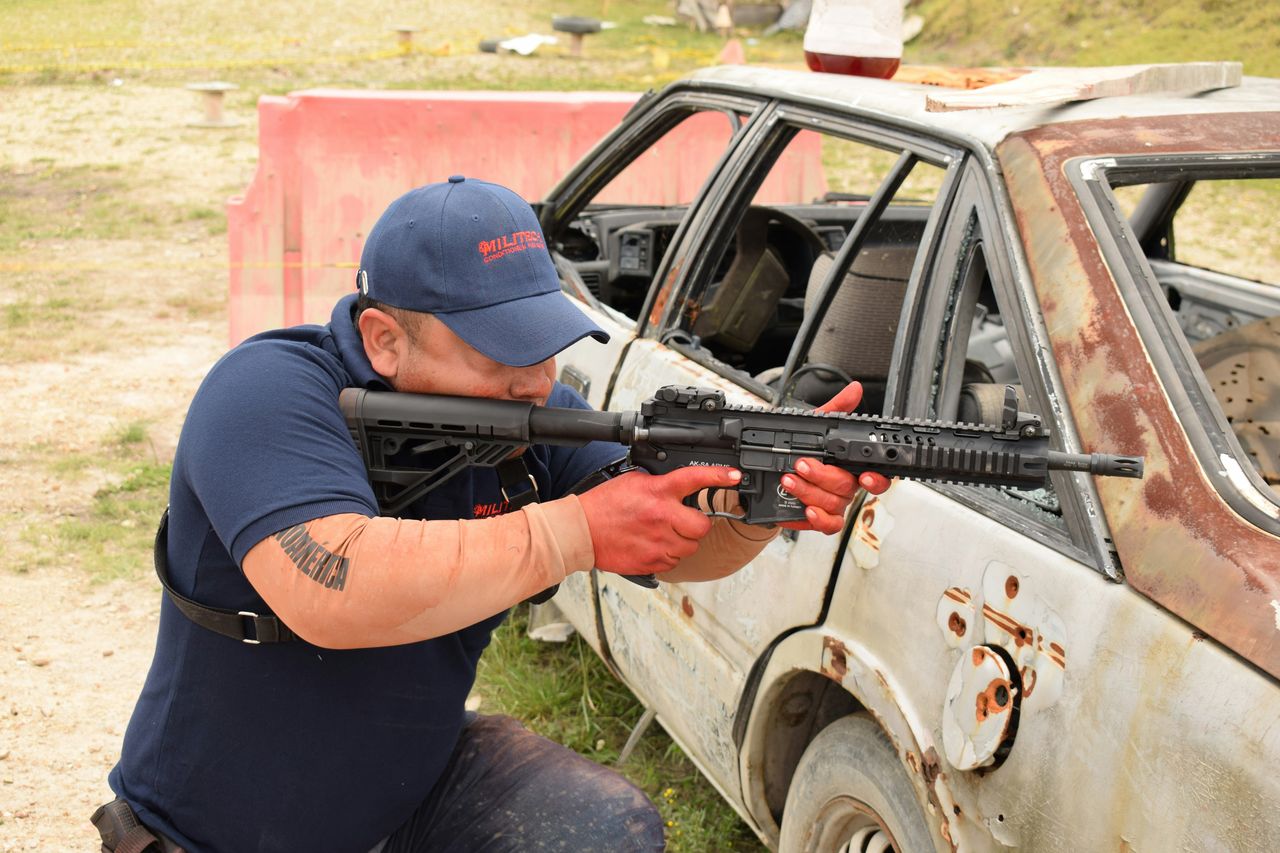
There is a difference between a gun being famous and a gun being standard. The MP5, for example, carried enormous tactical prestige in the late Cold War era, and rifles have always had a certain aura. But neither filled the exact same everyday field niche for a broad federal agency trying to arm large numbers of agents and offices with a practical long gun.
The 870 did. It was affordable by institutional standards, mechanically straightforward, and useful across multiple mission sets. It could serve for felony vehicle stops, warrant service, perimeter work, breaching in some configurations, and close-range fights where buckshot offered immediate effect. It also accepted slug loads when greater precision or barrier performance was needed.
That versatility is why the phrase standard issue matters here. The Bureau did not need every agent carrying a submachine gun. It needed many agents to have access to a proven long gun that did not demand elite-unit logistics or specialized handling at the same level. The 870 was the kind of weapon you could issue widely without turning every field office into a miniature special operations team.
In that sense, the shotgun’s rise after Miami was almost bureaucratic in the best way. It was the sensible institutional answer, not the cinematic one. The Bureau quietly standardized around what could actually be deployed, maintained, and trusted.
Why the shotgun worked for agents in plain clothes
Federal agents do not patrol in the same way municipal police officers do, and that shaped the Bureau’s choices. Much FBI work happens from unmarked vehicles, surveillance positions, office environments, and arrest teams moving in street clothes. In that world, a long gun has to be discreet before it ever needs to be decisive.
The 870 answered that they need better than the many alternatives of the era. A short-barreled police model was compact enough to live in a case, trunk, or vehicle mount without drawing obvious attention. It was also less politically and visually conspicuous than a rifle or submachine gun, especially in the late 1980s and 1990s, when image still mattered in how agencies equipped broadly distributed personnel.
Training also favored it. Pump shotguns are not foolproof, but their manual of arms is relatively direct, and generations of American law enforcement officers had already learned it. That meant the Bureau could push the gun across offices without inventing an entirely new support system from scratch.
The result was a weapon that fit the FBI’s culture as much as its tactical needs. It was not there to impress anyone. It was there so that an agent in an unmarked sedan would not be left wishing for more guns when the next stop went bad.
The shotgun’s limits and the rise of the patrol rifle
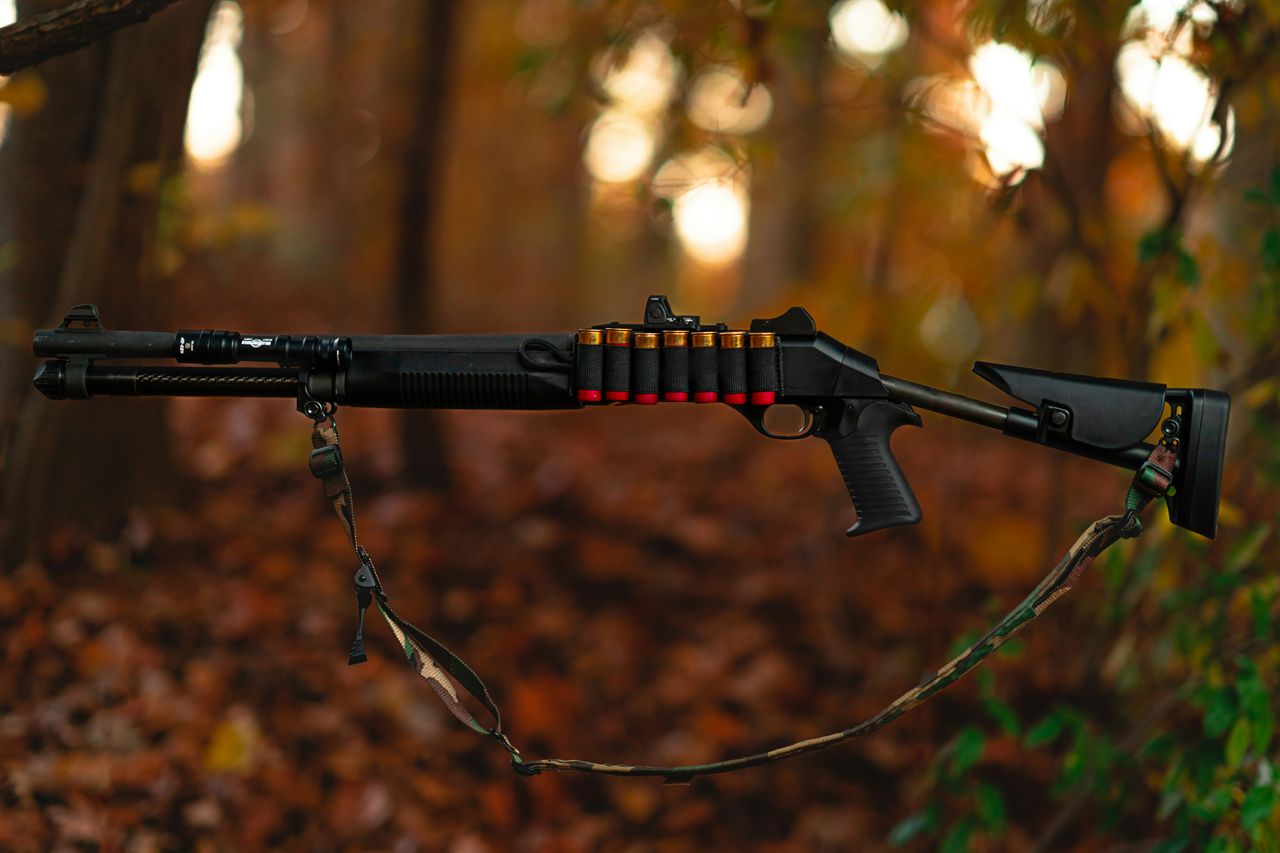
None of this means the shotgun was perfect. Recoil is stout, ammunition capacity is limited, and manual cycling under stress can go wrong. Slugs extend capability, but they also require more precise shot placement and more training. As threats evolved and rifles became more acceptable for general law enforcement use, the patrol carbine inevitably gained ground.
That shift happened across American policing, not just inside the FBI. Agencies increasingly recognized that a rifle offered better capacity, easier hit probability at distance, and superior performance against many forms of cover. The same post-Miami logic that had helped entrench the shotgun, namely the need for accessible long-gun firepower, eventually supported wider rifle adoption too.
Even so, the shotgun never became irrelevant. It retained niche strengths that rifles do not fully replace, especially with specialized loads and breaching roles. More importantly, it served as the bridge between the revolver-and-pistol era and the modern expectation that officers and agents should have immediate access to a more capable shoulder weapon.
So the 870s legacy is not that it won the future forever. It is that it carried the Bureau through a critical transition. After Miami, it was the practical standard before the carbine became the modern default.
Why this story still matters
The Remington 870’s post-Miami role matters because it reveals how institutions really change. Not through slogans, and not usually through one miracle technology. They change when a terrible event exposes a specific weakness, and leaders go looking for a tool that solves the weakness in the least complicated way possible.
According to FBI memorial accounts, Miami drove changes in armaments, body armor, training realism, and deployment thinking. The shotgun belongs in that list not as a side note, but as a quiet workhorse that answered the immediate question: what long gun can we put in agents’ hands, across the country, right now, that they can actually access and use?
For gun enthusiasts, that may sound almost boring compared with the mythology around elite carbines and submachine guns. But for the Bureau, boring was the point. Standard issue weapons are supposed to be dependable, supportable, and ready when the glamorous options are still in the trunk.
That is why the shotgun the FBI made standard after Miami deserves remembering. It was not the flashiest firearm of the era. It was the one that fit the lesson, and in the aftermath of April 11, 1986, that was what mattered most.