
The Ruger Mini-14 has always occupied an interesting place in American rifle history. Introduced in 1974, it offered a semiautomatic .223 Remington platform with a distinctly traditional appearance rather than the military-inspired look associated with the AR-15. Its Garand-influenced operating system, conventional stock and compact proportions helped establish the “Ranch Rifle” identity. Over the decades, Ruger continued developing the design, adding different barrels, finishes and configurations while retaining the basic character that made the Mini-14 recognizable.
1. It Arrived Before the AR-15 Boom
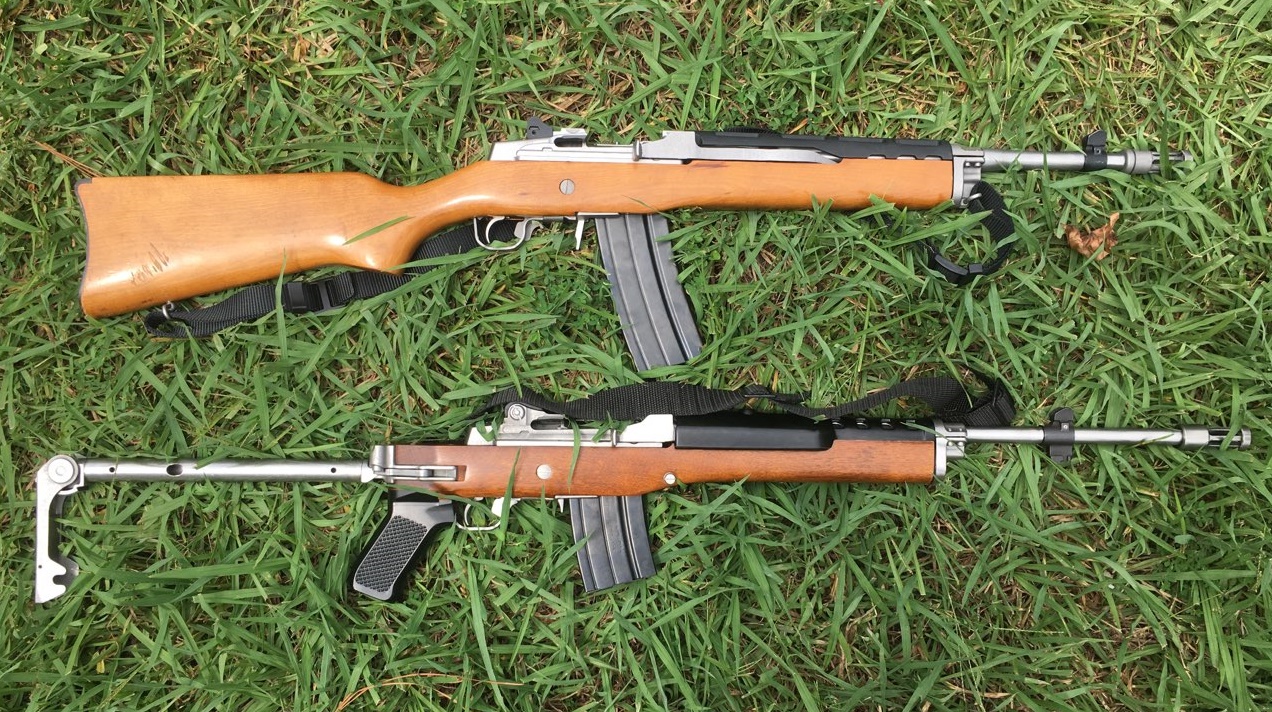
The Mini-14 entered the market in 1974, giving Ruger a semiautomatic .223 Remington rifle at a time when the AR-15 had not yet become the overwhelmingly familiar platform it is today. Ruger based the Mini-14’s action on the general principles of the M1 Garand, but scaled the concept around the smaller cartridge. Its conventional stock and rounded receiver gave it the appearance of a traditional sporting rifle. That visual distinction became important because the Mini-14 could blend into a hunting, ranch or utility setting without looking like a military-style rifle.
2. The Garand Influence Gave It a Distinct Personality
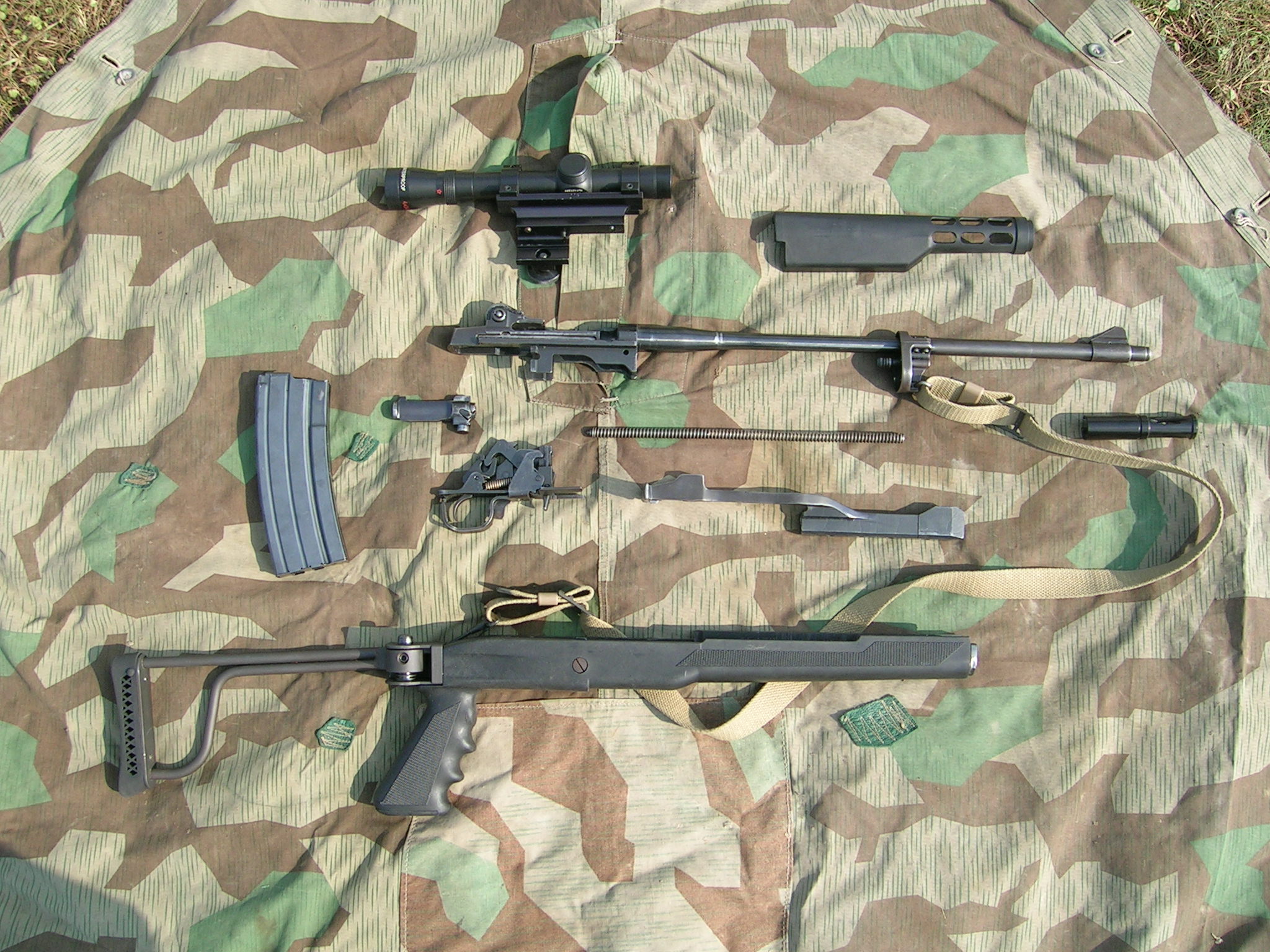
One of the Mini-14’s defining characteristics is its Garand-style action. Ruger describes the current design as using a breech-bolt locking system, fixed-piston gas operation and a self-cleaning moving gas cylinder. That approach differs significantly from the direct-gas operating arrangement associated with the AR-15 family. The result is a rifle with its own mechanical identity rather than simply being another AR alternative. Ruger’s emphasis on rugged construction and reliability also helped shape the Mini-14’s reputation. For many owners, that familiar mechanical lineage is part of the rifle’s appeal.
3. Its Traditional Appearance Was a Major Selling Point
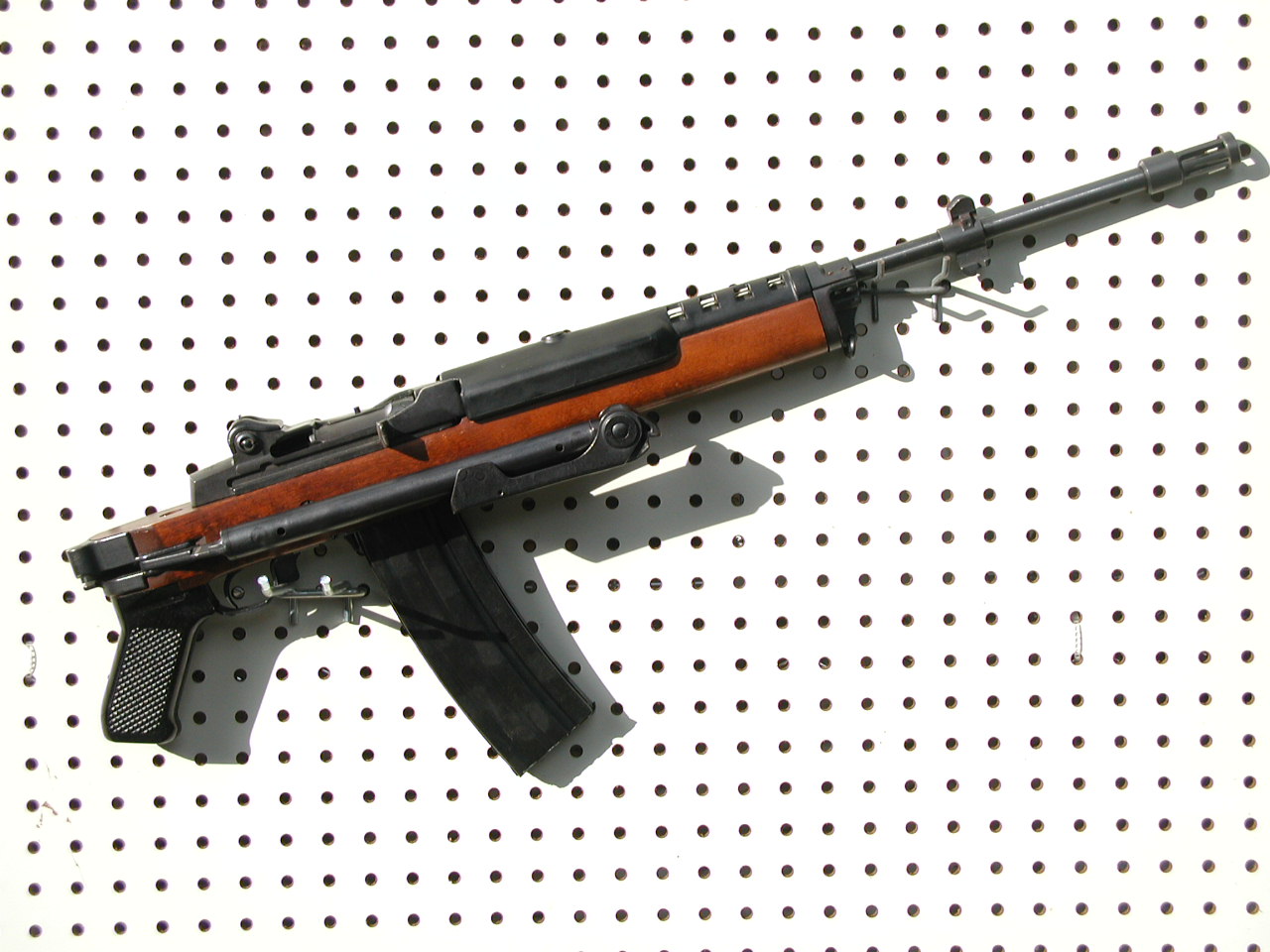
The Mini-14 never depended on an aggressive military appearance to attract attention. Its classic versions used a conventional rifle stock and relatively streamlined receiver, helping it resemble other sporting firearms. That appearance became especially useful for people who wanted a semiautomatic rifle without the visual language of an AR-15. Ruger itself notes that the Mini-14 became popular around woods, farms and ranches, eventually earning the “Ranch Rifle” nickname. The design therefore succeeded partly because it looked familiar. Its understated appearance was not an accident; it became one of the characteristics that separated the Mini-14 from more tactical-looking competitors.
4. Ruger Built It Around the .223 Remington
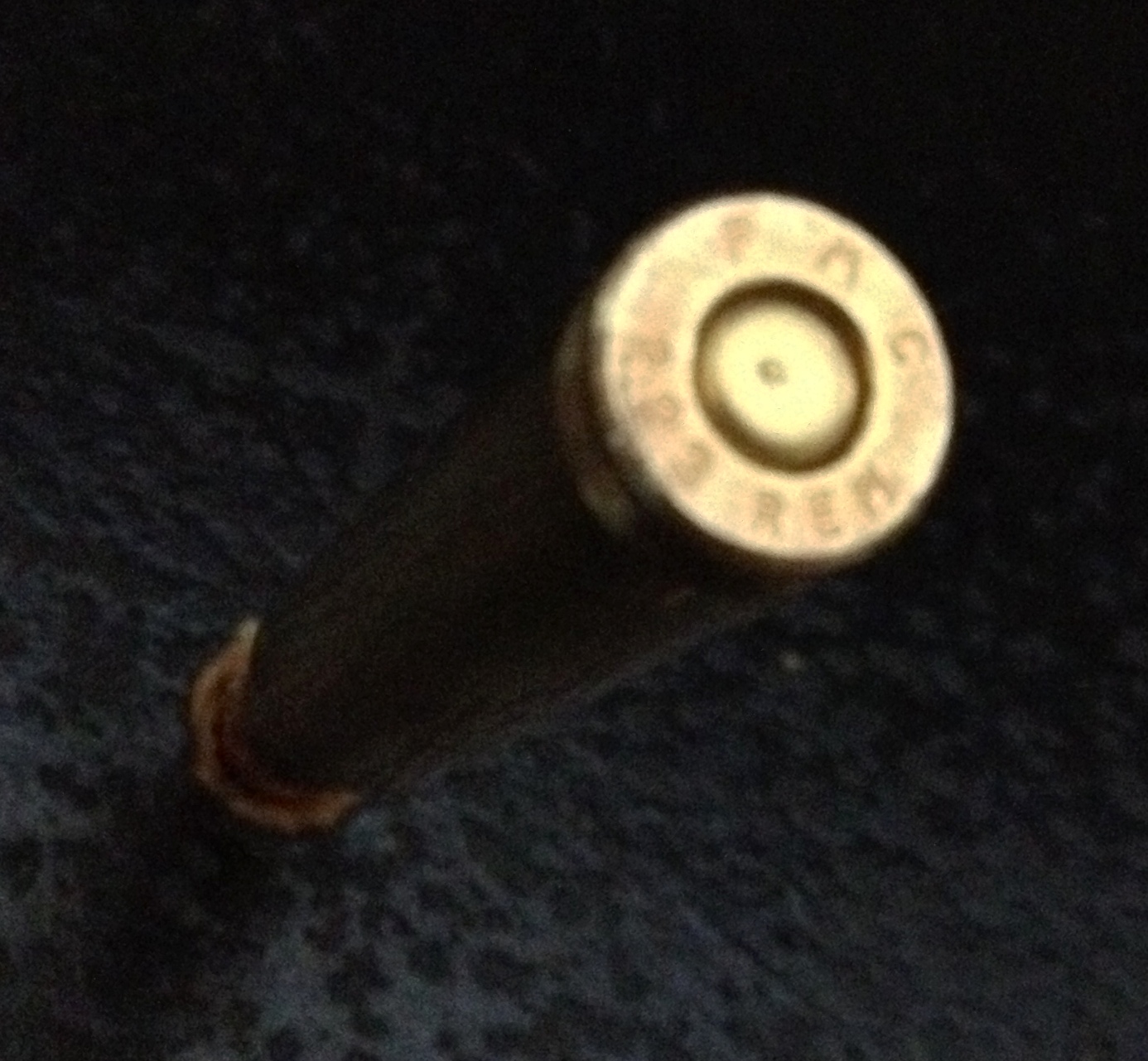
The Mini-14’s original identity was closely tied to the .223 Remington cartridge, giving it a lightweight centerfire round suited to a broad range of sporting and utility applications. Ruger’s later lineup expanded considerably, but the .223 version remained central to the model’s history. The cartridge also placed the Mini-14 in the same general ammunition category as the AR-15, creating an obvious comparison between the two rifles. Yet the surrounding designs were dramatically different. One emphasized the AR’s modular military-derived architecture, while the other retained a conventional rifle layout and Ruger’s distinctive piston-driven operating system.
5. It Was Compact Without Looking Tactical
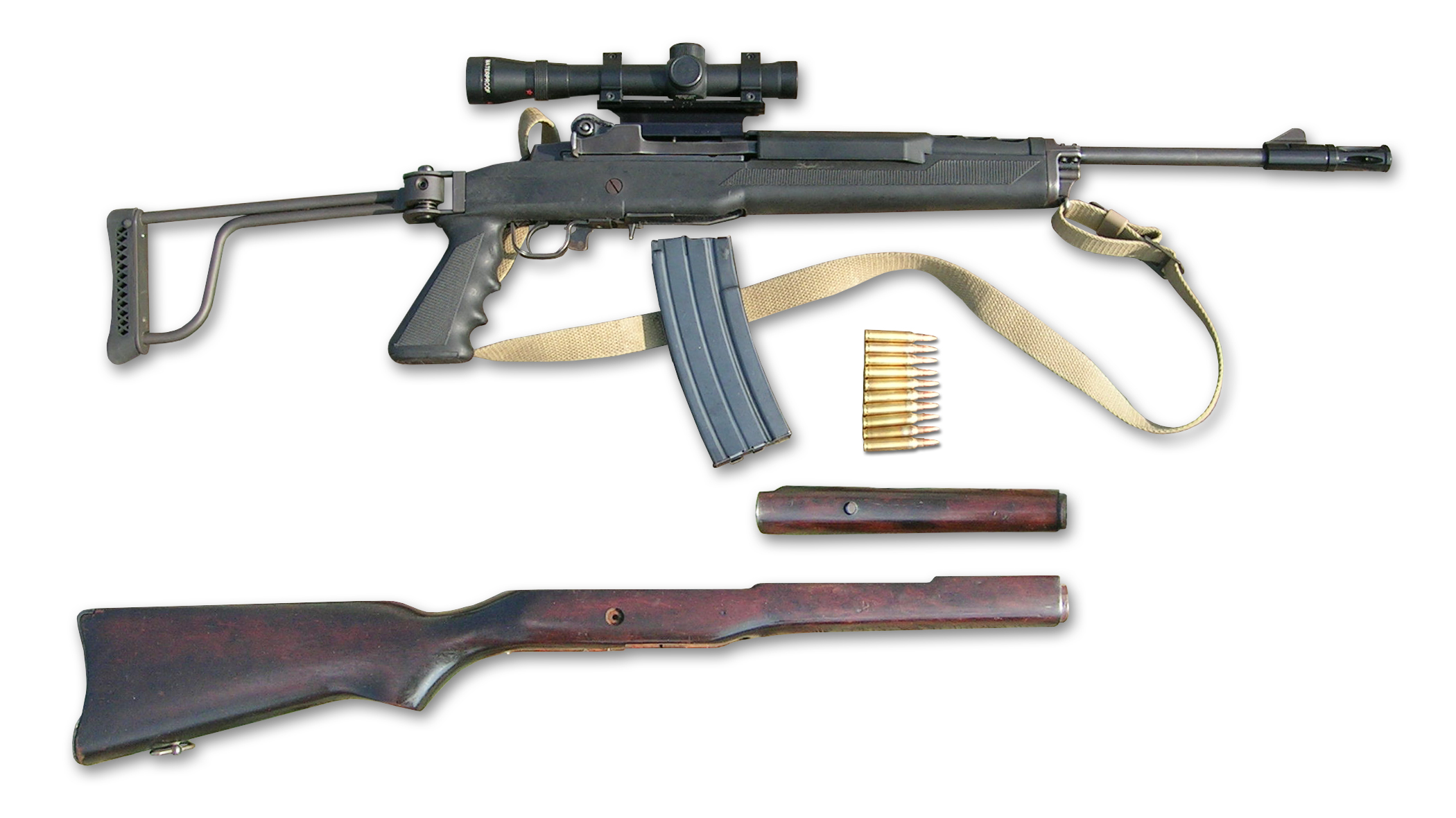
The Mini-14’s proportions contributed heavily to its reputation as a practical everyday rifle. One later Tactical configuration, for example, used a 16.1-inch barrel and weighed approximately 6.75 pounds, demonstrating how compact the platform could become without abandoning its basic architecture. Earlier configurations used longer barrels and traditional stocks. This variety allowed Ruger to offer substantially different versions while preserving the Mini-14 identity. The important distinction was that compact dimensions did not require the rifle to adopt the highly modular appearance associated with an AR-15. Ruger could change the configuration while keeping the basic rifle familiar.
6. Ruger Improved Its Accuracy Over Time

Early Mini-14 rifles developed a reputation for practical accuracy rather than match-grade precision, particularly as their lightweight barrels became hot during extended firing. Ruger eventually responded with heavier-barreled variants aimed at shooters demanding greater consistency. Its 2006 Target Model, for example, used a hammer-forged heavy barrel and an adjustable harmonic dampener, with Ruger reporting that one-inch groups at 100 yards could be achieved with suitable ammunition. Modern Mini-14 models also use cold hammer-forged barrels, which Ruger says provide precise rifling and long service life. The evolution shows that the platform was not frozen in its original form.
7. It Developed Into More Than One Rifle
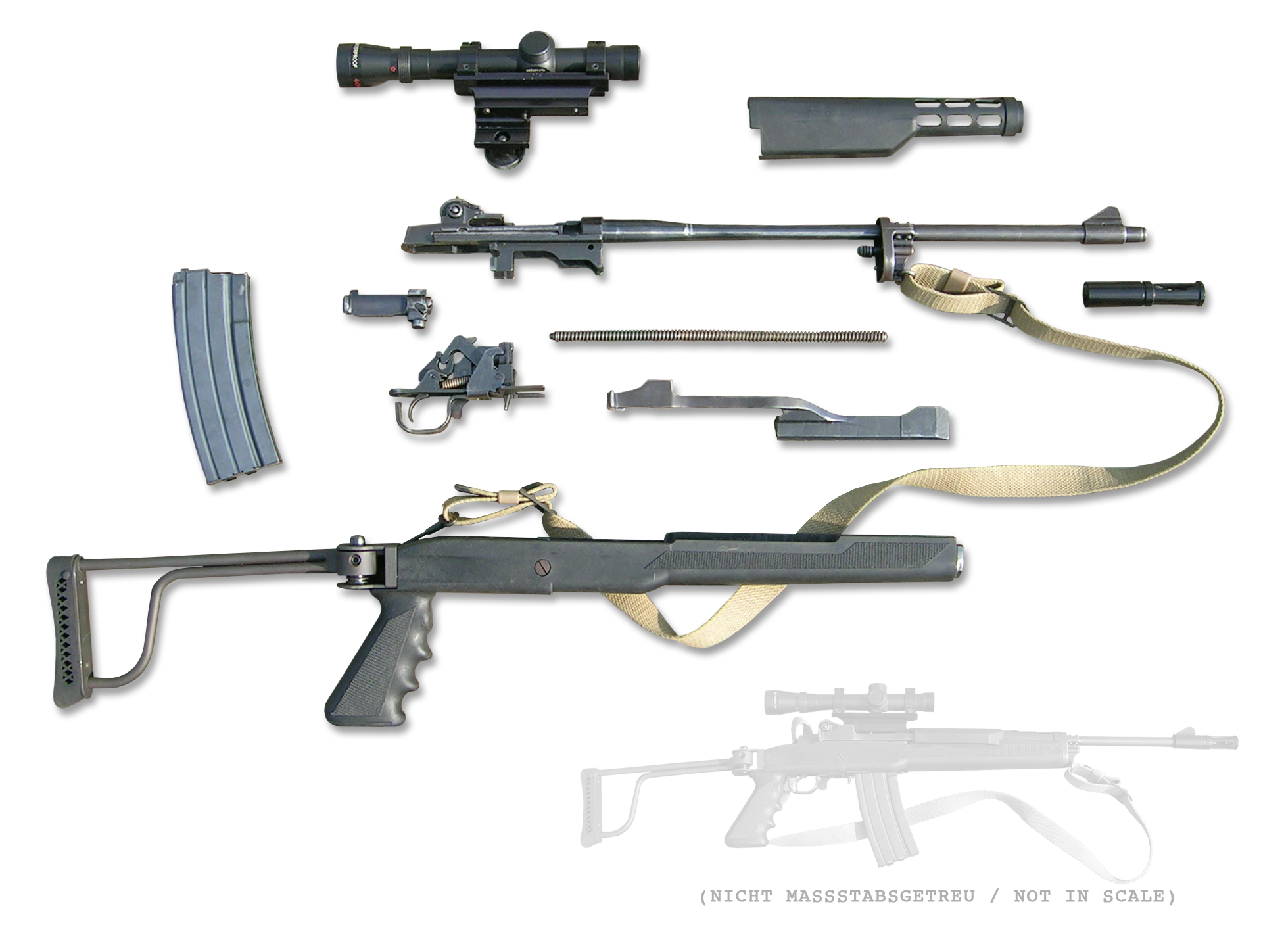
Calling the Mini-14 a single configuration misses how much the family evolved. Ruger produced Ranch, Tactical and Target versions, along with different finishes, stocks and chamberings. In 2015, the company introduced a Mini-14 Tactical chambered in .300 AAC Blackout, using a 16.1-inch barrel and supplying two 20-round magazines. Other versions incorporated synthetic furniture, flash suppressors and modern sighting options. That evolution allowed the basic action to remain recognizable while serving very different purposes. It also demonstrated that the Mini-14 could adapt to changing tastes without simply becoming an AR-15 clone.
8. Its Biggest Strength Was Being Different
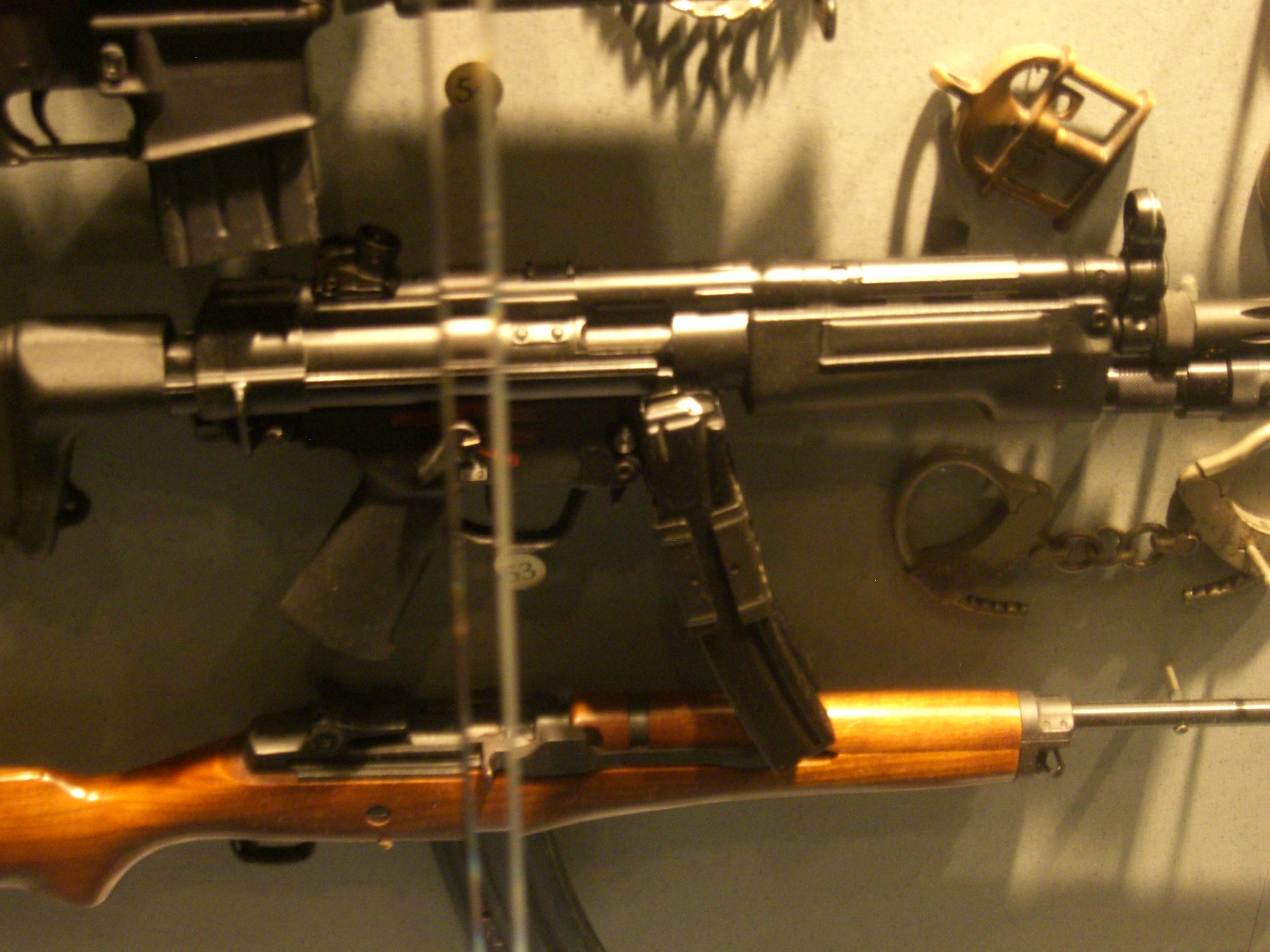
The Mini-14’s enduring appeal comes from the fact that it never needed to imitate the AR-15 completely. It offered a different combination of traditional styling, Garand-inspired mechanics and semiautomatic operation. Ruger says the current rifle incorporates integral scope mounts, a ghost-ring rear sight, a protected front sight and a receiver drilled and tapped for a Picatinny rail. That gives modern versions useful accessory flexibility while retaining the platform’s familiar character. After more than 50 years since its 1974 introduction, the Mini-14 remains recognizable because it occupies its own niche: a modern semiautomatic rifle with a distinctly traditional personality