The Beretta M9 became one of the most recognizable American military handguns of the late 20th century, but its arrival ended an era. After decades with the .45-caliber 1911A1, the U.S. military moved to a 9mm Beretta design in the 1980s. The decision brought greater ammunition capacity, NATO compatibility, and a different operating system. Yet the M9 eventually developed its own controversies and, after roughly three decades, was replaced by the M17 and M18. The story is less about regret than it is about how military priorities keep changing.
1. It Replaced a Legendary .45
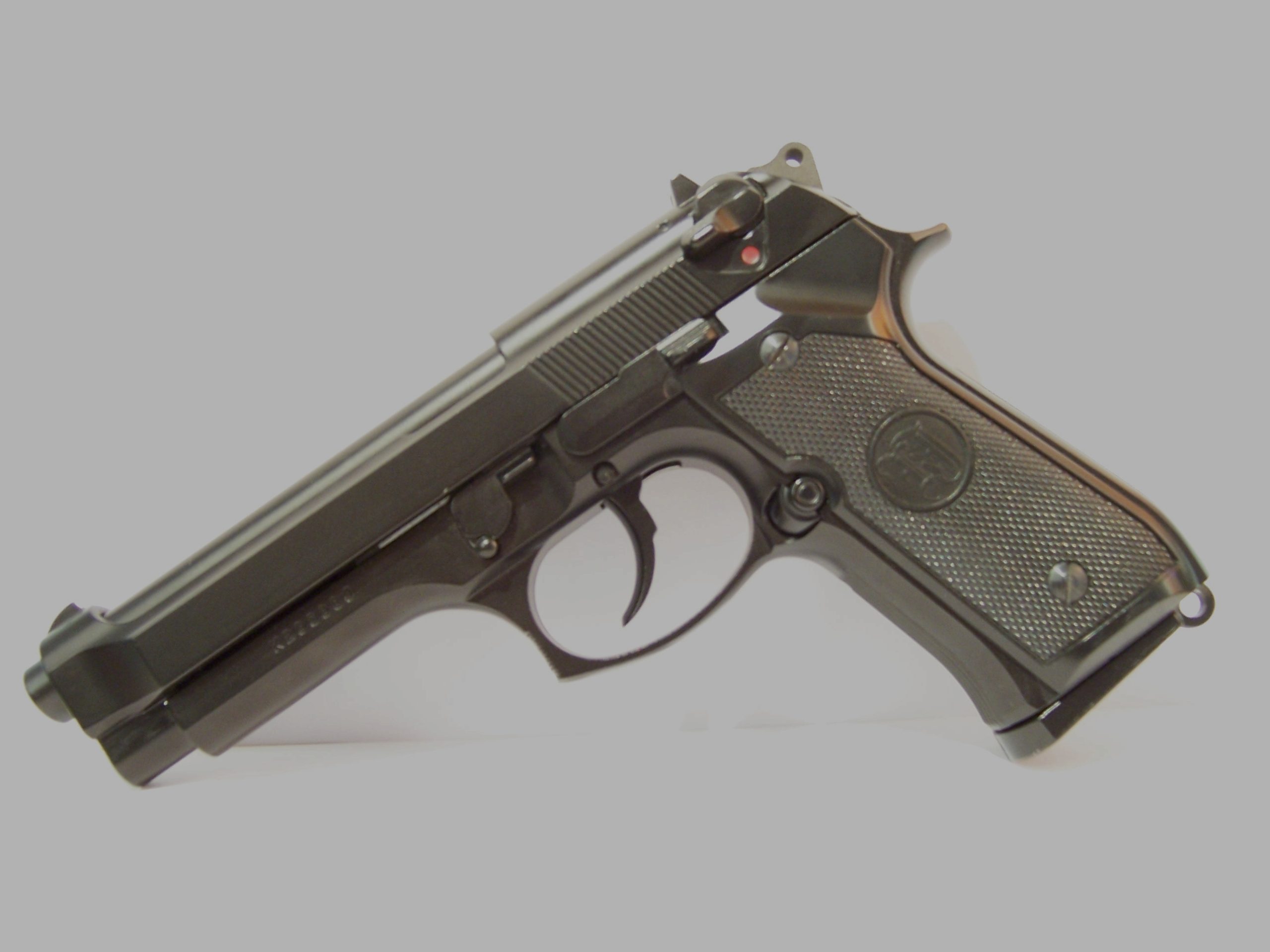
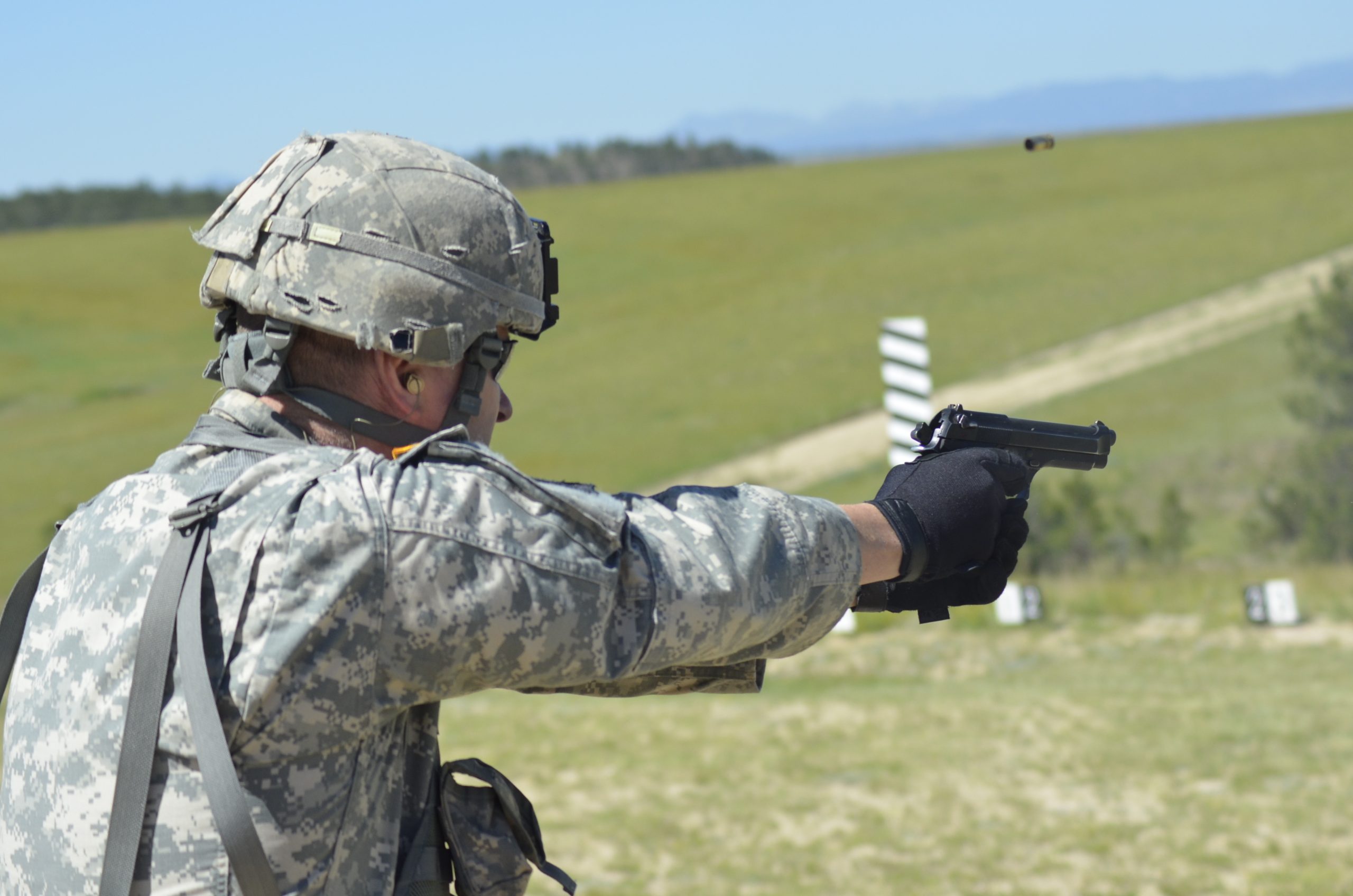
The M9 did not replace the 1911 because the Army suddenly disliked the older pistol. The change came from a broader joint-service effort to standardize on a 9mm handgun and common NATO ammunition. In 1985, the Beretta design won the competition after 8 pistols were evaluated, and the Army later adopted the M9 as its standard sidearm. The M9 offered a 15-round magazine, compared with the 1911A1’s 7-round magazine, plus a double-action system. That was a major logistical and training shift, even though many troops remained attached to the familiar .45. The change was therefore institutional rather than a verdict against the 1911. That broader requirement shaped the outcome.
2. Its Size Felt Different From the 1911
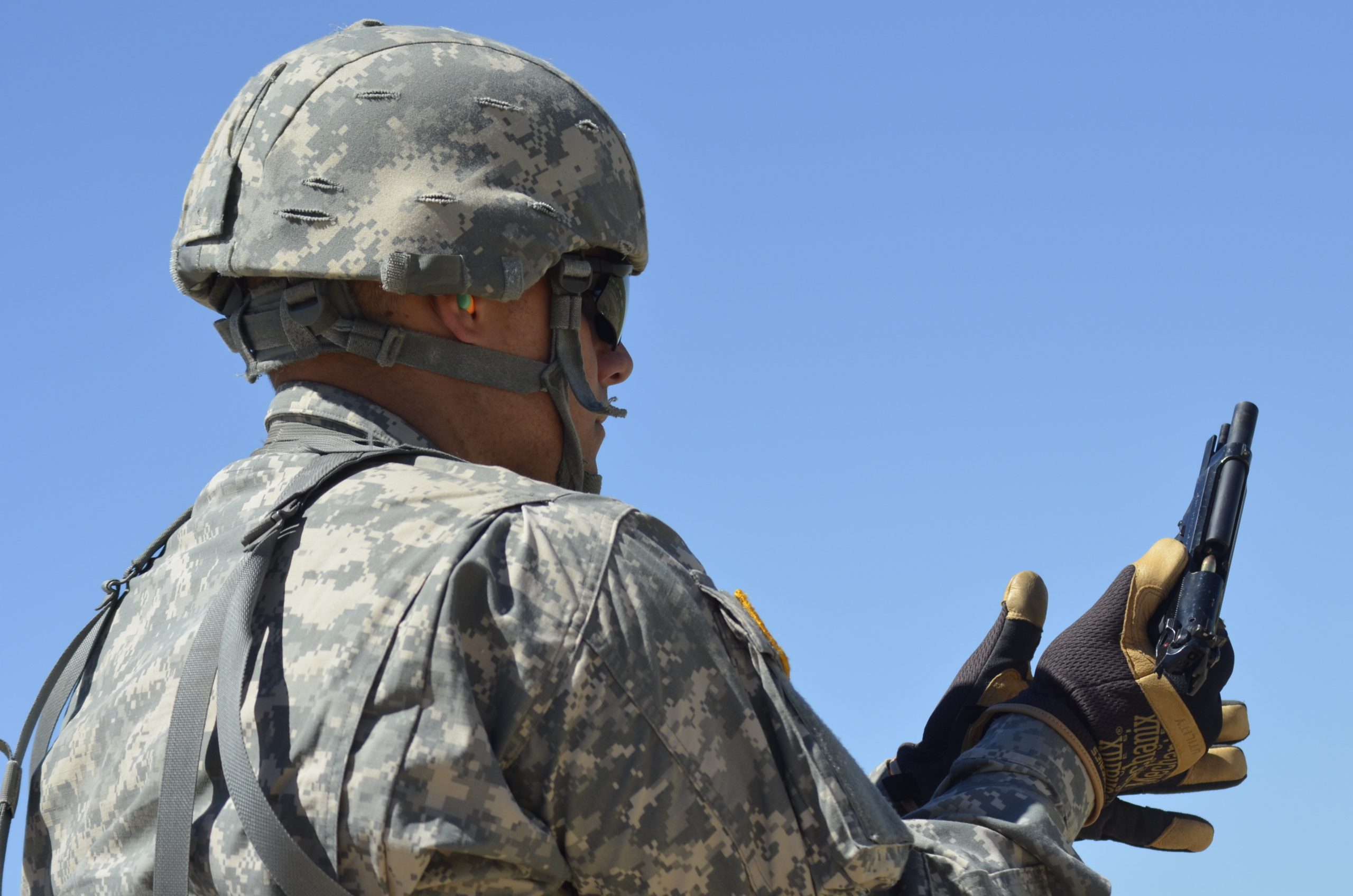
One reason the M9 could feel less satisfying to 1911 devotees was its size. The Beretta used a large aluminum-frame design with a broad grip, while the single-stack 1911 had a slimmer profile. The Army’s own 1985 description listed the M9 at 33.8 ounces empty and 40.9 ounces loaded with 115-grain ammunition. Its 15-round magazine added capacity, but the larger package changed how the pistol sat in the hand. For shooters accustomed to the 1911’s straight-back trigger and narrow grip, the Beretta’s double-action first pull and wider frame required a different shooting rhythm. That difference was noticeable during long carry periods and routine qualification, not just on paper.
3. Its Trigger System Changed the Training
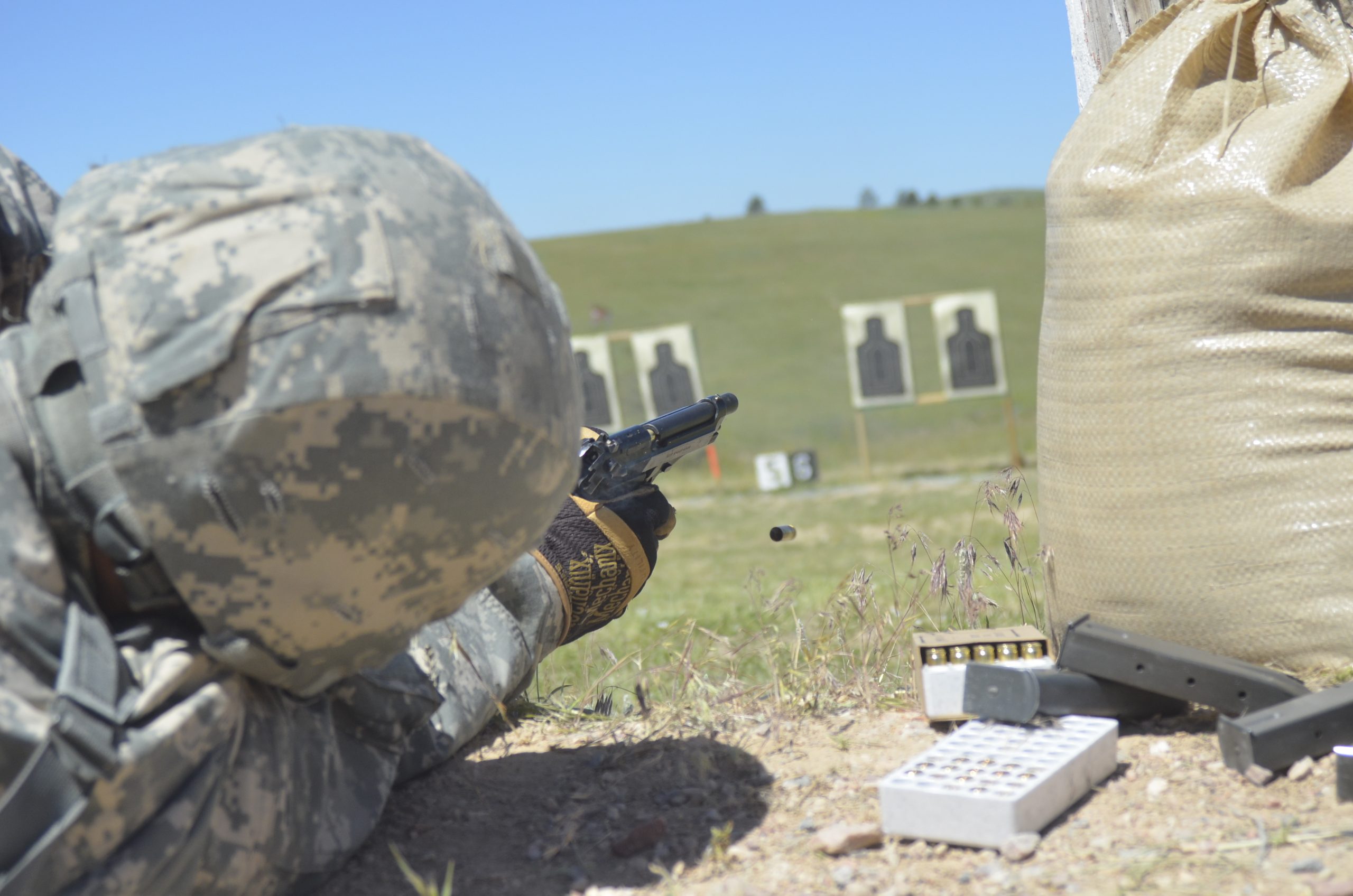
The M9’s double-action/single-action system was another sharp departure from the 1911. A first shot could be fired with the hammer down through a longer double-action trigger pull, while subsequent shots used the lighter single-action pull. The pistol also incorporated a slide-mounted safety and decocking mechanism. That arrangement gave the service a different manual of arms from the 1911, whose traditional single-action design had a thumb safety and exposed hammer. Neither system made one pistol universally better. For an institution training thousands of personnel, consistency mattered as much as the hardware. Soldiers trained on one system had to build new habits for the other.
4. The 15-Round Magazine Was a Major Change
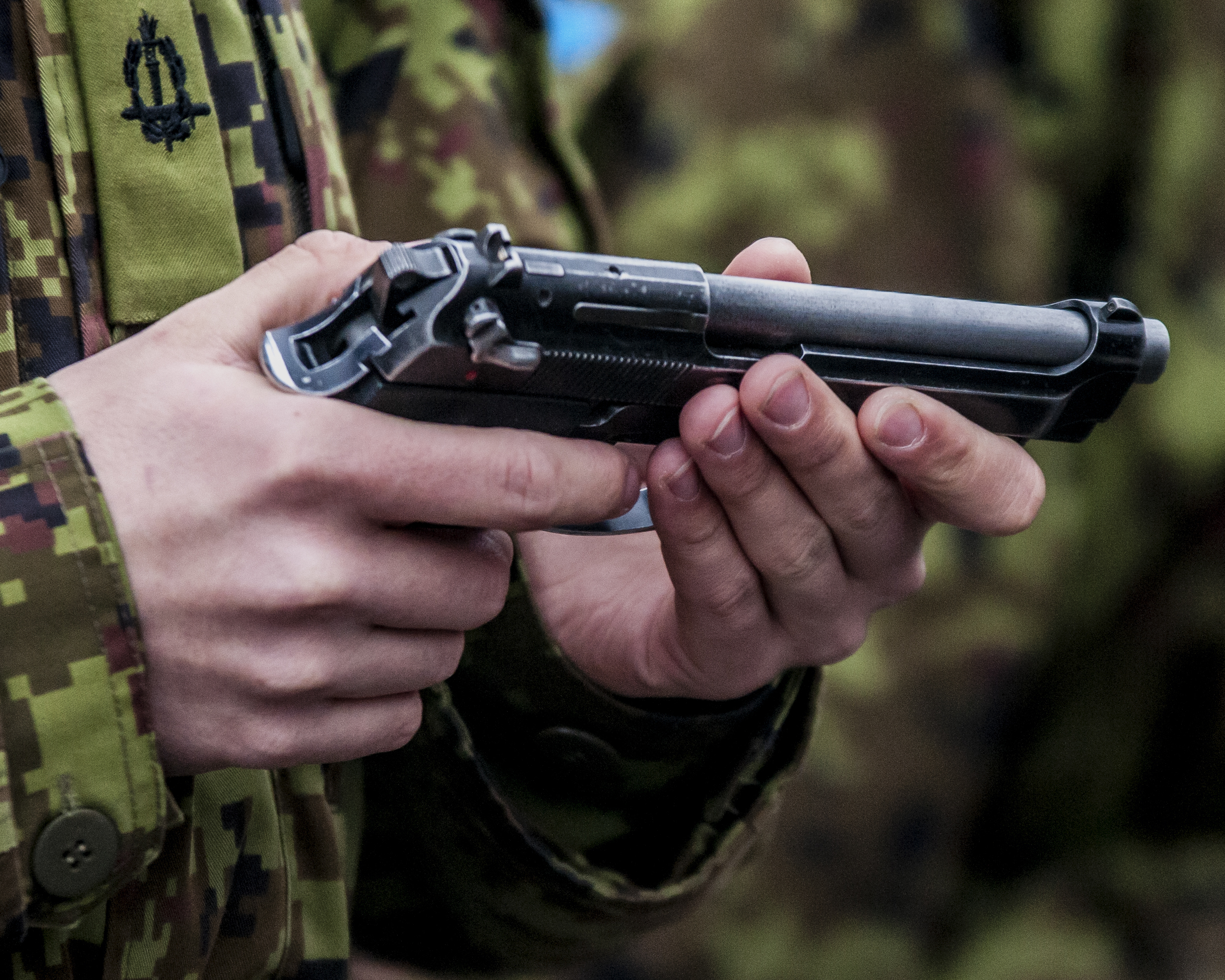
Capacity was one of the M9’s clearest advantages on paper. Its standard magazine held 15 rounds, more than twice the 1911A1’s 7-round magazine. That difference mattered to a military trying to standardize equipment and reduce the limitations of older stocks. The M9 also fired 9mm NATO ammunition, aligning the U.S. with an established alliance cartridge standard. The Army described the pistol as a joint-service weapon intended for personnel without rifles and for specialized defensive roles. So the decision was about logistics and interoperability as much as individual shooting preference. It also supported ammunition commonality with NATO allies.
5. The M9 Had Its Own Controversies
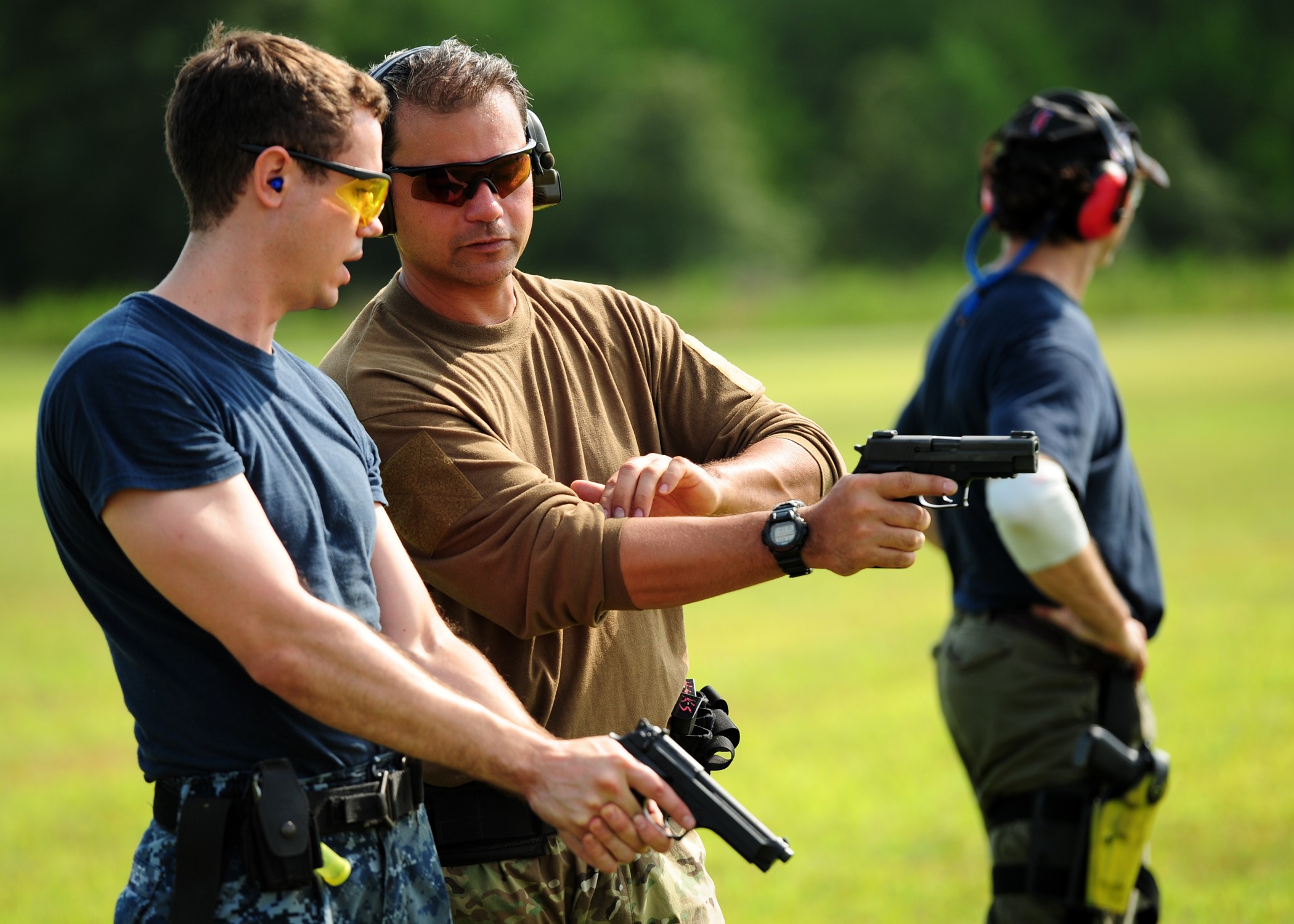
The M9 also carried baggage that shaped its reputation. During the 1980s, concerns emerged over slide failures in Beretta pistols, including incidents that prompted Army and Government Accounting Office scrutiny. The service responded with engineering and procurement changes, including modifications associated with the later M9 configuration. These episodes became part of the pistol’s public image even though the Army continued fielding it for decades. It is therefore misleading to reduce the M9 story to either “perfect replacement” or “complete failure.” Its service history included genuine durability concerns, corrective action and a very long operational life.
6. Time Eventually Became Its Biggest Enemy
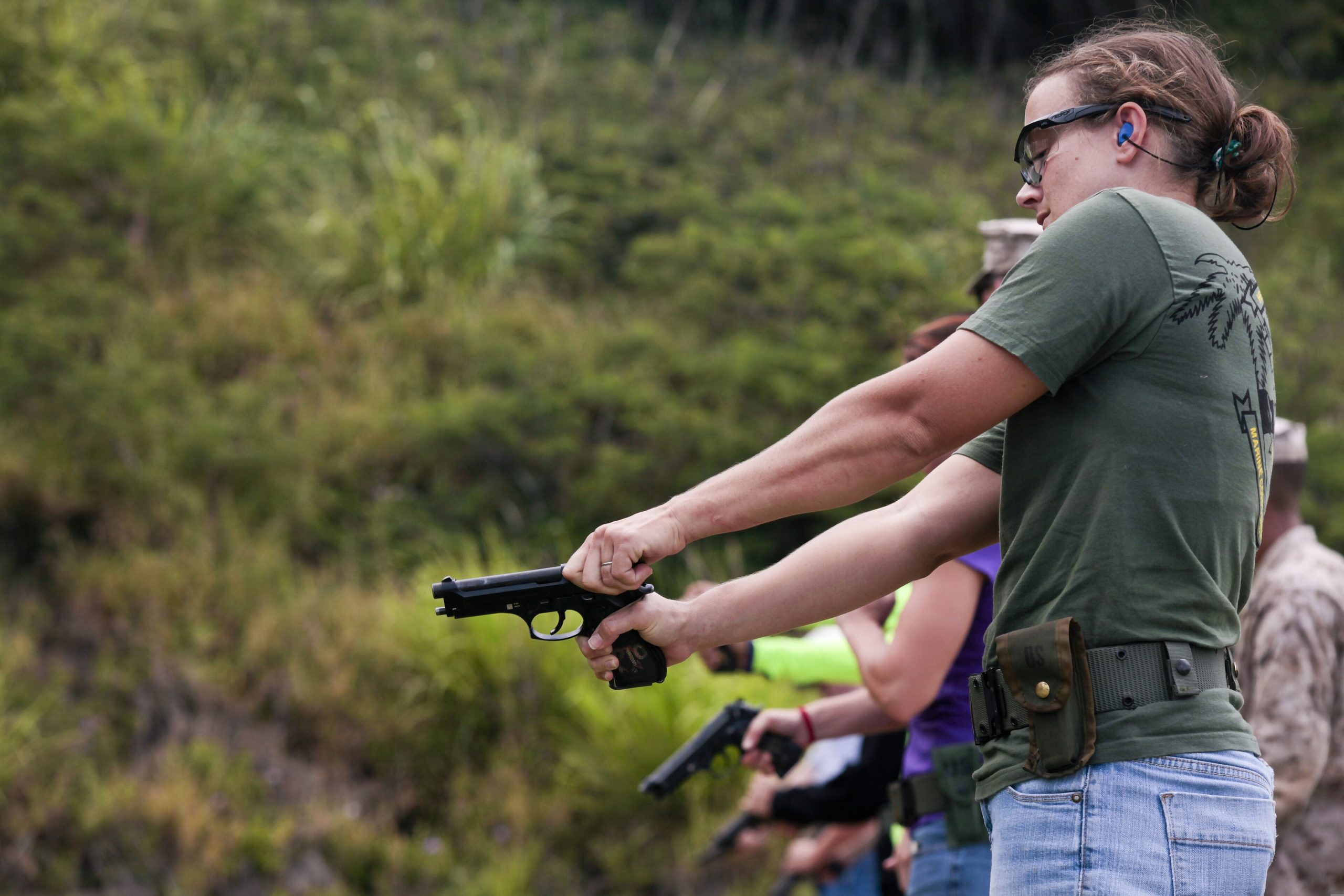
By the 2000s, the biggest complaint was increasingly that the M9 belonged to an earlier technological era. Its basic design dated to the 1970s, while modern military handguns were becoming lighter, more modular and easier to configure for different users. The M9’s metal frame, fixed configuration and limited accessory provisions contrasted with newer designs. In 2015, the Army began moving toward a new Modular Handgun System, seeking improved ergonomics, accuracy and flexibility. Modernization priorities had moved beyond the assumptions that shaped its adoption. The M9 remained useful, but its long service life increasingly made replacement a practical necessity.
7. The Army Did Not Actually Reverse Its 1911 Decision
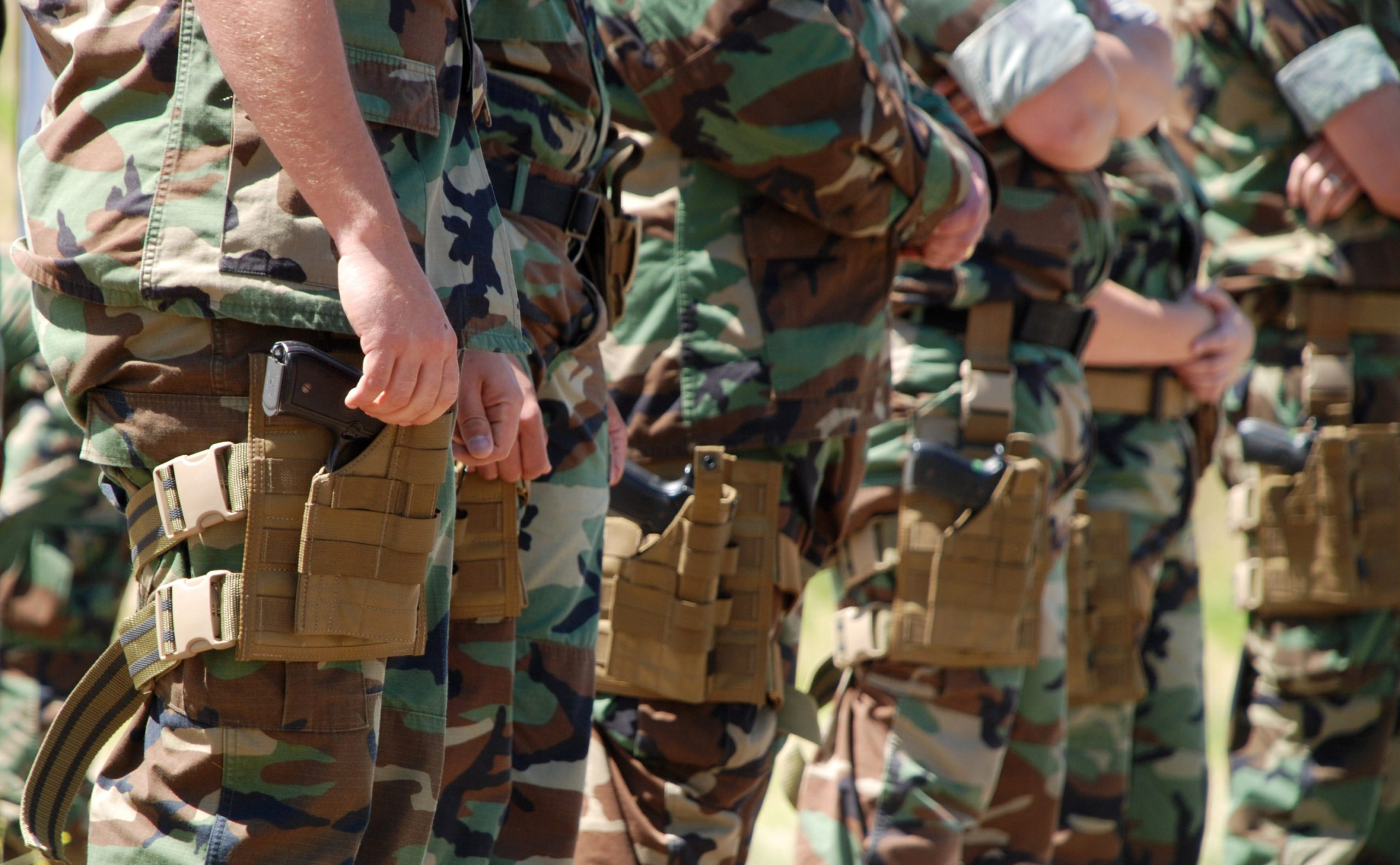
The replacement process also shows why saying the Army “regretted dropping the 1911” is too strong. The Army did not officially reverse its decision or declare the M9 a mistake because it abandoned the .45. Instead, the service eventually concluded that the M9 was aging and needed modernization. In 2017, the M17 and M18 began replacing the M9, with the M17 serving as the full-size model and the M18 as the compact version. The new system retained 9mm chambering while adding a polymer grip module, modern controls and greater magazine capacity. In other words, the M9’s retirement was primarily an upgrade story, not an official admission that choosing it over the 1911 had been wrong.