Military history is full of weapons that never became famous for the right reasons. Some were rushed into service, others were inherited from former enemies, and a few remained in arsenals long after better designs had appeared. The phrase “embarrassed to admit” is deliberately dramatic; in many cases, these countries simply had practical reasons for using or storing unusual firearms. The StG 44 is a particularly fascinating example because its postwar journey reached far beyond Germany.
1. France Used a Defeated Enemy’s Rifle
The French military’s use of the StG 44 after World War II sounds strange today, but it had a practical explanation. Captured German rifles were available, and some found their way into French service during the Indochina conflict. The weapon fired the 7.92×33mm Kurz cartridge and offered selective fire, making it an unusual bridge between older battle rifles and later assault rifles. France was already moving toward other standardized weapons, so the German design was never a defining national arm. Its appearance was instead a reminder of how postwar armies sometimes relied on whatever workable equipment was already in reach. The 1944 date makes its later use even more striking.
2. Argentina Experimented With the German Pattern
Argentina’s connection with the StG 44 was especially awkward because it did more than simply inherit surplus rifles. Argentine designers produced three trial examples based on the German pattern, while roughly 100 StG 44 rifles were reportedly obtained from Czechoslovakia in 1949. Yet the country ultimately chose the FN FAL in 1955. That decision reflected a major change in military thinking: the 7.62×51mm NATO cartridge offered greater standardization and power than the Kurz round. The episode is fascinating because Argentina briefly explored a weapon concept that had already become controversial through its wartime German origins. The 1955 decision ended that unusual experiment.
3. Egypt Stored Rifles It Never Truly Adopted
Egypt also ended up with a small number of StG 44 rifles, but this case needs an important qualification. Sources report that Egypt received some through Czechoslovakia around the period of the Six-Day War, yet the rifles were kept in storage rather than becoming a normal frontline arm. That distinction matters because photographs or inventories can make possession look like widespread military service. Egypt’s experience illustrates how surplus weapons could travel across borders long after their original armies disappeared, while never becoming an important part of the receiving country’s standard equipment. The storage detail matters when judging its real role.
4. Yugoslavia Kept the Old Rifle Alive
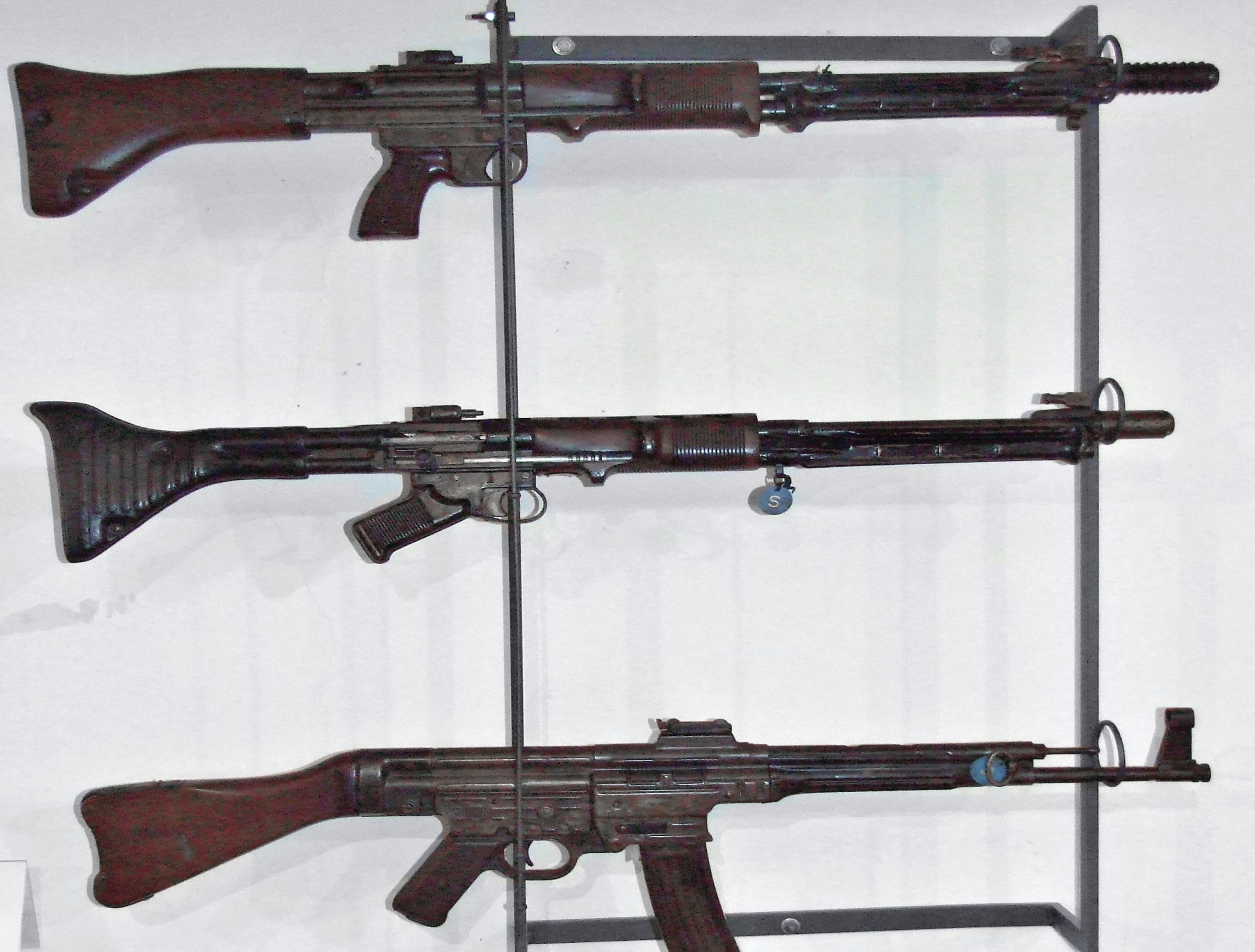
Yugoslavia’s story is one of the most surprising because its relationship with the StG 44 lasted for decades after Germany’s defeat. Yugoslav forces used the rifle in some formations, with the 63rd Parachute Battalion among the units associated with it, and examples remained in service into the 1980s. By then, the StG 44 was an aging World War II design while newer Yugoslav and Soviet-pattern rifles dominated. Some rifles were subsequently moved into Territorial Defense reserves or transferred abroad. Its longevity shows how military usefulness can outlive a weapon’s reputation. Few service rifles survive such a long institutional afterlife in later decades.
5. Syria Rediscovered a Rifle From 1944
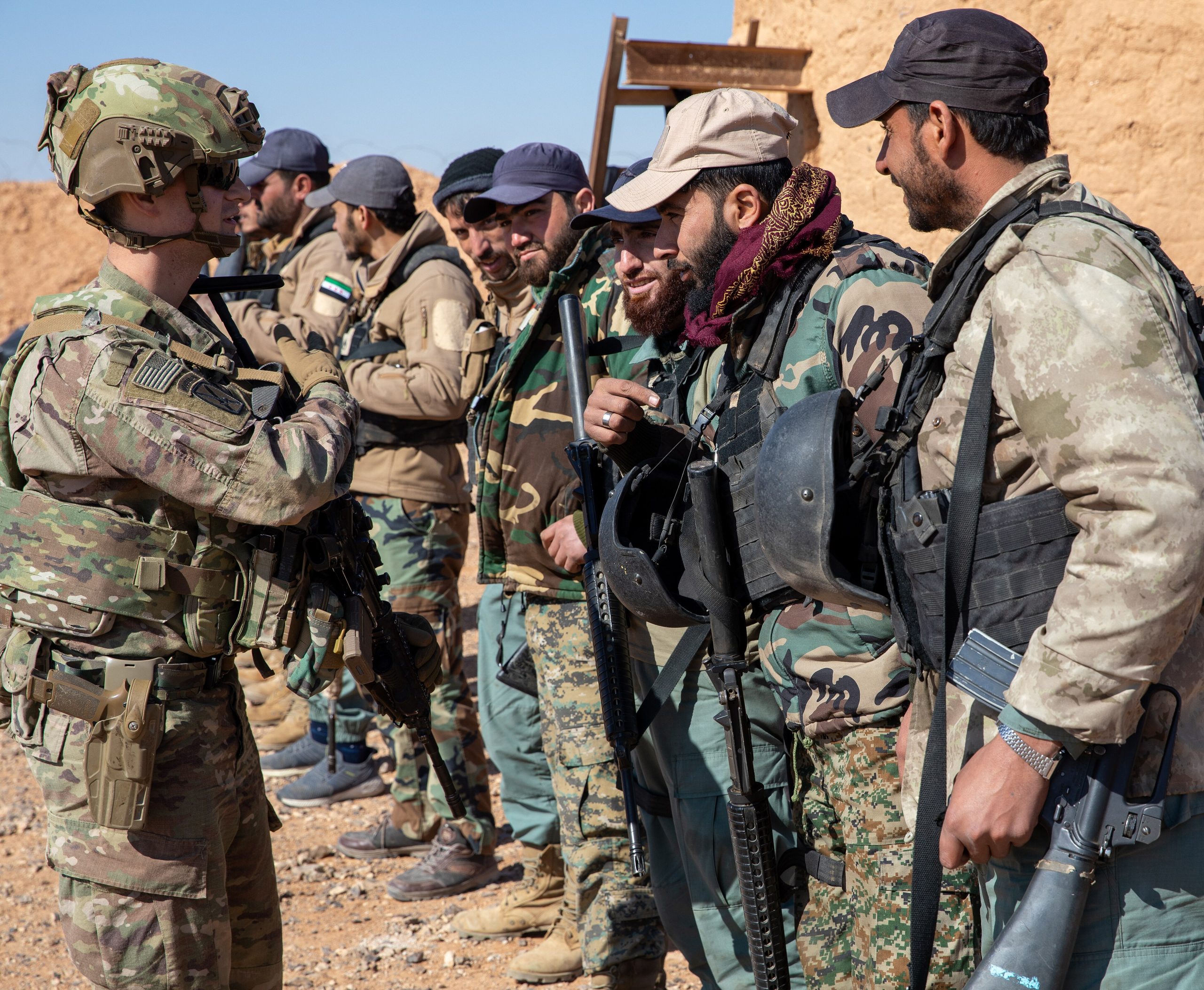
Syria inherited another remarkable chapter of the StG 44’s afterlife. East Germany supplied StG 44 rifles to the Syrian Arab Army in the early 1960s, when the design was already nearly two decades old. Large numbers were then stored for years rather than treated as cutting-edge infantry equipment. During the Syrian civil war, beginning in 2011, old stocks resurfaced, and some reached armed groups. Images of these rifles became striking evidence of how Cold War weapons inventories could preserve technology from an entirely different era, sometimes for generations. That long storage period made its later reappearance remarkable in later decades.
6. East Germany Produced Its Own Version
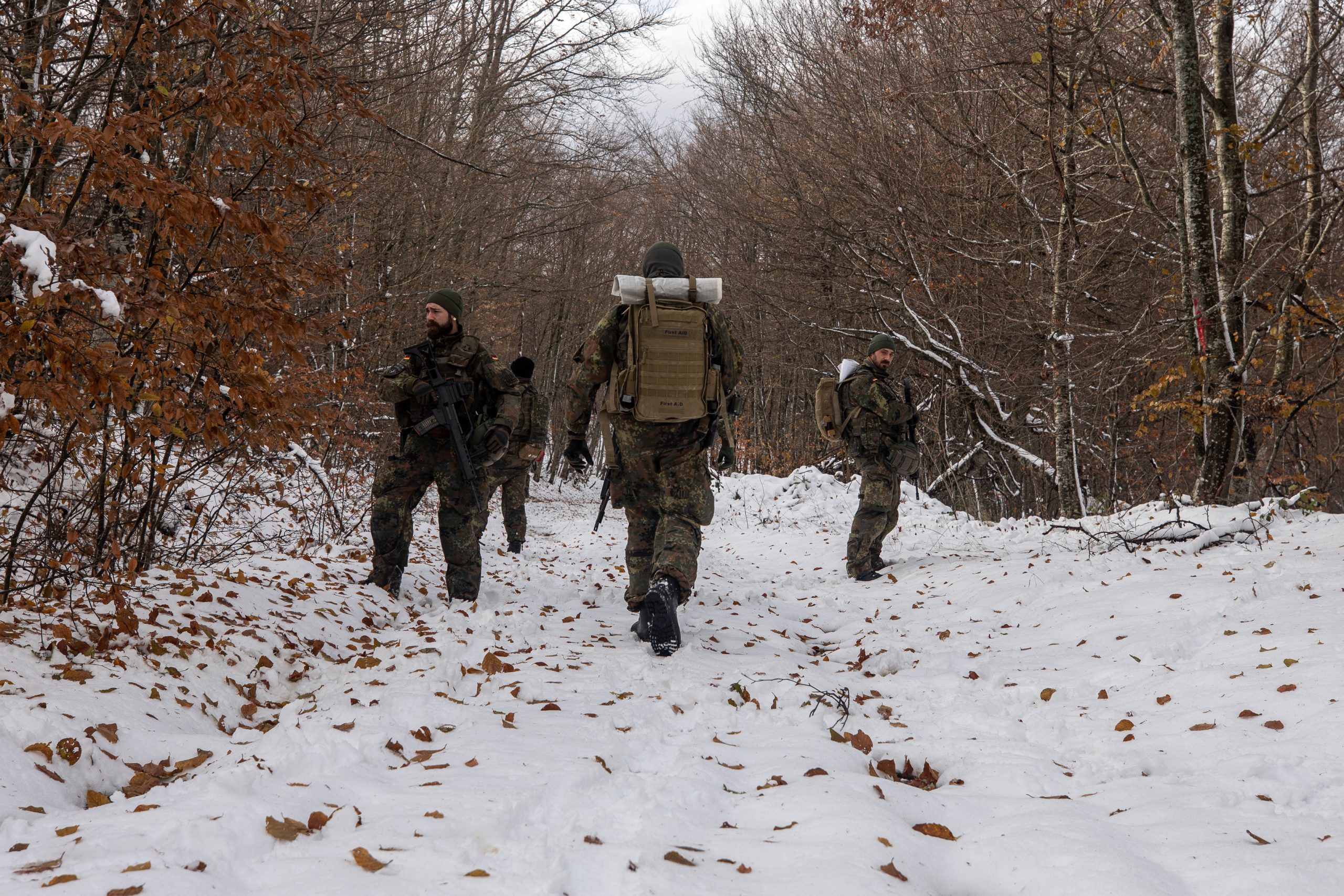
East Germany developed one of the most interesting postwar chapters of the StG 44 story. The country produced the MPi 44, essentially its own continuation of the German assault-rifle concept, before eventually moving toward Soviet-designed weapons and the 7.62×39mm cartridge. This was significant because the original German design had already demonstrated the advantages of an intermediate cartridge and selective fire during World War II. East Germany’s continued interest showed that the underlying concept remained influential even after the political landscape had completely changed. By the 1950s, however, Soviet influence increasingly shaped East German small-arms policy, making the older German pattern a transitional design rather than a lasting standard.