Some guns fail because they are bad ideas. Others fail because timing, bureaucracy, and test conditions turn a promising design into a footnote.
A Little-Known Rifle with Big Ambitions
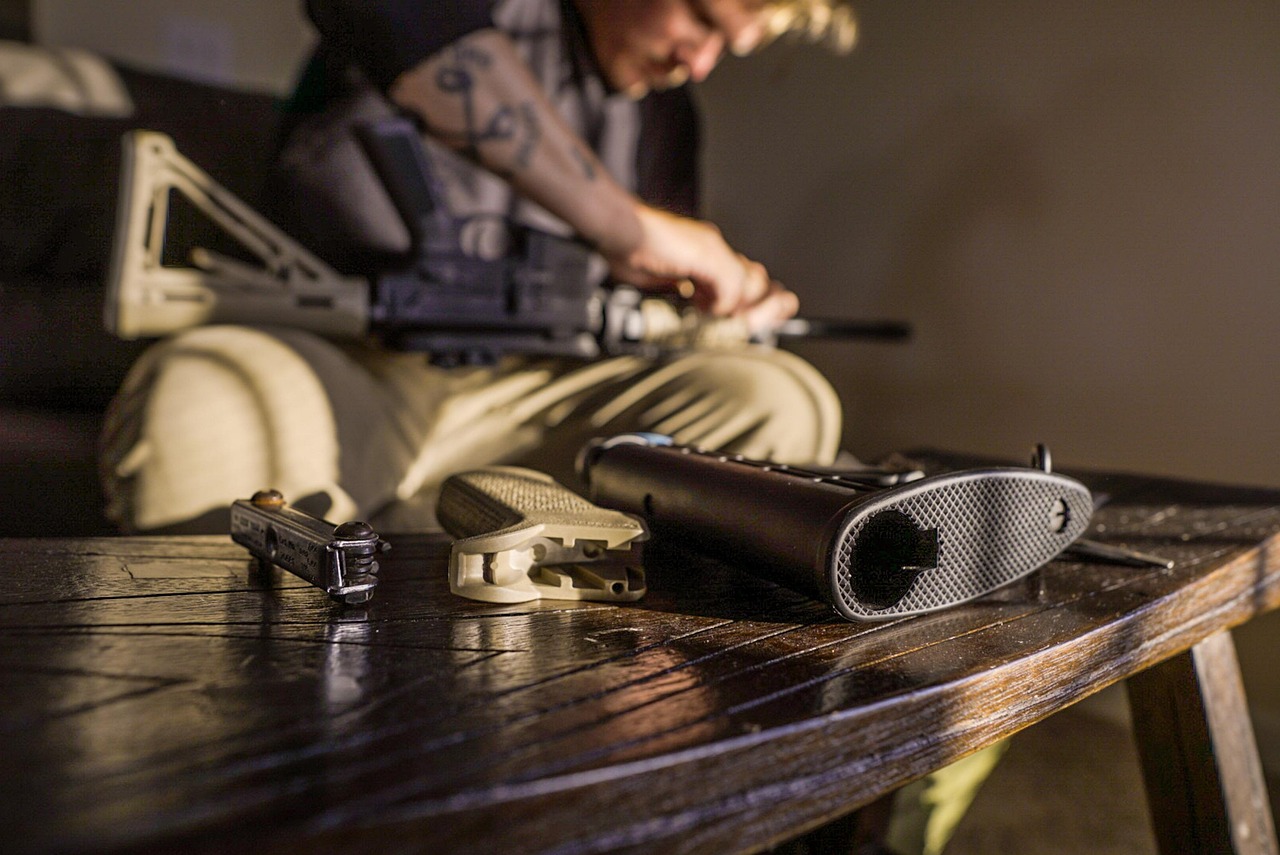
Russell Turner was a Pennsylvania gunsmith and inventor who entered the U.S. Light Rifle competition in 1941, the same broader effort that eventually produced the. According to Forgotten Weapons, Turner submitted a compact gas-operated design with an adjustable gas system, a 15.5-inch barrel, and a very low overall weight.
His first prototype was strikingly unconventional. It used a tubular metal stock and metal forearm, features the test committee disliked on sight even before the rifle had a chance to win anyone over with practical performance.
That matters because military trials rarely judge only raw function. They also weigh handling, field durability, ease of manufacture, and whether a weapon looks like something troops and armorers will trust.
The First Trial Did Not Go Well
Turner’s first rifle did not shine in formal testing. Forgotten Weapons says the committee rated its general functioning as poor, even though it did not suffer notable parts breakage, and it also performed badly in rain and dust testing.
That mixed result is more interesting than a simple washout. The rifle apparently offered excellent accuracy and manageable recoil, which suggests the core concept was not hopelessly flawed.
In other words, Turner had a gun with some real virtues and some very real growing pains. The trial board did not close the door entirely, either. Its recommendation was that he improve the design and come back with a better version.
Turner Came Back Fast with a Revised Rifle
He did exactly that, and he did it fast. Less than a month later, Turner returned with a second model that replaced the metal furniture with a more conventional wooden stock and fore-end, while also dropping the full-auto provision noted on the earlier gun.
That kind of rapid redesign tells you two things. First, Turner was serious. Second, he was almost certainly revising under brutal time pressure, which is rarely ideal when you are chasing reliability in a gas-operated rifle.
The second version showed some progress. Forgotten Weapons reports that evaluators upgraded its functioning from poor to fair, and they believed some of the problems could probably be ironed out with further development.
The Ammunition Problem Changed the Story
Here is where the story stops being just another “close, but no” trial report. Forgotten Weapons notes that Turner later complained the ammunition supplied for the trials had been changed, and that he had not been informed in time to tune the rifle accordingly.
That is a serious issue in a gas-operated design. When port pressure, powder characteristics, or bullet load shift, reliability can change with them, especially on a lightweight prototype built around a specific setup.
Turner reportedly argued that relocating the gas port would have been a simple fix if he had been allowed to configure the rifle for the ammunition actually used in testing. If that account is correct, then one of the rifle’s biggest knocks may not have reflected its best possible performance.
Was Turner Robbed, or Was the Army Still Right?
Even if Turner was treated unfairly on ammunition, that does not automatically mean his rifle should have won. The trial board still had concerns about execution, and the rushed second rifle remained only fair in functioning rather than truly dependable.
Military procurement is brutal for a reason. A service arm has to work with standard ammunition, in dirt and rain, in large numbers, and in the hands of soldiers who will never baby it.
So the fairest reading is probably this: Turner may have had a legitimate grievance, but he still had not delivered a finished military product. The ammunition issue clouds the verdict, yet it does not erase the rifle’s broader developmental weaknesses.
Why the Turner Rifle Still Matters Today
The Turner Light Rifle is worth remembering because it shows how weapon trials can bury nuance. A final rejection can look definitive on paper while still masking real questions about whether the candidate got a fair technical evaluation.
It also illustrates a timeless truth about semi-automatic arms: ammunition and tuning are inseparable. Anyone who works with gas guns today understands that changing load characteristics without revisiting the system can produce misleading results fast.
In the end, the Turner was not the rifle that armed America. But its story remains valuable because it reminds us that test outcomes are not always clean judgments of merit. Sometimes they are snapshots of a design meeting the wrong conditions at exactly the wrong moment.