For decades, left-handed shooters often had to adapt to firearms built around right-handed operation. A few manufacturers took a different approach and redesigned the action, bolt, ejection system, or controls specifically for southpaws. These firearms stand out because they do more than simply add an ambidextrous safety or reversible magazine release. From historic bolt actions to dedicated left-ejecting semiautomatics, these 9 guns show how manufacturers have tried to make the firearm fit the shooter instead of forcing the shooter to fit the firearm.
1. Savage Model 110
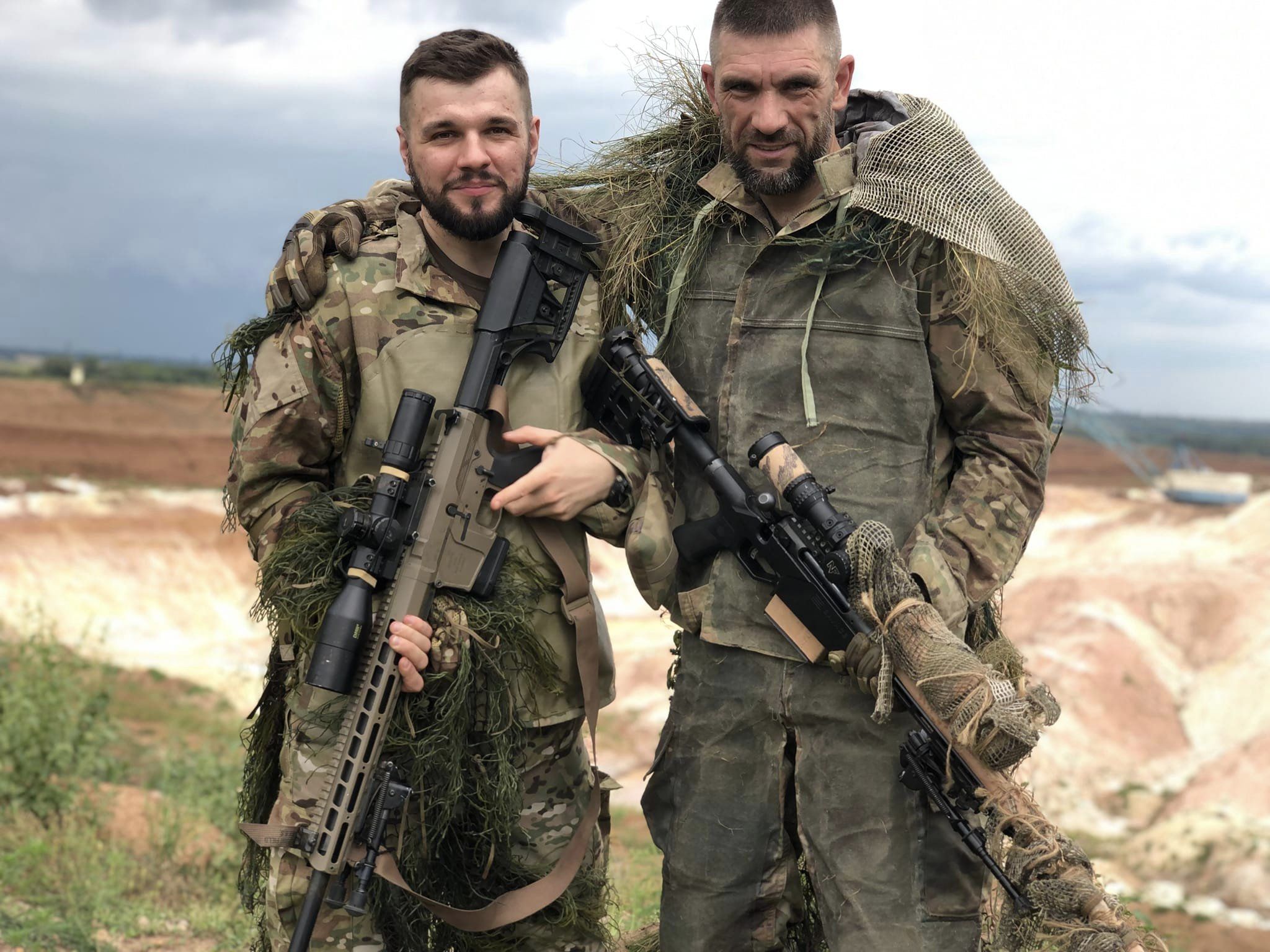
The Savage Model 110 is one of the landmark purpose-built left-hand rifles. Introduced in a left-handed version in 1959, it gave southpaw hunters a genuine mirror-image bolt action rather than a right-handed rifle with compromises. The bolt handle and ejection arrangement are positioned for left-side operation, while the receiver design made left-hand production unusually practical. Its long-running design also explains why the 110 remains available in numerous chamberings and configurations. More than 65 years later, its importance is as much historical as practical.
2. Stag Arms STAG-15L
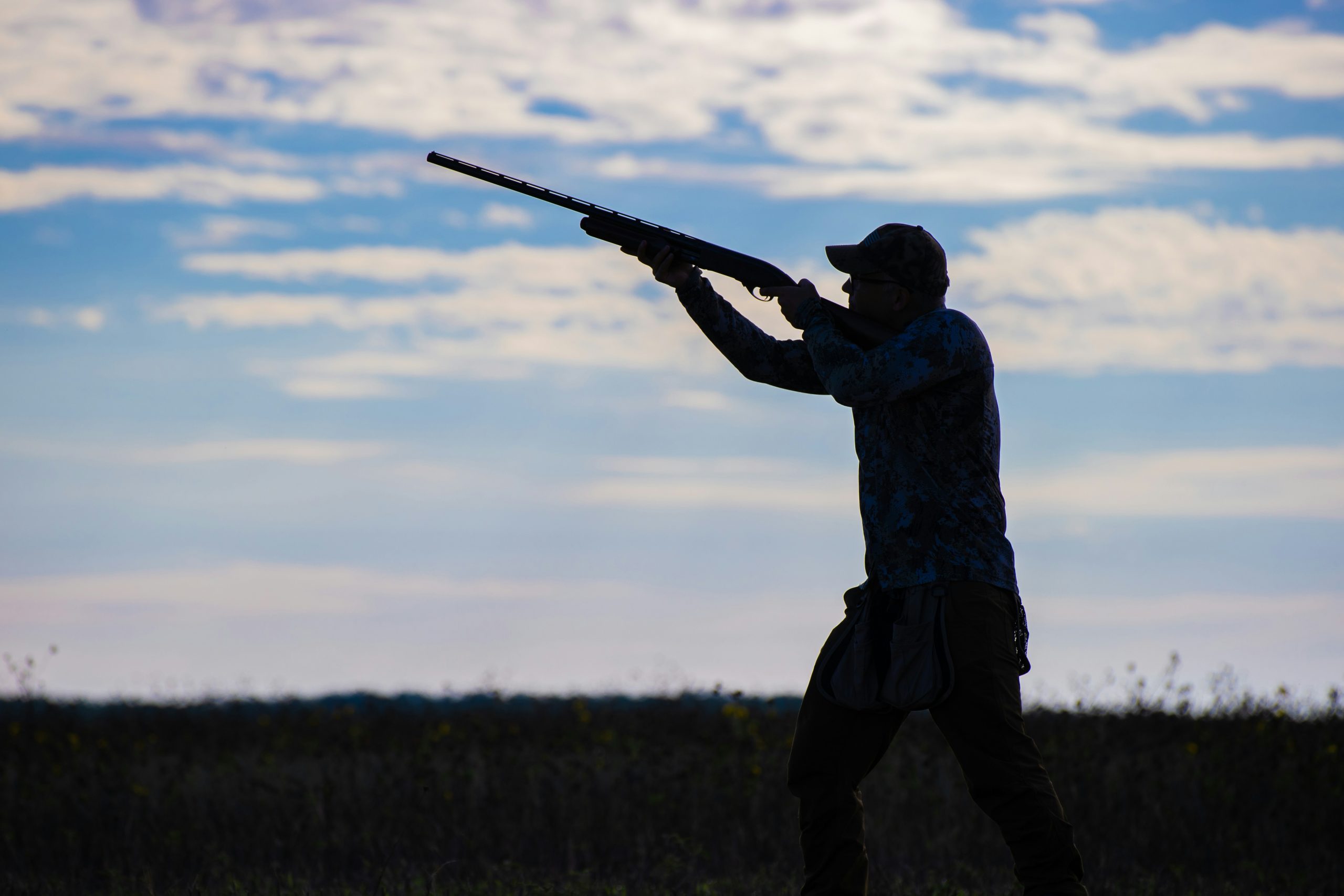
The STAG-15L took the left-handed idea into the AR-15 world by changing the parts that matter most to a shooter’s face and operating hand. Its upper receiver was mirrored so spent cases eject from the left, while the bolt and carrier were redesigned to match. The project traces back to 1998 and reached production after Stag Arms was founded in 2003. Early rifles used 16-inch barrels and 1:9 rifling, with several configurations offered. Unlike a standard AR with a few ambidextrous controls, this was a genuinely left-ejecting design built around southpaw use.
3. Tikka T3x Left-Hand
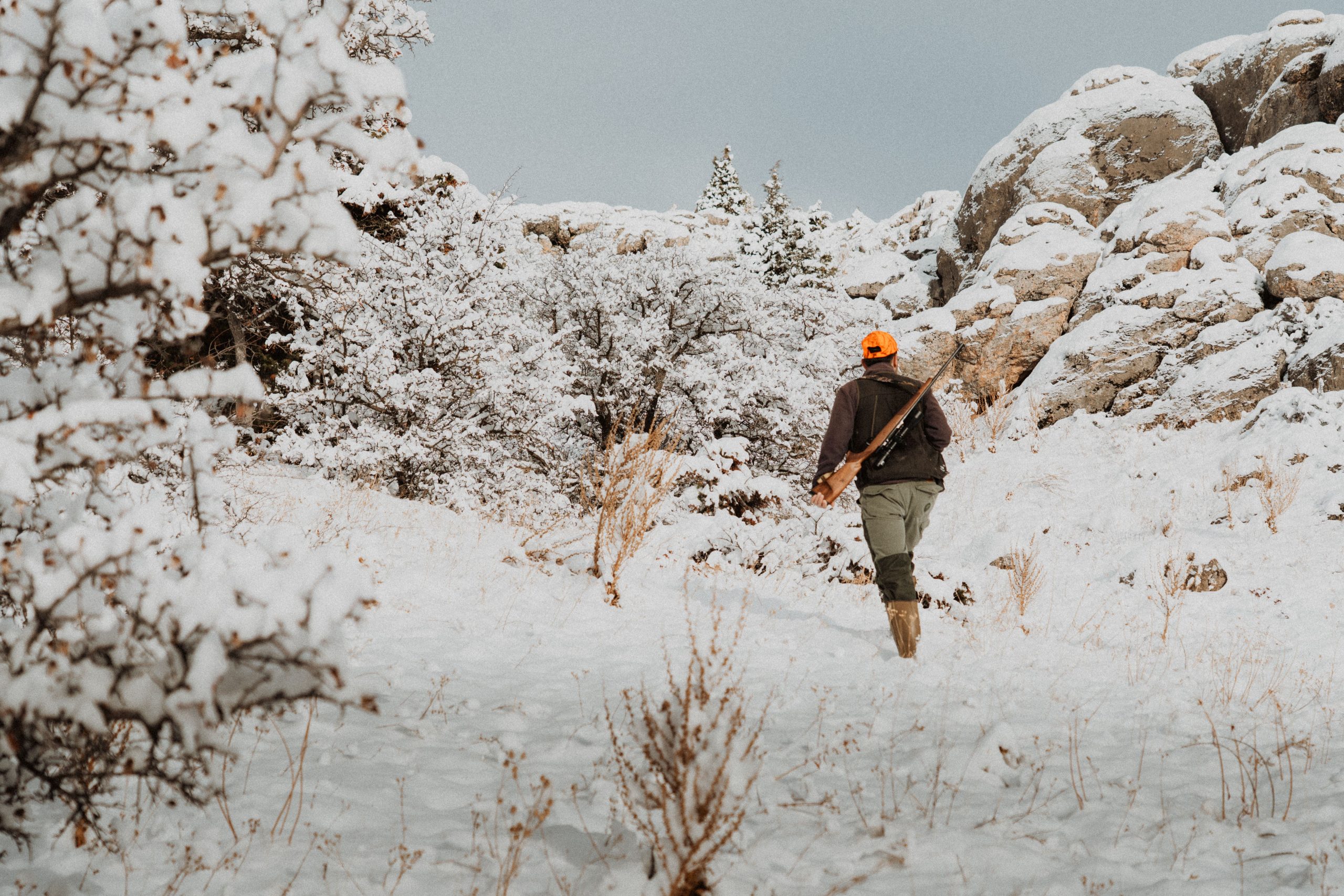
Tikka’s T3x family is notable because the left-hand versions use a dedicated left-hand action rather than simply moving a control. The bolt and ejection side are reversed, allowing a left-handed shooter to cycle the rifle while keeping the stock in the left shoulder. T3x variants have included Hunter, Lite, Superlite, and other configurations, giving hunters choices from traditional stocks to lighter mountain rifles. The design is also known for a smooth bolt throw and adjustable trigger. For southpaws, the important point is simple: the action itself was built in the correct direction.
4. Browning X-Bolt Left Hand
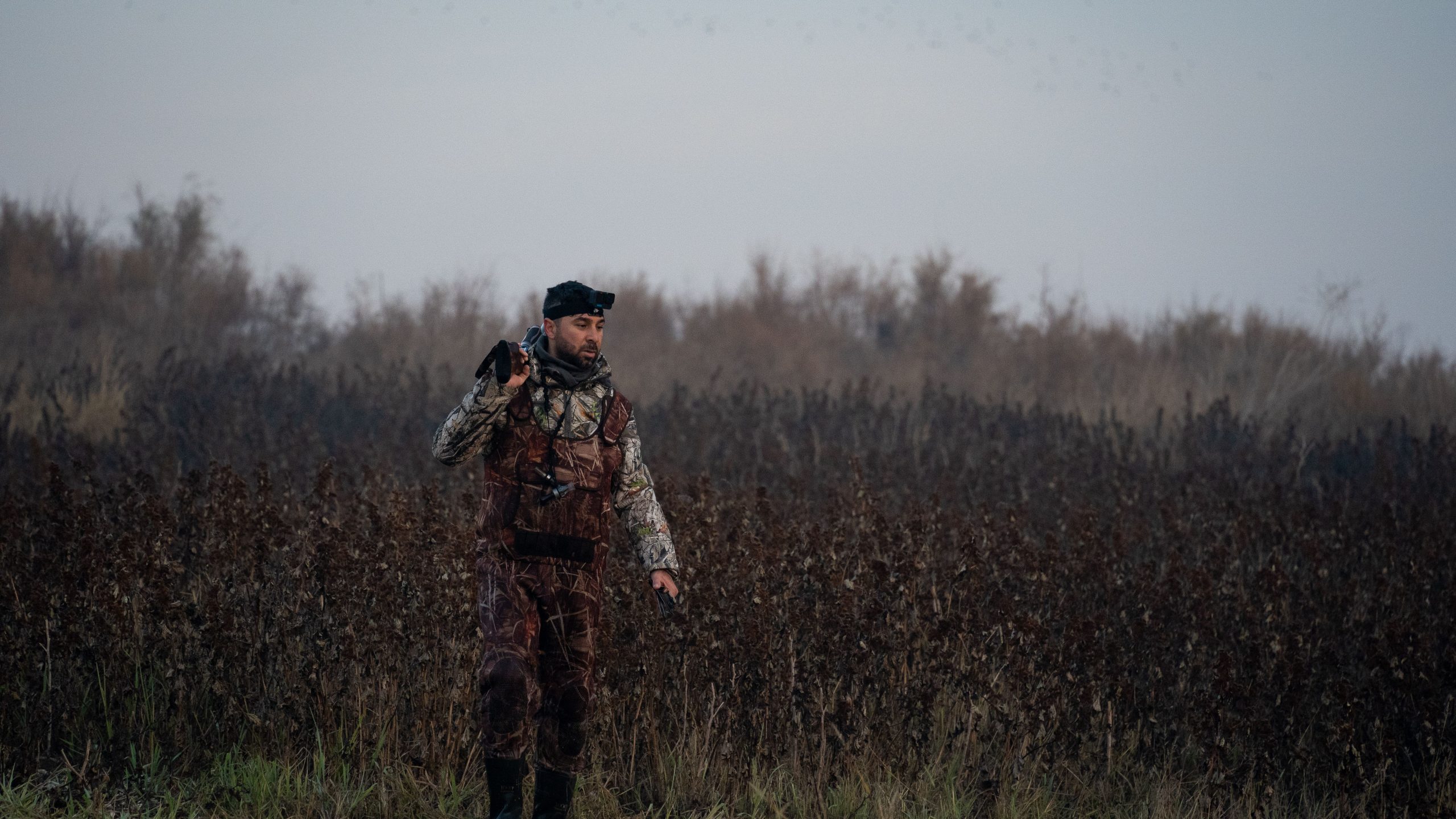
Browning’s X-Bolt left-hand models show how a mainstream hunting rifle can be engineered without asking southpaws to adapt to a right-handed action. The bolt handle and ejection port are arranged for left-side operation, while the stock and action are produced as a true left-hand configuration. The X-Bolt platform is known for its three-lug bolt and short 60-degree lift, features that can make scope clearance and cycling feel different from older actions. With several chambering and stock choices appearing across the range, the left-hand X-Bolt is more than a cosmetic mirror image.
5. Ruger American Left-Hand
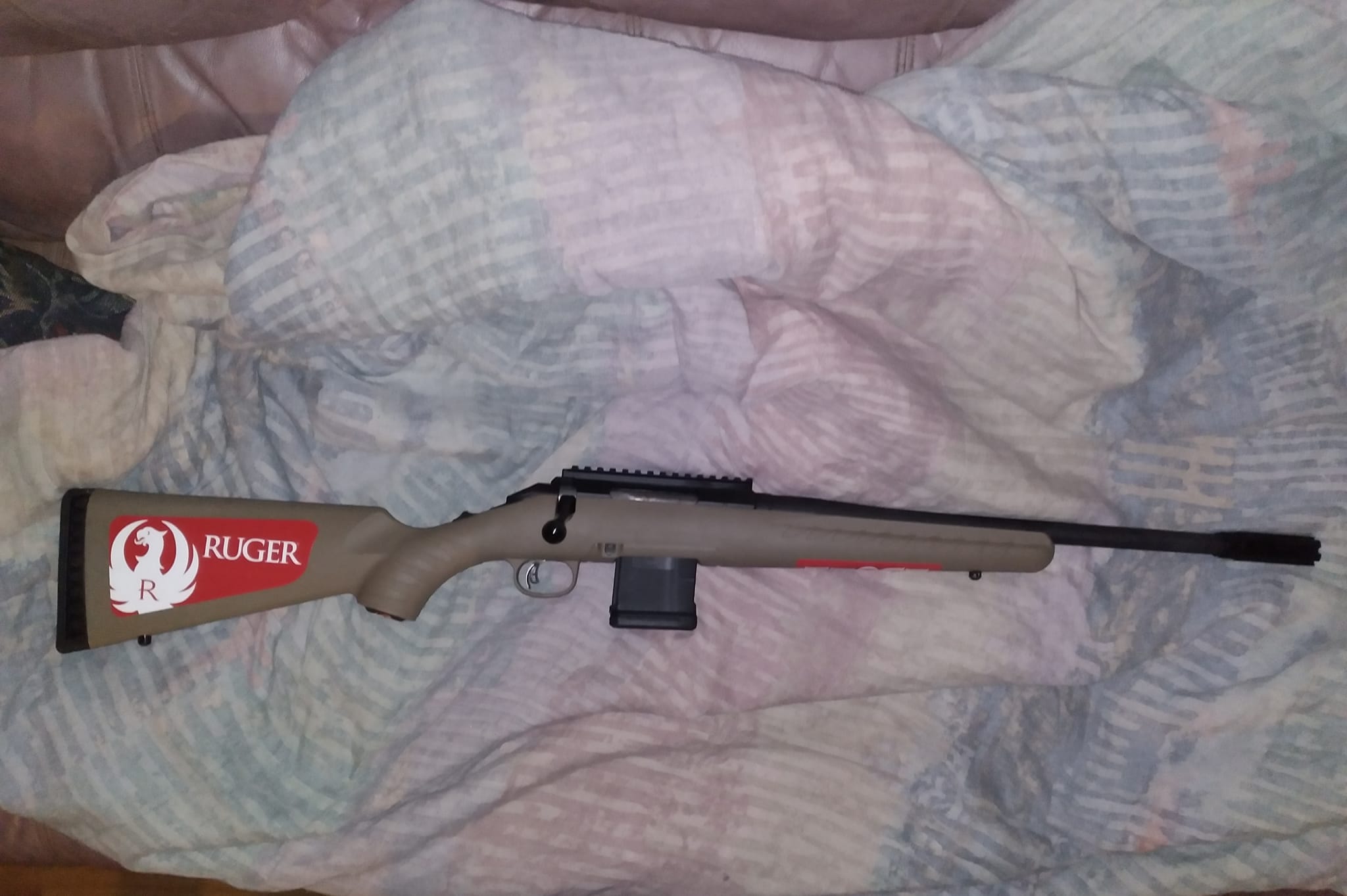
The Ruger American helped make dedicated left-hand hunting rifles easier to find at a more accessible price point. Left-hand versions reverse the bolt and ejection arrangement, allowing a shooter to cycle the action naturally from the left shoulder. It has appeared in multiple configurations and chamberings, including hunting-oriented models, so the concept is not tied to one role. Its value for southpaws is the combination of a conventional bolt-action layout and a purpose-built left-hand receiver. It shows that left-side engineering does not have to be reserved for premium rifles.
6. Winchester XPR Left-Hand

Winchester’s XPR is another example of a modern hunting rifle offered in a true left-hand configuration rather than relying only on reversible accessories. The left-hand action places the bolt and ejection path on the appropriate side, making cycling more natural for a shooter who mounts the rifle on the left shoulder. The XPR was designed as a practical, modern bolt action, with a synthetic-stock approach on many versions and a three-lug bolt system. Its significance is straightforward: a major manufacturer brought dedicated southpaw geometry into a relatively affordable production rifle.
7. Savage 220 Left-Hand

The Savage 220 is unusual because it applies a true left-hand action to a slug shotgun rather than a conventional centerfire rifle. Chambered in 20 gauge, the bolt-action shotgun has a 22-inch barrel and was offered specifically for left-handed hunters. Its layout puts the operating controls and ejection arrangement on the side expected by a southpaw, avoiding the awkward manipulation common with many conventional long guns. The 220 shows that left-hand design is not only about rifles. It also matters when the firearm requires repeated cycling and a consistent shoulder mount.
8. Weatherby Mark V Left-Hand
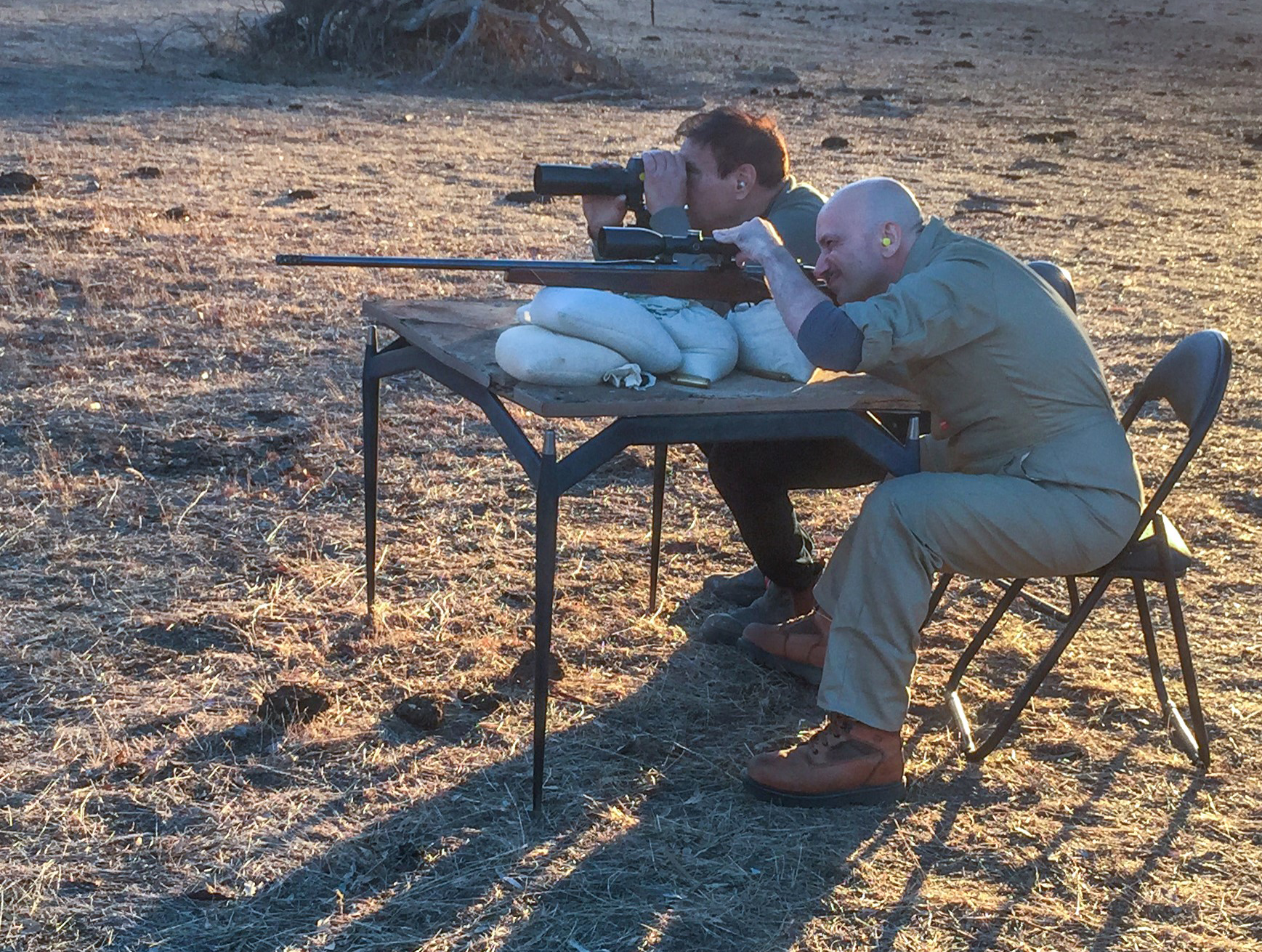
The Weatherby Mark V is a premium hunting action produced for left-handed shooters. Its left-hand versions reverse the action so the bolt and ejection side suit a southpaw’s shoulder position, while retaining the platform’s distinctive multi-lug bolt concept. The Mark V has been offered in powerful chamberings and lightweight configurations, including models aimed at mountain hunting. That combination makes the left-hand version particularly interesting: it is not a simplified special order, but part of a high-end rifle family where weight, action geometry and field handling matter.
9. Sako 90 Left-Hand
Sako’s 90 platform represents the European end of dedicated left-hand rifle design. Left-hand versions use a genuine left-hand action, placing the bolt and ejection path where a southpaw expects them instead of forcing the shooter to reach across the rifle. The Model 90 covers several configurations and chamberings for different hunting roles. Its significance is not simply that a left-hand option exists. Sako treats handedness as part of the action architecture, giving left-handed shooters a purpose-built feel rather than a converted right-hand starting point.