A bear charge is one of the most stressful situations a person can face outdoors. At that moment, the issue is not simply how powerful a defensive tool is, but how quickly and reliably it can be used. Bear spray is specifically designed to create a temporary barrier between a person and an aggressive bear, while a handgun depends heavily on accurate shooting under extreme pressure. Field research and National Park Service guidance provide useful evidence for understanding why spray is commonly recommended in bear country.
1. A Wide Cloud Does Not Require Perfect Aim
Bear spray creates a broad cloud rather than requiring a precise hit. That matters because a charging bear can cover ground extremely fast, and a person may have only seconds to react. The National Park Service says bears can run up to 40 feet per second and recommends deploying spray when a charging bear is roughly 50–60 feet away. In an Alaska study of 83 spray incidents, spray stopped undesirable bear behavior in 92% of brown-bear cases and 90% of black-bear cases. Those figures do not mean spray works every time, but they show why its wide coverage is useful in a chaotic encounter. It also avoids turning a close encounter into a shooting situation.
2. Stress Makes Precise Shooting Much Harder
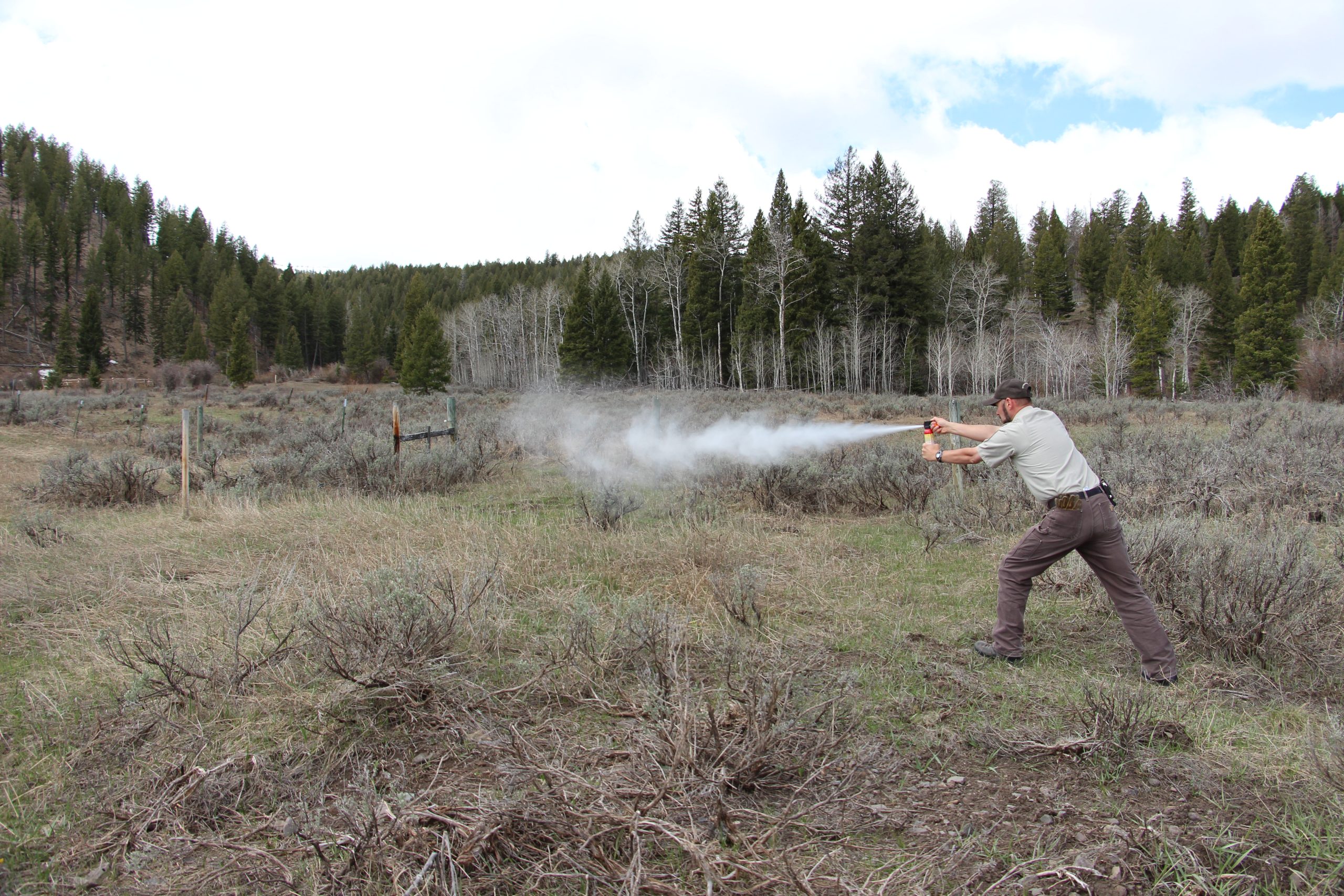
A handgun requires the user to place effective shots on a rapidly moving animal while stress, movement, distance, and terrain can interfere with accuracy. Bear spray has a different requirement: create a cloud between you and the bear. The NPS notes that firearms can be difficult to use effectively against a charging bear and can endanger companions. A 2008 study covering 83 bear-spray incidents found that 98% of people carrying spray were uninjured in close-range encounters. That evidence is observational, not a guarantee, but it highlights an important advantage: the tool is designed around deterrence rather than precision shooting.
3. Spray Is Designed to Deter, Not Injure
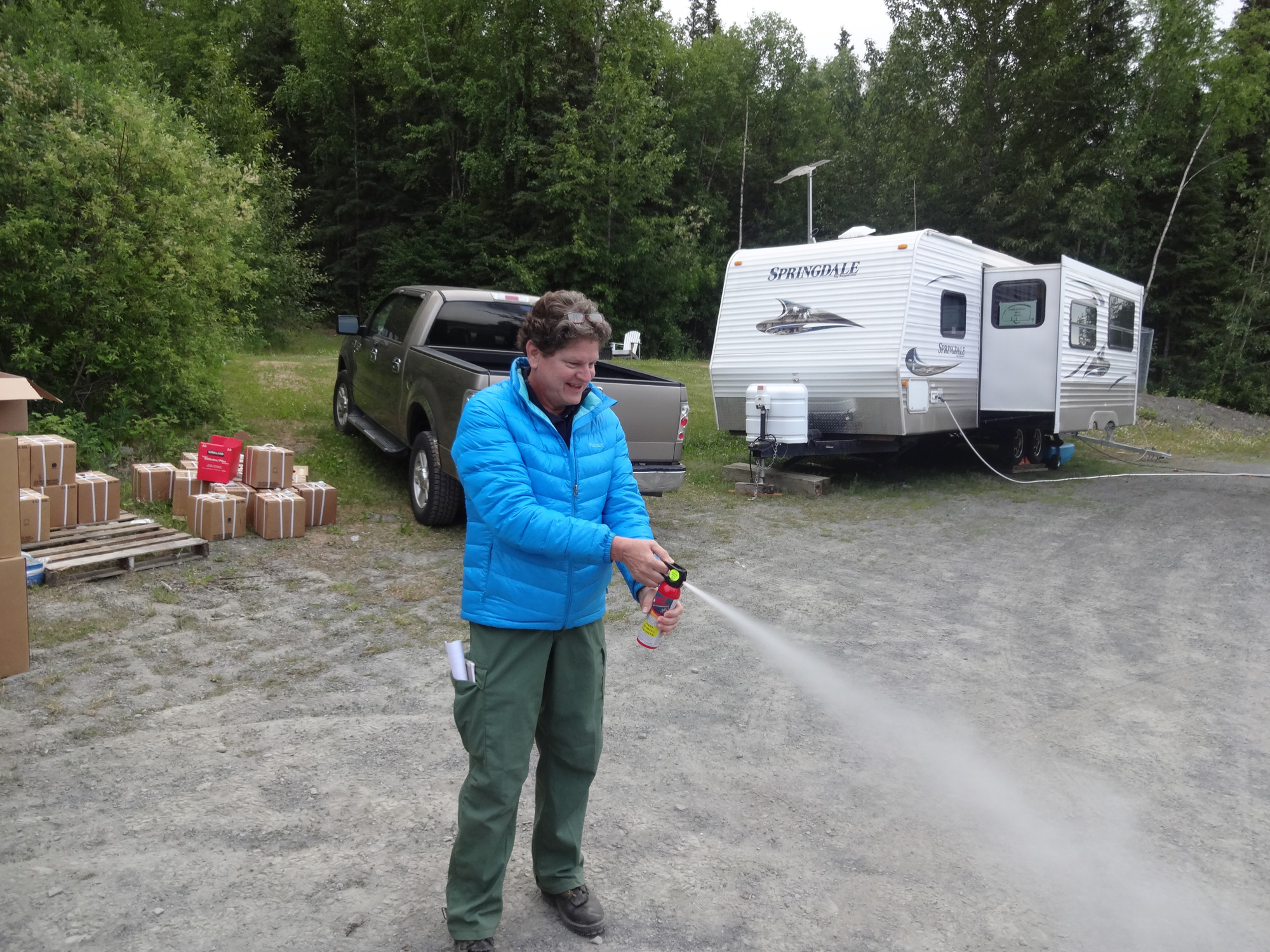
Bear spray is intended to interrupt an aggressive approach without requiring the person to deliberately injure the animal. Its active ingredient, capsaicin, irritates the bear’s eyes, nose, and lungs and can produce temporary, significant discomfort. The NPS describes bear spray as a non-lethal deterrent, while also warning that no deterrent is guaranteed. This distinction matters during a charge. A handgun can introduce the possibility of a wounded animal, and NPS guidance warns that an injured bear may become more aggressive or require a dangerous follow-up response. Spray generally aims to end the encounter without that outcome. It is a deterrent, not a guarantee of safety.
4. Quick Access Matters When Seconds Count
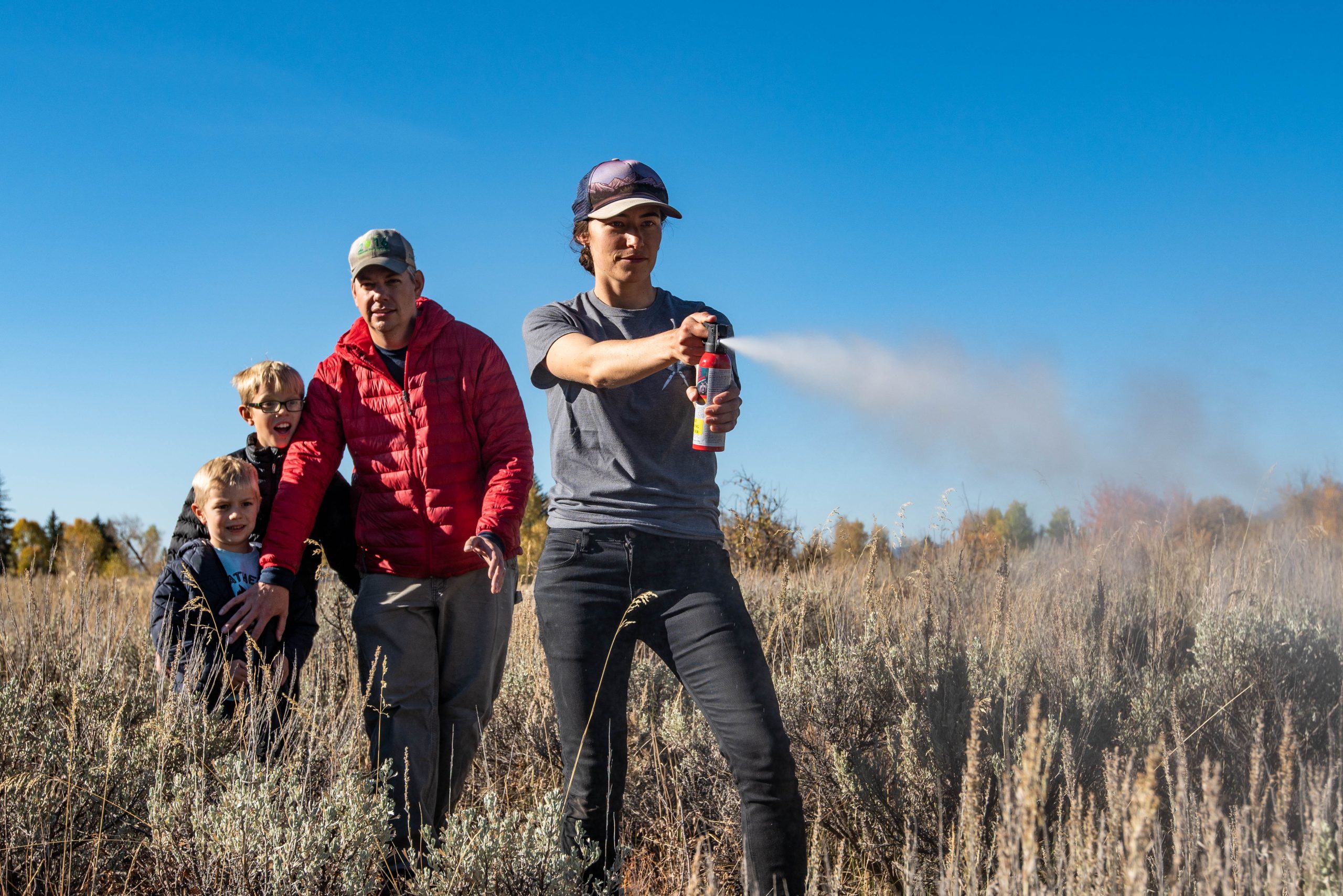
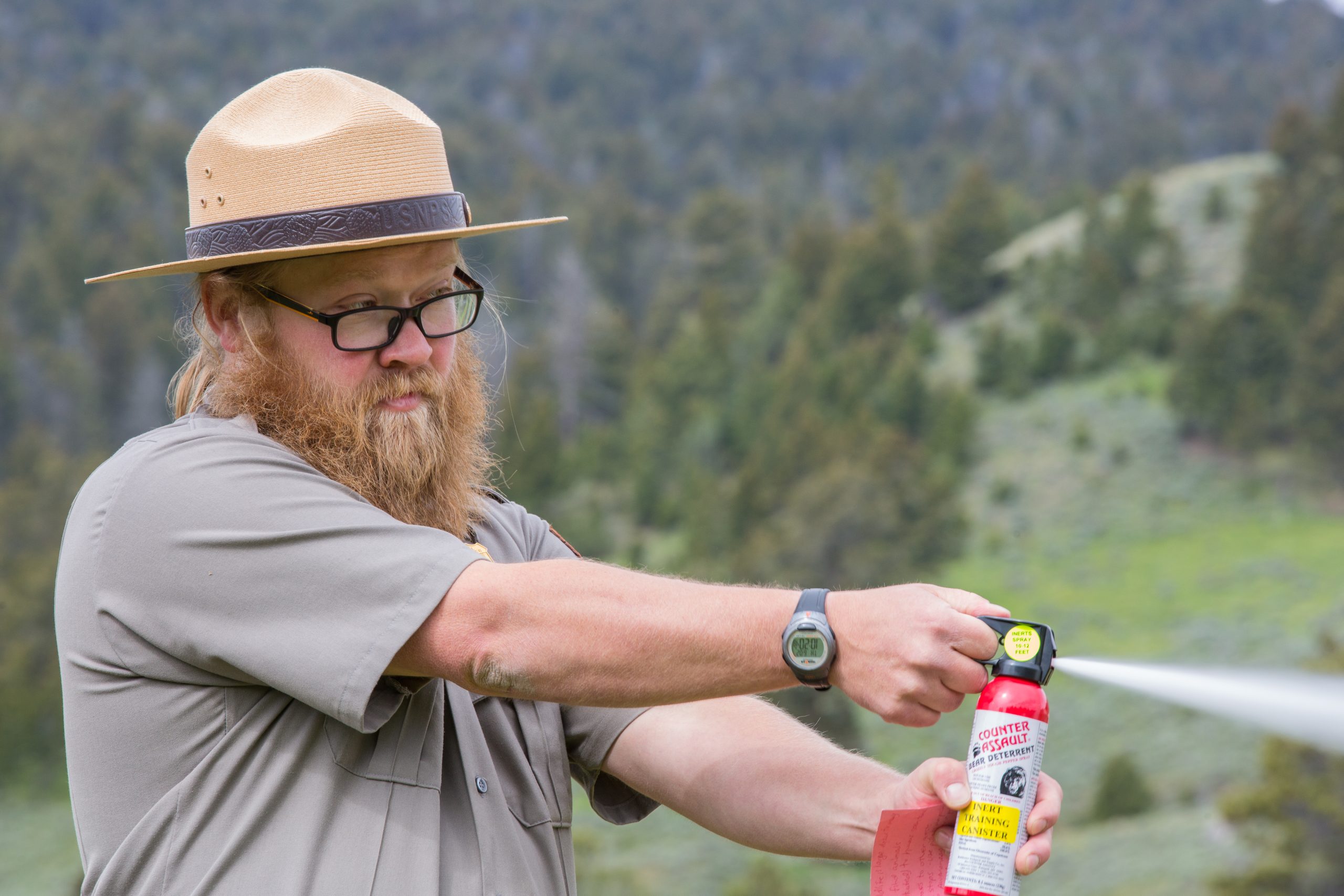
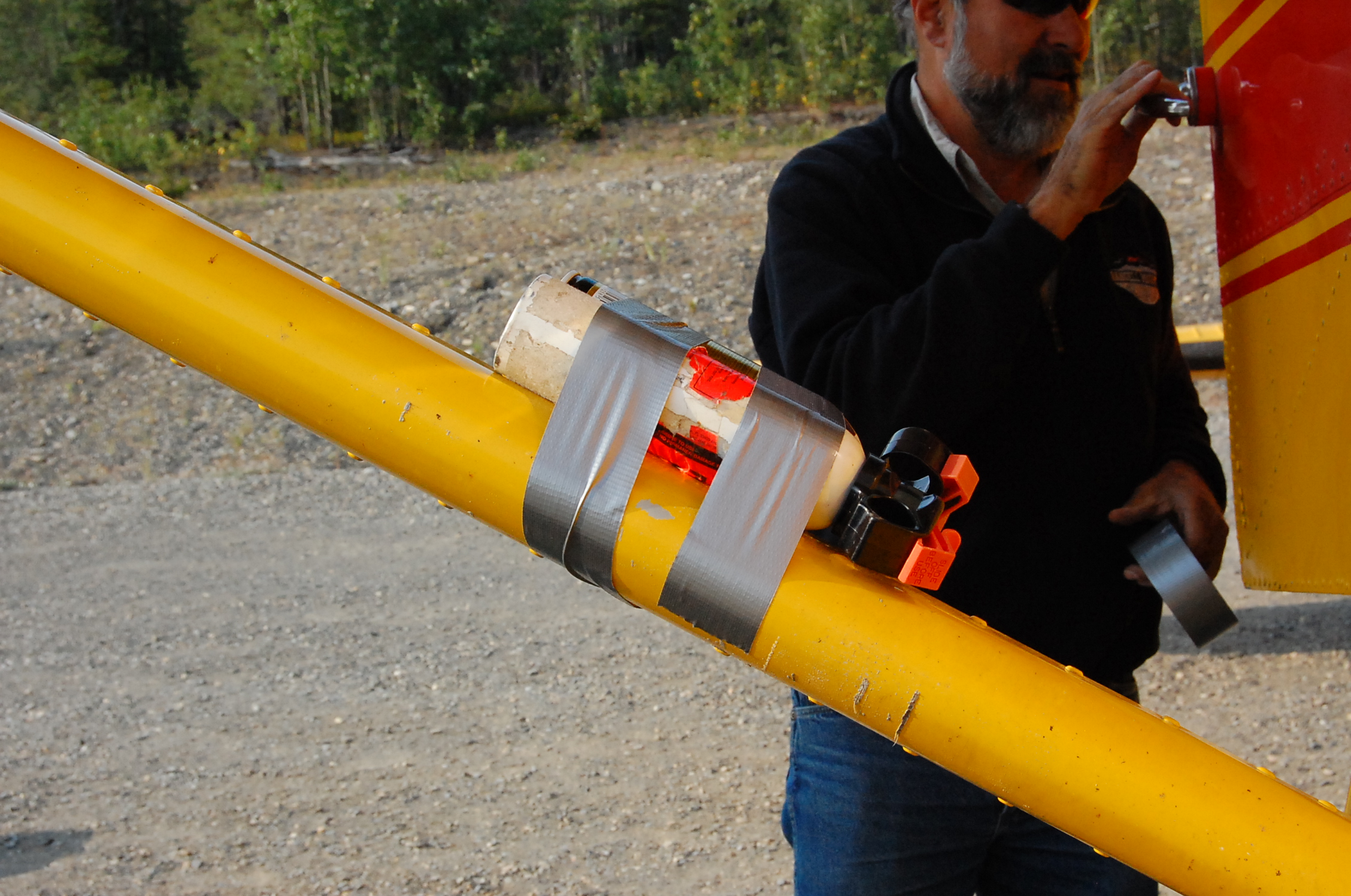
A charging bear does not give a person time to set up a complicated response. That is why accessibility matters as much as the tool itself. The NPS recommends carrying bear spray in a belt or chest holster rather than inside a backpack. Many canisters are designed for a cloud extending roughly 15–40 feet, depending on the product. One Alaska NPS guide notes that some canisters provide about 7 seconds of spray. The key point is simple: having the canister immediately reachable gives a hiker a realistic chance to deploy it during a sudden encounter. Practicing access and removing the safety before a trip can also prevent fumbling when stress is high.
5. It Avoids Some Risks of a Missed Shot
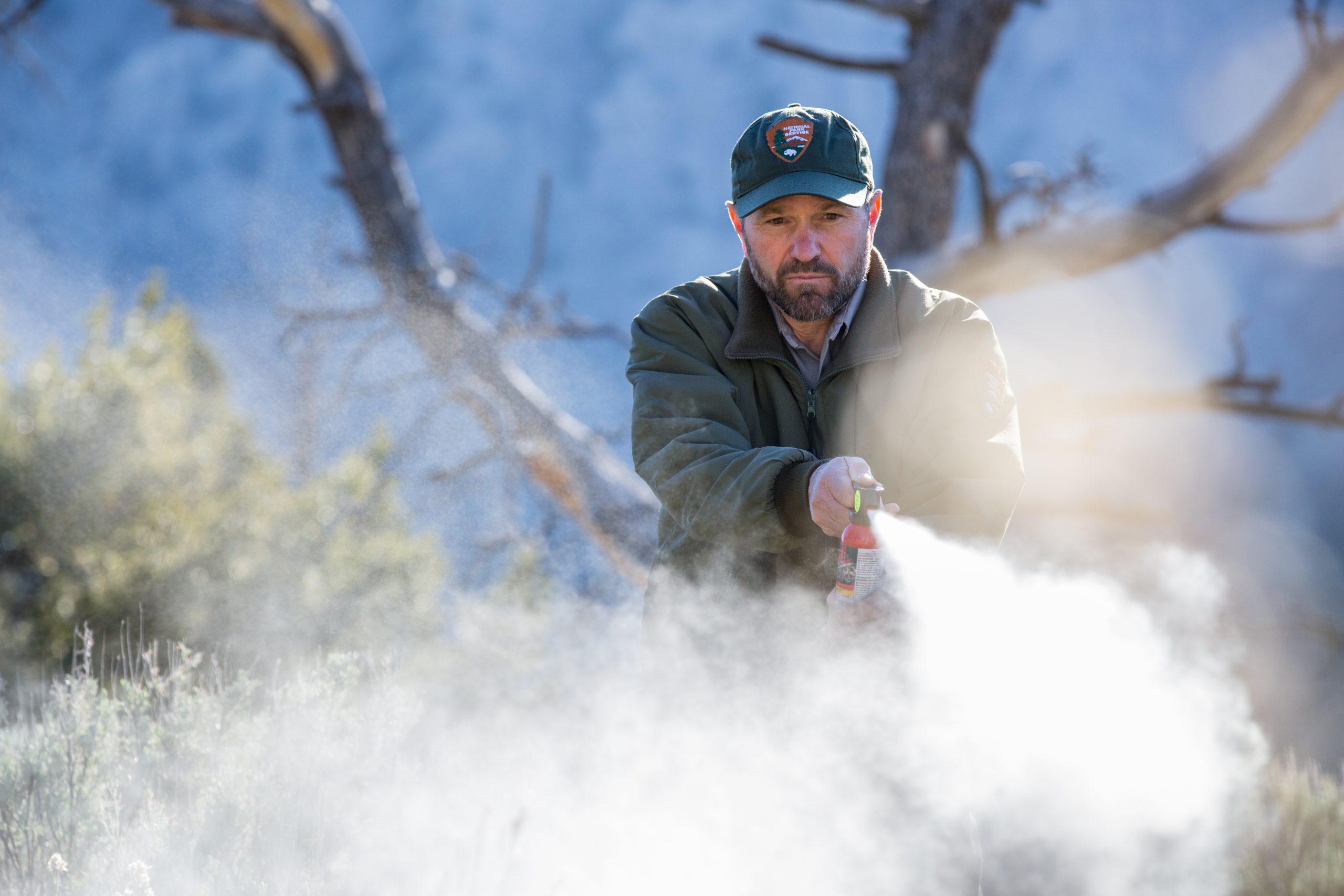
Bear spray can also reduce the consequences of a mistake. A firearm introduces risks to companions and bystanders, especially when an animal is moving unpredictably at close range. The NPS warns that a firearm can be dangerous to hiking partners and that shooting a bear may leave a wounded animal that must later be located. Spray has hazards too. Wind can affect its direction, and the user can be exposed if conditions are poor. In the Alaska study, wind interfered with accuracy in 7% of reported spray incidents. So spray is not risk-free, but its intended effect is temporary deterrence. Keeping the canister accessible and checking its condition before every trip are basic precautions.
6. Field Research Shows Strong Deterrent Results
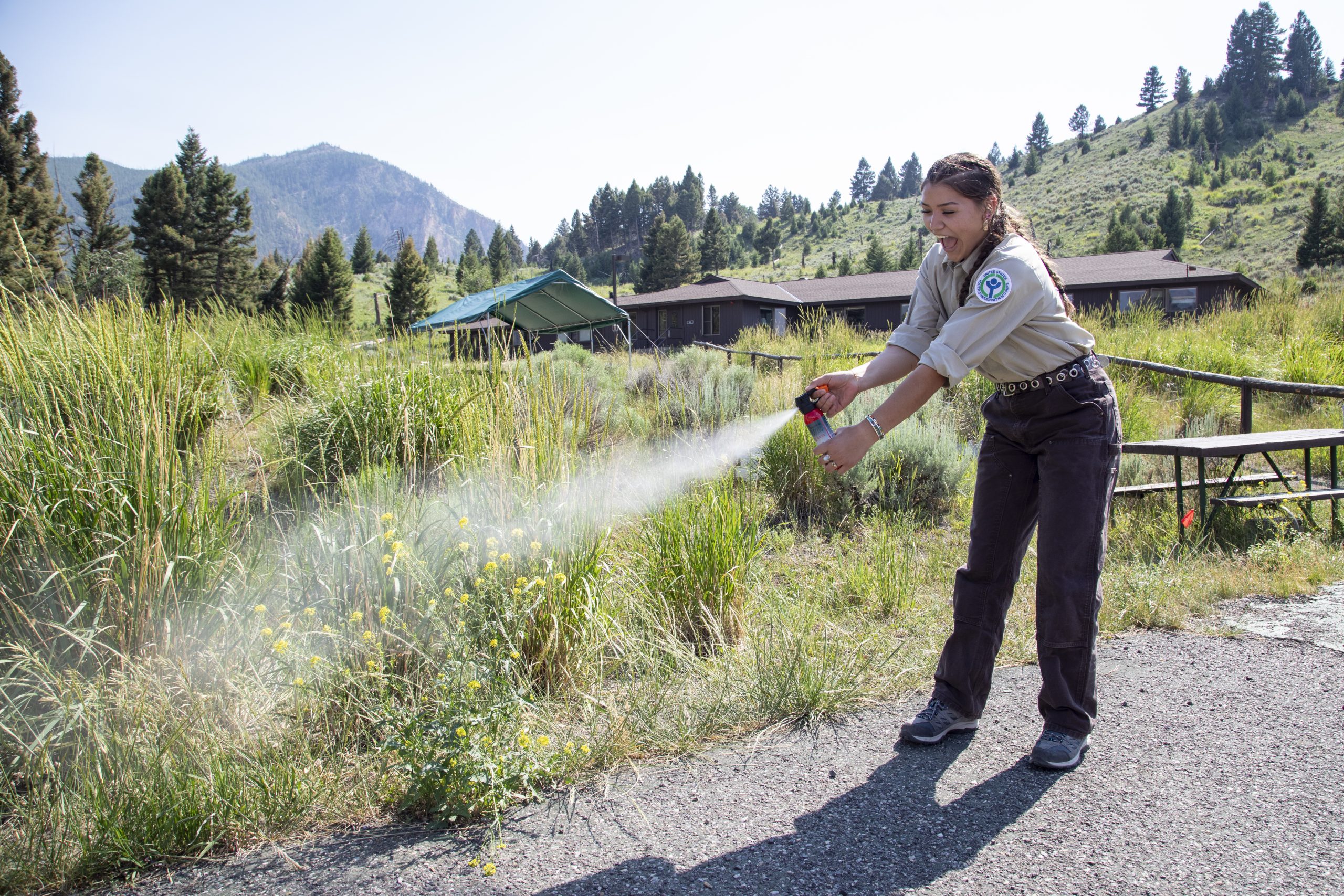
The evidence for bear spray comes from real encounters rather than laboratory assumptions alone. Researchers examined 83 Alaska incidents involving brown, black, and polar bears from 1985 through 2006. Among 72 cases where people used spray defensively, it stopped undesirable behavior in 92% of brown-bear cases and 90% of black-bear cases. Only 3 people in the dataset suffered bear-inflicted injuries while using spray, and those injuries did not require hospitalization. The study has limitations, including its observational design, but it remains useful field evidence when comparing defensive options. The results should not be interpreted as a controlled head-to-head trial against firearms.
7. It Can End a Charge Without Killing the Bear
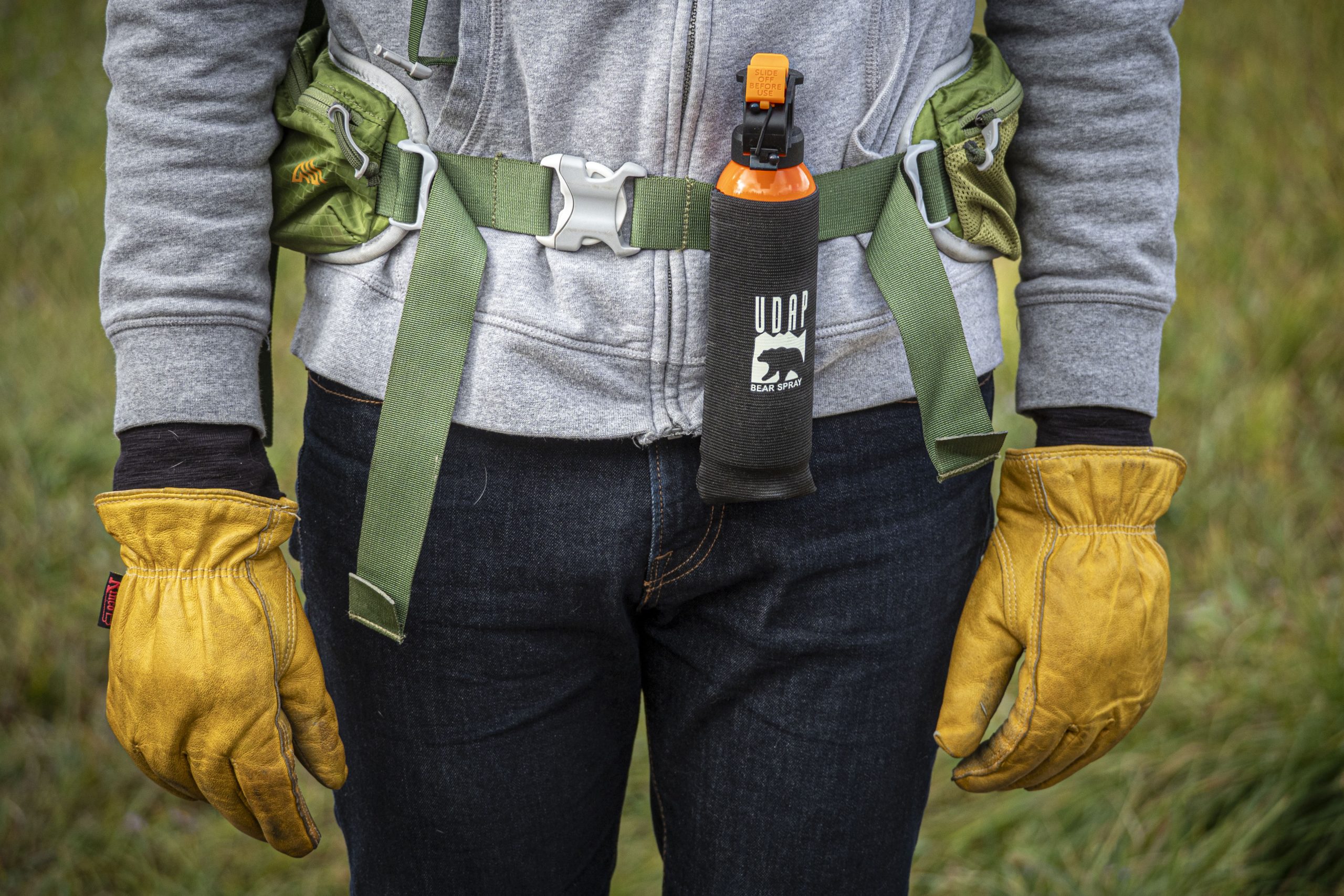
Bear spray also fits the broader principle of avoiding unnecessary escalation. A bear encounter does not automatically mean an attack, and many charges stop before contact. NPS guidance says people should not run, should give bears space, and should leave them an escape route. Spray is a last-line deterrent for an aggressive charge, not a reason to approach wildlife more closely. If a person relies on a handgun, the situation can move immediately toward lethal force. Spray provides another option that may stop the encounter while allowing the bear to survive and retreat. No deterrent is 100% effective, and unusual predatory attacks can require different responses.
8. Preparation Still Matters More Than the Tool
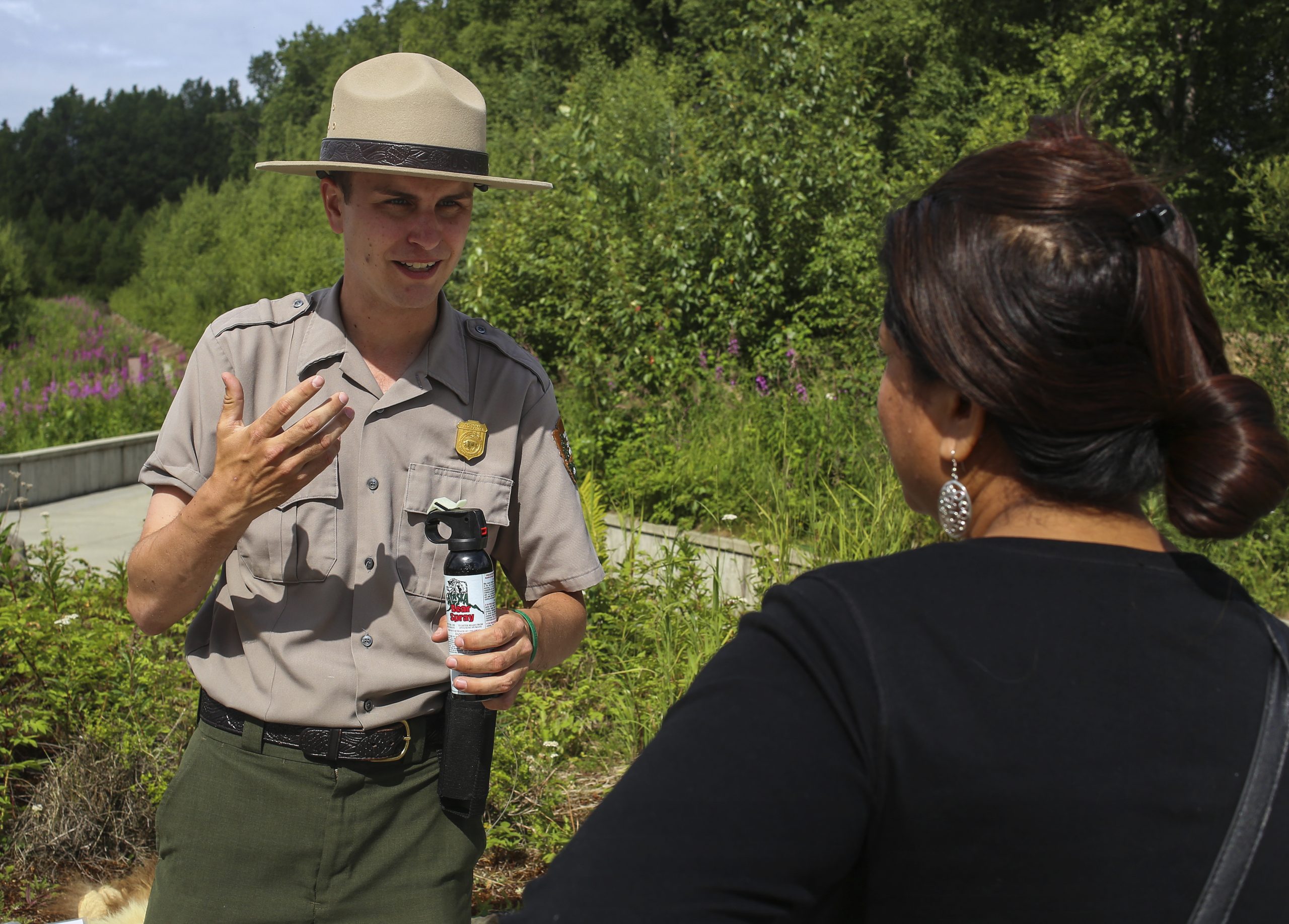
The biggest advantage of bear spray is therefore not that it is infallible, but that it matches the problem more closely. It provides a wide deterrent cloud, is designed specifically for bears, and can be carried ready for immediate access. The NPS recommends EPA-approved bear spray and warns that ordinary personal-defense sprays may not provide the same coverage or formulation. At the same time, spray does not replace bear awareness, food storage, group travel, or knowing the correct response. In a real charge, preparation matters before either a spray canister or firearm ever becomes necessary. The safest strategy is still prevention: secure food, avoid surprising bears, and follow local rules.