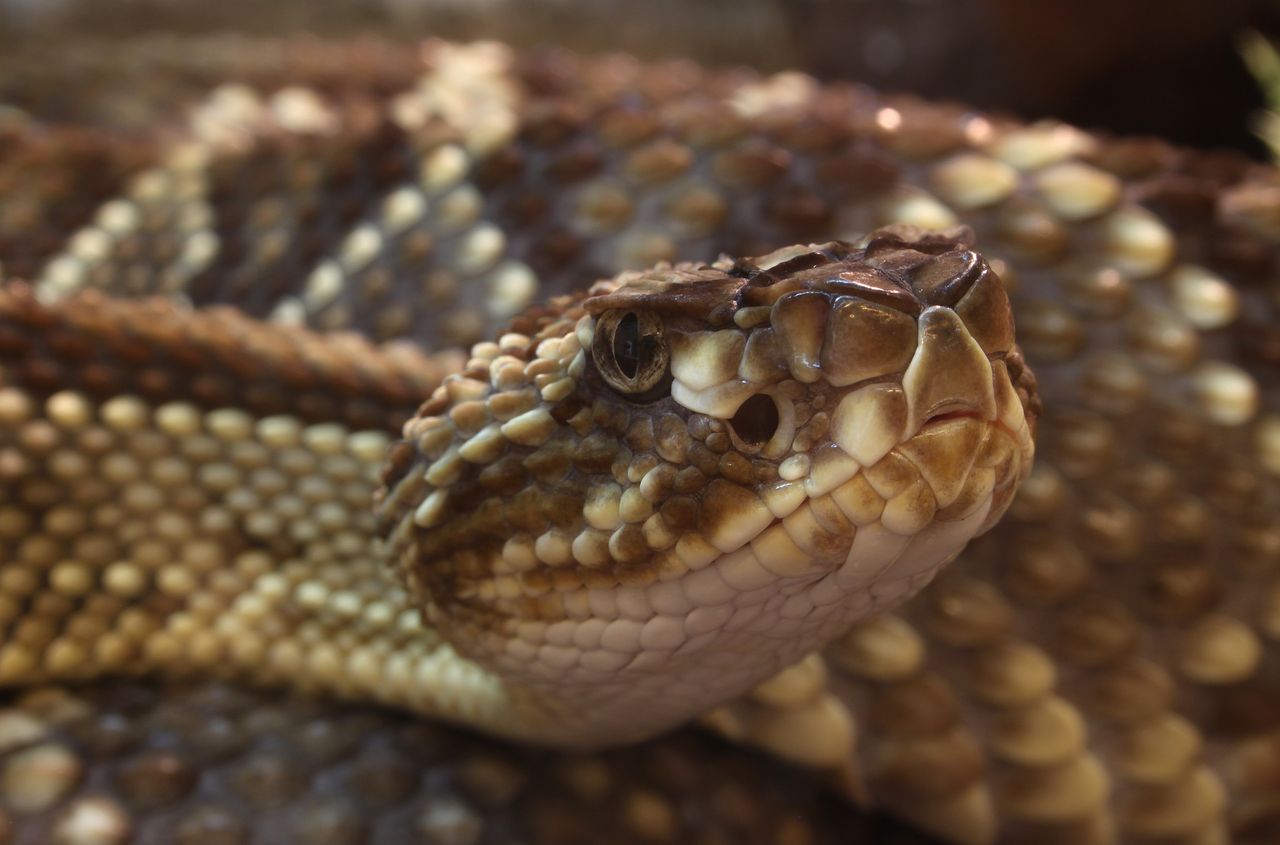
You usually do not get a dramatic warning when a rattlesnake settles in under a cabin. More often, you get a pattern of small clues that only look obvious in hindsight.
Why cabins make such good rattlesnake hideouts
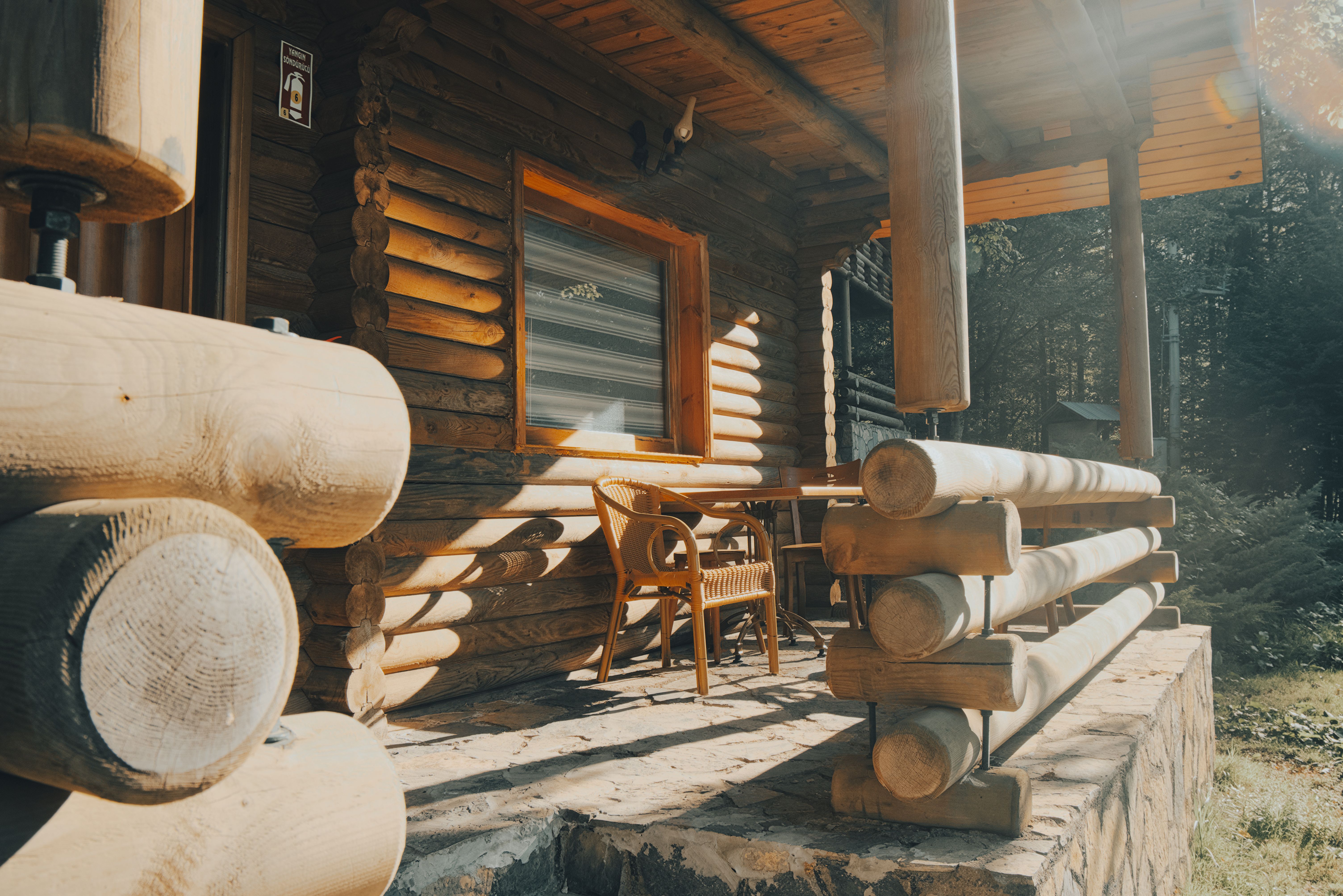
A cabin can offer exactly what a rattlesnake wants: shade, cover, stable temperatures, and a place where prey is plentiful. According to the University of California Agriculture and Natural Resources, rattlesnakes commonly use sheltered spaces around structures, including areas under houses, decks, porches, and woodpiles, especially when those spots stay cool and protected. That makes a cabin crawlspace far more attractive than many owners realize.
Rattlesnakes are not usually trying to move in “with” people. They are looking for a secure refuge where they can avoid heat, predators, and disturbance during the day. The National Park Service notes that rattlesnakes often stay under cover and rely on camouflage, which is why a snake can remain close to a building for days or weeks without being spotted.
What makes the problem worse is the food chain. If your cabin attracts mice, chipmunks, pack rats, or ground squirrels, it can attract the snake that feeds on them. That is one reason wildlife and parks guidance often focuses not just on the snake itself, but on removing debris, reducing harborage, and controlling the prey species that make a property feel livable to a predator.
The early warning signs most people miss
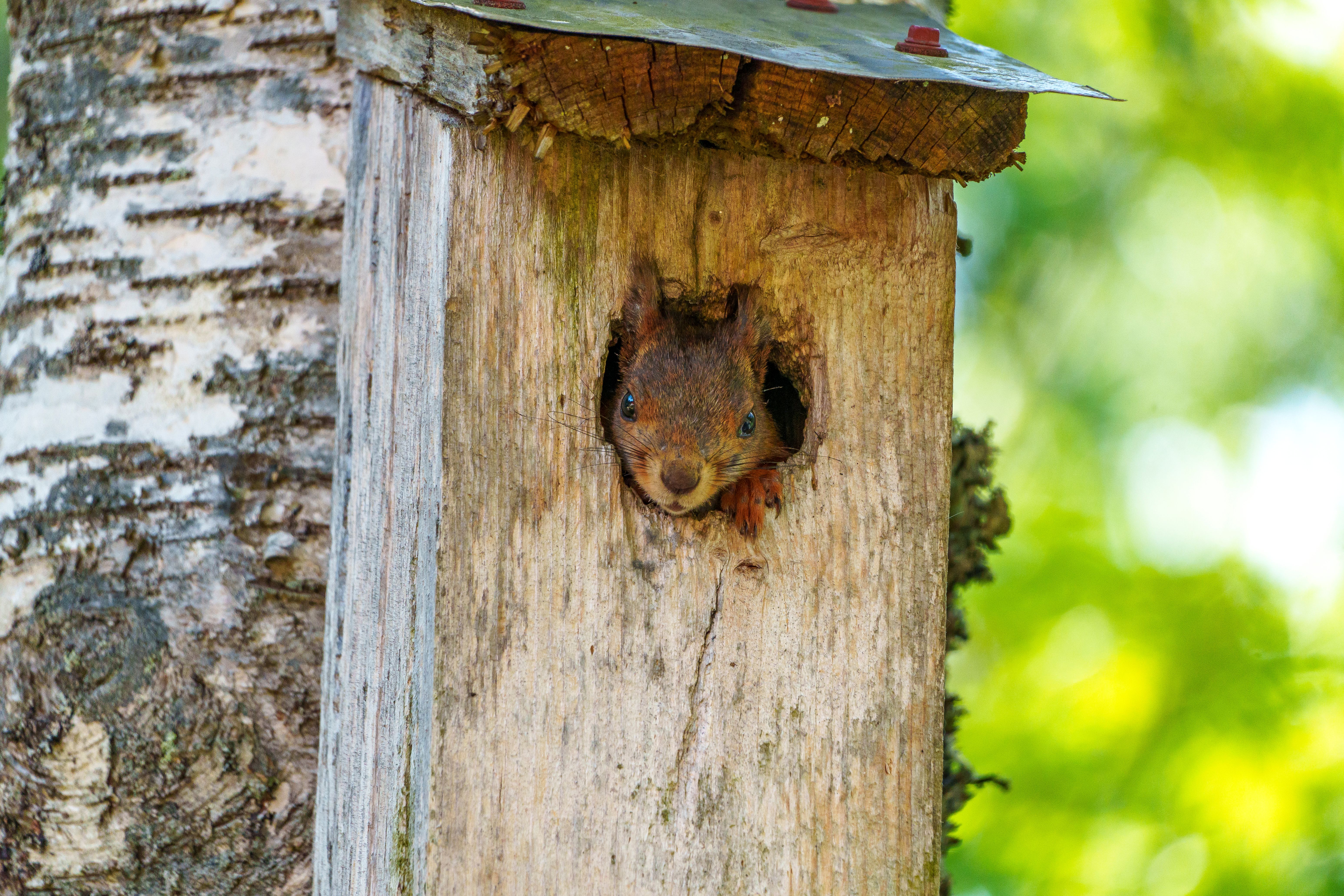
The first sign is often not the snake. There is a sudden sense that small animals are behaving differently around the foundation. If you notice bursts of rodent activity near the crawlspace, followed by eerie quiet, that can be meaningful. Rattlesnakes hunt small mammals by scent and heat detection, and a prey-rich area around a cabin can quickly become a regular hunting route.
The second clue is repeated sightings of shed snake skin, especially near rocks, stacked lumber, skirting, foundation gaps, or the edge of stairs. A shed skin does not prove a rattlesnake specifically, but it does confirm snake use of the area. If the skin is thick-bodied and found repeatedly near the same access point, that raises the stakes.
The third clue is time-of-day patterning. You might hear movement under the cabin at dusk, notice a snake crossing the same sun-warmed patch in the morning, or hear a brief rattle when you step near a vent or loose board. Texas Parks and Wildlife warns people to use caution when moving logs, stones, and debris because venomous snakes may shelter beneath them. Around a cabin, those same hidden spaces exist under steps, skirting, pallets, and stored firewood.
What to inspect around the cabin without putting yourself at risk
Start with a slow perimeter walk in full daylight. Look for openings under skirting, gaps at crawlspace vents, broken lattice, spaces around pipes, and low hollows beneath steps or porches. You are not trying to confirm the snake by force. You are looking for access routes and evidence such as tracks in dust, fresh shed skin, droppings from rodents, or a polished-looking path where animals repeatedly pass.
Pay special attention to things that create cool, shaded voids. Rock piles, stacked lumber, sheet metal, old tarps, spare roofing, and firewood are classic shelter sites. Texas Parks and Wildlife advises storing lumber, woodpiles, and similar debris at least 18 inches off the ground. That advice matters because the mess around a cabin often functions like a ready-made reptile motel.
Do not crawl under the cabin to investigate if you suspect a rattlesnake is present. UC Agriculture and Natural Resources specifically cautions that if you must go under a house or other building in rattlesnake country, you should be extremely careful. In practical terms, if you cannot visually inspect an area from a safe standing position, that is usually the moment to stop and call a licensed wildlife professional rather than escalating the risk yourself.
Signs the snake may be established, not just passing through
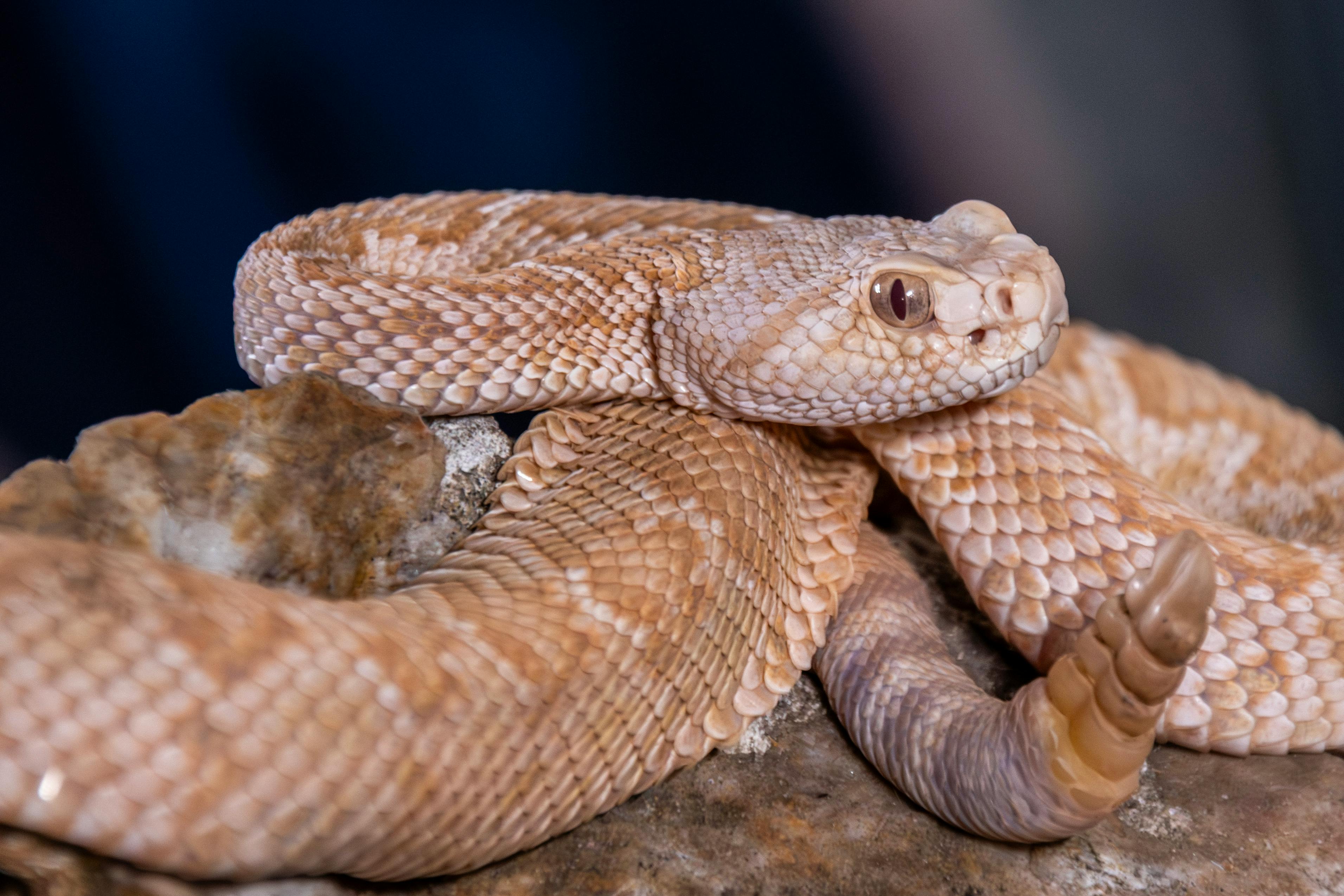
A passing snake may use your property briefly, then move on. A resident snake, or repeated use by multiple snakes, usually leaves a more stable pattern. One sign is repeated activity around the same shaded edge, vent, or foundation gap over several days, especially during warm months. Another is recurring rodent traffic into the same area, suggesting a dependable food source remains in place.
You may also notice a seasonal rhythm. In hot weather, snakes often use cooler refuges during the day and may emerge in morning or evening transition periods. In shoulder seasons, a sun-facing cabin edge or rocky foundation can create excellent basking habitat. The National Park Service’s guidance on rattlesnake habitat repeatedly emphasizes rock, cover, and undisturbed shelter, all of which many rural cabins naturally provide.
A particularly serious clue is hearing more than one rattle event over time from the same general location. Not every rattlesnake will rattle, and some bites happen with no warning sound at all, so silence is not reassurance. But if the same stair, vent, or crawlspace edge triggers that dry buzzing warning more than once, you should assume the area is actively used and treat it as a hazardous zone until inspected professionally.
What to do immediately if you suspect one is underneath
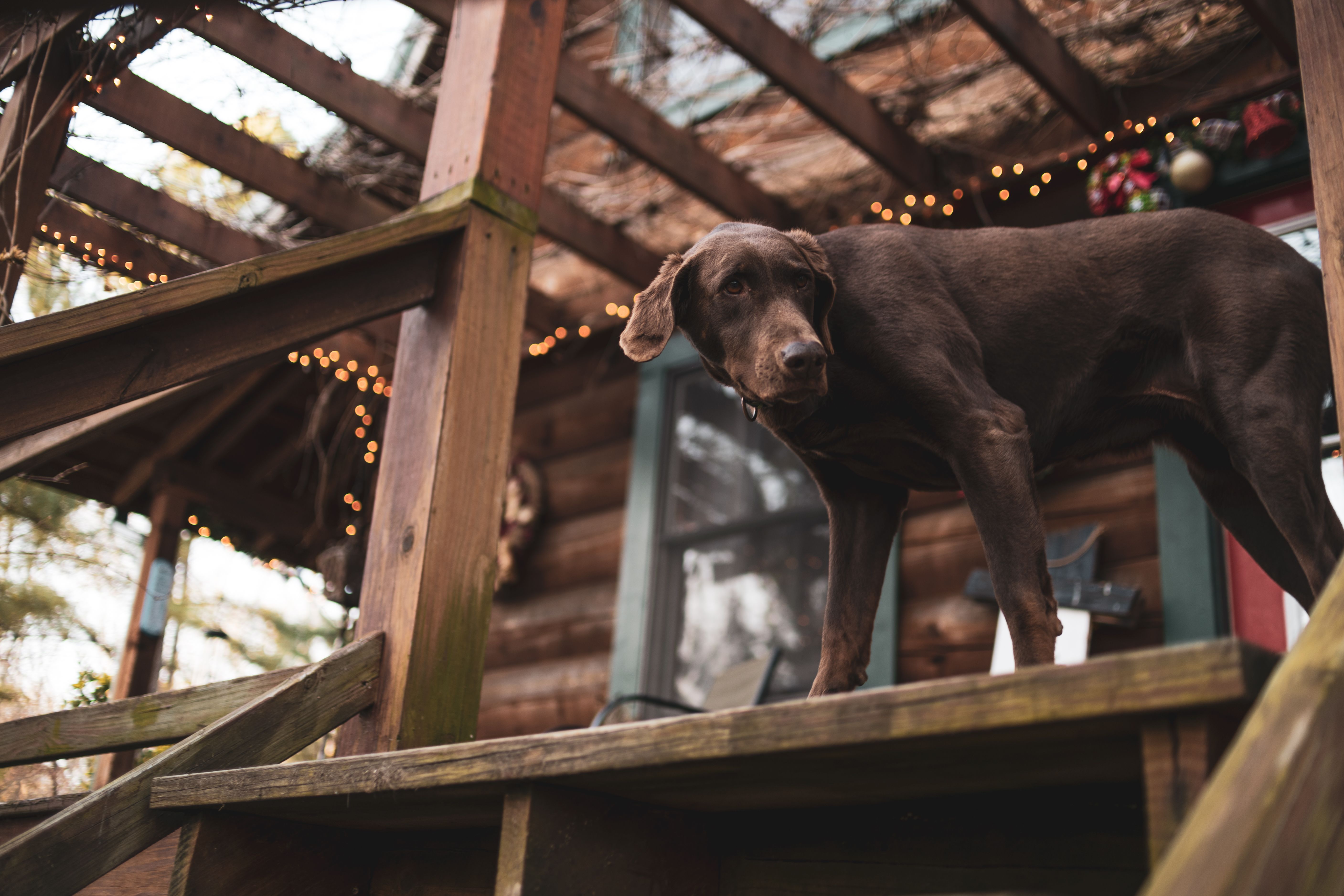
First, slow the property down. Keep children and pets away from the crawlspace, stairs, porch edges, and nearby debris. The CDC says 7,000–8,000 people are bitten by venomous snakes in the United States each year, and while only about 5 die, long-term injury is far more common than many people assume. This is not the moment for curiosity, barefoot errands, or letting the dog “check it out.”
Second, remove the attraction without trying to confront the animal. Do not reach into gaps, spray chemicals into the crawlspace, bang on the foundation, or attempt to trap or kill the snake. The National Park Service advises giving rattlesnakes a wide berth and allowing them room to escape. Many bites happen when people try to handle or kill a snake rather than simply backing away.
Third, call the right help. Depending on your location, that may be animal control, a state wildlife agency contact, or a licensed nuisance wildlife operator experienced with venomous reptiles. If you do have an urgent need to pass nearby before help arrives, wear sturdy boots, use a flashlight in low light, and never place hands or feet where you cannot clearly see, which is standard safety advice echoed by parks and wildlife agencies.
How to make sure it does not happen again
Long-term prevention is mostly about making the area under your cabin less useful as shelter and less attractive to prey. Seal foundation gaps, repair skirting, screen vents appropriately, and close openings around pipes and utility penetrations. A snake may follow an existing void that was created for rodents, so exclusion work pays off twice.
Then clean the perimeter aggressively. Remove brush piles, thin heavy ground cover near the structure, keep grass shorter, and relocate stacked materials away from the cabin. Texas Parks and Wildlife recommends eliminating rock piles, brush piles, and tall grass because snakes are more likely to seek habitat elsewhere when those hiding places disappear. The same principle applies to loose boards, scrap metal, and cluttered storage zones.
Finally, think in layers. Secure trash, reduce rodent food sources, store firewood neatly off the ground, and inspect the property routinely during warm seasons. Saguaro National Park also notes that if a wildlife professional moves a rattlesnake, it should not be transported too far from its home range, which is a reminder that snake issues are usually habitat issues. If your cabin remains cool, cluttered, and full of prey, another snake can replace the first one surprisingly fast.
Custom footer at the end of the article.