Social media has reshaped how people discover, evaluate, and discuss nearly every consumer product, and firearms are no exception. What once depended on local gun shops, printed catalogs, and word of mouth now unfolds across screens through videos, comments, and shared experiences. Buyers see products in action, hear opinions instantly, and learn market trends faster than ever. This shift does not replace traditional purchasing rules or legal requirements, but it strongly influences preferences, timing, and confidence. Understanding how social platforms shape buying behavior helps explain why demand spikes happen, why certain models gain popularity quickly, and why modern buyers arrive more informed. The following sections explore the most impactful ways social media changed firearm purchasing habits.
1. Product Discovery Happens Faster

Social media dramatically shortened the time between a new firearm release and public awareness. Photos, short videos, and early impressions spread within hours, reaching audiences nationwide. Buyers no longer wait for magazines or in-store displays to learn what is new. This rapid exposure creates early demand and shapes first impressions before many people ever handle the firearm. Algorithms amplify popular posts, pushing certain models into feeds repeatedly. As a result, buyers often enter shops already knowing specifications, appearance, and general reputation. Faster discovery increases competition and influences purchasing decisions earlier in the research phase than traditional advertising ever could.
2. Video Reviews Influence Trust

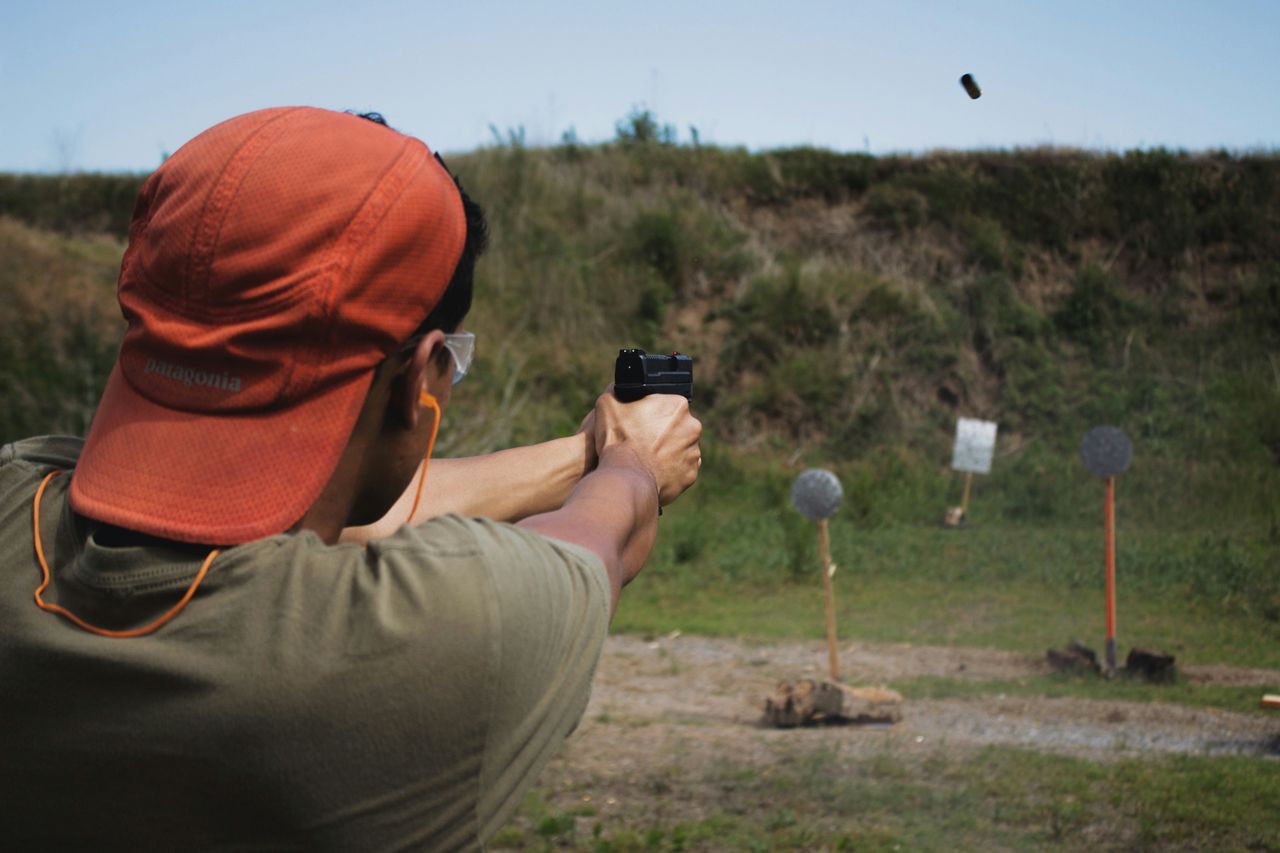
Video content allows viewers to see firearms handled, fired, and discussed in real time. Buyers watch how a gun cycles, recoils, and performs under basic conditions. This visual proof builds trust more effectively than written descriptions alone. Viewers also notice reviewer demeanor, experience, and consistency, which affects credibility. Seeing real use reduces uncertainty and helps buyers narrow options. While not all reviews are equal, repeated exposure to similar conclusions shapes perception. Many buyers now rely on multiple video opinions before visiting a retailer, feeling better prepared and more confident about their final choice.
3. Peer Opinions Shape Demand

Comment sections and discussion groups expose buyers to unfiltered opinions from other owners. Real users share praise, complaints, and long-term experiences that rarely appear in advertisements. This peer feedback influences buying confidence, especially for first-time buyers. Positive consensus increases demand, while repeated criticism can slow sales quickly. Buyers feel part of a community rather than isolated decision makers. Social interaction adds reassurance and validation, making purchasing feel less risky. Peer influence often matters more than expert reviews because it reflects everyday use rather than controlled demonstrations.
4. Visual Appeal Drives Interest

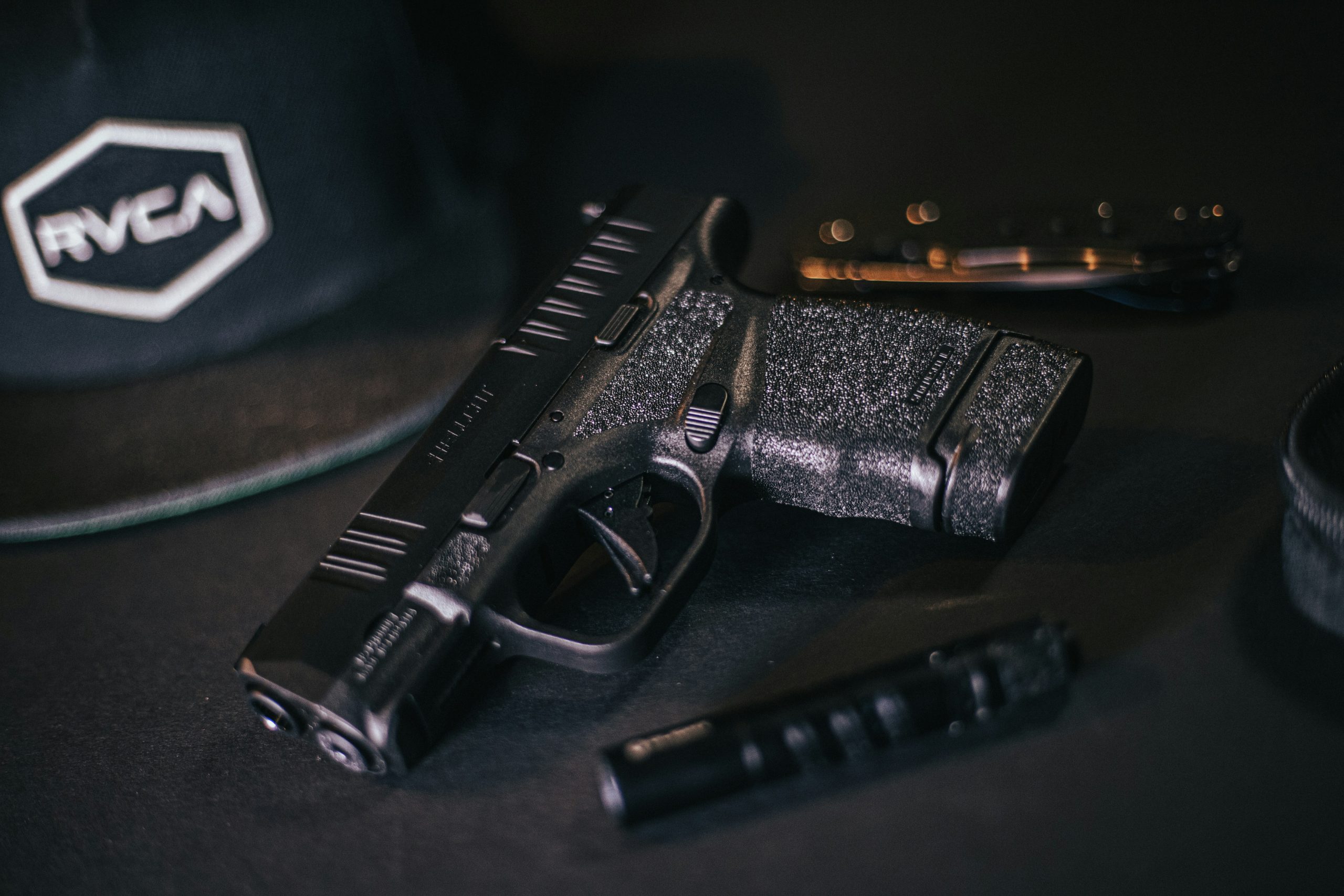
High-quality photos and videos emphasize design details, finishes, and accessories. A firearm that looks good on screen often attracts more attention, even before performance is discussed. Visual presentation shapes emotional response and brand perception. Clean backgrounds, lighting, and angles make products appear more refined. This visual focus encourages buyers to consider aesthetics alongside function. While performance remains important, first impressions increasingly begin with appearance. Social platforms reward visually striking content, indirectly pushing manufacturers and buyers to prioritize looks more than in the past.
5. Trends Create Sudden Demand

Social media accelerates trend cycles. A firearm featured repeatedly by popular creators can see demand surge almost overnight. Buyers rush to purchase before availability tightens, driven by fear of missing out. This creates temporary shortages and price fluctuations. Trends also fade quickly, shifting attention to the next popular item. Buyers influenced by trends may act faster than planned, sometimes purchasing earlier than they intended. This rapid rise and fall of interest was far less common before social platforms amplified attention at scale.
6. Education Happens Before Store Visits
Buyers now arrive at retailers with extensive background knowledge. Social media teaches terminology, basic safety concepts, and feature comparisons. This preparation shortens decision time at the counter. Customers ask more specific questions and compare options confidently. While store staff still play an important role, the balance of information has shifted. Buyers feel empowered rather than dependent. This change improves efficiency but also raises expectations for accurate information and transparency during the purchasing process.
7. Accessory Influence Increases Sales

Firearms are often presented alongside accessories such as optics, lights, and grips. Seeing complete setups encourages buyers to think beyond the base product. Social media normalizes customization and showcases how accessories enhance use. This drives additional purchases and influences which firearm models are chosen based on compatibility. Buyers plan full setups earlier, factoring accessory options into initial decisions. The result is a more holistic buying mindset shaped long before entering a store.
8. Pricing Awareness Expands

Social platforms expose buyers to price discussions, sale announcements, and regional comparisons. People quickly learn what others paid and where deals appeared. This transparency reduces uncertainty and helps buyers set realistic budgets. It also pressures sellers to remain competitive. While prices still vary by location, buyers feel less likely to overpay unknowingly. Pricing awareness creates more informed negotiations and timing decisions, such as waiting for known seasonal discounts.
9. Community Builds Confidence

Social media communities reduce intimidation for new buyers. Seeing others ask beginner questions and share first purchases normalizes the learning process. Supportive responses encourage hesitant buyers to move forward. Confidence grows through shared experiences rather than solitary research. This sense of belonging lowers barriers and makes purchasing feel approachable. Community engagement turns buying into a social experience rather than a purely transactional one.
10. Brand Loyalty Forms Earlier
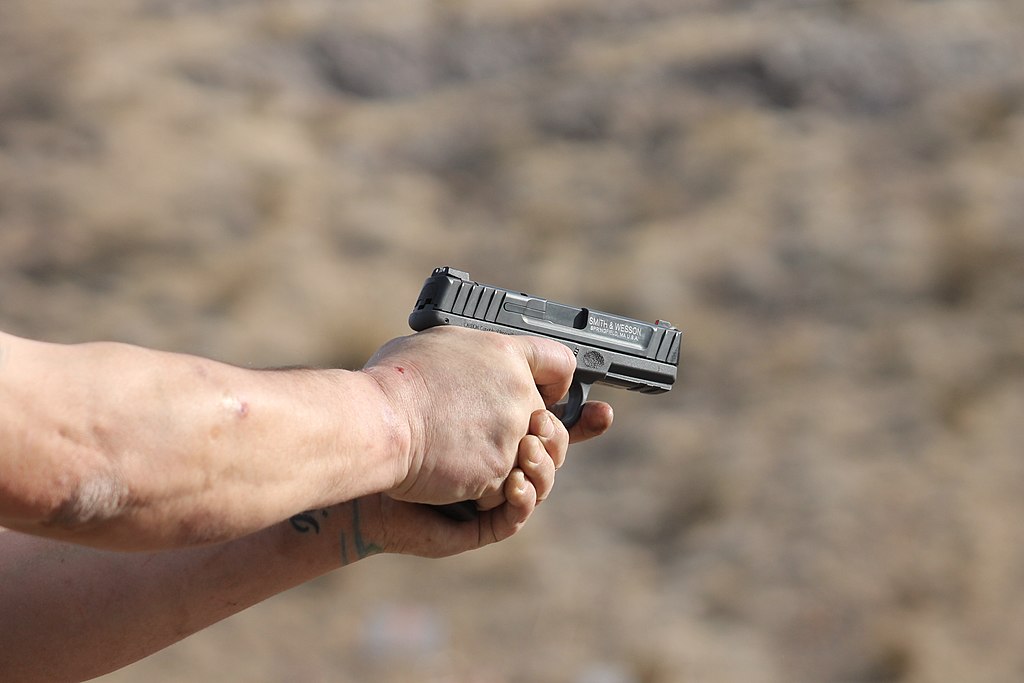
Repeated exposure to specific brands through content builds familiarity and trust over time. Buyers recognize logos, models, and messaging before ever shopping. This familiarity often turns into preference. When purchase time arrives, buyers gravitate toward brands they have seen positively represented. Social media shortens the loyalty-building process, influencing decisions well before direct advertising or in-store interaction occurs.
11. Buying Motivation Becomes Emotional
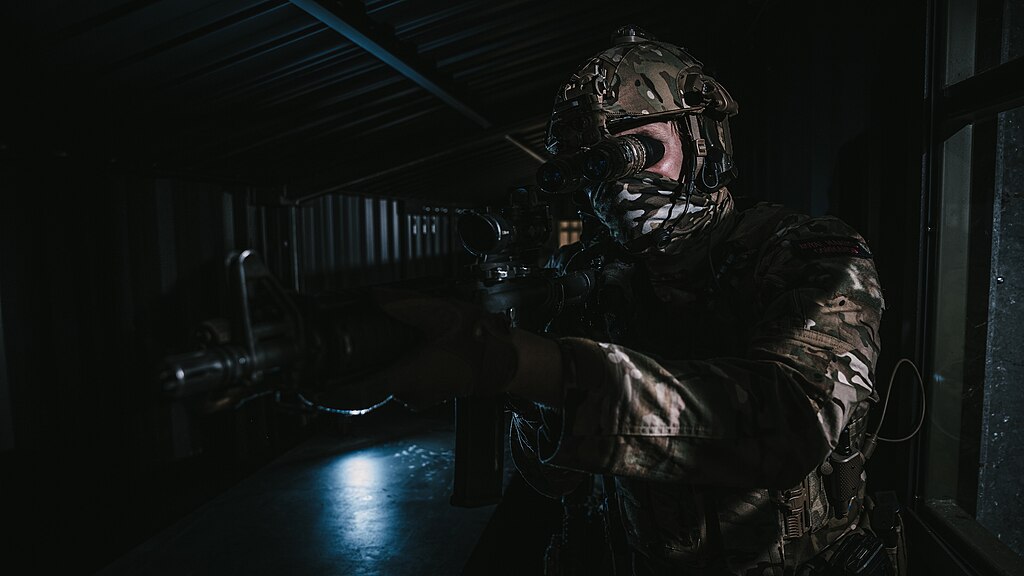
Social media connects firearms to lifestyles, values, and identity. Stories, achievements, and personal narratives add emotional context. Buyers are motivated not just by function but by how ownership aligns with self-image. This emotional connection increases commitment and satisfaction. Purchasing becomes part of a larger story rather than a simple transaction. Emotional motivation, shaped through repeated exposure, now plays a stronger role in buying behavior than ever before.