Cartridge trends are funny: what gets dismissed as outdated one decade can become the smartest choice the next. As hunters, competitors, and everyday shooters rethink recoil, efficiency, and real-world performance, several old-school calibers are suddenly enjoying a serious comeback. These are the rounds that many people wrote off, only to watch them return stronger than expected.
.30-30 Winchester
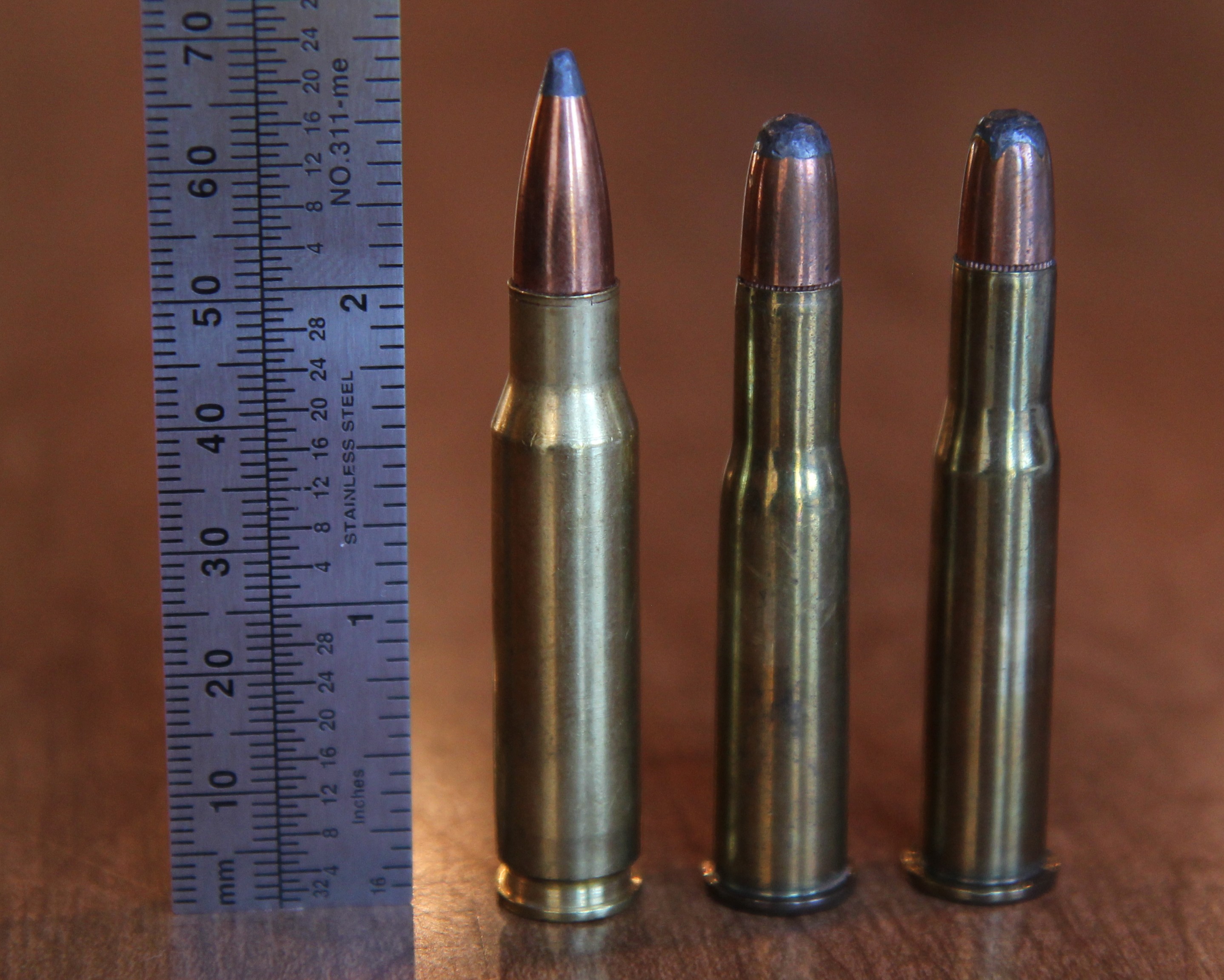
For years, .30-30 Winchester was treated like a sentimental relic, more associated with granddad’s lever gun than serious modern hunting. It never really disappeared, but it did spend a long stretch being overshadowed by flatter, faster cartridges that looked better on paper and in glossy ads.
Now the pendulum has swung back. Hunters in thick woods are rediscovering how effective .30-30 is at sane distances, especially with improved bullet designs that hit harder and expand more reliably than older loads.
It also fits the moment perfectly. Shooters want lighter rifles, manageable recoil, and cartridges that do their job without turning every outing into a long-range science experiment.
6.5×55 Swedish

The 6.5×55 Swedish always had a loyal following, but for a long time it lived in the shadow of newer 6.5 cartridges with flashier branding and more aggressive marketing. To many American shooters, it seemed like an old European answer to a question nobody was asking anymore.
Then the broader 6.5 craze changed everything. Once shooters started valuing high ballistic coefficients, modest recoil, and excellent sectional density, the old Swede suddenly looked less quaint and more quietly brilliant.
Its reputation for accuracy and deep, efficient penetration has helped it find new respect. In an era obsessed with practical performance, this supposedly outdated cartridge feels oddly current again.
.35 Remington

.35 Remington spent years as one of those cartridges people spoke about with affection but rarely with urgency. Ammunition could be hard to find, rifle options were limited, and the market drifted toward high-velocity rounds that promised flatter trajectories and longer reach.
Yet in dense cover and practical hunting conditions, .35 Remington never lost its charm. It throws a heavier bullet with authority, and many woods hunters still trust it when a quick, decisive hit matters more than long-range bragging rights.
That old-school logic is winning converts again. As interest in brush guns and traditional deer cartridges rises, .35 Remington has regained a kind of hard-earned credibility that trends can’t manufacture.
.257 Roberts
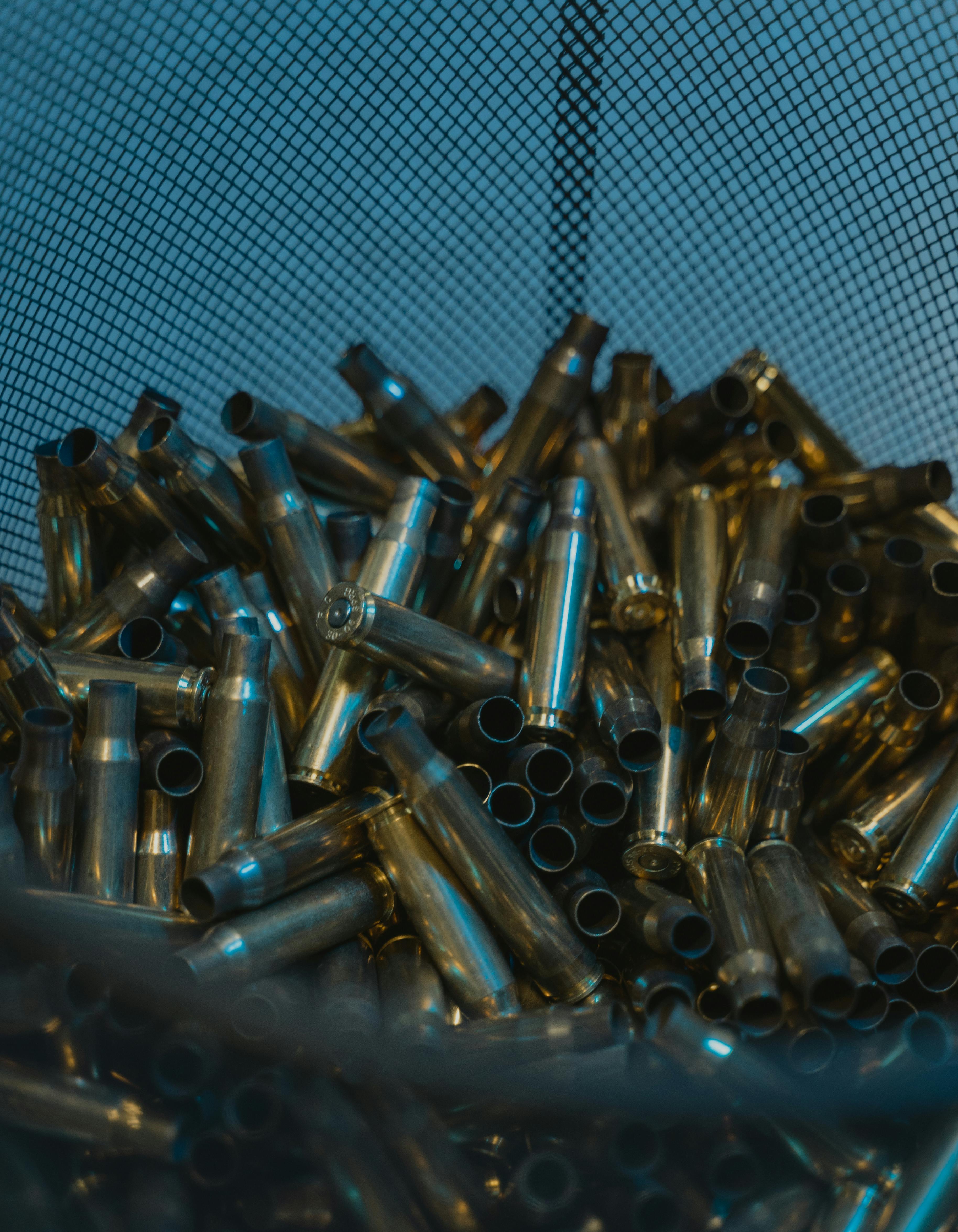
The .257 Roberts once seemed doomed to become a trivia answer, admired by enthusiasts but mostly passed over by mainstream buyers. It sat awkwardly between larger deer cartridges and newer lightweight options, and for a while there just wasn’t much room for it in the conversation.
What changed is the renewed appreciation for efficient, low-recoil hunting rounds that are pleasant to shoot and fully capable in the field. The Roberts has always been exactly that, offering a smooth, balanced combination of velocity, accuracy, and mild manners.
For newer hunters and seasoned shooters alike, that balance feels freshly appealing. In a marketplace crowded with extremes, .257 Roberts stands out by refusing to be extreme at all.
10mm Auto

For a long stretch, 10mm Auto had the reputation of being too much cartridge for too many shooters. It was powerful, yes, but often framed as overkill for defensive use and less practical than the easier-shooting, easier-carrying alternatives that dominated the handgun market.
Today, it’s back with a purpose. Interest in backcountry defense, hunting-capable semi-autos, and shooters wanting more energy from a pistol has pushed 10mm into the spotlight in a way few expected.
Manufacturers have noticed, too, offering more pistols and more load options than the cartridge enjoyed in years. Suddenly, what once felt niche now looks like one of the most versatile handgun rounds on the shelf.
.45 Colt

It’s easy to assume .45 Colt survives on romance alone, carried forward by cowboy nostalgia and old revolver lore. For a while, that was the dominant perception, especially when modern defensive and hunting handguns seemed to move in completely different directions.
But .45 Colt has quietly become relevant again because it fills roles people still care about. In strong revolvers and some carbines, it can be loaded from soft-shooting and pleasant to genuinely formidable.
That flexibility has helped it outgrow the costume-era label. Whether someone wants a trail gun, a big-bore plinker, or a practical companion in a lever-action carbine, .45 Colt suddenly makes a lot of sense again.
.32 H&R Magnum

The .32 H&R Magnum never captured mainstream attention the way bigger revolver rounds did, and for years it was easy to overlook completely. It lacked the swagger of .357 Magnum and the familiarity of .38 Special, leaving it stranded in a kind of commercial no-man’s-land.
Now shooters are revisiting it for reasons that feel very modern. It offers light recoil, surprisingly useful performance, and the chance to carry an extra round in some compact revolvers without moving to a harsher shooting platform.
That matters more than ever. As concealed-carry buyers prioritize shootability and control, .32 H&R Magnum is getting the kind of respect its practical strengths probably deserved all along.
7×57 Mauser

The 7×57 Mauser has one of the great resumes in cartridge history, but prestige doesn’t always translate into modern popularity. It spent decades being admired more in stories and old rifles than in gun-store demand, especially as newer short-action and magnum options grabbed attention.
Still, the cartridge’s original virtues never stopped mattering. It is efficient, accurate, and wonderfully manageable, with a long track record on game that far exceeds what its modest recoil might suggest.
As more shooters drift away from overpowered setups and toward cartridges that reward precision and comfort, the 7×57 feels newly persuasive. Sometimes a comeback is really just a delayed recognition of lasting quality.
.44 Special

The .44 Special was long overshadowed by its louder, more muscular offspring, the .44 Magnum. Many shooters saw it as the lesser version, useful mostly for reduced loads or enthusiasts who liked old big-bore revolvers and didn’t mind being out of step with the market.
That image has changed because shootability has become a selling point again. The .44 Special delivers big-bullet appeal without the blast, snap, and fatigue that can make magnum revolvers more work than fun for ordinary range sessions.
It also fits a broader rethinking of defensive and field handguns. Plenty of shooters now want controllable power rather than maximum punishment, and in that environment, .44 Special suddenly feels very well judged.
.300 Savage

The .300 Savage once looked destined to be fully eclipsed by the .308 Winchester, which offered similar appeal with broader rifle support and a stronger commercial push. For many shooters, that was the end of the story, and the older cartridge gradually slipped into the background.
But a growing affection for classic hunting rifles has brought .300 Savage back into the conversation. In the distances where most deer are actually taken, it remains entirely capable, with manageable recoil and a reputation for practical field performance.
There’s also a cultural shift helping it along. More hunters are embracing heritage rifles not as collectibles, but as useful tools, and .300 Savage benefits every time nostalgia meets real-world effectiveness.