Some deals look smooth only after they are over. This one never really stopped looking dangerous.
Why This Exchange Mattered So Much.
The August 1, 2024 prisoner swap between Russia and several Western countries was the biggest East-West exchange since the end of the Cold War. It brought home Wall Street Journal reporter Evan Gershkovich, former U.S. Marine Paul Whelan, and others held in Russia.
It also freed Russian political prisoners, including Vladimir Kara-Murza and Ilya Yashin. According to Reuters and statements from the White House, the deal involved multiple governments with sharply different interests, which made every concession politically expensive.
What made the swap especially sensitive was who Russia wanted back. At the center was Vadim Krasikov, a convicted assassin serving a life sentence in Germany, and his release carried moral, legal, and diplomatic costs that no Western leader could treat lightly.
The Deal Was Years In The Making
Reuters reported that the negotiations stretched back more than two years, beginning around the period of Brittney Griner’s detention in 2022. Russian officials repeatedly floated a basic formula: Moscow would release Americans if the West handed over prisoners Russia considered valuable.
That formula kept crashing into one reality. The United States did not control Krasikov because he was imprisoned in Germany after being convicted for the 2019 killing of an exiled Chechen-Georgian dissident in Berlin.
So the talks became multinational almost by necessity. Washington needed Berlin, and later needed help from countries including Slovenia, Poland, Norway, and Turkey, turning what might have been a bilateral swap into a diplomatic machine with many points of failure.
Navalny’s Death Nearly Broke The Logic
One of the biggest turning points came in February 2024. U.S. and German officials had explored a broader arrangement that could have included Alexei Navalny, whose inclusion made the deal more politically meaningful for Germany.
Then Navalny died on February 16, 2024, in a Russian penal colony. Reuters reported that the offer under discussion was never sent because his death stripped away a crucial part of the package and raised immediate doubts about whether Moscow was still serious.
That moment was devastating on two levels. It was a human shock, and it also blew apart the negotiating architecture just as officials thought they had found a formula big enough to justify releasing Krasikov.
Germany Held A Decisive Piece

For all the attention on Washington and Moscow, Germany held one of the most important cards. Chancellor Olaf Scholz had to weigh whether releasing a convicted killer was defensible in exchange for innocent detainees and political prisoners jailed by Russia.
That was never going to be an easy sell at home. German officials later said they had to balance the sentence against the freedom, safety, and, in some cases, the lives of people unjustly imprisoned in Russia.
Reuters described January and February 2024 as the period when President Joe Biden and Scholz moved closer to an initial agreement. Even then, the bargain was fragile, because one domestic backlash in Berlin could have frozen the whole process.
July Was A Sprint Against Collapse
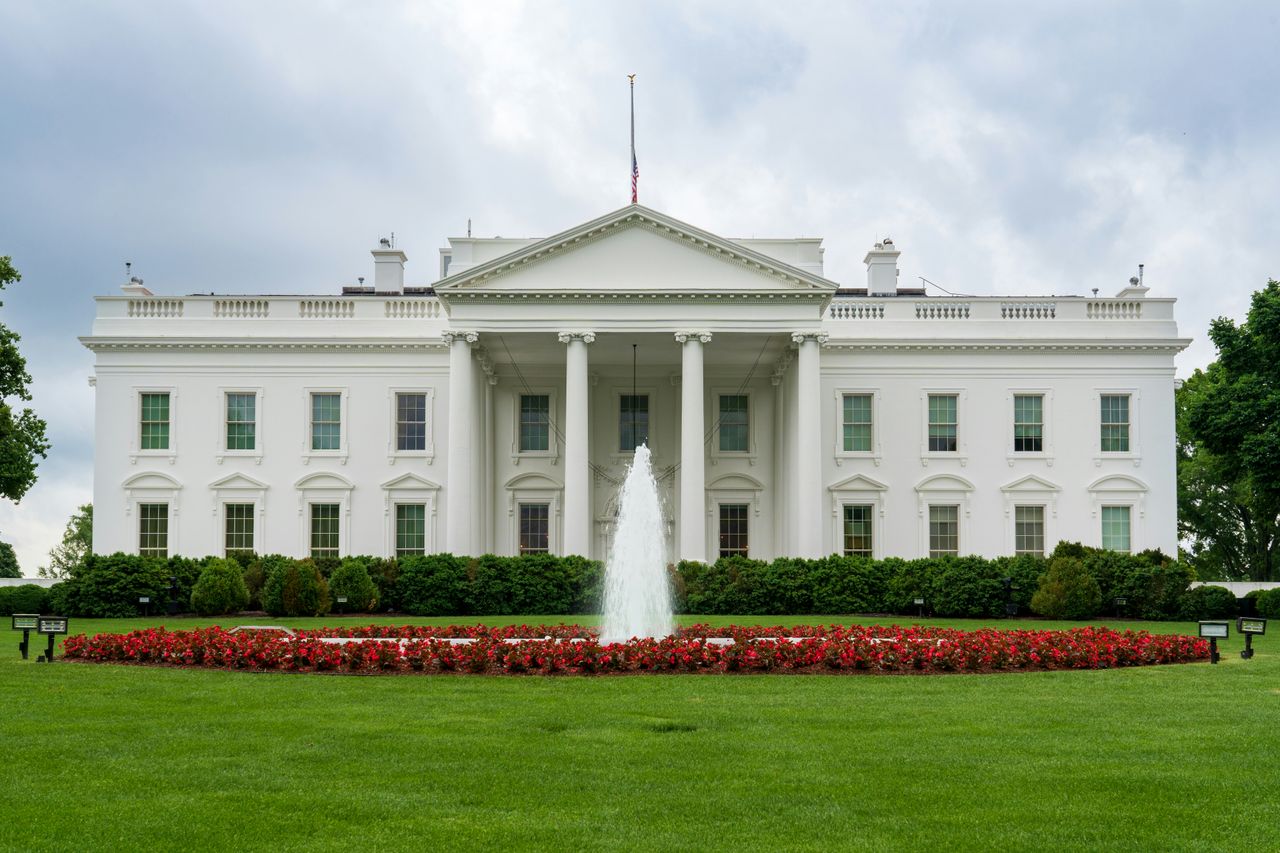
By early July 2024, Reuters reported, Russia had agreed in principle, and by late July it had accepted the deal. That sounds orderly now, but the final phase appears to have been frantic, with governments scrambling to lock in logistics and last-minute commitments.
The Biden administration was simultaneously dealing with major political turbulence at home. Reuters said Biden was still personally making calls, including to Slovenia’s prime minister, while his own reelection campaign was unraveling in public.
That overlap mattered because prisoner deals depend on timing and attention. A distracted government, a wavering ally, or a late procedural objection could have derailed the exchange just hours before aircraft were in motion.
Ankara Became The Stage For A Delicate Finish
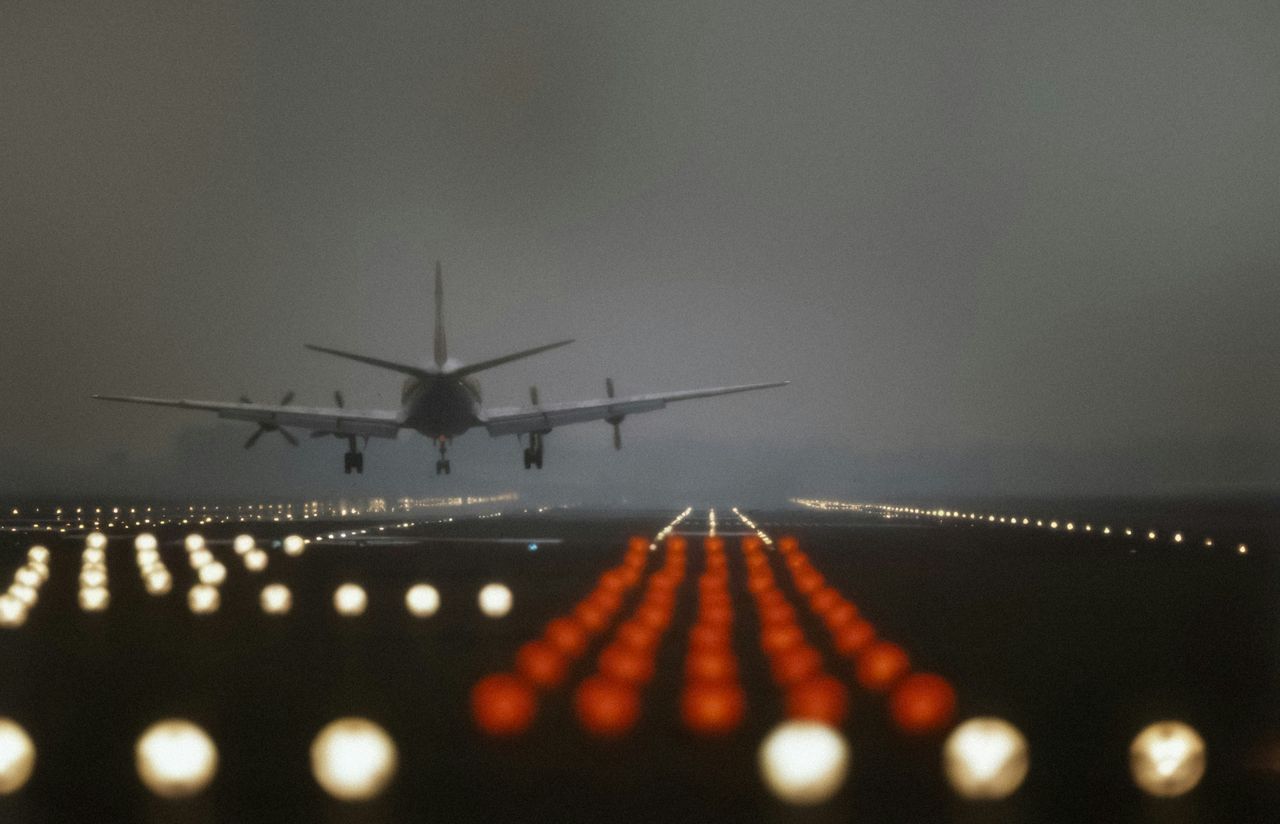
Turkey played a crucial operational role. Turkish authorities said the exchange took place in Ankara and involved seven aircraft, with prisoners transferred onward to the United States, Germany, and Russia in a tightly choreographed handoff.
This was not just a symbolic meeting on a runway. It required trust at the narrowest possible level: manifests, custody transfers, flight timing, and assurance that each side would do exactly what it had promised at exactly the right moment.
When deals are this complex, tension does not disappear when signatures are ready. It peaks at execution because that is the moment when betrayal, hesitation, or confusion can still turn diplomacy into a public collapse.
What The Swap Really Revealed

The exchange showed that even at a time of deep hostility, adversaries can still negotiate when the incentives are strong enough. But it also exposed how narrow that channel has become between Russia and the West.
This was not a breakthrough in relations. It was a transaction built on exhaustion, leverage, and painful compromise, with every participant giving up something they would rather have kept.
That is why the story still resonates. The swap succeeded, but only after surviving years of false starts, Navalny’s death, German reluctance, and the constant fear that one side might walk away before the final handover.