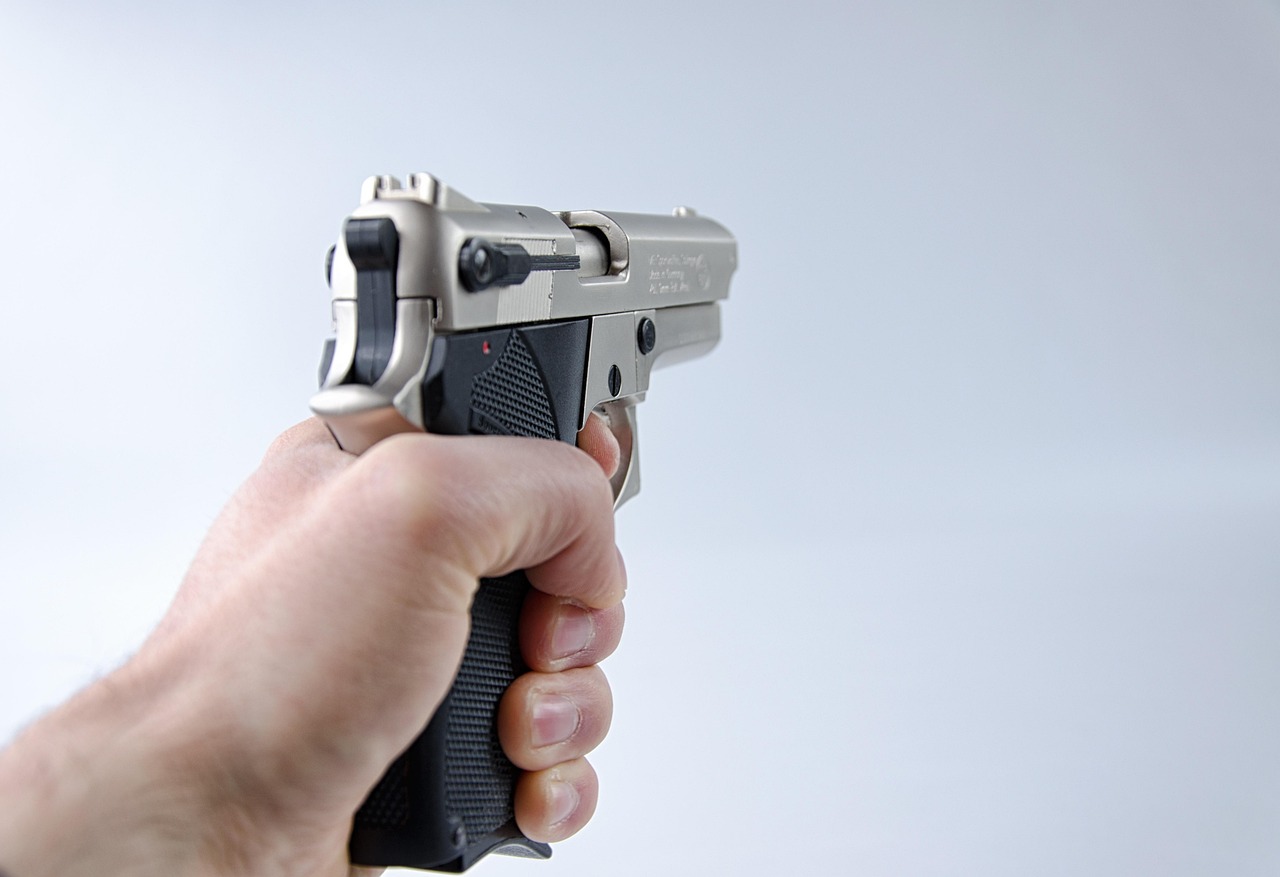
The gun debate is no longer staying in the gun aisle. It is spilling into software, sensors, drones, and code.
The Argument Is Getting Bigger Than Firearms
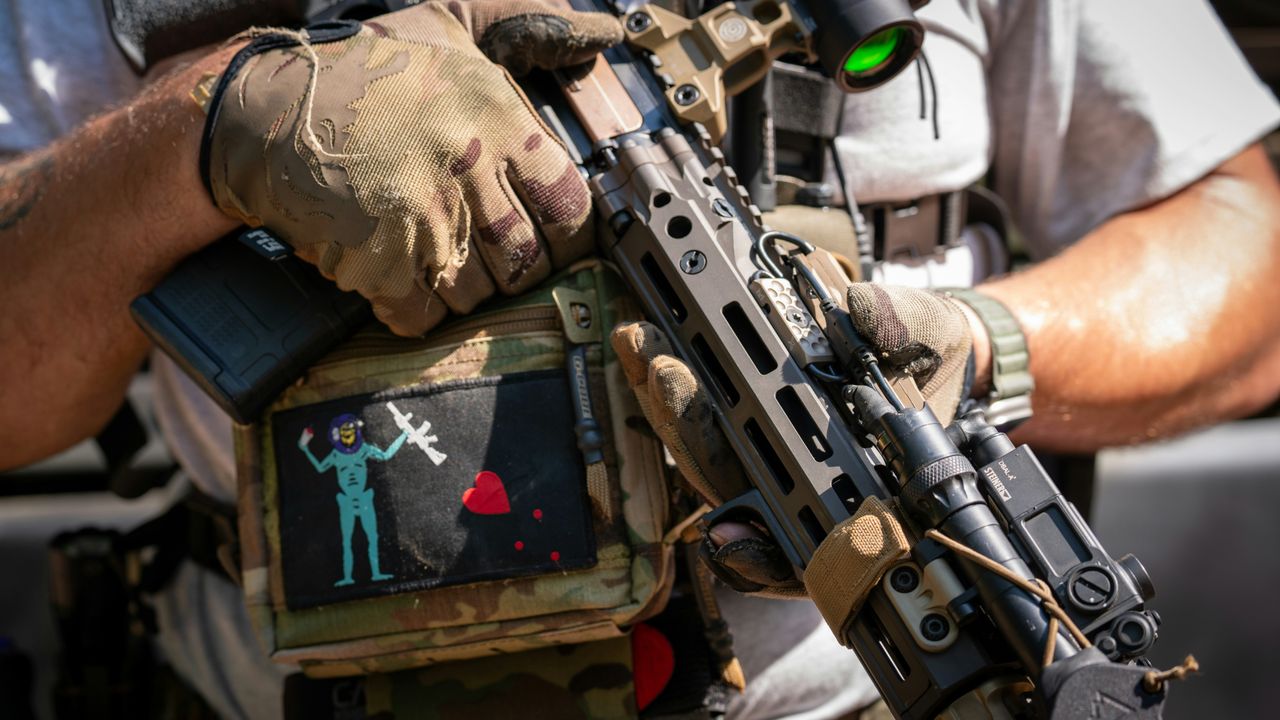
For years, most gun arguments centered on ownership, crime, self-defense, and regulation. That framework still matters, but it is no longer big enough to cover what is happening now.
AI has pushed the conversation into a wider space where weapons are not just objects. They are also systems that identify targets, flag threats, guide drones, and help authorities monitor public spaces.
That shift matters because it changes what people mean when they say “gun control” or “weapon safety.” The issue is no longer only who can buy a firearm, but also who can build, augment, detect, or direct one with intelligent tools.
AI Is Showing Up On Both Sides Of The Debate
One side sees AI as a safety tool. Schools, transit systems, and public venues have increasingly looked at AI-assisted camera systems designed to detect visible firearms before a shot is fired, and AP has reported on states weighing public funding for that kind of technology.
Supporters say faster alerts could save lives in crowded places where seconds matter. They frame AI as a prevention layer, not a replacement for law enforcement or physical security.
Critics hear something else: expanded surveillance, false alarms, and another reason to normalize heavily monitored public life. AP has also reported on school districts using AI monitoring tools more broadly, raising questions about privacy, overreach, and whether the benefits are actually proven.
The Battlefield Is Influencing The Civilian Conversation
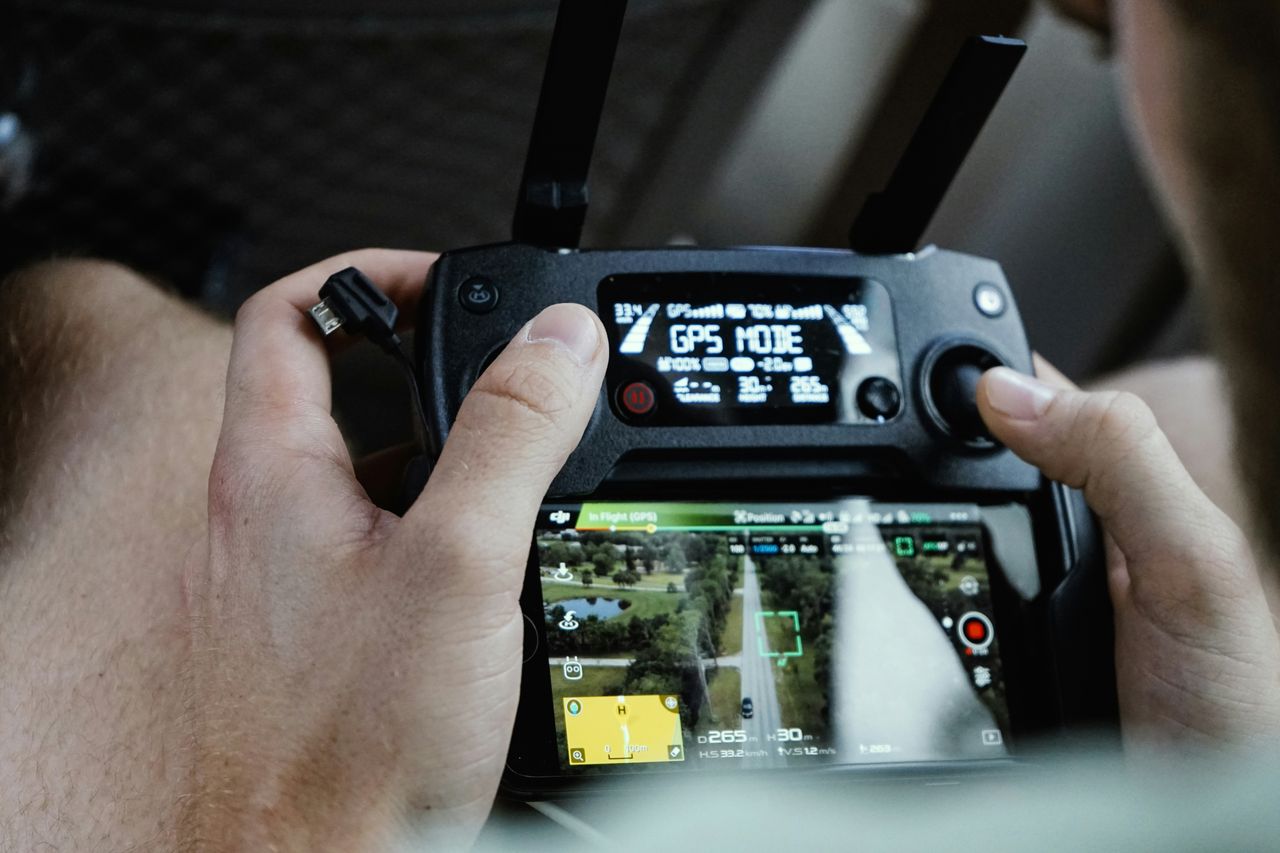
AI weapons debates are also being shaped by war. The United Nations has spent the last two years intensifying discussions around lethal autonomous weapons systems, with diplomats warning that emerging technologies are moving faster than global rules.
At the U.N. Security Council in September 2025, officials warned that recent conflicts were becoming testing grounds for AI-enabled targeting and autonomous platforms. That language reflects a growing fear that machine-assisted violence could become easier to deploy and harder to regulate.
Even when those systems are military, the public effect is civilian. Once people see AI helping choose targets or guide attacks, the broader weapons debate naturally expands beyond rifles and handguns into automation itself.
Detection Technology Brings New Tradeoffs
Gunshot detection and weapon detection tools are often sold as neutral technology. In practice, they introduce judgment calls, data problems, and accountability questions.
AP’s reporting on ShotSpotter found that human review still plays a meaningful role in confirming whether a sound was actually gunfire. That matters because many people assume AI outputs are clean, objective facts when they are often part of a more layered process.
The same tension applies to camera-based gun detection. If a system misses a real threat, trust collapses. If it flags harmless behavior too often, communities may end up living with more police response and more surveillance without clear proof of improved safety.
AI Also Lowers Barriers For Illicit Weapons
The technology debate is not only about detection and defense. It is also about creation.
U.N. reporting has warned that AI-enabled tools can help generate guides, designs, and workflows that make illicit firearms production easier, including with 3D printing. In 2026, U.N. small-arms discussions highlighted concern over 3D-printed and modular weapons, along with the online spread of blueprints and parts data.
That changes enforcement in a basic way. A weapon no longer has to come from a factory line or retail channel to become a policy problem; it can emerge from distributed files, cheap hardware, and software-assisted know-how.
Regulation Is Struggling To Catch Up

Lawmakers and regulators are used to governing physical products. AI scrambles that habit because the meaningful part of the weapon may now be the targeting model, the detection algorithm, the blueprint file, or the platform connecting all three.
International talks show how difficult this is. U.N. experts have been debating definitions, scope, and legal controls for autonomous weapons, while separate small-arms forums are dealing with modular firearms, polymer parts, and 3D-printed components.
The result is a fragmented policy landscape. One set of rules may govern guns, another software, another drones, and another digital files, even when all of them are part of the same real-world chain of risk.
The Next Phase Of The Gun Debate Will Be About Control
The deepest question here is not whether AI belongs in the weapons conversation. It already does.
The real question is who controls the systems around force: governments, companies, users, or nobody in a meaningful way. According to AP and U.N. discussions, the pressure points now include school surveillance, automated threat detection, autonomous targeting, and digital gunmaking.
That means the gun debate is becoming a debate about power. In the AI era, society is not only arguing over who gets a weapon, but also who gets to build the intelligence around it, trust it, and answer for what happens when it fails.